 flip
flipDonkey-Skin cake
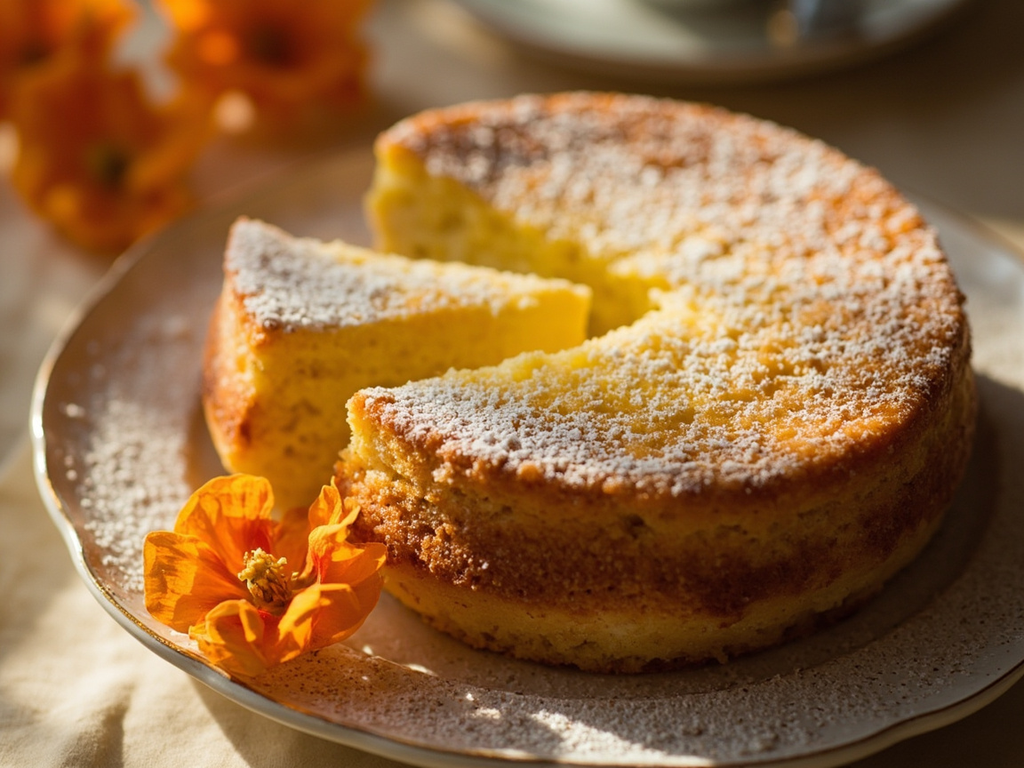
Donkey-Skin cake
Why this dish? In the tale Perrault published in 1694, the princess hidden under her donkey-skin kneads with her royal fingers a cake so fine that her ring falls into it — and it is by this ring that the prince recognizes her. What better dish for the author than the one he himself brought into legend?
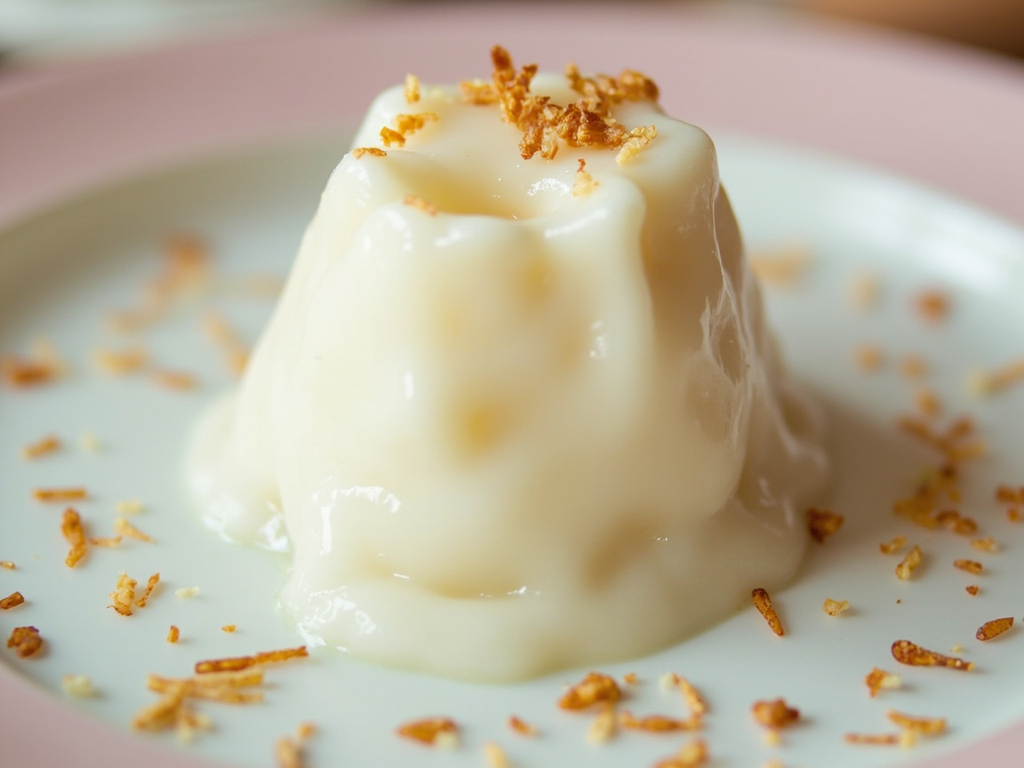
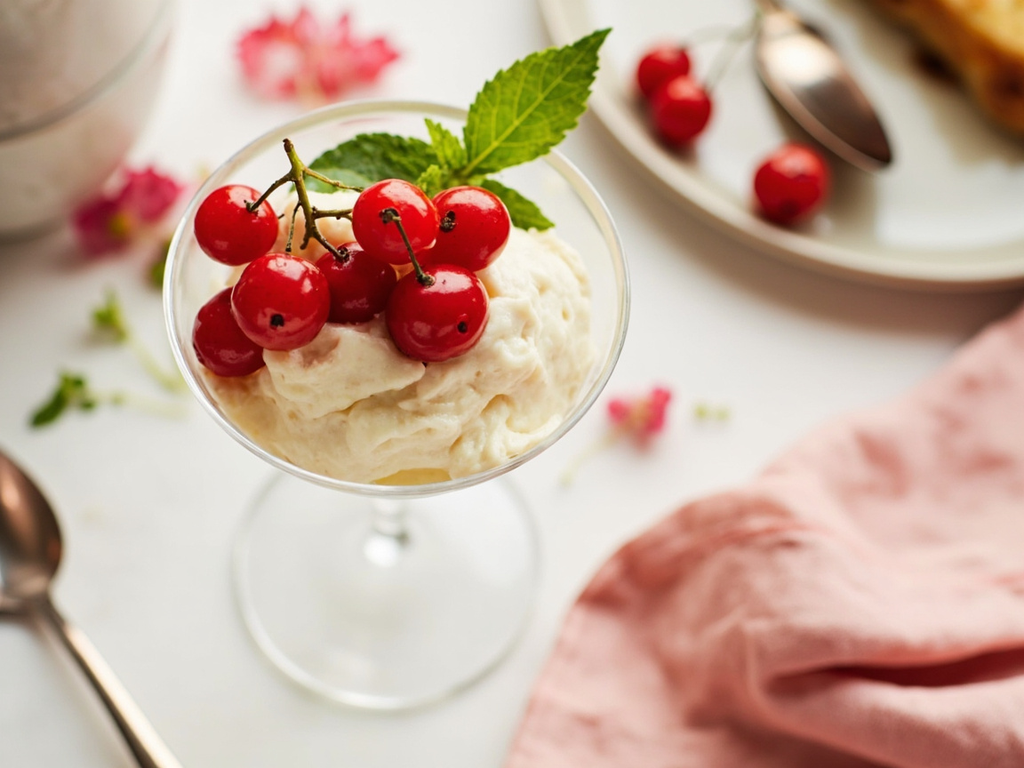
A rich and tender cake, halfway between brioche and pound cake, perfumed with orange blossom water. One slips into it — playfully, and with caution — a ring or a fève, in memory of the princess.
Do you remember my princess who, under her ugly donkey-skin, rolled up her sleeves and kneaded for the prince a cake so delicate that she dropped her ring into it? I give you that cake here: plenty of fine butter, fresh eggs, and that orange blossom water that perfumes an entire household. Beat the batter with vigor, for it is the strong arm that makes the crumb light. And if the fancy takes you, slip a ring into it before baking — but warn your guests, lest someone swallow fortune with the mouthful!
- •Fine wheat flour — a good measure (structure)
- •Fine butter — half the flour (richness)
- •Fresh eggs — as many as needed (binder)
- •Fine sugar — a handful (sweetness)
- •Orange blossom water — a few drops (flavor)
- •Sweet leaven — a little (leavening)
Donkey-Skin cake
A rich and tender cake, halfway between brioche and pound cake, perfumed with orange blossom water. One slips into it — playfully, and with caution — a ring or a fève, in memory of the princess.
Why this dish? In the tale Perrault published in 1694, the princess hidden under her donkey-skin kneads with her royal fingers a cake so fine that her ring falls into it — and it is by this ring that the prince recognizes her. What better dish for the author than the one he himself brought into legend?
Do you remember my princess who, under her ugly donkey-skin, rolled up her sleeves and kneaded for the prince a cake so delicate that she dropped her ring into it? I give you that cake here: plenty of fine butter, fresh eggs, and that orange blossom water that perfumes an entire household. Beat the batter with vigor, for it is the strong arm that makes the crumb light. And if the fancy takes you, slip a ring into it before baking — but warn your guests, lest someone swallow fortune with the mouthful!
Ingredients (period version)
- Fine wheat flour — a good measure (structure)
- Fine butter — half the flour (richness)
- Fresh eggs — as many as needed (binder)
- Fine sugar — a handful (sweetness)
- Orange blossom water — a few drops (flavor)
- Sweet leaven — a little (leavening)
Ingredients
- All-purpose flour — 250 g (structure)
- Softened butter — 150 g (richness)
- Eggs — 4 (binder)
- Sugar — 120 g (sweetness)
- Orange blossom water — 2 tablespoons (flavor)
- Baking powder — 1 packet (leavening)
- Salt — 1 pinch (balance)
Method
- Cream the softened butter with the sugar until pale.
- Add the eggs one by one, beating vigorously between each.
- Flavor with orange blossom water, then fold in the flour sifted with baking powder and salt.
- Pour into a buttered mold; optionally slip in a fève (or a real wrapped ring) and warn the guests.
- Bake at 170°C for about 40 minutes, until a knife comes out clean.
- Let cool slightly before unmolding and dust with a veil of sugar.
How it was made : The tale does not give a recipe, but bourgeois festive cakes of the 17th century were rich batters with butter and eggs, flavored with orange blossom or rose water — a luxury made possible by sugar becoming accessible to affluent tables. The hidden fève comes from a much older tradition, that of the Twelfth Night cake.
The contemporary twist : Serve each slice with a saffron-poached pear compote and call it 'the prince's portion'. The guest who finds the fève 'marries' the dishwashing duty.
Sources : Charles Perrault, Peau d'Âne, 1694 · Nicolas de Bonnefons, Les Délices de la campagne, 1654
Charles Perrault · Charactorium