The Table of an Anglo-Norman Lady of Kilkenny
In the 14th century, among the Anglo-Irish gentry, the meal was served in successive courses brought to the high table. It opened with a pottage of cereals and garden vegetables, followed by the *rost* (roasted or stewed meats seasoned with imported spices, a sign of rank), while fish took the place of meat on Church-mandated fast days. The meal ended with the *issue de table*: spiced wines, dried fruits, and honey preserves. White wheat bread, reserved for the powerful, accompanied the entire meal and even served as a plate (the *tranchoir*).
Signature : Strongbox Spices: Pepper, Cinnamon, Ginger
Brought by merchants to Irish ports, these spices cost a fortune. Displaying them on one's table did not merely nourish—it proclaimed wealth and status. In the household of a wealthy woman like Alice Kyteler, they perfumed both the festive roast and the wine at the meal's end.
Alice Kyteler at the table
1263 — ?
5 period recipes
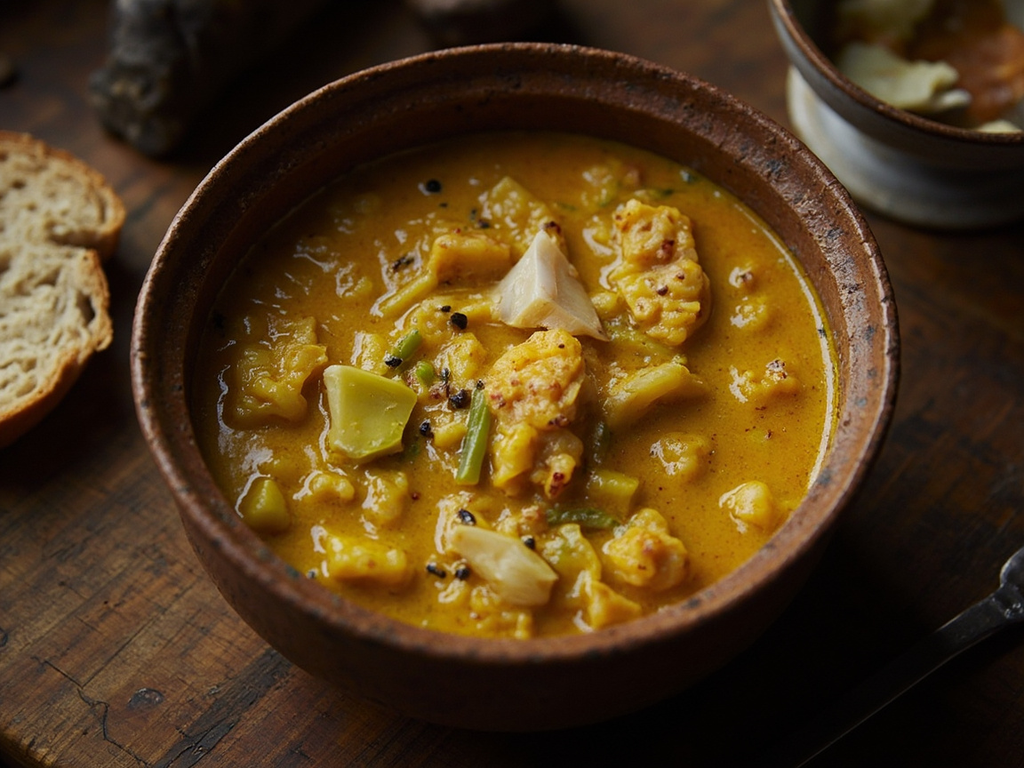 Everyday
Oat Pottage with Leeks and Saffron
The Opening Pottage (First Course)
🧂 🍄· 40 min
View the recipe
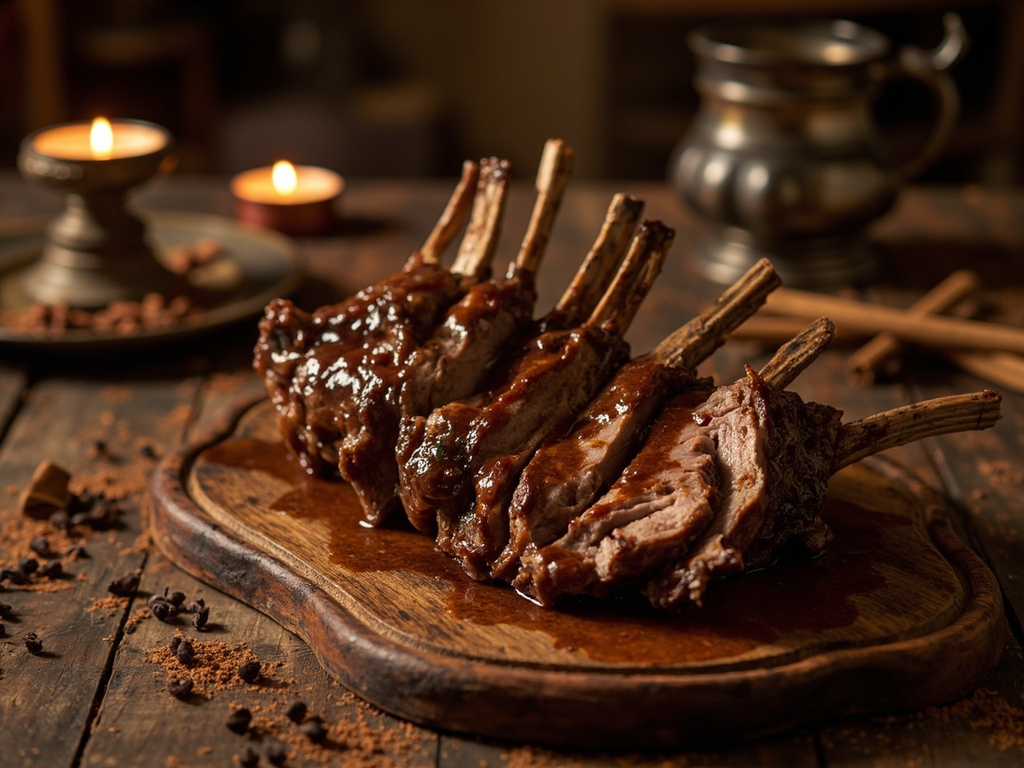 Festive
Roast Kid with Cameline Sauce
The Rost (Festive Meat Course)
🌶️ 🍋· 1 h 15
View the recipe
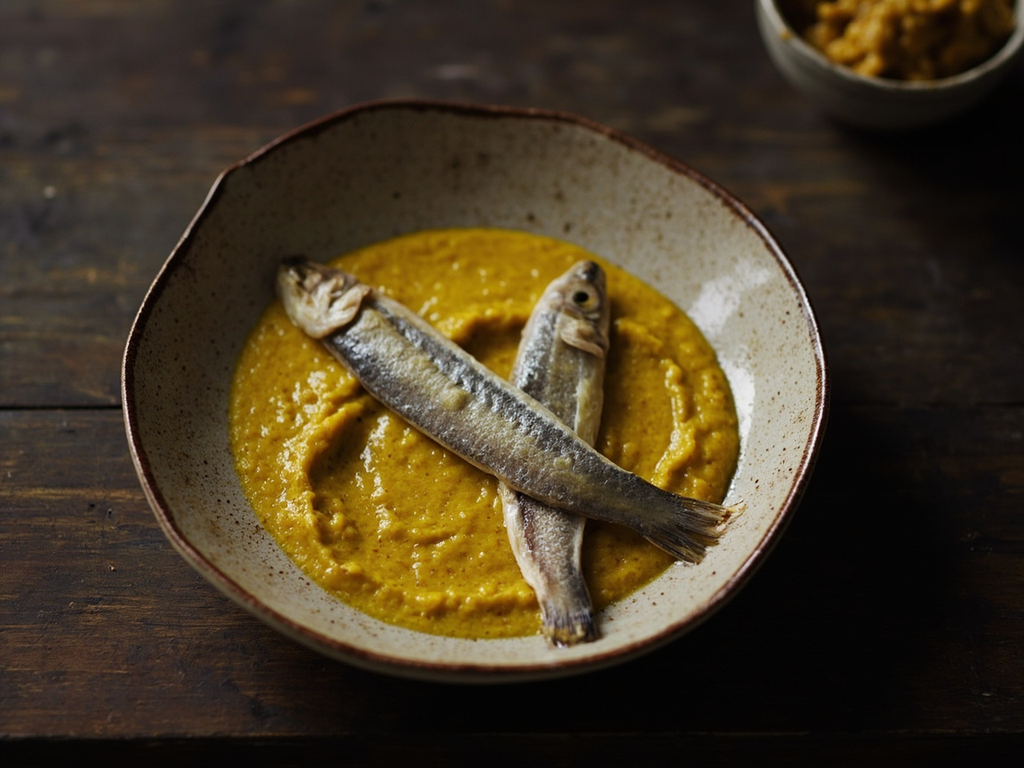 Preserving
Salted Herring with Peas for Fast Days
Fish Dish (Abstinence Day)
🧂 🍄· 1 h (plus desalting)
View the recipe
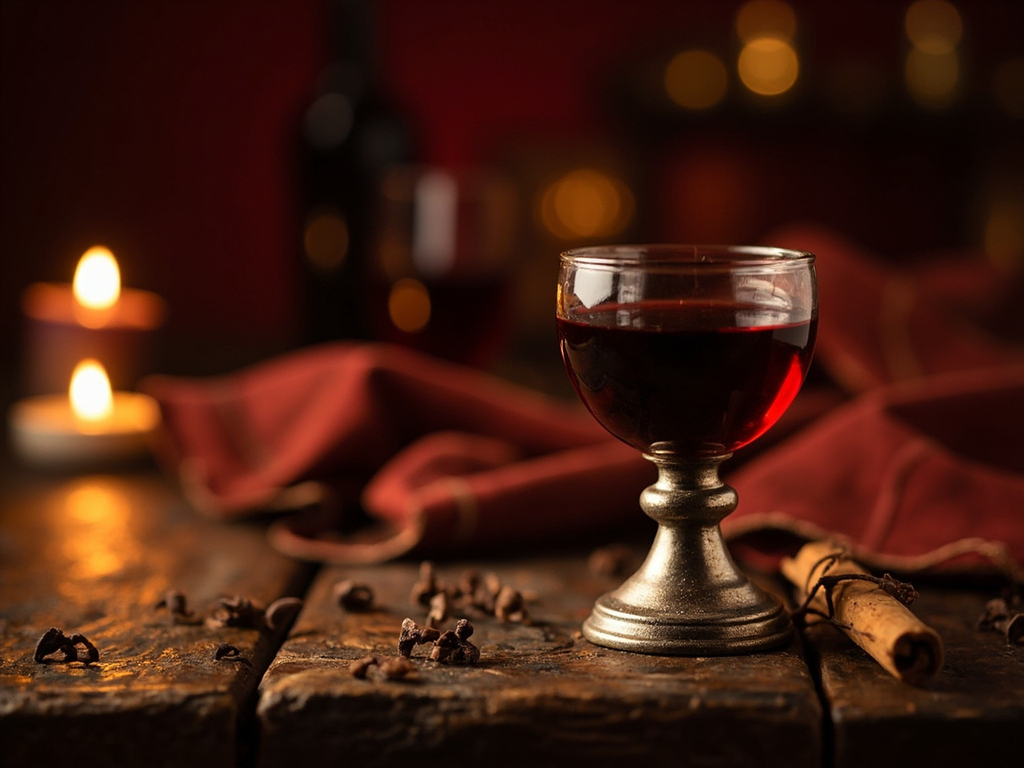 Drink
DrinkHippocras, Spiced Wine for the Meal's End
The Issue de Table (Ceremonial Drink)
🍯 🌶️· 30 min
View the recipe
 Remedy
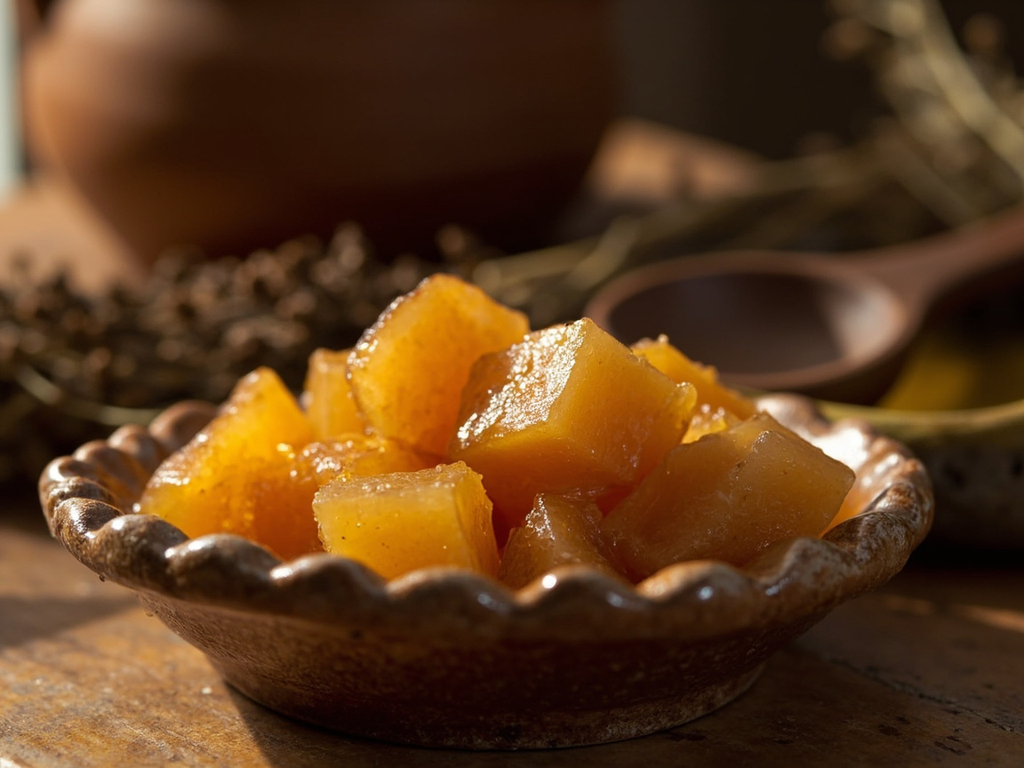
Quince Electuary with Honey and Ginger
Table Remedy (Medicinal Preserve)
🍯 🌶️· 1 h 30
View the recipe