 flip
flipCaffè ristretto del Maestro
Caffè ristretto del Maestro
Why this dish? Renowned for his absolute rigor and concentration, Toscanini led exhausting rehearsals. Strong Italian espresso, drunk short and intense, was the fuel for long working hours and the closing ritual of every meal in the Italy of his time.
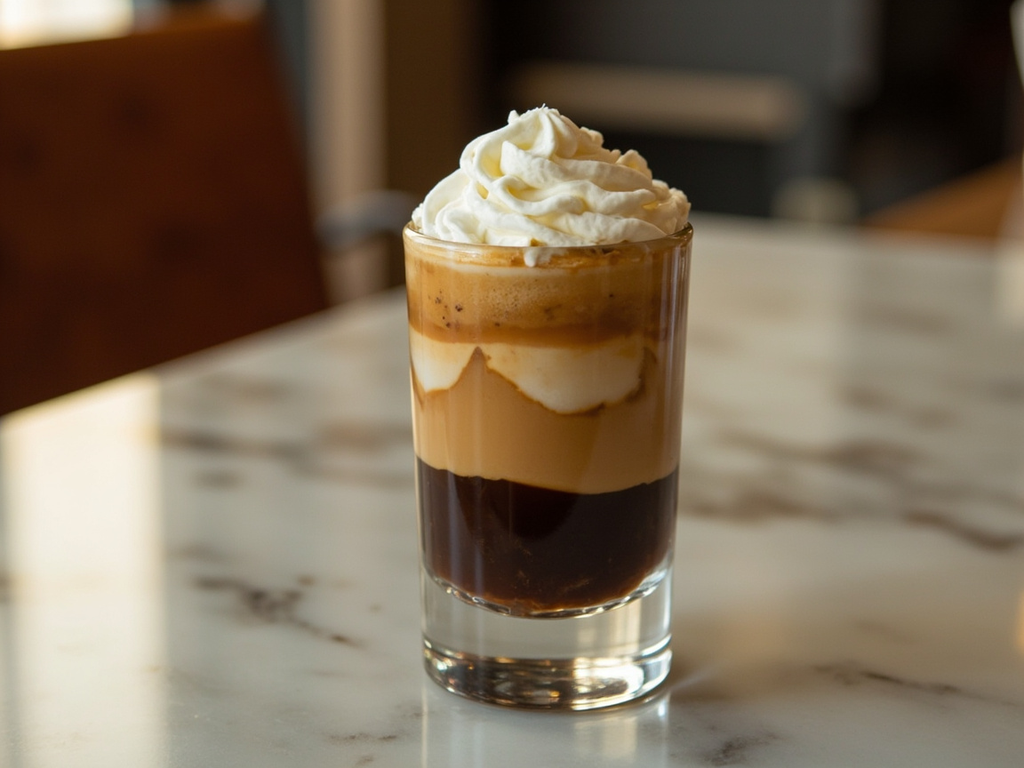
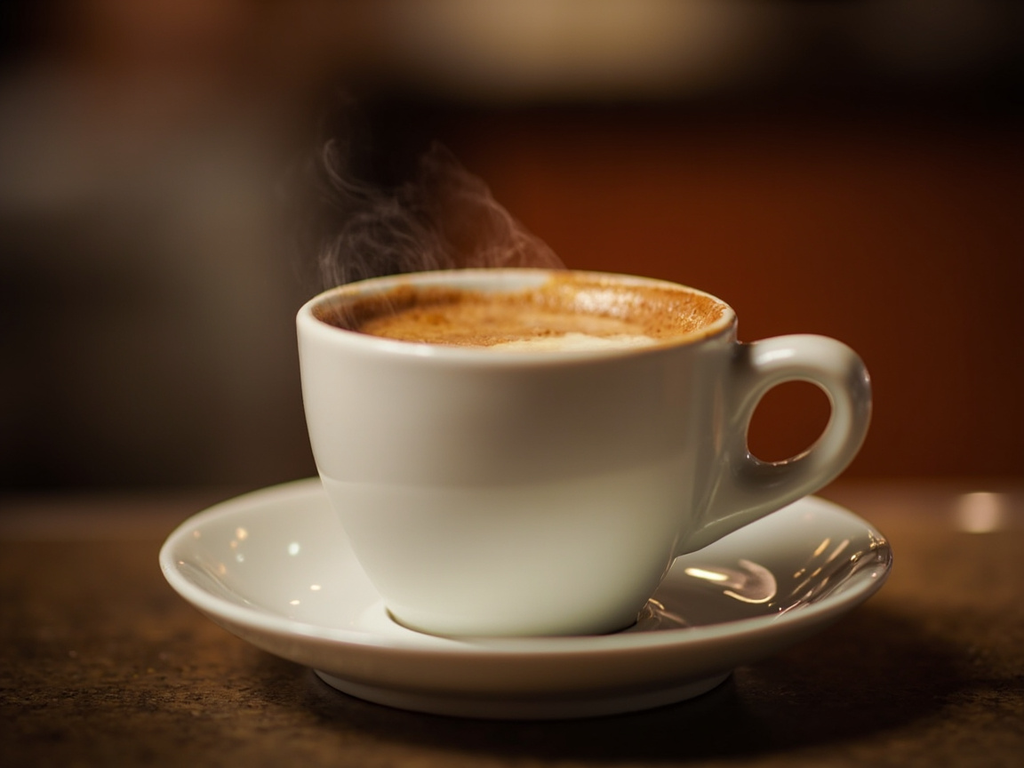
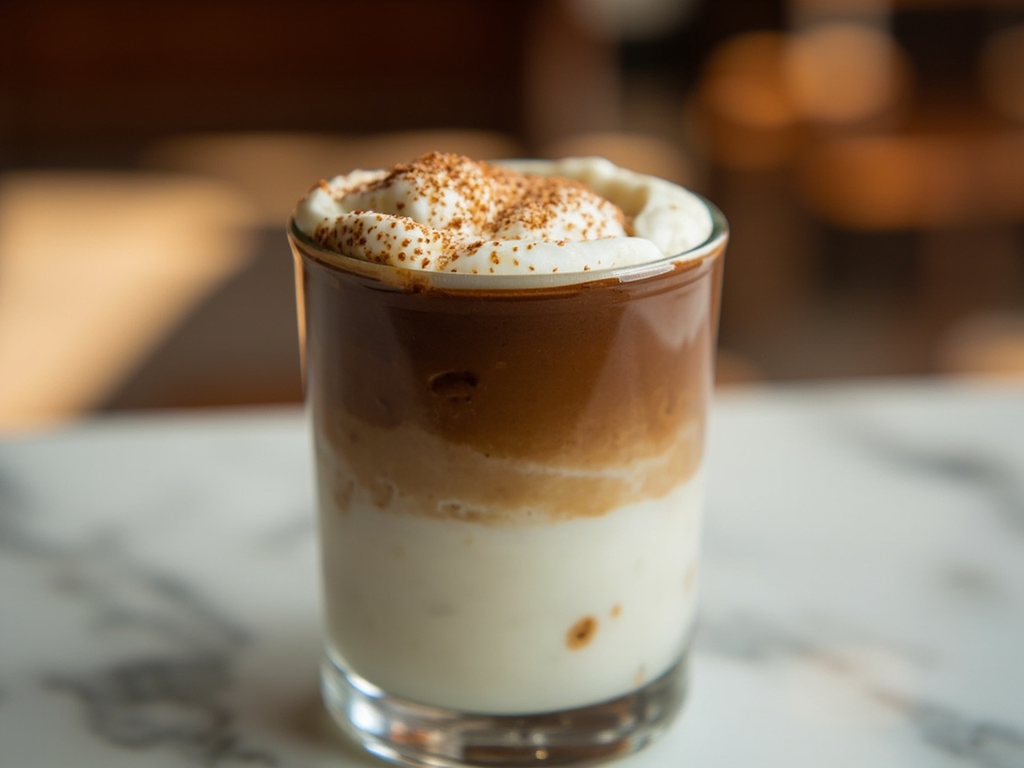
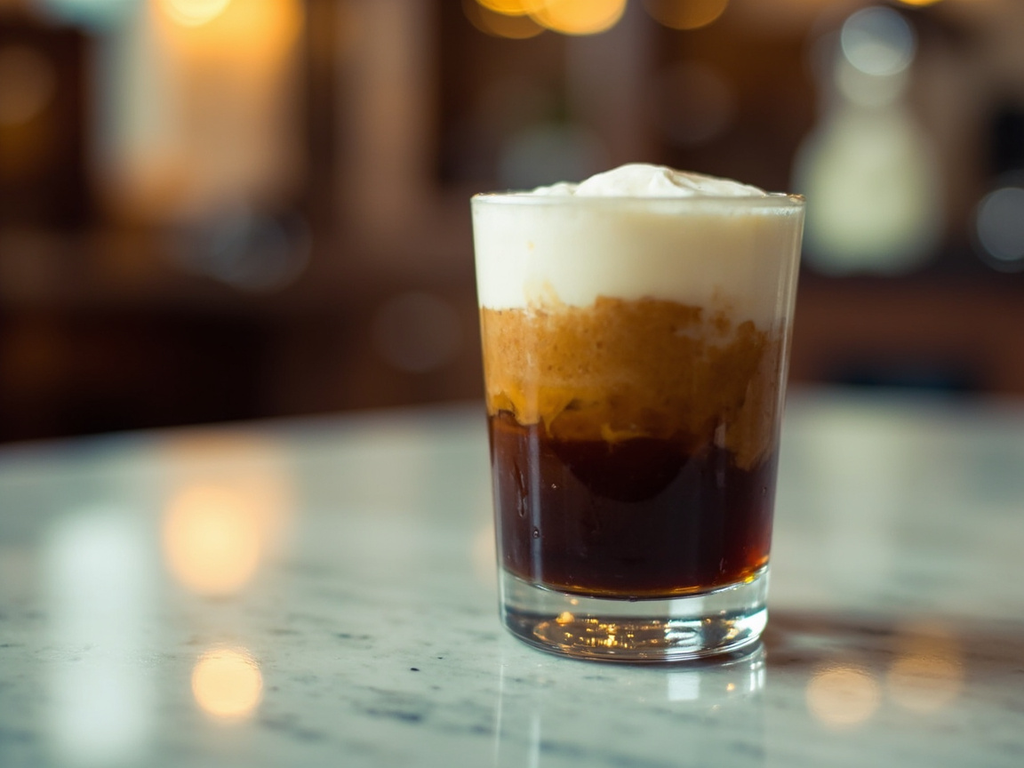
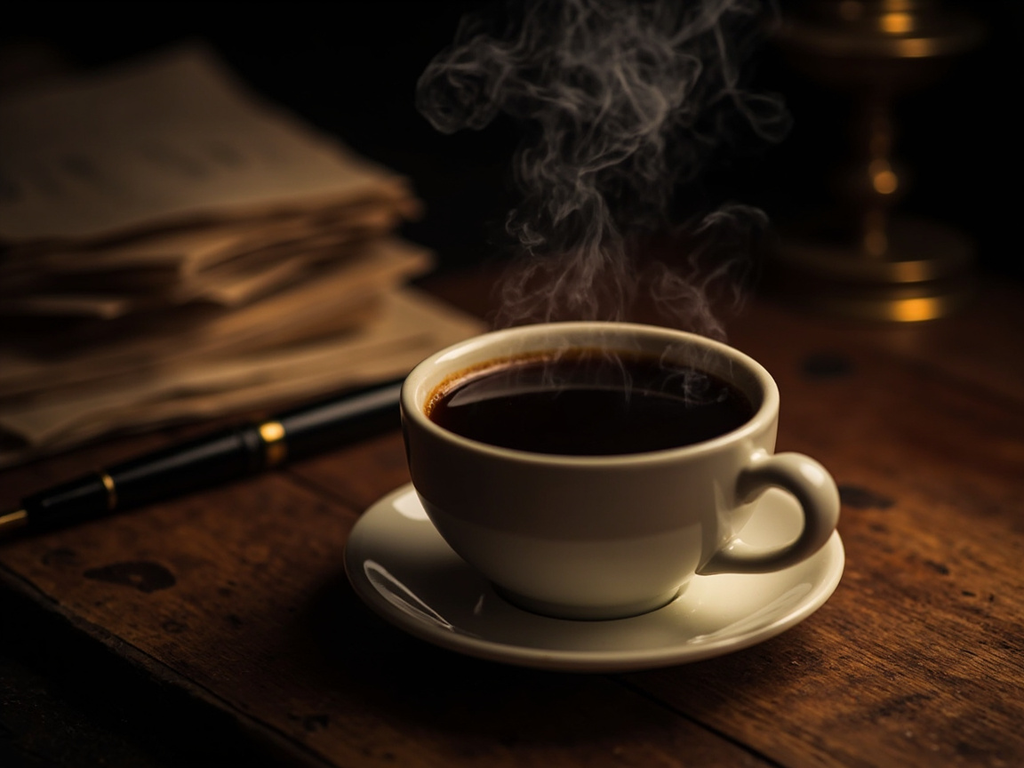
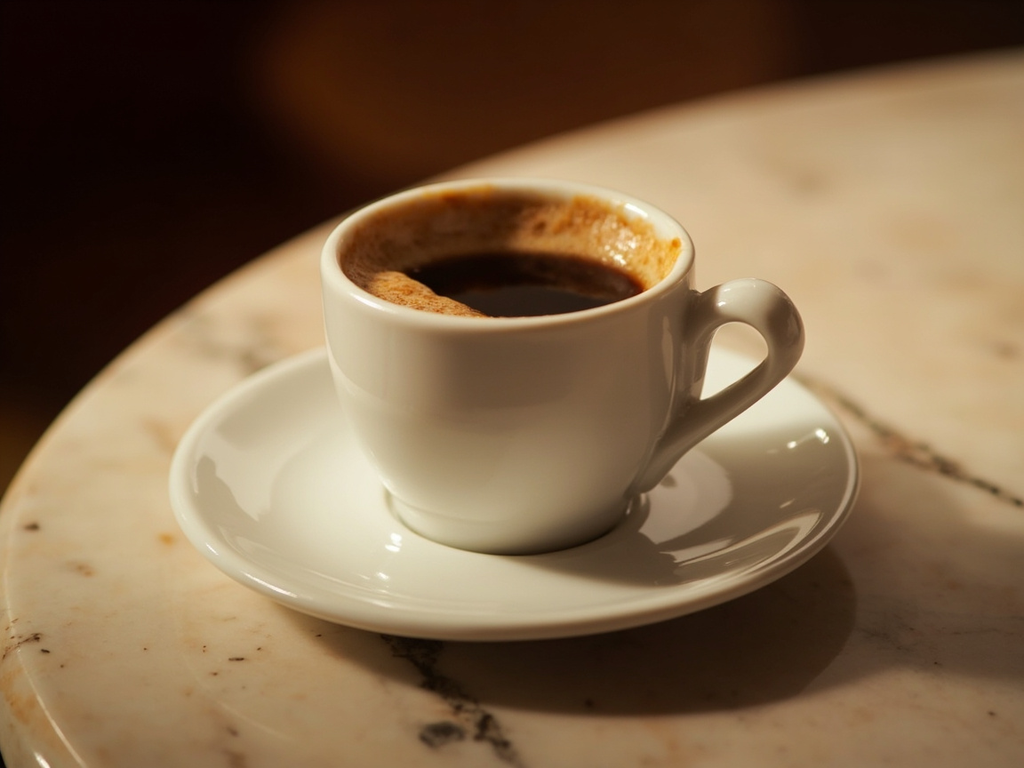
A very short, strong black coffee, pulled short, without sugar or barely, drunk in one gulp standing up. Frank and concentrated bitterness — the opposite of excess, in the image of a man who distrusted anything that could dull his lucidity.
A coffee! Short, black, burning — not that lukewarm water they serve to the lazy! I've drunk hundreds backstage, between two rehearsals, when the orchestra exhausted me more than the music itself. No sugar, or very little: bitterness awakens the mind, it sharpens the ear. You drink it standing, in one gulp, and go back to work. Concentration, you see, brooks no softness.
- •Finely ground roasted coffee — a good dose (base)
- •Water — very little (extraction)
- •Sugar — optional, a pinch (optional sweetness)
Caffè ristretto del Maestro
A very short, strong black coffee, pulled short, without sugar or barely, drunk in one gulp standing up. Frank and concentrated bitterness — the opposite of excess, in the image of a man who distrusted anything that could dull his lucidity.
Why this dish? Renowned for his absolute rigor and concentration, Toscanini led exhausting rehearsals. Strong Italian espresso, drunk short and intense, was the fuel for long working hours and the closing ritual of every meal in the Italy of his time.
A coffee! Short, black, burning — not that lukewarm water they serve to the lazy! I've drunk hundreds backstage, between two rehearsals, when the orchestra exhausted me more than the music itself. No sugar, or very little: bitterness awakens the mind, it sharpens the ear. You drink it standing, in one gulp, and go back to work. Concentration, you see, brooks no softness.
Ingredients (period version)
- Finely ground roasted coffee — a good dose (base)
- Water — very little (extraction)
- Sugar — optional, a pinch (optional sweetness)
Ingredients
- Arabica/robusta espresso grind coffee — 7–9 g per cup (base)
- Water — 20–25 ml (ristretto) (extraction)
- Sugar — optional, ½ teaspoon (optional sweetness)
Method
- Grind the coffee very finely (espresso grind).
- Pull a ristretto: pass only 20–25 ml of water through the dose for a short, concentrated extraction (moka pot or espresso machine).
- With a moka, remove from heat as soon as it starts gurgling to avoid burnt bitterness.
- Serve in a small preheated thick cup.
- Drink immediately, standing, without letting it cool.
How it was made : Modern espresso became widespread in Italy in the early decades of the 20th century; before that, coffee was brewed with a napoletana (upside-down pot) or a moka (invented in 1933). Coffee was drunk short, strong, and standing at the counter, a social ritual as much as a pick-me-up. Sugar was used sparingly by discerning connoisseurs.
The contemporary twist : Serve it with a cube of 36-month Parmigiano instead of a biscuit: the salty-bitter note prolongs the last note of the meal.
Sources : Histoire de l'espresso italien, première moitié du XXe siècle
Arturo Toscanini · Charactorium