 flip
flipWatergruwel — dried fruit gruel for the convalescent
Watergruwel — dried fruit gruel for the convalescent
Why this dish? Of fragile health, undermined by glass dust from his lens-grinding trade, Spinoza suffered from chest ailments (likely the consumption that carried him off in 1677). Watergruwel, a light dried fruit gruel, was the dish the Dutch gave to the sick and weak to sustain the body.
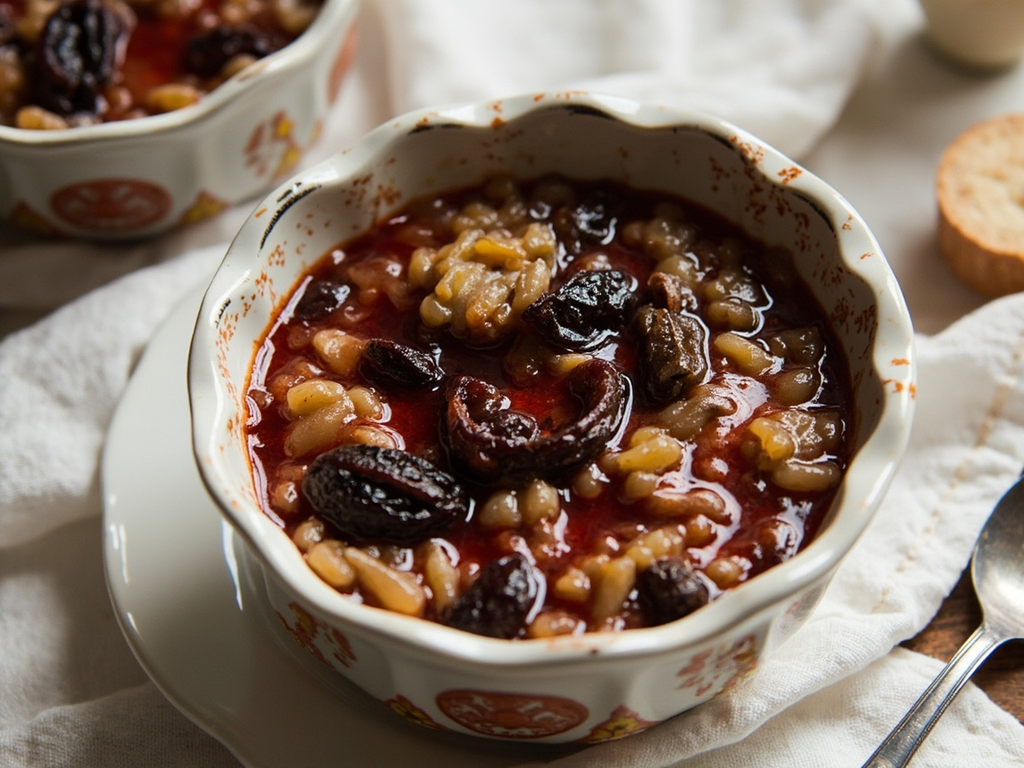
A fine porridge of barley or buckwheat groats simmered with raisins, prunes, and currants, livened with a little wine and mild spices: light, tart, and strengthening, the remedy of the flat country.
My trade of polishing glass fills the chest with a dust that, I fear, shortens my days; so on weak days, I keep to this light gruel. Long-cooked barley is mixed with some Corinthian raisins and prunes, a dash of wine to revive the blood. It does not cure — I expect no miracle from matter — but it sustains the body, and as long as the body holds, the mind continues its work. Take some yourself when the cold seizes you.
- •Hulled barley or buckwheat groats — a handful (base)
- •Corinthian raisins and dried prunes — a good handful (sweetness, acidity)
- •Dried currants — a few (acidity)
- •Light red wine — a splash (flavor, tone)
- •Cinnamon, a little sugar — to taste (spice, sweetness)
Watergruwel — dried fruit gruel for the convalescent
A fine porridge of barley or buckwheat groats simmered with raisins, prunes, and currants, livened with a little wine and mild spices: light, tart, and strengthening, the remedy of the flat country.
Why this dish? Of fragile health, undermined by glass dust from his lens-grinding trade, Spinoza suffered from chest ailments (likely the consumption that carried him off in 1677). Watergruwel, a light dried fruit gruel, was the dish the Dutch gave to the sick and weak to sustain the body.
My trade of polishing glass fills the chest with a dust that, I fear, shortens my days; so on weak days, I keep to this light gruel. Long-cooked barley is mixed with some Corinthian raisins and prunes, a dash of wine to revive the blood. It does not cure — I expect no miracle from matter — but it sustains the body, and as long as the body holds, the mind continues its work. Take some yourself when the cold seizes you.
Ingredients (period version)
- Hulled barley or buckwheat groats — a handful (base)
- Corinthian raisins and dried prunes — a good handful (sweetness, acidity)
- Dried currants — a few (acidity)
- Light red wine — a splash (flavor, tone)
- Cinnamon, a little sugar — to taste (spice, sweetness)
Ingredients
- Pearl barley — 80 g (base)
- Raisins — 40 g (sweetness)
- Pitted prunes — 6, chopped (sweetness, softness)
- Dried currants or blackcurrants — 30 g (acidity)
- Light red wine — 100 ml (or grape juice) (flavor)
- Cinnamon — 1/2 tsp (spice)
- Sugar — 1 to 2 tbsp (sweetness)
- Water — 700 ml (base)
Method
- Rinse the pearl barley and cook in water over low heat for 35-40 minutes, until tender and the porridge creamy.
- Add the raisins, prunes, and currants, then continue cooking for 10 minutes to let them plump.
- Pour in the wine (or grape juice), cinnamon, and sugar, and let simmer for another 5 minutes.
- Adjust consistency with a little hot water: the gruwel should remain fluid and coating.
- Serve warm in a bowl, with a spoon.
How it was made : Watergruwel was a classic of Dutch comfort cuisine, served to the sick, new mothers, and during vigils. Without milk (made with water, hence its name), it suited fragile stomachs; dried fruits imported from the Baltic and the Levant provided sweetness and acidity. It appears in Golden Age cookbooks such as 'De verstandige kock'.
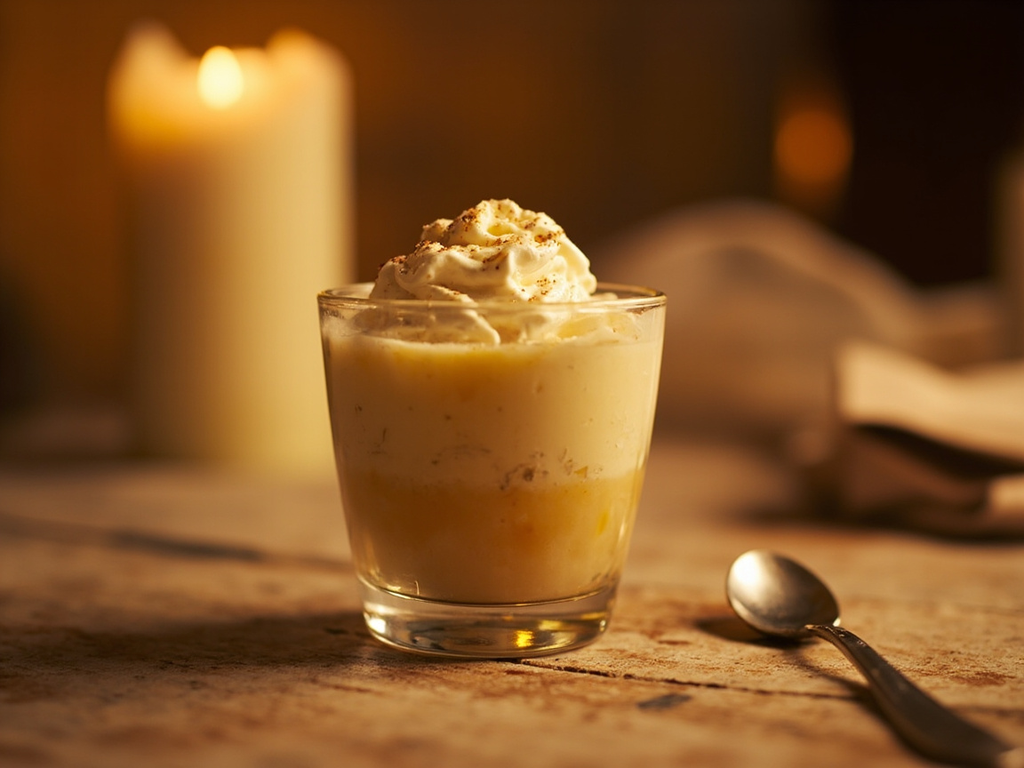
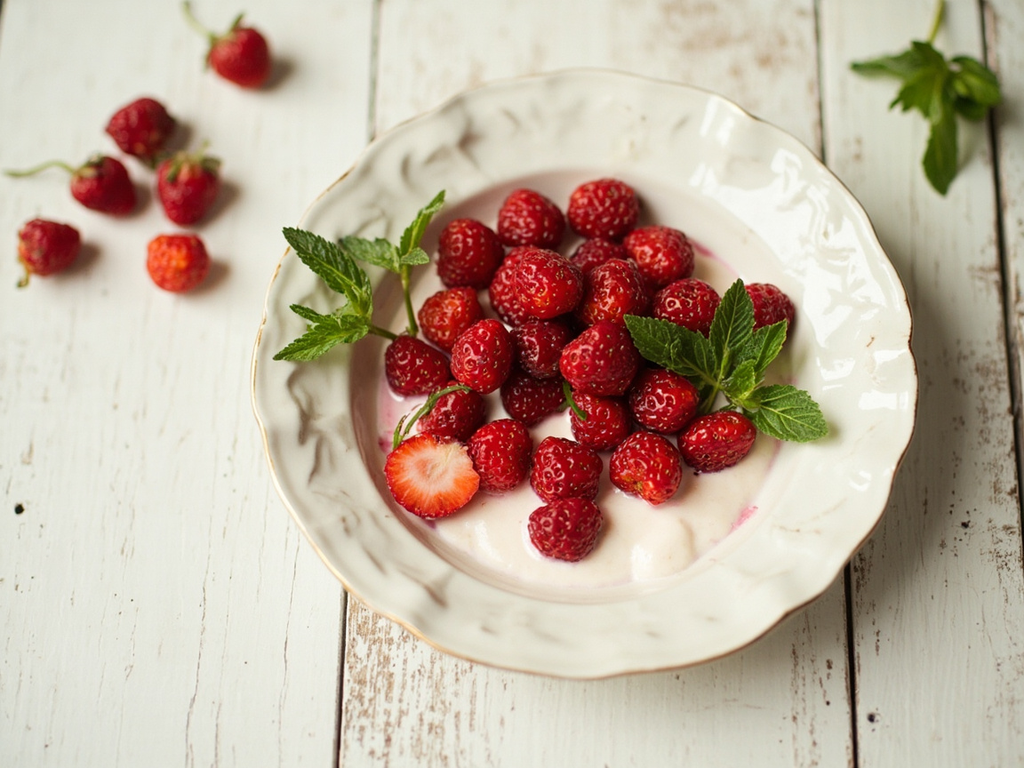
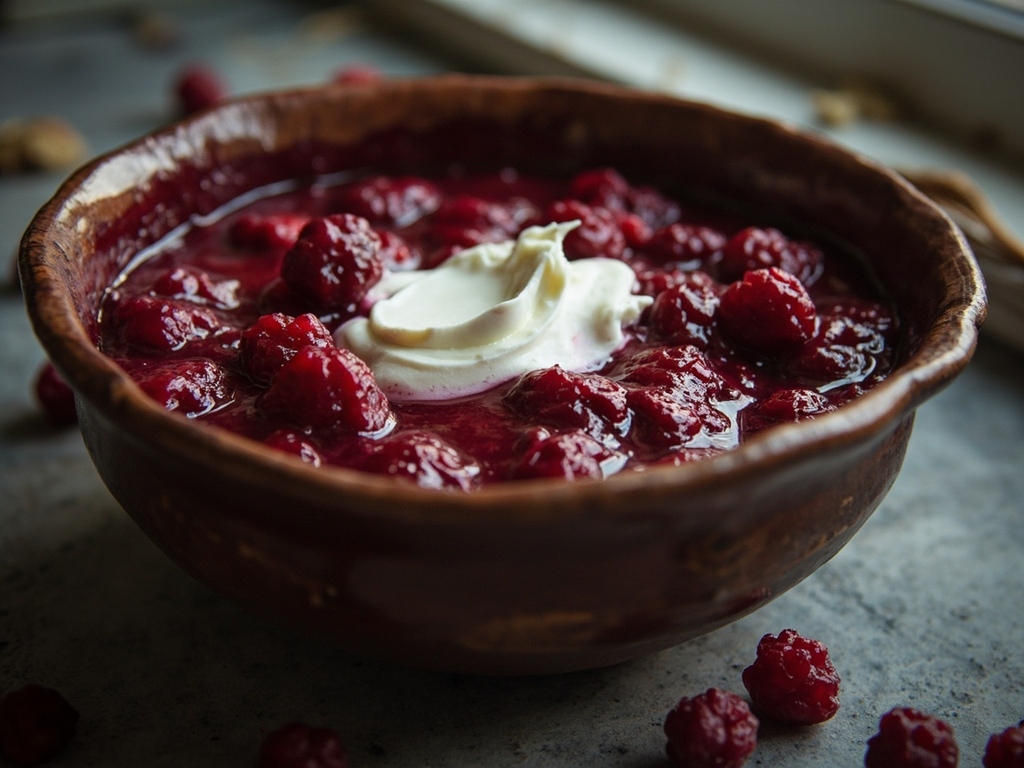
The contemporary twist : Serve cold in summer like a red fruit porridge, with a dollop of whipped cream: the gruel becomes a treat again.
Baruch Spinoza · Charactorium