 flip
flipRadish and timur achar
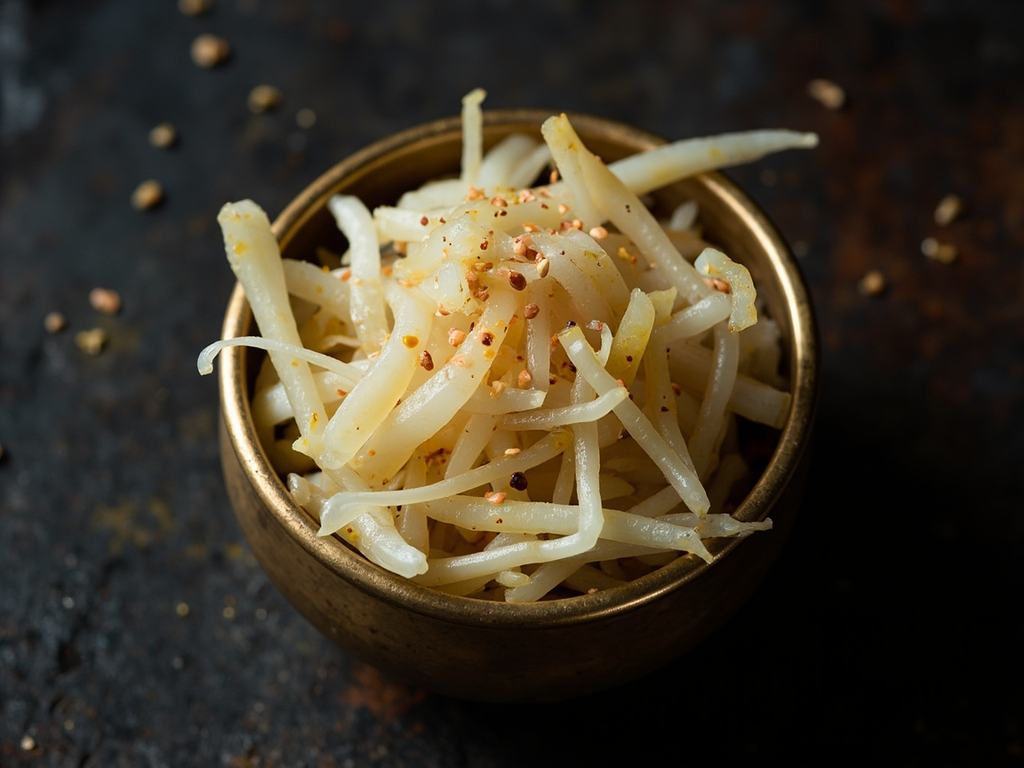
Radish and timur achar
Why this dish? No royal thali was complete without its achar: this tangy condiment that awakens the palate between bites of rice. In a mountain kitchen where harvests were preserved for long winters, pickles were both pleasure and necessity — present at Narayanhiti's table as in every Nepali home.
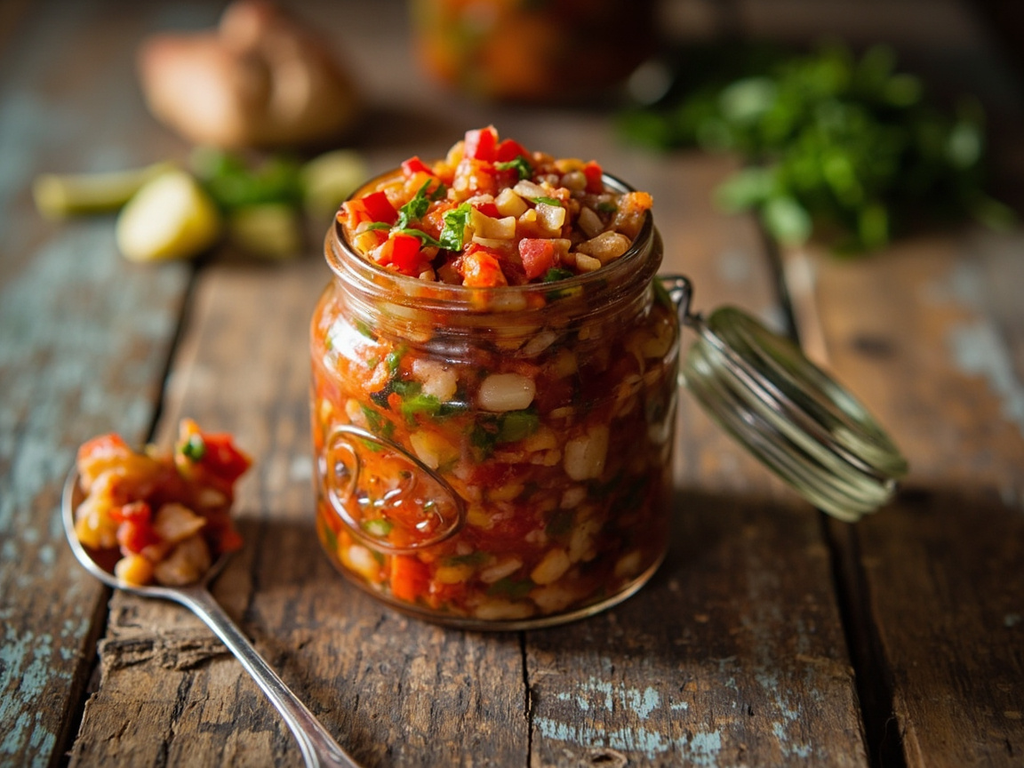
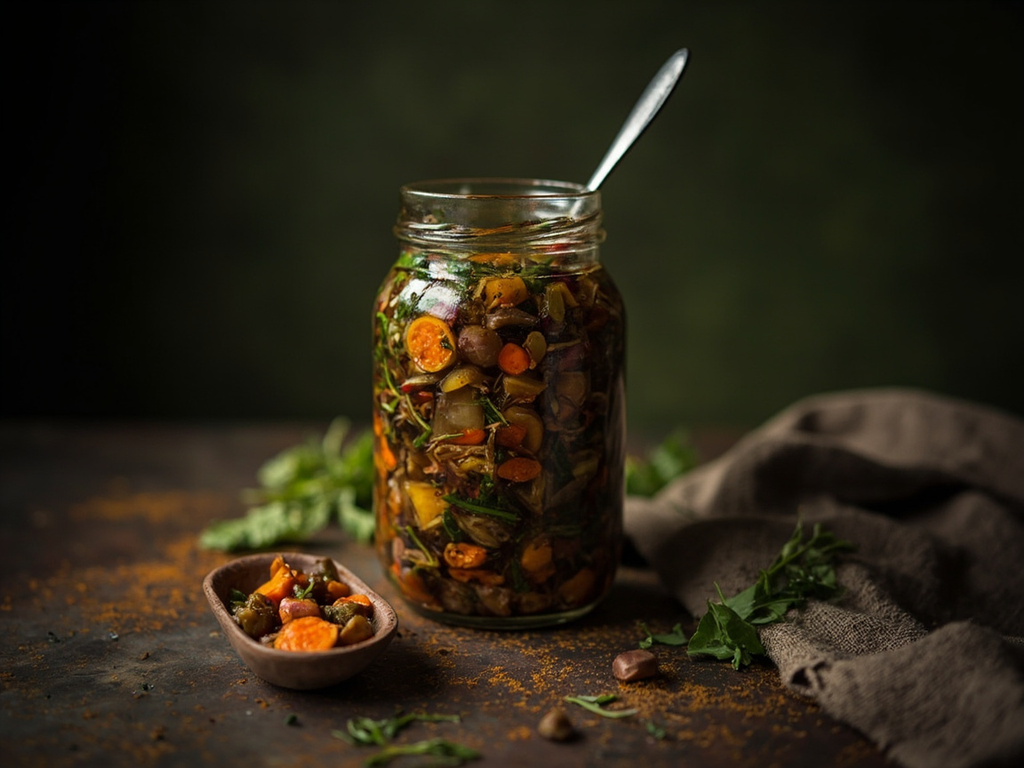
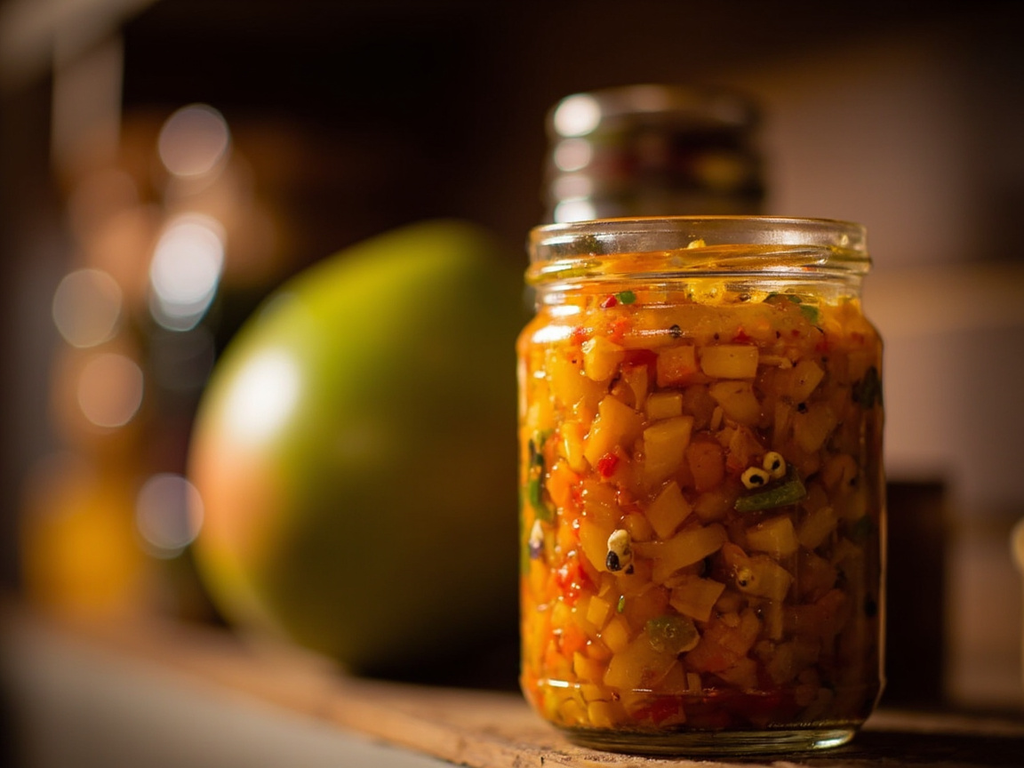
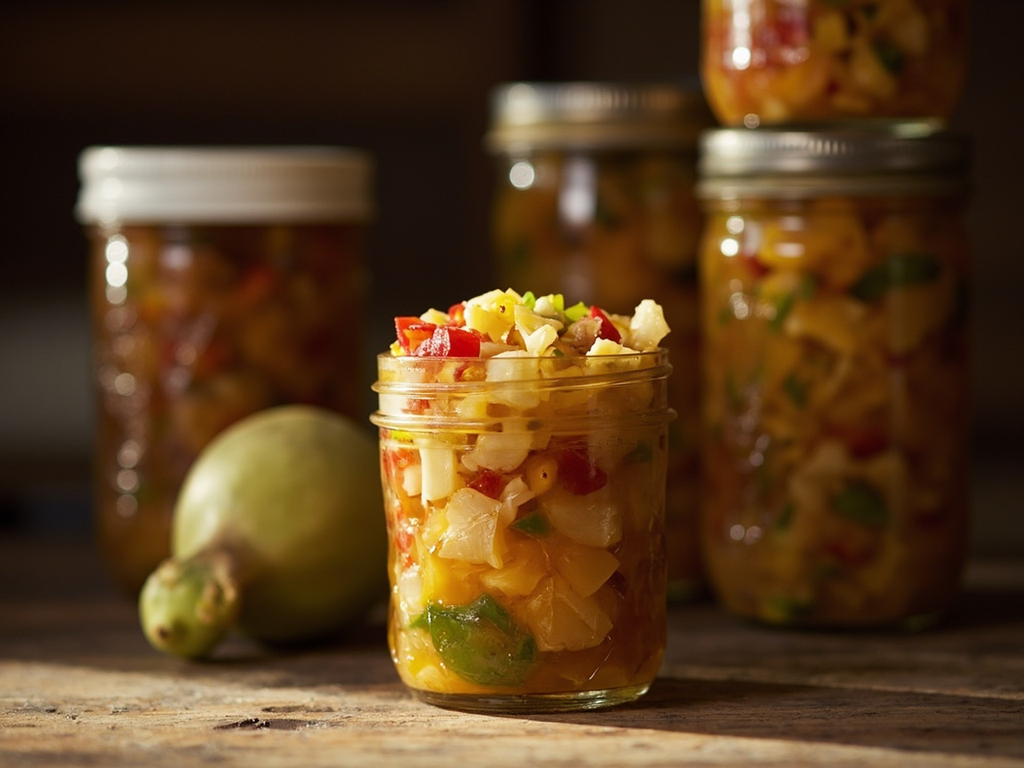
Pickle of white radish and vegetables, tangy with lemon and electrified by timur (Himalayan Sichuan pepper). The condiment that structures and enlivens the whole meal.
A meal without achar, you see, is like a mountain without snow: it lacks sparkle. At home, we grate the radish, salt it, press it, then marry it with lemon and especially timur — that little berry from our forests that gently numbs the tongue and perfumes it with wild lemon. One spoonful is enough to wake up the whole platter. It is the humble companion of rice, yet without it, nothing has quite its taste.
- •White radish (mula) — two roots (crunchy base)
- •Timur (Himalayan Sichuan pepper) — a pinch (aromatic signature)
- •Lemon or sour citrus juice — to taste (acidity and preservation)
- •Toasted sesame seeds — a handful (binder and roundness)
- •Mustard oil, turmeric, ginger — to taste (seasoning)
Radish and timur achar
Pickle of white radish and vegetables, tangy with lemon and electrified by timur (Himalayan Sichuan pepper). The condiment that structures and enlivens the whole meal.
Why this dish? No royal thali was complete without its achar: this tangy condiment that awakens the palate between bites of rice. In a mountain kitchen where harvests were preserved for long winters, pickles were both pleasure and necessity — present at Narayanhiti's table as in every Nepali home.
A meal without achar, you see, is like a mountain without snow: it lacks sparkle. At home, we grate the radish, salt it, press it, then marry it with lemon and especially timur — that little berry from our forests that gently numbs the tongue and perfumes it with wild lemon. One spoonful is enough to wake up the whole platter. It is the humble companion of rice, yet without it, nothing has quite its taste.
Ingredients (period version)
- White radish (mula) — two roots (crunchy base)
- Timur (Himalayan Sichuan pepper) — a pinch (aromatic signature)
- Lemon or sour citrus juice — to taste (acidity and preservation)
- Toasted sesame seeds — a handful (binder and roundness)
- Mustard oil, turmeric, ginger — to taste (seasoning)
Ingredients
- White radish (daikon) — 2 medium (crunchy base)
- Timur (or Sichuan pepper) — 1/2 teaspoon, crushed (aromatic signature)
- Lemon juice — 3 tablespoons (acidity)
- Sesame seeds — 3 tablespoons, toasted and ground (binder)
- Mustard oil — 1 tablespoon (fat)
- Turmeric + grated ginger — 1/2 teaspoon + 1 teaspoon (seasoning)
- Salt — to taste (drawing out water and flavor)
Method
- Grate the radish into thin strips, salt generously, and let it sit for 30 minutes, then squeeze out the water.
- Toast the sesame seeds dry and coarsely grind them.
- Crush the timur in a mortar to release its lemony aroma.
- Mix the pressed radish with sesame, timur, turmeric, ginger, lemon juice, and a drizzle of mustard oil.
- Let it rest at least one hour (ideally overnight) before serving in a small bowl alongside the rice.
How it was made : Achars allowed vegetables to be preserved through the seasons without refrigeration, using salt, acid, and sometimes sun-drying. Timur, a wild berry from Himalayan forests, is the emblematic spice of this mountain cuisine — related to Sichuan pepper, it gives that slight tingle and citrus fragrance so characteristic.
The contemporary twist : Serve the achar as a quenelle on a slate spoon, a nod to the mineral finesse of the Himalayas.
Birendra · Charactorium