 flip
flipMillet and Sesame Flatbreads for the Army Road (Travel Rotika)
Millet and Sesame Flatbreads for the Army Road (Travel Rotika)
Why this dish? Chandragupta led his armies from the Indus to the Ganges, then traveled as a pilgrim the southern road to Shravanabelagola where, according to Jain tradition, he ended his days by the sallekhana fast. A dry flatbread of millet and sesame, which keeps and travels well, evokes these long marches.
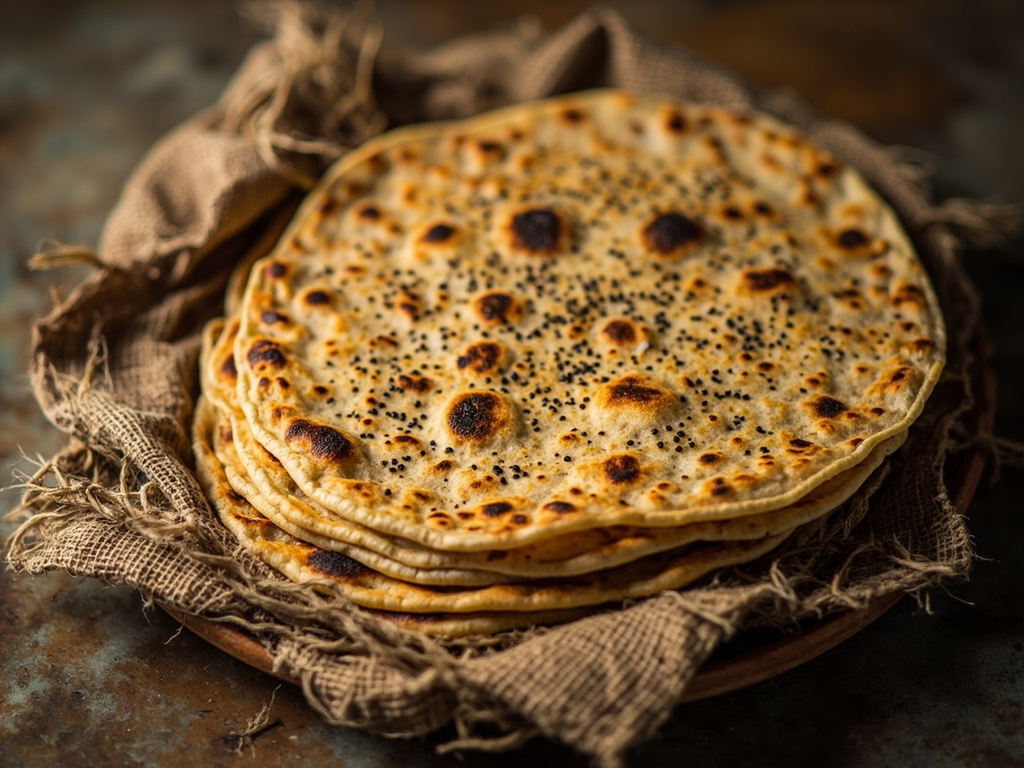
Flatbreads of millet and barley flour, kneaded with toasted sesame and salt, cooked on a hot stone. Dry, dense, they travel without spoiling — the bread of soldiers and ascetics on the road.
You who take the road, remember this from a man who walked from the Indus to the southern land. One does not load an army with pots: one kneads millet and barley with toasted sesame, flattens the dough between the palms, cooks it on the burning stone of the bivouac. It hardens, it lasts for days, and when hunger takes you under a tree you break it thinking of home. I ended my life on such a road, with a light belly; carry these flatbreads and walk straight.
- •Millet flour — two parts (base)
- •Barley flour — one part (base)
- •Sesame seeds — a handful (signature, fat)
- •Salt — a pinch (seasoning and preservation)
- •Water — as needed (binding)
- •Ghee — a drizzle (flavor (optional))
Millet and Sesame Flatbreads for the Army Road (Travel Rotika)
Flatbreads of millet and barley flour, kneaded with toasted sesame and salt, cooked on a hot stone. Dry, dense, they travel without spoiling — the bread of soldiers and ascetics on the road.
Why this dish? Chandragupta led his armies from the Indus to the Ganges, then traveled as a pilgrim the southern road to Shravanabelagola where, according to Jain tradition, he ended his days by the sallekhana fast. A dry flatbread of millet and sesame, which keeps and travels well, evokes these long marches.
You who take the road, remember this from a man who walked from the Indus to the southern land. One does not load an army with pots: one kneads millet and barley with toasted sesame, flattens the dough between the palms, cooks it on the burning stone of the bivouac. It hardens, it lasts for days, and when hunger takes you under a tree you break it thinking of home. I ended my life on such a road, with a light belly; carry these flatbreads and walk straight.
Ingredients (period version)
- Millet flour — two parts (base)
- Barley flour — one part (base)
- Sesame seeds — a handful (signature, fat)
- Salt — a pinch (seasoning and preservation)
- Water — as needed (binding)
- Ghee — a drizzle (flavor (optional))
Ingredients
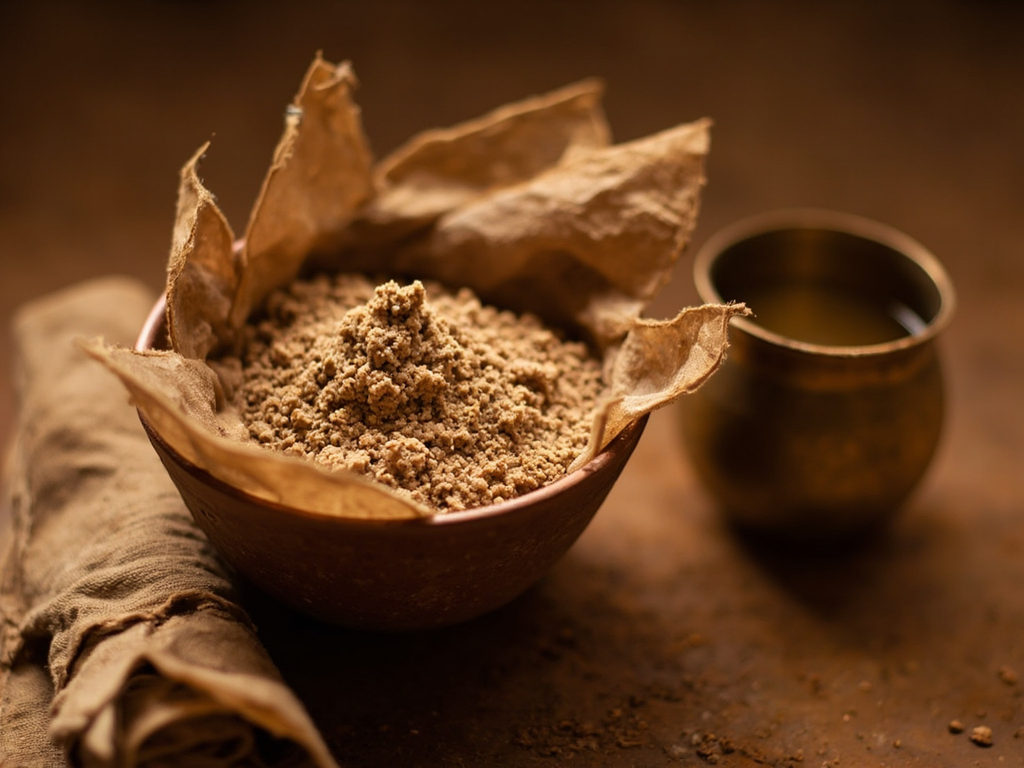
- Millet flour (bajra) — 150 g (base)
- Barley flour — 75 g (base)
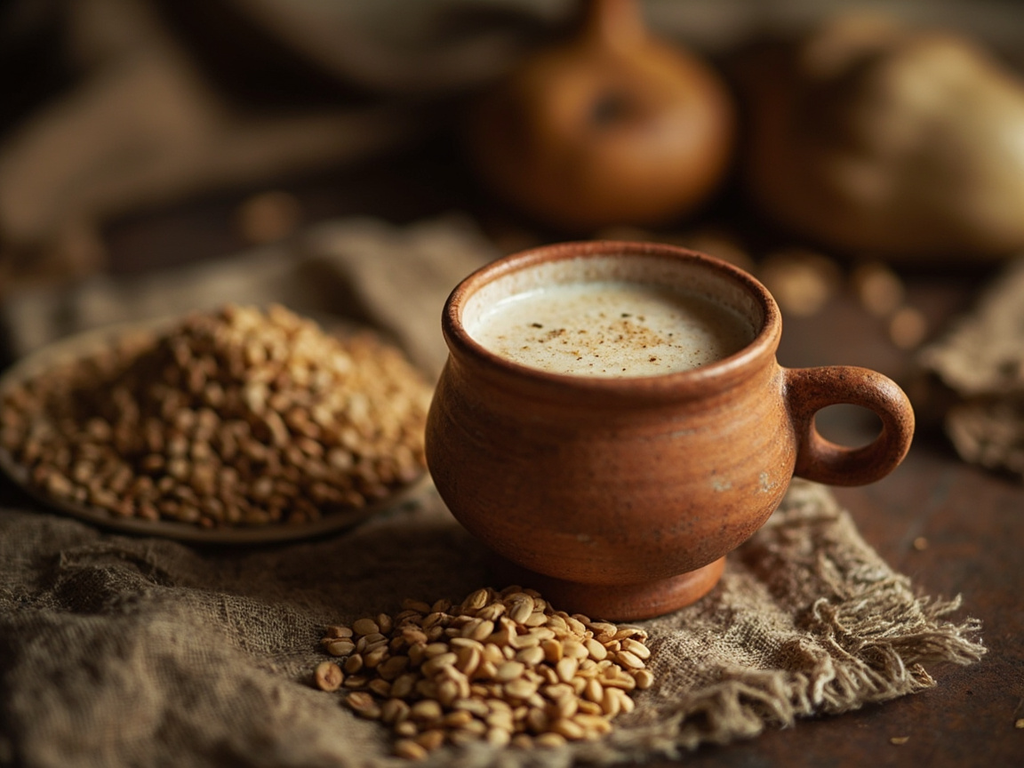
- Sesame seeds — 3 tbsp (signature)
- Salt — 1 tsp (seasoning)
- Hot water — 150-180 ml (binding)
- Ghee — 1 tbsp (flavor)
Method
- Toast sesame seeds in a dry pan until golden and fragrant.
- Mix flours, salt, and sesame; gradually add hot water and knead into a firm dough.
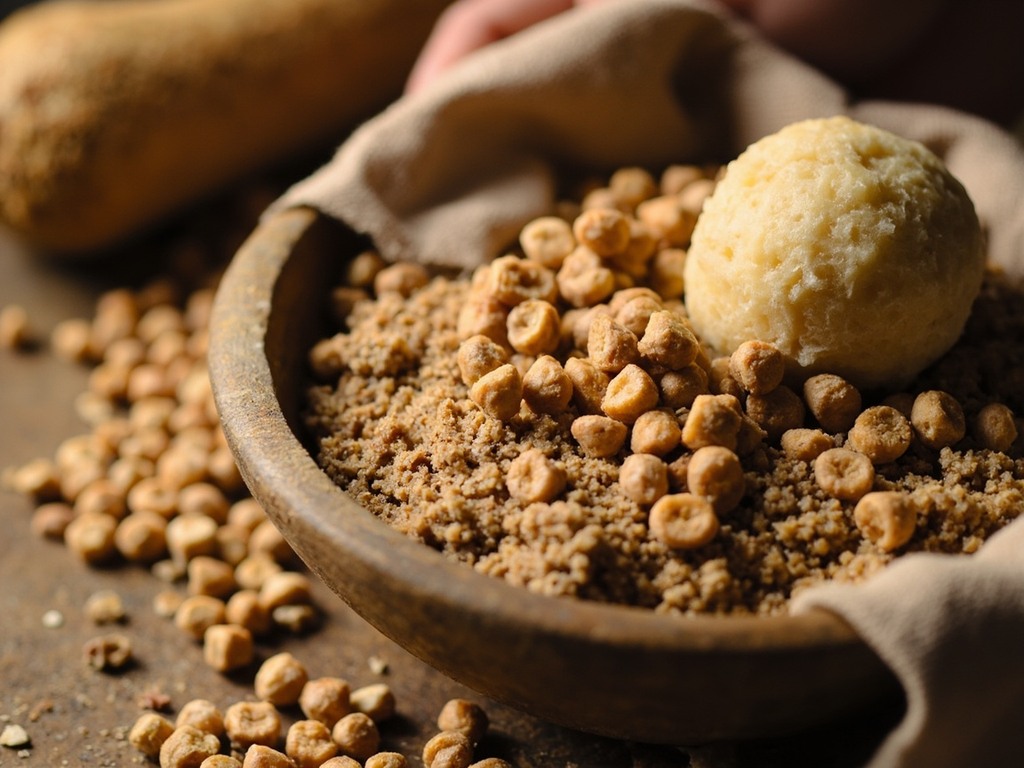
- Let rest 15 minutes, then divide into balls and flatten thinly between hands or with a rolling pin.
- Cook on a very hot griddle or cast-iron pan, without fat, 2-3 minutes per side until golden spots appear.
- Brush with a little ghee upon removal for flavor; let cool completely for storage.
- Stack and wrap in a cloth for travel.
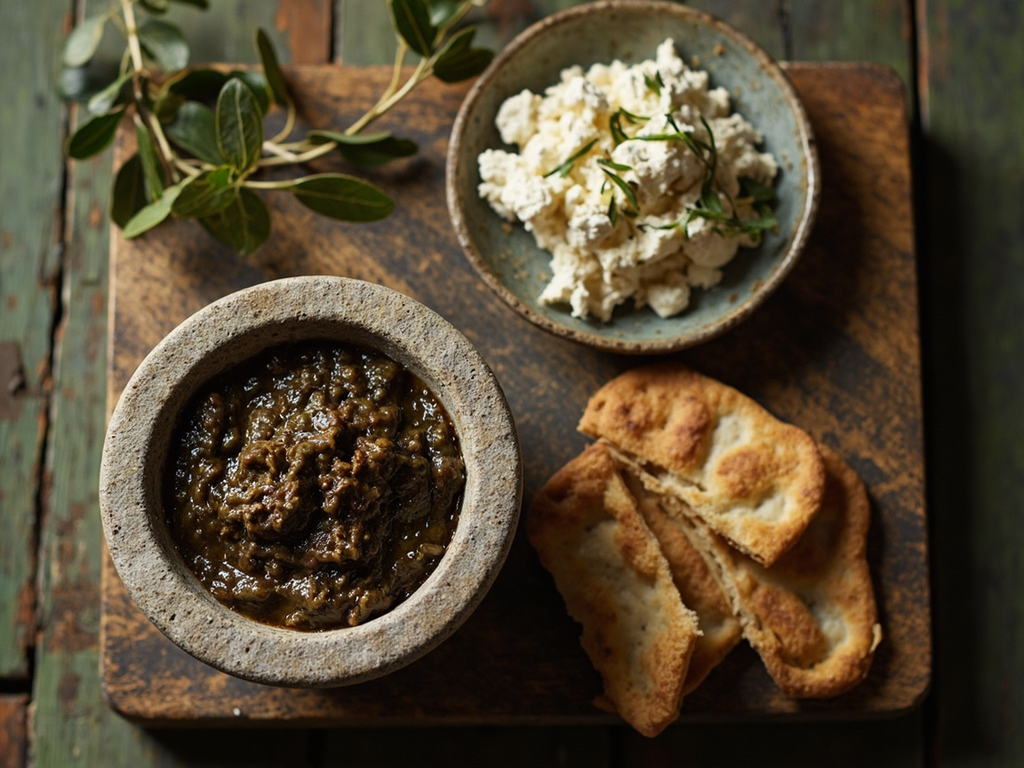
How it was made : Millet and barley are ancient Indian grains, more rustic than rice and perfect for dry regions and provisions. Flatbreads cooked on stone or tava are attested very early. No yeast or oven: dry cooking on a hot surface is the norm.
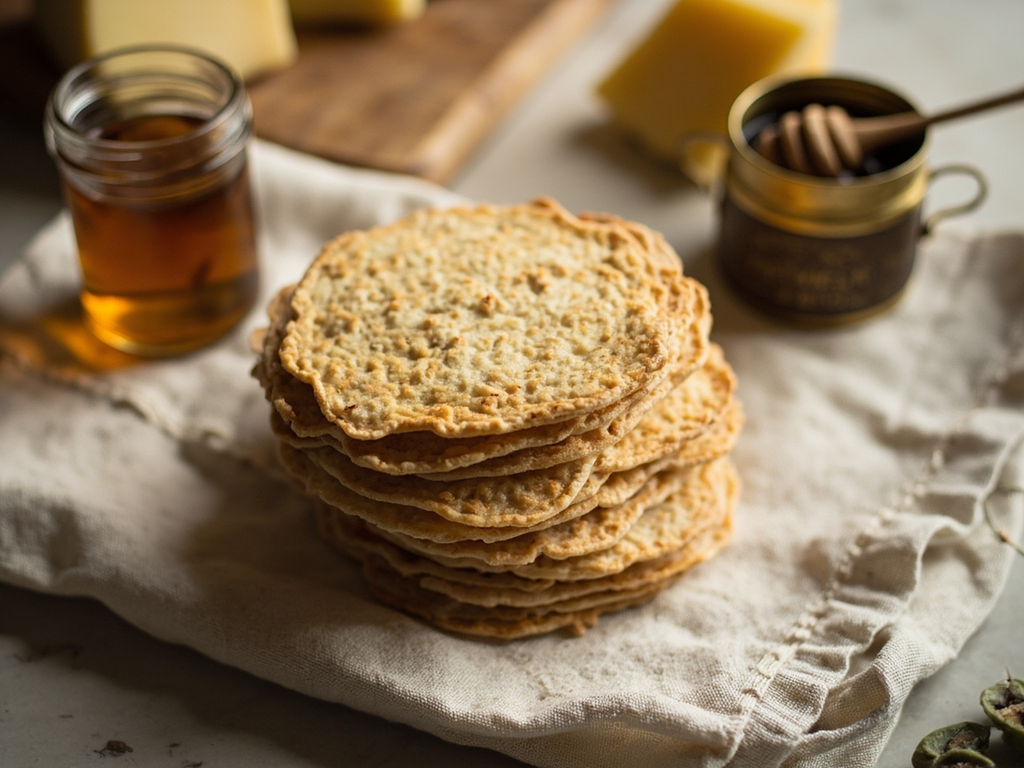
The contemporary twist : Served warm with thick yogurt (dahi) and a drizzle of honey, like a chic hiking snack.
Chandragupta Maurya · Charactorium