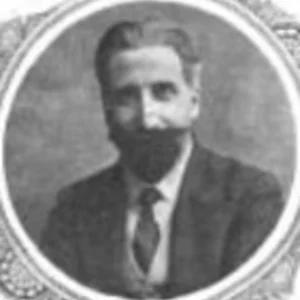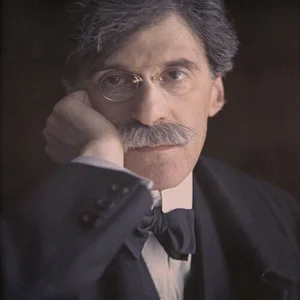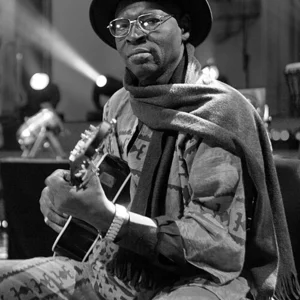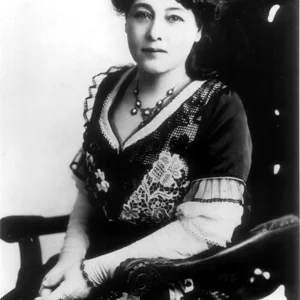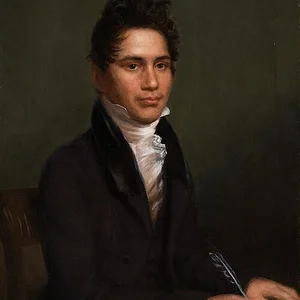

Charles Bird is a figure whose precise identification remains uncertain due to insufficient Wikidata records. The name "Bird" is sometimes associated with figures connected to ornithology, aviation, or African-American culture of the 20th century.
Charles Bird(1856 — 1916)
Charles Bird
7 min read
Frequently asked questions
Key Facts
- Uncertain identification: available Wikidata records are insufficient to establish verifiable facts
Works & Achievements
Like many intellectuals of the Belle Époque, Bird contributed to the cultural debates of his time through writings and correspondence reflecting the great questions of nascent modernity.
Contributing to reviews and newspapers of the era was the primary means by which turn-of-the-century intellectuals disseminated their analyses and influenced educated opinion.
The memoirs and testimonies of Bird's contemporaries constitute a precious source for understanding how a generation experienced the transition from the nineteenth to the twentieth century and the shocks of the Great War.
Anecdotes
Charles Bird grew up in the vibrant context of the second half of the 19th century, an era when the British Empire was extending its influence across the world. Born in 1856, he was a contemporary of the great artistic and scientific revolutions that would redefine civilization, from Darwinism to the first movements of cultural emancipation.
Bird's era was marked by the rise of great world's fairs, true showcases of human progress. The Paris exposition of 1900 attracted more than fifty million visitors from around the world, reflecting an unprecedented optimism in civilization's capacity to transcend cultural boundaries.
Bird belonged to a generation fascinated by new communication technologies. Bell's invention of the telephone in 1876, followed by the Lumière brothers' invention of the cinematograph in 1895, radically transformed the way culture circulated and spread across the world, making works and ideas once reserved for an elite accessible to all.
Charles Bird's death in 1916 coincided with one of the darkest moments in European history: the Battle of Verdun, symbol of the horror of the Great War. This war brought the Belle Époque and the cultural optimism that had characterized the preceding decades to an end, marking a profound rupture in the history of Western civilization.
The period 1856–1916 saw the emergence of the first forms of modern African-American culture, from Spirituals and the nascent Blues to the first musical recordings. These new artistic expressions, carried by communities long marginalized, would go on to profoundly transform world culture throughout the 20th century.
Primary Sources
The culture of our age is marked by an unprecedented tension between the inheritance of the Victorian tradition and the aspirations of a new generation seeking radical forms of expression in all fields of human endeavour.
The end of the century brings with it a singular unease mingled with hope: never have the arts, letters, and sciences known such ferment, and yet never have men of culture seemed so uncertain of their future.
The progress of civilization during the nineteenth century has been marked by extraordinary advances in science, industry, and the arts, fundamentally transforming every aspect of human culture and society across the globe.
One ever feels his two-ness — an American, a Negro; two souls, two thoughts, two unreconciled strivings; two warring ideals in one dark body, whose dogged strength alone keeps it from being torn asunder.
Key Places
Capital of the British Empire in Bird's time, London was one of the world's most important cultural and intellectual centers, home to a vibrant artistic and literary scene.
The world capital of the arts during the Belle Époque, Paris was home to the great artistic movements — Impressionism, Symbolism, Art Nouveau — that defined the turn of the century.
Rapidly expanding in Bird's era, New York was a melting pot of immigration and the cradle of emerging African-American culture, particularly in Harlem.
The birthplace of jazz in the late nineteenth century, New Orleans was the meeting point of European, African, and Creole cultures that would go on to define modern American music.
Typical Objects

An essential tool for the man of letters in the nineteenth century, the steel nib had gradually replaced the quill pen for writing correspondence, articles, and manuscripts in educated circles.

An indispensable accessory for the cultural evenings of the Belle Époque, opera glasses allowed audiences to follow operas and theatrical performances, and signalled membership in refined social circles.

Journals such as The Fortnightly Review or the Revue des Deux Mondes were the primary vehicle for disseminating ideas and literary works among the intellectuals of the era.

Photography, having become accessible to educated circles by the late nineteenth century, represented both a documentary tool and a new form of artistic expression that was rapidly gaining ground.

In a context of intense colonisation, political maps of the world illustrated European expansion and fuelled contemporary curiosity about distant territories.

With music occupying a central place in the cultural life of the Belle Époque, printed scores enabled the circulation of classical and popular works in bourgeois drawing rooms.

An invention of Thomas Edison, the phonograph made it possible for the first time to record and replay music, radically transforming the relationship between a musical work and its audience.
School Curriculum
Vocabulary & Tags
Key Vocabulary
Tags
Daily Life
Morning
The day of a cultured man of the Belle Époque began early, with careful reading of the morning newspapers and sorting through correspondence. After a hearty breakfast, the morning hours were devoted to intellectual work, writing, or letter-writing in a study lined with books and periodicals.
Afternoon
The afternoon was shaped by visits, meetings at clubs or literary cafés, and lectures or exhibitions that punctuated the cultural life of major cities. Intellectuals of the era maintained vast social networks, indispensable for spreading their ideas and extending their cultural influence.
Evening
Evenings were often filled with dinner parties, opera or theatre performances, and gatherings in literary salons where artists, writers, and thinkers mingled. These moments of intellectual sociability formed the vibrant heart of Belle Époque cultural life.
Food
The diet of the educated classes reflected the abundance and cosmopolitanism of the Belle Époque: elaborate French cuisine for grand occasions, English-style afternoon tea for receptions, and a varied table made possible by advances in international trade that brought exotic produce from Africa, Asia, and the Americas.
Clothing
Male fashion demanded a three-piece woollen suit, a top hat or bowler depending on the occasion, and a smoking jacket for evening events. A man of culture was expected to be elegantly dressed — a mark of respectability and a sign of belonging to the distinguished circles of society.
Housing
Intellectuals and men of culture typically lived in well-appointed bourgeois apartments filled with bookshelves, paintings, and objects reflecting their curiosities and travels. Belle Époque interiors blended classical references, Orientalism, and Art Nouveau influences in spaces designed to reflect the personality and tastes of their occupants.
Historical Timeline
Period Vocabulary
Liens externes & ressources
Références
Œuvres
Écrits et contributions culturelles
circa 1885-1910
Chroniques et reportages sur les transformations culturelles
circa 1890-1916
Témoignages sur la Belle Époque et ses bouleversements
circa 1900-1916