Culture
Gastronomie, mode, icônes culturelles
278 characters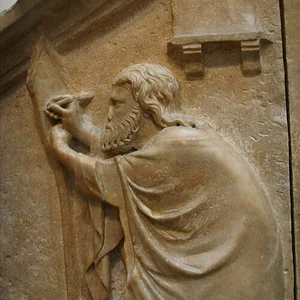


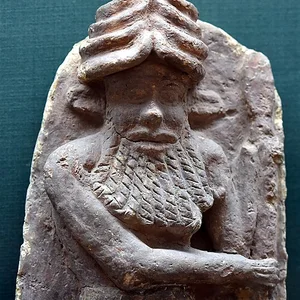
278 characters
Before Christ(37)
Apelles
369 av. J.-C. — 305 av. J.-C.
Apelles was the most celebrated painter of Greek Antiquity, active in the 4th century BC. He served as the official painter of Alexander the Great and the Macedonian court. None of his works have survived, but ancient texts bear witness to his exceptional mastery.
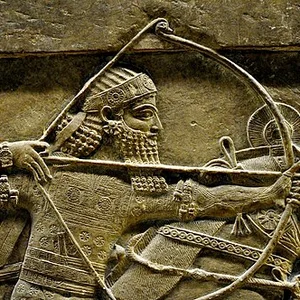
Ashurbanipal
684 av. J.-C. — 630 av. J.-C.
Ashurbanipal was one of the last great kings of the Neo-Assyrian Empire, reigning from 669 to roughly 627 BC. A warrior and scholar king, he brought Assyria to its greatest territorial extent and founded at Nineveh a vast library gathering tens of thousands of cuneiform tablets.
Aten
Aten is the solar deity of ancient Egypt, represented as the sun disk whose rays end in human hands. Elevated to the status of sole god by Pharaoh Akhenaten in the 14th century BCE, Aten stood at the heart of an unprecedented religious revolution.
Bunyip
The Bunyip is a creature from the mythology of the Aboriginal peoples of Australia, said to haunt swamps, billabongs, creeks, and waterholes. Described as a threatening water spirit that devours those who approach the water at night, it embodies the real dangers of Australian wetlands.
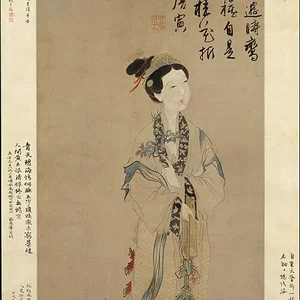
Chang'e
Chang'e is the goddess of the Moon in Chinese mythology. Wife of the divine archer Hou Yi, she swallowed the elixir of immortality and flew to the Moon, where she has resided ever since in her jade palace with the moon rabbit.
Dragon of Colchis
A creature of Greek mythology, the Dragon of Colchis is a gigantic serpent with ever-open eyes that guards the Golden Fleece in the sacred grove of Ares, in Colchis. It never sleeps — until the sorceress Medea lulls it into slumber so that Jason can seize the precious trophy.
Enkidu
Legendary figure from the Epic of Gilgamesh, created by the gods to be the companion of King Gilgamesh. Born wild and raised among animals, he becomes the hero's inseparable friend before his death triggers the quest for immortality.
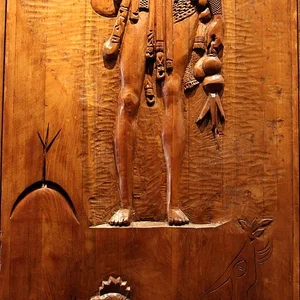
Eshu
Eshu is a trickster orisha from the Yoruba tradition of West Africa, guardian of crossroads and messenger between humans and the gods. Master of communication and cunning, he must be propitiated before any ritual.
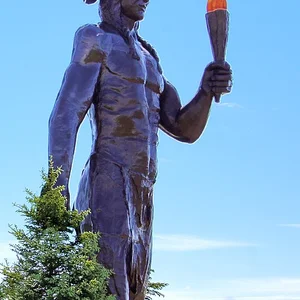
Glooscap
Creator hero and central figure of Mi'kmaq and Abenaki mythology in North America. A cultural being who shaped the world, defeated monsters, and taught humans the arts of survival. A figure from the Indigenous oral tradition of northeastern America, passed down from generation to generation.
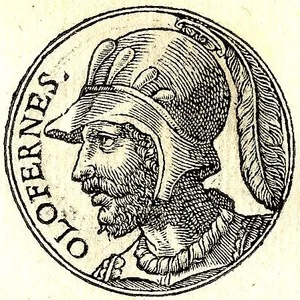
Holofernes
Assyrian general of Nebuchadnezzar's army, Holofernes is the central character of the Book of Judith in the Hebrew Bible. His beheading by Judith, a courageous Hebrew widow, is one of the most celebrated narratives in biblical literature.
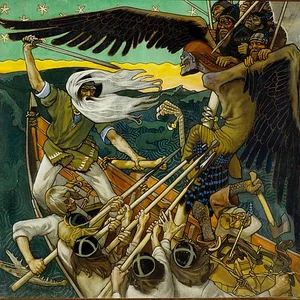
Louhi
Louhi is the powerful witch-queen of Pohjola in Finnish mythology, a central figure of the Kalevala. Mistress of magic and dark forces, she opposes the heroes Väinämöinen and Ilmarinen. She holds the Sampo, a mysterious object that brings prosperity.
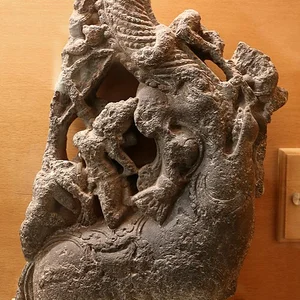
Makara
The makara is a hybrid aquatic creature from Hindu mythology, blending features of a crocodile, an elephant and a fish. It serves as the mount (vahana) of the deities Varuna, god of the waters, and Ganga, goddess of the Ganges.
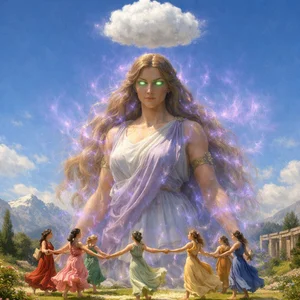
Mnemosyne
Greek Titaness personifying Memory, daughter of Ouranos and Gaia. United with Zeus for nine consecutive nights, she gave birth to the nine Muses, divine patrons of the arts and sciences. Her name is the origin of the word “mnemonic.”
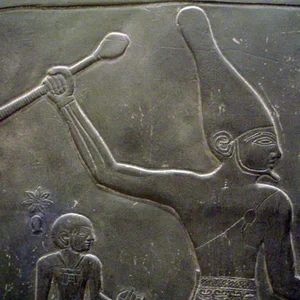
Narmer
3200 av. J.-C. — 3124 av. J.-C.
Narmer is considered the first pharaoh of unified Egypt, around 3100 BCE. He is credited with uniting Upper and Lower Egypt under a single crown, thereby founding the first Egyptian dynasty.
Nefertari
1289 av. J.-C. — 1254 av. J.-C.
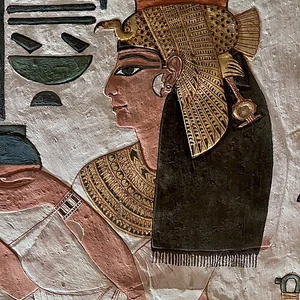
Great Royal Wife of Ramesses II, Nefertari is one of the most celebrated queens of ancient Egypt. Her tomb in the Valley of the Queens, with its exceptionally well-preserved paintings, reflects her extraordinary status. Ramesses II dedicated the smaller temple at Abu Simbel to her, where she was depicted at the same scale as the pharaoh himself.
Nüwa
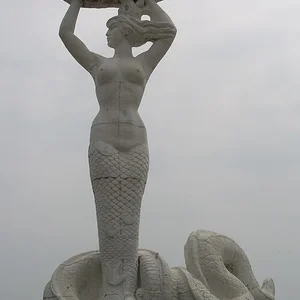
Creator goddess of Chinese mythology, Nüwa molded the first humans from yellow clay. She then repaired the vault of heaven by melting stones of five colors after the pillars of the sky collapsed.

Pasiphae
Pasiphae is a figure from Greek mythology, daughter of Helios and wife of Minos, king of Crete. Struck by an unnatural passion for a bull sent by Poseidon, she gave birth to the Minotaur — half man, half bull — who was imprisoned in the Labyrinth built by Daedalus.
Potiphar's Wife
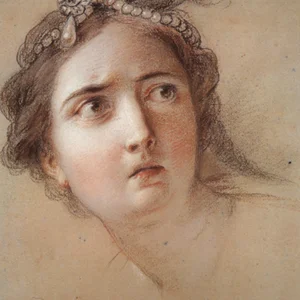
Biblical character from the Old Testament, wife of Potiphar, captain of Pharaoh's guard. She attempts to seduce Joseph, son of Jacob, and, after being rejected, falsely accuses him of assault, leading to Joseph's imprisonment.
Qilin
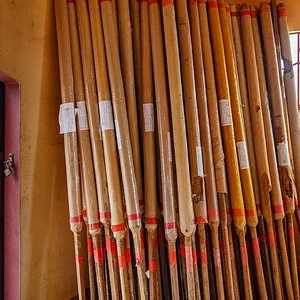
A fabulous creature of Chinese mythology, the Qilin is a benevolent chimera with the body of a deer, horse's hooves, and dragon's scales, often nicknamed the “unicorn of the East.” A creature of good omen, it heralds the birth or death of a sage and embodies peace and prosperity.
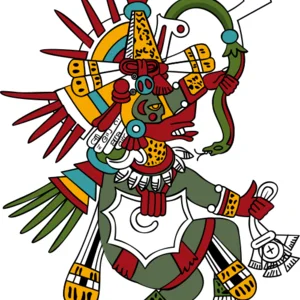
Quetzalcoatl
Quetzalcoatl, the "Feathered Serpent," is one of the most important deities in Mesoamerica. Venerated by the Aztecs and the Toltecs, he is the god of wind, wisdom, and creation. His figure spans several pre-Hispanic civilizations across more than two millennia.
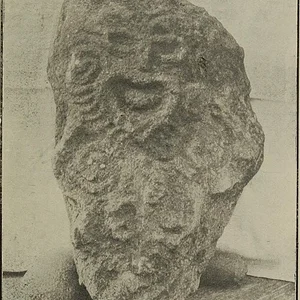
Rongo
Rongo is a major deity of Polynesian mythology, venerated especially by the Māori of New Zealand. God of peace, agriculture, and cultivated plants, he is one of the great atua (gods) born of the union of Ranginui (the sky) and Papatūānuku (the earth). He symbolizes harmony and fertility, in contrast to his brother Tū, god of war.
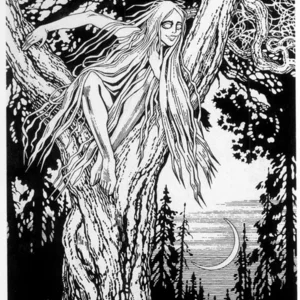
Rusalka
The rusalka is a female water spirit from Slavic folklore, often depicted as a young woman with long hair haunting rivers, lakes, and ponds. According to tradition, she is said to be the soul of a drowned woman or of a young girl who died before marriage, luring men down into the depths.
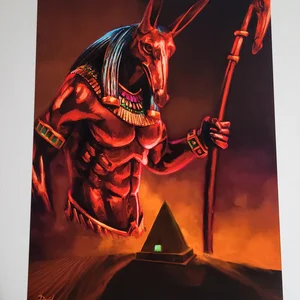
Set
Set is the Egyptian god of chaos, storms, and the desert. Brother of Osiris, whom he murdered to seize the throne of Egypt, he was later defeated by his nephew Horus. An ambivalent figure, he was also venerated as the protector of Ra against the serpent Apophis.
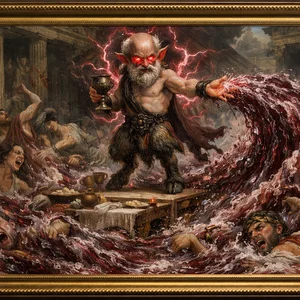
Silenus
A deity of Greek mythology, Silenus is the old satyr companion and foster-father of Dionysus, god of wine. Perpetually drunk yet reputed for profound wisdom, he is often depicted riding a donkey, unable to stand on his own. His paradoxical figure — drunkenness as a path to truth — resonated throughout Greek and Roman Antiquity.
Sima Tan
164 av. J.-C. — 109 av. J.-C.
A Chinese astrologer and historian of the 2nd century BC, Sima Tan served as Grand Astrologer at the Han court. He undertook the writing of the *Shiji* (Records of the Grand Historian), a work his son Sima Qian completed after his death.
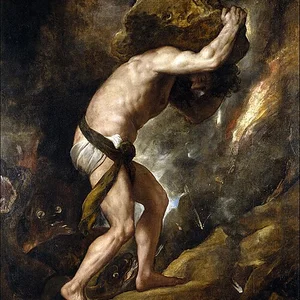
Sisyphus
Legendary king of Corinth, Sisyphus is famous for having outsmarted the gods on several occasions. Condemned by Zeus to the Underworld, he must eternally push a boulder to the top of a mountain, from which it rolls back down endlessly.
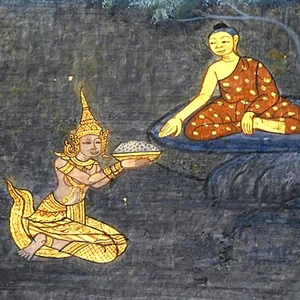
Sujata
Sujata was a young village woman from ancient India who offered a bowl of rice pudding to Siddhartha Gautama, allowing him to break his extreme fast before attaining Enlightenment. This act of generosity is considered a founding moment of Buddhism.
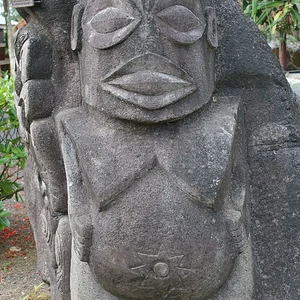
Tangaroa
Tangaroa is the god of the sea and oceans in Polynesian mythology, venerated across the Pacific (Māori, Samoa, Tahiti, Hawaii). Son of Rangi (sky) and Papa (earth), he rules over the ocean depths and is often regarded as the creator of many islands and living beings.
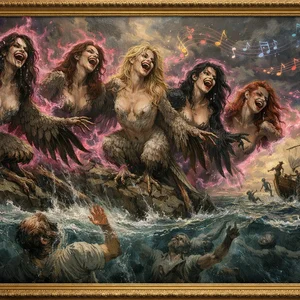
The Sirens
Hybrid creatures of Greek mythology — half-woman, half-bird (later half-fish in the Middle Ages) — whose bewitching song lures sailors to their deaths. Odysseus, lashed to the mast of his ship, is the only mortal ever to have heard them and survived.

Thetis
Thetis is a Nereid, a sea deity of Greek mythology, daughter of Nereus and mother of the hero Achilles. She plays a central role in Homer's Iliad, interceding with the gods on behalf of her son. An embodiment of divine maternal power, she stands at the heart of Greece's great epic narratives.
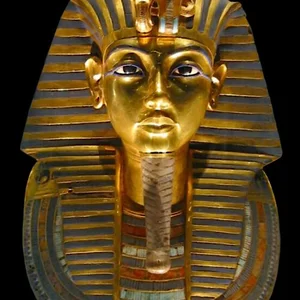
Tutankhamun
1340 av. J.-C. — 1323 av. J.-C.
An Egyptian pharaoh of the 18th Dynasty, he reigned around 1332–1323 BCE. Ascending to the throne at approximately nine years old, he restored polytheistic worship after the Atenist revolution of Akhenaten. His tomb, discovered intact in 1922, is one of the greatest archaeological discoveries of the 20th century.

Unas
2374 av. J.-C. — 2349 av. J.-C.
Unas was the last pharaoh of the Fifth Dynasty of ancient Egypt, reigning around 2375–2345 BCE. His pyramid at Saqqara is world-famous for containing the Pyramid Texts, the oldest known corpus of religious writings in human history.
Väinämöinen
Väinämöinen is the central hero of the Kalevala, Finland's national epic. A primordial sage and shamanic bard, he embodies wisdom, magic, and music in Finnic mythology. His kantele casts spells over men, animals, and nature alike.
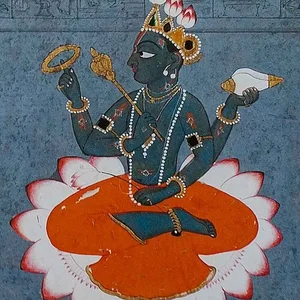
Vishnu
Vishnu is one of the three principal deities of Hinduism, forming the Trimurti alongside Brahma and Shiva. God of protection and preservation of the universe, he manifests in multiple avatars including Krishna and Rama, central figures in Indian mythology.

Yan Zhengzai
Yan Zhengzai (颜征在, c. 568–535 BCE) was the mother of Confucius, the founding philosopher of Confucianism. Widowed at a young age, she devoted herself entirely to her son's education in the state of Lu (present-day China). Her maternal devotion is celebrated as a model in the Confucian tradition.
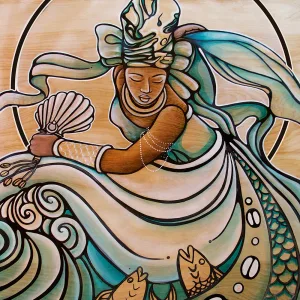
Yemanjá
Yemanjá is a female water deity from the Yoruba religion of West Africa, venerated as the mother of the gods (orishas) and protector of the sea. Carried to the Americas by the Atlantic slave trade, she became a major figure in Brazilian Candomblé and Cuban Santería.
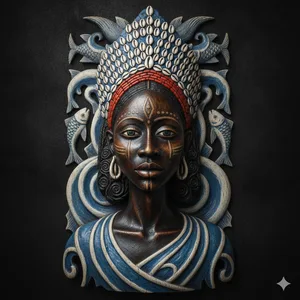
Yemoja
Yemoja is a major orisha of the Yoruba pantheon, goddess of waters and protective mother. Venerated in West Africa, she became a central figure in Afro-American religions (candomblé, santería) born of the diaspora.
Antiquity(11)
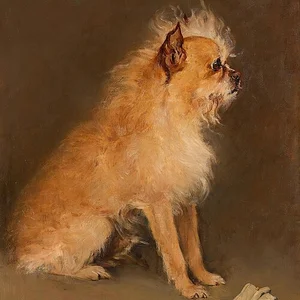
Griffin
The griffin is a legendary creature with the body of a lion and the head and wings of an eagle, a guardian of treasures and a symbol of power. Present as early as the ancient Near East and then in the Greco-Roman world, it travels through the imagination all the way to the medieval bestiary.
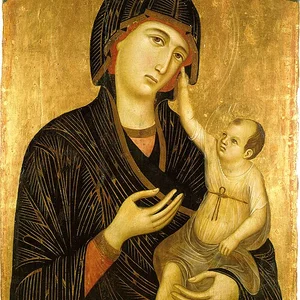
Mary (Mother of Jesus)
17 av. J.-C. — 48
Mother of Jesus of Nazareth, a central figure in Christianity. Venerated as Theotokos (Mother of God) in the Catholic and Orthodox traditions, she holds a major place in the history of monotheistic religions.
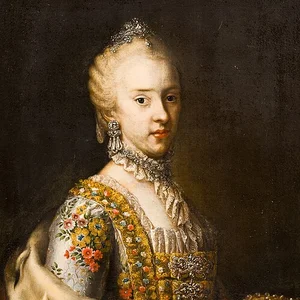
Mary of Nazareth
Mary of Nazareth is, according to the Gospels, the mother of Jesus of Nazareth. A central figure in Christianity and venerated in Islam under the name Maryam, she holds a major place in the religious and cultural history of the West.
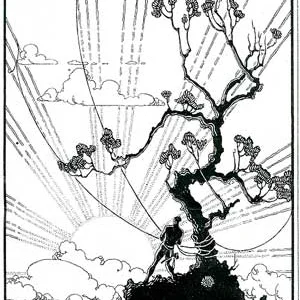
Maui
Demigod and trickster hero of Polynesian mythologies, Māui is one of the most celebrated figures in Pacific oral tradition. He accomplishes extraordinary feats: fishing islands up from the ocean floor, slowing the sun, and stealing fire from the gods to give to humankind.
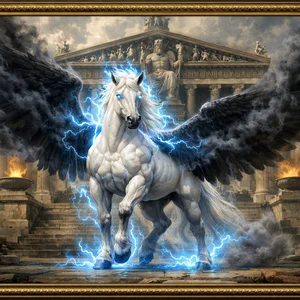
Pegasus
Winged horse of Greek mythology, born from the blood of Medusa when Perseus severed her head. Tamed by the hero Bellerophon with a golden bridle, he helped him defeat the Chimera. He ended his celestial journey among the stars, transformed into a constellation by Zeus.

Saint Denis (Martyr of Paris)
First bishop of Paris, sent on a mission to Gaul around 250 AD, Denis was beheaded on the hill of Montmartre during the Roman persecutions. According to legend, he picked up his severed head and walked to the site of his future basilica. He became the patron saint of France and a founding figure of Christianity in the Île-de-France region.
Saint James (Apostle)
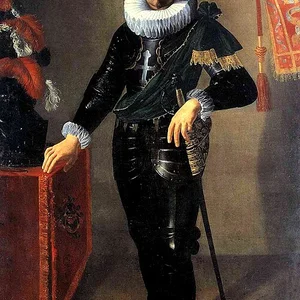
Apostle of Jesus Christ and son of Zebedee, James the Greater was a fisherman in Galilee before following Christ. Beheaded around 44 AD under Herod Agrippa I, he was the first apostle to be martyred. His presumed tomb at Compostela (Spain) became one of the greatest pilgrimage sites of medieval Christendom.
Saint Lazarus
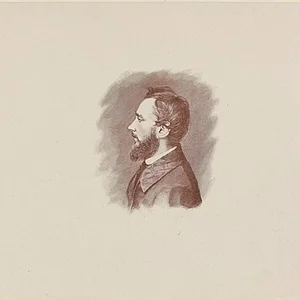
A close friend of Jesus of Nazareth, Lazarus of Bethany was raised from the dead by Christ according to the Gospel of John (chapter 11). His resurrection is one of the foundational miracles of the New Testament and a central symbol of Christian faith in eternal life.
Saint Marcel of Paris
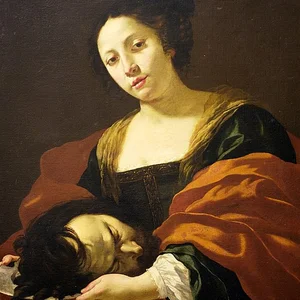
Bishop of Paris in the 5th century (c. 360–436), Saint Marcel is renowned for the legend in which he slew a dragon on the banks of the Bièvre. His tomb became a major pilgrimage site for Parisians of the early Middle Ages.
Salomé
14 — 62
Salomé is the daughter of Herodias and stepdaughter of Herod Antipas, tetrarch of Galilee in the 1st century. According to the Gospels, her dance so pleased Herod that he granted her any request she wished: at her mother's urging, she asked for the head of John the Baptist.

Simurgh
The Simurgh is a fabulous and benevolent bird from Persian mythology, a gigantic creature often described as nesting in the Tree of Life. A symbol of wisdom and healing, it protects and guides the heroes of the great Iranian epic tales.
Middle Ages(39)
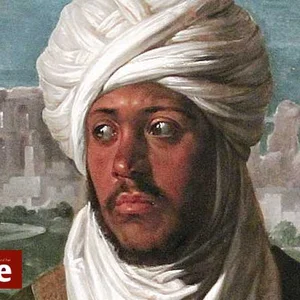
Abou Inan
Marinid sultan of Morocco (1348–1358), Abou Inan Faris is known for welcoming Ibn Battuta at his court and commissioning the writing of his famous travel account. A great patron of the arts, he had the Bou Inania madrasa built in Fez.

Agatha Southeil
Agatha Southeil is a legendary character associated with Arthurian folklore and tales of medieval witchcraft. Portrayed as a sorceress or prophetess, she belongs more to legendary tradition than to documented history.
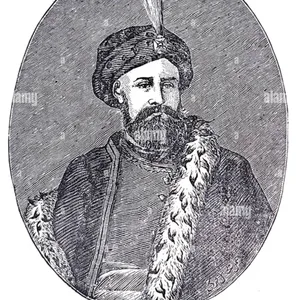
Al-Ma'mun
786 — 833
Seventh Abbasid caliph (reigned 813-833), son of Harun al-Rashid. A patron of scholars, he expanded the House of Wisdom (Bayt al-Hikma) in Baghdad, a center of translation and scientific research.

Anna Komnene
Byzantine princess (1083–c.1153), daughter of Emperor Alexios I Komnenos, Anna Komnene is one of the earliest female historians in recorded history. She is the author of the Alexiad, an epic narrative chronicling her father's reign and an invaluable testimony on Byzantium and the Crusades.
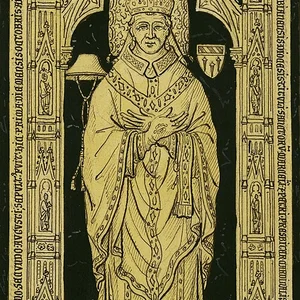
Cardinal Jean Lemoine
French cardinal (c. 1250–1313), renowned canonist and papal legate, he founded the Collège du Cardinal Lemoine in Paris in 1302 to train young clerics from Picardy. Close to Popes Boniface VIII and Clement V, he played a key role at the Roman Curia during the transfer of the papacy to Avignon.
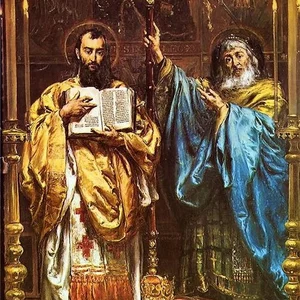
Cyril and Methodius
Cyril and Methodius were two Byzantine brothers of the 9th century, Christian missionaries among the Slavic peoples. They created the Glagolitic alphabet to translate liturgical texts into the Slavic language, laying the foundations of Slavic written culture.
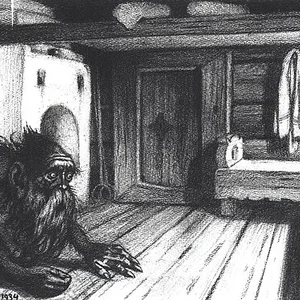
Domovoi
A protective spirit of the home in Slavic mythology, the Domovoi watches over the household and its inhabitants. A tutelary being of the polytheistic Slavic tradition, he embodies the bond between the living and their ancestors. He persists in popular folklore after Christianization.

Empress Teishi
Empress consort of Japan (976–1001), wife of Emperor Ichijō and daughter of regent Fujiwara no Michitaka. She was the patron of Sei Shōnagon, whose celebrated *The Pillow Book* bears witness to the brilliant life at her court. Her rivalry with Fujiwara no Shōshi, patroness of Murasaki Shikibu, illustrates the literary ferment of the Heian period.

Fiammetta
Fiammetta is the muse and idealized literary figure of the Florentine poet Boccaccio. Traditionally identified with Maria d'Aquino, the natural daughter of King Robert of Naples, she first inspires and then narrates the “Elegy of Lady Fiammetta” (c. 1343), a pioneering account of romantic passion expressed in the first person by a woman.
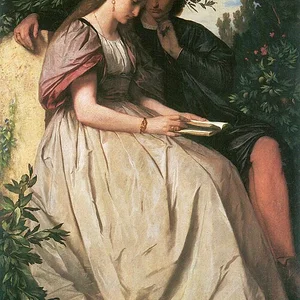
Francesca da Rimini
1259 — 1285
A 13th-century Italian noblewoman, Francesca da Polenta was married to Giovanni Malatesta and then murdered alongside her brother-in-law Paolo, with whom she was in love. Her tragic story was immortalized by Dante in the Divine Comedy.
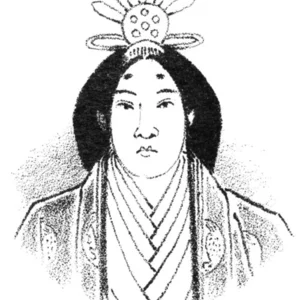
Genmei
661 — 722
Reigning empress of Japan from 707 to 715, Genmei is one of the few women to have held supreme power in Japan. She is notably responsible for commissioning the Kojiki, Japan's first historical chronicle.

Ibn Juzayy
1294 — 1340
Scholar, poet, and Andalusian jurist (c. 1294–1340), Ibn Juzayy is best known for having written the famous travel account of Ibn Battuta, the *Rihla*, which he shaped into literary form at the request of the Marinid sultan. He is also the author of legal treatises and a Quranic commentary.
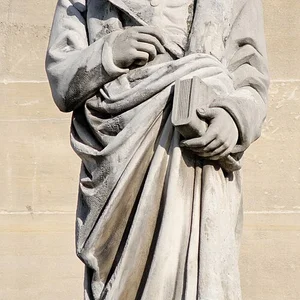
Jean Froissart
1337 — 1410
A fourteenth-century French chronicler and poet, Jean Froissart is the author of the famous Chronicles, a vast narrative tapestry recounting the events of the Hundred Years' War. His work stands as one of the most valuable historical sources on chivalry and the European conflicts of his era.
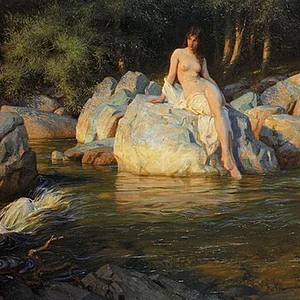
Kelpie
The kelpie is a supernatural creature from Scottish folklore, most often appearing in the form of a horse that haunts lochs and rivers. It lures unwary travellers onto its back before dragging them underwater to drown and devour them.
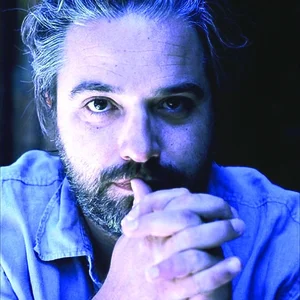
Kitsune
The kitsune is a fox-spirit (yōkai) from Japanese folklore, gifted with supernatural powers and able to shapeshift, notably into a woman. The longer it lives, the more tails it gains, up to nine, a sign of its wisdom and power.
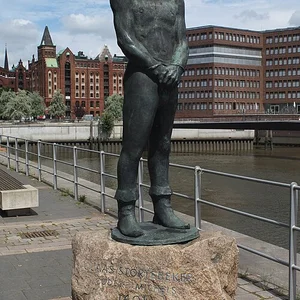
Klaus Störtebeker
1360 — 1401
Klaus Störtebeker was a German pirate of the late 14th century, a leading figure of the Vitalienbrüder (Victual Brothers). He raided the North Sea and the Baltic Sea, preying on ships of the Hanseatic League, before being captured and beheaded in Hamburg around 1401.
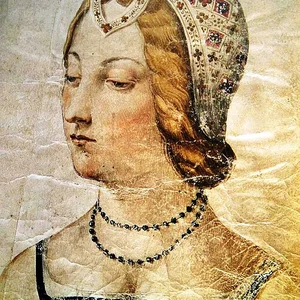
Laure de Noves
1310 — 1348
A fourteenth-century noblewoman of the Comtat Venaissin, traditionally identified as the Laura celebrated by the Italian poet Petrarch in his collection the Canzoniere. A literary muse whose beauty and virtue inspired one of the high points of Western love poetry.

Mansa Souleymane
1400 — 1360
Mansa (emperor) of the Mali Empire from 1341 to 1360, Souleymane was the brother and successor of Mansa Musa. His reign was marked by rigorous administration, economic prosperity, and the Islamic prestige of the empire.
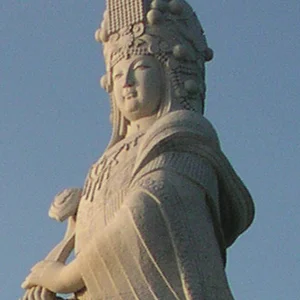
Mazu
960 — 987
Mazu is the protective goddess of sailors in Chinese tradition. According to legend, she was born around 960 CE in Fujian province under the name Lin Mo, and was deified after her death. Her cult spread across all the coasts of China and into Chinese communities throughout Southeast Asia.

Mokoch
Mokoch is one of the great goddesses of the pre-Christian Slavic pantheon, associated with moist earth, fertility, and fate. A protective deity of women, she presides over spinning, birth, and harvests. Her cult is attested among Eastern Slavs before the Christianization of Kievan Rus' in 988.

Naré Maghann Konaté
1135 — 1212
King of Manding in the 12th century, Naré Maghann Konaté is best known as the father of Sundiata Keita, founder of the Mali Empire. According to Mande oral tradition, a prophecy foretold that he would father a conqueror who would unite the Mande peoples.
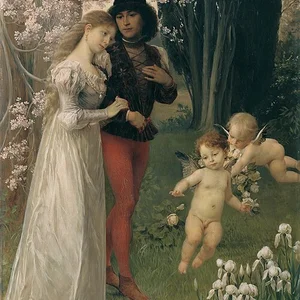
Paolo Malatesta
1246 — 1285
A thirteenth-century Italian nobleman and lord of Rimini, Paolo Malatesta is best known for his tragic passion with Francesca da Rimini, his sister-in-law. Immortalized by Dante in the Inferno of the Divine Comedy, he has become one of the great symbols of courtly and fatal love in medieval literature.
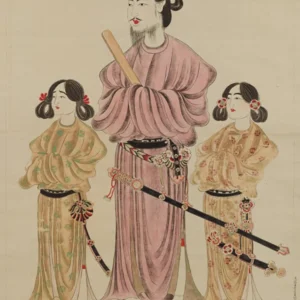
Prince Shōtoku
574 — 622
Regent of Japan under Empress Suiko (593–622), he promoted the spread of Buddhism and Confucianism, promulgated Japan's first constitution, and modernized the state by drawing on the Chinese model.

Roc
The Roc is a fabulous bird of gigantic size from Persian and Arab folklore, made popular by the tales of the One Thousand and One Nights. Powerful enough to carry off an elephant in its talons, it embodies the boundless excess of Eastern marvels.
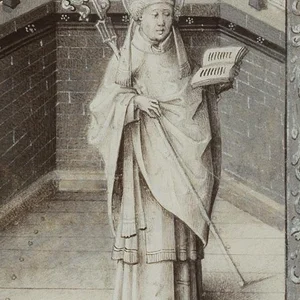
Saint Germain of Paris
496 — 576
Bishop of Paris from 555 to 576, Germain is one of the great figures of the Merovingian Church. Founder of the Abbey of Saint-Germain-des-Prés, he was renowned for his charity toward the poor and his influence over the Frankish kings.
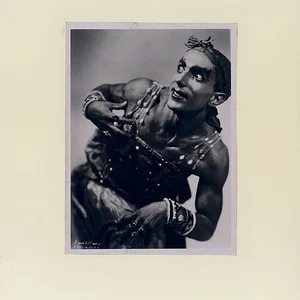
Scheherazade
Scheherazade is the legendary narrator of *One Thousand and One Nights*, a collection of Arabic tales compiled between the 9th and 14th centuries. Condemned to death by King Shahryar, she survives by telling him a new story each night, always leaving it unfinished, saving her life through the sheer power of storytelling.
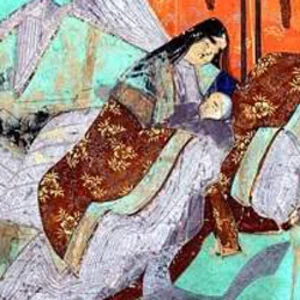
Shōshi
988 — 1074
Empress consort of Emperor Ichijō and daughter of regent Fujiwara no Michinaga, Shōshi was one of the most influential women in Heian-period Japan. Her court was a leading intellectual and artistic hub, most notably welcoming the author Murasaki Shikibu.

Soundiata Keïta
1190 — 1255
Founder of the Mali Empire in the 13th century, Soundiata Keïta united the Mandinka peoples and defeated King Soumaoro Kanté at the Battle of Kirina (c. 1235). His epic, passed down by griots, is one of the great works of African oral literature.

Sumanguru Kante
King of the Sosso Kingdom in the 13th century, Sumanguru Kante was a formidable ruler who dominated West Africa following the fall of the Ghana Empire. He was defeated by Sundiata Keita at the Battle of Kirina around 1235, an event that marked the birth of the Mali Empire.
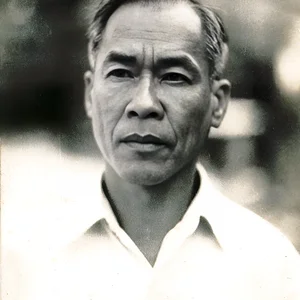
Tấm
Heroine of the Vietnamese popular tale Tấm Cám, a young woman mistreated by her stepmother and half-sister Cám, who becomes queen through the magical help of Bụt. An emblematic figure of Vietnamese oral literature, her story is compared to the universal Cinderella motif. [1]
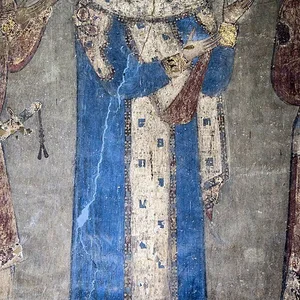
Tamar of Georgia
1166 — 1213
Queen of Georgia (1184–1213), the first woman to rule alone over this Caucasian kingdom. Her reign marks the Georgian Golden Age: territorial expansion, cultural and religious flourishing, and decisive military victories against the Seljuks.

Tarasque
The Tarasque is an amphibious dragon from Provençal legend that ravaged the banks of the Rhône near Tarascon. According to Christian tradition, it was tamed by Saint Martha with the sign of the cross and holy water, before being put to death by the townspeople.
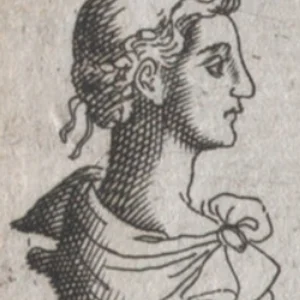
Theophanu
Byzantine princess, she married Emperor Otto II in 972, becoming Empress of the Holy Roman Empire. After her husband's death in 983, she served as regent on behalf of their son Otto III until her own death in 991, governing with authority and introducing Byzantine influence to the Ottonian court.
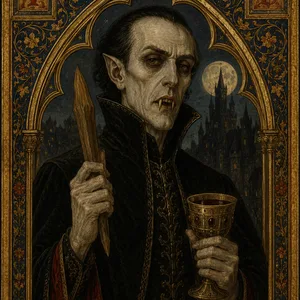
Vampire
A creature of Eastern European folklore, the vampire is an undead being said to rise from its grave to feed on the blood of the living. This mythological figure, rooted in medieval Slavic and Balkan beliefs, has endured through the centuries to become one of the most powerful archetypes in the Western imagination.
Vasilisa the Beautiful
Vasilisa the Beautiful is the heroine of a Russian folktale. An orphan mistreated by her stepmother, she overcomes trials imposed by the witch Baba Yaga with the help of a magical doll bequeathed by her mother, and eventually marries the tsar.

Werewolf
A hybrid creature, half-human and half-wolf, the werewolf is a mythological figure found across many cultures. Lycanthropy — the belief in human transformation into a wolf — is attested as far back as ancient Greece with the myth of Lycaon. During the Middle Ages, this belief intensified and led to actual trials for lycanthropy.

Wyvern
The wyvern is a legendary creature of medieval European heraldry and folklore, depicted as a winged, two-legged dragon with a venomous, barb-tipped tail. Distinct from the classic four-legged dragon, it frequently appears on coats of arms and heraldic emblems.
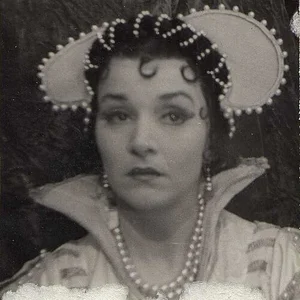
Ximena
Ximena Díaz was the wife of Rodrigo Díaz de Vivar, known as El Cid. A semi-legendary figure of medieval Spanish literature, she was immortalized in the 'Cantar de mio Cid' and later in Corneille's 'Le Cid' (1637), where she embodies the conflict between love and honor.
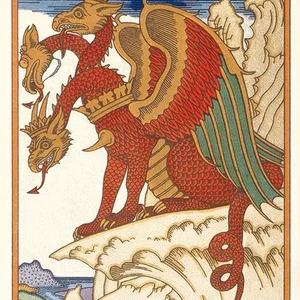
Zmey Gorynych
Zmey Gorynych is a multi-headed dragon from East Slavic folklore, an iconic figure of the Russian bylinas. A fire-breather, he embodies evil and abducts princesses, until he is slain by heroes such as Dobrynya Nikitich.
Renaissance(15)
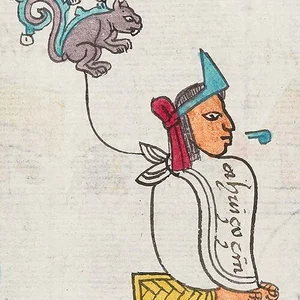
Ahuizotl
1450 — 1502
A legendary creature of Aztec mythology, the Ahuizotl is an aquatic monster resembling a small dog, with smooth black fur and a grasping hand at the tip of its tail. Lurking in lakes and ponds, it lures and drowns its victims to devour their eyes, teeth, and nails.
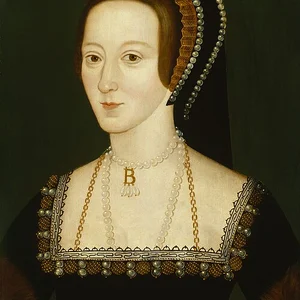
Anne Boleyn
1507 — 1536
Queen of England from 1533 to 1536, Anne Boleyn was the second wife of Henry VIII. Her marriage required England's break with Rome, giving rise to the Church of England. Mother of Elizabeth I, she was accused of adultery and beheaded at the Tower of London.
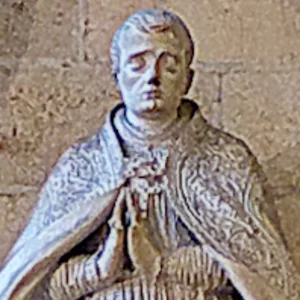
Antonio de Beatis
1450 — ?
Secretary and chaplain to Cardinal Luigi d'Aragona, Antonio de Beatis is known for the travel journal he wrote during their European journey of 1517–1518. He left a particularly valuable account of his meeting with Leonardo da Vinci in Amboise.
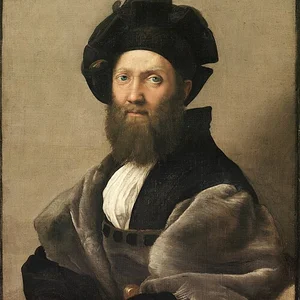
Baldassare Castiglione
1478 — 1529
Italian diplomat, writer, and courtier (1478–1529), Castiglione is the author of The Book of the Courtier, a treatise defining the ideal of the Renaissance court gentleman. Close to the great princes and artists of his time, he embodies the humanism of the court of Urbino.
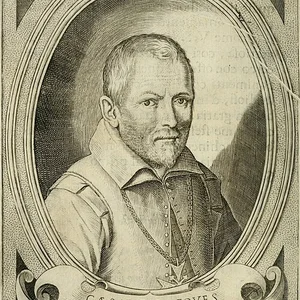
Cesare Ripa
1555 — 1622
Cesare Ripa (c. 1555–1622) was an Italian scholar and iconographer, author of the *Iconologia* (1593), an encyclopedic treatise that codified the allegorical representation of virtues, vices, and abstract concepts. His work became the essential reference for European artists and decorators from the 17th to the 18th century.
Ciriaco Mattei
1545 — 1614
Ciriaco Mattei (1545–1614) was a Roman nobleman and influential patron of the arts in the late Renaissance. A major collector of antiquities and paintings, he was one of Caravaggio's principal patrons in Rome.
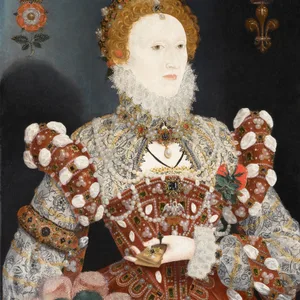
Elizabeth I
Queen of England and Ireland from 1558 to 1603, daughter of Henry VIII and Anne Boleyn. Her reign, the “Elizabethan era,” marks a golden age of culture and the consolidation of Protestantism in England. She embodies the figure of the “Virgin Queen,” an absolute sovereign who never married any of her suitors.
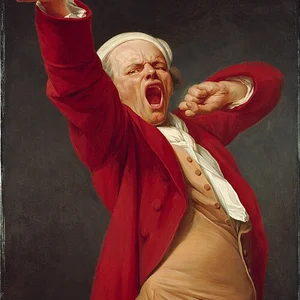
Enrique
Magellan's Malay slave and interpreter, Enrique of Malacca took part in the circumnavigation expedition (1519–1522). He may have been the first human being to circumnavigate the globe, having left Malacca only to return to it from the west.
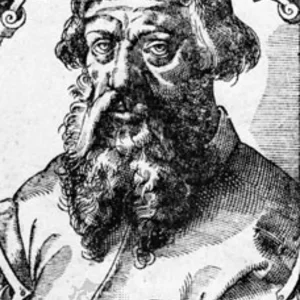
Étienne Dolet
1509 — 1546
Humanist, printer, and philologist from Lyon (1509–1546), Étienne Dolet was one of the first great publishers of texts in French and Latin. A champion of the French language, he was condemned for heresy and burned at the stake on Place Maubert in Paris in 1546.
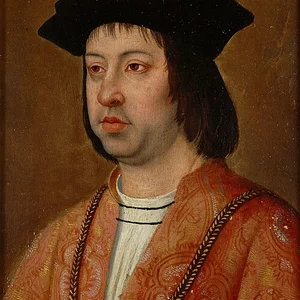
Ferdinand II of Aragon
1452 — 1516
King of Aragon, Ferdinand II married Isabella of Castile in 1469, uniting the two great Iberian crowns. Together, the “Catholic Monarchs” completed the Reconquista in 1492, financed Christopher Columbus's voyage, and laid the foundations of modern Spain.
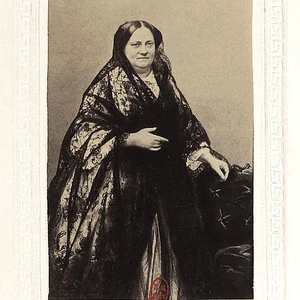
Ferdinand II of Spain
King of Aragon and, through his marriage to Isabella of Castile, co-ruler of a unified Spain. He completed the Reconquista in 1492 and funded Christopher Columbus's voyages, laying the foundations of the Spanish colonial empire.
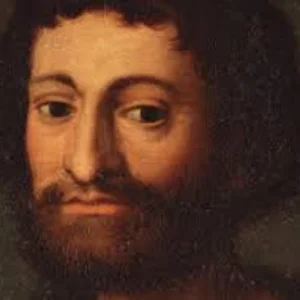
Francesco del Giocondo
1460 — 1542
A Florentine merchant and magistrate of the Renaissance, Francesco del Giocondo is best known for having commissioned Leonardo da Vinci to paint the portrait of his wife Lisa Gherardini, known as the Mona Lisa. Born in 1465 in Florence, he was a prosperous silk merchant.
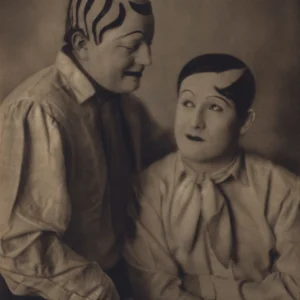
Golem
The Golem is a clay creature from Jewish folklore, shaped by human hands and brought to life through sacred formulas. Its most famous version, the Golem of Prague, is said to have been created in the 16th century by Rabbi Judah Loew (the Maharal) to protect the Jewish ghetto. Deprived of speech and a soul, it embodies the limits of human creation.
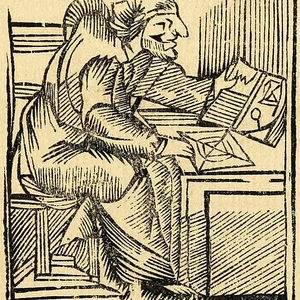
Mother Shipton
1488 — 1561
Legendary English prophetess and seer of the 16th century, born around 1488 in Knaresborough, Yorkshire. Famous for her prophecies in verse, she became a major folk figure of Tudor England. Her actual historical existence remains uncertain, as legend has far outgrown the facts.
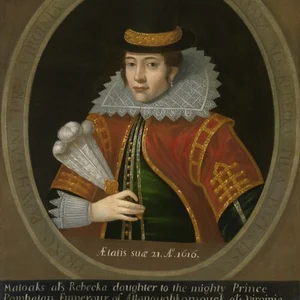
Pocahontas
1596 — 1617
Daughter of Chief Powhatan, leader of the Algonquian confederacy of Virginia, Pocahontas (c. 1596–1617) is a central figure in the encounter between the Powhatan peoples and the English settlers of Jamestown. Her story, passed down through colonial written sources and her people's oral tradition, symbolizes both the dialogue and the tensions between two worlds.
Early Modern(20)
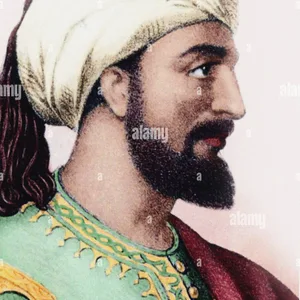
Abd al-Rahman al-Saadi
Chronicler, scholar, and secretary from Timbuktu, author of the Tarikh es-Sudan, one of the principal written sources on the Songhai Empire and the scholarly cities of the Western Sudan. His work recounts the succession of the Askias and the intellectual life of Timbuktu.
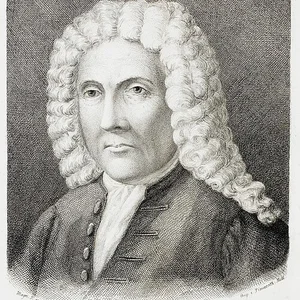
Árni Magnússon
1663 — 1730
Árni Magnússon was an Icelandic scholar and philologist who devoted his life to gathering and saving Iceland's medieval manuscripts. His collection, bequeathed to the University of Copenhagen, is the principal source of knowledge about the sagas and Old Norse literature.

Davy Jones
Davy Jones is a legendary figure in Anglo-Saxon maritime folklore, appearing in the 18th century. His name refers to the "Davy Jones's Locker," a metaphor for the bottom of the ocean where drowned sailors and sunken ships rest. He embodies the malevolent spirit of the seas.
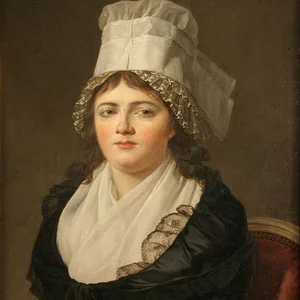
Gabrielle Danton
Gabrielle Charpentier (c. 1764–1793) was the wife of Georges-Jacques Danton, a leading orator of the French Revolution. The daughter of a Parisian café owner, she died at 28 in February 1793 while her husband was on a mission in Belgium, just months before the Reign of Terror.
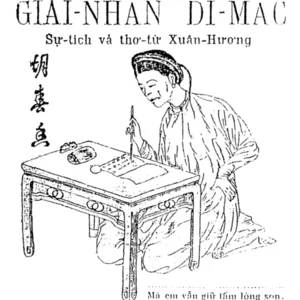
Hồ Xuân Hương
1772 — 1822
Vietnamese poetess of the late 18th and early 19th century, nicknamed the "Queen of Nôm Poetry." Her works in chữ Nôm, described as "elegantly licentious" in style, earned her recognition by UNESCO in 2021 as a world cultural personality.
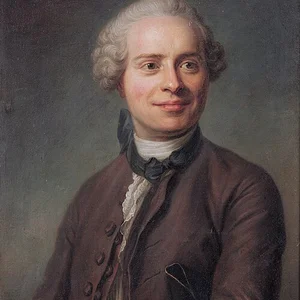
Jean le Rond d'Alembert
1717 — 1783
A mathematician and philosopher of the Enlightenment, he co-edited the great Encyclopédie with Diderot and wrote its famous Preliminary Discourse. He formulated the mechanical principle that bears his name and embodied the encyclopédiste ideal of bringing together all human knowledge.

Jodhaa
16th-century Rajput princess and wife of the Mughal emperor Akbar the Great. Her marriage symbolizes Akbar's policy of religious tolerance between Hinduism and Islam. A controversial figure whose very existence is debated by historians.
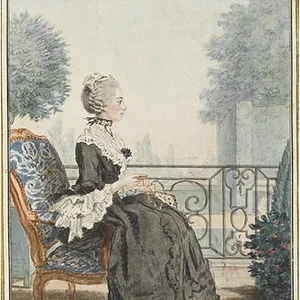
Julie de Lespinasse
1732 — 1776
An 18th-century French salonnière, Julie de Lespinasse ran one of the most influential salons in Paris, frequented by the Encyclopédistes. A passionate letter-writer, her correspondence offers a vivid window into the intellectual life of the Enlightenment.
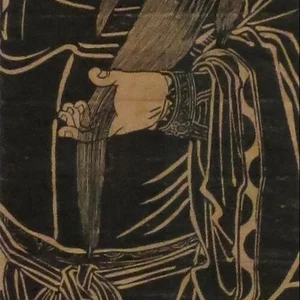
Katsukawa Shunsho
1726 — 1793
Japanese painter and printmaker of the 18th century, master of ukiyo-e woodblock printing. He is celebrated for his portraits of kabuki actors and his depictions of sumo wrestlers, and founded the Katsukawa school.
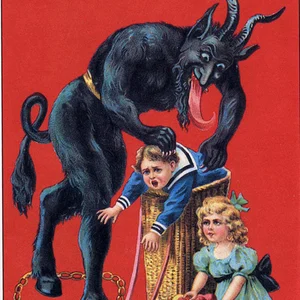
Krampus
A demonic half-man, half-goat creature from Germanic Alpine folklore, Krampus is the punishing companion of Saint Nicholas. While Saint Nicholas rewards well-behaved children, Krampus punishes the naughty ones by whipping them with birch branches or carrying them away in his basket.
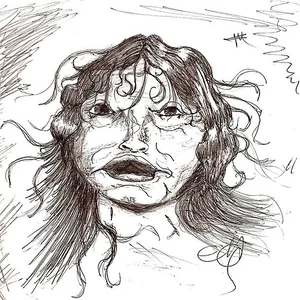
La Llorona
La Llorona is a ghost from Latin American folklore, the figure of a woman who, according to legend, drowned her own children and has since wandered weeping along rivers and lakes. This legend, deeply rooted in Mexico and Latin America, blends pre-Hispanic and Spanish colonial influences.
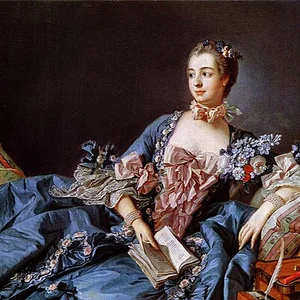
Madame de Pompadour
1721 — 1764
Official mistress of King Louis XV from 1745 until her death in 1764, she wielded considerable influence over French politics and culture. A great patron of the arts and protector of the Enlightenment philosophers, she helped shape the Rococo style and supported the Encyclopédie of Diderot and d'Alembert.
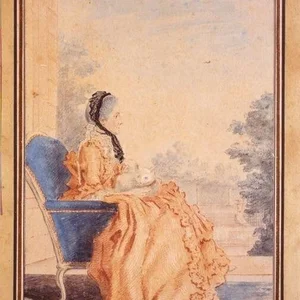
Madame du Deffand
An eighteenth-century French salonnière, the Marquise du Deffand hosted one of the most influential salons of the Enlightenment in Paris. A correspondent of Voltaire and d'Alembert, she embodied the critical spirit and intellectual sociability of her age.
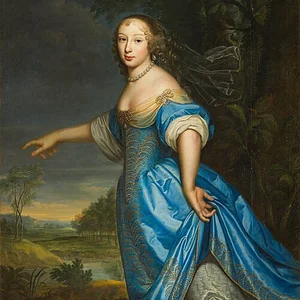
Marguerite de La Sablière
A salonnière and woman of letters of the seventeenth century, she presided over one of the most celebrated salons in Paris, bringing together poets, philosophers, and scholars. A patron of La Fontaine, she welcomed him into her home for nearly twenty years. Passionate about science, she studied astronomy and natural philosophy under scholars such as Bernier.
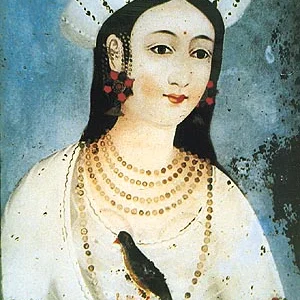
Mastani
1699 — 1740
Mastani (c. 1699–1740) was the second wife of Bajirao I, the Maratha Peshwa. Daughter of a Rajput raja and a Muslim concubine, she was an accomplished dancer and warrior. Their interfaith love caused a scandal at the Maratha court and gave rise to legend.
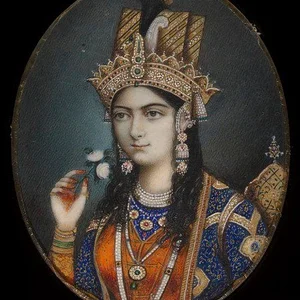
Mumtaz Mahal
1593 — 1631
Mughal empress and favorite wife of Emperor Shah Jahan. Her death in childbirth in 1631 inspired the construction of the Taj Mahal, a marble mausoleum raised to her memory that became one of the most famous monuments in the world.
Pietro Bragadin
Pietro Bragadin was an Italian printer active between 1614 and 1649. He practiced his craft in Venice, contributing to the spread of texts at a time when Venetian printing was flourishing across Europe.
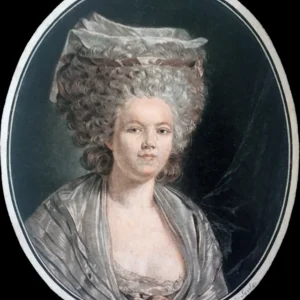
Rose Bertin
1747 — 1813
A French fashion merchant, Rose Bertin was the dressmaker and style advisor to Queen Marie-Antoinette. Nicknamed the “minister of fashion,” she introduced extravagant hairstyles and outfits that made her a pioneering figure of haute couture.
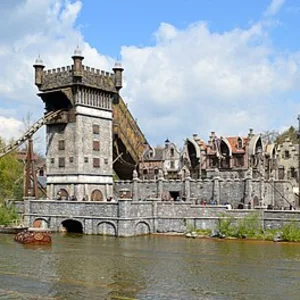
The Flying Dutchman
The Flying Dutchman is a legendary ghost ship doomed to wander the seas forever, never able to make port. Born from the maritime folklore of the great European voyages of exploration, it has become a universal symbol of curse and damnation. The legend has inspired operas, novels, and films.

Wakan Tanka
Wakan Tanka, the “Great Spirit” or “Great Mystery,” is the supreme divine principle of Lakota spirituality. This central concept of the Lakota Sioux refers to a sacred, all-pervading force that animates all things. It structures the cosmology, rituals, and ethics of an entire people.
19th Century(26)
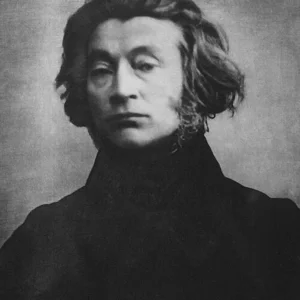
Adam Mickiewicz
1798 — 1855
Adam Mickiewicz (1798-1855) is Poland's greatest national poet and a major figure of European Romanticism. His epic and lyrical work expresses nostalgia for occupied Poland and the aspiration for national freedom.
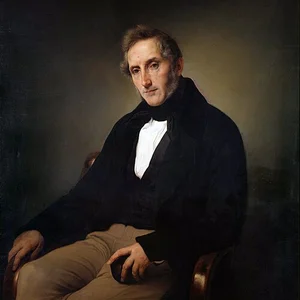
Alessandro Manzoni
1785 — 1873
Alessandro Manzoni (1785–1873) was the greatest Italian novelist of the 19th century and a central figure of Romanticism. His historical novel *I Promessi Sposi* (*The Betrothed*, 1827) is regarded as the first modern novel written in Italian and played a decisive role in the linguistic unification of Italy.
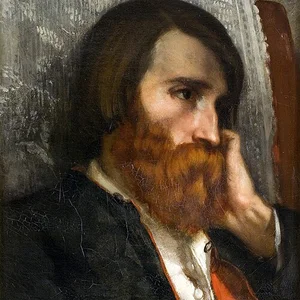
Alfred Bruyas
1821 — 1877
Alfred Bruyas (1821-1877) was a French collector, patron of the arts, and amateur painter from Montpellier. Heir to a family fortune, he devoted his life to building a major art collection, most notably by supporting Gustave Courbet. His collection forms the core holdings of the Musée Fabre in Montpellier.
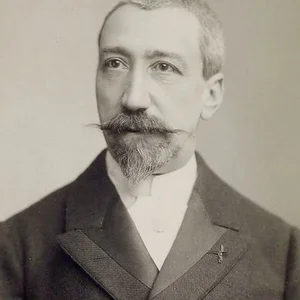
Anatole France
1844 — 1924
Born François-Anatole Thibault, Anatole France was a French writer, literary critic, and essayist, and a major figure of the Belle Époque. A committed Dreyfusard, he was awarded the Nobel Prize in Literature in 1921.
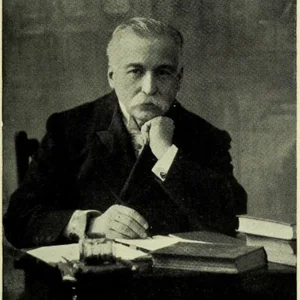
Auguste Escoffier
1846 — 1935
French chef and culinary author
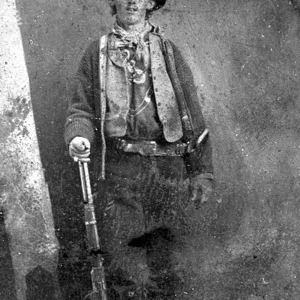
Billy the Kid
1859 — 1881
American outlaw of the Wild West, famous for his skill as a gunfighter and his involvement in the Lincoln County War. Killed at age 21 by Sheriff Pat Garrett, he became a legendary figure of the conquest of the American West.
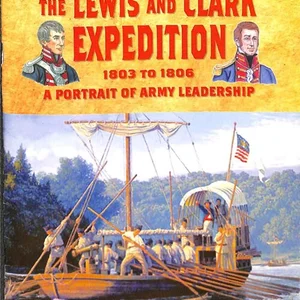
Cameahwait
Chief of the Shoshone tribe, Cameahwait played a crucial role in the Lewis and Clark Expedition (1805) by providing guides and horses to cross the Rocky Mountains. Brother of Sacagawea, he enabled the American expedition to reach the Pacific.
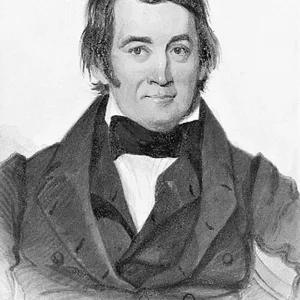
Davy Crockett
1786 — 1836
American pioneer, hunter, and politician, elected several times to Congress for the state of Tennessee. Having become a legendary figure of the conquest of the West, he died defending Fort Alamo during the Texas Revolution in 1836.
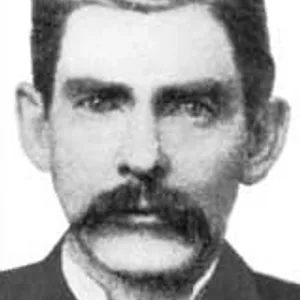
Doc Holliday
1851 — 1887
American dentist turned professional gambler and gunfighter, an iconic figure of the Wild West. A friend and ally of Wyatt Earp, he took part in the Gunfight at the O.K. Corral in 1881 in Tombstone, Arizona.
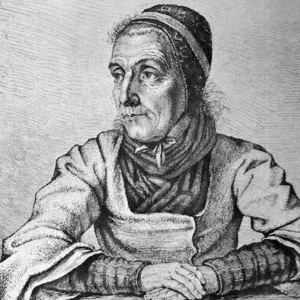
Dorothea Viehmann
1755 — 1816
Dorothea Viehmann (1755-1815) was a German storyteller, the daughter of an innkeeper near Kassel. Her exceptional memory for folk tales made her one of the main sources for the Brothers Grimm, who collected many stories from her for their “Children's and Household Tales.”
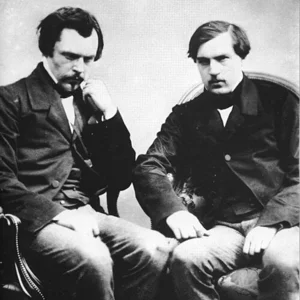
Edmond and Jules de Goncourt
French writer brothers and art critics, they were the co-founders of literary naturalism with novels such as Germinie Lacerteux (1864). Their Journal, kept from 1851 to 1896, is a landmark record of artistic and literary life in the 19th century. In his will, Edmond established the Académie Goncourt, which has awarded France's most prestigious literary prize since 1903.
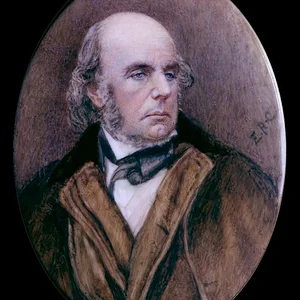
Edward FitzGerald
1809 — 1883
19th-century British poet and translator, celebrated for his free translation of the Rubaiyat of Omar Khayyam (1859), which achieved remarkable success across Europe and helped introduce Persian poetry to Western readers.
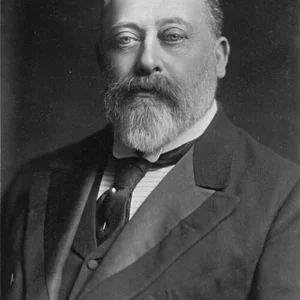
Edward VII
1841 — 1910
Son of Queen Victoria, Edward VII reigned over the United Kingdom and the Empire of India from 1901 to 1910. An emblematic figure of the Belle Époque, he played a decisive role in bringing France and Britain closer together through the Entente Cordiale of 1904.
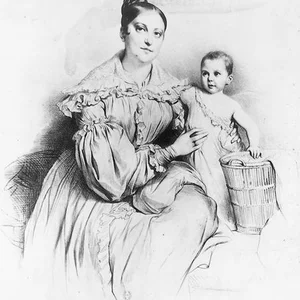
Élisa Schlésinger
1810 — 1888
A woman of the French bourgeoisie whom Gustave Flaubert met at Trouville in 1836, when he was fifteen years old. This encounter left a lasting mark on the writer: she inspired the character of Madame Arnoux in Sentimental Education.
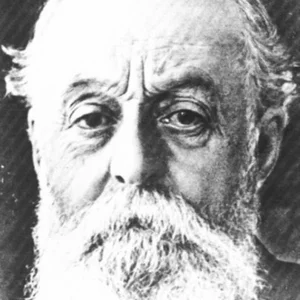
Eusebi Güell
Catalan industrialist and patron of the arts (1846–1918), Eusebi Güell was the principal supporter of architect Antoni Gaudí. Using his textile fortune, he funded the boldest works of Catalan Modernisme, including Park Güell and Palau Güell in Barcelona.
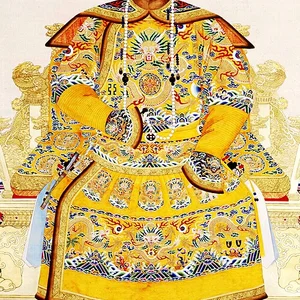
Guangxu
1871 — 1908
Guangxu (1871–1908) was the eleventh emperor of the Qing dynasty. In 1898, he attempted to modernize China through the "Hundred Days' Reform," but Empress Dowager Cixi seized power and placed him under house arrest until his death.
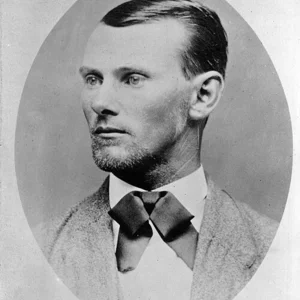
Jesse James
1847 — 1882
American outlaw, a former Confederate guerrilla who became the leader of the James-Younger gang. A robber of banks and trains across the Midwest after the American Civil War, he was assassinated in 1882 and became a legendary figure of Western folklore.
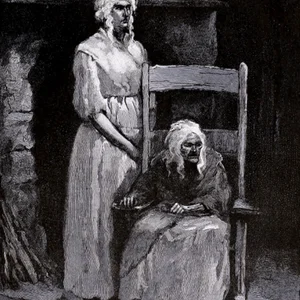
Marie Laveau
1801 — 1881
Marie Laveau (c. 1801–1881) was the famous 'Voodoo Queen' of New Orleans. A free woman of color, she practiced Louisiana Voodoo, blending African and Caribbean traditions with Creole Catholicism. Her spiritual and social influence in Louisiana's Afro-Creole community remains legendary.
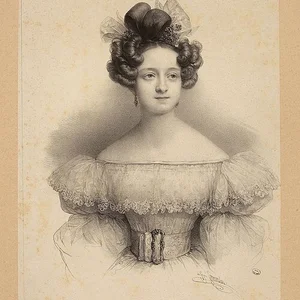
Marie Taglioni
1804 — 1884
A 19th-century Italian prima ballerina, Marie Taglioni revolutionized Romantic ballet by popularizing dancing on pointe. Her performance in *La Sylphide* (1832) defined the airy, ethereal aesthetic of Romantic ballet for generations to come.
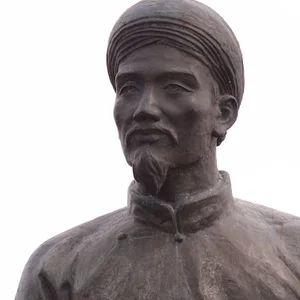
Nguyễn Du
1766 — 1820
Poet and major cultural figure of Vietnam (1766–1820), known as the "Great National Poet." Author of Truyện Kiều, a masterpiece of classical Vietnamese literature, recognized by UNESCO as a World Cultural Personality. [1]
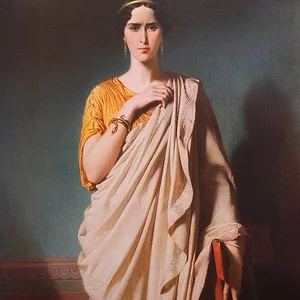
Rachel Félix
1821 — 1858
A brilliant tragedienne of the Comédie-Française, Rachel Félix (1821–1858) revived French classical tragedy in the nineteenth century. Born into a modest Jewish family, she rose to fame through her electrifying performances in the roles of Racine and Corneille, becoming the most celebrated actress in Europe.
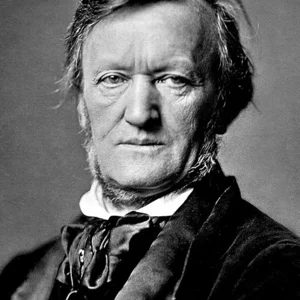
Richard Wagner
1813 — 1883
German composer (1813–1883), Wagner revolutionized opera by creating the concept of the total work of art (Gesamtkunstwerk). His music dramas, including the Ring Cycle and Tristan und Isolde, remain towering monuments of Romanticism.

Takai Kozan
Takai Kozan (1806-1883) was a wealthy Japanese merchant, scholar, calligrapher, and painter of the nanga school. He is best known for welcoming the master Hokusai into his home in Obuse, and for his involvement in the sonnō jōi imperialist movement at the end of the Edo period.
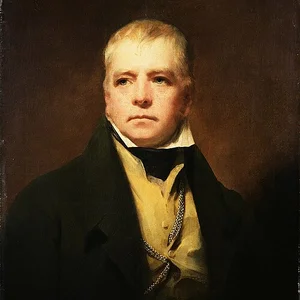
Walter Scott
1771 — 1832
Scottish writer and poet (1771–1832), Walter Scott is the father of the modern historical novel. Works such as *Ivanhoe* and *Waverley* popularized the Romantic vision of the Middle Ages across Europe.

Yaa Akyaa
1840 — ?
Yaa Akyaa was queen mother of the Ashanti Kingdom in the nineteenth century, holding considerable political and symbolic power within the Akan matrilineal tradition. Her role was to advise the king (Asantehene) and to embody dynastic legitimacy.
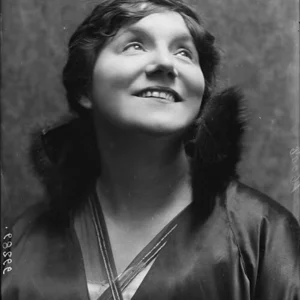
Yvette Guilbert
1865 — 1944
French café-concert singer and *diseuse* (1865–1944), an icon of the Belle Époque immortalized by Toulouse-Lautrec. Famous for her long black gloves and her expressionist delivery of Parisian realist songs.
20th Century(119)
Alberto Gentili
1873 — 1954
Alberto Gentili (1873–1954) was an Italian composer and musicologist. He is best known for rediscovering and cataloguing a vast collection of Vivaldi manuscript scores, playing a key role in the revival of the Baroque composer's work.

Alexander McQueen
1969 — 2010
Alexander McQueen (1969–2010) was a revolutionary British fashion designer and founder of his eponymous house. Trained on Savile Row and at Central Saint Martins, he is known for his provocative collections blending beauty and darkness.
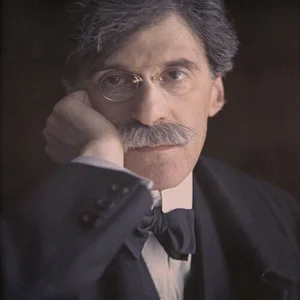
Alfred Stieglitz
1864 — 1946
Alfred Stieglitz (1864–1946) was an American photographer and gallery owner who played a fundamental role in establishing photography as a fine art in its own right. He founded Gallery 291 in New York and edited influential journals such as Camera Notes and Camera Work.
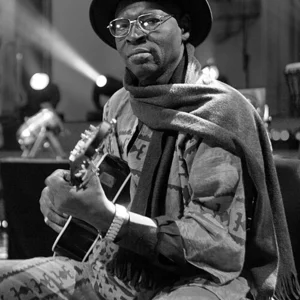
Ali Farka Touré
1939 — 2006
Ali Farka Touré was a Malian guitarist and singer, a major figure in African music. Nicknamed the "African John Lee Hooker," he revealed to the world the African roots of the blues by fusing Malian traditions with American blues.
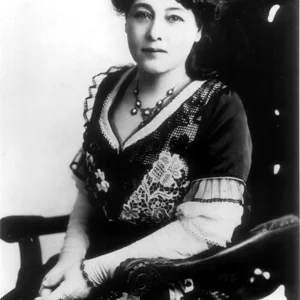
Alice Guy
1873 — 1968
The first female filmmaker in history, Alice Guy directed her first narrative film at Gaumont around 1896. She went on to found the Solax Company in the United States, one of the largest production companies of the era, before falling into obscurity despite a remarkable body of work.
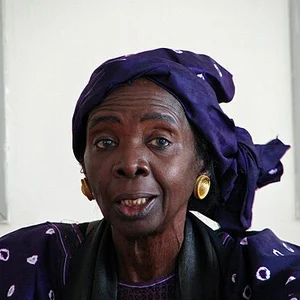
Aminata Sow Fall
1941 — ?
Aminata Sow Fall (born in 1941) is a pioneering Senegalese novelist of Francophone African literature. Her novel La Grève des Bàttu (1979) brought her international recognition and explores social inequalities in postcolonial Africa.
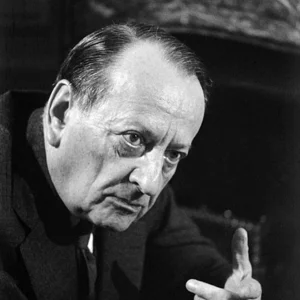
André Malraux
1901 — 1976
French novelist, Resistance fighter, and statesman (1901–1976). Author of La Condition humaine, he served as Minister of Cultural Affairs under General de Gaulle from 1959 to 1969 and was a theorist of art.
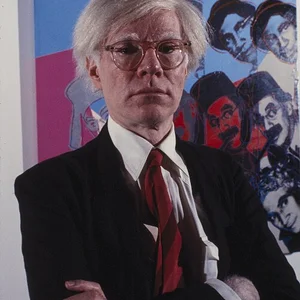
Andy Warhol
1928 — 1987
Andy Warhol (1928-1987) was the leading figure of the American Pop Art movement. He transformed images from mass culture into works of art, blurring the boundary between art and commerce.
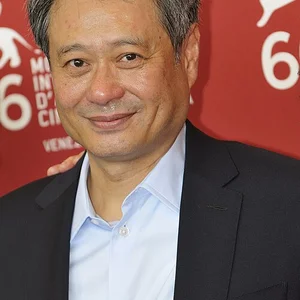
Ang Lee
1954 — ?
Ang Lee is a Taiwanese director born in 1954, celebrated for his ability to cross genres and cultures. His films explore identity, family, and desire with a remarkable visual sensibility.

Anna Kournikova
1981 — ?
Anna Kournikova is a Russian tennis player born in 1981 in Moscow. Turning professional at just 14, she reached the world top 10 and won two Grand Slam doubles titles at the French Open and Wimbledon alongside Martina Hingis. A media icon of the 1990s and 2000s, she came to embody the intersection of sport and popular culture.
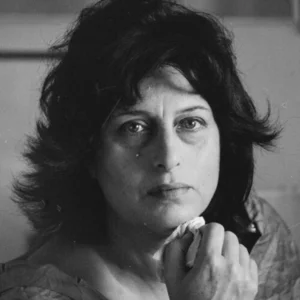
Anna Magnani
1908 — 1973
Italian actress (1908-1973), an iconic figure of Italian neorealism. Known for her intense and passionate performances, she won the Academy Award for Best Actress in 1956 for The Rose Tattoo.

Anna Netrebko
1971 — ?
Anna Netrebko is a Russian-Austrian soprano born in 1971, considered one of the greatest opera singers of her generation. Trained at the Saint Petersburg Conservatory, she has conquered the world's most prestigious stages — the Metropolitan Opera, La Scala in Milan, and the Vienna State Opera.
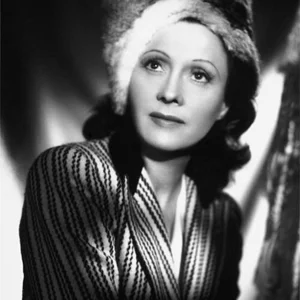
Arletty
1898 — 1992
French actress and singer (1898–1992), an icon of French cinema in the 1930s and 1940s. Discovered by Marcel Carné, she is best remembered for her roles in *Children of Paradise* and *Hôtel du Nord*.
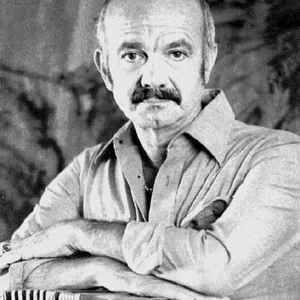
Astor Piazzolla
1921 — 1992
Argentine composer and bandoneon player (1921–1992), Astor Piazzolla revolutionized traditional tango by creating "tango nuevo," a fusion of tango, jazz, and classical music. He is considered one of the most influential musicians in 20th-century Latin America.
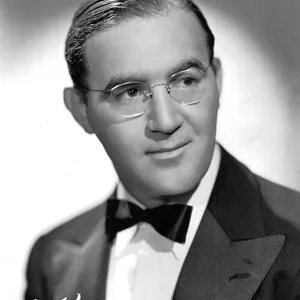
Benny Goodman
1909 — 1986
American clarinetist and bandleader (1909-1986), nicknamed “the King of Swing”. He helped bring jazz to mainstream white audiences and racially integrated his bands during the 1930s and 1940s.
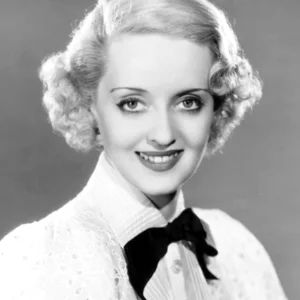
Bette Davis
1908 — 1989
American actress (1908–1989), a towering figure of Hollywood cinema from the 1930s through the 1960s. Known for her roles as strong, complex women, she won two Academy Awards and established herself as one of the greatest stars of the studio system.
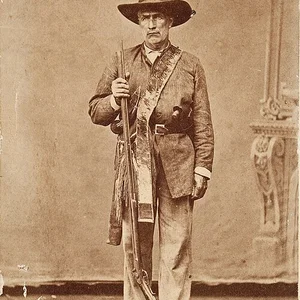
Bigfoot
Bigfoot, also known as Sasquatch, is a legendary creature of North American cryptozoology, described as a large, hairy hominid living in the forests. Its existence is not supported by any scientific evidence: it belongs to folklore and popular culture.
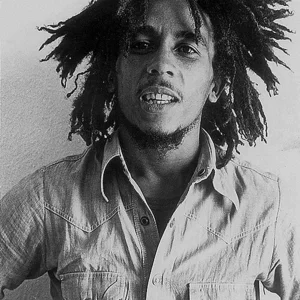
Bob Marley
1945 — 1981
Bob Marley was a Jamaican singer, guitarist, and songwriter, and a major figure of reggae. As a spokesman for the Rastafari movement, he brought Jamaican music to audiences around the world and embodied a message of peace and resistance.
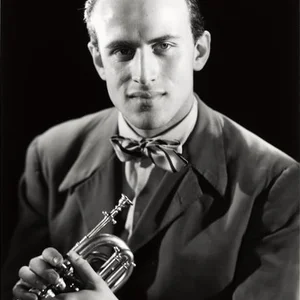
Boris Vian
1920 — 1959
French writer, musician, and artist (1920–1959), an iconic figure of Saint-Germain-des-Prés. Author of Froth on the Daydream, he embodied the spirit of the postwar generation, blending jazz, literature, and provocation.
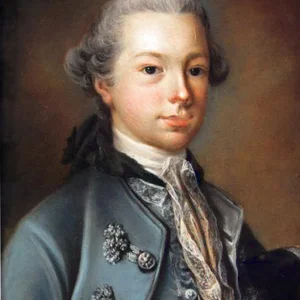
Bosc
1924 — 1973
Jean Bosc (1924-1973) was a French humorist cartoonist, a master of wordless humor drawing. His spare line and dark, absurd humor left their mark on post-war French satirical press.
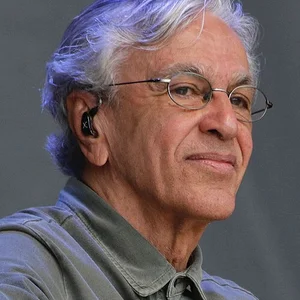
Caetano Veloso
1942 — ?
Caetano Veloso (born 1942) is a Brazilian singer, songwriter, and musician, a central figure of the Tropicália movement in the 1960s. Blending Brazilian popular music, rock, and avant-garde, he was exiled by the Brazilian military dictatorship.
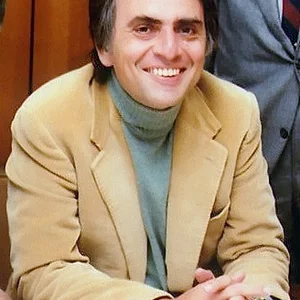
Carl Sagan
1934 — 1996
American astronomer and astrophysicist (1934–1996), Carl Sagan is celebrated for bringing science to the general public. His television series *Cosmos* (1980) reached hundreds of millions of viewers worldwide.
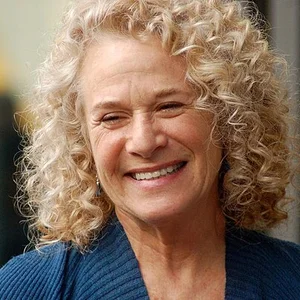
Carole King
1942 — ?
American singer-songwriter born in 1942, Carole King is one of the defining figures of rock and pop from the 1960s–1970s. Her album *Tapestry* (1971) remains one of the best-selling records in history.
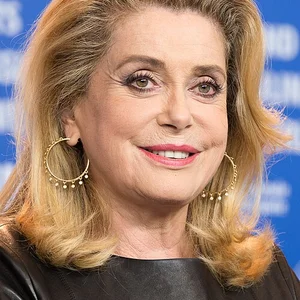
Catherine Deneuve
1943 — ?
French actress born in 1943, Catherine Deneuve is one of the greatest stars in world cinema. She played iconic roles in films by Truffaut, Buñuel, and Demy, becoming a symbol of French elegance.
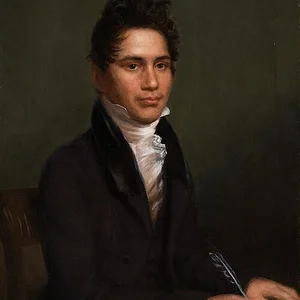
Charles Bird
1856 — 1916
Charles Bird is a figure whose precise identification remains uncertain due to insufficient Wikidata records. The name "Bird" is sometimes associated with figures connected to ornithology, aviation, or African-American culture of the 20th century.

Charlie Chase
1952 — ?
An American radio and television host, Charlie Chase established himself as a key figure in the entertainment media landscape in the United States. He is best known for his role as a host in the world of country music on television.
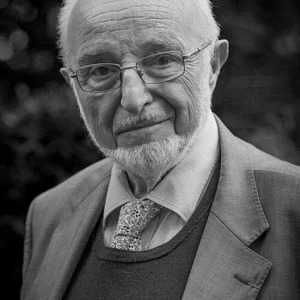
Chaval
1914 — 1968
Chaval, whose real name was Yvan Le Louarn (1915-1968), was a French cartoonist and humorist. Famous for his dark, absurd and deeply pessimistic humor, he left his mark on the press and post-war editorial cartooning.
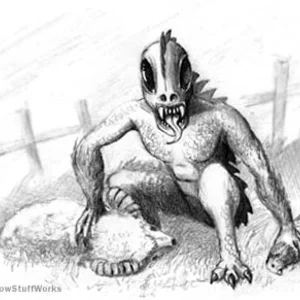
Chupacabra
The Chupacabra is a legendary creature from Latin America whose name means "goat-sucker" in Spanish. First reported in Puerto Rico in the 1990s, it is associated with mysterious livestock mutilations and has become a major cultural and folkloric phenomenon.
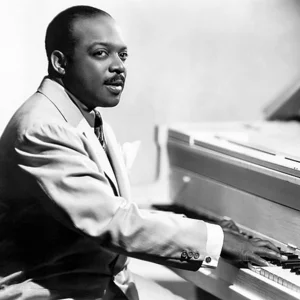
Count Basie
1904 — 1984
William James Basie, known as Count Basie (1904-1984), was an American pianist, organist, and bandleader. A major figure in jazz, he led one of the most famous big bands in history, contributing to the rise of swing in the 1930s–1940s.

Djibril Tamsir Niane
1932 — 2021
Senegalese-Guinean writer and historian (1932–2021), Djibril Tamsir Niane is celebrated for collecting and transcribing the epic of Sundiata Keita. His major work, Sundiata: An Epic of Old Mali (1960), helped bring recognition to African oral traditions.
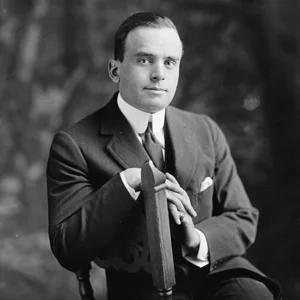
Douglas Fairbanks
1883 — 1939
An American silent film actor, Douglas Fairbanks was one of Hollywood's first great stars. Known for his acrobatic hero roles in adventure films such as *The Mark of Zorro* and *Robin Hood*, he was also a co-founder of United Artists studio.
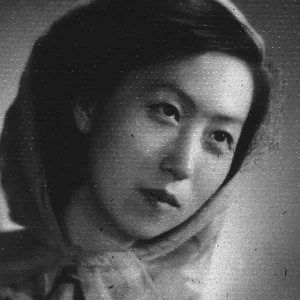
Eileen Chang
1920 — 1995
Chinese novelist born in Shanghai in 1920, Eileen Chang is considered one of the greatest voices in modern Chinese literature. Her works explore with remarkable subtlety the romantic relationships and Shanghainese society of the first half of the twentieth century.
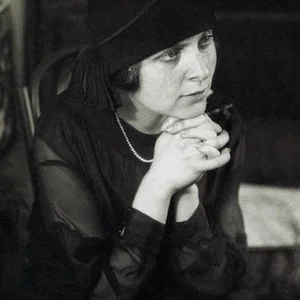
Elsa Triolet
1896 — 1970
Elsa Triolet (1896–1970) was a French novelist of Russian origin, partner of the poet Louis Aragon. The first woman to receive the Prix Goncourt, in 1945 for her short story collection 'A Fine of Two Hundred Francs', she was also a committed figure in the Resistance and the Communist movement.
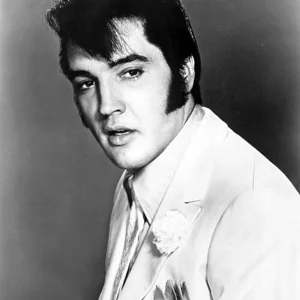
Elvis Presley
1935 — 1977
American singer and actor born in 1935, Elvis Presley is considered the “King of Rock and Roll.” He revolutionized popular music by blending country, gospel, and rhythm and blues, becoming a global icon of pop culture.
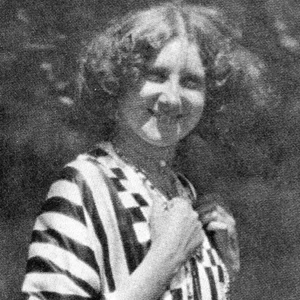
Emilie Flöge
1874 — 1952
Austrian fashion designer and couturière (1874–1952), companion and muse of Gustav Klimt. She ran a haute couture salon in Vienna and contributed to the reform dress movement, championing clothing freed from the corset.
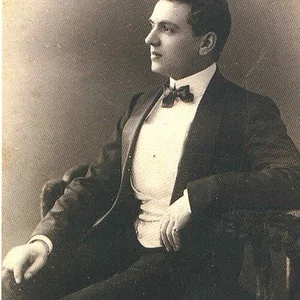
Ernest Beaux
1881 — 1961
Ernest Beaux (1881–1961) was a Franco-Russian perfumer who created the legendary Chanel N°5 in 1921, revolutionizing the art of perfumery with his innovative use of aldehydes. He is considered one of the greatest noses of the twentieth century.
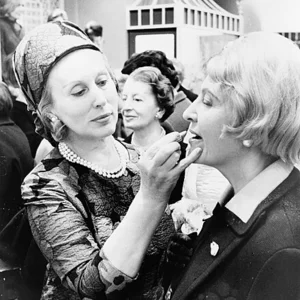
Estée Lauder
1908 — 2004
American businesswoman (1906–2004)
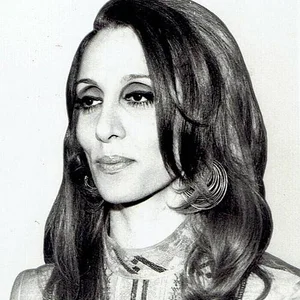
Fairuz
1935 — ?
A Lebanese singer born in 1934, Fairuz is considered one of the most iconic voices in the Arab world. A symbol of national unity, she refused to perform for either side during the Lebanese Civil War. Her repertoire, shaped alongside the Rahbani Brothers, blends classical Arab music, Levantine folk traditions, and modern compositions.
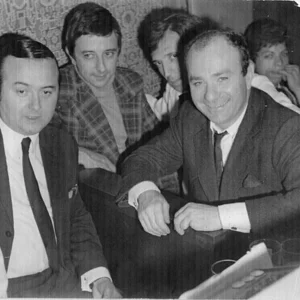
Fernand Raynaud
1926 — 1973
Fernand Raynaud (1926-1973) was one of the most popular French comedians of the postwar boom years. A pioneer of the French-style one-man show, he left his mark on radio, television and music hall with sketches that became classics of popular comedy.
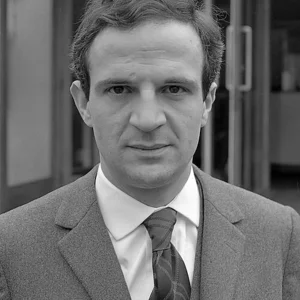
François Truffaut
1932 — 1984
François Truffaut (1932–1984) was one of the pioneers of the French New Wave. A critic at *Cahiers du Cinéma*, he became an iconic filmmaker with movies such as *The 400 Blows* and *Jules and Jim*.
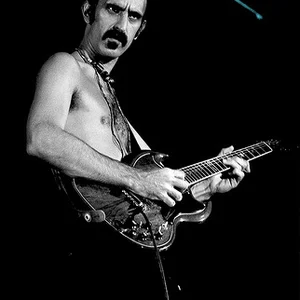
Frank Zappa
1940 — 1993
An American avant-garde composer and guitarist, Frank Zappa is one of the most original figures in rock and experimental music of the 20th century. Founder of the band The Mothers of Invention, he blended rock, jazz, contemporary classical music, and satirical humor.
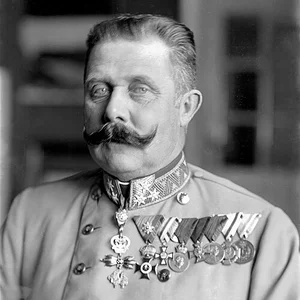
Franz Ferdinand of Austria
1863 — 1914
Archduke and heir to the Austro-Hungarian Empire, his assassination in Sarajevo on June 28, 1914, by Gavrilo Princip triggered the First World War. A central figure in the nationalism and European tensions of the early twentieth century.
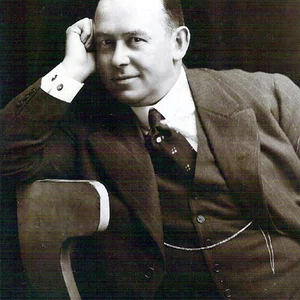
Fred Karno
1866 — 1941
British impresario and theatre director (1866–1941), Fred Karno founded a music-hall troupe that revolutionized burlesque comedy. He trained Charlie Chaplin and Stan Laurel among others, helping to shape the rise of comic cinema worldwide.

Fritz Lang
1890 — 1976
Fritz Lang (1890-1976) was an Austrian-born American filmmaker, pioneer of German Expressionist cinema and later of Hollywood film noir. His major works such as Metropolis and M left a profound mark on the history of cinema.
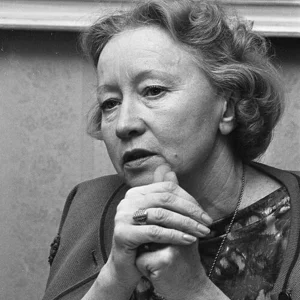
Galina Ulanova
1910 — 1998
Soviet ballerina considered one of the greatest classical dancers of the 20th century. Prima ballerina of the Bolshoi, she embodied Giselle and Juliet with incomparable expressiveness. The first dancer to receive the title of Hero of Socialist Labor twice.

Garry Kasparov
1963 — ?
Soviet and later Russian chess player, world champion from 1985 to 2000. Regarded as one of the greatest players in history, he was the youngest world champion of his era and a pioneer in facing artificial intelligence.
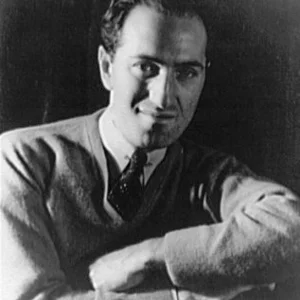
George Gershwin
1898 — 1937
American composer and pianist (1898–1937), George Gershwin revolutionized music by blending jazz, blues, and classical music. The creator of Rhapsody in Blue and the opera Porgy and Bess, he is one of the defining symbols of twentieth-century American culture.
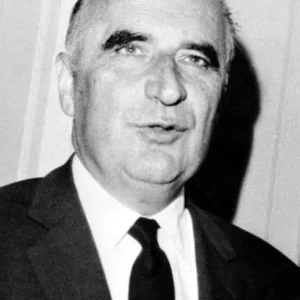
Georges Pompidou
1911 — 1974
Georges Pompidou (1911-1974) was a French statesman, Prime Minister under de Gaulle from 1962 to 1968, then the second President of the Fifth Republic from 1969 until his death. A former literature teacher, he left his mark on France through his policy of industrial modernization and his support for contemporary arts.

Gérard Depardieu
1948 — ?
Gérard Depardieu is one of the most famous and prolific French actors, with over 200 films to his name. Born in 1948 in Châteauroux, he established himself from the 1970s as a major figure in both French and international cinema.
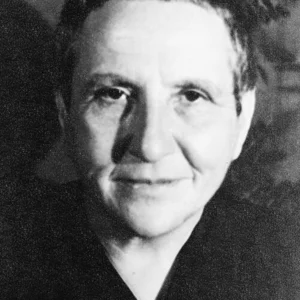
Gertrude Stein
1874 — 1946
An American writer and art critic living as an expatriate in Paris, Gertrude Stein was a central figure of the literary and artistic avant-gardes of the early 20th century. Her salon on the rue de Fleurus brought together Picasso, Matisse, Hemingway, and Fitzgerald.
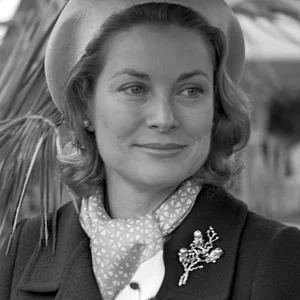
Grace Kelly
1929 — 1982
An Oscar-winning American actress of the 1950s, Grace Kelly left Hollywood at the height of her fame to marry Prince Rainier III of Monaco in 1956. As princess consort, she embodied elegance and cultural prestige until her accidental death in 1982.
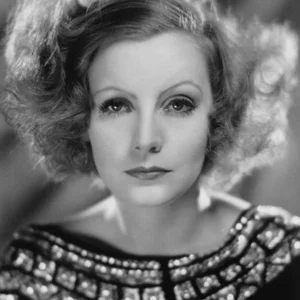
Greta Garbo
1905 — 1990
Swedish actress who became one of Hollywood's greatest stars of the 1920s–1930s. Famous for her air of mystery and restrained acting style, she voluntarily stepped away from the screen in 1941 at the age of 36.
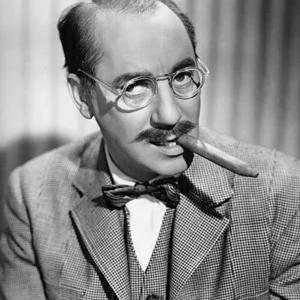
Groucho Marx
1890 — 1977
American comedian born in 1890, iconic figure of the Marx Brothers. Star of vaudeville, film, and television, he is famous for his absurdist humor, sharp one-liners, and his iconic painted mustache character.
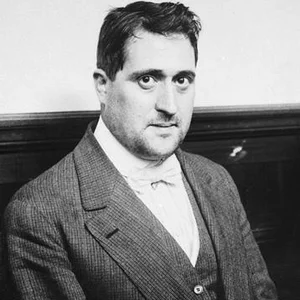
Guillaume Apollinaire
1880 — 1918
French poet and writer of Polish origin, a major figure in poetic modernity of the early 20th century. Author of "Alcools" and "Calligrammes," he was also an art critic and defender of avant-garde movements such as Cubism.
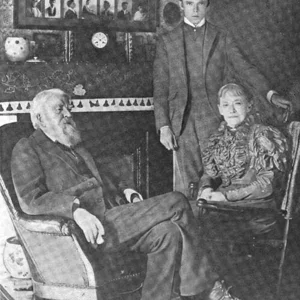
Henry Drewal
1943 — ?
Henry John Drewal is an American art historian, a recognized specialist in the arts of Africa and the African diaspora, particularly Yoruba art. A professor at the University of Wisconsin-Madison, he profoundly renewed the study of African visual cultures.

Herbert Winlock
American Egyptologist and archaeologist, curator and later director of the Metropolitan Museum of Art in New York. He led major excavations at Deir el-Bahari, in Egypt, and advanced knowledge of the Egyptian Middle Kingdom.
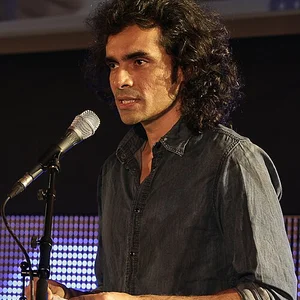
Imtiaz Ali
1971 — ?
Imtiaz Ali is an Indian film director and screenwriter born in 1971 in Jamshedpur. He is known for his romantically charged, poetic films, including Jab We Met (2007) and Rockstar (2011). His work explores themes of love, freedom, and the search for identity.
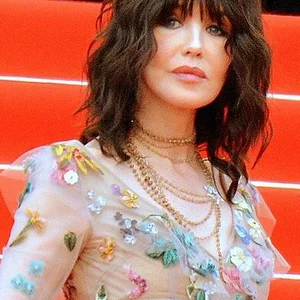
Isabelle Adjani
1955 — ?
French actress born in 1955, daughter of an Algerian father and a German mother. Launched to stardom by François Truffaut in *The Story of Adele H.* (1975), she portrays passionate and tormented women in *Possession*, *Camille Claudel*, and *Queen Margot*. Holder of a record five César Awards for Best Actress.
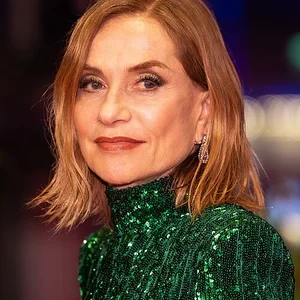
Isabelle Huppert
1953 — ?
French actress born in 1953, considered one of the greatest performers in world cinema. A muse to directors such as Claude Chabrol and Michael Haneke, she brings an icy, deeply interior presence that redefines the art of acting.

J.W.T. Allen
British colonial administrator and Swahili scholar, J.W.T. Allen devoted his career to the study and translation of classical Swahili literature in East Africa. He is best known for his work on Swahili epic poetry (tendi), contributing to the preservation and wider dissemination of this literary tradition.
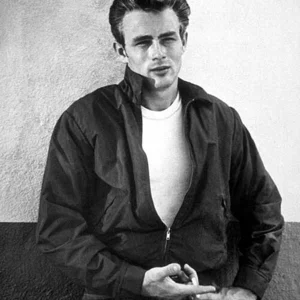
James Dean
1931 — 1955
Iconic American actor of the 1950s, James Dean embodied youth rebellion in three cult films. Dying at 24 in a car crash, he became an immortal cultural icon.
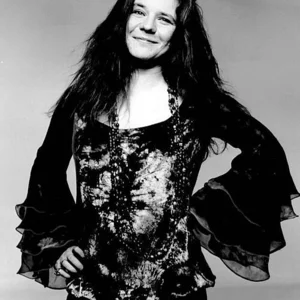
Janis Joplin
American rock and blues singer, icon of the countercultural movement of the 1960s. Known for her powerful voice and psychedelic style, she remains one of the most influential artists of the 20th century.

Jean Gabin
1904 — 1976
Jean Gabin (1904–1976) is one of the greatest French actors of the 20th century. He rose to fame in the 1930s with films such as La Bête humaine and La Grande Illusion, embodying the myth of the working-class man — tough yet sensitive.
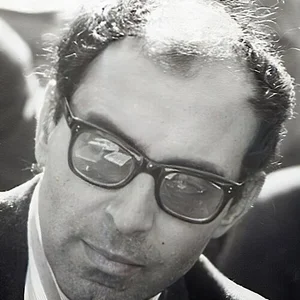
Jean-Luc Godard
1930 — 2022
Franco-Swiss filmmaker (1930–2022) and a major figure of the French New Wave. He revolutionized the language of cinema with films such as Breathless (1960), challenging the conventions of traditional storytelling.
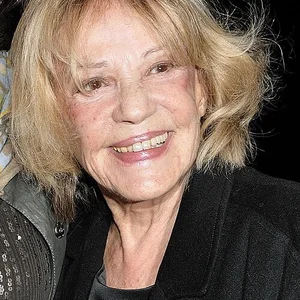
Jeanne Moreau
1928 — 2017
French actress, singer, and director (1928–2017), iconic figure of the French New Wave. Muse of François Truffaut and Louis Malle, she embodied a free and modern femininity in films that have become classics of world cinema.

Jerry Lewis
1926 — 2017
An American actor, filmmaker, and comedian born in 1926, Jerry Lewis is an icon of world comedy cinema. Famous for his duo with Dean Martin, he was particularly revered in France, where he was elevated to the rank of Commander of the Order of Arts and Letters.
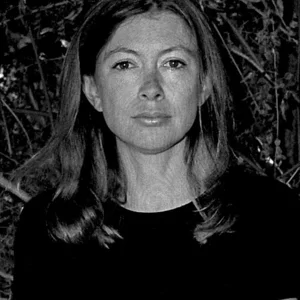
Joan Didion
1934 — 2021
American writer and journalist (1934-2021), a leading figure of New Journalism. Author of incisive essays on Californian and American society, and of the memoir *The Year of Magical Thinking* on grief.

John Schotz
No reliable information could be found about a historical person named “John Schotz.” The Wikidata context is empty and this name does not correspond to any documented figure in the French school curriculum.
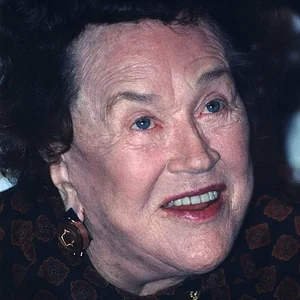
Julia Child
1912 — 2004
American chef and television host

Julie Dash
1952 — ?
A pioneering American filmmaker, Julie Dash is best known for *Daughters of the Dust* (1991), the first feature film by an African American woman director to receive a national theatrical release in the United States. Her work explores memory, identity, and the cultural heritage of the African American diaspora.
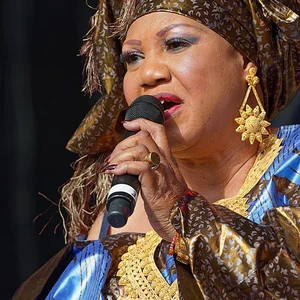
Kandia Kouyaté
1958 — ?
Born in 1959 in Mali, Kandia Kouyaté is a Mandinka griot singer nicknamed "the Diva of the Mande." From the renowned Kouyaté griot lineage, she is one of the greatest voices of the oral griot tradition, transmitting epic songs and the collective memory of the Mali Empire.
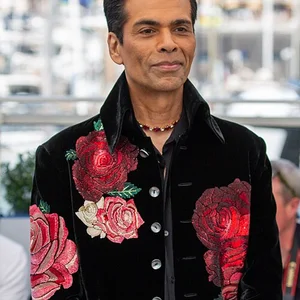
Karan Johar
1972 — ?
Indian director, producer, and screenwriter born in 1972, a major figure in Bollywood. He is known for his grand romantic and family films, most notably Kuch Kuch Hota Hai (1998).
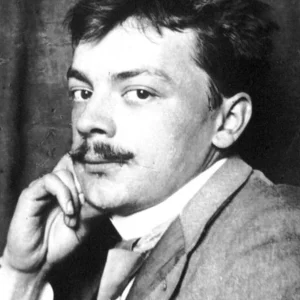
Koloman Moser
1868 — 1918
Austrian painter, graphic artist, and designer (1868-1918), co-founder of the Vienna Secession and the Wiener Werkstätte. A leading figure of Art Nouveau and Jugendstil, he revolutionized the decorative arts by uniting fine art and craft.

Kolonkan
Kolonkan is a village located in Burkina Faso (West Africa). Wikidata data points to a geographical entity and not an identifiable historical figure. This character cannot be reliably described.
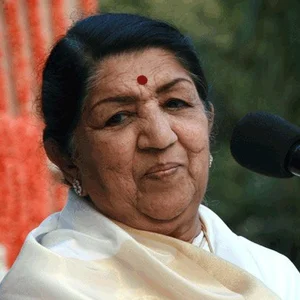
Lata Mangeshkar
1929 — 2022
Nicknamed the “Nightingale of India”, Lata Mangeshkar (1929–2022) is the most celebrated playback singer in Indian cinema. Over a career spanning more than 70 years, she recorded over 30,000 songs in some thirty languages, becoming a national cultural icon.
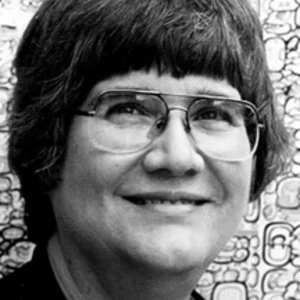
Linda Schele
1942 — 1998
American epigrapher and archaeologist (1942–1998), pioneer in the decipherment of Maya writing. Her work revolutionized our understanding of Maya history, cosmology, and dynasties.

Loch Ness Monster
The Loch Ness Monster, nicknamed “Nessie,” is a legendary lake creature said to live in Loch Ness, Scotland. Described as a large, long-necked animal resembling a plesiosaur, it has become a global icon of cryptozoology since the 1930s.
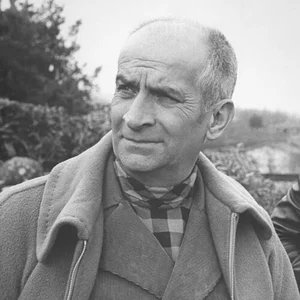
Louis de Funès
1914 — 1983
French comic actor (1914–1983), Louis de Funès is one of the defining figures of popular French cinema. Famous for his expressive acting style, his facial contortions, and his roles as authoritarian, hot-tempered characters, he remains one of the most beloved comedians in France.
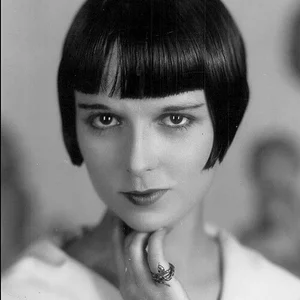
Louise Brooks
1906 — 1985
An American actress of the 1920s and 1930s, Louise Brooks is celebrated for her role in Pandora's Box (1929) by G.W. Pabst. An icon of silent cinema, she is recognized for her bob haircut and her naturalistic acting style that was ahead of its time.

Louisette Bertholle
1905 — 1999
Louisette Bertholle (1905-1999) was a French chef and cookbook author. Together with Julia Child and Simone Beck, she co-wrote Mastering the Art of French Cooking, the book that introduced French cuisine to Americans, and co-founded the cooking school L'École des Trois Gourmandes in Paris.
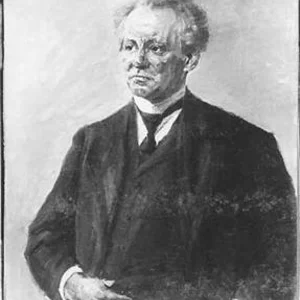
Ludwig Borchardt
1863 — 1938
Ludwig Borchardt (1863-1938) was a German Egyptologist and architect. He led the excavations at Tell el-Amarna, where his team unearthed the famous bust of Nefertiti in 1912. He founded the German Archaeological Institute in Cairo.

Luis Buñuel
1900 — 1983
Spanish-born filmmaker who became a Mexican citizen (1900–1983), a towering figure of cinematic surrealism. His provocative films blend dream imagery, social critique, and anticlericalism. He is the creator of masterworks such as Un chien andalou, Belle de jour, and The Discreet Charm of the Bourgeoisie.
Lydia Cabrera
1899 — 1991
Lydia Cabrera (1899-1991) was a Cuban writer and anthropologist, a pioneer in the study of Afro-Cuban cultures. Her major work, El Monte, is a reference on the religions and traditions of African origin in Cuba.
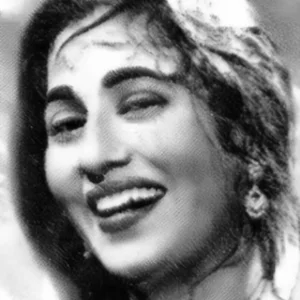
Madhubala
1933 — 1969
Madhubala (1933-1969) is considered one of the greatest actresses of classic Hindi cinema. Nicknamed the "Venus of Bollywood," she embodied beauty and talent in films that became classics of the golden age of Indian cinema.
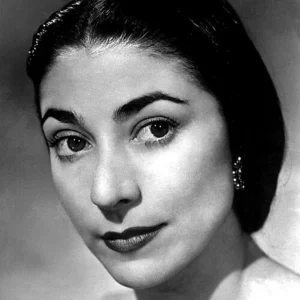
Margot Fonteyn
1919 — 1991
Margot Fonteyn (1919–1991) is considered one of the greatest ballerinas of the 20th century. Prima ballerina assoluta of the Royal Ballet in London, she formed with Rudolf Nureyev one of the most celebrated partnerships in the history of classical dance.
Martha Beckwith
Martha Warren Beckwith was an American folklorist and ethnographer, a pioneer of folklore studies in the United States. She is best known for her work on Hawaiian mythology and Jamaican folklore.
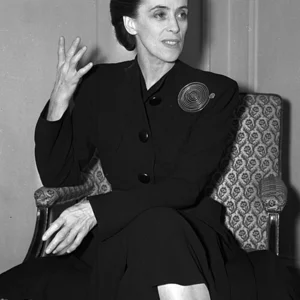
Martha Graham
1894 — 1991
Martha Graham (1894-1991) was an American dancer and choreographer, founder of modern dance. She revolutionized the art of choreography by breaking away from classical ballet, developing a technique based on contraction and release of the body.

Martina Hingis
1980 — ?
Martina Hingis is a Swiss tennis player, one of the most precocious in history. World number one at sixteen, she won five Grand Slam singles titles in the late 1990s before becoming a major doubles champion.

Maya Plisetskaya
Maya Plisetskaya (1925-2015) is one of the greatest ballerinas of the 20th century. A Bolshoi prima ballerina for over fifty years, she brought extraordinary virtuosity to her roles in Carmen and Swan Lake, leaving a lasting mark on the history of classical dance worldwide.

Michael Jackson
1942 — 2007
Michael Jackson was an American singer, dancer and songwriter, nicknamed the “King of Pop.” A major figure in 20th-century popular music, he revolutionized the music video and live performance through his choreography. His album Thriller (1982) remains the best-selling album in history.

Naomi Ōsaka
1997 — ?
Naomi Ōsaka is a Japanese-American professional tennis player born in 1997 in Osaka. A former world number 1, she has won four Grand Slam titles. She has also been a vocal advocate for social justice and athletes' mental health.
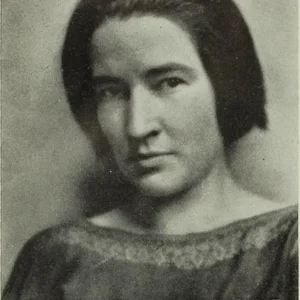
Nicholas Reeves
1956 — ?
Nicholas Reeves is a British Egyptologist and archaeologist born in 1956, a specialist in the 18th Dynasty and the Valley of the Kings. He became famous for his research on Tutankhamun and his theory that the tomb of Queen Nefertiti lies hidden behind the walls of the young pharaoh's own tomb.
Notorious B.I.G.
American rapper born in Brooklyn, a major figure of 1990s East Coast hip-hop. His flow and storytelling made him one of the most influential artists in rap, before his murder at the age of 24.
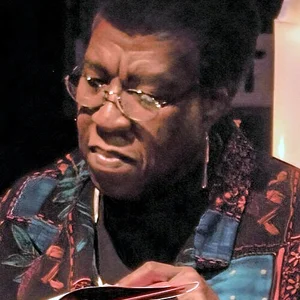
Octavia Butler
1947 — 2006
Octavia E. Butler (1947-2006) was a pioneering American novelist of Afro-feminist science fiction. The first Black woman to establish herself in this genre, she explored race, gender, power, and identity through committed speculative narratives.
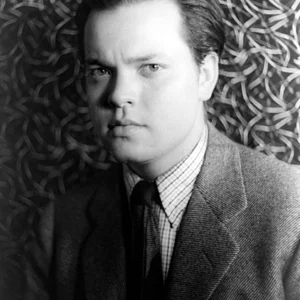
Orson Welles
1915 — 1985
American director, actor, and screenwriter (1915–1985), Orson Welles revolutionized cinema with Citizen Kane (1941), widely regarded as one of the greatest films ever made. A towering figure in filmmaking, he also left a lasting mark on radio and theater.
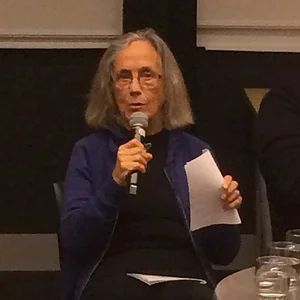
Patricia Grace
1937 — ?
Patricia Grace (1937–) is a New Zealand Māori novelist and short story writer, a pioneer of Māori literature in English. She is the first Māori woman to publish a short story collection in English. Her work explores identity, culture, and the struggles of the Māori community.
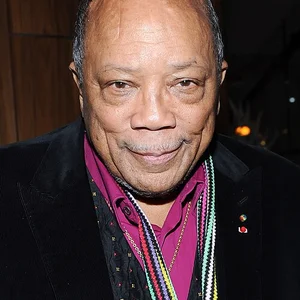
Quincy Jones
1933 — 2024
Quincy Jones (1933-2024) is one of the most influential musicians and producers of the 20th century. A jazz composer, arranger, and bandleader, he is also the producer of Michael Jackson's best-selling albums, including Thriller.
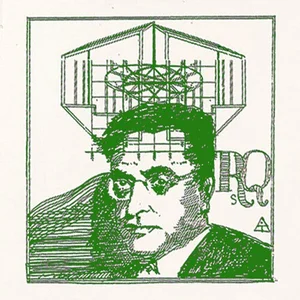
Raymond Queneau
1903 — 1976
French writer, poet, and mathematician (1903–1976), co-founder of the Oulipo. Author of Zazie in the Metro and Exercises in Style, he explored formal constraints and wordplay.
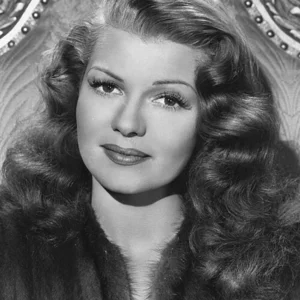
Rita Hayworth
1918 — 1987
Rita Hayworth (1918-1987) was an American actress and dancer, considered one of the greatest Hollywood stars of the 1940s. A glamour icon, she is best known for her role in Gilda (1946).
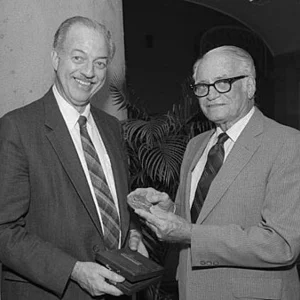
Robert Goldwater
1907 — 1973
Robert Goldwater (1907–1973) was an American art historian specializing in primitive art and modern art. He founded the Museum of Primitive Art in New York in 1954 and was one of the first scholars to theorize primitivism in twentieth-century Western art.
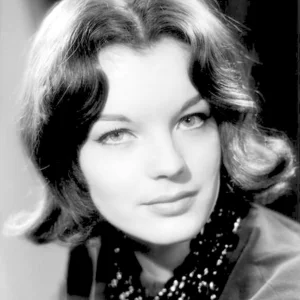
Romy Schneider
1938 — 1982
Franco-German actress (1938-1982), launched to fame by the Sissi trilogy, she went on to establish herself as one of the greatest European actresses under the direction of Visconti, Sautet, and Zurlini. An icon of auteur cinema, her career path illustrates the transformation of the European star system.
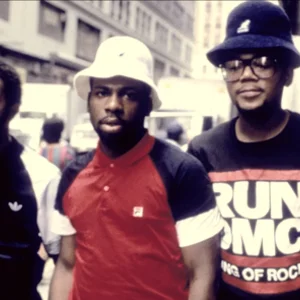
Run-DMC
Run-DMC is an American hip-hop group from Queens (New York), formed in 1983. Made up of Joseph "Run" Simmons, Darryl "DMC" McDaniels, and DJ Jason "Jam Master Jay" Mizell, it is considered one of the major pioneers of rap.
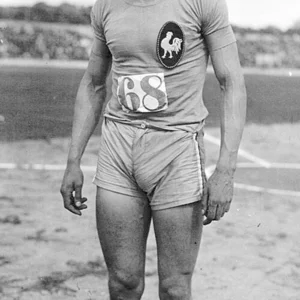
Sempé
Jean-Jacques Sempé (1932-2022) was a French humorous cartoonist, famous for the tenderness and poetry of his drawings of everyday life. Together with René Goscinny, he created the character of Little Nicholas and drew many covers for The New Yorker.
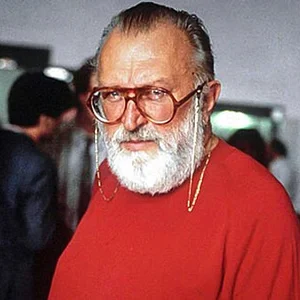
Sergio Leone
1929 — 1989
Italian director and screenwriter (1929–1989), father of the spaghetti western. He revolutionized genre cinema with his Dollars Trilogy and Once Upon a Time in America.
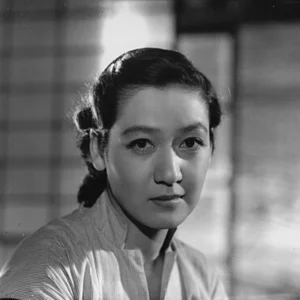
Setsuko Hara
1920 — 2015
A Japanese actress considered one of the greatest in Japanese cinema, she is inseparable from the films of Yasujirō Ozu. Her radiant smile and restrained presence earned her the nickname “Eternal Goddess.” She mysteriously retired from cinema in 1963.
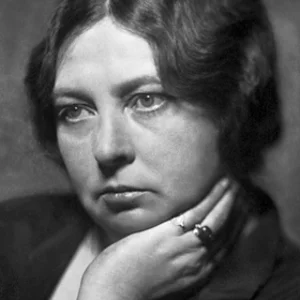
Sigrid Undset
1882 — 1949
Norwegian novelist (1882–1949), Nobel Prize in Literature in 1928. Famous for her medieval trilogy Kristin Lavransdatter, she is one of the great voices of twentieth-century Scandinavian literature.
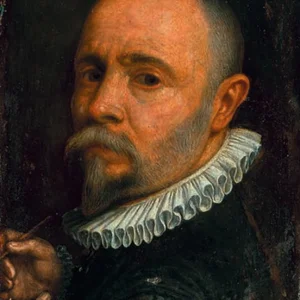
Simone Beck
1904 — 1991
Simone Beck, known as “Simca,” was a 20th-century French cook and cookbook author. She is famous for co-writing, with Julia Child and Louisette Bertholle, the book Mastering the Art of French Cooking, which introduced French cuisine to Americans.
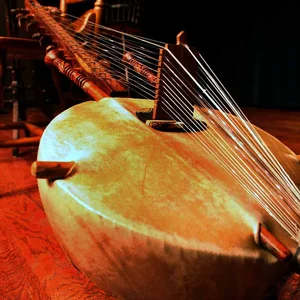
Siramori Diabaté
1925 — 1989
Siramori Diabaté (c. 1920–1989) was a renowned Malian griot woman from the village of Kéla, Mali, belonging to the Mandinka people. A keeper of the Sundiata Keita epic, she was one of the most celebrated transmitters of the griot oral tradition in the 20th century.
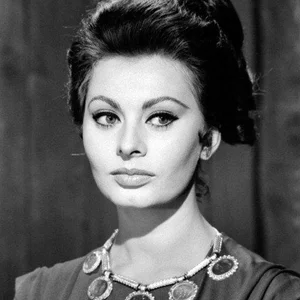
Sophia Loren
1934 — ?
Italian actress born in 1934, Sophia Loren is one of the greatest stars in world cinema. The first actress to win an Academy Award for a role performed in a foreign language, she embodies both glamour and Italian neorealism.
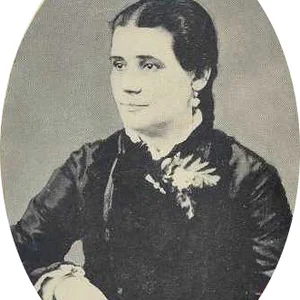
Teuira Henry
1847 — 1915
Teuira Henry was a Tahitian historian, linguist and ethnologist. She is famous for having compiled and translated the oral traditions, myths and knowledge of ancient Polynesia, notably in her major work “Ancient Tahiti”.
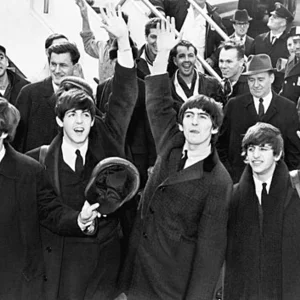
The Beatles (John Lennon)
John Lennon was a British musician, singer, and songwriter, a founding member of the Beatles, the most influential rock band of the 20th century. After the band's breakup in 1970, he pursued a solo career and became a figure of pacifism before his assassination in 1980.
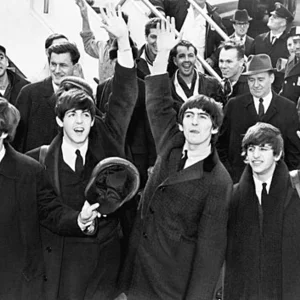
The Beatles (Paul McCartney)
Paul McCartney is a British songwriter, singer and bassist, co-founder of the Beatles. With John Lennon, he formed one of the most influential songwriting duos of the 20th century, before pursuing a solo career and going on with the band Wings.
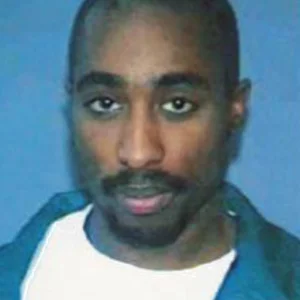
Tupac Shakur
1971 — 1996
An American rapper, songwriter, and actor, Tupac Shakur is one of the major figures of West Coast hip-hop. His socially conscious lyrics about racial inequality and urban violence left a lasting mark on popular culture. He was shot and killed in Las Vegas in 1996, at the age of 25.
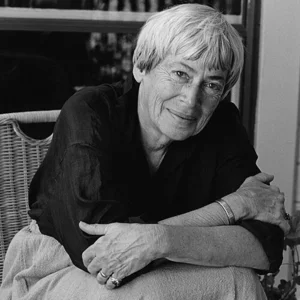
Ursula K. Le Guin
1929 — 2018
Ursula K. Le Guin (1929–2018) was an American science fiction and fantasy author, known for her philosophical and feminist works. Her novel *The Left Hand of Darkness* (1969) explores questions of gender and otherness. She is one of the major figures of imaginative literature in the 20th century.
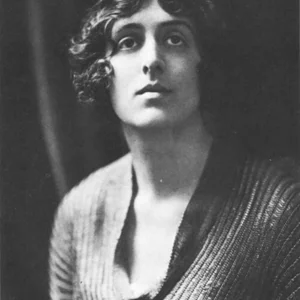
Vita Sackville-West
1892 — 1962
A British writer and poet of the 20th century, Vita Sackville-West is known for her novels, her poetry, and her gardens. She was the close friend of Virginia Woolf, who drew inspiration from her for the novel Orlando.
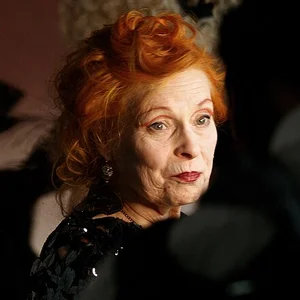
Vivienne Westwood
1941 — 2022
British fashion designer (1941–2022)
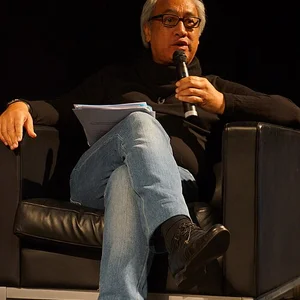
Witi Ihimaera
1944 — ?
Witi Ihimaera, born in 1944 in Gisborne, is a New Zealand novelist and short-story writer of Māori descent who writes in English. The first Māori to publish a collection of short stories and then a novel, he gave a literary voice to his people, notably with “The Whale Rider”.
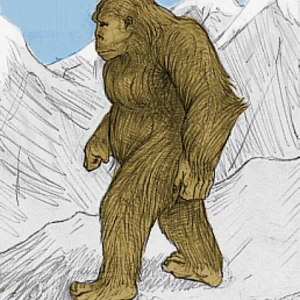
Yeti
A legendary creature of the Himalayas, the Yeti is described as a large bipedal ape-like being living in the eternal snows. A central figure in Tibetan and Nepalese folklore, it has fascinated explorers and scientists since the 19th century.
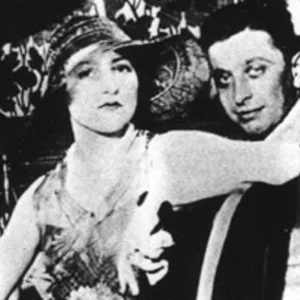
Youki
1903 — 1966
Youki Desnos (née Lucie Badoul, 1903–1962) was one of the iconic figures of the Parisian bohemian scene between the two World Wars. A model and muse for the painter Foujita, then partner of the Surrealist poet Robert Desnos, she was a central presence in the artistic circles of Montparnasse before becoming a gallerist.
21st Century(11)

Abra
1988 — ?
Abra is a contemporary Filipino rapper and a prominent figure in the Philippine hip-hop scene. He is known for his unique style blending rap with local musical influences.

Amy Winehouse
1983 — 2011
British singer and songwriter born in 1983, Amy Winehouse is celebrated for her deep, distinctive voice and her style blending soul, jazz, and R&B. Her album *Back to Black* (2006) earned her five Grammy Awards in a single night. She died at the age of 27 in 2011, joining the infamous 27 Club.

Anne Hathaway
1982 — ?
American actress born in 1982, Anne Hathaway has established herself as one of Hollywood's biggest stars. She won the Academy Award for Best Supporting Actress in 2013 for her portrayal of Fantine in Les Misérables.

Banana Yoshimoto
1964 — ?
Japanese novelist born in 1964, Banana Yoshimoto is world-renowned for her novel Kitchen (1988). Her work sensitively explores solitude, grief, and inner healing.

Fan Bingbing
1981 — ?
Fan Bingbing is a Chinese actress and film producer, considered one of the most famous and highest-paid stars in Asia. She rose to meteoric fame before becoming embroiled in a tax scandal in 2018.

Gal Gadot
1985 — ?
Gal Gadot is an Israeli actress, producer and former model, born in 1985. Brought to prominence by the Fast & Furious saga and then known worldwide for her role as Wonder Woman, she is one of the major figures of Hollywood superhero cinema.
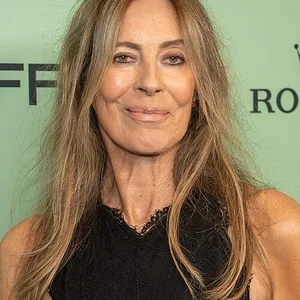
Kathryn Bigelow
1951 — ?
American director born in 1951, Kathryn Bigelow became in 2010 the first woman to win the Academy Award for Best Director for The Hurt Locker. A pioneer of action cinema, she explores war and violence with striking documentary-style realism.

Missy Elliott
1971 — ?
An American rapper, singer-songwriter, and record producer, Missy Elliott is a pioneer of hip-hop and R&B. She revolutionized the 1990s–2000s with avant-garde music videos and a unique musical style blending rap, funk, and electronica.
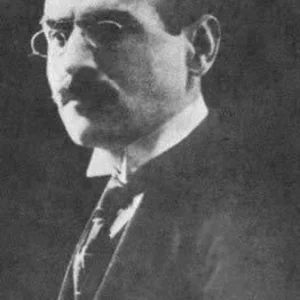
Sati
1976 — ?
Sati is a contemporary Lithuanian singer. She is part of the Baltic music scene, bringing Lithuanian musical culture to the international stage.

Tegan and Sara
Tegan and Sara Quin are Canadian twin sisters, musicians, and LGBTQ+ activists. Formed in Calgary in 1995, their indie pop duo evolved toward accessible synthpop, earning them international recognition.
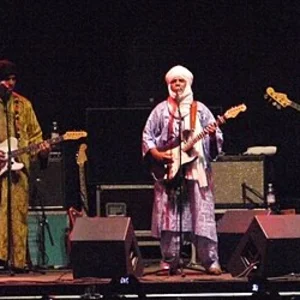
Tinariwen
Tinariwen is a Tuareg music group formed in 1979 in the refugee camps of the Sahara. Pioneers of the “desert blues,” they blend electric guitars with Tuareg tradition, and won a Grammy Award in 2012.