 flip
flipLibum — Cheese Cake of the Lares
Libum — Cheese Cake of the Lares
Why this dish? Cicero, a theorist of Roman religion (*De natura deorum*), lived in a world where every household honored its Lares and Penates at the hearth. Libum, a small cheese cake baked on bay leaves, was the typical domestic offering, placed on auspicious days before being shared at table. It is the daily piety of the Roman citizen, which Cicero so defended as the cement of the city.
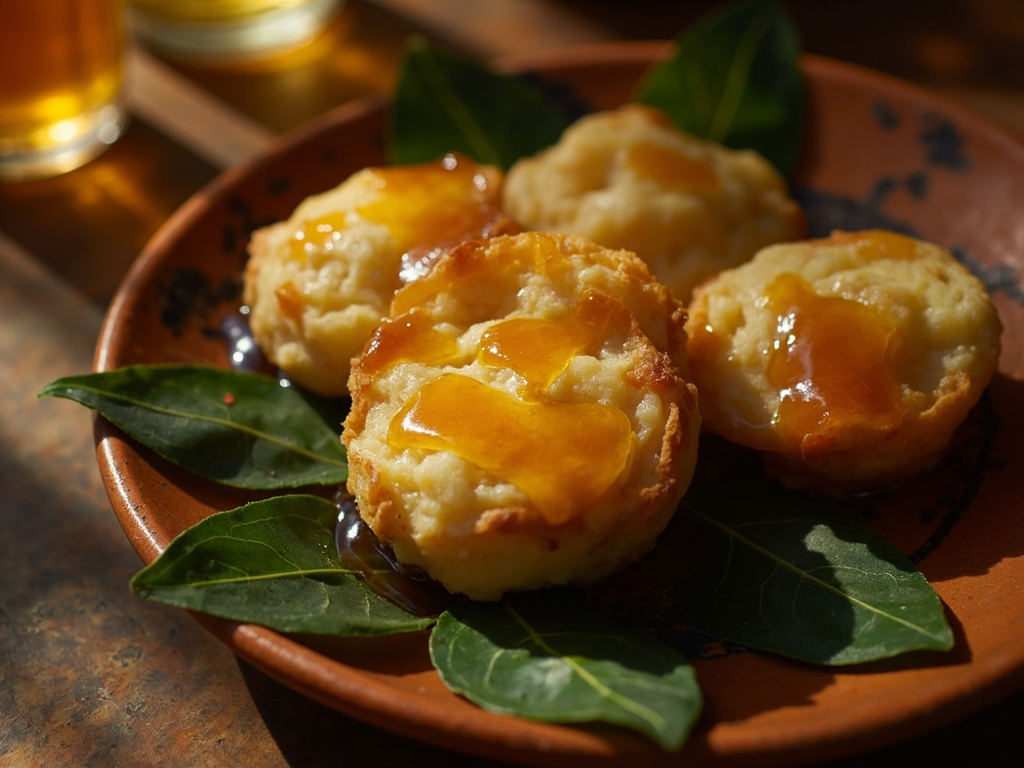
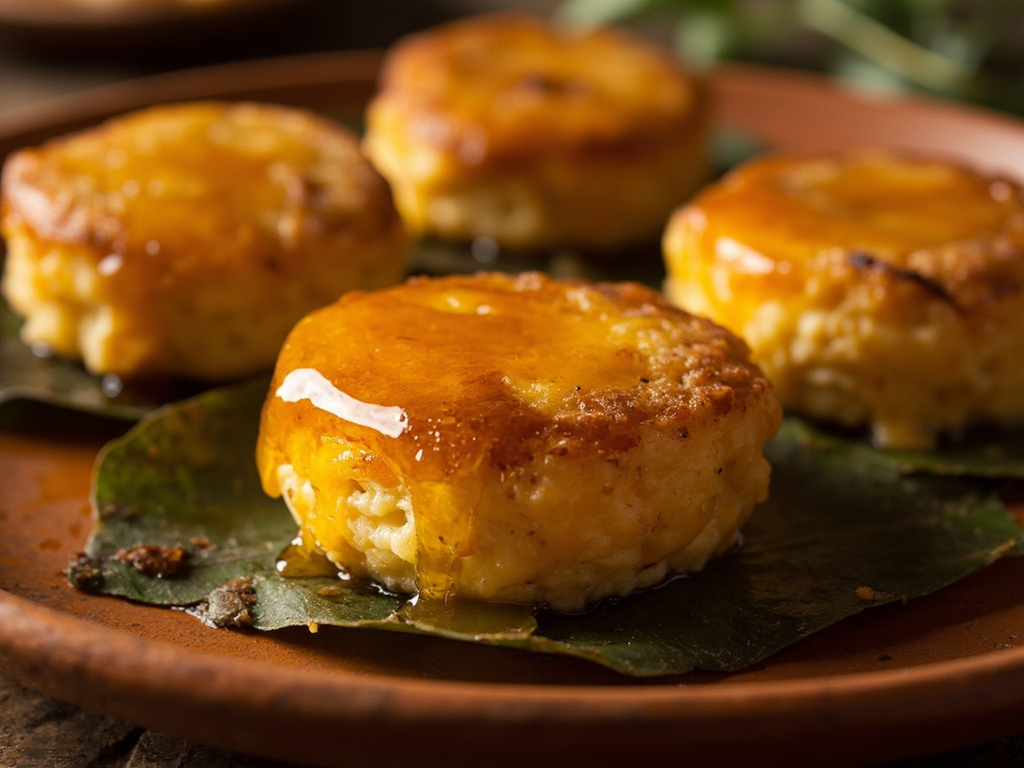
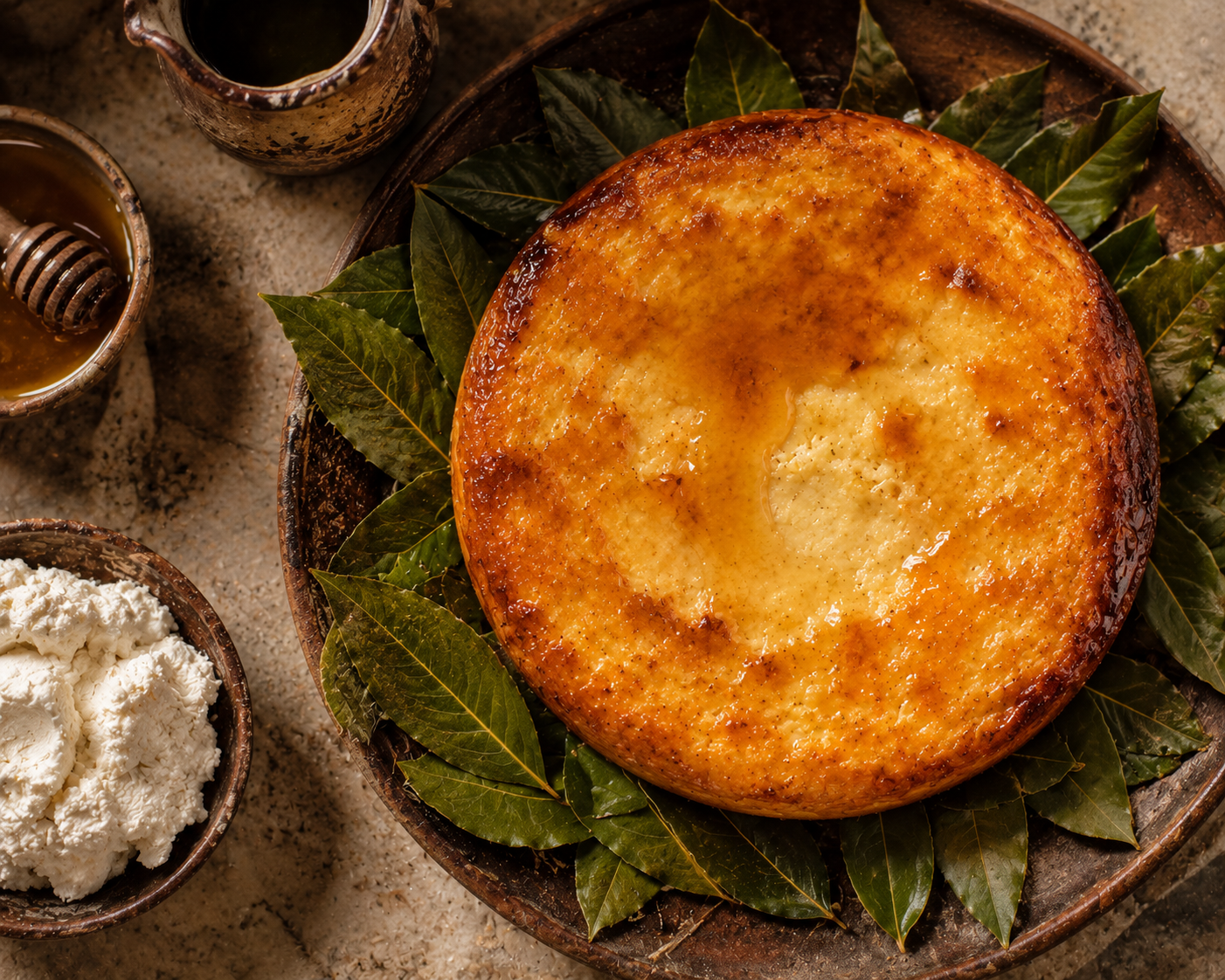
A soft cheese cake made with fresh cheese, bound with flour and egg, baked on bay leaves and drizzled with warm honey. First offered to the household gods, then enjoyed at the end of the meal.
A house without an altar is not a Roman house. To honor the Lares who watch over my hearth, I have this cake prepared as our fathers taught: we crush fresh cheese, mix it with fine flour and an egg, place the dough on bay leaves, and cover it with the hot lid. Once the offering is made to the gods, we break it as a family, still warm with honey — for piety, believe me, is tasted as much as it is proclaimed.
- •Fresh cheese (ricotta / sheep's milk) — two parts (base)
- •Fine flour (emmer / wheat) — one part (binder)
- •Egg — one (binding)
- •Bay leaves — a few (support and fragrance)
- •Honey — for drizzling (final sweetness)
Libum — Cheese Cake of the Lares
A soft cheese cake made with fresh cheese, bound with flour and egg, baked on bay leaves and drizzled with warm honey. First offered to the household gods, then enjoyed at the end of the meal.
Why this dish? Cicero, a theorist of Roman religion (*De natura deorum*), lived in a world where every household honored its Lares and Penates at the hearth. Libum, a small cheese cake baked on bay leaves, was the typical domestic offering, placed on auspicious days before being shared at table. It is the daily piety of the Roman citizen, which Cicero so defended as the cement of the city.
A house without an altar is not a Roman house. To honor the Lares who watch over my hearth, I have this cake prepared as our fathers taught: we crush fresh cheese, mix it with fine flour and an egg, place the dough on bay leaves, and cover it with the hot lid. Once the offering is made to the gods, we break it as a family, still warm with honey — for piety, believe me, is tasted as much as it is proclaimed.
Ingredients (period version)
- Fresh cheese (ricotta / sheep's milk) — two parts (base)
- Fine flour (emmer / wheat) — one part (binder)
- Egg — one (binding)
- Bay leaves — a few (support and fragrance)
- Honey — for drizzling (final sweetness)
Ingredients
- Ricotta, well drained — 250 g (base)
- Flour (spelt or all-purpose) — 125 g (binder)
- Egg — 1 (binding)
- Fresh bay leaves — 4 to 6 (aromatic support)
- Honey — 4 tbsp (glaze)
Method
- Mash the ricotta with a fork, stir in the flour, then the egg until a soft dough forms.
- Shape into one (or several small) dome(s) and place on the bay leaves in a baking dish.
- Bake at 190°C for about 35–40 minutes, until golden and firm on top.
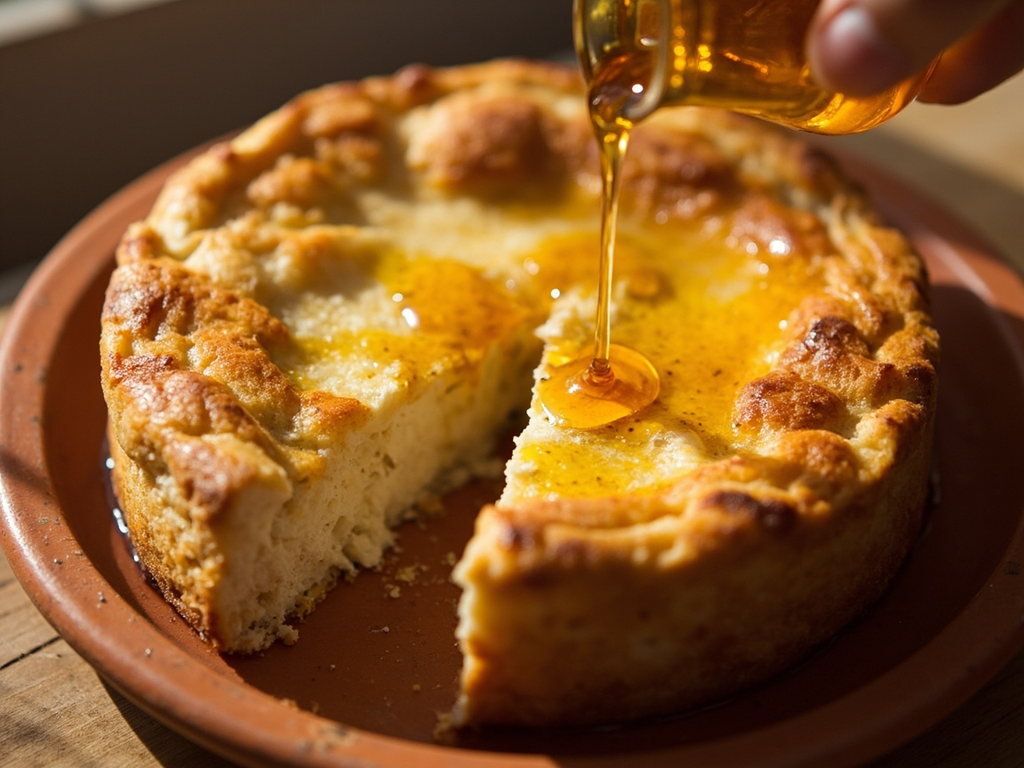
- Warm the honey and drizzle over the cake as soon as it comes out of the oven. Let it absorb before serving warm.
How it was made : Cato the Elder gives the exact recipe for libum in *De agricultura*: crushed cheese, flour, one egg, baked under a hot bell (the 'great bell,' *testum*) on bay leaves. It was an offering to the household gods before being a pastry.
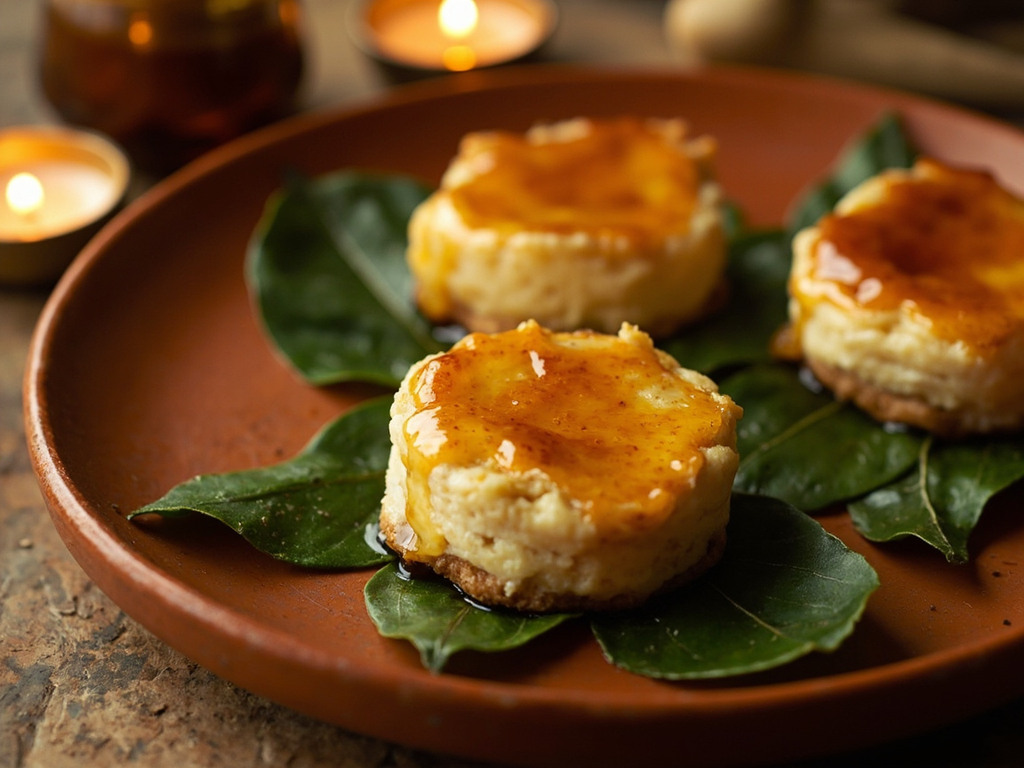
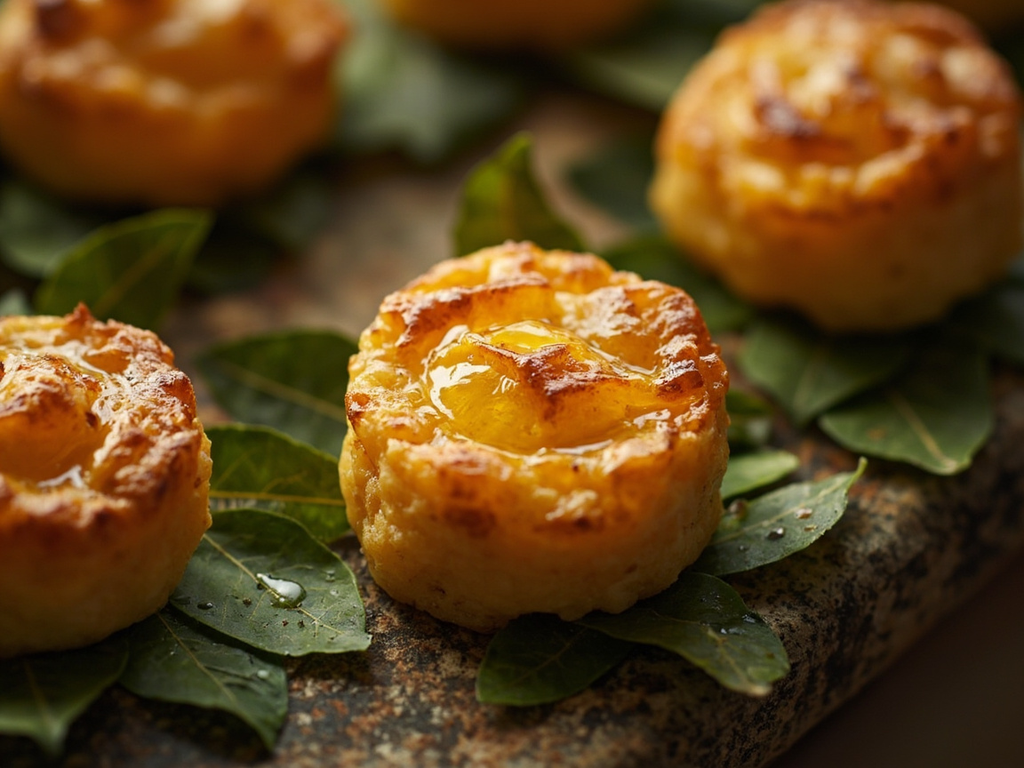
The contemporary twist : Shape into individual mini cheesecakes drizzled with honey and infused bay leaf: a '2000-year-old cheesecake' that always surprises.
Sources : Cato the Elder, *De agricultura*, 75 · Cicero, *De natura deorum* (religious context)
Cicero · Charactorium