 flip
flipMelitoutta, Honey and Sesame Cake for the Dead
Melitoutta, Honey and Sesame Cake for the Dead
Why this dish? Creon's name is forever tied to the most terrible of sorrows: he refused burial to Polynices, and it is this refusal of funeral rites that triggers the tragedy of Antigone. Yet the Greeks honored their dead with libations and small honey cakes placed on the tomb. This melitoutta, inspired by those offerings, speaks implicitly of all that Creon once sought to forbid.
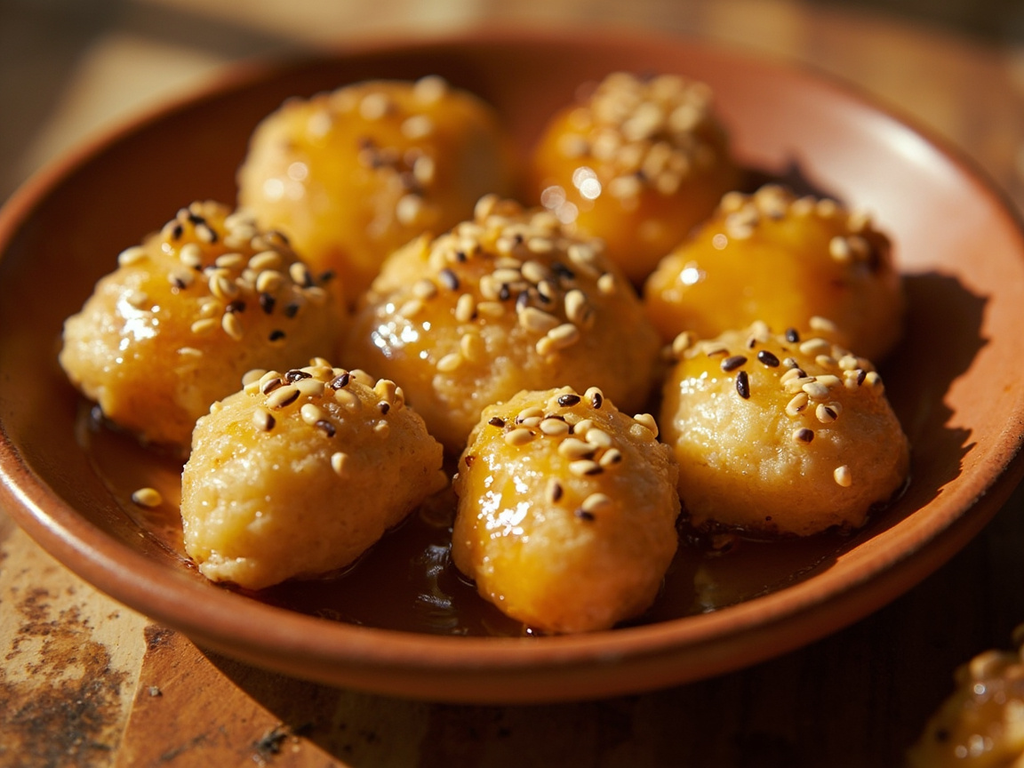
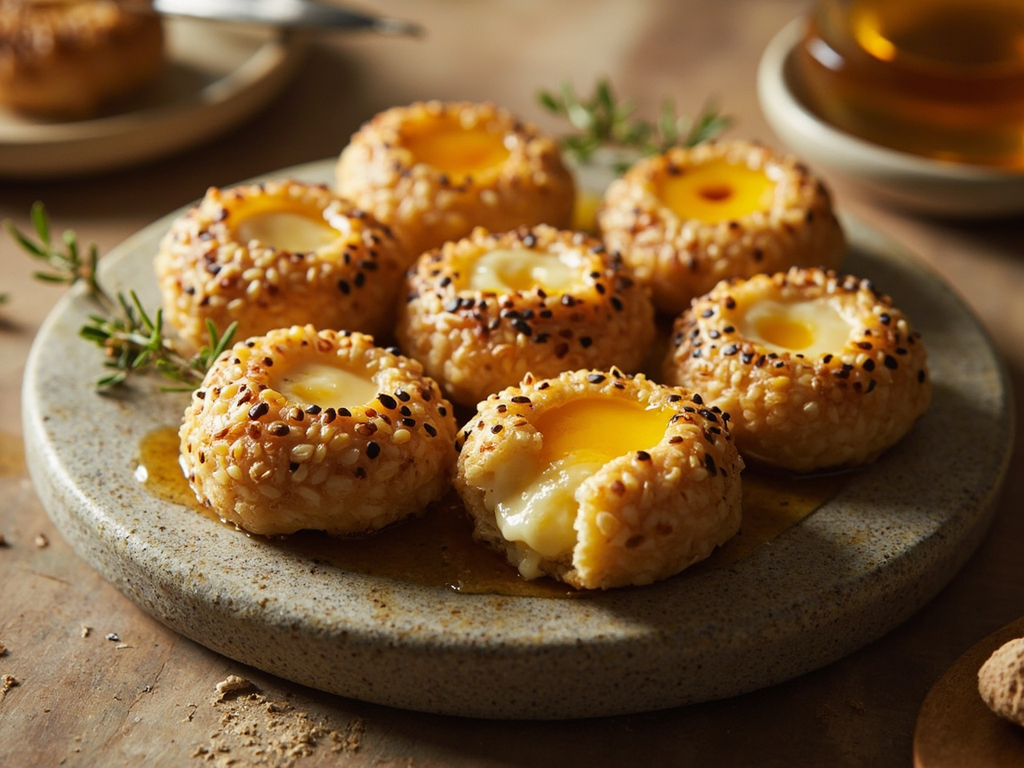
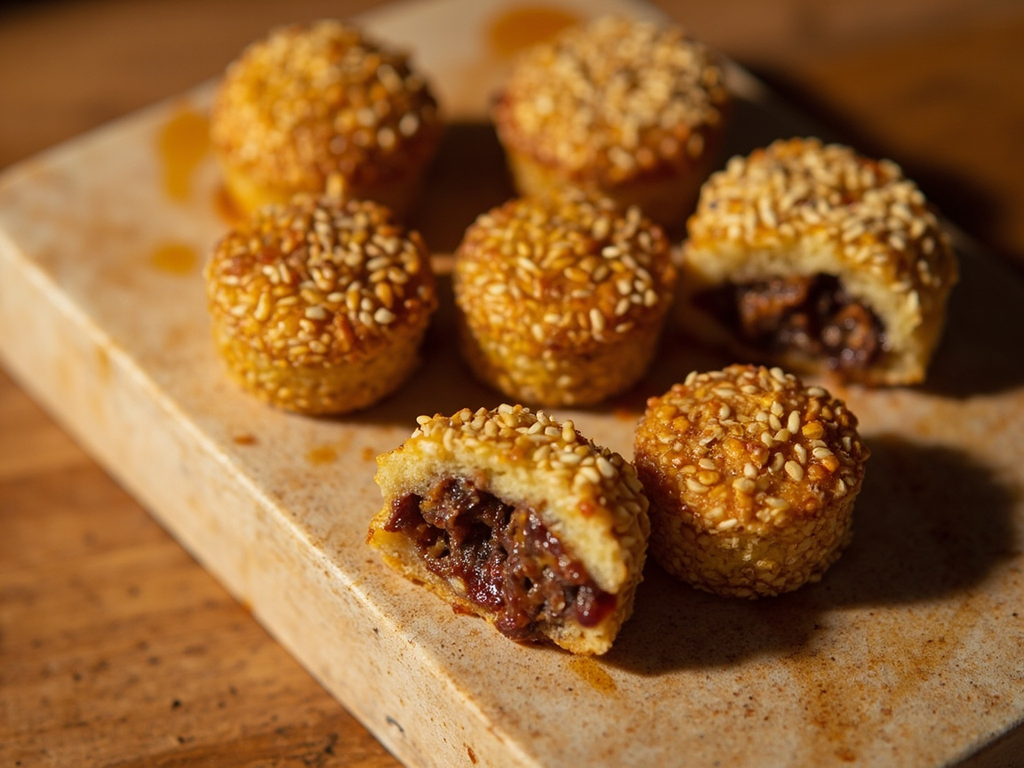
A small dense cake of flour, heavy with honey and rolled in sesame, barely cooked. Inspired by the honey cakes that Greeks placed on tombs to appease the dead and the underworld powers.
They reproach me for leaving a body without earth and without honey cake. Know this: a king must sometimes choose between the law of the gods and the law of the city, and that choice cost me everything. For the dead whom we honor, we knead flour with much honey, roll the dough in sesame, and place these portions on the stone, with a libation. Learn from me, stranger: never deny the dead what is owed to them.
- •Wheat flour — two handfuls (base)
- •Honey — abundantly (binder and flavor)
- •Sesame seeds — enough to coat (coating)
- •Olive oil — a drizzle (softness)
- •Water — a little (hydration)
Melitoutta, Honey and Sesame Cake for the Dead
A small dense cake of flour, heavy with honey and rolled in sesame, barely cooked. Inspired by the honey cakes that Greeks placed on tombs to appease the dead and the underworld powers.
Why this dish? Creon's name is forever tied to the most terrible of sorrows: he refused burial to Polynices, and it is this refusal of funeral rites that triggers the tragedy of Antigone. Yet the Greeks honored their dead with libations and small honey cakes placed on the tomb. This melitoutta, inspired by those offerings, speaks implicitly of all that Creon once sought to forbid.
They reproach me for leaving a body without earth and without honey cake. Know this: a king must sometimes choose between the law of the gods and the law of the city, and that choice cost me everything. For the dead whom we honor, we knead flour with much honey, roll the dough in sesame, and place these portions on the stone, with a libation. Learn from me, stranger: never deny the dead what is owed to them.
Ingredients (period version)
- Wheat flour — two handfuls (base)
- Honey — abundantly (binder and flavor)
- Sesame seeds — enough to coat (coating)
- Olive oil — a drizzle (softness)
- Water — a little (hydration)
Ingredients
- Wheat flour — 200 g (base)
- Honey (thyme honey preferred) — 120 g (binder and flavor)
- Sesame seeds — 60 g (coating)
- Olive oil — 2 tbsp (softness)
- Water — 2 to 3 tbsp (hydration)
Method
- Lightly toast the sesame seeds in a dry pan until golden and fragrant.
- Mix the flour with the olive oil and half the honey, adding a little water to obtain a thick, sticky dough.
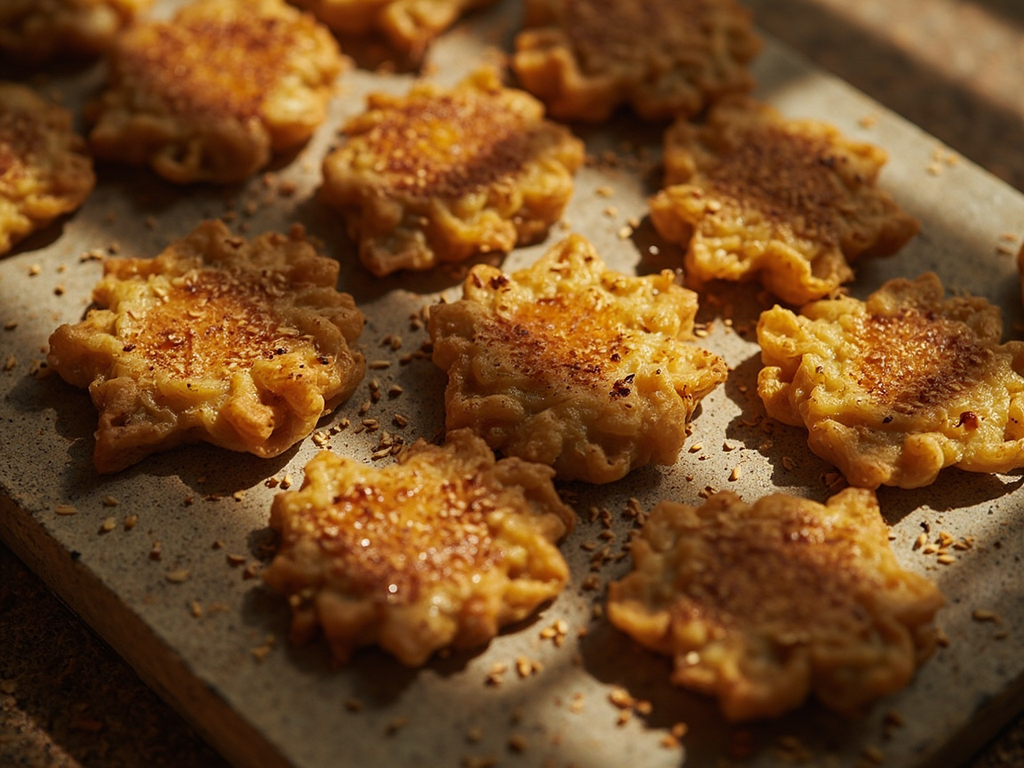
- Shape into small balls or flattened cakes.
- Roll them generously in the toasted sesame seeds.
- Bake at a low temperature (160°C) for about 15 minutes, without letting them dry out: they should remain soft.
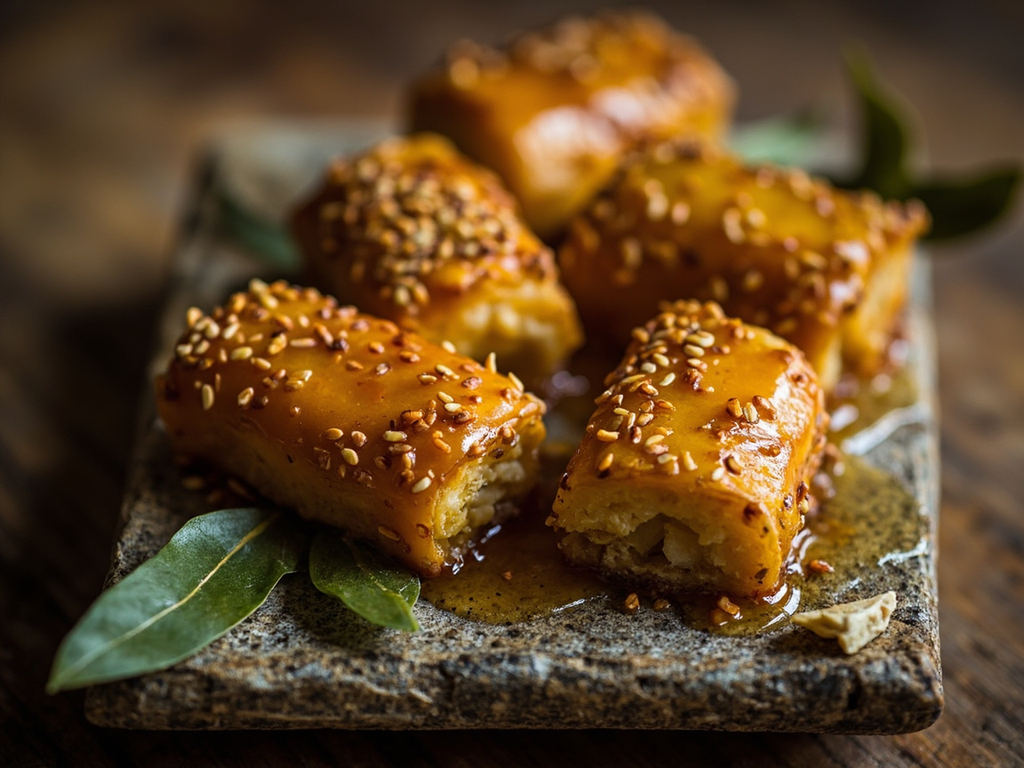
- Upon removal, drizzle with the remaining warm honey.
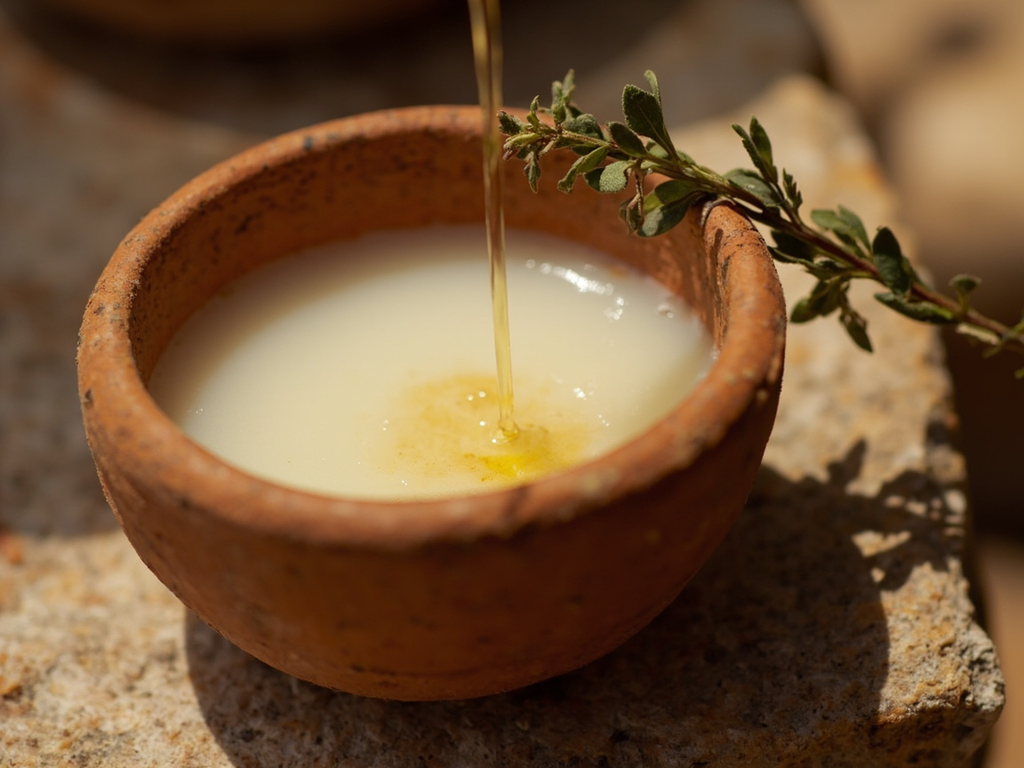
How it was made : The Greeks placed honey cakes (sometimes called melitoutta) on tombs and poured libations of honey, milk, wine, and oil to honor the dead and chthonic deities. Depriving a corpse of these rites, as Creon does to Polynices, was a major transgression.
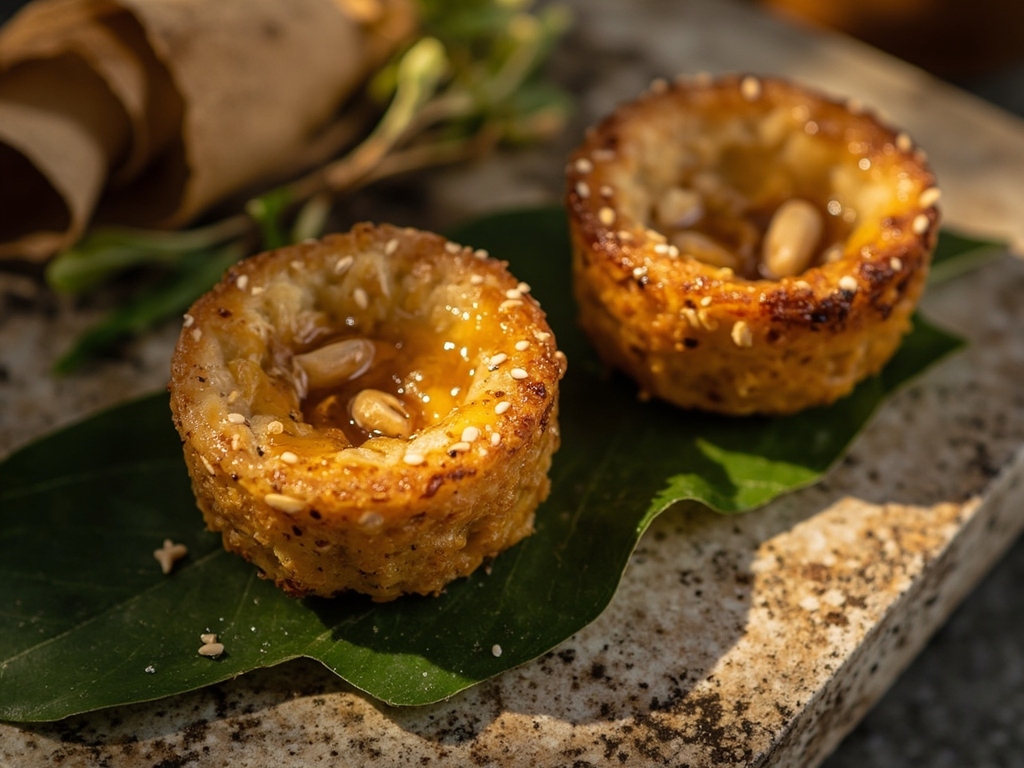
The contemporary twist : Serve them as bite-sized pieces on a bed of bay leaves, like a 'gourmet offering': a tiny but meaningful dessert to tell a story at the table.
Creon · Charactorium