 flip
flipThe Wineskin of Delphi — Honeyed Wine for Libation
The Wineskin of Delphi — Honeyed Wine for Libation
Why this dish? The oracle of Delphi had warned Aegeus: not to untie the wineskin before returning home. That wineskin, that wine opened only at the right moment, is the object of Aegeus's fate. Here is the wine of the vine, sweetened with honey and cut with water, that a king pours to the gods before drinking — the very wine he should have kept sealed.
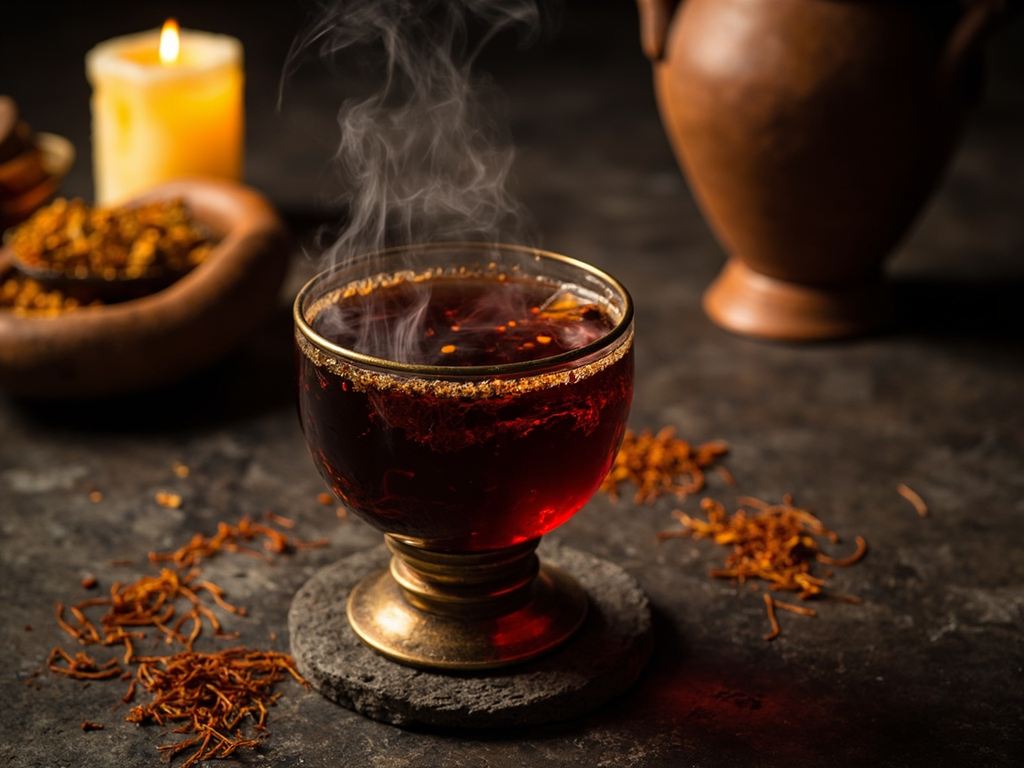
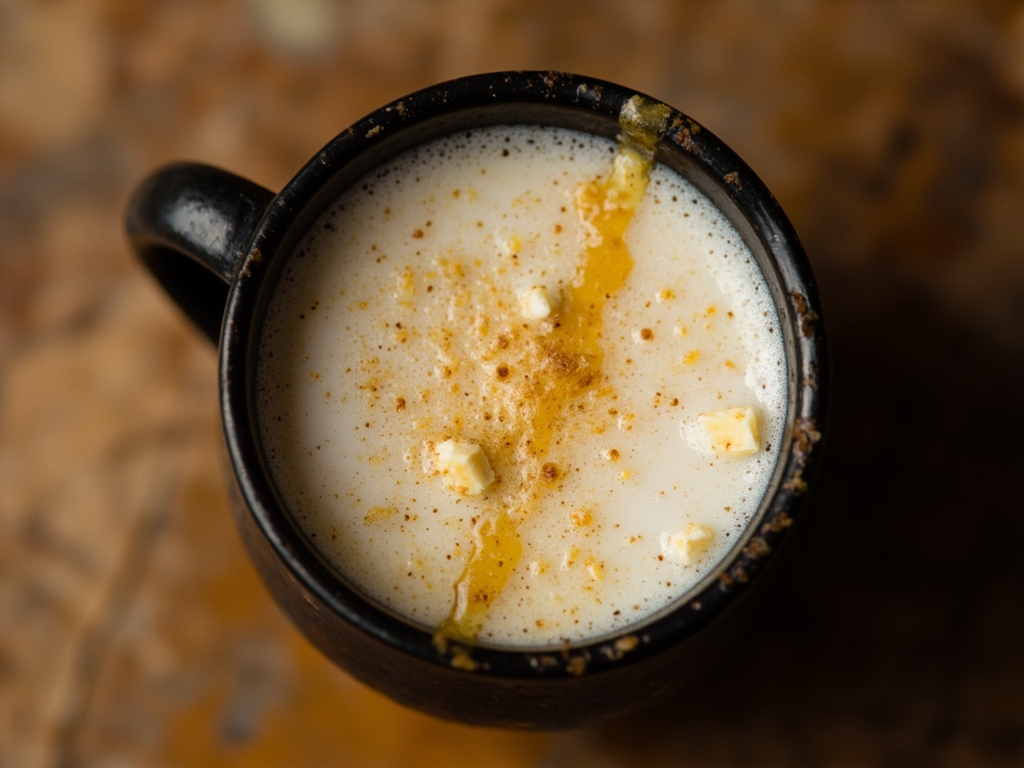
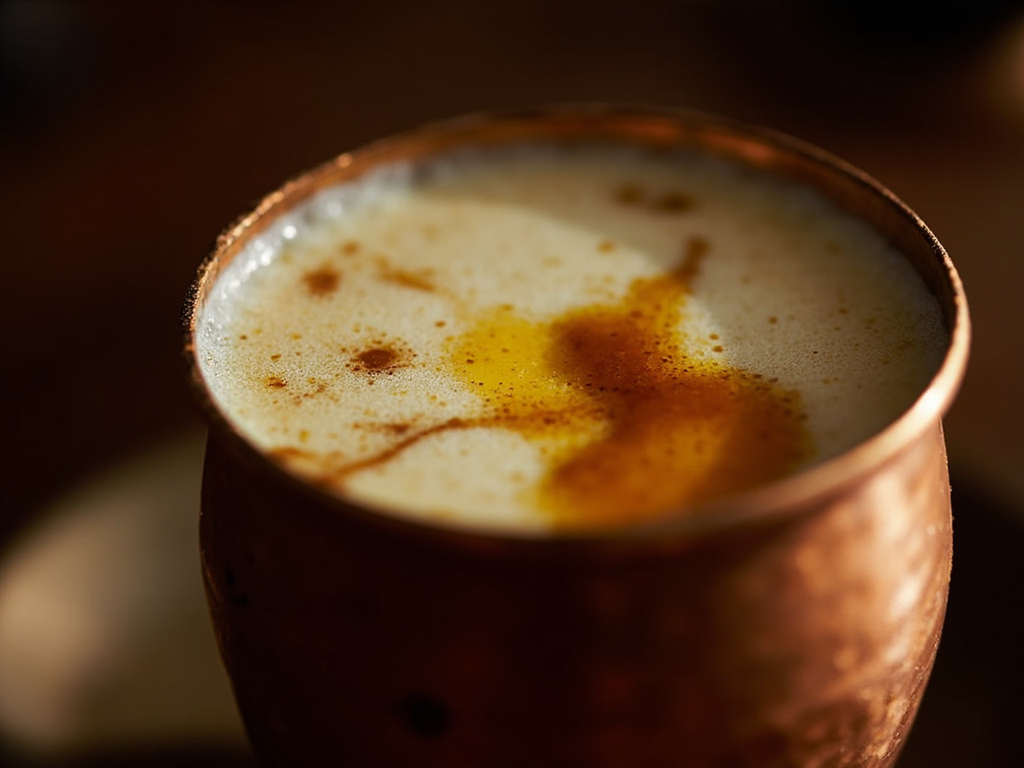
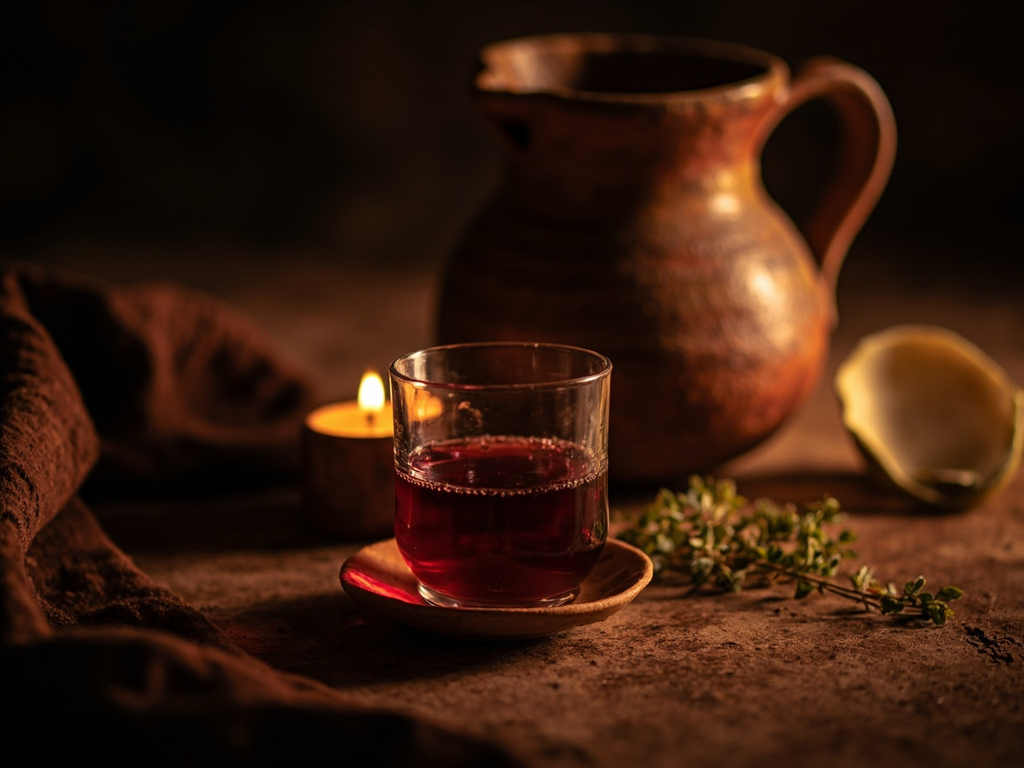
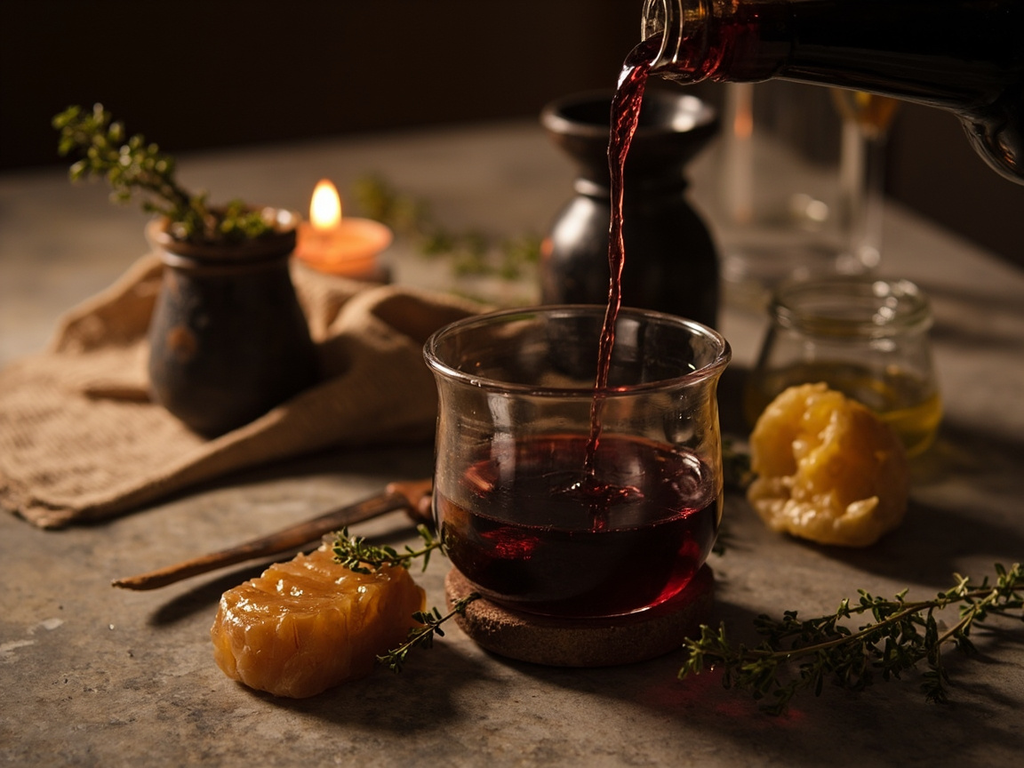
Full-bodied red wine sweetened with honey, scented with a hint of thyme or cinnamon, diluted with warm water in the Greek manner. First, a few drops are poured on the ground for the Immortals, then one drinks slowly, talking. Sweet, deep, comforting.
The Pythia told me not to untie the wineskin before reaching my hearth — a warning I should have weighed better, for a king who drinks away from home brings misfortune. But wine is nothing without the gods: before raising the cup to my lips, I pour a portion on the ground for those above. We sweeten it with Hymettus honey, mix it with water — drinking wine neat is like beasts. Here, stranger, wet your lips, but remember: not everything is untied at any time.
- •Red wine from the vine — one measure (base)
- •Hymettus honey — to taste (sweetness)
- •Water (warm or cool) — two to three measures per measure of wine (dilution (Greek usage))
- •Thyme or scented bark — a touch (aroma)
The Wineskin of Delphi — Honeyed Wine for Libation
Full-bodied red wine sweetened with honey, scented with a hint of thyme or cinnamon, diluted with warm water in the Greek manner. First, a few drops are poured on the ground for the Immortals, then one drinks slowly, talking. Sweet, deep, comforting.
Why this dish? The oracle of Delphi had warned Aegeus: not to untie the wineskin before returning home. That wineskin, that wine opened only at the right moment, is the object of Aegeus's fate. Here is the wine of the vine, sweetened with honey and cut with water, that a king pours to the gods before drinking — the very wine he should have kept sealed.
The Pythia told me not to untie the wineskin before reaching my hearth — a warning I should have weighed better, for a king who drinks away from home brings misfortune. But wine is nothing without the gods: before raising the cup to my lips, I pour a portion on the ground for those above. We sweeten it with Hymettus honey, mix it with water — drinking wine neat is like beasts. Here, stranger, wet your lips, but remember: not everything is untied at any time.
Ingredients (period version)
- Red wine from the vine — one measure (base)
- Hymettus honey — to taste (sweetness)
- Water (warm or cool) — two to three measures per measure of wine (dilution (Greek usage))
- Thyme or scented bark — a touch (aroma)
Ingredients
- Full-bodied red wine (Greek Agiorgitiko or Syrah) — 250 ml (base)
- Honey (ideally thyme honey) — 2 tbsp (sweetness)
- Water — 150 ml (dilution)
- Sprig of thyme or small cinnamon stick — 1 (aroma)
- Orange zest (optional, Mediterranean) — 1 strip (freshness)
Method
- Pour the wine into a saucepan with the honey and thyme (or cinnamon).
- Heat gently without boiling, stirring to dissolve the honey, for 5 minutes.
- Add the water and let infuse for 5 minutes off the heat.
- Strain. Taste and adjust honey.
- Serve warm in winter, or chilled in summer, in low cups.
- In the Greek manner: first pour a few drops in libation, then share.
How it was made : Ancient Greeks almost always drank their wine mixed with water (one part wine to three or more); drinking wine neat was considered barbaric and dangerous. Honey was used to sweeten often harsh wines. The symposion, which followed the meal, opened with libations to the gods. Cinnamon and orange here are later touches: the strictest version is limited to wine, water, and honey.
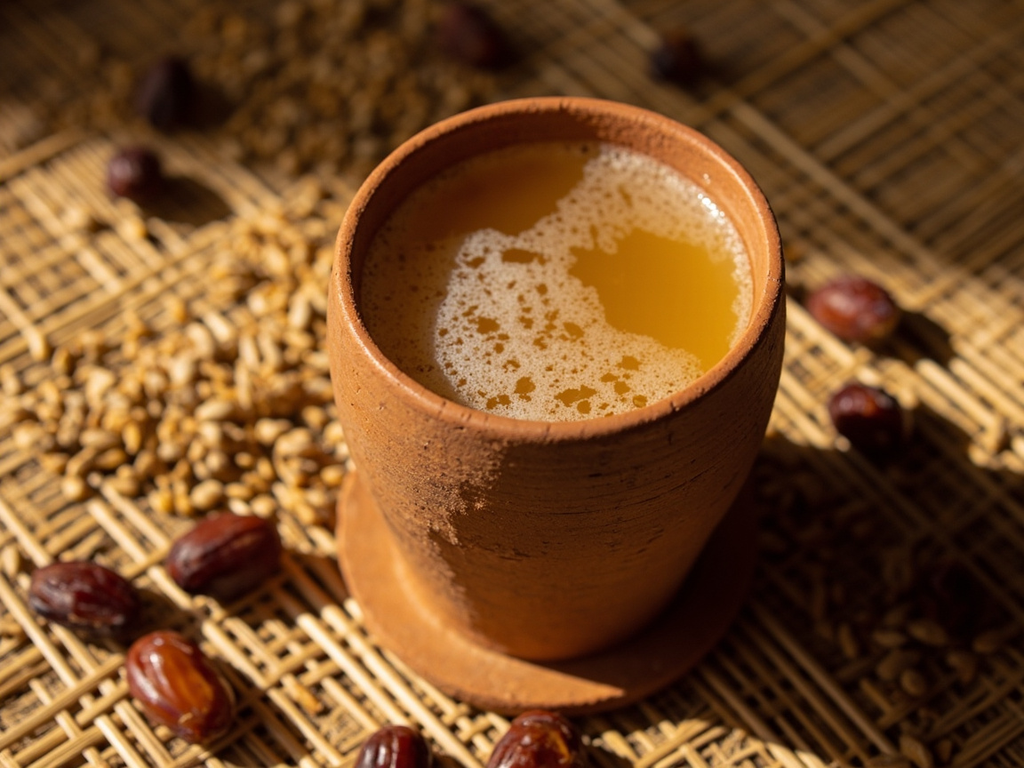
The contemporary twist : Serve as a "modern libation" in terracotta cups, with a spoonful of honey at the bottom that melts — each person stirs before drinking.
Sources : Athenaeus of Naucratis, The Deipnosophists (on wine mixed with water and honey) · Pseudo-Apollodorus, Library (oracle of Delphi and Aegeus's wineskin)
Aegeus · Charactorium