 flip
flipRēwena parāoa, potato sourdough bread
Rēwena parāoa, potato sourdough bread
Why this dish? Best lived closely with Māori in isolated regions, where bread accompanied most meals. Rēwena, born from the encounter between colonist flour and local fermentation know-how, was the bread on every table he frequented.
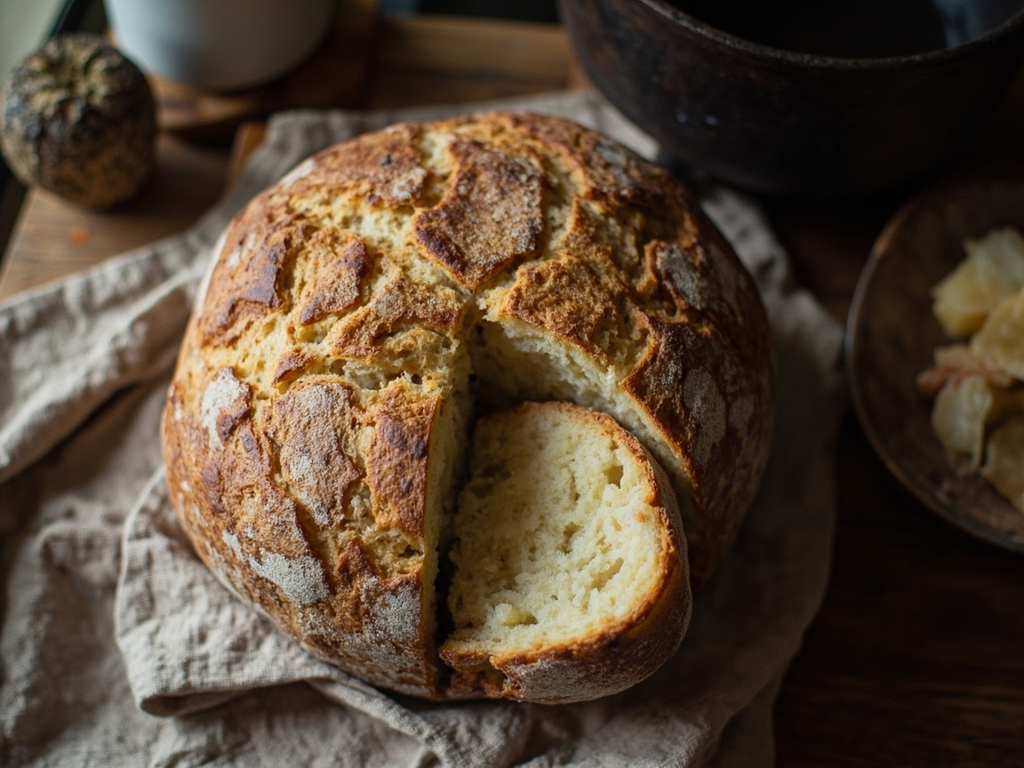
A rustic bread leavened not with baker's yeast but with a living potato starter. Dense crumb, thick crust, slight acidity: it is the emblematic bread of 19th- and 20th-century Māori kitchens.
The bread served to me under those humble roofs was nothing European, and I loved it all the more. A starter is kept—the 'bug' as the people call it—made from potato water, flour, and a little sugar, left to bubble near the hearth. I noted that a good housewife treasures her starter like a heirloom, feeding it day by day. Baked in a cast-iron pot by the fireside, this bread has a most honest tang; dipped in tea, it was worth any feast to me.
- •Cooked and mashed potato — one (base of the starter)
- •Warm cooking water — a bowl (starter liquid)
- •Wheat flour — in abundance (structure)
- •Sugar — a pinch (feeds fermentation)
- •Salt — a pinch (seasoning)
Rēwena parāoa, potato sourdough bread
A rustic bread leavened not with baker's yeast but with a living potato starter. Dense crumb, thick crust, slight acidity: it is the emblematic bread of 19th- and 20th-century Māori kitchens.
Why this dish? Best lived closely with Māori in isolated regions, where bread accompanied most meals. Rēwena, born from the encounter between colonist flour and local fermentation know-how, was the bread on every table he frequented.
The bread served to me under those humble roofs was nothing European, and I loved it all the more. A starter is kept—the 'bug' as the people call it—made from potato water, flour, and a little sugar, left to bubble near the hearth. I noted that a good housewife treasures her starter like a heirloom, feeding it day by day. Baked in a cast-iron pot by the fireside, this bread has a most honest tang; dipped in tea, it was worth any feast to me.
Ingredients (period version)
- Cooked and mashed potato — one (base of the starter)
- Warm cooking water — a bowl (starter liquid)
- Wheat flour — in abundance (structure)
- Sugar — a pinch (feeds fermentation)
- Salt — a pinch (seasoning)
Ingredients
- Potato (for starter) — 1 medium (base of the starter)
- Potato cooking water — 250 ml warm (starter liquid)
- Sugar — 1 tsp (activates fermentation)
- Wheat flour (starter) — 150 g (feeds the starter)
- Wheat flour (dough) — 400 g (bread structure)
- Salt — 1 tsp (seasoning)
- Baking soda — 1 tsp (helps rise on baking day)
Method
- The day before, mash the potato, mix with warm water, sugar and 150 g flour in a non-metallic bowl.
- Cover with a cloth and let ferment 12 to 24 hours in a warm place: the starter should foam and smell sour.
- The next day, mix 400 g flour, salt, and baking soda, then incorporate the starter.
- Knead 10 min until a soft dough forms; shape into a ball.
- Let rise 1 to 2 hours under a cloth until puffed.
- Bake in a cast-iron Dutch oven (or in the oven) at 200 °C for 35-40 min, until the crust sounds hollow.
How it was made : Rēwena uses no commercial yeast: everything relies on the potato starter maintained from batch to batch, sometimes for years. It was once baked in camp ovens, cast-iron pots buried in embers. It is a knowledge passed from mother to daughter that Best saw alive in every village.
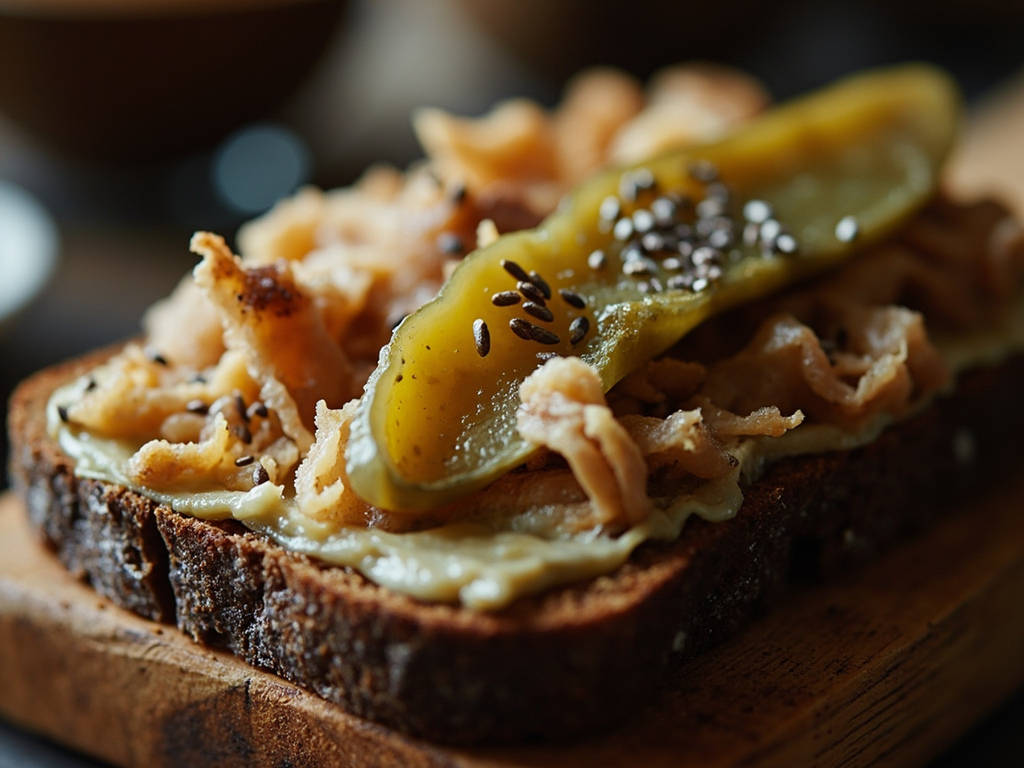
The contemporary twist : Serve warm with smoked butter and a drizzle of mānuka honey: the sourness of the starter and the honey make a very New Zealand pairing.
Sources : Elsdon Best, Maori Agriculture (1925) · Elsdon Best, The Maori (1924)
Elsdon Best · Charactorium