 flip
flipLe briquet du mineur
Le briquet du mineur
Why this dish? In 1884, Zola descended into the Anzin mines to document Germinal. The “briquet” was the sandwich the miner took to the pit bottom and ate, fingers black with coal, at break time — a symbol of the harshness and dignity of working-class life that he depicted.
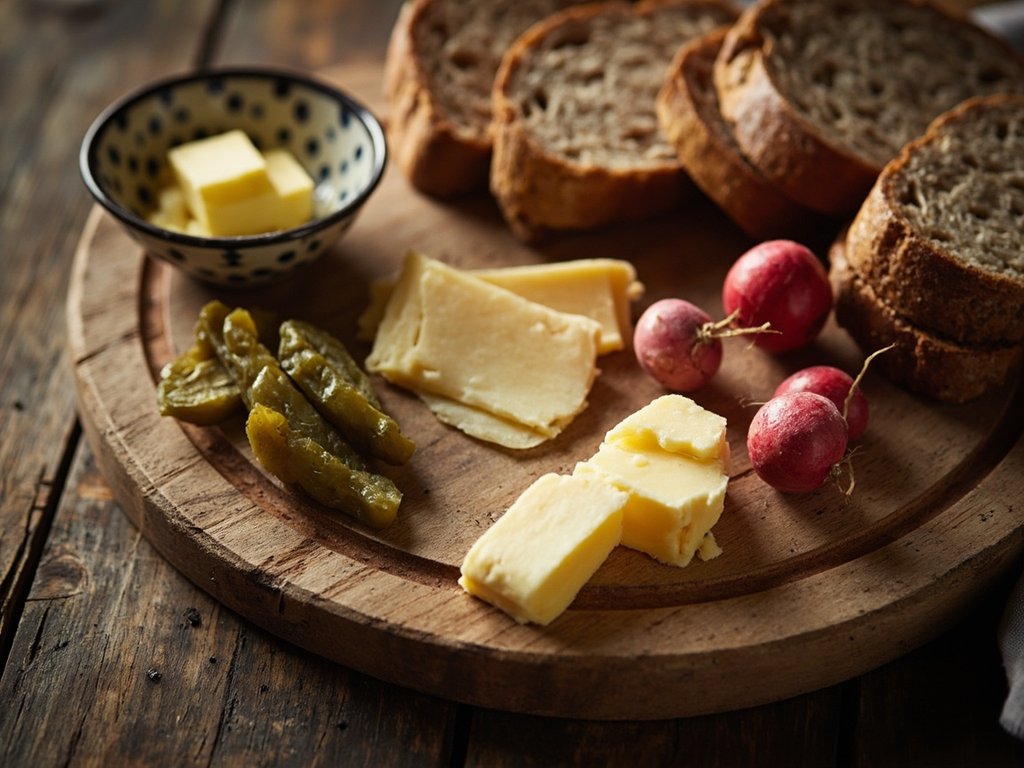
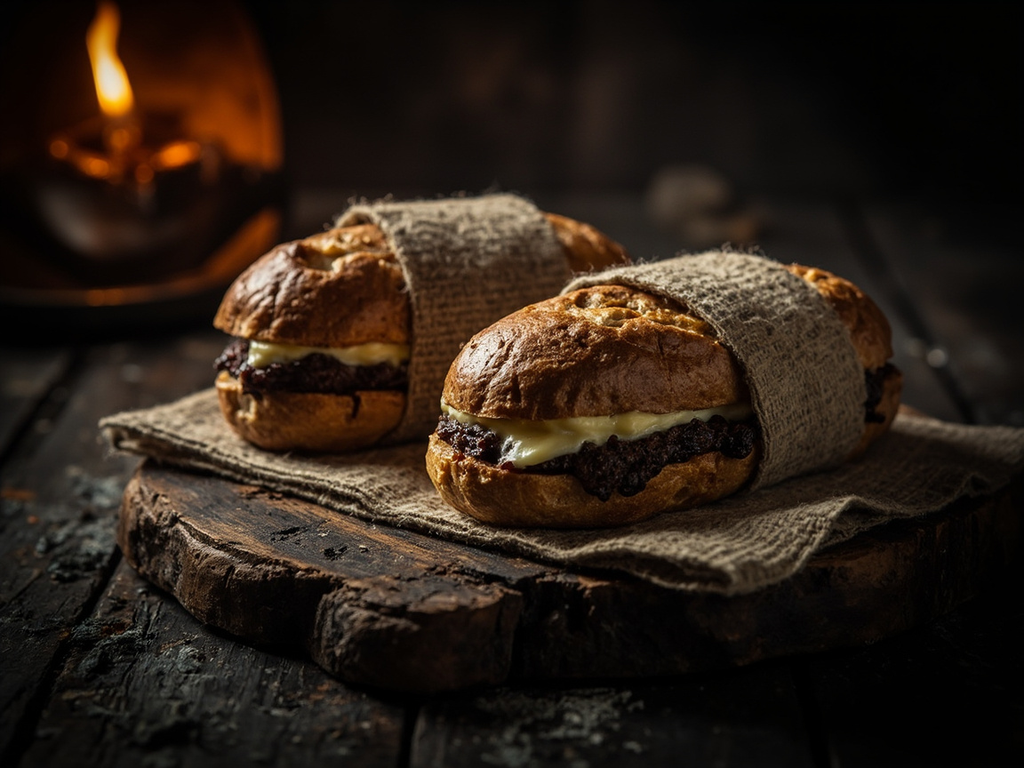
A large thick slice of brown bread topped with butter and cheese (or lard), wrapped and carried to be eaten on the job, far from any table.
To write Germinal, I went down into the pit, at Anzin, among those men devoured by the earth. At the bottom, at break time, the miner would pull out his briquet: a big slice of brown bread, with a little butter or a piece of cheese, eaten right on the coal, fingers black. It was no feast, but those people shared their crust with a dignity that choked me. I wanted you to taste, too, this bread from the bowels of the earth.
- •Brown bread (rye or black bread) — two thick slices (nourishing base)
- •Butter — a knob (fat)
- •Country cheese (Maroilles or Tomme) — a piece (filling, fermented)
- •Lard or lard — optional (fatty alternative)
Le briquet du mineur
A large thick slice of brown bread topped with butter and cheese (or lard), wrapped and carried to be eaten on the job, far from any table.
Why this dish? In 1884, Zola descended into the Anzin mines to document Germinal. The “briquet” was the sandwich the miner took to the pit bottom and ate, fingers black with coal, at break time — a symbol of the harshness and dignity of working-class life that he depicted.
To write Germinal, I went down into the pit, at Anzin, among those men devoured by the earth. At the bottom, at break time, the miner would pull out his briquet: a big slice of brown bread, with a little butter or a piece of cheese, eaten right on the coal, fingers black. It was no feast, but those people shared their crust with a dignity that choked me. I wanted you to taste, too, this bread from the bowels of the earth.
Ingredients (period version)
- Brown bread (rye or black bread) — two thick slices (nourishing base)
- Butter — a knob (fat)
- Country cheese (Maroilles or Tomme) — a piece (filling, fermented)
- Lard or lard — optional (fatty alternative)
Ingredients
- Rye or country bread — 2 thick slices (base)
- Salted butter — 20 g (fat)
- Maroilles (or other Northern cheese) — 60 g (fermented Northern filling)
Method
- Generously butter the two slices of brown bread.
- Place a thick slice of Maroilles between them.
- Press together, wrap in a cloth or paper — the briquet travels and is eaten cold.
- Enjoy as is, thinking of the miners; or, for a comforting version, heat it in the oven for a few minutes to melt the cheese.
How it was made : In the mining North, the “briquet” referred to the snack taken down the pit. Maroilles, a strong cheese from the region, often accompanied the bread. It was eaten without utensils, squatting in the gallery, by the light of the lamp — the miner's oil lamp being one of Zola's emblematic objects.
The contemporary twist : Serve it toasted in the oven until the Maroilles melts, on a rough wooden board — the “miner's tartine” revisited in a bistro of the North.
Émile Zola · Charactorium