 flip
flipPulque Curado de Morelos
Pulque Curado de Morelos
Why this dish? In Zapata's background, pulque is explicitly mentioned: a fermented agave drink consumed throughout central Mexico and Morelos. It was the quintessential popular beverage, shared in village pulquerías and around Zapatista campfires.
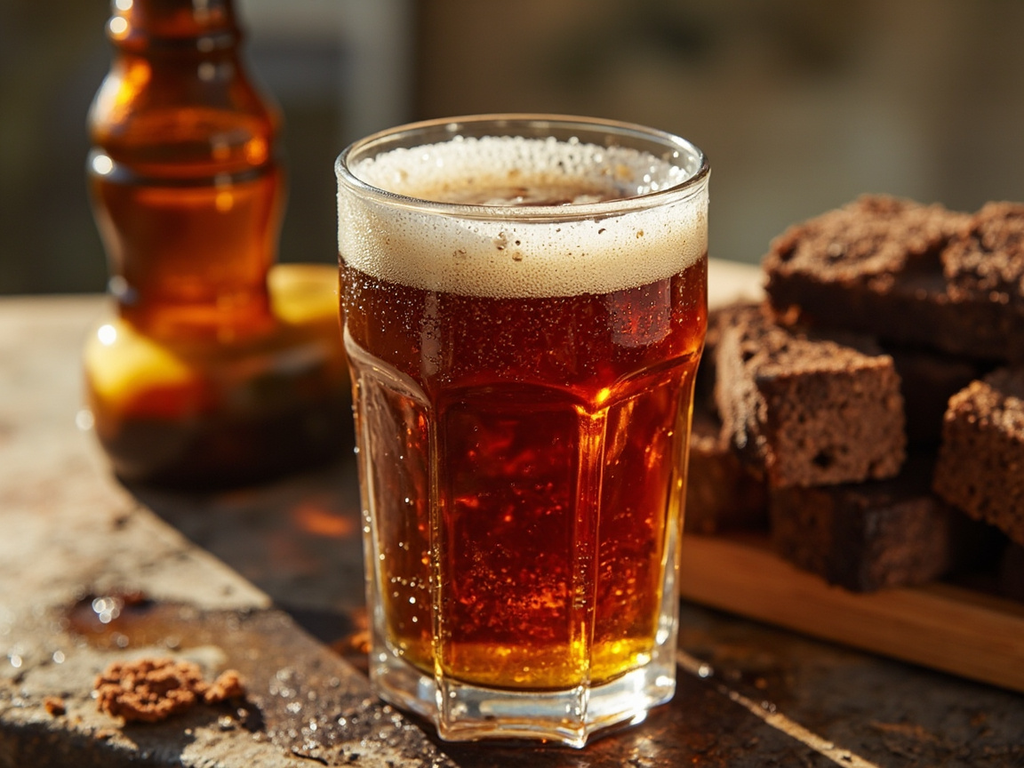
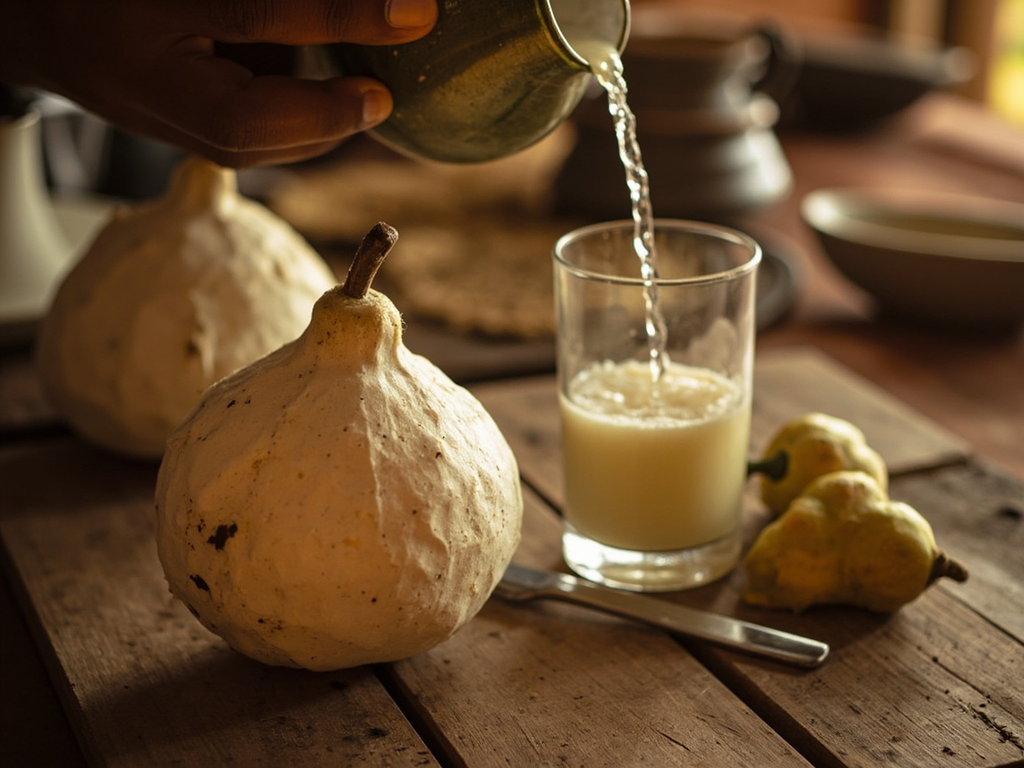
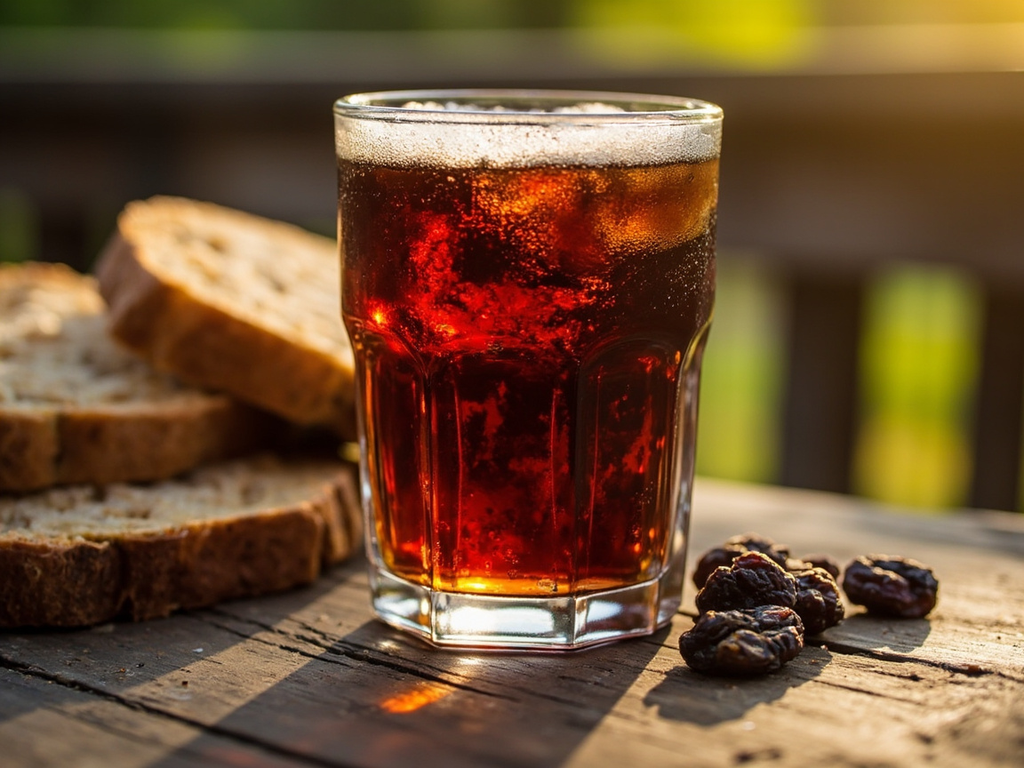
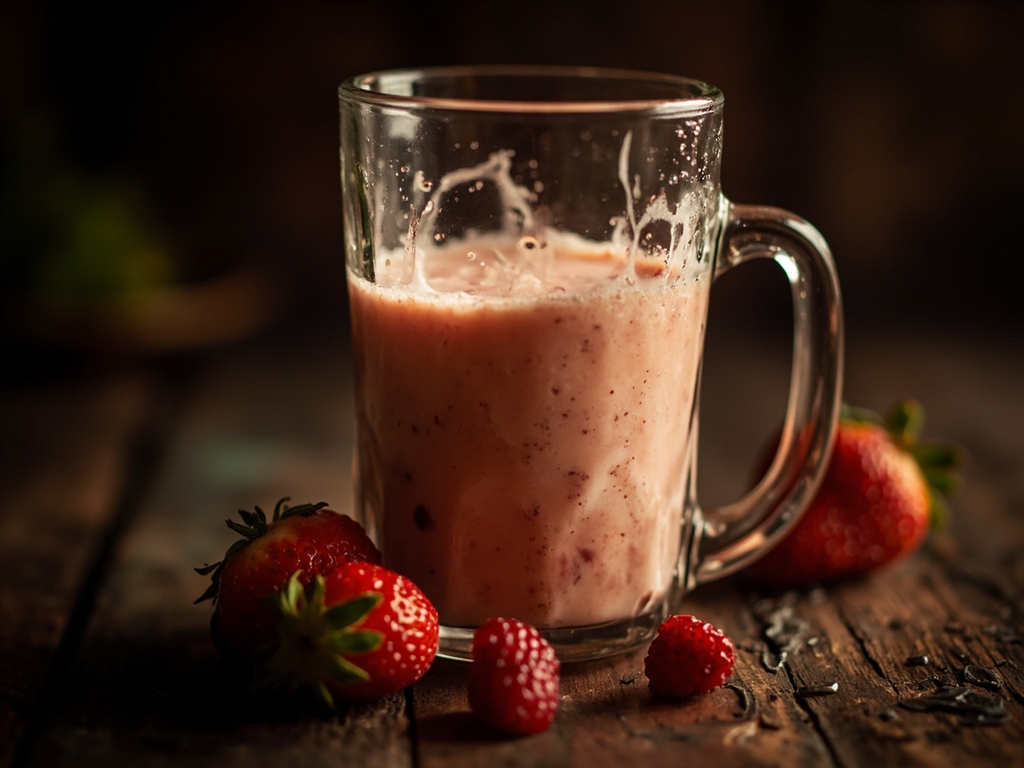
Pulque is the fermented sap of the agave heart (aguamiel), a milky, tangy, slightly effervescent drink. When "curado," it is sweetened with fruit purée. A living, nourishing beverage with a unique sweet-sour taste.
Pulque is the people's drink, compañero, the one we share at the pulquería after work or around the fire when night falls on the camp. You scrape the agave heart, collect the aguamiel, and nature does the rest: it ferments, it foams, it becomes that white, slightly sour drink that warms the belly. The bigwigs in Mexico despise it, they drink their French wine — but for us, it's our maguey that quenches us, as it did our fathers before us.
- •Aguamiel (fresh agave sap) — as much as desired (base to ferment)
- •Pulque mother (fermentation starter) — a little (ferment)
- •Seasonal fruit (guava, tuna, strawberry...) — as needed for curado (flavoring (curado version))
Pulque Curado de Morelos
Pulque is the fermented sap of the agave heart (aguamiel), a milky, tangy, slightly effervescent drink. When "curado," it is sweetened with fruit purée. A living, nourishing beverage with a unique sweet-sour taste.
Why this dish? In Zapata's background, pulque is explicitly mentioned: a fermented agave drink consumed throughout central Mexico and Morelos. It was the quintessential popular beverage, shared in village pulquerías and around Zapatista campfires.
Pulque is the people's drink, compañero, the one we share at the pulquería after work or around the fire when night falls on the camp. You scrape the agave heart, collect the aguamiel, and nature does the rest: it ferments, it foams, it becomes that white, slightly sour drink that warms the belly. The bigwigs in Mexico despise it, they drink their French wine — but for us, it's our maguey that quenches us, as it did our fathers before us.
Ingredients (period version)
- Aguamiel (fresh agave sap) — as much as desired (base to ferment)
- Pulque mother (fermentation starter) — a little (ferment)
- Seasonal fruit (guava, tuna, strawberry...) — as needed for curado (flavoring (curado version))
Ingredients
- Artisanal pulque (from Mexican grocery or online) — 1 liter (drink base)
- Fresh fruit (strawberries, guava, or mango) — 200 g (curado flavoring)
- Piloncillo or brown sugar — 1 to 2 tbsp (to taste) (light sweetener)
- Water — a splash, if needed (texture adjustment)
Method
- Blend the fresh fruit with piloncillo until smooth.
- Strain the purée through a sieve to remove seeds and fibers (optional).
- Gently mix the fruit purée into the cold pulque, without over-stirring to preserve its texture.
- Taste and adjust sweetness according to the pulque's acidity.
- Serve well chilled, in a mug or thick glass, and drink within the day as pulque continues to ferment.
How it was made : Pulque (octli in Nahuatl) has been drunk in Mesoamerica for centuries, long before the Conquest. The heart of the mature agave (maguey) is scored to collect the aguamiel, which ferments naturally in a day or two. In Zapata's time, pulque was the most consumed alcoholic beverage in central Mexico, sold in countless pulquerías.
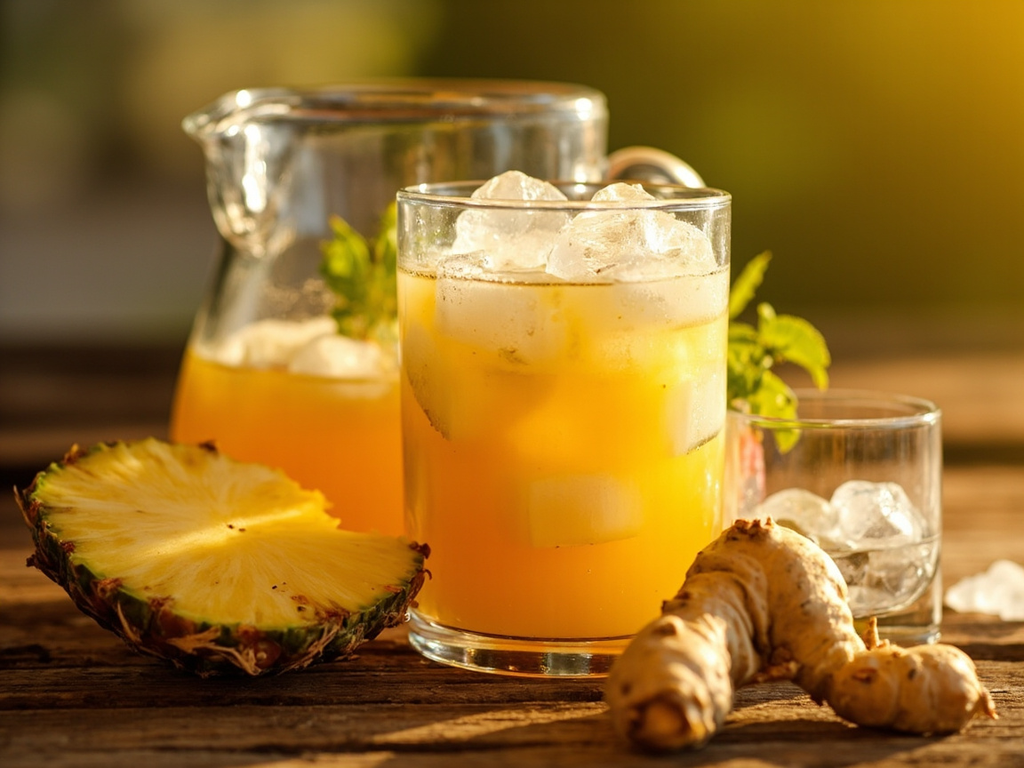
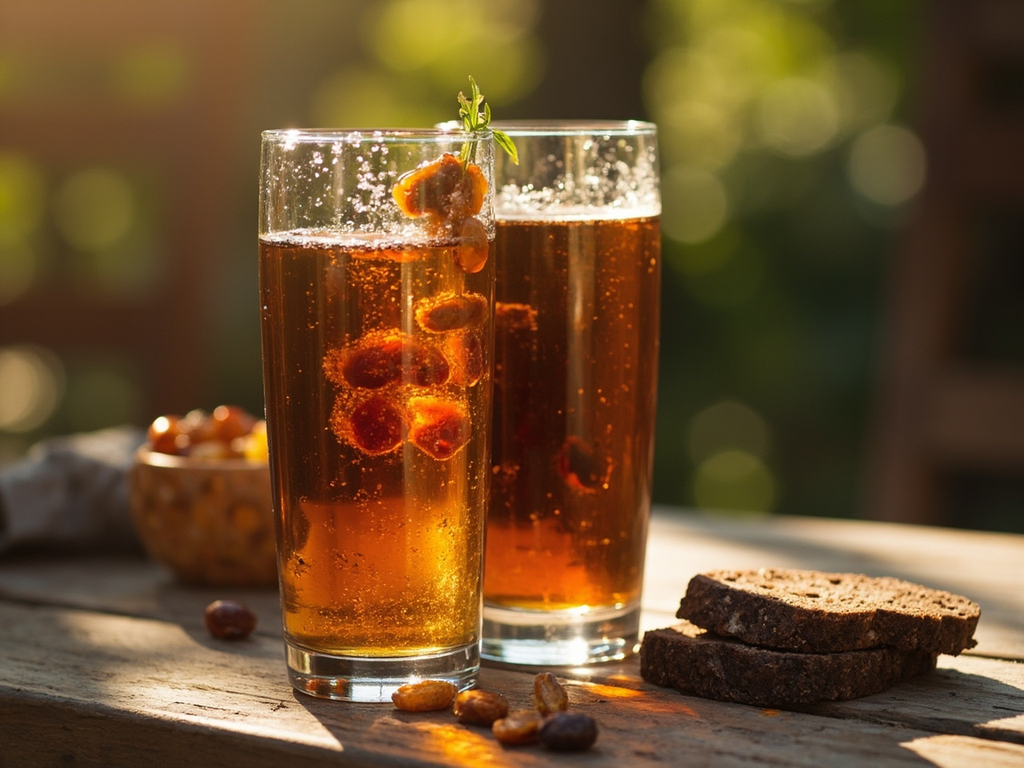
The contemporary twist : For a non-alcoholic version, replace pulque with water kefir or a lacto-fermented lemonade flavored with agave: you get the tangy liveliness suitable for the whole family.
Sources : Bruman, Henry J., Alcohol in Ancient Mexico, University of Utah Press, 2000 · Long-Solís, Janet & Vargas, Luis Alberto, Food Culture in Mexico, Greenwood Press, 2005
Emiliano Zapata · Charactorium