 flip
flipBeskøjt — Ship's Biscuit of the Royal Fleet
Beskøjt — Ship's Biscuit of the Royal Fleet
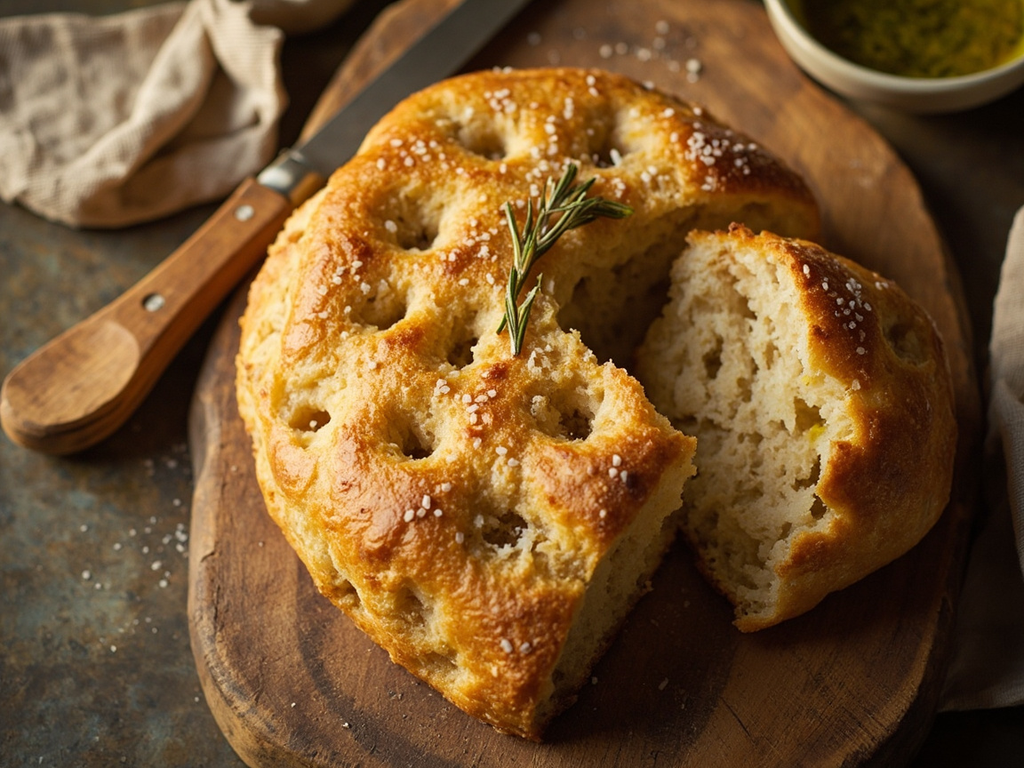
Why this dish? Frederick II waged the Northern Seven Years' War against Sweden and maintained a powerful Baltic war fleet, bristling with bronze cannons like those kept in his arsenals. To feed his crews during long naval campaigns, the *beskøjt* was loaded — a twice-baked sea biscuit so dry it kept for months without molding.
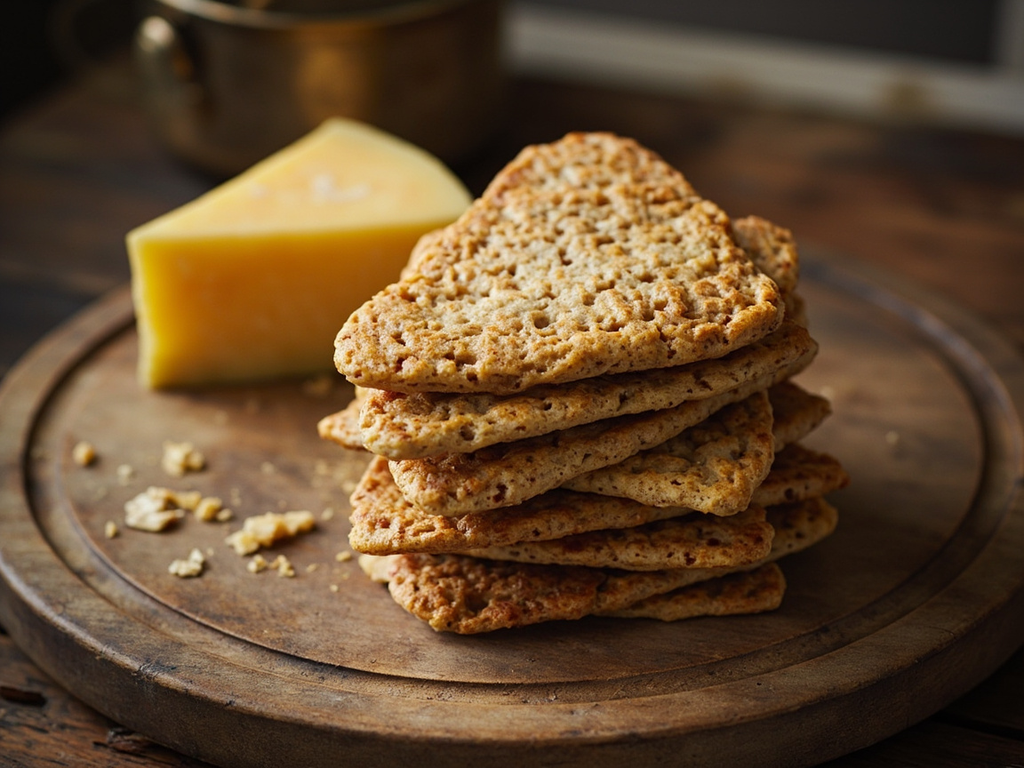
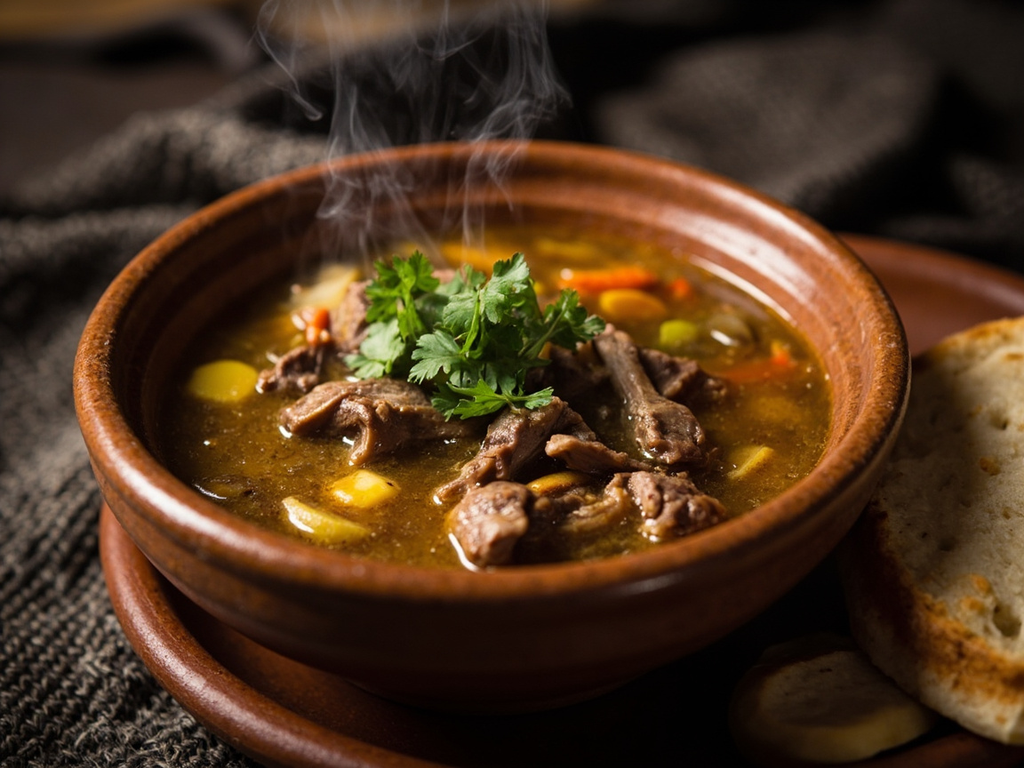
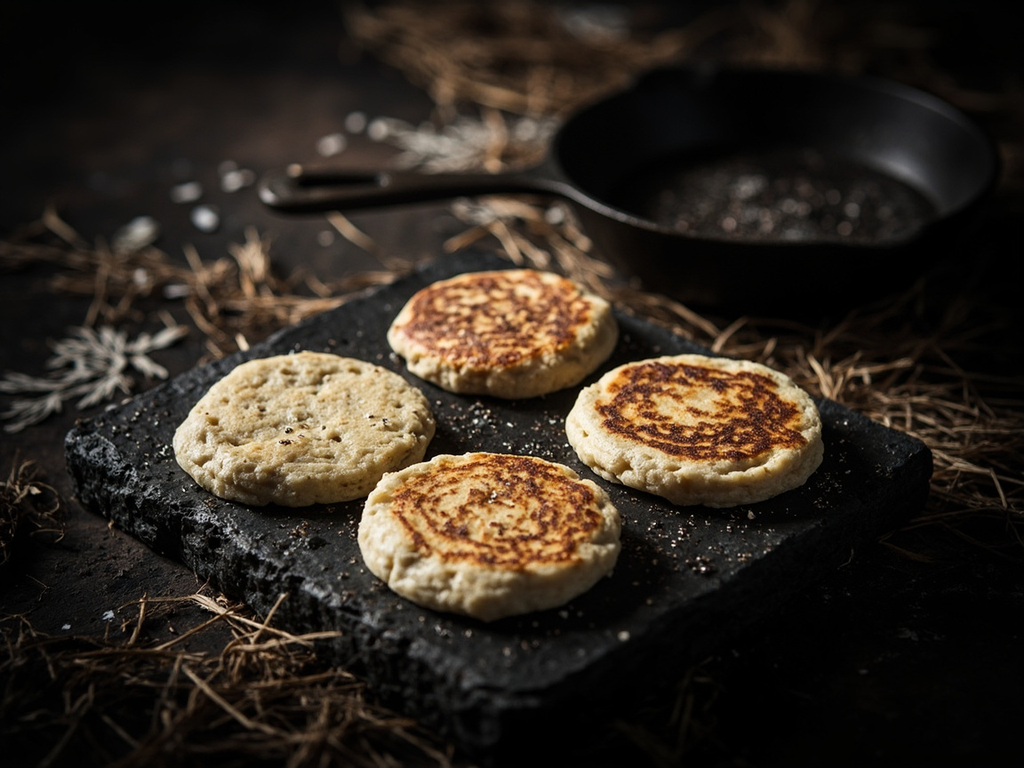
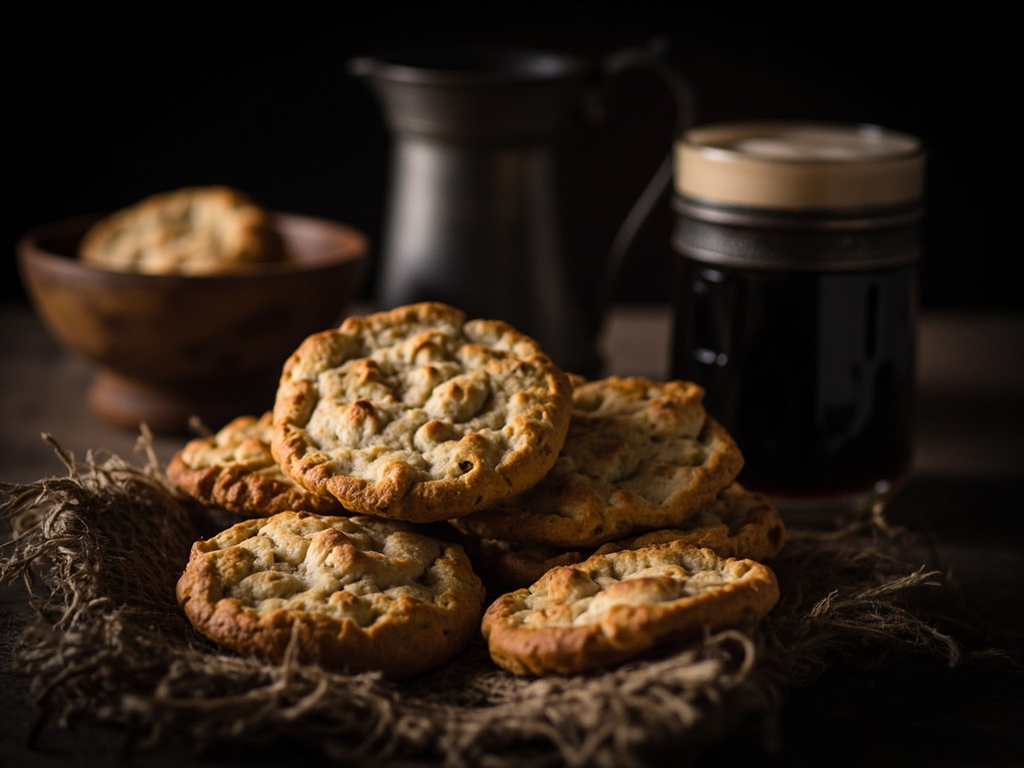
A twice-baked wheat cake, hard and nearly waterless, designed to defy humidity and time. Bread of the royal fleet's sailors: it was soaked in beer, broth, or fish soup to soften it before eating.
A fleet is not fed with fresh bread, reader — it would mold before the second day at sea. For Our ships that cruise against the Swede in the Baltic, we bake the beskøjt twice, until it is hard as oak plank and dry as bone. Thus kept, it defies months and salt water. My sailors break it and soak it in beer or hot broth, and it keeps them standing at the cannons. Bread without grace, indeed, but it wins battles.
- •Wheat flour — the bulk of the dough (durable cereal)
- •Water — the minimum (very dry dough)
- •Salt — a pinch (flavor and preservation)
Beskøjt — Ship's Biscuit of the Royal Fleet
A twice-baked wheat cake, hard and nearly waterless, designed to defy humidity and time. Bread of the royal fleet's sailors: it was soaked in beer, broth, or fish soup to soften it before eating.
Why this dish? Frederick II waged the Northern Seven Years' War against Sweden and maintained a powerful Baltic war fleet, bristling with bronze cannons like those kept in his arsenals. To feed his crews during long naval campaigns, the *beskøjt* was loaded — a twice-baked sea biscuit so dry it kept for months without molding.
A fleet is not fed with fresh bread, reader — it would mold before the second day at sea. For Our ships that cruise against the Swede in the Baltic, we bake the beskøjt twice, until it is hard as oak plank and dry as bone. Thus kept, it defies months and salt water. My sailors break it and soak it in beer or hot broth, and it keeps them standing at the cannons. Bread without grace, indeed, but it wins battles.
Ingredients (period version)
- Wheat flour — the bulk of the dough (durable cereal)
- Water — the minimum (very dry dough)
- Salt — a pinch (flavor and preservation)
Ingredients
- Wheat flour (T65) — 300 g (base)
- Water — about 130 ml (firm dough)
- Salt — 1 tsp (flavor and preservation)
Method
- Mix flour and salt, gradually add water to form a very firm, dry dough.
- Knead thoroughly, then roll to about 1 cm thick and cut into round cakes.
- Prick each cake with a skewer (to dry through).
- Bake at 160°C until golden and firm (about 25 min).
- Lower to 110°C and return cakes to the oven for 40–60 min to dry completely — this is the "second baking."
- Let cool and harden; store in a dry place. Soak in beer, soup, or broth before eating.
How it was made : Ship's biscuit (from Latin *bis coctus*, "twice cooked") was the basic ration of all European navies. The double baking drove out moisture, making the bread nearly imperishable — essential for Danish war fleets engaged in long Baltic campaigns in the 16th century. It was rationed per man per day, soaked to be chewable.
The contemporary twist : Served as an "admiral's ration" amuse-bouche: broken beskøjt, salted butter, and a sliver of herring — the sailor's biscuit invited to the festive table.
Sources : Koge Bog, Copenhagen, 1616 · Documentation on the provisioning of Baltic fleets in the 16th century
Frederick II of Denmark · Charactorium