 flip
flipPhakê — Lentil Purée with Coriander and Vinegar
Phakê — Lentil Purée with Coriander and Vinegar
Why this dish? The lentil was the emblematic food of Greek philosophers: frugal, inexpensive, associated with wisdom and mastery of desires. For a Neoplatonic woman who taught temperance, phakê perfectly embodies the moderate diet her school advocated — eating to live, not living to eat.
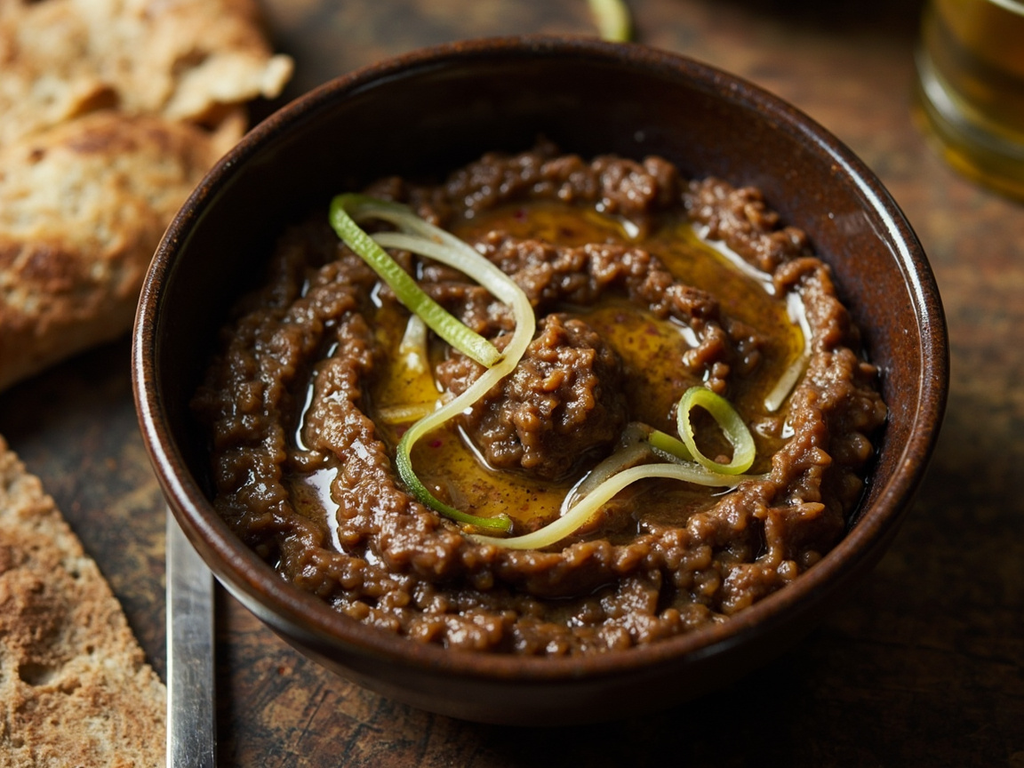
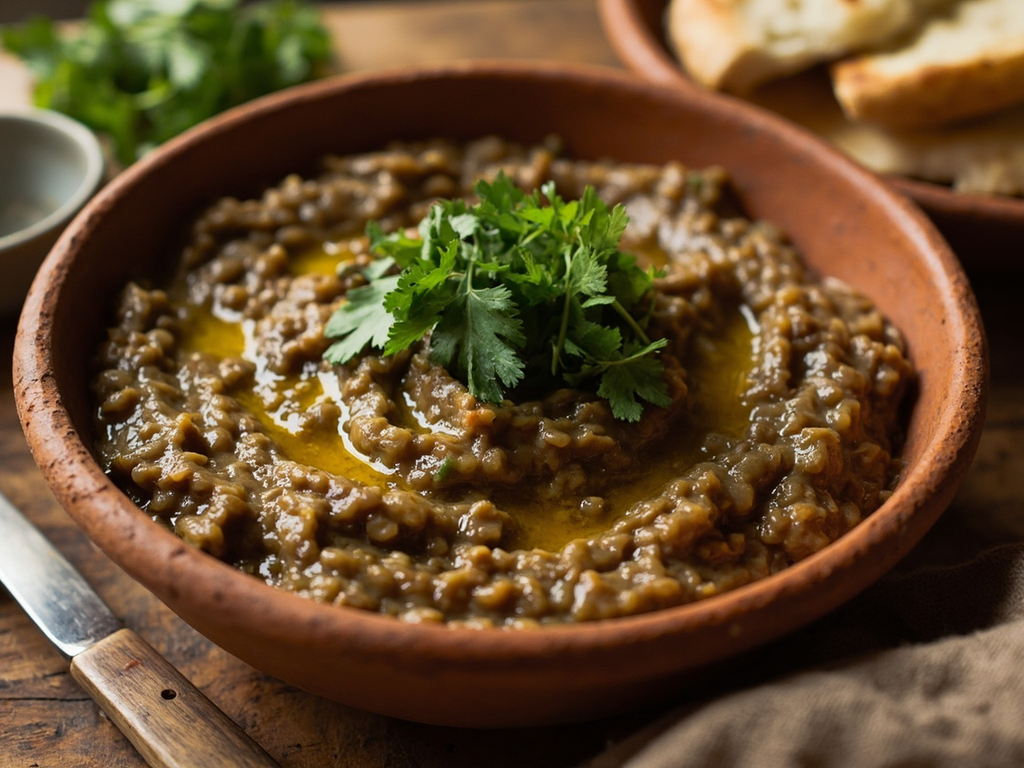
A smooth lentil purée, scented with fresh coriander, sharpened with a dash of vinegar and bound with olive oil. The quintessential daily dish, perfect for sopping up with wheat bread.
Approach, and do not be suspicious of this dish's humility: in the lentil, the wise find their just portion. In my home in Alexandria, we let them swell long in water, then heat them until they dissolve into a soft paste; I pour in oil from our olive trees, a little vinegar to awaken the tongue, and coriander that the gardens of the Delta give us in abundance. Refrain from too much garum — the soul is troubled when the body is glutted. Eat little, eat right, and your thought will remain clear as the Egyptian sky in the morning.
- •Lentils — a good measure (base of the dish)
- •Olive oil — as needed (binder and fat)
- •Wine vinegar — a splash (acidity)
- •Fresh coriander — a handful (flavor)
- •Ground cumin — a pinch (spice)
- •Honey — a spoonful (balances acidity)
- •Garum (fish sauce) — a few drops (optional) (salt and umami)
Phakê — Lentil Purée with Coriander and Vinegar
A smooth lentil purée, scented with fresh coriander, sharpened with a dash of vinegar and bound with olive oil. The quintessential daily dish, perfect for sopping up with wheat bread.
Why this dish? The lentil was the emblematic food of Greek philosophers: frugal, inexpensive, associated with wisdom and mastery of desires. For a Neoplatonic woman who taught temperance, phakê perfectly embodies the moderate diet her school advocated — eating to live, not living to eat.
Approach, and do not be suspicious of this dish's humility: in the lentil, the wise find their just portion. In my home in Alexandria, we let them swell long in water, then heat them until they dissolve into a soft paste; I pour in oil from our olive trees, a little vinegar to awaken the tongue, and coriander that the gardens of the Delta give us in abundance. Refrain from too much garum — the soul is troubled when the body is glutted. Eat little, eat right, and your thought will remain clear as the Egyptian sky in the morning.
Ingredients (period version)
- Lentils — a good measure (base of the dish)
- Olive oil — as needed (binder and fat)
- Wine vinegar — a splash (acidity)
- Fresh coriander — a handful (flavor)
- Ground cumin — a pinch (spice)
- Honey — a spoonful (balances acidity)
- Garum (fish sauce) — a few drops (optional) (salt and umami)
Ingredients
- Green or brown lentils — 250 g (base of the dish)
- Olive oil — 4 tbsp (binder and fat)
- Red wine vinegar — 1 tbsp (acidity)
- Fresh coriander, chopped — 1 small bunch (flavor)
- Ground cumin — 1/2 tsp (spice)
- Honey — 1 tsp (balances acidity)
- Salt (or a dash of Asian fish sauce as garum substitute) — to taste (seasoning)
Method
- Rinse the lentils and cover them generously with cold unsalted water.
- Bring to a simmer and cook for 25 to 35 minutes, until they mash easily.
- Drain, reserving a little cooking water, then roughly mash with a fork for a textured purée.
- Off the heat, stir in olive oil, vinegar, cumin, and honey; loosen with a little cooking water if needed.
- Season with salt (or add a few drops of fish sauce), scatter fresh coriander, and serve warm with bread.
- Taste and adjust: the phakê should be sweet, salty, and slightly tangy.
How it was made : Apicius (De re coquinaria, Book V) gives a very similar lentil recipe, bound with vinegar, honey, coriander, and garum. In the Greek world, the lentil was inseparable from the image of the sober philosopher: Diogenes and the Cynics had made it a symbol of simple living.
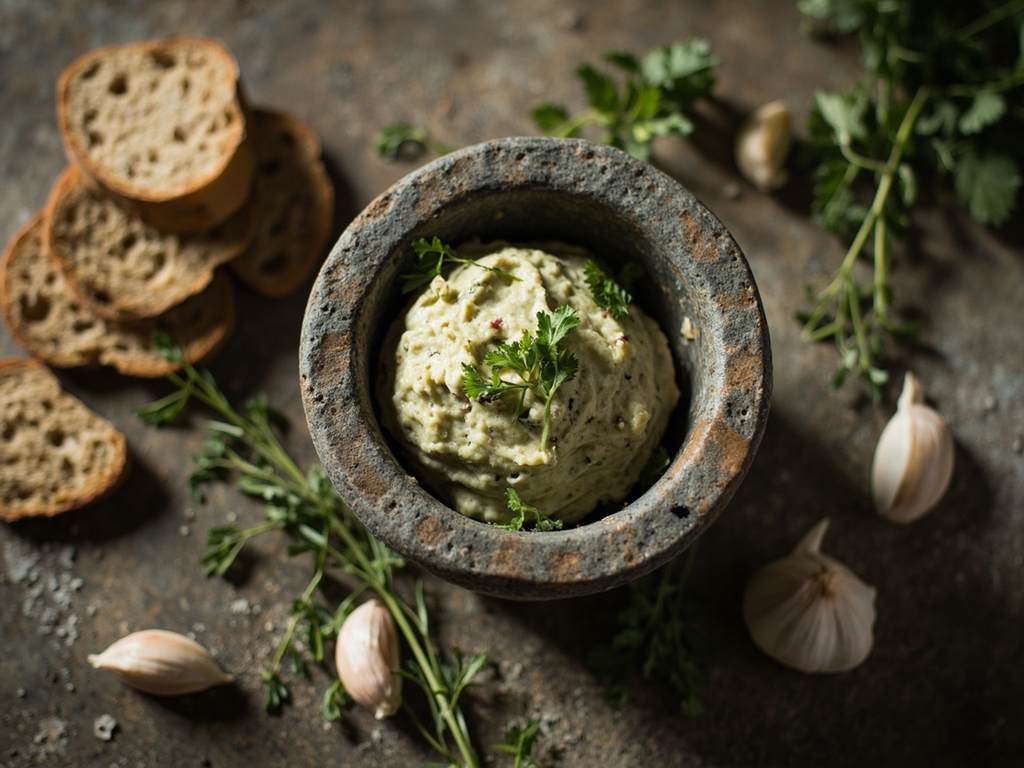
The contemporary twist : Serve as a modern meze, blended smooth like lentil hummus, topped with extra virgin olive oil and toasted coriander seeds.
Sources : Apicius, De re coquinaria, Book V (legume recipes)
Hypatia of Alexandria · Charactorium