 flip
flipMazapán de almendra — Almond and Honey Marzipan
Mazapán de almendra — Almond and Honey Marzipan
Why this dish? On great days — the feast of a saint, the approval of the Society of Jesus in 1540 — religious houses brought out sweets inherited from Andalusia: almonds and honey. Even a man as sober as Ignatius knew these convent treats, offered to guests and on days of spiritual rejoicing.
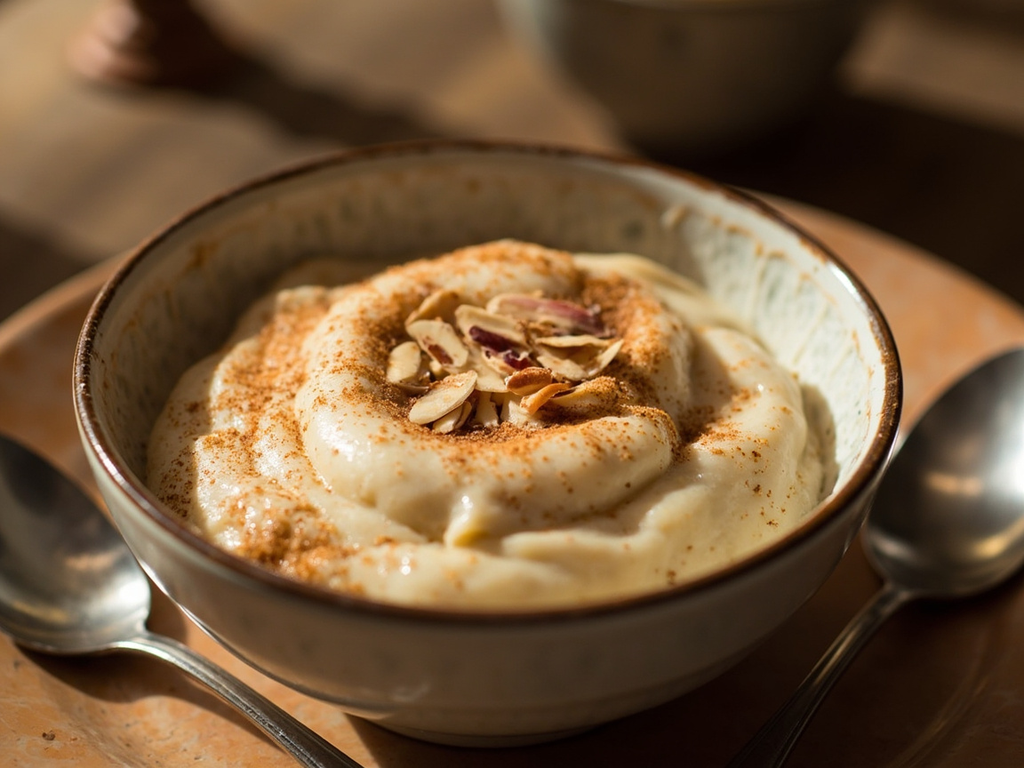
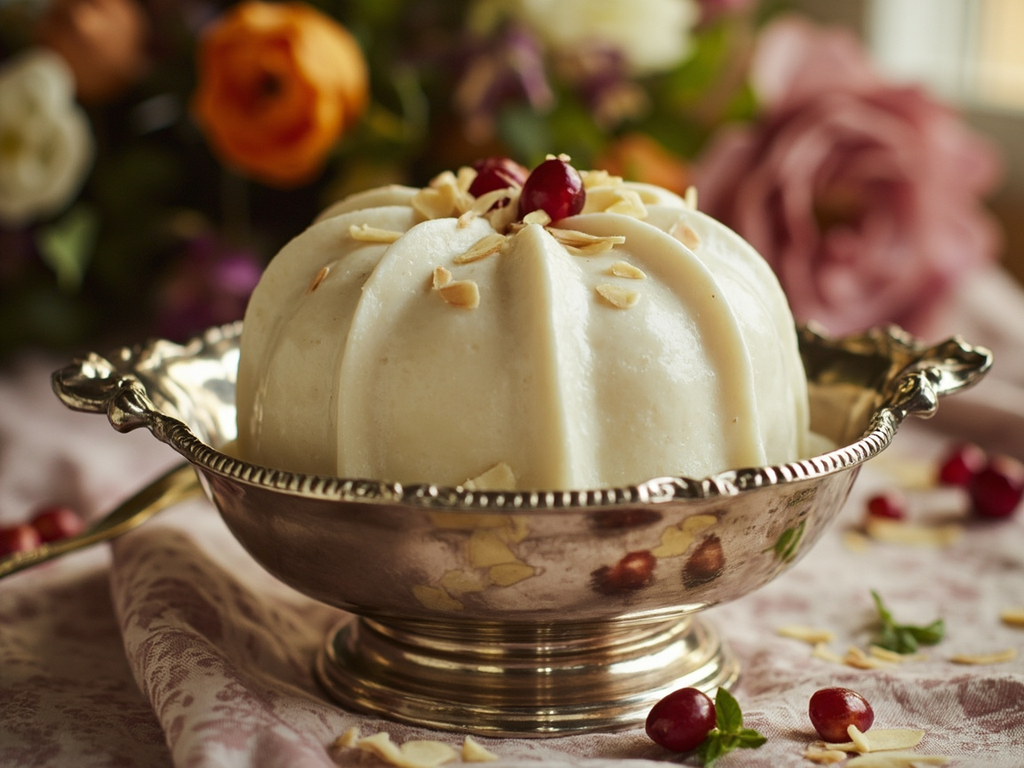
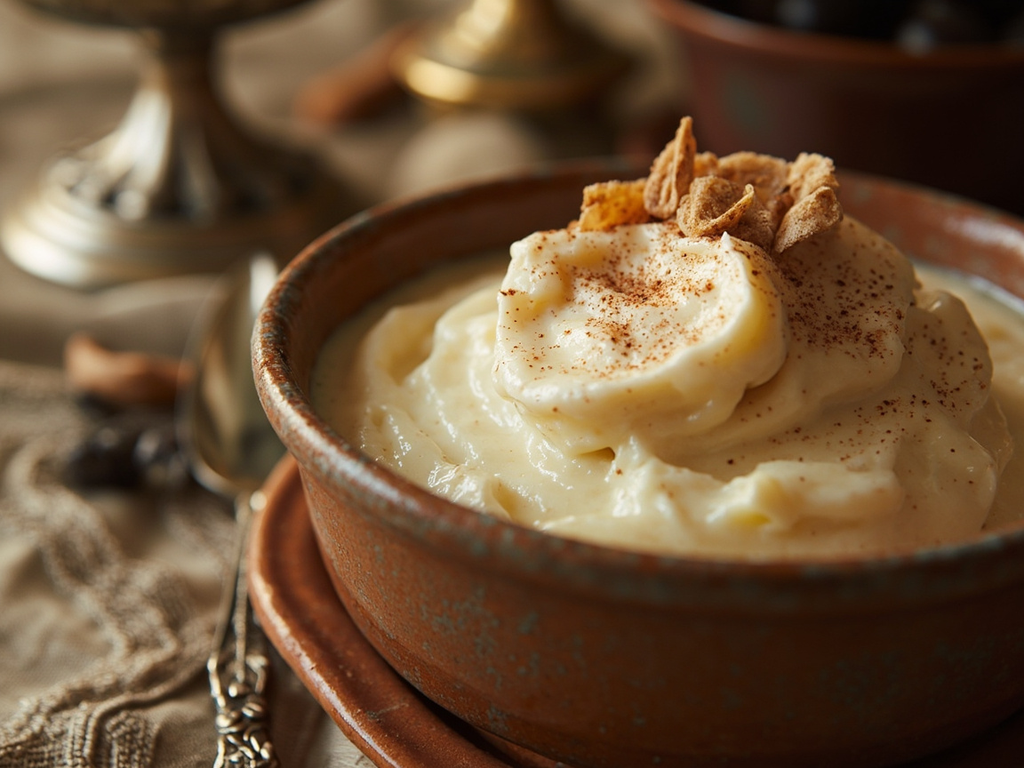
A fine almond paste, perfumed with honey and rose water, shaped into small loaves: the sweetness of Spanish convents, heir to Andalusian know-how, reserved for feast days.
For once, I will not speak to you of fasting. The day the Holy Father approved our Company, my heart overflowed with joy; and joy, sometimes, is shared through sweetness. Take the almond, which this land of Spain gives in abundance, grind it with honey and a hint of rose water as the good sisters do. Shape it into small loaves. Eat little, give thanks much: the sweetness of the palate should remind us of the sweetness of the consoled soul.
- •Sweet almonds — a good measure (base)
- •Honey — enough to bind (sweet binder)
- •Sugar — a little (sweetness)
- •Rose water — a few drops (Andalusian perfume)
- •Egg white — a little (binder)
Mazapán de almendra — Almond and Honey Marzipan
A fine almond paste, perfumed with honey and rose water, shaped into small loaves: the sweetness of Spanish convents, heir to Andalusian know-how, reserved for feast days.
Why this dish? On great days — the feast of a saint, the approval of the Society of Jesus in 1540 — religious houses brought out sweets inherited from Andalusia: almonds and honey. Even a man as sober as Ignatius knew these convent treats, offered to guests and on days of spiritual rejoicing.
For once, I will not speak to you of fasting. The day the Holy Father approved our Company, my heart overflowed with joy; and joy, sometimes, is shared through sweetness. Take the almond, which this land of Spain gives in abundance, grind it with honey and a hint of rose water as the good sisters do. Shape it into small loaves. Eat little, give thanks much: the sweetness of the palate should remind us of the sweetness of the consoled soul.
Ingredients (period version)
- Sweet almonds — a good measure (base)
- Honey — enough to bind (sweet binder)
- Sugar — a little (sweetness)
- Rose water — a few drops (Andalusian perfume)
- Egg white — a little (binder)
Ingredients
- Almond flour — 200 g (base)
- Powdered sugar — 150 g (sweetness)
- Honey — 1 tbsp (binder)
- Rose water — 1 tsp (perfume)
- Egg white — 1 (depending on texture) (binder)
Method
- Mix the almond flour and powdered sugar.
- Add the honey, rose water, and a little egg white, and knead until a smooth, homogeneous dough forms.
- Shape into small oval loaves or balls.
- Let dry in the air for a few hours, or briefly brown in the oven (without coloring) for a light crust.
- Serve in small bites.
How it was made : Spanish marzipan descends directly from al-Andalus pastry: almonds, sugar, and honey, perfumed with rose or orange blossom water. Convents were its great guardians — hence the expression *dulces de convento*. In Ignatius's time, it was a prestige treat, as almonds and sugar were costly.
The contemporary twist : Shape them into small "pilgrim's loaves" and roll a few in a cloud of powdered sugar: a nod to the pilgrim of Loyola.
Sources : Ruperto de Nola, Libro de guisados (Libre del Coch), 1525 · Tradition of Spanish dulces de convento (Andalusian heritage)
Ignatius of Loyola · Charactorium