 Flip the card
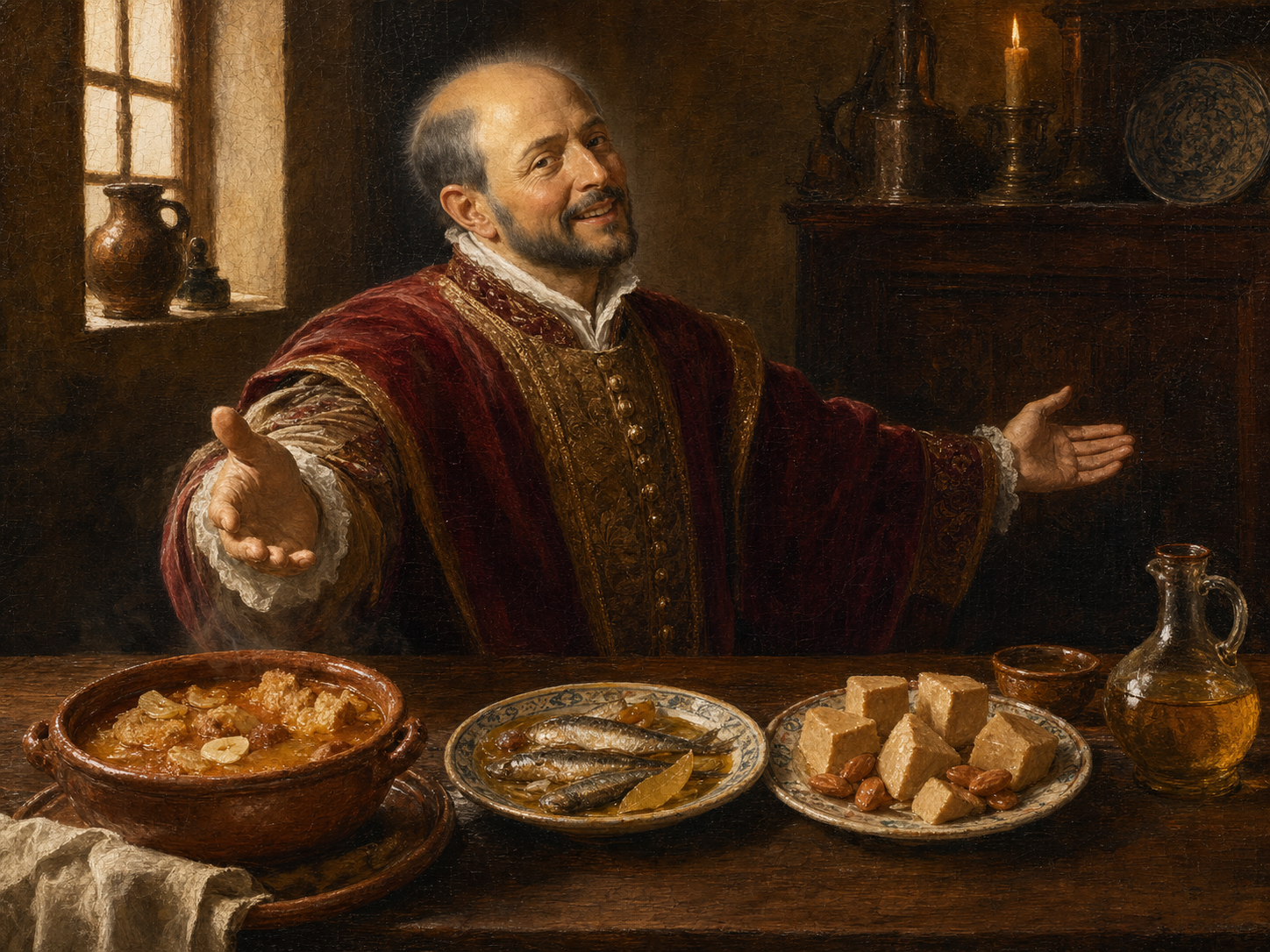
Ignatius of Loyola at the table
1491 — 1556
On the menu
The Pitanca: Olla, Potaje, and Bread
On the tables of 16th-century Castile and the Basque Country, and even more so in religious houses, meals revolve around a single pot (the *olla*) and a soup (*potaje*), always accompanied by bread — often crumbled or soaked in it. The measured, frugal portion served to each person is called the *pitanca* (hence our "pittance"). Sweets, inherited from the Andalusian know-how of convents (almonds, honey, sugar), appear on feast days. Preserved fish and light broths complete this system where nothing is wasted and austerity is a virtue.
Signature : Garlic and Stale Bread (el ajo y el pan)
The foundational gesture of this poor cuisine: a little garlic browned in olive oil, hard bread revived in hot liquid. Enough to feed a man — or a community — with almost nothing. It suited Ignatius perfectly, a soldier turned pilgrim, who mistrusted excess and nursed his fragile stomach.
click to flip back
Ignatius of Loyola at the table
1491 — 1556
4 period recipes
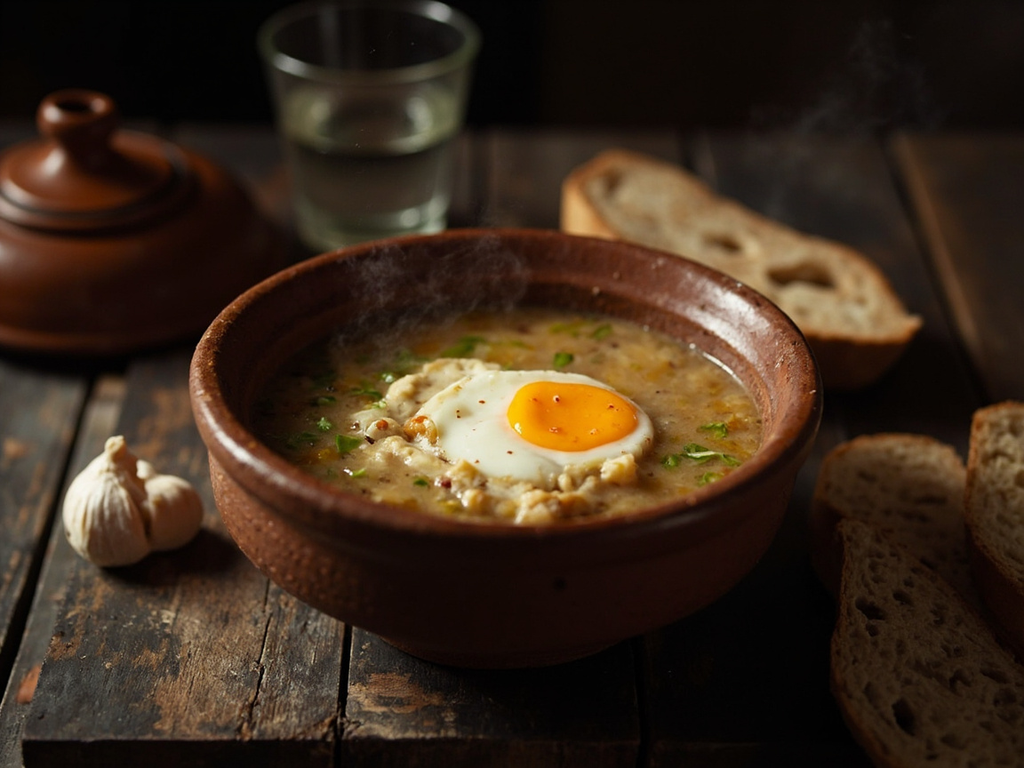 Everyday
Sopas de ajo — Garlic and Bread Soup
Daily Potaje (la pitanza ordinaire)
🧂 🍄· 25 min
View the recipe
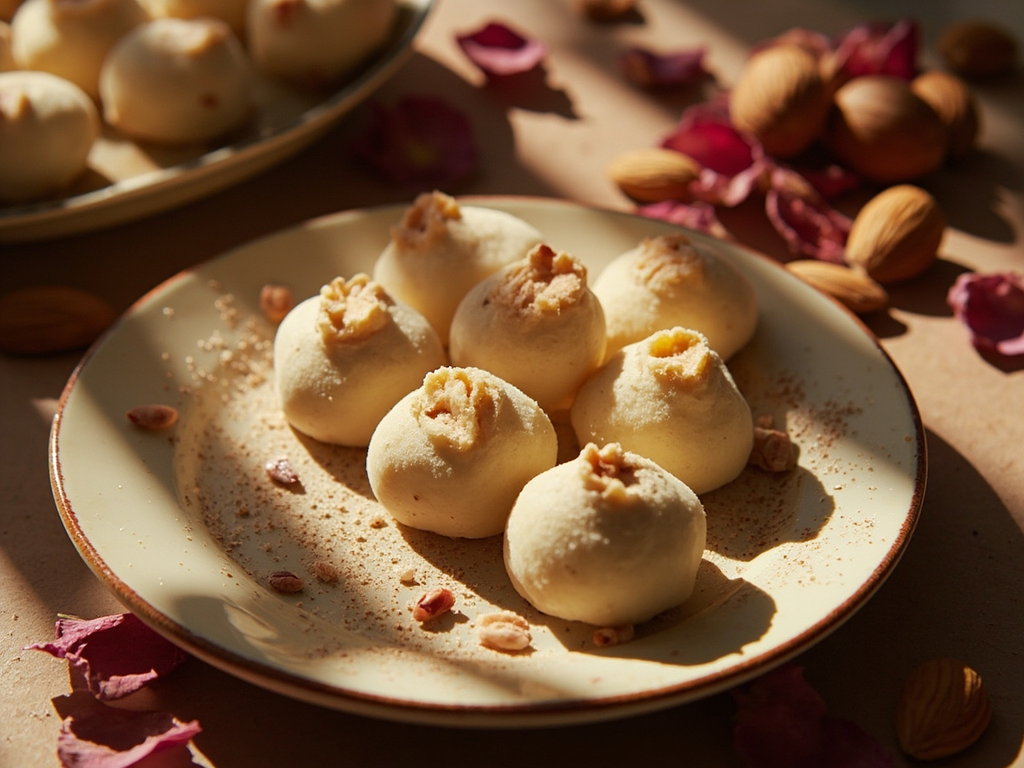 Festive
Mazapán de almendra — Almond and Honey Marzipan
Feast Sweet (dulce de convento)
🍯· 30 min (+ drying)
View the recipe
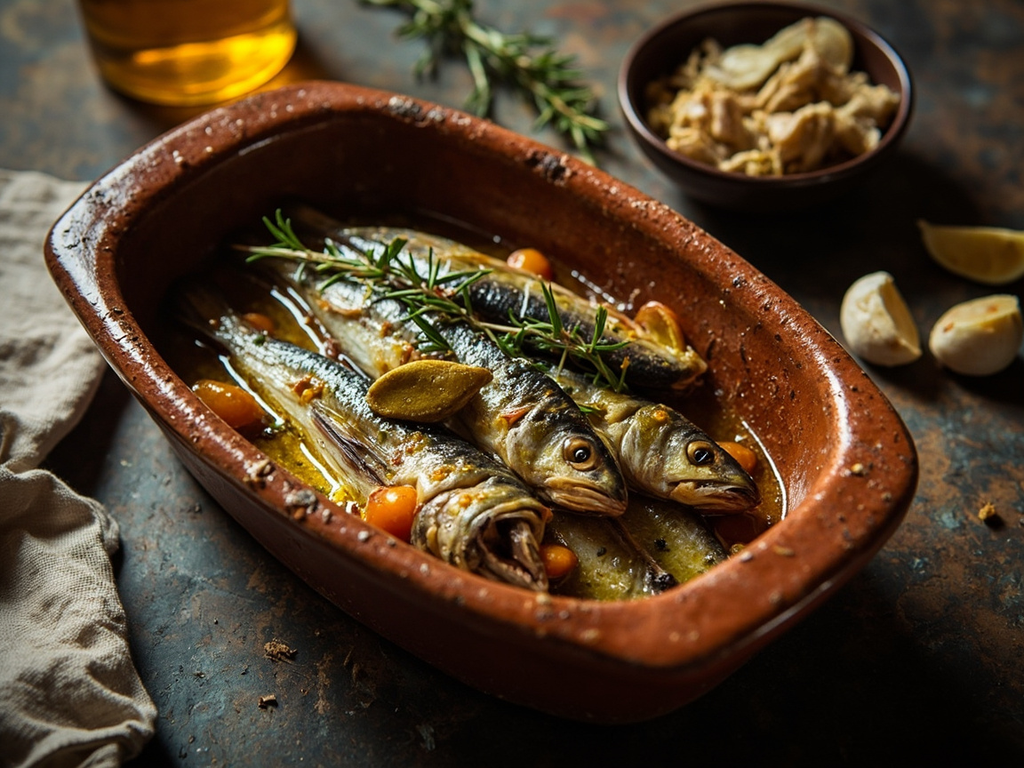 Preserving
Sardinas en escabeche — Sardines in Escabeche
Preserved Seafood (de la costa cantábrica)
🍋 🧂 🍄· 40 min (+ 24 h resting)
View the recipe
 Remedy
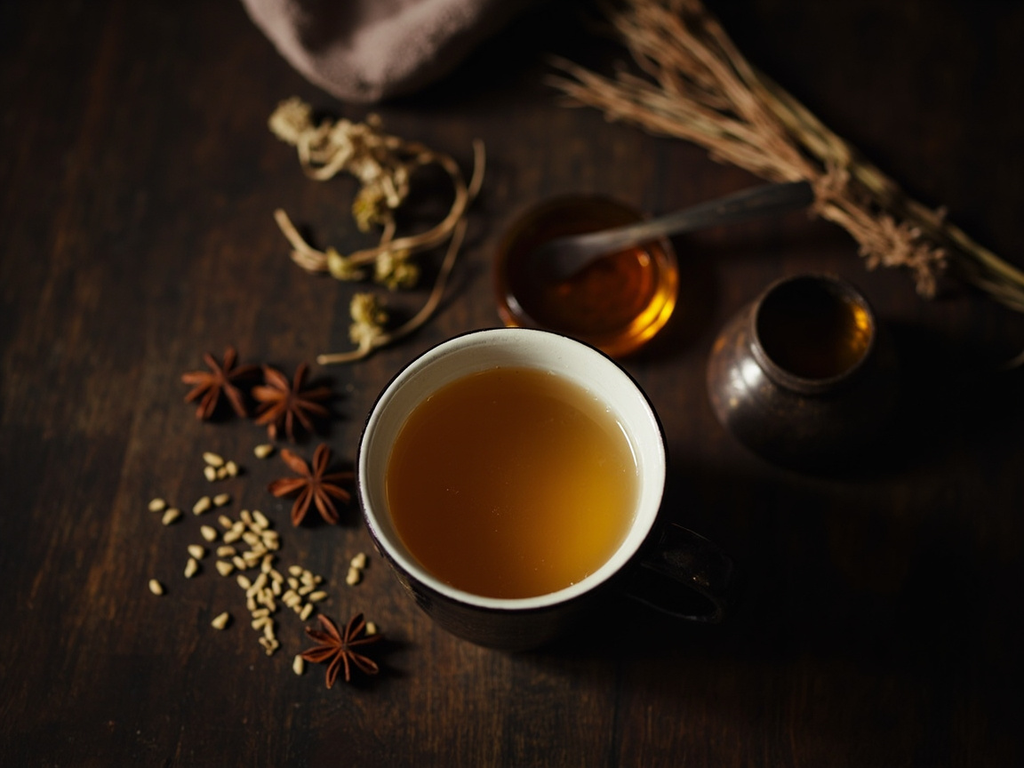
Agua de anís y ajenjo — Digestive Anise and Wormwood Infusion with Honey
Table Remedy (bebida medicinal)
☕ 🍯· 10 min
View the recipe