 flip
flipAnnedda Herbal Tea, the Remedy That Saved the Crew
Annedda Herbal Tea, the Remedy That Saved the Crew
Why this dish? During the winter of 1535-1536 at Stadacona, scurvy decimated Cartier's crew: 25 men died. The Iroquois revealed the remedy to him: a decoction of bark and leaves from the 'annedda' tree (likely the western white cedar, or white cedar), rich in vitamin C, which cured the sailors in a few days.
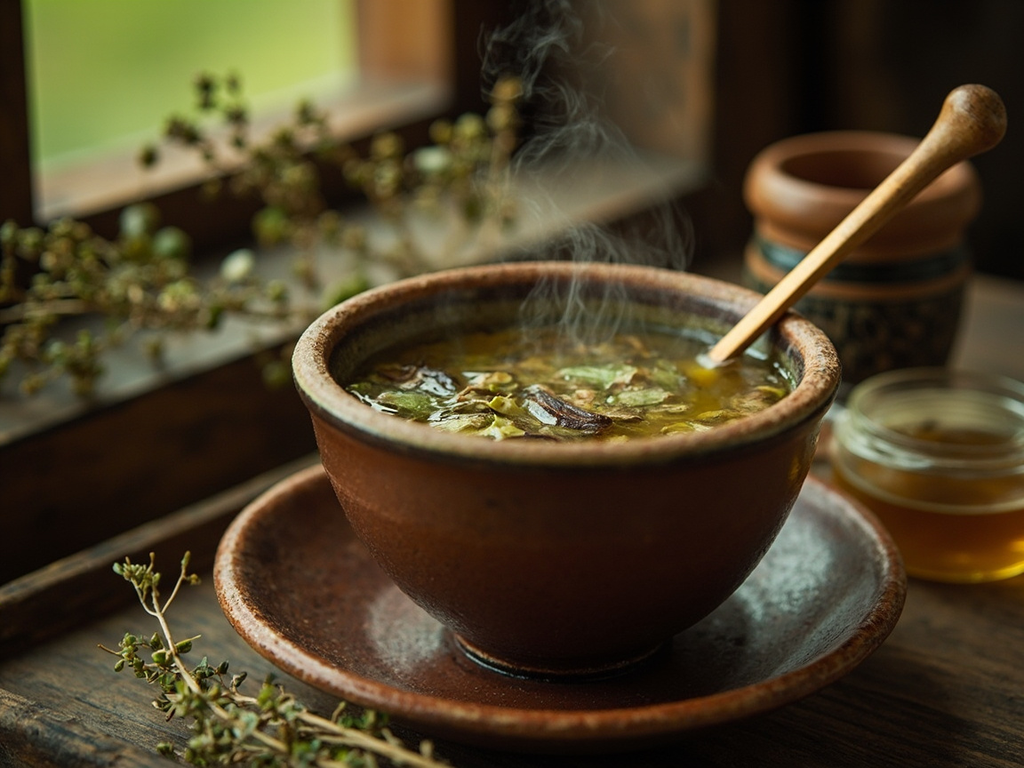
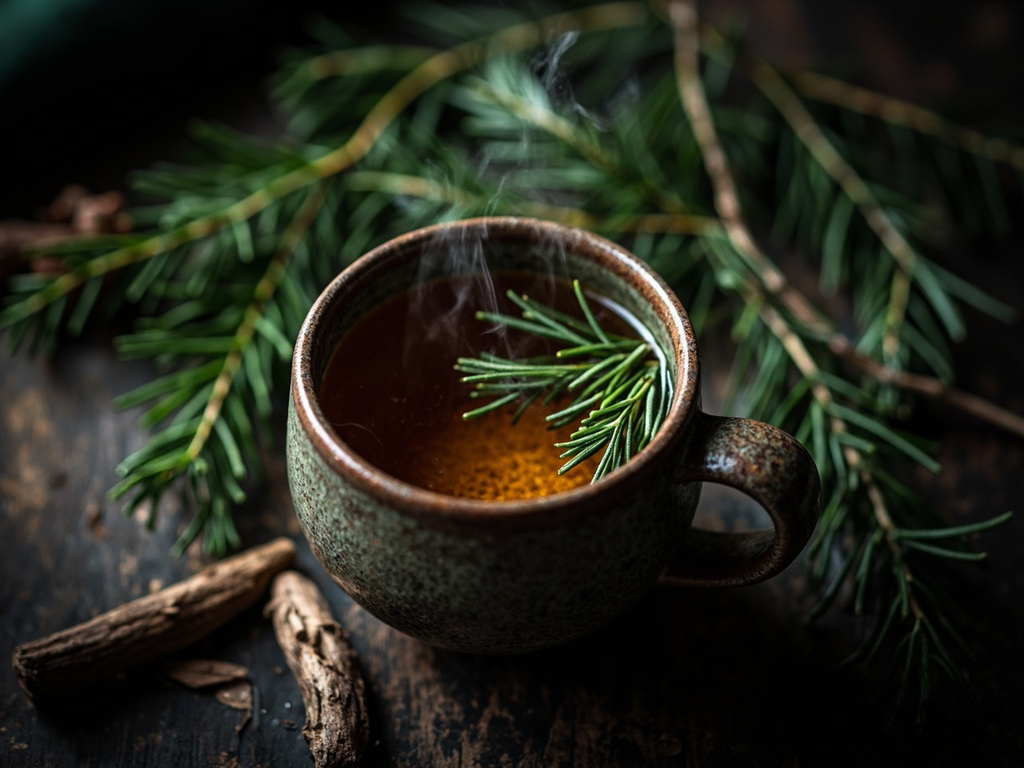
A hot, bitter decoction of white cedar (western white cedar) needles and bark, drunk as a cure. More medicine than pleasure, it is one of the first documented exchanges of knowledge between the French and the First Nations.
I tell you plainly: that winter, the disease gnawed at us, our gums rotten and our legs swollen, and my men died one after another. Then Domagaya, who himself had been cured of it, showed us the tree they call annedda: take the bark and leaves, boil them, and drink it, and put the pulp on the swellings. In six days, what all the doctors of Louvain could not have done, this tree did. Praise be to God and to those who showed it to us.
- •Bark and leaves of annedda (white cedar / western white cedar) — a good amount (active principle (vitamin C))
- •Water — a cauldron (decoction)
Annedda Herbal Tea, the Remedy That Saved the Crew
A hot, bitter decoction of white cedar (western white cedar) needles and bark, drunk as a cure. More medicine than pleasure, it is one of the first documented exchanges of knowledge between the French and the First Nations.
Why this dish? During the winter of 1535-1536 at Stadacona, scurvy decimated Cartier's crew: 25 men died. The Iroquois revealed the remedy to him: a decoction of bark and leaves from the 'annedda' tree (likely the western white cedar, or white cedar), rich in vitamin C, which cured the sailors in a few days.
I tell you plainly: that winter, the disease gnawed at us, our gums rotten and our legs swollen, and my men died one after another. Then Domagaya, who himself had been cured of it, showed us the tree they call annedda: take the bark and leaves, boil them, and drink it, and put the pulp on the swellings. In six days, what all the doctors of Louvain could not have done, this tree did. Praise be to God and to those who showed it to us.
Ingredients (period version)
- Bark and leaves of annedda (white cedar / western white cedar) — a good amount (active principle (vitamin C))
- Water — a cauldron (decoction)
Ingredients
- Edible pine, spruce, or fir needles (safe substitute) — 1 large handful (vitamin C-rich decoction)
- Water — 1 L (base)
- Honey — 1 tbsp (optional) (to sweeten bitterness)
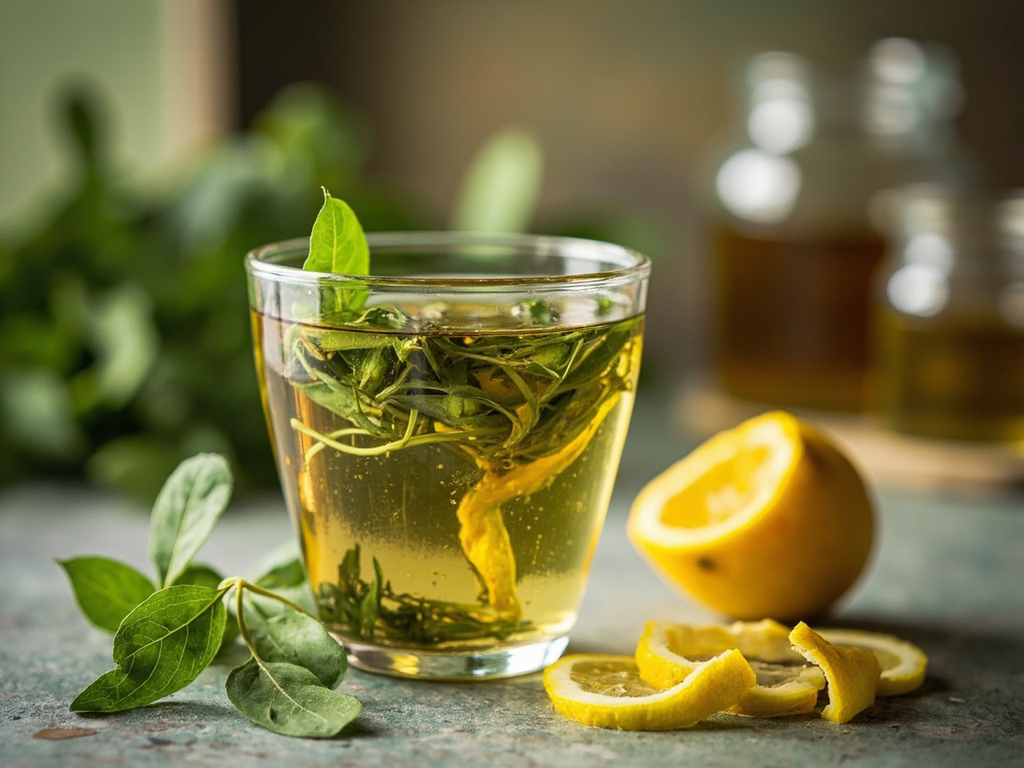
- Lemon or bitter orange slice — 1 (optional) (additional acidity)
Method
- Important: do NOT use real white cedar in infusion (toxic, contains thujone). To recreate the taste and vitamin effect safely, use well-identified edible conifer needles (Scots pine, spruce, balsam fir).
- Rinse the needles, then bring water to a simmer and remove from heat.
- Add the needles, cover, and steep for 10 to 15 minutes (do not boil for long to preserve vitamin C).
- Strain, optionally add honey and lemon.
- Drink hot, in small cups, like a healing herbal tea.
How it was made : Cartier reports in his account that the tree was stripped 'as thick as an oak in France in five or six days' so much did the men drink. The exact botanical identity of annedda remains debated (western white cedar, eastern hemlock, or white pine), but all these conifers are rich in ascorbic acid, which explains the rapid cure for scurvy.
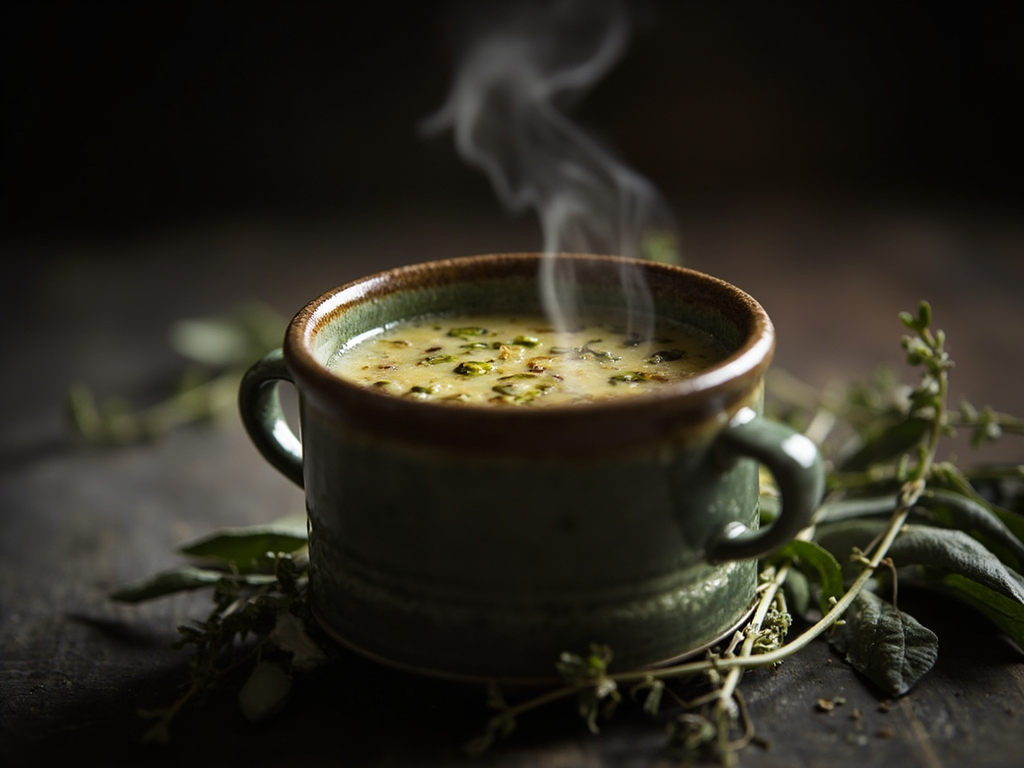
The contemporary twist : Served in a small steaming cup with a cinnamon stick for decoration, in the style of a 'forest infusion' from a Scandinavian tea bar.
Sources : Jacques Cartier, “Brief récit et succincte narration de la navigation…”, 1545 (annedda episode)
Jacques Cartier · Charactorium