 flip
flipToulouse Cassoulet with Beans and Confit
Toulouse Cassoulet with Beans and Confit
Why this dish? Jaurès was a philosophy professor at the University of Toulouse and a writer for La Dépêche du Midi: cassoulet, the glory of the Lauragais region between Castelnaudary and Toulouse, is the festive dish of his homeland. It's the generous table of great Occitan occasions that he loved.
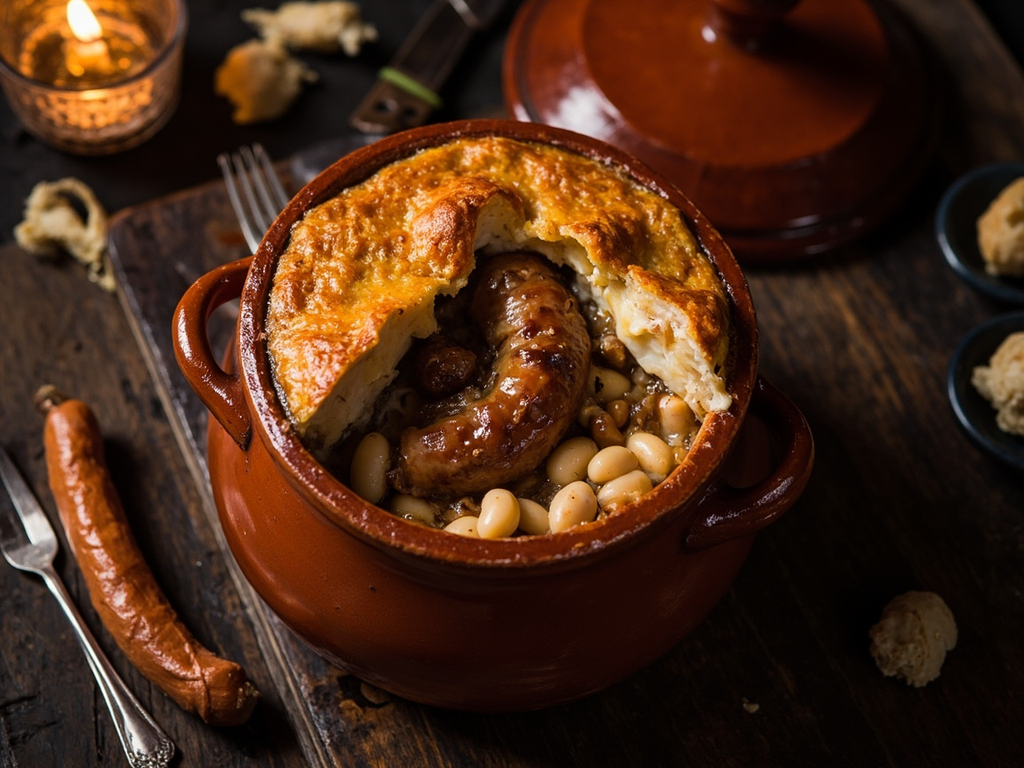
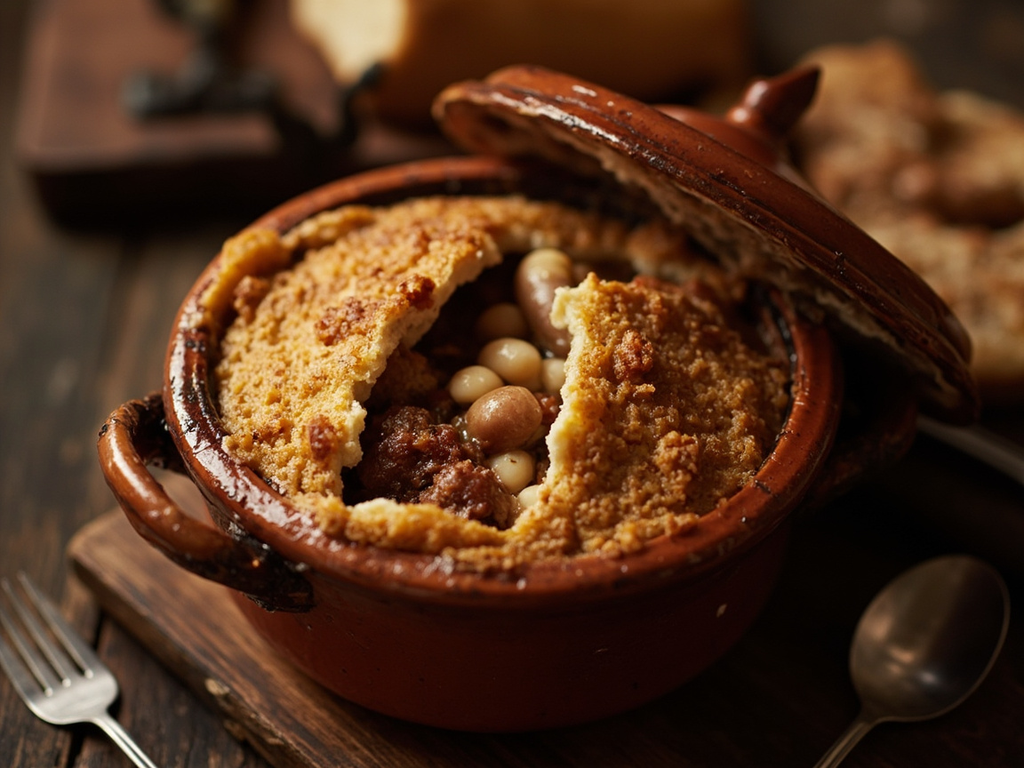
A sumptuous stew of white beans, Toulouse sausage, and duck confit, slowly cooked under a golden crust that is broken several times. The monumental dish of the Southwest, bringing the whole table together.
In Toulouse, when I was teaching students and filling my columns for La Dépêche, we never parted company over a cassoulet without having remade the Republic three times! You need the confit, the local sausage, and those beans that melt under the tooth; and above all, my friends, you must break the crust seven times during cooking, that's the rule, I was taught it and I pass it on to you. Such a dish is not eaten quickly: it is discussed, it is shared, it reconciles.
- •White beans (lingots) — a large bowl, soaked the night before (base)
- •Duck or goose confit — several legs (noble meat)
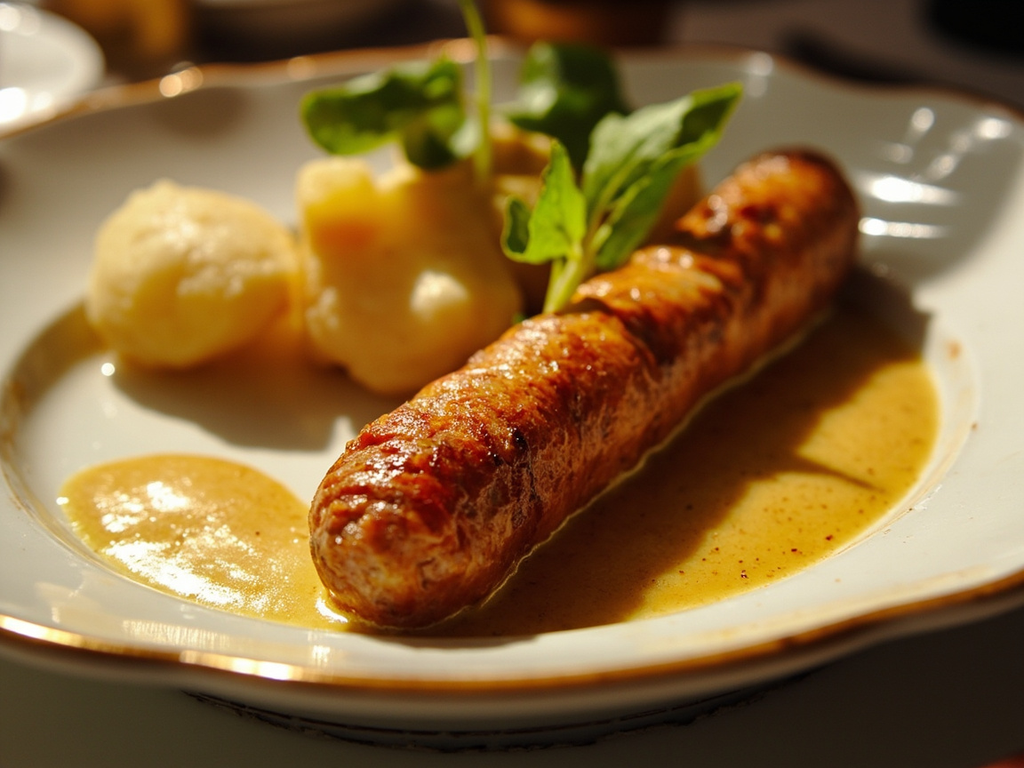
- •Toulouse sausage — a good ring (local charcuterie)
- •Pork rinds, shank, and bacon — according to household (fat and binder)
- •Garlic, onion, herb bouquet — as much as you like (aromatics)
Toulouse Cassoulet with Beans and Confit
A sumptuous stew of white beans, Toulouse sausage, and duck confit, slowly cooked under a golden crust that is broken several times. The monumental dish of the Southwest, bringing the whole table together.
Why this dish? Jaurès was a philosophy professor at the University of Toulouse and a writer for La Dépêche du Midi: cassoulet, the glory of the Lauragais region between Castelnaudary and Toulouse, is the festive dish of his homeland. It's the generous table of great Occitan occasions that he loved.
In Toulouse, when I was teaching students and filling my columns for La Dépêche, we never parted company over a cassoulet without having remade the Republic three times! You need the confit, the local sausage, and those beans that melt under the tooth; and above all, my friends, you must break the crust seven times during cooking, that's the rule, I was taught it and I pass it on to you. Such a dish is not eaten quickly: it is discussed, it is shared, it reconciles.
Ingredients (period version)
- White beans (lingots) — a large bowl, soaked the night before (base)
- Duck or goose confit — several legs (noble meat)
- Toulouse sausage — a good ring (local charcuterie)
- Pork rinds, shank, and bacon — according to household (fat and binder)
- Garlic, onion, herb bouquet — as much as you like (aromatics)
Ingredients
- Dried lingot or tarbais beans — 500 g, soaked 12 h (base)
- Duck confit legs — 4 (meat)
- Toulouse sausage — 400 g (charcuterie)
- Pork rinds — 150 g (gelatinous binder)
- Pork shank or belly — 300 g (meat)
- Onion, 4 garlic cloves, bouquet garni — 1 onion (aromatics)
- Breadcrumbs — 2 tbsp (crust)
Method
- Simmer the beans with the rinds, studded onion, and bouquet garni until tender, about 1 h 30 min.
- Brown the sausage and shank in a little duck fat.
- In an earthenware cassole, layer beans, meats, sausage, and confit legs, then moisten with the cooking broth.
- Sprinkle with breadcrumbs and bake at 150 °C for 2 to 3 hours, breaking the golden crust several times so it reforms.
How it was made : Born in the Lauragais, cassoulet takes its name from the glazed earthenware "cassole" from Issel in which it cooks. Each town — Castelnaudary, Carcassonne, Toulouse — defends its version. In Jaurès's time, it was a dish for large family gatherings and festivities, slowly cooked in the baker's oven.
The contemporary twist : Serve directly in small individual cassoles with a golden crust, "counter cassoulet" brasserie style.
Jean Jaurès · Charactorium