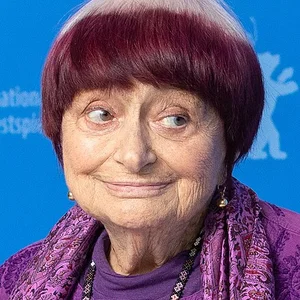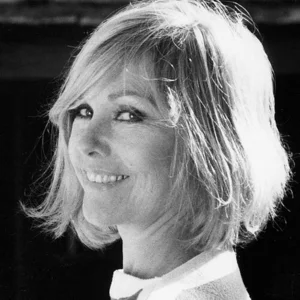

Kim Novak is an American actress born in 1933, a major figure of 1950s Hollywood cinema. She is world-famous for her dual role in Alfred Hitchcock's 'Vertigo' in 1958.
Kim Novak(1933 — ?)
Kim Novak
États-Unis
5 min read
Frequently asked questions
Key Facts
- Born in Chicago in 1933.
- Becomes a star under contract with Columbia Pictures in the mid-1950s.
- Shares the screen with Frank Sinatra in 'The Man with the Golden Arm' (1955) and the musical 'Pal Joey' (1957).
- Plays the central role in Alfred Hitchcock's 'Vertigo' in 1958, a film that became a classic.
- Gradually withdraws from cinema beginning in the 1960s and 1970s.
Works & Achievements
One of her first major roles, which revealed her talent and made her a rising star at Columbia.
Alongside Frank Sinatra, a bold film about drug addiction that defied the censorship of the time.
A musical comedy with Sinatra and Rita Hayworth, confirming her status as a major star.
Alfred Hitchcock's masterpiece in which she plays a double role; today regarded as one of the greatest films in the history of cinema.
A romantic fantasy comedy in which she reunites with her Vertigo co-star, James Stewart.
One of her last films, marking a brief comeback before her final retirement from cinema.
Anecdotes
Born Marilyn Pauline Novak in Chicago in 1933, she was renamed 'Kim Novak' by Columbia Pictures, which wanted a glamorous rival to Marilyn Monroe. The studio's all-powerful boss, Harry Cohn, controlled her hairstyle, her clothes, and even her private life.
For Hitchcock's 'Vertigo' (Sueurs froides) in 1958, Kim Novak plays a dizzying double role: the mysterious Madeleine and the plain Judy. Madeleine's famous grey suit made her uncomfortable, but Hitchcock insisted she wear it, convinced it would heighten the character's enigmatic quality.
At the height of her fame, Kim Novak began a relationship with the African American singer Sammy Davis Jr. In the segregated America of the 1950s, this couple caused a scandal, and Harry Cohn is said to have used pressure to end it, showing just how tightly the studios controlled the lives of their stars.
Tired of the Hollywood system, Kim Novak gradually left the cinema to devote herself to painting and to raising horses and llamas in Oregon. She said she preferred nature and animals to the glare of the spotlight.
In 1996, she was diagnosed with breast cancer, from which she recovered, and later became a spokesperson for awareness of the disease, publicly sharing her struggle to encourage screening.
Primary Sources
Hitchcock wanted me to be a kind of ideal woman, a man's fantasy. I had to represent two people in one.
I didn't want to be a commodity. The studio wanted to manufacture an image, but I was trying to stay myself.
I found peace far from Hollywood, with my animals and my painting. Nature gave me back what fame had taken from me.
Key Places
Kim Novak's birthplace, where she grew up in a modest family of Czech origin before leaving to seek her fortune.
The world capital of cinema, where Kim Novak became a Columbia Pictures star in the 1950s.
The main setting for the filming of 'Vertigo', whose locations (the Golden Gate, Mission Dolores) became legendary.
The studio run by Harry Cohn that shaped Kim Novak's image and produced most of her films.
The American northwestern state where Kim Novak retired to live close to nature, paint, and raise animals.
Typical Objects

The famous grey suit worn in *Vertigo*, which became a fashion icon and a symbol of the mysterious character. Hitchcock insisted on it for its cold, enigmatic elegance.

Madeleine's blonde spiral hairstyle, echoing the spiral motif of vertigo. It became a visual emblem of Hitchcock's film.

The cameras of the major studios that filmed Hollywood's 1950s blockbusters in vivid colour.

A document binding an actor to a studio for several years, controlling their roles, their image and sometimes their private life. A cornerstone of the “star system”.

Painting equipment that Kim Novak used after her acting career, having become a recognised painter.

The large painted posters that announced films and turned actors into worldwide stars. Those for *Vertigo* remain iconic.
School Curriculum
Vocabulary & Tags
Key Vocabulary
Tags
Daily Life
Morning
At the height of her career, her mornings began very early with long makeup and hairstyling sessions in the studios. A star under contract had to be ready in front of the camera at dawn, her image flawless.
Afternoon
Afternoons were devoted to filming scenes, rehearsed under the direction of demanding filmmakers like Hitchcock. Between takes, she went over her lines and waited in her dressing room.
Evening
Evenings might be taken up by premieres, galas and photo shoots meant to sustain her fame. The studio orchestrated her social life to feed her glamorous legend.
Food
Like many stars watched over by the studios, she had to follow a strict diet to keep her on-screen figure. The studios' dietitians sometimes controlled what their stars ate.
Clothing
On screen and in public, she wore haute couture outfits chosen by the studios' costume designers: evening gowns, elegant suits and jewelry. Once retired, she preferred the simple, comfortable clothes of rural life.
Housing
As a star, she lived in luxurious homes in the Los Angeles area. Later, she chose a secluded life on a ranch in Oregon, surrounded by nature and animals.
Historical Timeline
Period Vocabulary
Liens externes & ressources
Références
Œuvres
Picnic (Pique-nique)
1955
La Blonde ou la rousse (Pal Joey)
1957
L'Adorable Voisine (Bell, Book and Candle)
1958