Cinema
Directors, actors, screenwriters and pioneers of the seventh art — from Lumière to Tarantino, those who shaped world cinema history.
145 characters



145 characters

Auguste Lumière
1862 — 1954
Auguste Lumière (1862–1954) was a French inventor and industrialist who, together with his brother Louis, developed the Cinématographe in 1895, giving birth to cinema. He also contributed to colour photography with the invention of the Autochrome.

Louis Lumière
1864 — 1948
French inventor and industrialist, Louis Lumière developed the Cinématographe with his brother Auguste in 1895. On December 28, 1895, they organized the first paid public film screening in Paris, a founding moment in the history of cinema worldwide. He also invented the Autochrome process, the first commercially available color photography technique.
Aaliyah
1979 — 2001
American singer and actress (1979–2001), nicknamed the "Princess of R&B." A revelation at 15 with her debut album, she profoundly influenced pop and R&B music of the 1990s–2000s before dying tragically in a plane crash.
Abel Gance
1889 — 1981
A pioneering French director of the silent film era, Abel Gance is celebrated for his epic film *Napoléon* (1927), which revolutionized cinema through his invention of Polyvision (triple screen). He helped elevate cinema to the status of a true art form.
Agnez Mo
1986 — ?
Agnez Mo is an Indonesian-American singer-songwriter and actress born in 1986 in Jakarta. A pop star in Indonesia from childhood, she broke onto the international scene in the 2010s.
Aishwarya Rai
1973 — ?
Aishwarya Rai is an Indian actress and model born in 1973. Crowned Miss World in 1994, she became one of Bollywood's most internationally recognized stars and a global ambassador for L'Oréal Paris.
Al Pacino
1940 — ?
Al Pacino is an American actor born in 1940, a major figure of the New Hollywood movement. Brought to fame by his role as Michael Corleone in 'The Godfather' (1972), he established himself as one of the greatest performers in American cinema, trained at the Actors Studio.
Alan Parker
1944 — 2020
British director born in 1944, Alan Parker is the filmmaker behind landmark works such as Midnight Express, Fame, and Pink Floyd – The Wall. A major figure in British cinema, he also worked in advertising before establishing himself in Hollywood.
Albert Dubout
1905 — 1976
Albert Dubout (1905-1976) was a French cartoonist, illustrator, and poster artist, famous for his teeming crowds, his cats, and his scenes of southern France. He left his mark on book illustration and film posters in the 20th century.
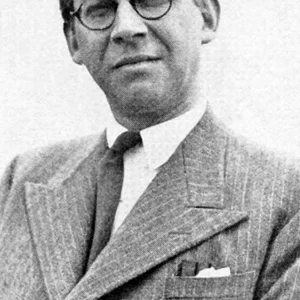
Alexander Korda
1893 — 1956
Hungarian-born film director and producer who became a naturalised British citizen. Founder of the company London Films, he was a major figure in British cinema between the two world wars and the first film professional to be knighted.
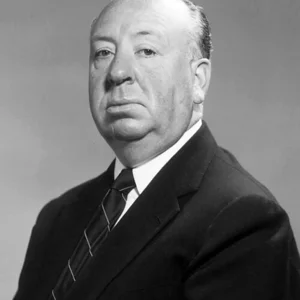
Alfred Hitchcock
1899 — 1980
A British filmmaker and naturalized American citizen, Alfred Hitchcock was nicknamed the “master of suspense.” A pioneer of a cinema built on psychological tension and dread, he profoundly reinvented the conventions of the thriller with works such as *Psycho*, *The Birds*, and *Vertigo*.
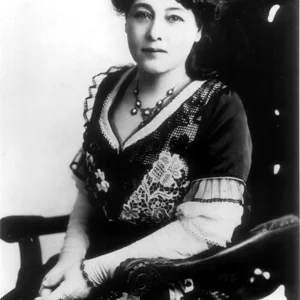
Alice Guy
1873 — 1968
The first female filmmaker in history, Alice Guy directed her first narrative film at Gaumont around 1896. She went on to found the Solax Company in the United States, one of the largest production companies of the era, before falling into obscurity despite a remarkable body of work.

Amina
1962 — ?
Amina Annabi is a French-Tunisian singer and actress born in 1962. A figure of world music blending Arab-Andalusian influences with Western pop, she represented France at the Eurovision Song Contest in 1991 while also pursuing a parallel career in film.
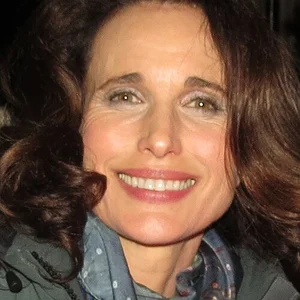
Andie MacDowell
1958 — ?
Andie MacDowell is an American actress and model born in 1958. First making her name as a model for major cosmetics brands, she became a film star in the 1990s with a string of hit romantic comedies.

Andrei Tarkovsky
1932 — 1986
A major Soviet filmmaker of the 20th century, creator of a contemplative and spiritual body of work. His films such as Andrei Rublev, Solaris and Stalker left a profound mark on the history of auteur cinema.
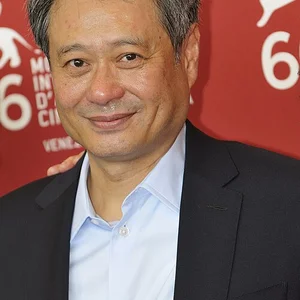
Ang Lee
1954 — ?
Ang Lee is a Taiwanese director born in 1954, celebrated for his ability to cross genres and cultures. His films explore identity, family, and desire with a remarkable visual sensibility.
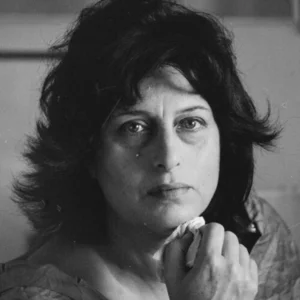
Anna Magnani
1908 — 1973
Italian actress (1908-1973), an iconic figure of Italian neorealism. Known for her intense and passionate performances, she won the Academy Award for Best Actress in 1956 for The Rose Tattoo.
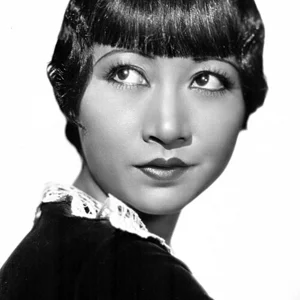
Anna May Wong
1904 — 1961
The first Chinese-American star of Hollywood, Anna May Wong (1905-1961) made her mark in both silent and sound cinema despite the industry's systemic racism. Throughout her career, she fought against stereotypes and anti-miscegenation laws that denied her leading roles.
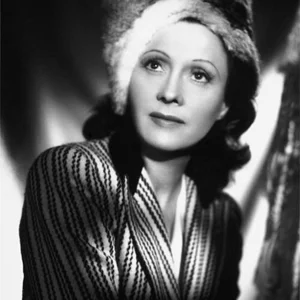
Arletty
1898 — 1992
French actress and singer (1898–1992), an icon of French cinema in the 1930s and 1940s. Discovered by Marcel Carné, she is best remembered for her roles in *Children of Paradise* and *Hôtel du Nord*.
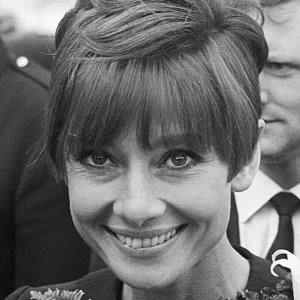
Audrey Hepburn
1929 — 1993
Audrey Hepburn (1929–1993) was a British actress and model of Belgian origin, an icon of Hollywood cinema in the 1950s and 1960s. She won the Academy Award for Roman Holiday (1953) and became synonymous with elegance and grace on screen. In her later years, she devoted herself to humanitarian work as a UNICEF Goodwill Ambassador.
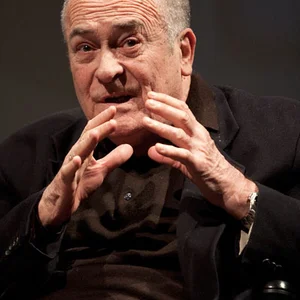
Bernardo Bertolucci
1941 — 2018
Bernardo Bertolucci (1941-2018) was an Italian director and screenwriter, a major figure of European art-house cinema. He left his mark on the history of the seventh art with ambitious historical frescoes and a sumptuous visual style.
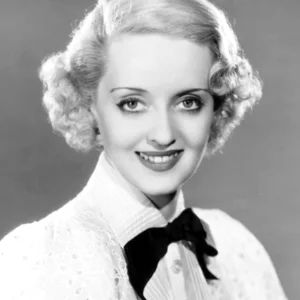
Bette Davis
1908 — 1989
American actress (1908–1989), a towering figure of Hollywood cinema from the 1930s through the 1960s. Known for her roles as strong, complex women, she won two Academy Awards and established herself as one of the greatest stars of the studio system.
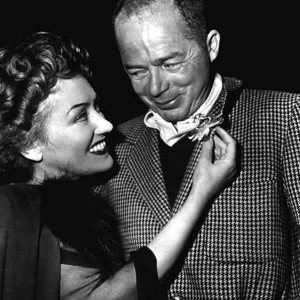
Billy Wilder
1906 — 2002
An American director, screenwriter, and producer of Austro-Hungarian origin, Billy Wilder is one of the major figures of classic Hollywood cinema. A master of both comedy and film noir, he directed masterpieces such as *Sunset Boulevard*, *Some Like It Hot*, and *The Apartment*.
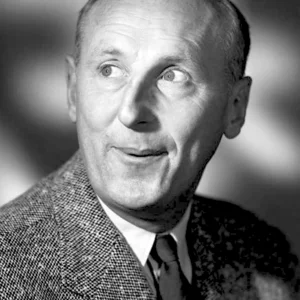
Bourvil
1917 — 1970
Bourvil (1917-1970) was a French comic actor and singer, famous for his roles in *La Grande Vadrouille* and *Le Corniaud*. Portraying naive and endearing characters, he is one of the most beloved actors in twentieth-century French cinema.
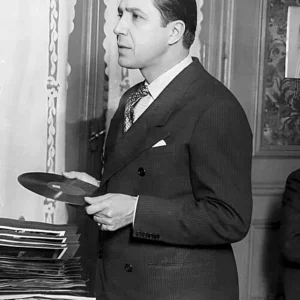
Carlos Gardel
1890 — 1935
Carlos Gardel was a singer, composer and actor, an iconic figure of Argentine tango. Regarded as the creator of sung tango (“tango canción”), he brought the genre to international fame in the 1920s and 1930s.
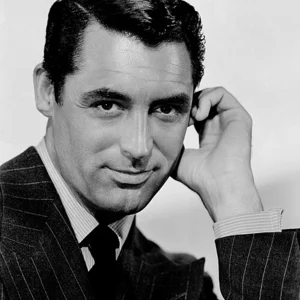
Cary Grant
1904 — 1986
Cary Grant was an Anglo-American actor and an iconic figure of Hollywood's golden age. The embodiment of elegance and charm, he excelled in sophisticated comedy as well as in thrillers, notably working alongside Alfred Hitchcock.
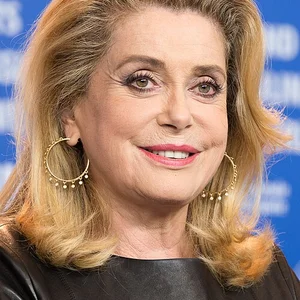
Catherine Deneuve
1943 — ?
French actress born in 1943, Catherine Deneuve is one of the greatest stars in world cinema. She played iconic roles in films by Truffaut, Buñuel, and Demy, becoming a symbol of French elegance.
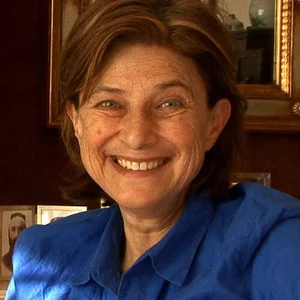
Chantal Akerman
1950 — 2015
Belgian director and screenwriter (1950–2015), a major figure in feminist and experimental auteur cinema. Her magnum opus *Jeanne Dielman, 23, quai du Commerce, 1080 Bruxelles* (1975) was voted the greatest film of all time by Sight & Sound magazine in 2022.
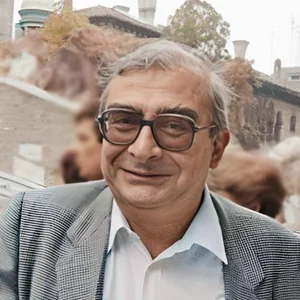
Claude Chabrol
1930 — 2010
Claude Chabrol (1930-2010) was a French director, screenwriter and producer, a major figure of the French New Wave. A critic at Cahiers du cinéma before moving into directing, he built a prolific body of work dissecting the hypocrisies and impulses of the provincial bourgeoisie.

Claude Sautet
1924 — 2000
Claude Sautet (1924-2000) was a French director and screenwriter, a major figure of the auteur cinema of the 1970s-1990s. He is famous for his intimate portraits of the bourgeoisie and his chronicles of human feelings, as in *The Things of Life* and *A Heart in Winter*.
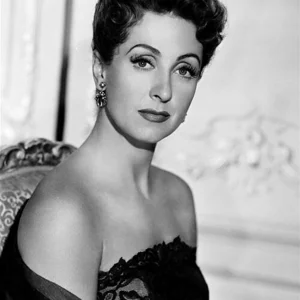
Danielle Darrieux
1917 — 2017
French actress born in 1917 and died in 2017, Danielle Darrieux is one of the greatest stars of French cinema. Her exceptional eight-decade career saw her work under the direction of the finest filmmakers.
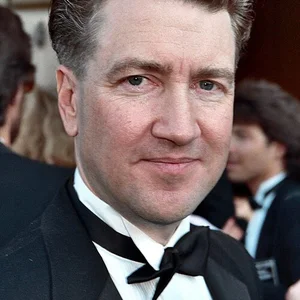
David Lynch
1946 — 2025
David Lynch (1946-2025) was an American filmmaker, photographer, painter, and musician. A major figure in independent cinema, he is famous for his dreamlike, surreal universe blending strangeness and unease.
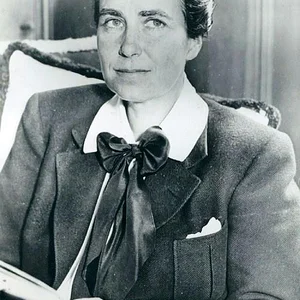
Dorothy Arzner
1897 — 1979
The only active female director working within the major Hollywood studios of the 1920s–1940s, Dorothy Arzner made around twenty films. A pioneer of women's cinema, she was the first woman admitted to the Directors Guild of America.
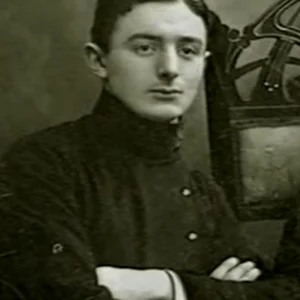
Dziga Vertov
1896 — 1954
Soviet avant-garde filmmaker (1896–1954), pioneer of documentary cinema and theorist of the "Cine-Eye." He revolutionized cinematic language with his Cine-Pravda newsreels and his masterpiece Man with a Movie Camera (1929).
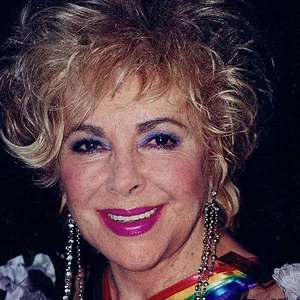
Elizabeth Taylor
1932 — 2011
Elizabeth Taylor (1932–2011) was a British-American actress widely regarded as one of Hollywood's greatest stars. A child prodigy who rose to fame early, she excelled in major roles of classic cinema and became a global symbol of glamour and the Hollywood star system. She was also a pioneering activist in the fight against AIDS from the 1980s onward.
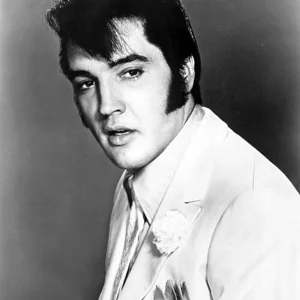
Elvis Presley
1935 — 1977
American singer and actor born in 1935, Elvis Presley is considered the “King of Rock and Roll.” He revolutionized popular music by blending country, gospel, and rhythm and blues, becoming a global icon of pop culture.
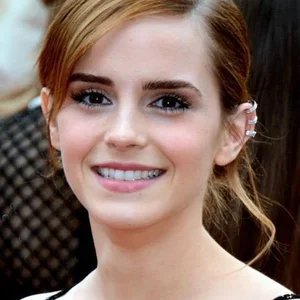
Emma Watson
1990 — ?
British actress born in 1990, who rose to fame as Hermione Granger in the Harry Potter series. She became an international feminist activist, notably as a UN Goodwill Ambassador and promoter of the HeForShe campaign.
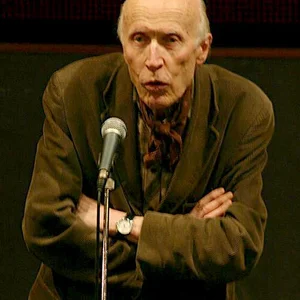
Éric Rohmer
1920 — 2010
Éric Rohmer, whose real name was Maurice Schérer, was a French filmmaker, critic, and screenwriter, and a major figure of the French New Wave. He is famous for his cycles of films with finely crafted dialogue exploring the emotional and moral hesitations of his characters.
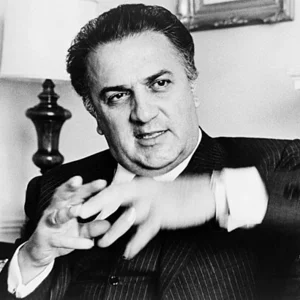
Federico Fellini
1920 — 1993
Federico Fellini (1920-1993) was an Italian filmmaker and screenwriter, a major figure in world cinema. A master of a dreamlike, baroque style, he left his mark on the history of the seventh art with films such as La Dolce Vita and La Strada.
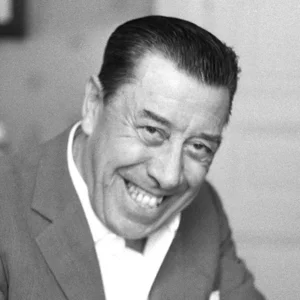
Fernandel
1903 — 1971
Actor, comedian, and singer born in Marseille in 1903, Fernandel is one of the greatest stars of French comic cinema. Famous for his radiant smile and beloved roles, he brought to life the character of Don Camillo in a series of films that have since become cult classics.
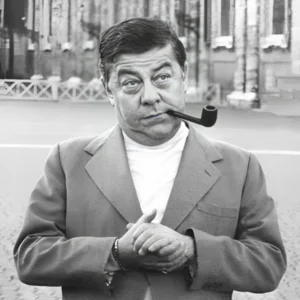
Francis Blanche
1921 — 1974
Francis Blanche (1921-1974) was a French comedian, actor, cabaret singer and writer. A partner of Pierre Dac, he was one of the masters of post-war comedy, a virtuoso of wordplay, radio hoaxes and nonsense.
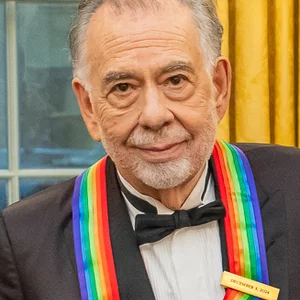
Francis Ford Coppola
1939 — ?
Francis Ford Coppola is an American director, screenwriter, and producer born in 1939, a major figure of New Hollywood. He is world-renowned for the Godfather trilogy and for Apocalypse Now, both of which have become cinema classics.
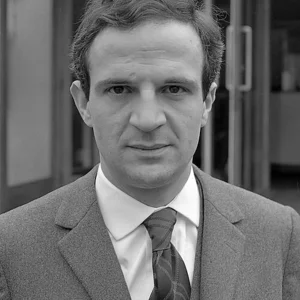
François Truffaut
1932 — 1984
François Truffaut (1932–1984) was one of the pioneers of the French New Wave. A critic at *Cahiers du Cinéma*, he became an iconic filmmaker with movies such as *The 400 Blows* and *Jules and Jim*.
Friedrich Wilhelm Murnau
1888 — 1931
German film director (1888–1931), a central figure of Expressionist cinema. He made Nosferatu (1922) and The Last Laugh (1924), two foundational works in the art of filmmaking.

Fritz Lang
1890 — 1976
Fritz Lang (1890-1976) was an Austrian-born American filmmaker, pioneer of German Expressionist cinema and later of Hollywood film noir. His major works such as Metropolis and M left a profound mark on the history of cinema.
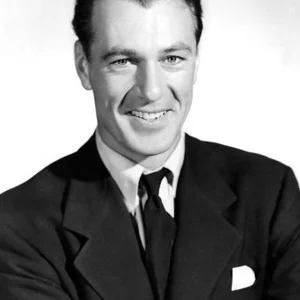
Gary Cooper
1901 — 1961
Gary Cooper (1901-1961) was one of the leading actors of classical Hollywood cinema. The embodiment of the upright, taciturn American hero, he left his mark on the western and the melodrama before winning two Academy Awards for Best Actor.
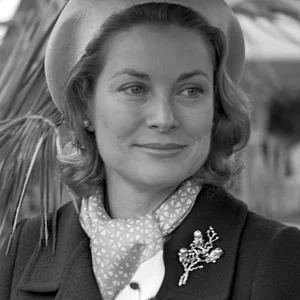
Grace Kelly
1929 — 1982
An Oscar-winning American actress of the 1950s, Grace Kelly left Hollywood at the height of her fame to marry Prince Rainier III of Monaco in 1956. As princess consort, she embodied elegance and cultural prestige until her accidental death in 1982.
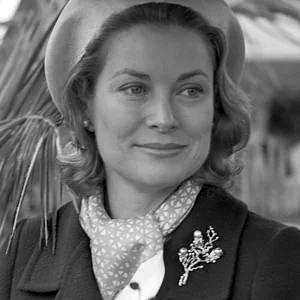
Grace of Monaco
American Hollywood actress who became Princess of Monaco by marrying Rainier III in 1956. An Oscar-winning star, she gave up her film career for her royal role and devoted herself to cultural and charitable patronage until her death in 1982.
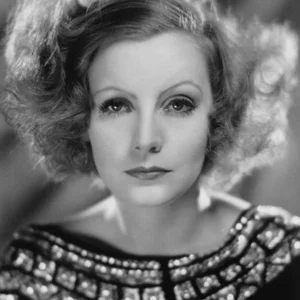
Greta Garbo
1905 — 1990
Swedish actress who became one of Hollywood's greatest stars of the 1920s–1930s. Famous for her air of mystery and restrained acting style, she voluntarily stepped away from the screen in 1941 at the age of 36.
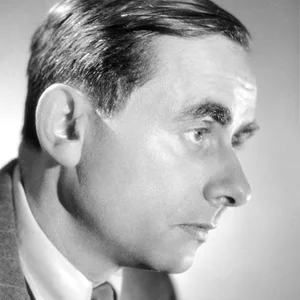
Henri-Georges Clouzot
1907 — 1977
French filmmaker (1907–1977), nicknamed the “French Hitchcock”, Clouzot is the creator of landmark psychological thrillers in French cinema. His films are distinguished by relentless narrative tension and a dark vision of humanity.
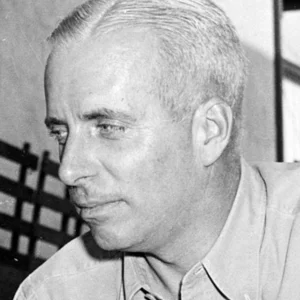
Howard Hawks
1896 — 1977
Howard Hawks was an American director, producer, and screenwriter, a major figure of Hollywood's Golden Age. A jack-of-all-trades across genres (western, film noir, comedy, war film), he is regarded as one of the great auteurs of classic cinema.
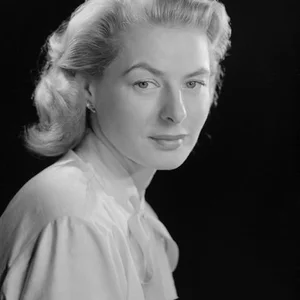
Ingrid Bergman
1915 — 1982
Swedish actress (1915–1982), a towering figure of classic Hollywood cinema. Made famous by Casablanca (1942), she won three Academy Awards and established herself as one of the greatest actresses of the twentieth century.
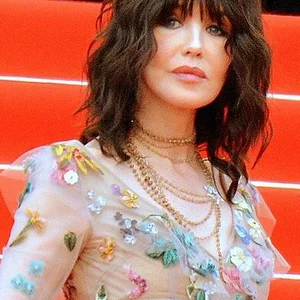
Isabelle Adjani
1955 — ?
French actress born in 1955, daughter of an Algerian father and a German mother. Launched to stardom by François Truffaut in *The Story of Adele H.* (1975), she portrays passionate and tormented women in *Possession*, *Camille Claudel*, and *Queen Margot*. Holder of a record five César Awards for Best Actress.
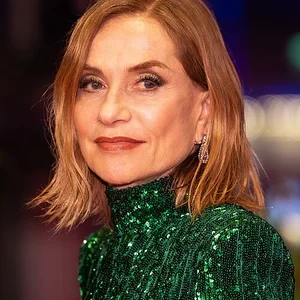
Isabelle Huppert
1953 — ?
French actress born in 1953, considered one of the greatest performers in world cinema. A muse to directors such as Claude Chabrol and Michael Haneke, she brings an icy, deeply interior presence that redefines the art of acting.
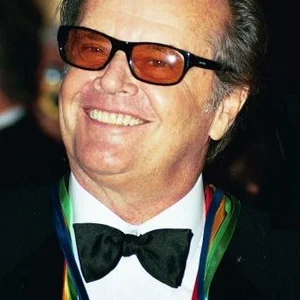
Jack Nicholson
1937 — ?
Jack Nicholson is an American actor, director, and screenwriter born in 1937. A major figure of New Hollywood, he is one of the most awarded actors in American cinema, with three Oscars.
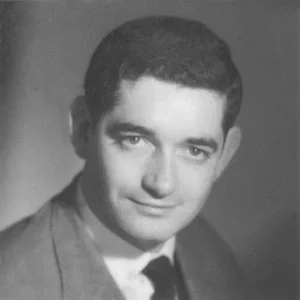
Jacques Demy
1931 — 1990
French filmmaker (1931–1990), a major figure of the French New Wave, celebrated for his poetic musicals blending vivid colors with melancholy. Director of The Umbrellas of Cherbourg and The Young Girls of Rochefort.
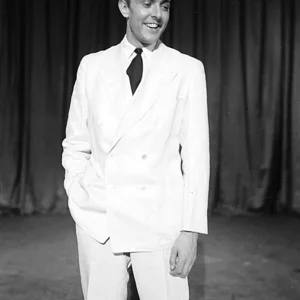
Jacques Tati
1907 — 1982
Jacques Tati (1907-1982) was a French director, actor, and screenwriter. Creator of the character Monsieur Hulot, he developed a poetic comedic cinema founded on visual slapstick and sound rather than dialogue.
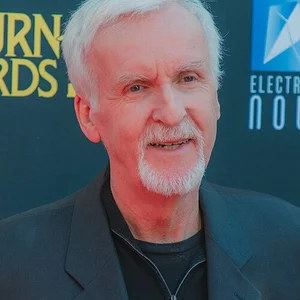
James Cameron
1954 — ?
Canadian director born in 1954, James Cameron is the creator of iconic films such as Terminator, Titanic, and Avatar. A passionate deep-sea explorer, he dove to the depths of the Mariana Trench in 2012.
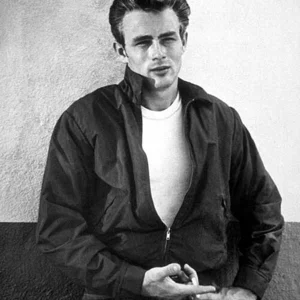
James Dean
1931 — 1955
Iconic American actor of the 1950s, James Dean embodied youth rebellion in three cult films. Dying at 24 in a car crash, he became an immortal cultural icon.
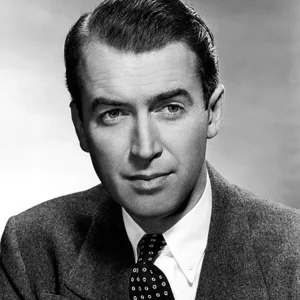
James Stewart
1908 — 1997
James Stewart was one of the most popular actors of classic Hollywood cinema. An embodiment of the ordinary, upright American, he worked under the direction of Frank Capra and Alfred Hitchcock from the 1930s to the 1970s.
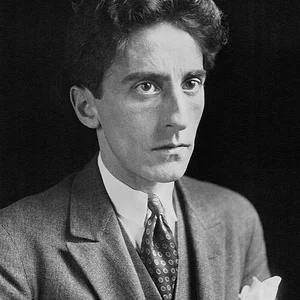
Jean Cocteau
1889 — 1963
Jean Cocteau (1889-1963) was a French poet, novelist, playwright, illustrator, and filmmaker. An unclassifiable figure of the avant-garde, he worked across every art form and embodies the spirit of modern creativity in the early 20th century.
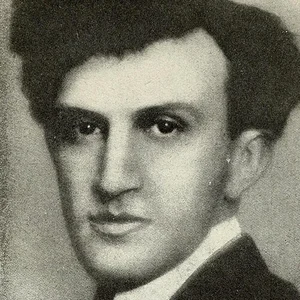
Jean Epstein
1897 — 1953
Franco-Polish film director, essayist, and theorist (1897–1953), Jean Epstein is a major figure of the French cinematic avant-garde of the 1920s–1930s. He coined the concept of "photogénie" and directed experimental works such as *The Fall of the House of Usher*.
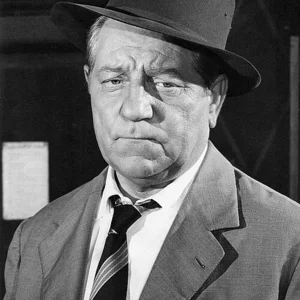
Jean Gabin
1904 — 1976
Jean Gabin (1904–1976) is one of the greatest French actors of the 20th century. He rose to fame in the 1930s with films such as La Bête humaine and La Grande Illusion, embodying the myth of the working-class man — tough yet sensitive.
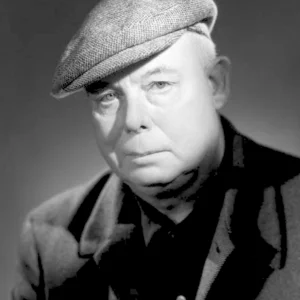
Jean Renoir
1894 — 1979
Jean Renoir was a French filmmaker and screenwriter, the son of the painter Auguste Renoir. A major figure of twentieth-century cinema, he left his mark on the history of the seventh art through his poetic realism and his humanism.
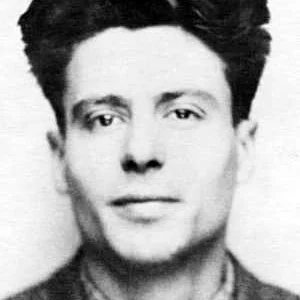
Jean Vigo
1905 — 1934
French filmmaker (1905-1934), a major figure of poetic cinema. Creator of L'Atalante and Zéro de conduite, he revolutionized French cinema with a lyrical and anarchist style before dying at the age of 29.
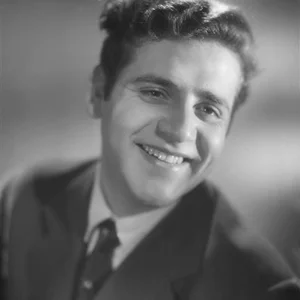
Jean Yanne
1933 — 2003
Jean Yanne (1933-2003) was a French comedian, actor, director, screenwriter and broadcaster. A figure of nonconformism and fierce irony, he left his mark on post-war French radio, cinema and satire.
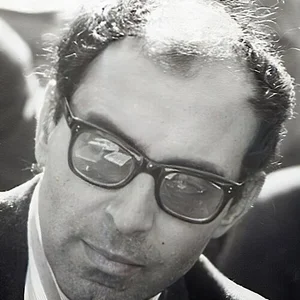
Jean-Luc Godard
1930 — 2022
Franco-Swiss filmmaker (1930–2022) and a major figure of the French New Wave. He revolutionized the language of cinema with films such as Breathless (1960), challenging the conventions of traditional storytelling.
Jean-Pierre Melville
1917 — 1973
Jean-Pierre Melville, whose real name was Jean-Pierre Grumbach, was a French filmmaker and a major figure of film noir and the French crime film. Independent and ahead of his time, he had a profound influence on the French New Wave.
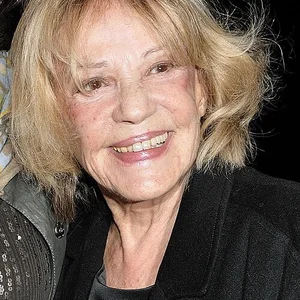
Jeanne Moreau
1928 — 2017
French actress, singer, and director (1928–2017), iconic figure of the French New Wave. Muse of François Truffaut and Louis Malle, she embodied a free and modern femininity in films that have become classics of world cinema.

Jennifer Lopez
1969 — ?
Jennifer Lopez, born in 1969 in the Bronx, New York, is an American singer, actress, and dancer of Puerto Rican descent. She established herself in the 1990s as one of the most influential Latin artists in the world.
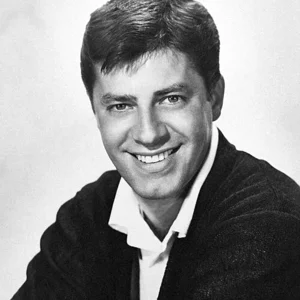
Jerry Lewis
1926 — 2017
An American actor, filmmaker, and comedian born in 1926, Jerry Lewis is an icon of world comedy cinema. Famous for his duo with Dean Martin, he was particularly revered in France, where he was elevated to the rank of Commander of the Order of Arts and Letters.
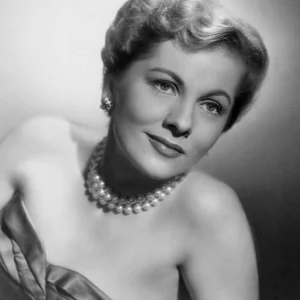
Joan Fontaine
1917 — 2013
A British actress born in 1917 in Japan and died in 2013, Joan Fontaine became a major Hollywood star in the 1940s. She won the Academy Award for Best Actress in 1942 for Alfred Hitchcock's Suspicion, cementing her place among the great stars of classic American cinema.
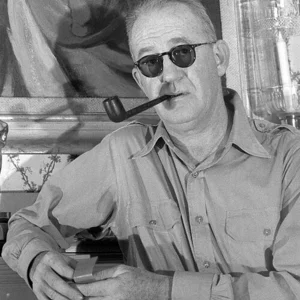
John Ford
1894 — 1973
John Ford (1894-1973) was an American director and producer, considered one of the masters of Hollywood cinema. An iconic figure of the western, he profoundly shaped the history of the seventh art and holds the record of four Academy Awards for Best Director.
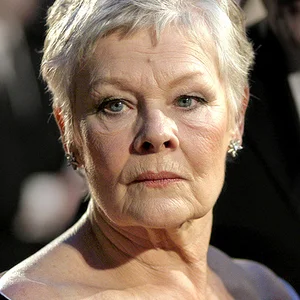
Judi Dench
1934 — ?
Judi Dench is a British actress born in 1934, considered one of the greatest stage and screen performers of her country. Trained at the Royal Shakespeare Company, she achieved worldwide fame in cinema, notably in the role of M in the James Bond saga.

Julie Dash
1952 — ?
A pioneering American filmmaker, Julie Dash is best known for *Daughters of the Dust* (1991), the first feature film by an African American woman director to receive a national theatrical release in the United States. Her work explores memory, identity, and the cultural heritage of the African American diaspora.
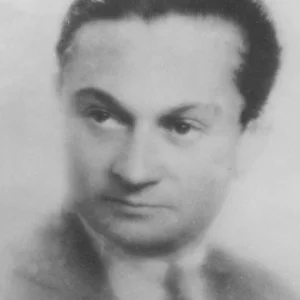
Julien Duvivier
1896 — 1967
Julien Duvivier (1896-1967) is one of the greatest French filmmakers of the 20th century. A prolific director, he left his mark on the golden age of French cinema with films such as Pépé le Moko and La Belle Équipe.
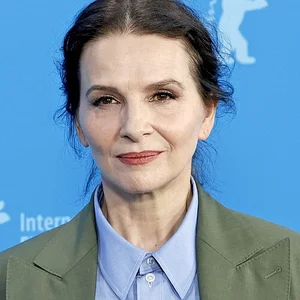
Juliette Binoche
1964 — ?
French actress born in 1964 in Paris, a leading figure in world arthouse cinema. She is the first actress to have won the César, the BAFTA, and the Academy Award in the same year (1997) for *The English Patient*, then the Best Actress prize at Cannes for *Certified Copy* (2010).
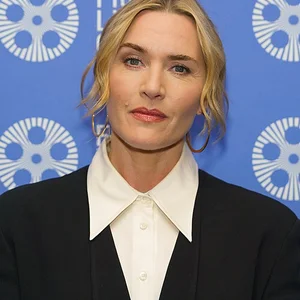
Kate Winslet
1975 — ?
Kate Winslet is a British actress born in 1975 in Reading, England. She rose to worldwide fame through James Cameron's Titanic in 1997 and is considered one of the greatest actresses of her generation. She won the Academy Award for Best Actress in 2009 for her role in The Reader.
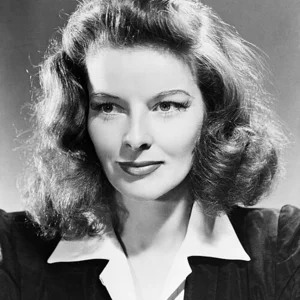
Katharine Hepburn
1907 — 2003
An American film and stage actress, Katharine Hepburn (1907–2003) is considered one of the greatest stars of Hollywood's Golden Age. She won four Academy Awards for Best Actress, an absolute record.
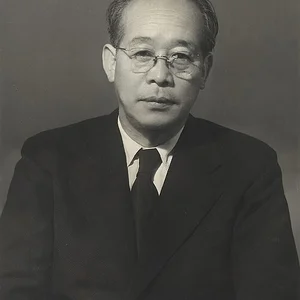
Kenji Mizoguchi
1898 — 1956
Japanese film director (1898–1956), a towering figure of world cinema. Celebrated for his long takes and his humanist gaze on the condition of women in Japan, he won the Silver Lion at Venice with *Ugetsu* (1953), also known as *Tales of the Pale and Silvery Moon After the Rain*.
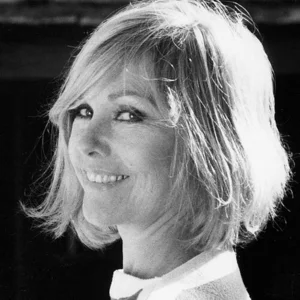
Kim Novak
1933 — ?
Kim Novak is an American actress born in 1933, a major figure of 1950s Hollywood cinema. She is world-famous for her dual role in Alfred Hitchcock's 'Vertigo' in 1958.
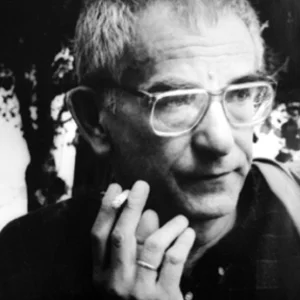
Krzysztof Kieślowski
1941 — 1996
Krzysztof Kieślowski (1941-1996) was a Polish filmmaker and a major figure in European cinema of the late twentieth century. Initially a documentarian, he made his name with the television series *The Decalogue* and then the *Three Colours: Blue, White, Red* trilogy.
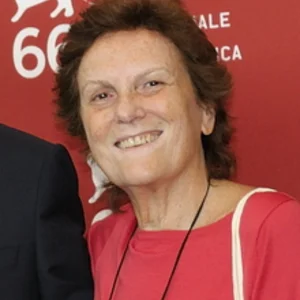
Liliana Cavani
1933 — ?
Italian director and screenwriter born in 1933. A figure of Italian auteur cinema, she is known for provocative works exploring power, memory, and Nazism, including “The Night Porter” (1974).
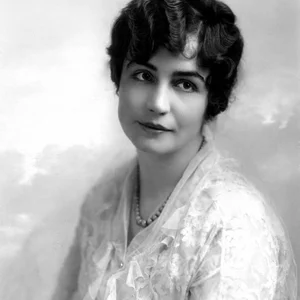
Lois Weber
1879 — 1939
Lois Weber (1879-1939) was one of the first great female directors in the history of American cinema. A Hollywood pioneer, she was one of the most influential and highest-paid filmmakers of the silent film era, tackling controversial social issues.
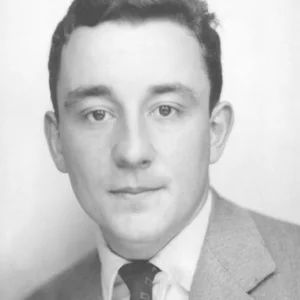
Louis Malle
1932 — 1995
French filmmaker (1932–1995), a major figure of art-house cinema. Close to the French New Wave without formally belonging to it, he directed bold works such as *Lacombe Lucien* (1974) and *Au Revoir les Enfants* (1987), exploring the memory of the German Occupation.
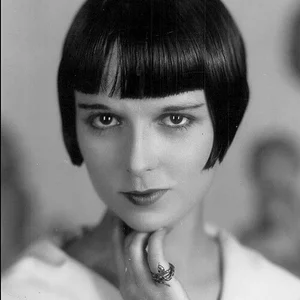
Louise Brooks
1906 — 1985
An American actress of the 1920s and 1930s, Louise Brooks is celebrated for her role in Pandora's Box (1929) by G.W. Pabst. An icon of silent cinema, she is recognized for her bob haircut and her naturalistic acting style that was ahead of its time.
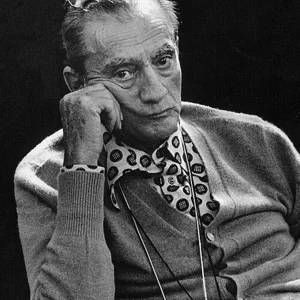
Luchino Visconti
1906 — 1976
Italian filmmaker and stage director, a count by birth and a Marxist by conviction. A pioneer of neorealism before crafting grand historical frescoes with sumptuous aesthetics, he was also a major director of theatre and opera.

Luis Buñuel
1900 — 1983
Spanish-born filmmaker who became a Mexican citizen (1900–1983), a towering figure of cinematic surrealism. His provocative films blend dream imagery, social critique, and anticlericalism. He is the creator of masterworks such as Un chien andalou, Belle de jour, and The Discreet Charm of the Bourgeoisie.
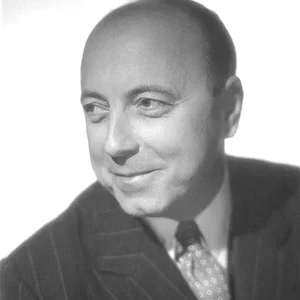
Marcel Carné
1906 — 1996
Marcel Carné was a French filmmaker and a major figure of the "poetic realism" movement of the 1930s and 1940s. With the poet-screenwriter Jacques Prévert, he made films that became classics of French cinema, including Children of Paradise.
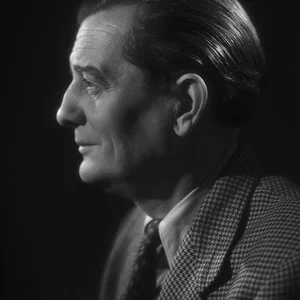
Marcel Pagnol
1895 — 1974
French writer, playwright, and filmmaker born in Aubagne in 1895. Author of the Marseilles Trilogy (*Marius*, *Fanny*, *César*) and autobiographical works such as *My Father's Glory*, he was the first filmmaker elected to the Académie française.
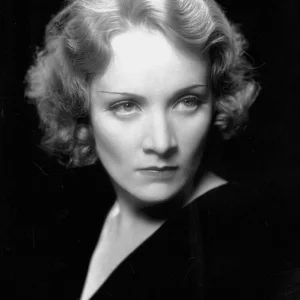
Marlene Dietrich
1901 — 1992
A German-American actress and singer, Marlene Dietrich established herself as an icon of Hollywood cinema in the 1930s. Refusing to collaborate with the Nazi regime, she committed herself to the Allied cause during the Second World War.
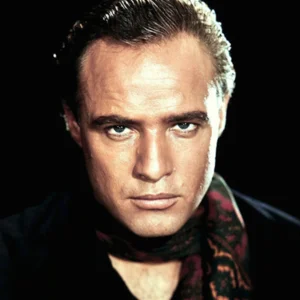
Marlon Brando
1924 — 2004
Marlon Brando (1924-2004) was an American actor and director regarded as one of the most influential figures in twentieth-century cinema. A leading exponent of the Actors Studio's “Method,” he revolutionized acting through his naturalism and intensity.
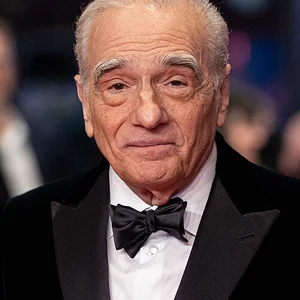
Martin Scorsese
1942 — ?
Martin Scorsese is an American filmmaker, screenwriter, and producer born in 1942 in New York. A major figure of the New Hollywood movement, he is one of the most influential directors in contemporary cinema.

Maurice Pialat
1925 — 2003
Maurice Pialat (1925-2003) was a major French filmmaker, trained as a painter, known for a realistic, blunt style of cinema exploring family and romantic relationships. His work, devoted to the truth of emotions, left a deep mark on French auteur cinema.
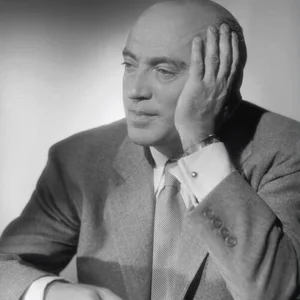
Max Ophüls
1902 — 1957
Max Ophüls (1902-1957) was a German-French filmmaker renowned for his virtuoso visual style, marked by long tracking shots and a fluid camera. He directed major works such as *La Ronde*, *Lola Montès*, and *Madame de…*, which explore love and melancholy.
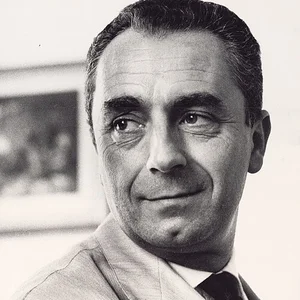
Michelangelo Antonioni
1912 — 2007
A major Italian filmmaker of the post-war era, Michelangelo Antonioni (1912-2007) reinvented the language of cinema by exploring the inability to communicate and the existential emptiness of modern life. His films break with classical storytelling in favor of dead time and visual composition.
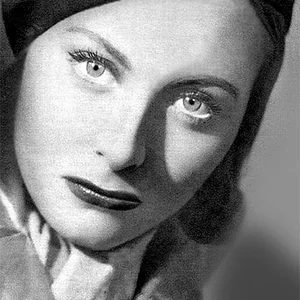
Michèle Morgan
1920 — 2016
French actress born in 1920, Michèle Morgan is one of the greatest stars of French cinema. Discovered by Marcel Carné in Port of Shadows (1938), she won the Best Actress award at Cannes in 1946 for Pastoral Symphony.
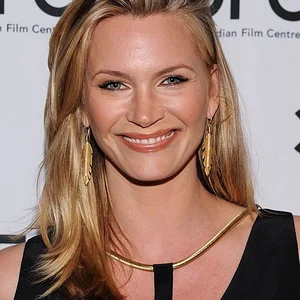
Natasha Henstridge
1974 — ?
Natasha Henstridge is a Canadian actress and former model born in 1974. She rose to international fame in 1995 with the science-fiction film 'Species', in which she played Sil, an extraterrestrial creature. She went on to pursue a career in both film and television.
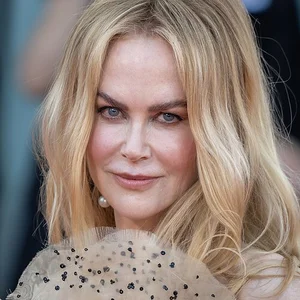
Nicole Kidman
1967 — ?
An Australian-American actress born in 1967, Nicole Kidman is one of Hollywood's greatest stars. She won the Academy Award in 2003 for The Hours, and has left her mark on world cinema through the range of her roles and her artistic commitment.
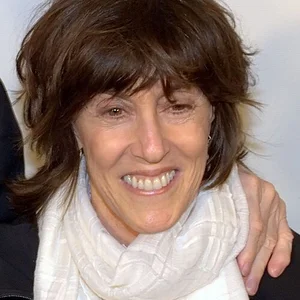
Nora Ephron
1941 — 2012
Nora Ephron (1941-2012) was an American journalist, screenwriter, director, and novelist. A major figure in Hollywood romantic comedy, she wrote and directed films that became cult classics, such as When Harry Met Sally and Sleepless in Seattle.
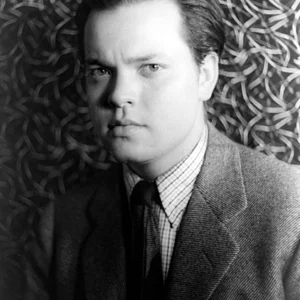
Orson Welles
1915 — 1985
American director, actor, and screenwriter (1915–1985), Orson Welles revolutionized cinema with Citizen Kane (1941), widely regarded as one of the greatest films ever made. A towering figure in filmmaking, he also left a lasting mark on radio and theater.
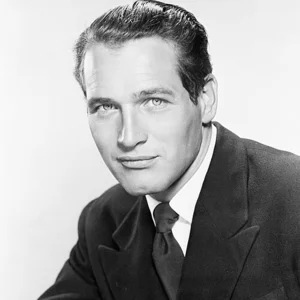
Paul Newman
1925 — 2008
Paul Newman was an American actor and a major figure of Hollywood cinema in the second half of the 20th century. Renowned for his charisma and the exceptional longevity of his career, he was also a racing driver and a committed philanthropist.
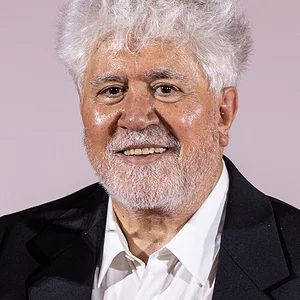
Pedro Almodóvar
1949 — ?
Spanish filmmaker, screenwriter and producer born in 1949, a major figure of contemporary European cinema. Brought to prominence by the “Movida madrileña” following Franco's death, he established himself as the author of a flamboyant cinema blending melodrama, humor and desire.

Peter Sellers
1925 — 1980
British actor of comic genius (1925–1980), Peter Sellers is celebrated for his ability to inhabit wildly different characters. He is best known for his role as Doctor Strangelove and as Inspector Clouseau in The Pink Panther.
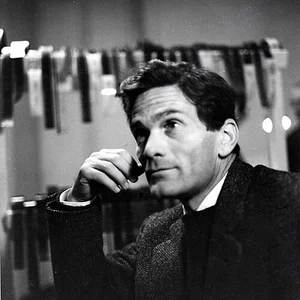
Pier Paolo Pasolini
1922 — 1975
Italian writer, poet and filmmaker, a major figure of the politically engaged post-war intelligentsia. A heterodox Marxist and critic of consumer society, he left his mark on literature as much as on cinema before his murder in 1975.
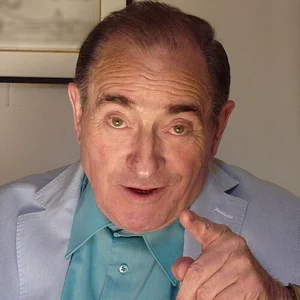
Pierre Étaix
1928 — 2016
Pierre Étaix (1928-2016) was a French clown, filmmaker, actor and illustrator. A collaborator of Jacques Tati, in the 1960s he directed slapstick comedies such as “The Suitor” and “Yoyo,” in the tradition of visual comic cinema.

Priyanka Chopra
1982 — ?
Priyanka Chopra is an Indian actress and singer born in 1982 in Jamshedpur. Crowned Miss World in 2000, she became one of Bollywood's most popular actresses before breaking into Hollywood. She embodies India's cultural influence on the world stage.
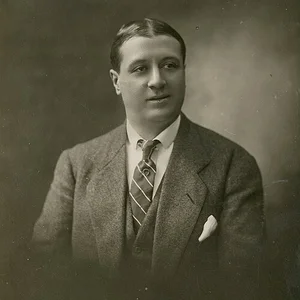
Raimu
1883 — 1946
Raimu (1883-1946) is one of the greatest French actors of the 20th century, celebrated for his roles in Marcel Pagnol's Marseille trilogy (*Marius*, *Fanny*, *César*). His expressive acting and inimitable voice made him an icon of French cinema and theatre.
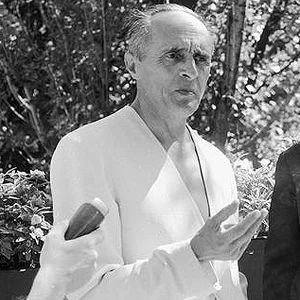
René Clair
1898 — 1981
René Clair (1898–1981) was one of the pioneers of French sound cinema. A director, screenwriter, and writer, he created poetic and satirical works such as "Under the Roofs of Paris" and "À nous la liberté". He was the first filmmaker elected to the Académie française, in 1960.
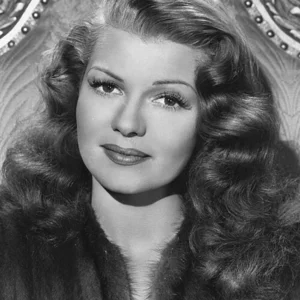
Rita Hayworth
1918 — 1987
Rita Hayworth (1918-1987) was an American actress and dancer, considered one of the greatest Hollywood stars of the 1940s. A glamour icon, she is best known for her role in Gilda (1946).
Robert Bresson
1901 — 1999
Robert Bresson (1901-1999) was a major French filmmaker of the 20th century. A theorist of pared-down cinema, he forged an aesthetic of austerity by using non-professional actors whom he called his “models.”
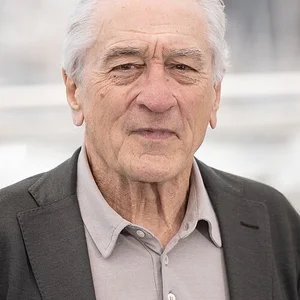
Robert De Niro
1943 — ?
American actor considered one of the greatest of his generation and a major figure of New Hollywood. Renowned for his total immersion in his roles, he left his mark on film history through his collaboration with Martin Scorsese. He is also a producer and co-founder of the Tribeca Film Festival.
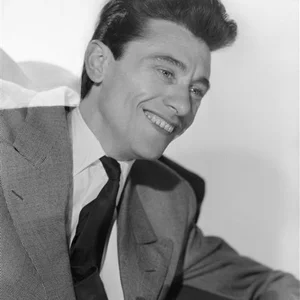
Robert Lamoureux
1920 — 2011
Robert Lamoureux (1920-2011) was a French comedian, actor, playwright and stage director. Famous for his comic monologues, notably “La Chasse au canard” (“The Duck Hunt”), he also found success in boulevard theatre and in cinema with the “7th Company” film series.
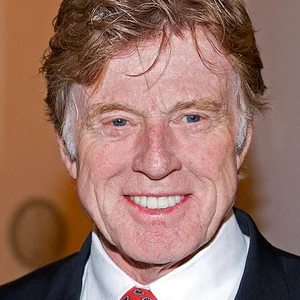
Robert Redford
1936 — 2025
Robert Redford was an American actor, director, and producer, a major figure in 1960s–1970s Hollywood cinema. In 1981 he founded the Sundance Film Festival, which became the world's leading showcase for independent film.
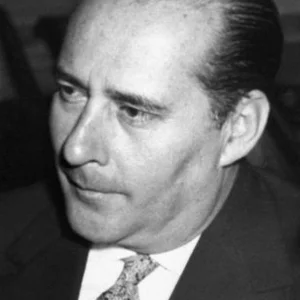
Roberto Rossellini
1906 — 1977
Roberto Rossellini (1906-1977) was an Italian director and a major figure of neorealism. With films like *Rome, Open City*, he revolutionized cinema by capturing the reality of postwar Italy, shooting with a handheld camera and non-professional actors.
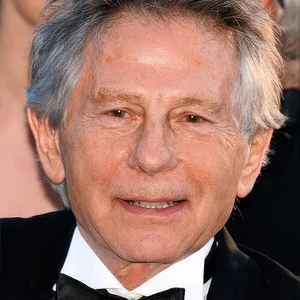
Roman Polanski
1933 — ?
Roman Polanski is a Franco-Polish director, producer, and screenwriter born in 1933. A survivor of the Kraków Ghetto during the Holocaust, he became one of the leading figures of international cinema, moving between psychological thrillers and historical dramas.
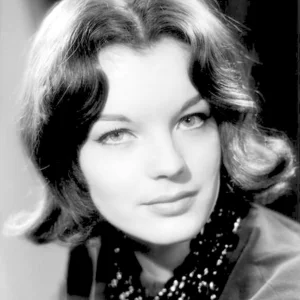
Romy Schneider
1938 — 1982
Franco-German actress (1938-1982), launched to fame by the Sissi trilogy, she went on to establish herself as one of the greatest European actresses under the direction of Visconti, Sautet, and Zurlini. An icon of auteur cinema, her career path illustrates the transformation of the European star system.
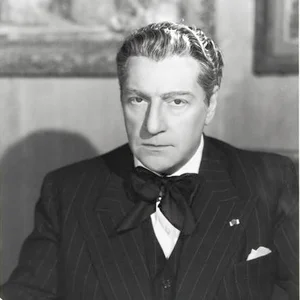
Sacha Guitry
1885 — 1957
French playwright, actor, director, and filmmaker (1885–1957), Sacha Guitry is one of the leading figures of boulevard theatre and French cinema. He wrote more than 130 plays and directed around thirty films, leaving a deep mark on French culture in the first half of the 20th century.
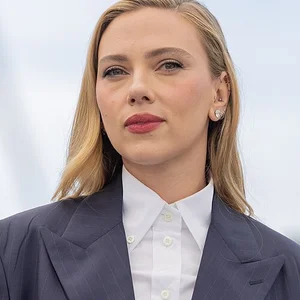
Scarlett Johansson
1984 — ?
An American-Danish actress and singer born in 1984 in New York, Scarlett Johansson established herself in the 2000s as one of Hollywood's most influential actresses. She is also a producer and an advocate for feminist causes.
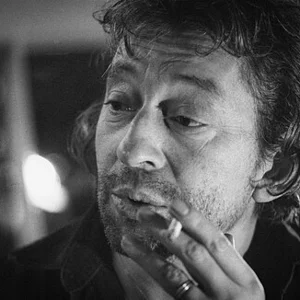
Serge Gainsbourg
1928 — 1991
French singer-songwriter, film director, and painter (1928–1991), a towering figure of French popular music. A provocateur and poet, he left his mark on popular culture with works blending humor, eroticism, and artistic boldness.
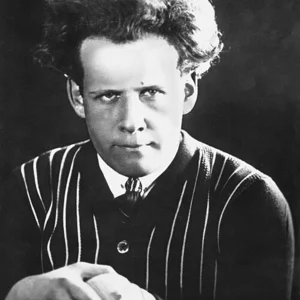
Sergei Eisenstein
1898 — 1948
Soviet filmmaker and theorist, a pioneer of cinematic language. He revolutionized the art of film through his theory of the montage of attractions, illustrated in works such as Battleship Potemkin.
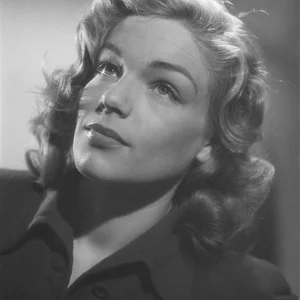
Simone Signoret
1921 — 1985
French actress and writer (1921–1985), Simone Signoret was the first French actress to win the Academy Award for Best Actress for Room at the Top (1959). An icon of postwar cinema, she was equally recognized for her political activism and her memoirs.
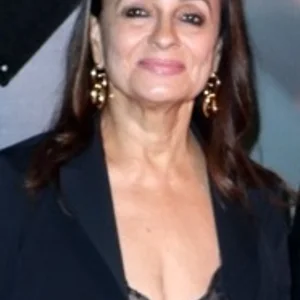
Soni Razdan
1956 — ?
Soni Razdan is an Indian actress born in 1958, known for her roles in Hindi cinema and Indian television series. She is also the mother of actress Alia Bhatt.
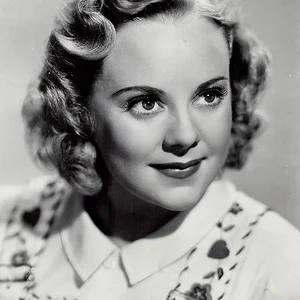
Sonja Henie
1912 — 1969
Norwegian figure skater, three-time consecutive Olympic champion (1928, 1932, 1936) and ten-time world champion. Reinventing herself as a Hollywood movie star, she revolutionized figure skating by bringing dance and showmanship into the sport.
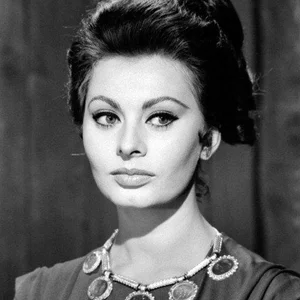
Sophia Loren
1934 — ?
Italian actress born in 1934, Sophia Loren is one of the greatest stars in world cinema. The first actress to win an Academy Award for a role performed in a foreign language, she embodies both glamour and Italian neorealism.
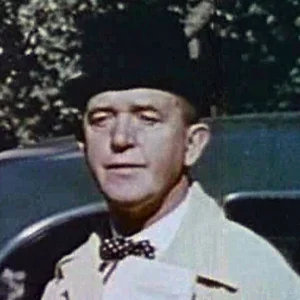
Stan Laurel
1890 — 1965
Stan Laurel (1890-1965) was a British actor and comedian, famous for forming the comic duo Laurel and Hardy with Oliver Hardy. A pioneer of slapstick comedy in both silent and sound film, he left a lasting mark on cinema history with his poetic and absurdist humor.
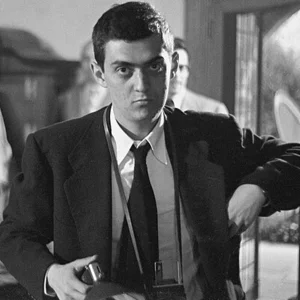
Stanley Kubrick
1928 — 1999
Stanley Kubrick (1928-1999) was an American director, screenwriter and producer. A former photographer, he became one of the most influential filmmakers of the 20th century, renowned for his perfectionism and the diversity of his genres, from war films to science fiction.
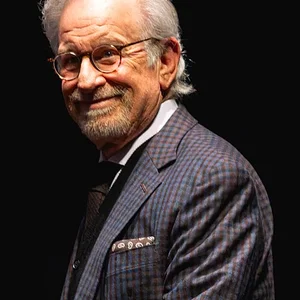
Steven Spielberg
1946 — ?
Steven Spielberg is an American film director, screenwriter, and producer born in 1946. A major figure of the New Hollywood movement, he invented the modern blockbuster while also directing critically acclaimed historical films. He ranks among the most influential and popular filmmakers of the late twentieth century.
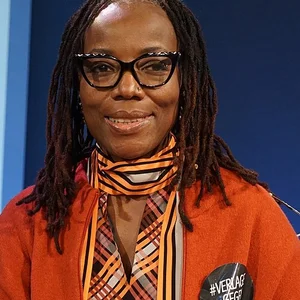
Tsitsi Dangarembga
1959 — ?
Zimbabwean novelist and filmmaker born in 1959, Tsitsi Dangarembga is the first Black woman from Zimbabwe to have published a novel in English. Her work explores colonization, the condition of women, and African identity in a postcolonial society.
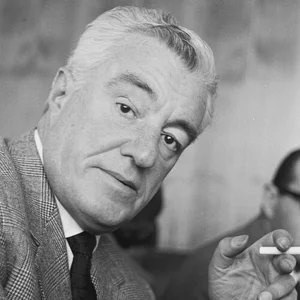
Vittorio De Sica
1901 — 1974
Vittorio De Sica (1901-1974) was an Italian director, screenwriter, and actor, a major figure of neorealism. His film *Bicycle Thieves* (1948) is regarded as a masterpiece of world cinema.
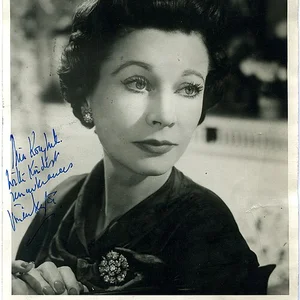
Vivien Leigh
1913 — 1967
British actress born in 1913, Vivien Leigh is world-famous for her role as Scarlett O'Hara in Gone with the Wind (1939). A two-time Oscar winner, she embodied Hollywood glamour while also pursuing a demanding stage career in London.
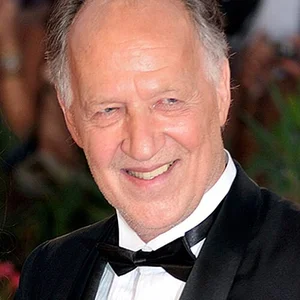
Werner Herzog
1942 — ?
Werner Herzog is a German filmmaker, screenwriter, and actor born in 1942, a leading figure of the New German Cinema. Both his fiction films and his documentaries explore boundless dreams, hostile nature, and the fringes of humanity.
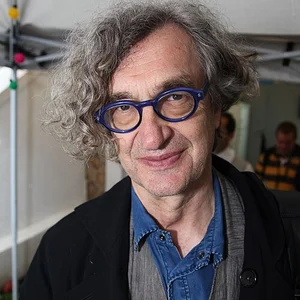
Wim Wenders
1945 — ?
Wim Wenders, born in 1945 in Düsseldorf, is a German director, screenwriter and photographer. A major figure of New German Cinema, he is famous for his films about wandering, memory and the act of looking, as well as for his photographic work.

Wong Kar-wai
1958 — ?
Wong Kar-wai is a Hong Kong director, screenwriter, and producer born in 1958 in Shanghai. A major figure of Asian auteur cinema, he is celebrated for his mesmerizing visual style and his melancholic stories about love and the passage of time.

Anne Hathaway
1982 — ?
American actress born in 1982, Anne Hathaway has established herself as one of Hollywood's biggest stars. She won the Academy Award for Best Supporting Actress in 2013 for her portrayal of Fantine in Les Misérables.
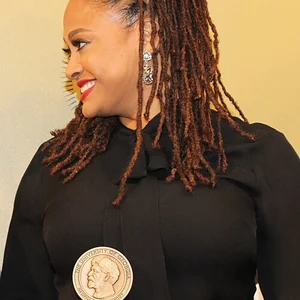
Ava DuVernay
1972 — ?
American director, producer, and screenwriter, Ava DuVernay has established herself as a major voice in socially engaged cinema. With Selma (2014) and the documentary 13th (2016), she explores the struggle for civil rights and racial inequality in the United States.
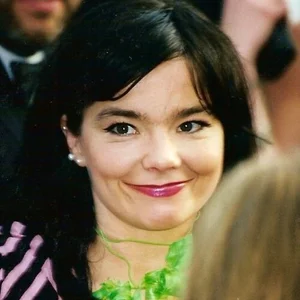
Björk
1965 — ?
Icelandic singer, composer, and artist born in 1965 in Reykjavík, pioneer of experimental electronic music and avant-garde pop. She is also an actress, awarded at Cannes in 2000 for Dancer in the Dark.
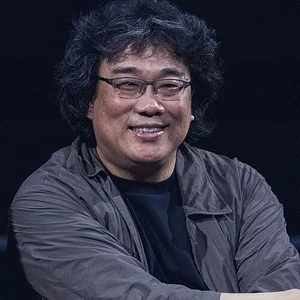
Bong Joon-ho
1969 — ?
Bong Joon-ho is a South Korean director and screenwriter born in 1969, a major figure in contemporary cinema. Blending social criticism, satire, and dramatic tension, he has established himself as one of the most influential filmmakers of the 21st century.

Gal Gadot
1985 — ?
Gal Gadot is an Israeli actress, producer and former model, born in 1985. Brought to prominence by the Fast & Furious saga and then known worldwide for her role as Wonder Woman, she is one of the major figures of Hollywood superhero cinema.
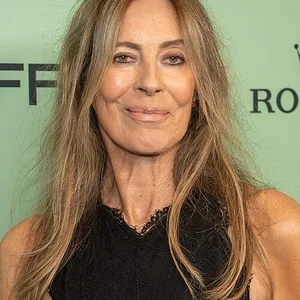
Kathryn Bigelow
1951 — ?
American director born in 1951, Kathryn Bigelow became in 2010 the first woman to win the Academy Award for Best Director for The Hurt Locker. A pioneer of action cinema, she explores war and violence with striking documentary-style realism.
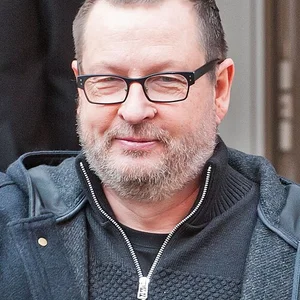
Lars von Trier
1956 — ?
Lars von Trier is a Danish director, screenwriter, and producer born in 1956. A leading figure in European auteur cinema, in 1995 he co-founded the Dogme 95 movement and has made provocative films honored at the major festivals.
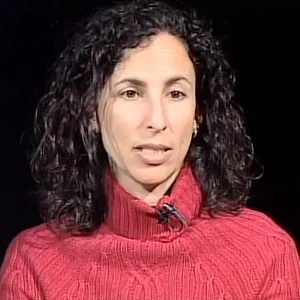
Melanie Sloan
1965 — ?
American producer, mother of actress Scarlett Johansson. From very early on she accompanied her daughter to auditions and acted as an informal manager, and later as a producer, in her film career.
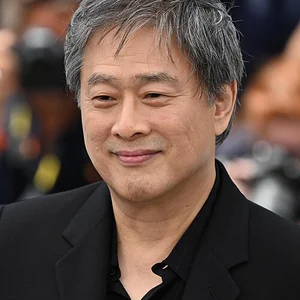
Park Chan-wook
1963 — ?
South Korean director and screenwriter born in 1963, a leading figure in the revival of Korean cinema. Known for his polished aesthetic and tales of revenge, he made his mark on the international scene with *Oldboy* (2003), which won the Grand Prix at the Cannes Film Festival.
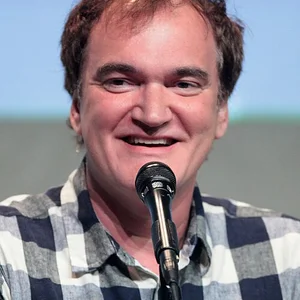
Quentin Tarantino
1963 — ?
Quentin Tarantino is an American director, screenwriter, producer, and actor born in 1963. A major figure in American independent cinema, he is famous for his highly personal style blending sharp dialogue, stylized violence, fractured storytelling, and tributes to popular genres.
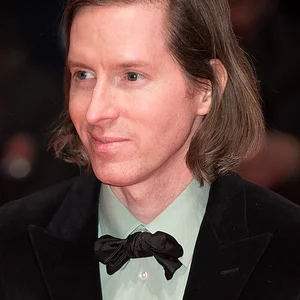
Wes Anderson
1969 — ?
Wes Anderson is an American filmmaker, screenwriter, and producer born in 1969 in Texas. Recognizable by his highly codified visual style — symmetry, pastel palettes, and meticulous framing — he is the author of bittersweet comedies that have become cult classics.