 flip
flipNew England Steamed Brown Bread
New England Steamed Brown Bread
Why this dish? Before and between her travels, Beckwith lived and taught in New England: Wellesley, Mount Holyoke, Vassar. This molasses-laced brown bread, dense and long-keeping, is the pantry food of her academic milieu — the kind one takes along and that lasts through long train journeys to her fieldwork sites.
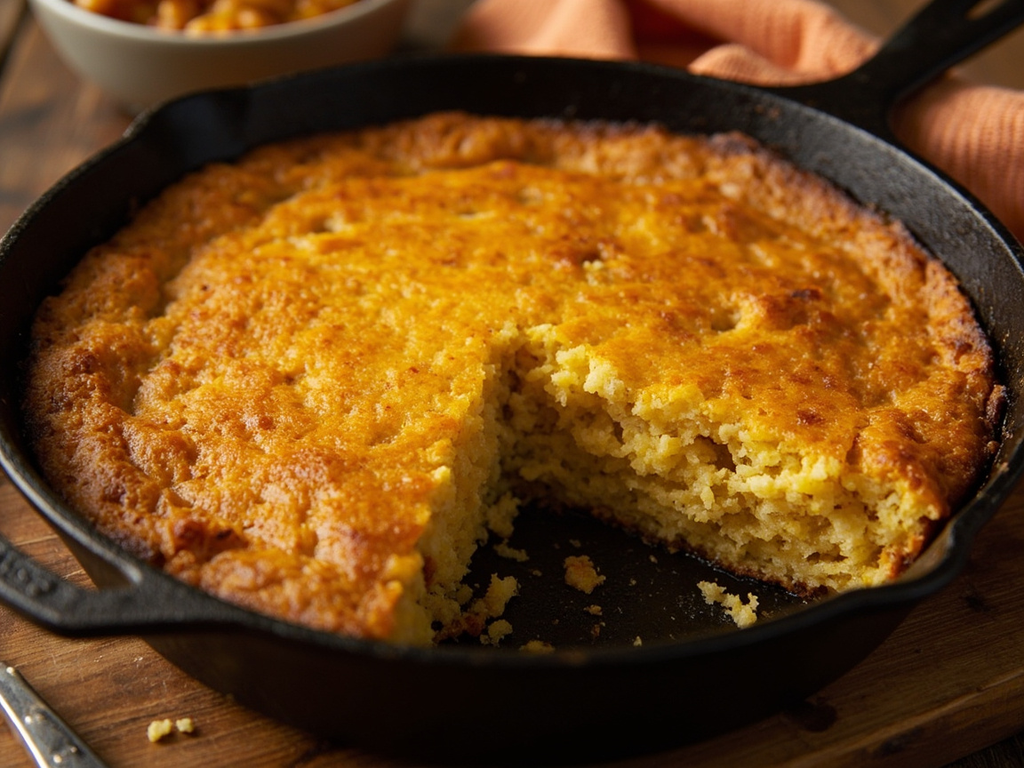
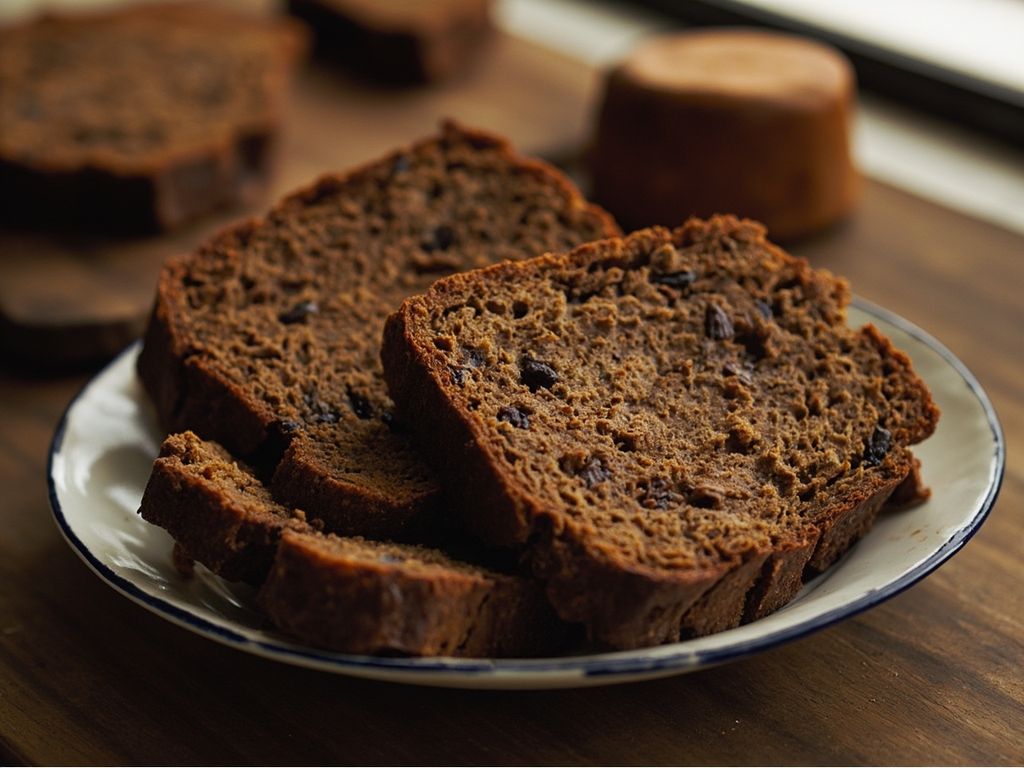
A dark, moist bread, steamed in a covered mold rather than baked. Molasses, rye, and cornmeal give it a dense, slightly sweet crumb, almost like gingerbread. It keeps and travels well.
Here is the bread from my home, on the New England coast. It is not baked in an oven but steamed, in a tightly closed mold — an old tin will do — for long hours, until it becomes dark and firm. The molasses gives it its grave sweetness and fine brown color. It keeps for days, you see, which suited me well: I would slip a loaf into my luggage for the long train trips that took me to my investigations, far from familiar kitchens.
- •Rye flour — one measure (structure and flavor)
- •Cornmeal — one measure (texture)
- •Wheat flour — one measure (binder)
- •Molasses — generous (color and sweetness)
- •Soured milk (buttermilk) — as needed for dough (moistness)
- •Baking soda — a pinch (leavening)
New England Steamed Brown Bread
A dark, moist bread, steamed in a covered mold rather than baked. Molasses, rye, and cornmeal give it a dense, slightly sweet crumb, almost like gingerbread. It keeps and travels well.
Why this dish? Before and between her travels, Beckwith lived and taught in New England: Wellesley, Mount Holyoke, Vassar. This molasses-laced brown bread, dense and long-keeping, is the pantry food of her academic milieu — the kind one takes along and that lasts through long train journeys to her fieldwork sites.
Here is the bread from my home, on the New England coast. It is not baked in an oven but steamed, in a tightly closed mold — an old tin will do — for long hours, until it becomes dark and firm. The molasses gives it its grave sweetness and fine brown color. It keeps for days, you see, which suited me well: I would slip a loaf into my luggage for the long train trips that took me to my investigations, far from familiar kitchens.
Ingredients (period version)
- Rye flour — one measure (structure and flavor)
- Cornmeal — one measure (texture)
- Wheat flour — one measure (binder)
- Molasses — generous (color and sweetness)
- Soured milk (buttermilk) — as needed for dough (moistness)
- Baking soda — a pinch (leavening)
Ingredients
- Rye flour — 120 g (structure and flavor)
- Fine cornmeal — 120 g (texture)
- All-purpose flour — 120 g (binder)
- Molasses — 180 ml (color and sweetness)
- Buttermilk (or milk + 1 tbsp lemon juice) — 350 ml (moistness)
- Baking soda — 1.5 tsp (leavening)
- Salt — 1 tsp (seasoning)
- Raisins — 80 g (optional) (garnish)
Method
- Mix flours, baking soda, and salt in a bowl.
- Add molasses and buttermilk, mix just enough to form a thick batter; fold in raisins.
- Butter a cylindrical covered mold (or tall cans covered with parchment and foil, tied) and fill two-thirds full.
- Place the mold in a large pot, pour boiling water halfway up, cover, and steam at a gentle simmer for 2 to 2.5 hours.
- Test with a skewer: it should come out clean. Unmold while warm.
How it was made : Without a constantly available oven, New England families steamed this bread, traditionally in a coffee can, as an accompaniment to Saturday night baked beans. Molasses, imported from the Caribbean, and cornmeal made it a typically North American and inexpensive bread.
The contemporary twist : Slice it, toast it, and spread with fresh cheese: the contrast of dark, sweet bread with fresh acidity makes a chic travel snack.
Sources : Fannie Farmer, The Boston Cooking-School Cook Book, 1896 · New England culinary tradition
Martha Beckwith · Charactorium