 Flip the card
Renart at the table
On the menu
The Services of the Seigneurial Table (12th–13th c.)
In the Middle Ages, meals were not served as starter, main course, and dessert. The meal advanced by 'services' (or 'dishes') brought in successive waves: first pottages and broths, then 'rostz' (roasted meats) with piquant sauces, next entremets and pies, and finally the 'issue de table' (fruits, spices, spiced wines) that closed the feast and aided digestion. Renart the fox, for his part, scurries from one service to the next by cunning rather than by invitation.
Signature : Verjuice and Fine Spices
No tomato or lemon in the Middle Ages: acidity came from verjuice, the pressed juice of unripe grapes, present in almost every sauce. It was combined with 'fine spices' (cinnamon, ginger, grains of paradise, cloves) and crushed toasted bread that thickened sauces without flour. This is the grammar of medieval taste, the cuisine that Renart plunders from farm to castle.
click to flip back
Renart at the table
5 period recipes
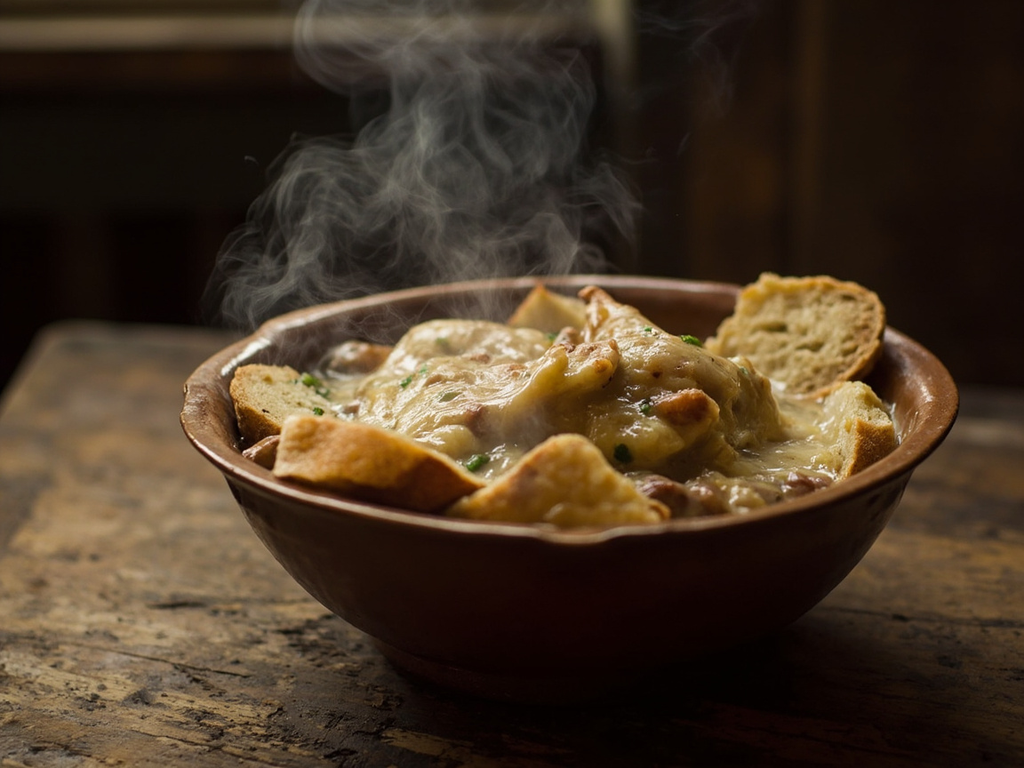 Everyday
Hen in Verjuice, the Hen Stolen from Chanticleer
Pottage of Meat (Broth Service)
🍋 🍄· 1 h 45
View the recipe
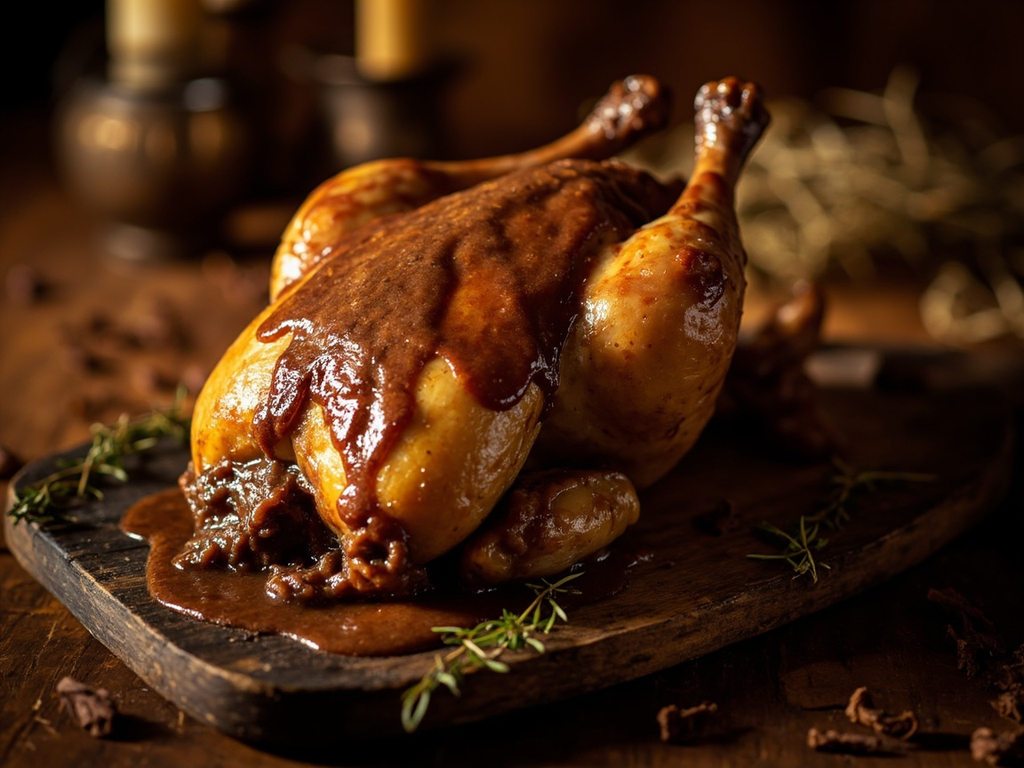 Festive
Roast Capon with Cameline Sauce, the Roast of King Noble's Court
Roast and Sauce (Roast Service)
🌶️ 🍄· 2 h
View the recipe
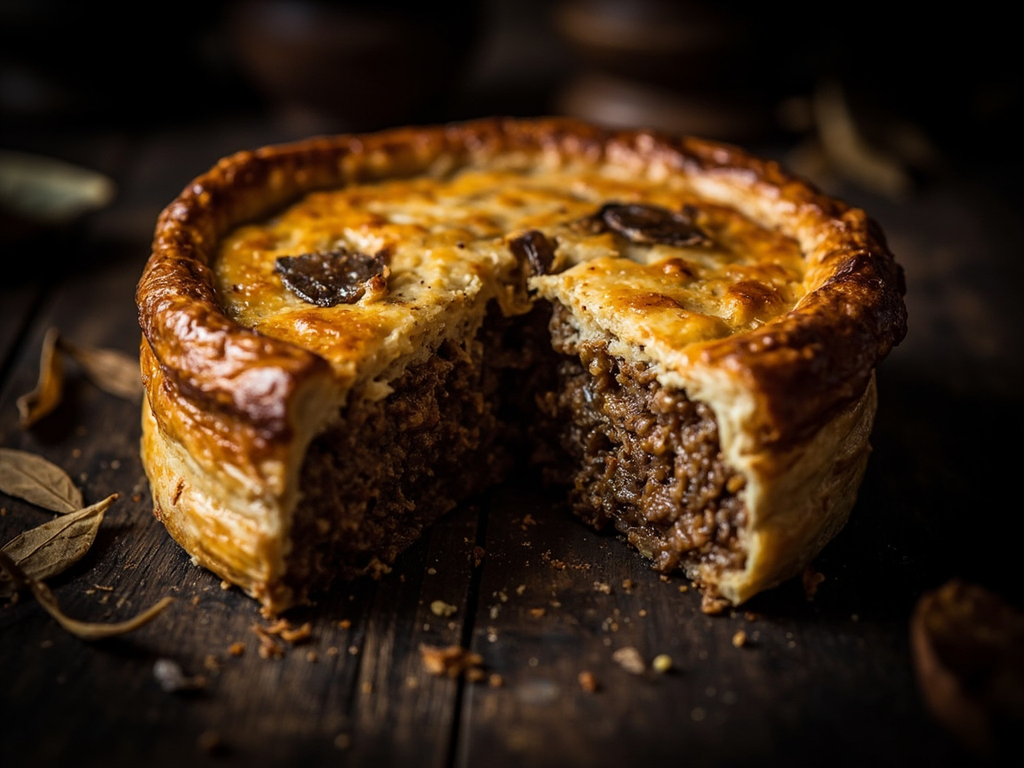 Preserving
Game Pie in Pastry, the Larder of Maupertuis Den
Entremets and Pie (Entremets Service)
🧂 🍄· 3 h
View the recipe
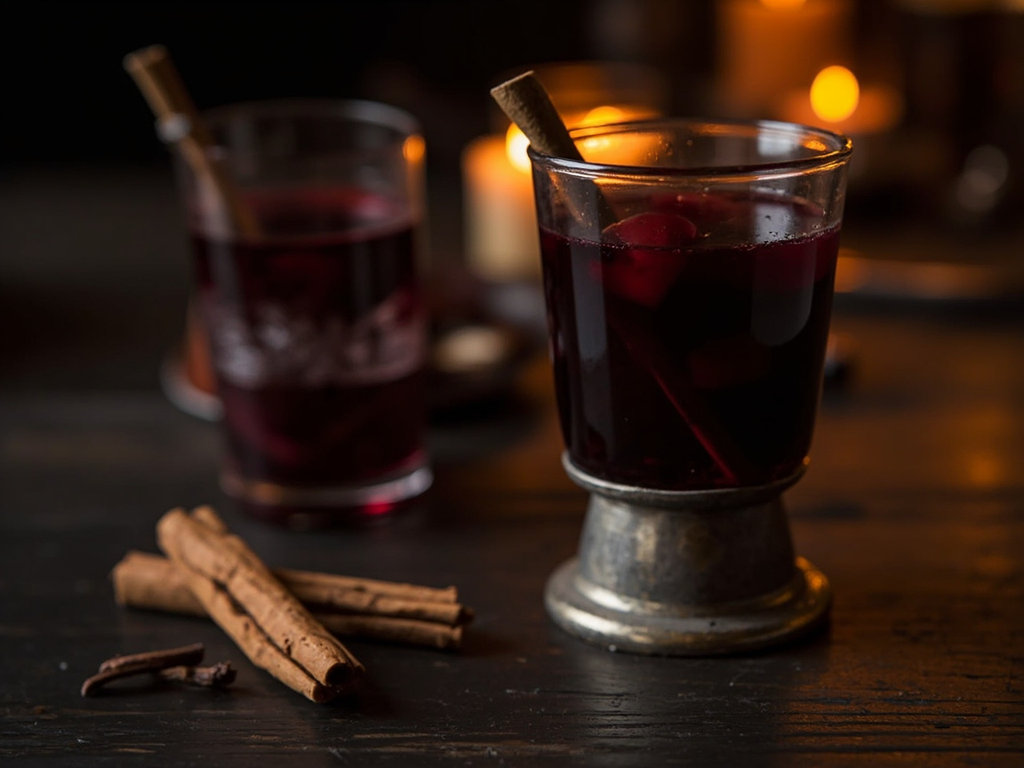 Drink
Hypocras, the Spiced Wine of the Issue de Table
Issue de Table (Closing of the Feast, 'Boute-hors')
🍯 🌶️· 20 min + overnight infusion
View the recipe
 Street food
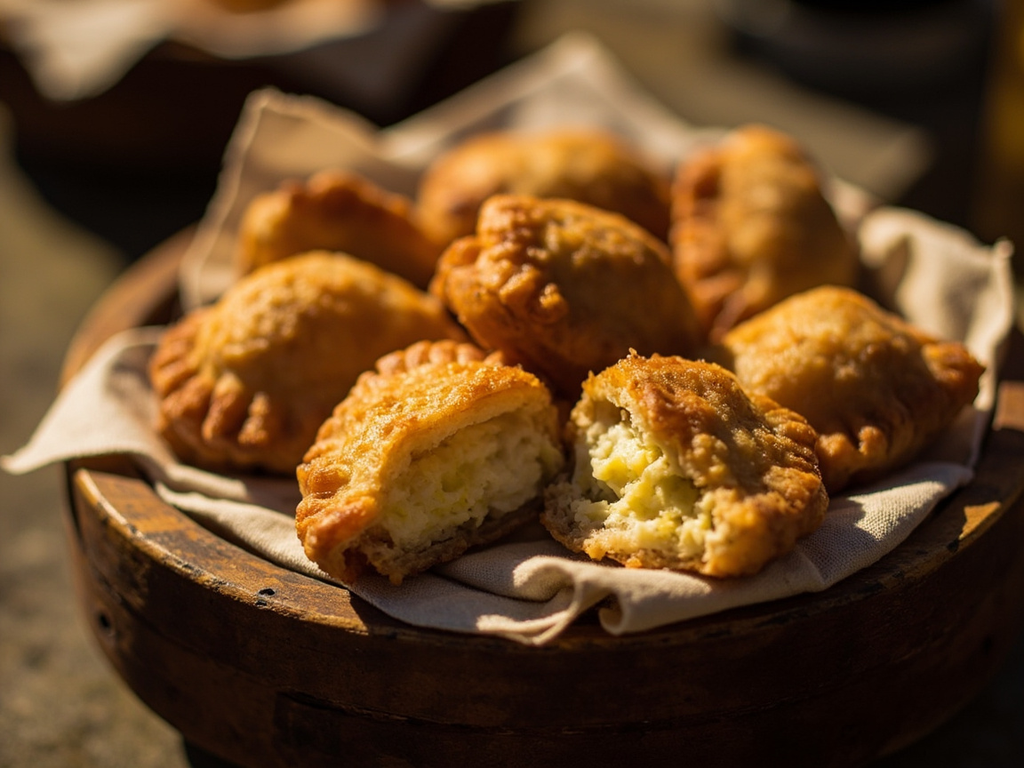
Egg and Cheese Rissoles, the Fox's Fried Street Snack
Small Street Fried Food (Pastry Cooks' and Waferers' Stalls)
🧂 🫙· 40 min
View the recipe