 flip
flipLussekatter — saffron buns for St. Lucia's Day
Lussekatter — saffron buns for St. Lucia's Day
Why this dish? On December 13, St. Lucia's Day illuminates the darkest night of Sweden. In Värmland homes, little girls in candle crowns carried these golden buns — Selma experienced this festival of light in the heart of the Nordic winter.
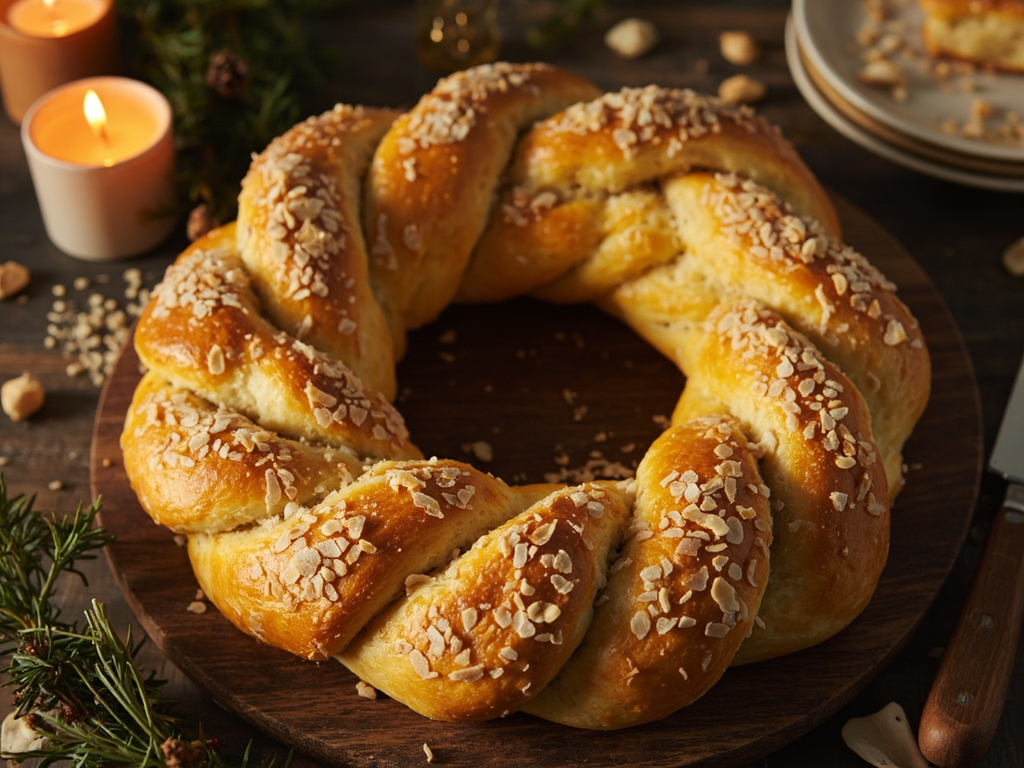
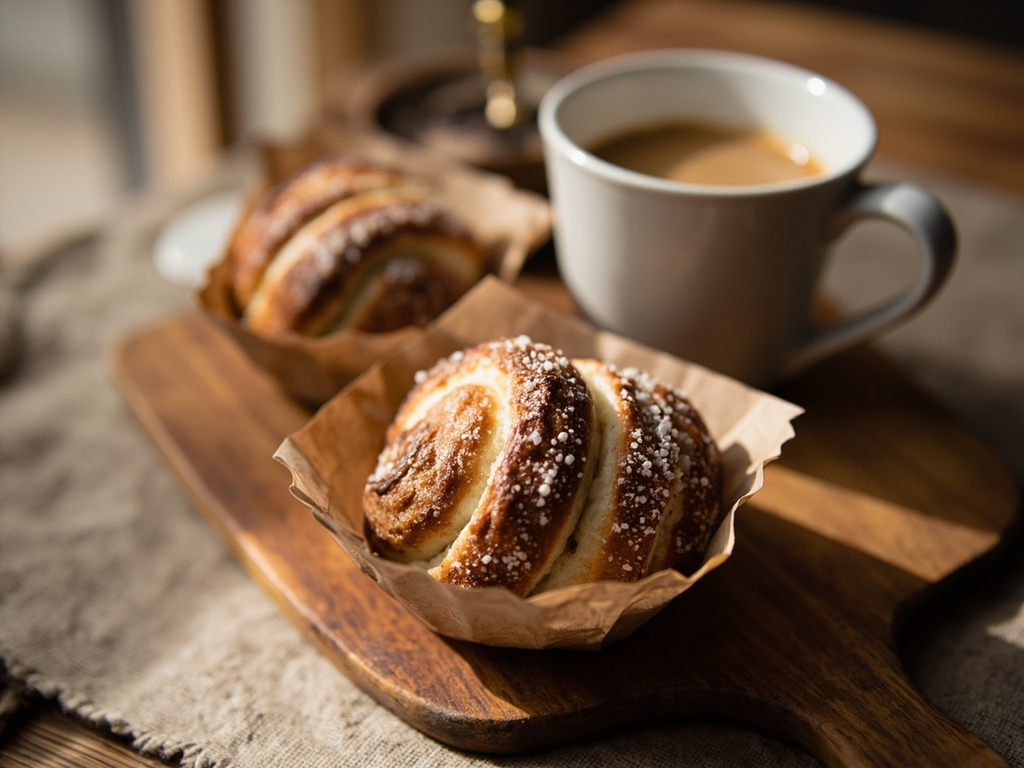
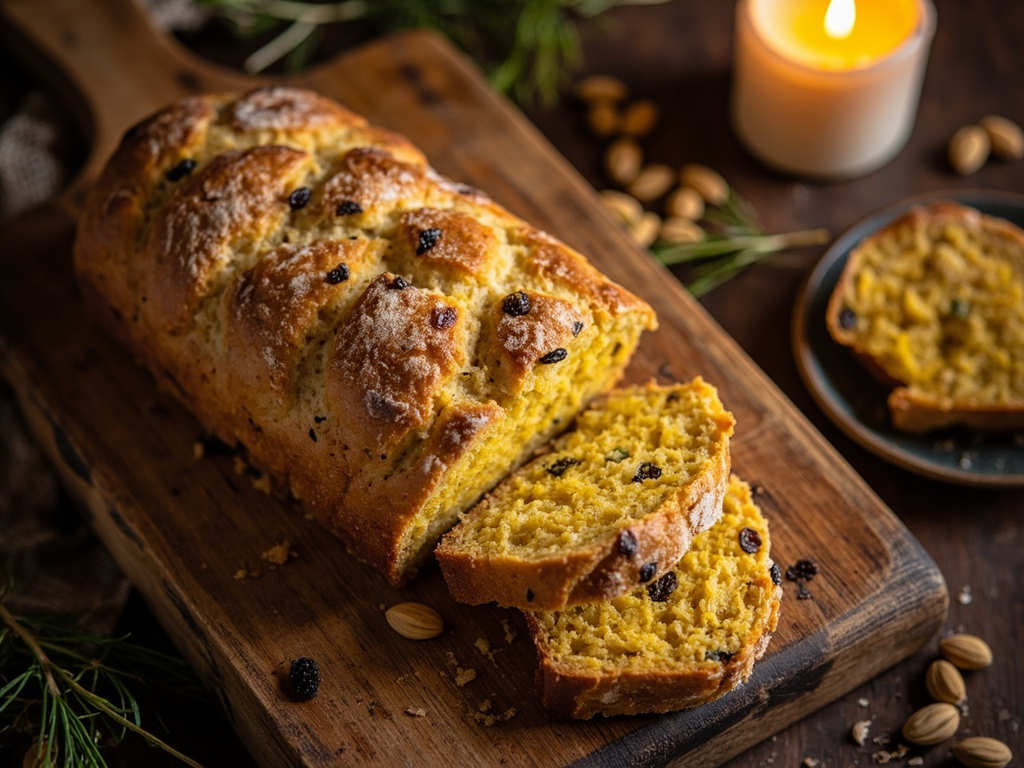
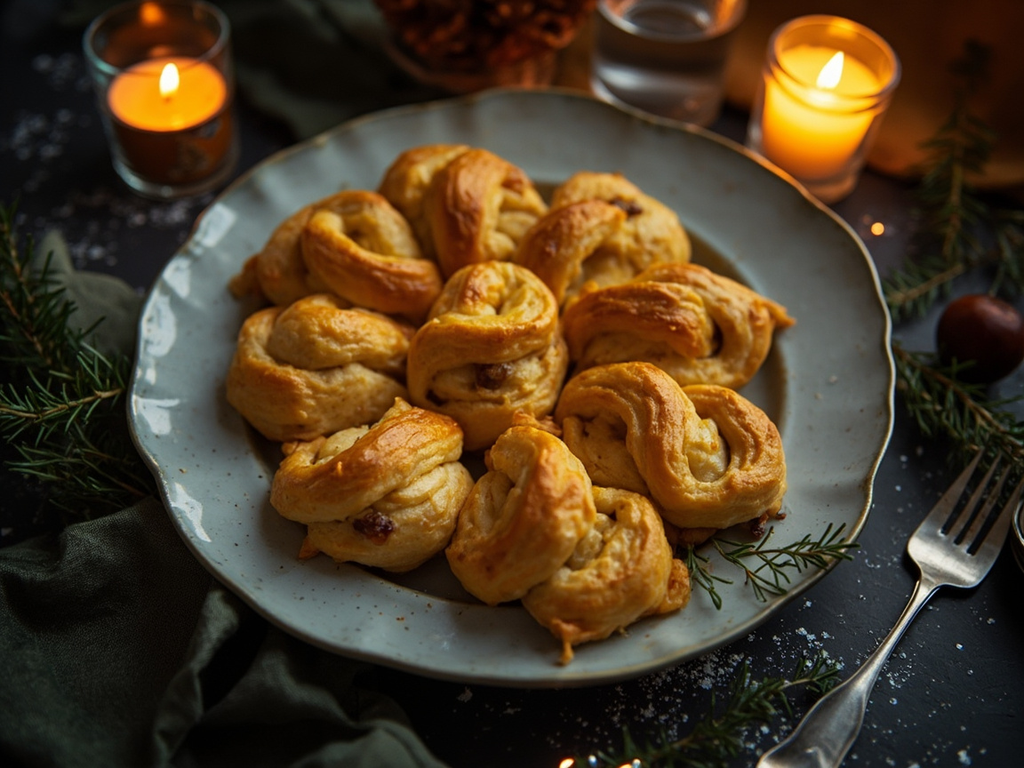
Small, brilliantly yellow buns rolled into S-shapes, scented with saffron, studded with raisins. Soft and delicately sweet, they herald Christmas and the victory of light over winter darkness.
When Lucia night came, the longest and darkest of the year, we rose before dawn, and the house awakened to a smell of saffron worth every promise. Saffron was expensive, so we used just enough to give the dough the color of the sun we would hardly see for months. We rolled them into curled cat shapes, stuck two raisins for eyes, and carried the tray from room to room singing. It was our way, us northern folk, of reminding the light that it would return.
- •Wheat flour — a good amount (dough base)
- •Saffron — a few threads (color and flavor)
- •Milk — a bowl (liquid)
- •Butter — a generous knob (softness)
- •Baker's yeast — a piece (leavening)
- •Sugar — to taste (sweetness)
- •Raisins — a handful (decoration)
Lussekatter — saffron buns for St. Lucia's Day
Small, brilliantly yellow buns rolled into S-shapes, scented with saffron, studded with raisins. Soft and delicately sweet, they herald Christmas and the victory of light over winter darkness.
Why this dish? On December 13, St. Lucia's Day illuminates the darkest night of Sweden. In Värmland homes, little girls in candle crowns carried these golden buns — Selma experienced this festival of light in the heart of the Nordic winter.
When Lucia night came, the longest and darkest of the year, we rose before dawn, and the house awakened to a smell of saffron worth every promise. Saffron was expensive, so we used just enough to give the dough the color of the sun we would hardly see for months. We rolled them into curled cat shapes, stuck two raisins for eyes, and carried the tray from room to room singing. It was our way, us northern folk, of reminding the light that it would return.
Ingredients (period version)
- Wheat flour — a good amount (dough base)
- Saffron — a few threads (color and flavor)
- Milk — a bowl (liquid)
- Butter — a generous knob (softness)
- Baker's yeast — a piece (leavening)
- Sugar — to taste (sweetness)
- Raisins — a handful (decoration)
Ingredients
- All-purpose flour — 600 g (dough base)
- Saffron — 1 g (1 packet) (color and flavor)
- Milk — 250 ml (liquid)
- Butter — 100 g (softness)
- Fresh yeast — 25 g (leavening)
- Sugar — 100 g (sweetness)
- Raisins — a handful (decoration)
- 1 egg — for glaze (finish)
Method
- Crush the saffron with a little sugar, then infuse it in warm milk with melted butter.
- Dissolve the yeast in this mixture, add sugar, then flour. Knead a soft dough and let it rise for 40 minutes.
- Divide the dough into ropes, roll each end into a spiral toward the center to form an S.
- Press a raisin into the center of each spiral. Let rise again for 30 minutes.
- Glaze with beaten egg and bake for 8-10 minutes at 220°C until nicely golden. Enjoy warm.
How it was made : Saffron, imported via trade routes, was a luxury reserved for festivities. The S-shape (sometimes called 'Lucia's cat') has many regional variants. The Christianized Lucia festival absorbed ancient Scandinavian winter solstice rites.
The contemporary twist : Serve with non-alcoholic glögg (spiced apple juice with cinnamon and cloves) for a complete Advent fika.
Sources : Charles Emil Hagdahl, Kokkonsten som vetenskap och konst (1879) · Swedish St. Lucia tradition
Selma Lagerlöf · Charactorium