 flip
flipPosca — The Vinegar Water of the Sober
Posca — The Vinegar Water of the Sober
Why this dish? Posca, water mixed with vinegar, was the drink of soldiers, slaves, and all who refused intoxication. For Seneca, who drinks water rather than the heady wines of banquets, it is the Stoic drink par excellence: it quenches thirst without enslaving.
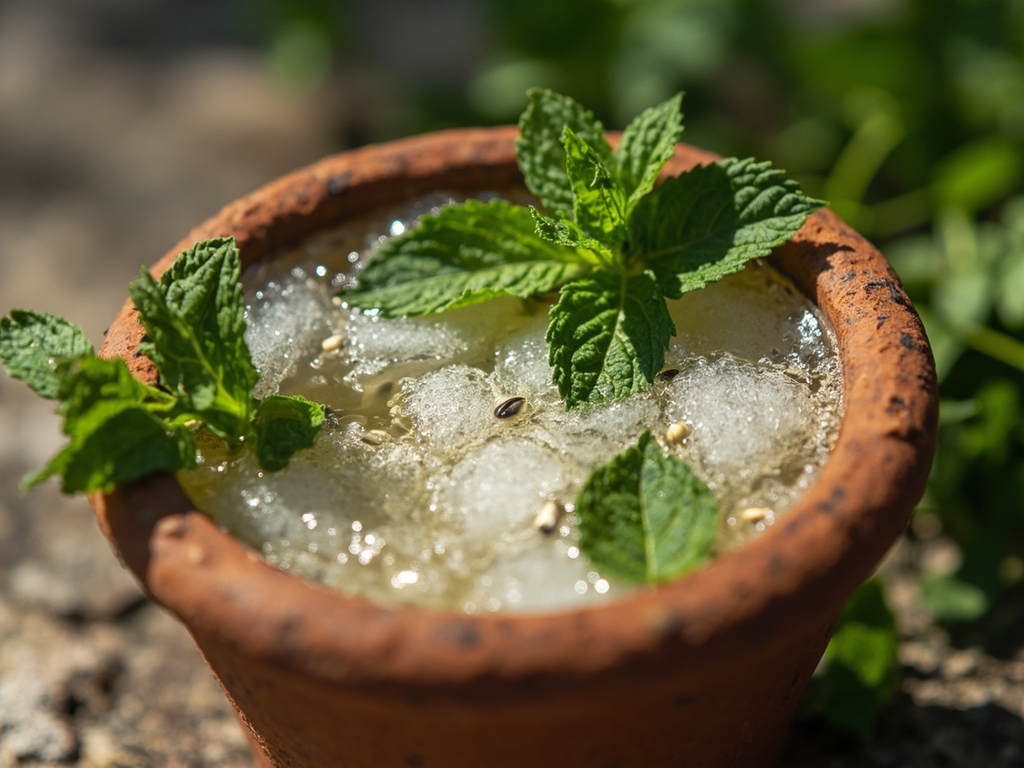
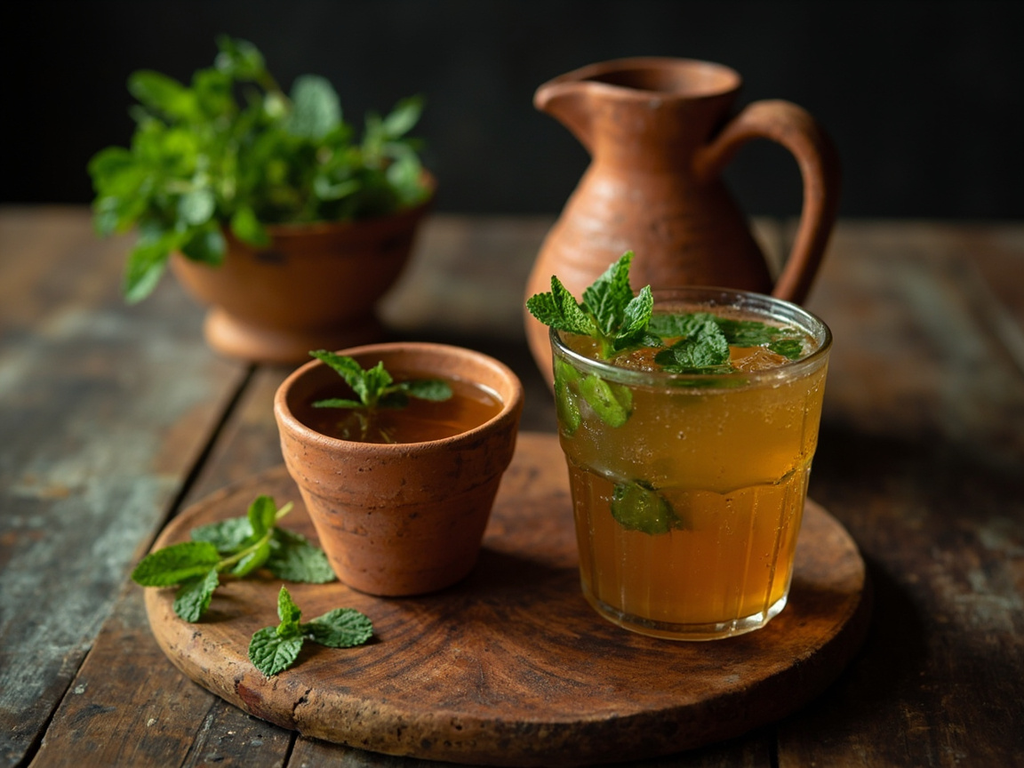
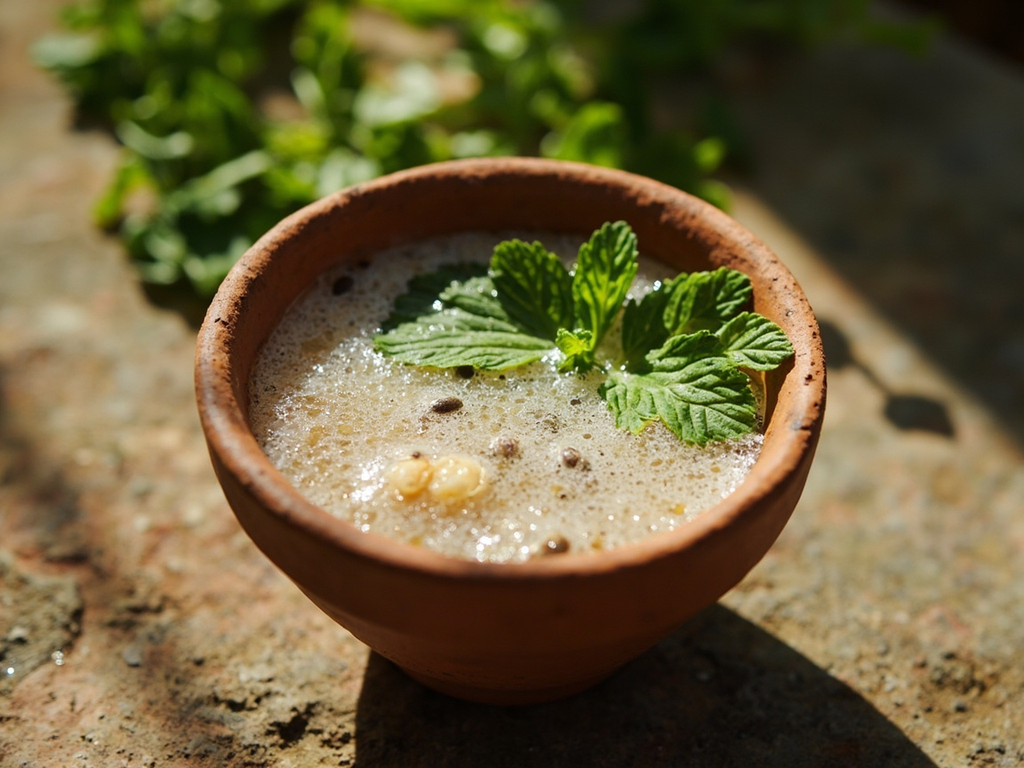
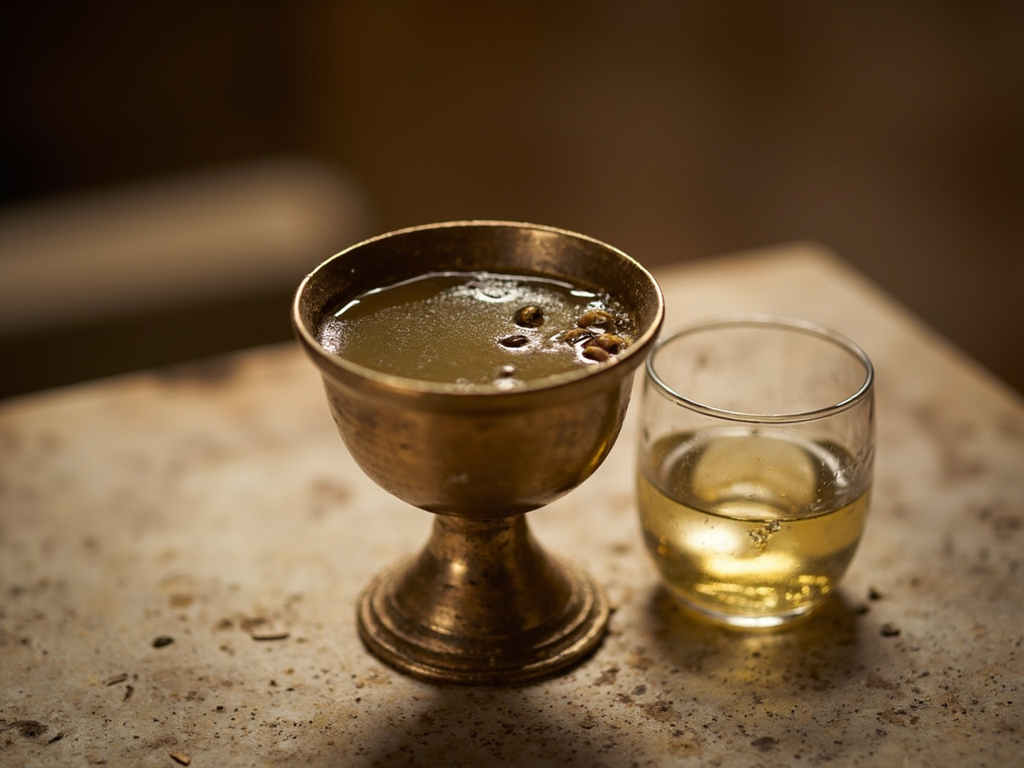
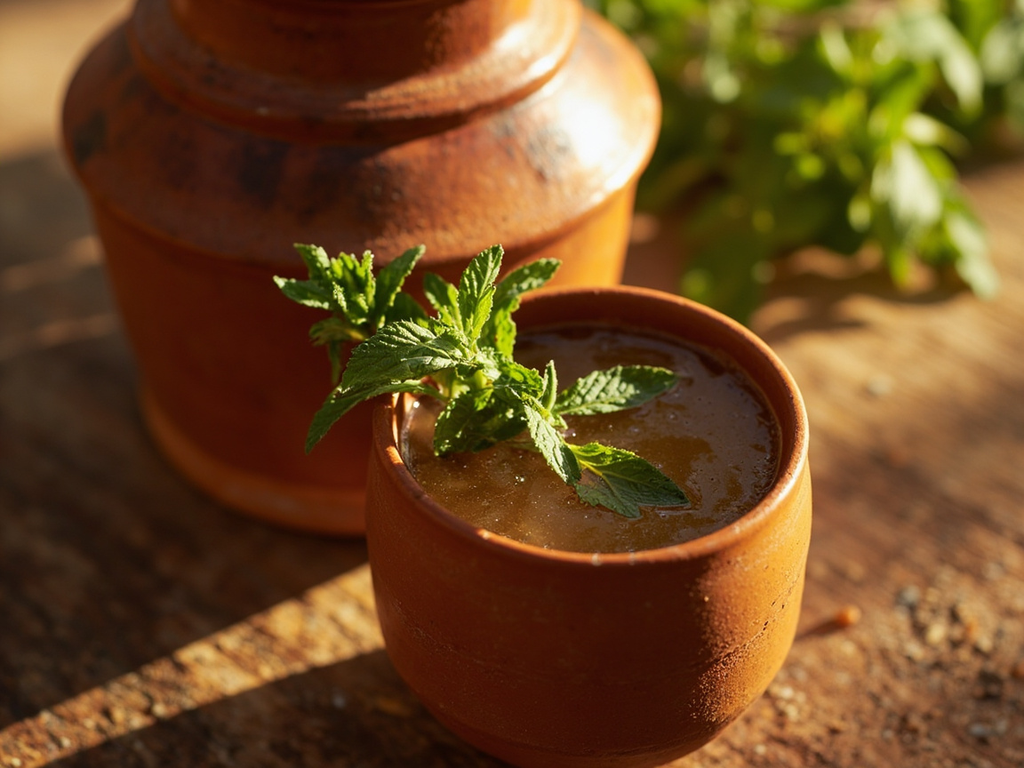
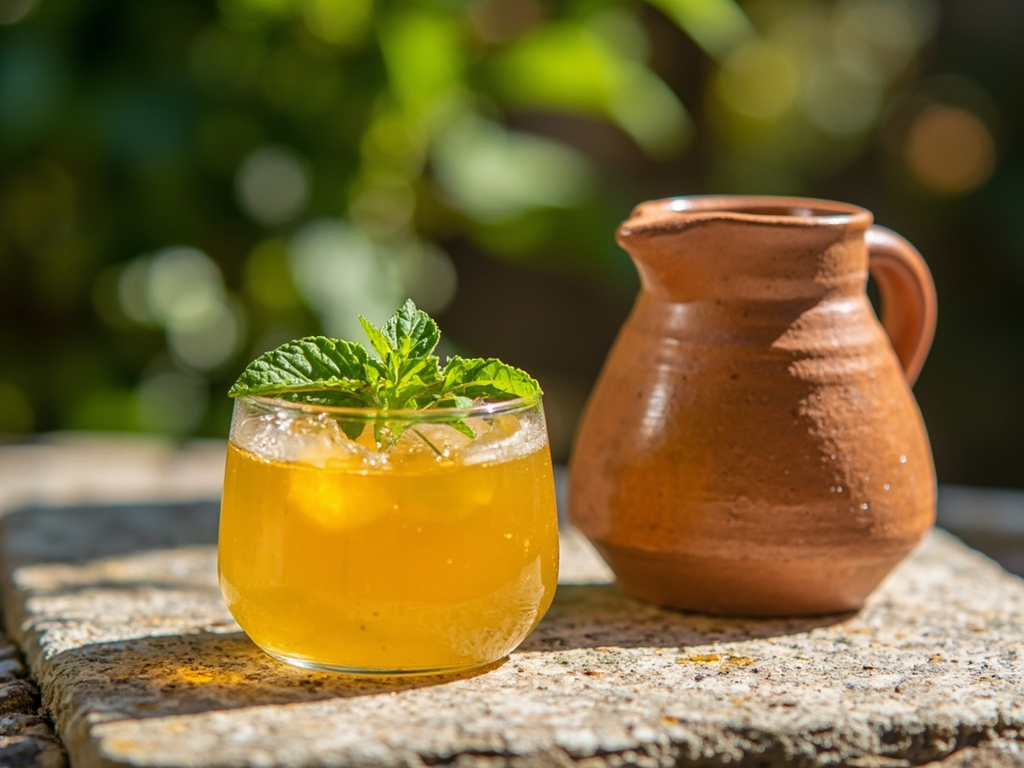
A refreshing, tangy drink made of cool water, a dash of wine vinegar, and a hint of honey, sometimes flavored with herbs. The opposite of festive wine: you drink it to quench thirst, not to get dizzy.
They laugh at me because I drink what legionaries drink. Let them laugh! Wine heats the tongue and loosens foolishness; vinegar water, on the other hand, keeps the mind clear for the night when I want to read and write. Pour one measure of vinegar into ten of cool water, a drop of honey to soften, and you will keep heat and thirst at bay. He who learns to be content with such a drink has nothing to fear from lean days.
- •Fresh spring water — a pitcher (base)
- •Wine vinegar — a dash (acidity)
- •Honey — a drop (sweetener)
- •Herbs (mint or coriander) — a few sprigs (flavor, optional)
Posca — The Vinegar Water of the Sober
A refreshing, tangy drink made of cool water, a dash of wine vinegar, and a hint of honey, sometimes flavored with herbs. The opposite of festive wine: you drink it to quench thirst, not to get dizzy.
Why this dish? Posca, water mixed with vinegar, was the drink of soldiers, slaves, and all who refused intoxication. For Seneca, who drinks water rather than the heady wines of banquets, it is the Stoic drink par excellence: it quenches thirst without enslaving.
They laugh at me because I drink what legionaries drink. Let them laugh! Wine heats the tongue and loosens foolishness; vinegar water, on the other hand, keeps the mind clear for the night when I want to read and write. Pour one measure of vinegar into ten of cool water, a drop of honey to soften, and you will keep heat and thirst at bay. He who learns to be content with such a drink has nothing to fear from lean days.
Ingredients (period version)
- Fresh spring water — a pitcher (base)
- Wine vinegar — a dash (acidity)
- Honey — a drop (sweetener)
- Herbs (mint or coriander) — a few sprigs (flavor, optional)
Ingredients
- Cold water — 1 liter (base)
- Wine vinegar (red or white) — 2–3 tbsp (acidity)
- Honey — 1 tsp (balance)
- Fresh mint — a few leaves (flavor, optional)
Method
- Dissolve the honey in a little warm water.
- Add the vinegar, then top up with cold water.
- Taste and adjust: more water if too sharp, a dash of vinegar if too flat.
- Add a few mint leaves, let infuse in the fridge for 1 hour.
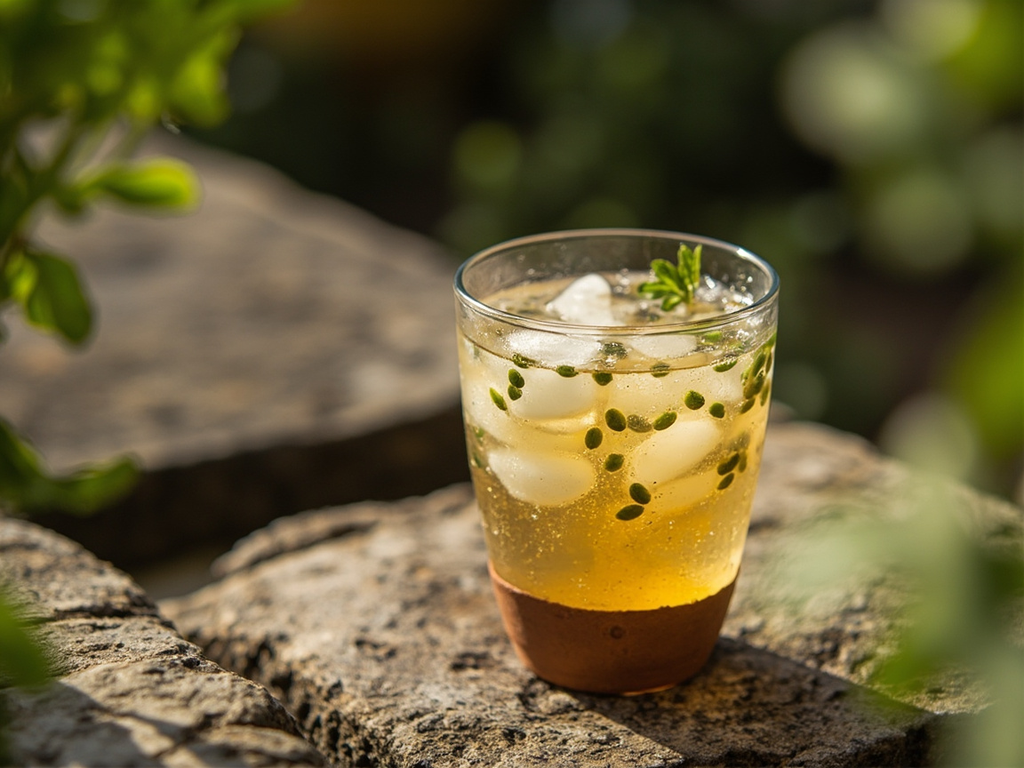
- Serve well chilled, without ice in antiquity but gladly with today.
How it was made : Posca was the daily drink of the common people and the Roman army, considered safer than plain water because vinegar sanitized it. According to the Gospels, this is the drink a soldier offers to Christ on the cross — proof of its ubiquity in the Roman world.
The contemporary twist : Rediscovered by alcohol-free mixology, posca returns under the name 'ancient switchel': serve it in a carafe with mint and cucumber for an elegant summer soft drink.
Sources : Cato the Elder, De agricultura · Plutarch, Life of Cato
Seneca · Charactorium