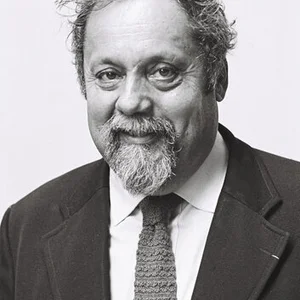

Adam Devreux is a Belgian comic book author. He is part of the rich Franco-Belgian comics tradition, a visual narrative art form recognized as the 9th art.
Adam(1969 — ?)
Adam Devreux
Belgique
8 min read
Frequently asked questions
Key Facts
- Comic book author of Belgian nationality
- Part of the Franco-Belgian comics tradition
- Belgium is one of the founding countries of European comics (Hergé, Franquin)
- Comics were recognized as the 9th art form in the 20th century
Works & Achievements
Adam Devreux follows in the tradition of the complete Franco-Belgian comics author, mastering both writing and illustration to produce coherent visual narratives. His works explore the storytelling conventions inherited from the great Belgian masters while asserting a distinctly contemporary sensibility.
Beyond albums, Franco-Belgian comics artists regularly produce illustrations for the press, magazine covers, and exhibitions, showcasing the artistic versatility that the ninth art demands.
Like many authors of his generation, Adam Devreux contributes to anthologies and specialist journals — spaces for experimentation and visibility within the European comics community.
Anecdotes
Franco-Belgian comics, nicknamed the "9th art," owe a great deal to the city of Brussels. It was in this capital that the major studios and publishing houses were founded, shaping the realistic and humorous style distinctive of Belgian comics. Adam Devreux, like many of his contemporaries, grew up immersed in this culture of the drawn page, inherited from the great masters.
Belgian authors of Adam Devreux's generation grew up with heroes like Tintin, Spirou, and Lucky Luke. This early cultural immersion shows in their narrative approach: particular attention to page layout, visual clarity, and the balance between text and image — the founding principles of the Franco-Belgian school.
During the 1980s and 1990s, Franco-Belgian comics underwent a quiet revolution: authors began exploring darker, more complex themes, moving away from traditional all-ages albums. Publishers such as Les Humanoïdes Associés and Casterman launched ambitious adult imprints, paving the way for a new generation of authors that includes Adam Devreux.
The Angoulême International Comics Festival, founded in 1974, became the annual gathering of the 9th art. For authors of Adam Devreux's generation, winning an award — or simply exhibiting at Angoulême — represented a major professional milestone, the equivalent of winning a César in film.
With the rise of digital tools in the 2000s, Franco-Belgian comics creators had to adapt their practices: graphics tablets and drawing software gradually joined the nib pen and India ink in their studios, profoundly transforming the craft while preserving the high graphic standards inherited from tradition.
Primary Sources
Comics are now recognized as the ninth art, on a par with cinema or photography. Their teaching is gradually making its way into art schools and European universities, particularly in Belgium.
The festival brings together several hundred authors from across Europe and around the world each year, reflecting the international influence of Franco-Belgian comics as a form of popular and cultural art.
In Belgium, comics represent a living cultural heritage, supported by a network of publishers, museums, and drawing schools that ensure the transmission of expertise recognized on a global scale.
The introduction of comics into French and visual arts curricula in middle and high schools officially establishes the 9th art as a legitimate educational tool for teaching narrative and visual literacy.
Key Places
A museum and documentation center dedicated to Franco-Belgian comics, housed in an Art Nouveau building designed by Victor Horta. An essential landmark for any Belgian author of Adam Devreux's generation.
Europe's largest festival dedicated to the ninth art, an unmissable annual gathering where authors, publishers, and readers from around the world have met since 1974.
The Belgian capital is home to the headquarters of the leading Franco-Belgian comics publishers (Dupuis, Le Lombard, Casterman), who have shaped the market and supported several generations of authors.
A prestigious Belgian visual arts school that has trained many professional comics authors. A center for passing down the graphic skills at the heart of the Franco-Belgian tradition.
Parisian neighborhoods home to several major comics publishers (Dargaud, Glénat, Soleil), a meeting point between the Franco-Belgian tradition and the French market, crucial to the distribution of works.
Typical Objects

A tilted work surface on which the author places Bristol board sheets to draw with precision. For Adam Devreux, as for his Belgian contemporaries, it is the central piece of the creative studio — a legacy passed down through generations of Franco-Belgian cartoonists.

Permanent black ink and precision tools used to ink pencilled artwork. Inking with a nib pen or brush is a fundamental step in Franco-Belgian comics, requiring years of technical mastery.

Professional-grade drawing paper — smooth, durable, and used for finished comic pages. Its standardised format (A3 or 44×34 cm) has been the standard in Franco-Belgian comics since the 1960s.

A backlit panel that allows artists to trace drawings through transparency — an essential tool for transferring pencil sketches onto the final page without having to start from scratch.

First appearing in studios during the 1990s and 2000s, the digital tablet allows contemporary artists to draw and colour on a computer. It often coexists with traditional tools in Belgian studios.

A collection of albums by masters of the form (Hergé, Franquin, Moebius, Hermann) that artists keep as sources of inspiration and visual reference, forming a true professional library.

A working document on which the author notes the panel layout, dialogue, and visual directions for each page. It is the backbone of any comic book, written before the pencil is ever picked up.
School Curriculum
Vocabulary & Tags
Key Vocabulary
Tags
Daily Life
Morning
Adam Devreux starts his day early in his Brussels studio, reviewing the pages he drew the day before in the morning light. He goes over his script notes and reference albums before settling at the drawing board for his penciling sessions.
Afternoon
The afternoon is devoted to meticulous inking with pen or brush — the most technical and irreversible stage of the work. Franco-Belgian comics artists typically work six to eight hours a day on their pages to meet the deadlines set by publishers.
Evening
In the evenings, he works on the script for upcoming pages or exchanges with his editor. Belgian authors are regulars at Brussels cafés, specialist bookshops, and gallery openings, maintaining a rich network of professional and personal connections at the heart of the comics capital.
Food
Traditional Belgian cuisine day to day: wheat bread, local cheeses, craft beer in the evenings, fries, and carbonnade flamande. Strong coffee plays an essential role during the long creative workdays in the studio.
Clothing
The relaxed, practical attire of an independent artist: jeans, a sweater or checked shirt, a jacket for the Belgian cold. Hand and wrist comfort is paramount — nothing must interfere with the precision of movement required during inking.
Housing
A Brussels apartment or townhouse with a dedicated studio, often set up on the top floor to take advantage of abundant natural light. The walls are covered with pinned sketches, festival posters, and original pages, with a well-stocked comics library serving as a daily reference.
Historical Timeline
Period Vocabulary
Visual Style
Style visuel ancré dans la tradition de la ligne claire franco-belge : encrage précis, couleurs vives ou en lavis, architecture Art Nouveau bruxelloise en toile de fond, personnages expressifs dans des décors réalistes et minutieusement détaillés.
Sound Ambience
Atmosphère intimiste d'un atelier de bande dessinée belge : grattement des plumes sur le papier Bristol, bruissement des pages de référence, ambiance sonore feutrée d'une rue bruxelloise en arrière-plan.
Liens externes & ressources
Références
Œuvres
Planches et albums de bande dessinée
Depuis les années 1990
Illustrations et travaux graphiques
Années 1990-2000
Contributions à des projets collectifs et revues spécialisées
Années 2000-2010