Visual Arts
Peinture, sculpture, photo, architecture, design
398 characters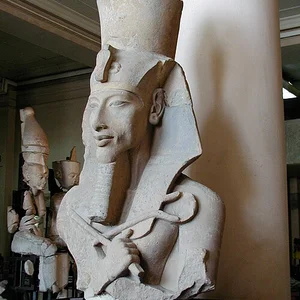

398 characters
Before Christ(9)
Akhenaten
1400 av. J.-C. — 1335 av. J.-C.
Pharaoh of the 18th Dynasty of Egypt (c. 1353–1336 BCE), Akhenaten revolutionized religion by imposing the monotheistic worship of Aten, the solar disk. He relocated the capital to Akhetaten (Amarna) and profoundly transformed Egyptian art.
Amenhotep III
1399 av. J.-C. — 1350 av. J.-C.
Pharaoh of the 18th Egyptian dynasty (c. 1391–1353 BC), he ruled Egypt at the height of its diplomatic and artistic power. His reign was marked by relative peace, intensive building activity, and exceptional cultural refinement.
Apelles
369 av. J.-C. — 305 av. J.-C.
Apelles was the most celebrated painter of Greek Antiquity, active in the 4th century BC. He served as the official painter of Alexander the Great and the Macedonian court. None of his works have survived, but ancient texts bear witness to his exceptional mastery.
Arachne
A mortal weaver from Lydia in Greek mythology, Arachne challenged the goddess Athena to a weaving contest. Defeated or shamed, she was transformed into a spider — giving arachnids their name.
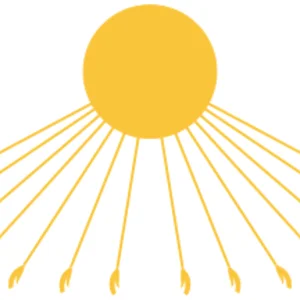
Aten
Aten is the solar deity of ancient Egypt, represented as the sun disk whose rays end in human hands. Elevated to the status of sole god by Pharaoh Akhenaten in the 14th century BCE, Aten stood at the heart of an unprecedented religious revolution.
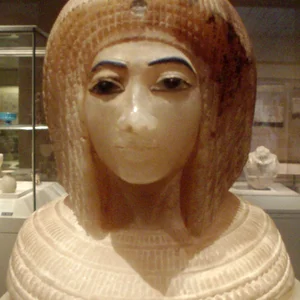
Kiya
1400 av. J.-C. — 1400 av. J.-C.
A secondary wife of Pharaoh Akhenaten, Kiya held a singular place at the court of Amarna in the 14th century BCE. Her identity and origins remain partly mysterious, though her name and likeness appear on several monuments from the Amarna period.
Meritaten
Eldest daughter of Pharaoh Akhenaten and Queen Nefertiti, Meritaten lived during the Amarna religious revolution in the 14th century BCE. She became Great Royal Wife of Pharaoh Smenkhkare and was abundantly depicted in the art of the Amarna period.
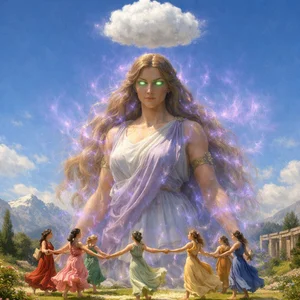
Mnemosyne
Greek Titaness personifying Memory, daughter of Ouranos and Gaia. United with Zeus for nine consecutive nights, she gave birth to the nine Muses, divine patrons of the arts and sciences. Her name is the origin of the word “mnemonic.”
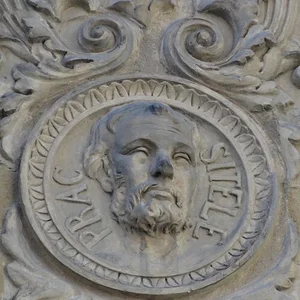
Praxiteles
394 av. J.-C. — 329 av. J.-C.
Praxiteles is one of the greatest sculptors of ancient Greece, active in Athens in the 4th century BC. He is famous for introducing grace, sensuality, and naturalness into statuary, notably with his Aphrodite of Knidos, the first major female nude in Greek art.
Antiquity(6)
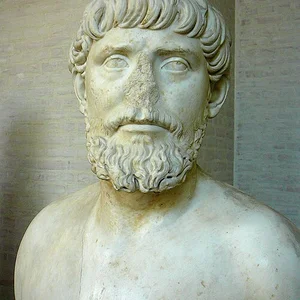
Apollodorus of Damascus
50 — 120
A Greek architect and engineer of Syrian origin, active under the emperor Trajan in the early 2nd century. The designer of Trajan's Forum and Trajan's Column in Rome, he was one of the greatest builders of Roman antiquity.
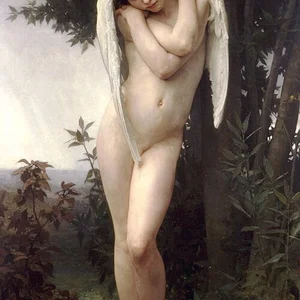
Cupid
God of love in Roman mythology, Cupid is the son of Venus and Mars (or Mercury, depending on the version). Armed with a bow and golden arrows, he strikes humans with romantic passion. His Greek equivalent is Eros.
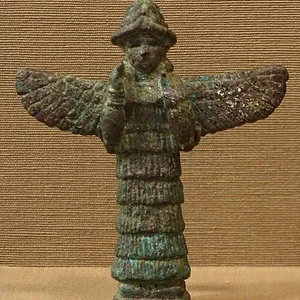
Lamassu
The lamassu is a protective deity of ancient Mesopotamia, depicted as a winged spirit with the body of a bull (or lion), the wings of an eagle and a bearded human head. Standing guard at the gates of Assyrian palaces and cities, these monumental figures warded off the forces of evil.
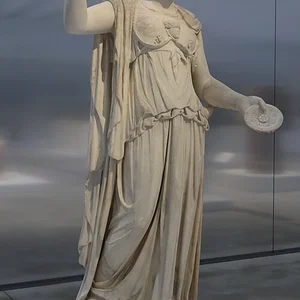
Minerva
Roman goddess of wisdom, the arts, and crafts, Minerva is the Roman equivalent of Athena in Greek mythology. Born fully armed from Jupiter's head, she protects Rome, artisans, and poets, and together with Jupiter and Juno forms the Capitoline Triad.
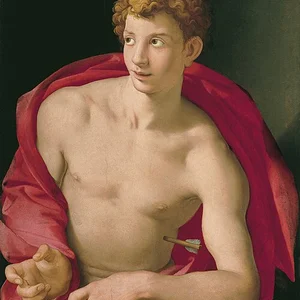
Saint Sebastian
Officer of the Praetorian Guard of Emperor Diocletian, secretly converted to Christianity. Condemned to death by arrows around 288, he survived before being beaten to death. He became one of the most depicted martyrs in Western art.
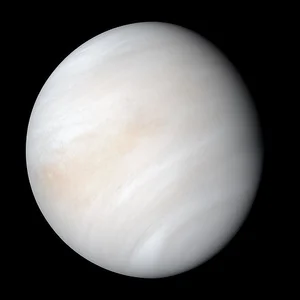
Venus
Venus is the Roman goddess of love, beauty, and fertility, equivalent to the Greek Aphrodite. Daughter of Jupiter according to some traditions, she plays a central role in Roman mythology and has inspired countless works of art throughout the centuries.
Middle Ages(4)
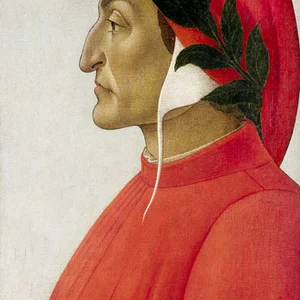
Dante Alighieri
1265 — 1321
Florentine poet of the 13th–14th century, author of *The Divine Comedy*, a masterpiece of medieval literature. Exiled from Florence for political reasons, he laid the foundations of the Italian literary language.
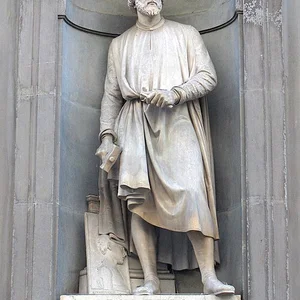
Donatello
1386 — 1466
Donato di Niccolò di Betto Bardi, known as Donatello, was a Florentine sculptor of the 15th century, considered one of the founding fathers of Renaissance sculpture. He revolutionized the art of sculpture by rediscovering ancient naturalism and mastering perspective in low relief.
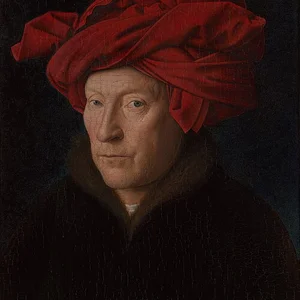
Jan van Eyck
1390 — 1441
Flemish painter of the early 15th century, a leading figure of the Early Netherlandish painters. A master of portraiture and meticulous realism, he raised oil painting to an unprecedented level of refinement.
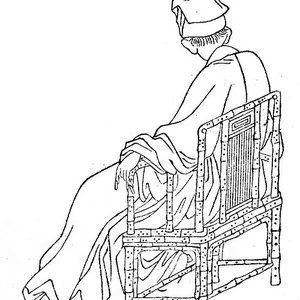
Wang Wei
699 — 759
Wang Wei (701-761) was one of the greatest poets of the Tang dynasty, as well as a painter, musician, and high-ranking official. Deeply influenced by Chan Buddhism, he is celebrated for his landscape poetry in which nature and contemplation merge.
Renaissance(55)
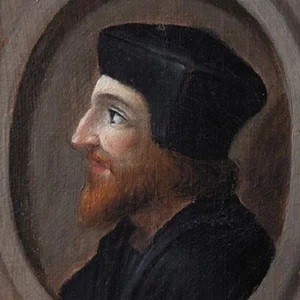
Agostino Chigi
1466 — 1520
Agostino Chigi (1466–1520) was the greatest banker of the Italian Renaissance, financier to popes Julius II and Leo X. A lavish patron of the arts, he commissioned the construction and decoration of the Villa Farnesina in Rome, with frescoes by Raphael and his pupils.
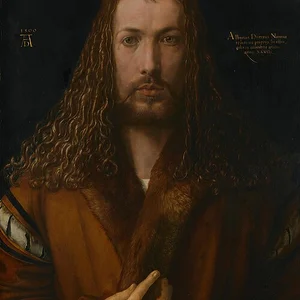
Albrecht Dürer
1471 — 1528
German Renaissance painter, printmaker, and theorist (1471–1528), Dürer is considered the greatest Germanic artist of his time. He introduced Italian Renaissance ideals to Northern Europe and revolutionized the art of woodcut and copper engraving.
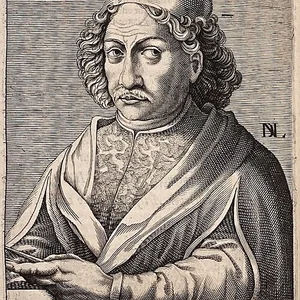
Andrea del Verrocchio
1435 — 1488
Florentine sculptor, painter, and goldsmith of the 15th century, Verrocchio ran one of the most influential workshops of the Italian Renaissance. He trained Leonardo da Vinci, among others. His sculptural work, including the equestrian statue of Bartolomeo Colleoni in Venice, exemplifies the revival of ancient art.
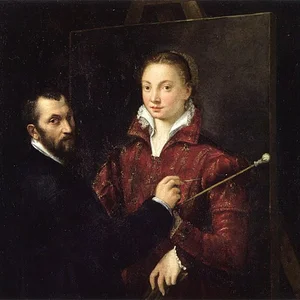
Bernardino Campi
1520 — 1591
Italian Mannerist painter (1522–1591), born in Cremona. A pupil of Giulio Campi, he developed an elegant style influenced by Lombard Mannerism. He is best known for having been the master of Sofonisba Anguissola.
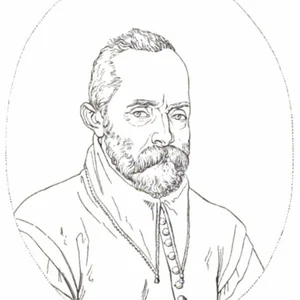
Bernardino Gatti
1495 — 1576
Italian Renaissance painter (c. 1495–1576), active mainly in Lombardy and Emilia. A pupil of Correggio, he developed a style influenced by Lombard Mannerism, creating frescoes and altarpieces for the major churches of Cremona and Pavia.
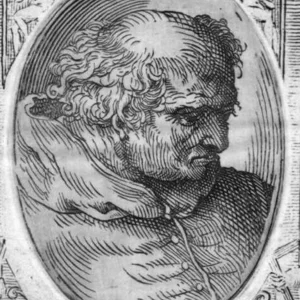
Bramante
1444 — 1514
Italian architect and painter of the Renaissance (1444–1514), Bramante is considered the father of High Renaissance architecture. He designed the plan for the new St. Peter's Basilica in Rome and created the Tempietto, a masterpiece of classical architecture.
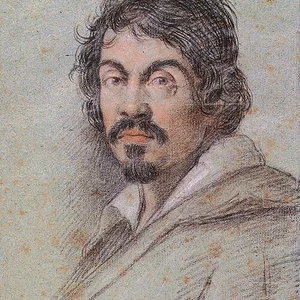
Caravaggio
1571 — 1610
An Italian painter at the turn of the 17th century, Caravaggio revolutionized Western art through his radical use of chiaroscuro and his realistic portrayal of religious subjects. A violent and tormented figure, he fled Rome after committing a murder in 1606 and died at the age of 38.
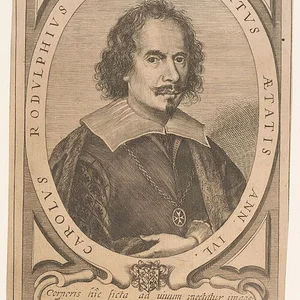
Carlo Ridolfi
1594 — 1658
Carlo Ridolfi (1594-1658) was a Venetian painter and Italian art historian. He is best known for his *Meraviglie dell'Arte*, a biographical collection of Venetian painters and a major source for the history of Italian painting.
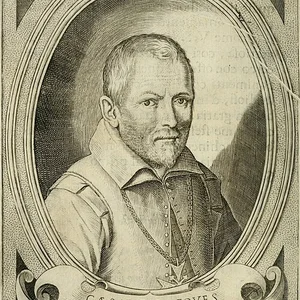
Cesare Ripa
1555 — 1622
Cesare Ripa (c. 1555–1622) was an Italian scholar and iconographer, author of the *Iconologia* (1593), an encyclopedic treatise that codified the allegorical representation of virtues, vices, and abstract concepts. His work became the essential reference for European artists and decorators from the 17th to the 18th century.
Ciriaco Mattei
1545 — 1614
Ciriaco Mattei (1545–1614) was a Roman nobleman and influential patron of the arts in the late Renaissance. A major collector of antiquities and paintings, he was one of Caravaggio's principal patrons in Rome.
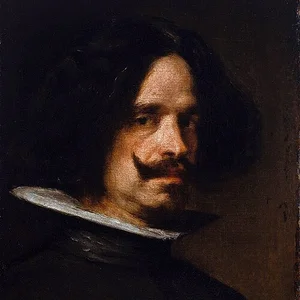
Diego Velázquez
1599 — 1660
Diego Velázquez (1599–1660) was the greatest Spanish painter of the Golden Age. As official painter to King Philip IV, he revolutionized painting through his mastery of light and realism. His masterpiece, Las Meninas, remains one of the most analyzed works in the history of art.
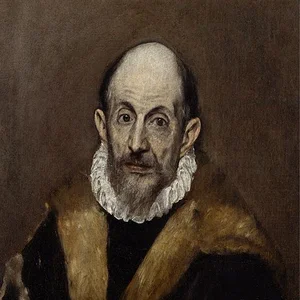
El Greco
1541 — 1614
Painter, sculptor, and architect born in Crete in 1541, El Greco settled in Toledo, Spain, where he developed a unique style blending Byzantine, Venetian, and Mannerist influences. His works, characterized by elongated figures and intense colors, make him one of the forerunners of Expressionism.
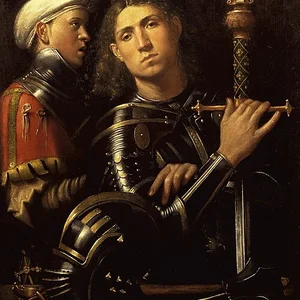
Erasmo da Narni (Gattamelata)
A fifteenth-century Italian condottiere, Erasmo da Narni — nicknamed "Gattamelata" (the honeyed cat) — was one of the greatest mercenary military commanders of his time. He is best known for inspiring Donatello to create the first large equestrian bronze statue of the Renaissance, erected in Padua.
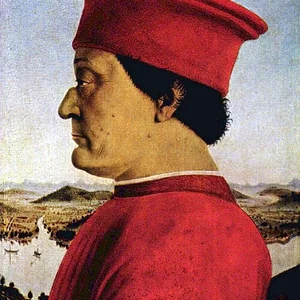
Federico da Montefeltro
1422 — 1482
Condottiere and lord of Urbino (1422–1482), Federico da Montefeltro was one of the most cultured princes of the Italian Renaissance. An exceptional patron of the arts, he made Urbino a major artistic center, commissioning his famous profile portrait from Piero della Francesca.
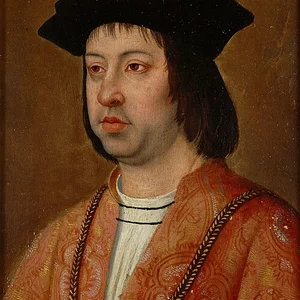
Ferdinand II of Aragon
1452 — 1516
King of Aragon, Ferdinand II married Isabella of Castile in 1469, uniting the two great Iberian crowns. Together, the “Catholic Monarchs” completed the Reconquista in 1492, financed Christopher Columbus's voyage, and laid the foundations of modern Spain.
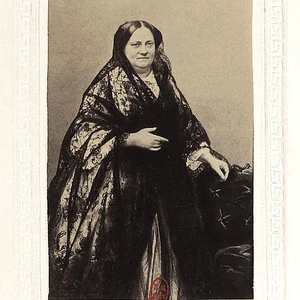
Ferdinand II of Spain
King of Aragon and, through his marriage to Isabella of Castile, co-ruler of a unified Spain. He completed the Reconquista in 1492 and funded Christopher Columbus's voyages, laying the foundations of the Spanish colonial empire.
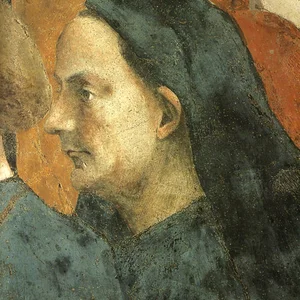
Filippo Brunelleschi
1377 — 1446
Florentine architect and engineer (1377–1446), he is considered the father of Renaissance architecture. He is renowned for designing the dome of the Cathedral of Santa Maria del Fiore in Florence and for formalizing the laws of linear perspective.
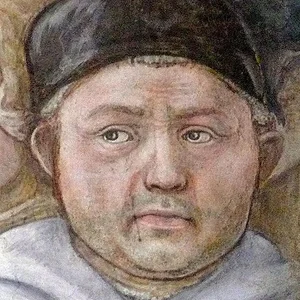
Filippo Lippi
1406 — 1469
Florentine painter of the Quattrocento (1406–1469), a Carmelite friar who became one of the masters of Italian religious painting. Celebrated for his Madonnas with tender, human features, he influenced Botticelli, whom he trained.
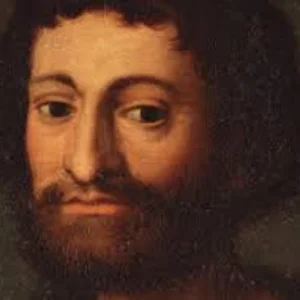
Francesco del Giocondo
1460 — 1542
A Florentine merchant and magistrate of the Renaissance, Francesco del Giocondo is best known for having commissioned Leonardo da Vinci to paint the portrait of his wife Lisa Gherardini, known as the Mona Lisa. Born in 1465 in Florence, he was a prosperous silk merchant.
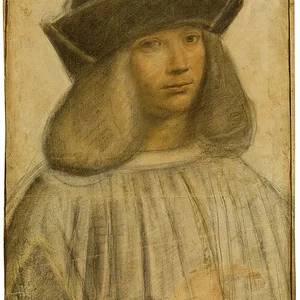
Francesco Melzi
1492 — 1570
Francesco Melzi (1491-1570) was Leonardo da Vinci's favorite pupil and faithful companion. An Italian painter of the Lombard Renaissance, he inherited Leonardo's manuscripts and works upon his death and helped preserve his legacy.
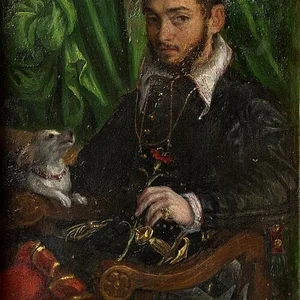
Gian Paolo Zappi
1555 — 1615
Italian painter active between the late 16th and early 17th centuries, originally from Faenza. He followed the Mannerist tradition of the Roman and Bolognese schools, producing religious and decorative works.
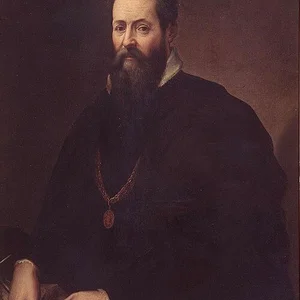
Giorgio Vasari
1511 — 1574
Giorgio Vasari was an Italian painter, architect, and writer of the Renaissance. Author of "Lives of the Most Excellent Painters, Sculptors, and Architects" (1550), he is considered the first art historian. He also designed the Uffizi Palace in Florence.
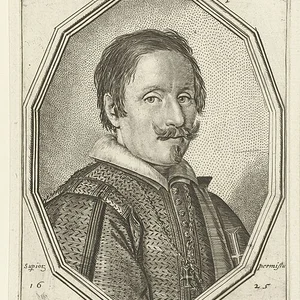
Giovanni Baglione
1566 — 1643
Italian painter and biographer (1566–1643), active in Rome. A rival of Caravaggio, he represents the late Mannerist current before adopting a moderate Baroque style. He is also known for his work on the lives of Roman painters.
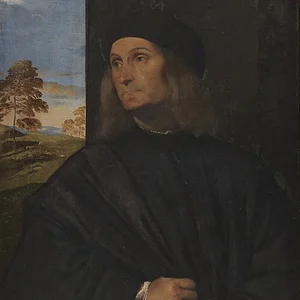
Giovanni Bellini
1430 — 1516
Giovanni Bellini was a major Venetian painter of the Italian Renaissance. Son of Jacopo and brother of Gentile Bellini, he revolutionized Venetian painting through his mastery of color, light, and atmosphere, paving the way for Giorgione and Titian.
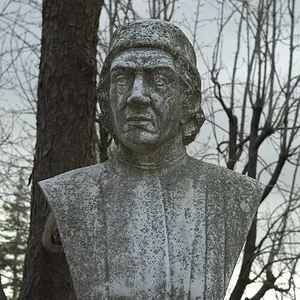
Giovanni Santi
Italian Renaissance painter (c. 1435–1494), born in Urbino. He is best known as the father of Raphael, whose first master he was. His pictorial work reflects the influence of Melozzo da Forlì and the court of the Montefeltro.
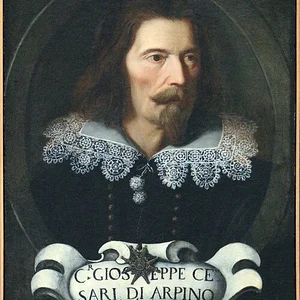
Giuseppe Cesari
1568 — 1640
Italian Mannerist painter (1568–1640), Giuseppe Cesari was one of the most fashionable artists in Rome at the end of the sixteenth century. He worked for several popes and was the first master of the young Caravaggio. His frescoes adorn the Basilica of Saint John Lateran and the Capitoline Hill, among other sites.
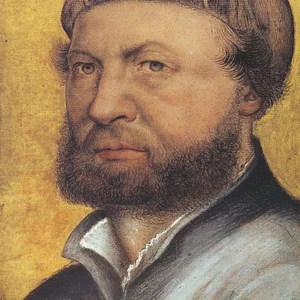
Hans Holbein the Younger
1497 — 1543
Hans Holbein the Younger was a German painter and engraver of the Renaissance, famous for his portraits of striking precision. Having become court painter to Henry VIII of England, he immortalized the great figures of the Tudor era and the humanists of his time.
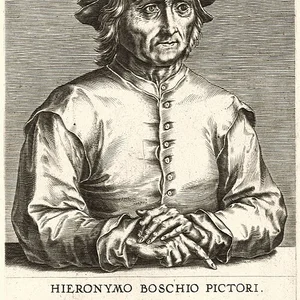
Hieronymus Bosch
1450 — 1516
Hieronymus Bosch was a Dutch painter and draughtsman of the late Middle Ages and early Renaissance. Famous for his fantastical compositions teeming with hybrid creatures and infernal scenes, he offers a moral and allegorical vision of sin and salvation.
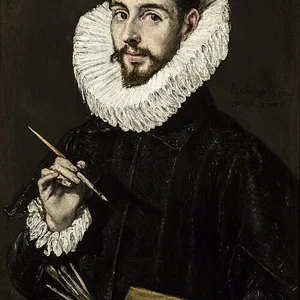
Jorge Manuel Theotokópoulos
Son and collaborator of El Greco, Jorge Manuel Theotokópoulos (1578–1631) was a painter and architect in Toledo. He carried on his father's Mannerist style while working as a master builder on several projects in the city.
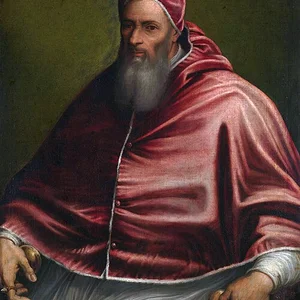
Julius III
1487 — 1555
Julius III (Giovanni Maria Ciocchi Del Monte, 1487–1555) was the 221st pope of the Catholic Church from 1550 to 1555. He convened the resumption of the Council of Trent and was a patron of the arts, protector of Michelangelo and Palestrina.
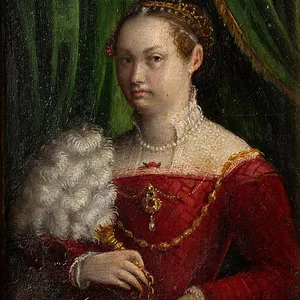
Lavinia Fontana
1552 — 1614
Lavinia Fontana (1552-1614) was a Bolognese painter considered the first professional female artist in the history of Western art. The daughter of painter Prospero Fontana, she excelled in portraiture and mythological scenes, working for the papal court in Rome.
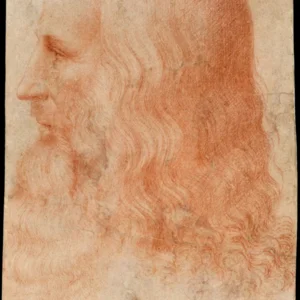
Leonardo da Vinci
1452 — 1519
Italian Renaissance painter, sculptor, architect, and engineer (1452–1519), Leonardo da Vinci embodies the ideal of the universal man. Creator of the Mona Lisa and The Last Supper, he revolutionized art through perspective and scientific observation, while pursuing research in anatomy, botany, and engineering.
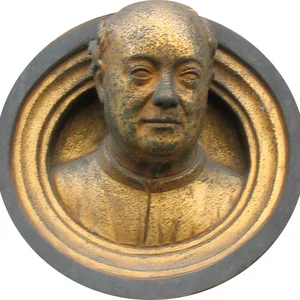
Lorenzo Ghiberti
1378 — 1455
Florentine goldsmith and sculptor (1378–1455), Ghiberti is renowned for creating the bronze doors of the Florence Baptistery, including the Gates of Paradise, a masterpiece of Renaissance sculpture.
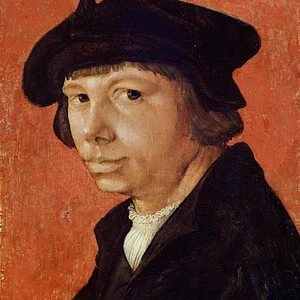
Lucas van Leyden
1494 — 1533
Dutch Renaissance painter and engraver (1494–1533), Lucas van Leyden is celebrated for the refinement of his copper and woodcut engravings. A contemporary of Dürer, he transformed the art of printmaking by introducing genre scenes and innovative perspective.
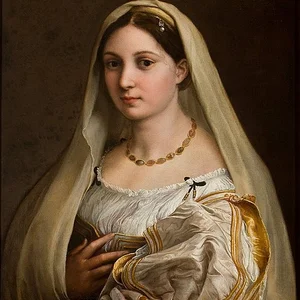
Margherita Luti
1500 — 1522
Margherita Luti, known as la Fornarina (“the baker's daughter”), was the model and companion of the painter Raphael in Rome. Her face inspired several of his Madonnas and the famous portrait La Fornarina.
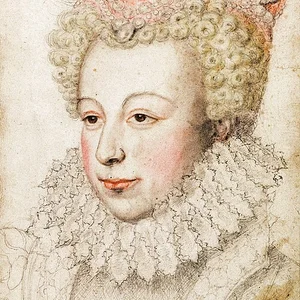
Marguerite de Valois
1553 — 1615
Queen consort of Navarre and later of France, nicknamed 'Queen Margot', she was a central figure in the Wars of Religion. A learned woman of letters, she left behind her Memoirs and was the first wife of Henry IV.
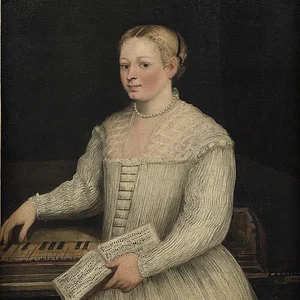
Marietta Robusti
1554 — 1590
Venetian painter of the late Renaissance (1554–1590), daughter and pupil of Tintoretto. Known as "la Tintoretta," she was celebrated for her portraits of remarkable psychological depth. Highly sought after at court, she turned down invitations from Philip II of Spain and Emperor Maximilian II in order to remain in Venice.
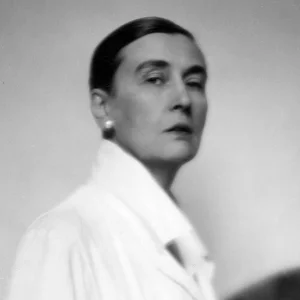
Mario Augusta
Painter or artist of the Italian Renaissance whose biographical details remain poorly documented. His name suggests an artist active in Italian artistic circles of the 15th–16th centuries.
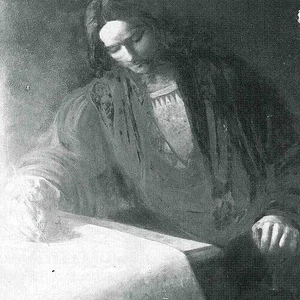
Martin Waldseemüller
1470 — 1520
A German Renaissance cartographer, he was the first to use the name “América” on a map, in 1507. His world map, printed in Saint-Dié-des-Vosges, depicts America for the first time as a distinct continent.
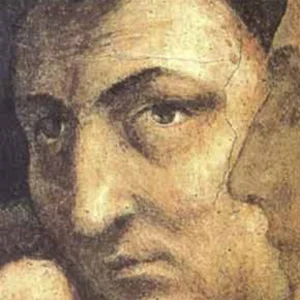
Masaccio
1401 — 1428
A Florentine painter of the early 15th century, Masaccio is considered one of the fathers of Renaissance painting. He revolutionized pictorial art by introducing linear perspective and a striking naturalism in the representation of human figures.
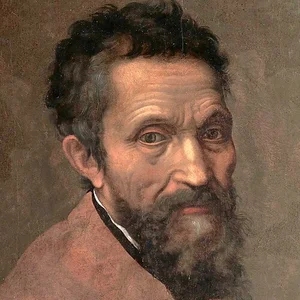
Michelangelo
1475 — 1564
Italian Renaissance painter, sculptor, poet, and architect (1475–1564). Michelangelo is considered one of the greatest artists of all time, author of world-famous masterpieces such as the David and the Sistine Chapel ceiling fresco.
Michelozzo di Bartolomeo
1396 — 1472
Florentine architect and sculptor of the early Renaissance (1396–1472), Michelozzo was the preferred architect of Cosimo de' Medici. He designed the Palazzo Medici Riccardi in Florence, a model for the Renaissance palace, and collaborated with Donatello on several sculptural works.
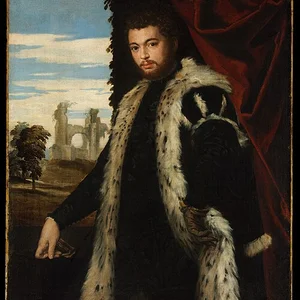
Paolo Veronese
Venetian Renaissance painter (1528–1588), celebrated for his vast, sumptuous compositions featuring large crowds of figures, brilliant colors, and illusionistic architectural settings. He painted decorative cycles for the Serenissima in the palaces and churches of Venice.
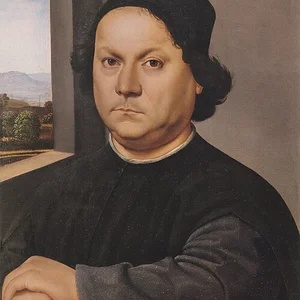
Perugino
Italian painter of the Umbrian Renaissance (c. 1446–1523), Perugino is celebrated for his harmonious compositions featuring gentle, idealized religious figures. A pupil of Verrocchio, he contributed to the Sistine Chapel and became Raphael's master.
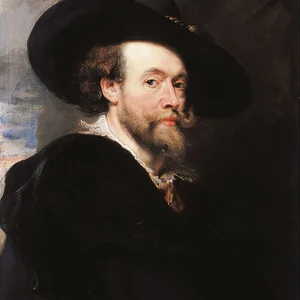
Peter Paul Rubens
1577 — 1640
A Flemish painter of the 17th century, Rubens is one of the masters of the European Baroque. As much a diplomat as an artist, he worked for the greatest courts of Europe. His monumental body of work, rich in color and movement, had a lasting influence on Western painting.

Pierantonio Stiattesi
1612 — ?
A Florentine painter and art dealer active in Rome at the end of the 16th century, Pierantonio Stiattesi is best known as a close collaborator and agent of Caravaggio. He played the role of intermediary in the sale of paintings and left behind valuable correspondence shedding light on Rome's artistic world.
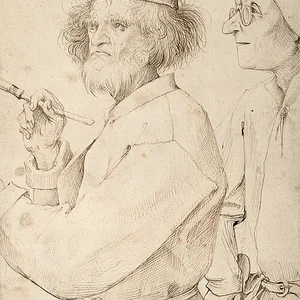
Pieter Bruegel the Elder
1525 — 1569
Brabantian painter and printmaker of the Flemish Renaissance, famous for his peasant scenes and vast landscapes. His works depict everyday life, popular proverbs, and 16th-century village festivities.
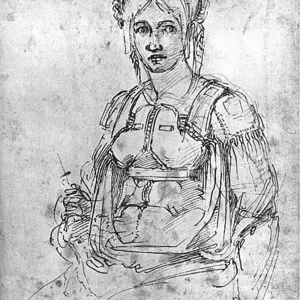
Properzia de' Rossi
1490 — 1530
A Bolognese sculptor of the Renaissance (c. 1490–1530), Properzia de' Rossi is considered the first professional female sculptor in Europe. She is celebrated for her marble bas-reliefs and miniature sculptures carved on apricot pits.
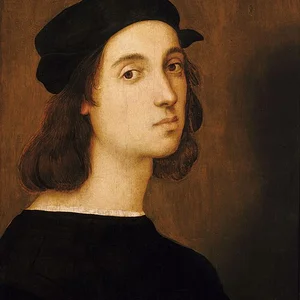
Raphael
1483 — 1520
Italian painter and architect of the Renaissance (1483–1520), Raphael is one of the great masters of the Italian Renaissance. He is celebrated for his harmonious compositions, his Madonnas, and his monumental frescoes, most notably The School of Athens in the Vatican.
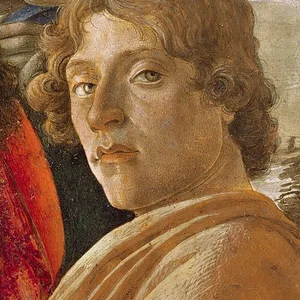
Sandro Botticelli
1445 — 1510
A major Florentine painter of the Italian Renaissance (1445–1510), Botticelli is celebrated for his mythological and religious compositions marked by graceful forms and a poetic visual world. His works, such as The Birth of Venus and Primavera, embody the humanist ideals of the Florentine Renaissance.
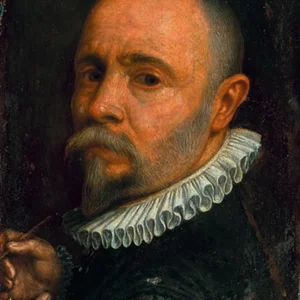
Simone Peterzano
1540 — 1599
Italian Mannerist painter active in Milan during the second half of the 16th century. Claiming to be a pupil of Titian, he is best known for having trained the young Caravaggio, who was his apprentice from 1584 to 1588.
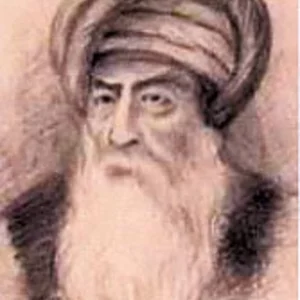
Sinan
1490 — 1588
Sinan (c. 1490–1588) was the greatest architect of the Ottoman Empire. Chief of the imperial architects under Suleiman the Magnificent, he designed more than 300 buildings, including the Süleymaniye Mosque in Istanbul and the Selimiye Mosque in Edirne, considered the absolute masterpiece of Ottoman architecture.
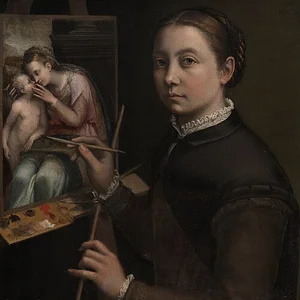
Sofonisba Anguissola
1532 — 1625
An Italian Renaissance painter (1532–1625), she was one of the first women artists to achieve international renown. Official portraitist at the court of King Philip II of Spain, she influenced many artists, including Caravaggio and Van Dyck.
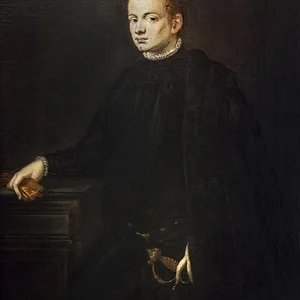
Tintoretto
A 16th-century Venetian painter and a major figure of late Mannerism. Nicknamed *il Tintoretto* (the little dyer) after his father's trade, he left his mark on Venetian painting through his dramatic compositions, bold foreshortening, and striking lighting effects.
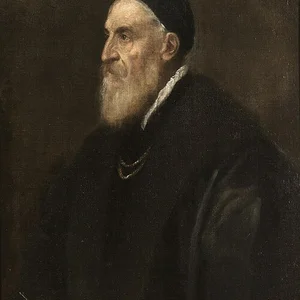
Titian
1490 — 1576
Titian, whose real name is Tiziano Vecellio, is the undisputed master of the Venetian school of the Renaissance. A prolific painter famous for his revolutionary use of color, he dominated the art scene for over sixty years and was the official portraitist of the greatest sovereigns of Europe.
Early Modern(35)
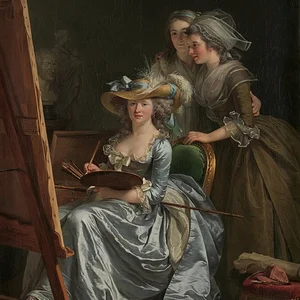
Adélaïde Labille-Guiard
1749 — 1803
French painter and miniaturist of the 18th century, she was one of only two women admitted to the Académie royale de peinture in 1783. Official portraitist to the Mesdames de France, she rivaled Élisabeth Vigée Le Brun and campaigned for women's access to artistic institutions.
Agostino Tassi
1580 — 1644
Italian painter (c. 1578–1644), specialist in landscape and seascape painting. He was the master of Claude Lorrain and contributed to the development of atmospheric perspective in Roman Baroque painting.
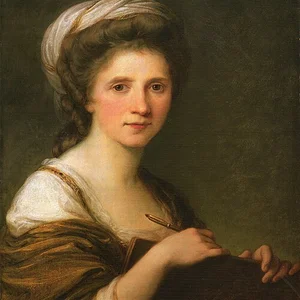
Angelica Kauffmann
1741 — 1807
Swiss painter, a major figure of European Neoclassicism. A celebrated portraitist and history painter, she was one of only two women among the founding members of the Royal Academy of Arts in London in 1768.
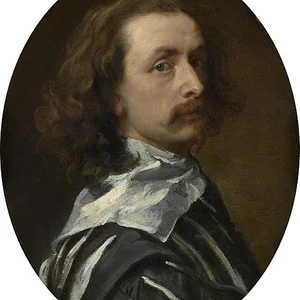
Anthony van Dyck
1599 — 1641
Anthony van Dyck (1599–1641) was a Flemish painter and engraver, a pupil of Rubens, who became one of the most celebrated portrait painters in seventeenth-century Europe. Appointed official painter to King Charles I of England, he left a lasting mark on the art of aristocratic portraiture.
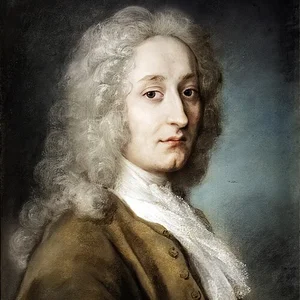
Antoine Watteau
1684 — 1721
Antoine Watteau was a French painter and draughtsman of the early 18th century. The inventor of the genre of the “fêtes galantes” (courtship parties), he is one of the major figures of Rococo art, famous for his refined and melancholy scenes.
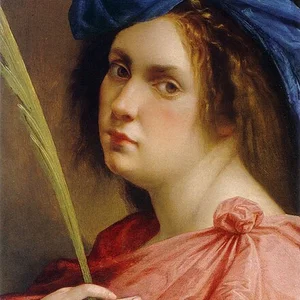
Artemisia Gentileschi
1593 — 1653
Italian painter
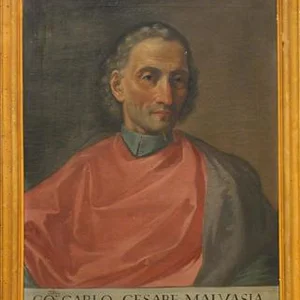
Carlo Cesare Malvasia
1616 — 1693
Carlo Cesare Malvasia (1616-1693) was a Bolognese Italian art historian and writer. He is the author of the *Felsina pittrice*, a major work devoted to the painters of the Bolognese school, which stands as a fundamental historiographical source for Italian Baroque art.
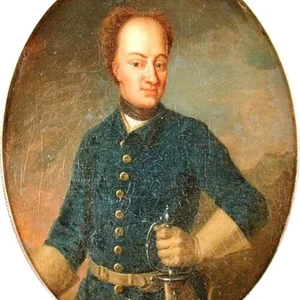
Charles XII of Sweden
King of Sweden from 1697 to 1718, Charles XII was one of the greatest military commanders of his era. He led the Great Northern War against a European coalition, winning the Battle of Narva (1700) before suffering a crushing defeat at Poltava (1709). He died during the siege of Fredriksten, marking the end of Swedish dominance in Europe.
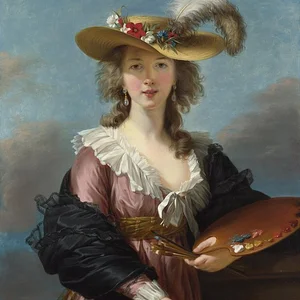
Élisabeth Vigée Le Brun
1755 — 1842
Élisabeth Vigée Le Brun (1755–1842) was one of the greatest portrait painters of the 18th century. Official painter to Marie Antoinette, she completed more than 660 portraits before fleeing the French Revolution. The first woman admitted to the Royal Academy of Painting, she embodied female excellence in an artistic world dominated by men.
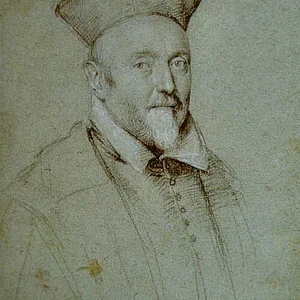
Francesco Maria Del Monte
Italian cardinal (1549–1626), diplomat and influential patron of Baroque Rome. He was Caravaggio's first major patron, housing him in his palace and commissioning several of his key works. Close to Galileo, he also had a keen interest in science and music.
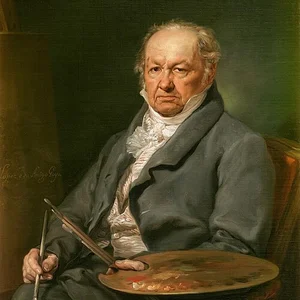
Francisco de Goya
1746 — 1828
Spanish painter and printmaker (1746–1828), considered a forerunner of modern art. He served as official painter to the Spanish royal court while developing a dark and visionary personal body of work, particularly after losing his hearing in 1792.
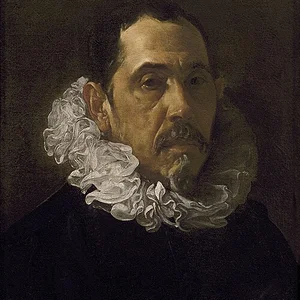
Francisco Pacheco
1564 — 1644
Spanish painter (1564–1644), master of Seville and father-in-law of Velázquez. A theorist of painting, he authored *El arte de la pintura*, a landmark treatise on 17th-century Spanish painting.
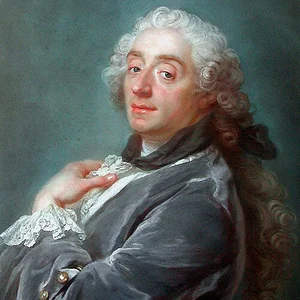
François Boucher
1703 — 1770
François Boucher was a French painter, draughtsman, and engraver, a leading figure of the Rococo style. First Painter to King Louis XV and protégé of the Marquise de Pompadour, he embodied the refined, gallant art of the 18th century.
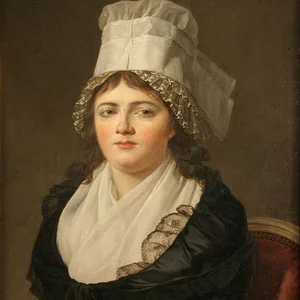
Gabrielle Danton
Gabrielle Charpentier (c. 1764–1793) was the wife of Georges-Jacques Danton, a leading orator of the French Revolution. The daughter of a Parisian café owner, she died at 28 in February 1793 while her husband was on a mission in Belgium, just months before the Reign of Terror.
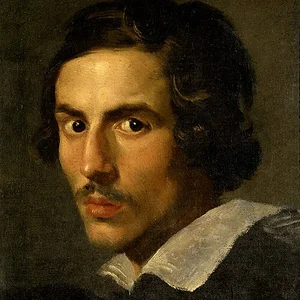
Gian Lorenzo Bernini
1598 — 1680
Italian sculptor, architect and painter, a leading figure of the Roman Baroque in the 17th century. A genius of dramatic staging, he turned marble into flesh and orchestrated the décor of papal Rome, most notably in the service of Saint Peter's Basilica.
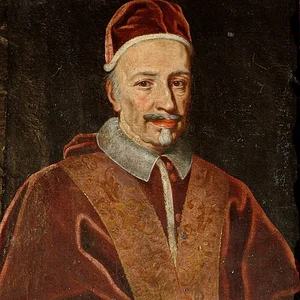
Innocent XII
1615 — 1700
Pope from 1691 to 1700, Innocent XII reformed the Church by combating nepotism through the bull Romanum decet Pontificem (1692). He played a role in the Quietist controversy and contributed to European diplomacy.
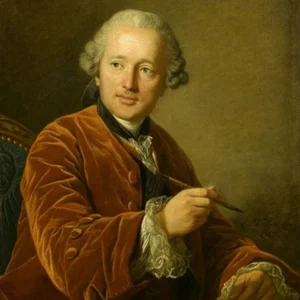
Jacques-Germain Soufflot
1713 — 1780
French architect (1713–1780), a leading figure of Neoclassicism. He designed the church of Sainte-Geneviève in Paris, which became the Panthéon, a symbol of the nation. His work combines ancient rigor with Gothic lightness.
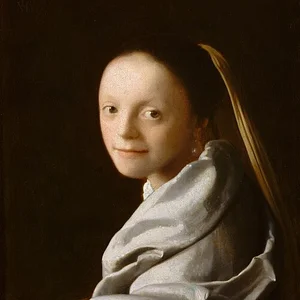
Jan Vermeer
1632 — 1675
Johannes Vermeer was a Dutch painter of the Dutch Golden Age, famous for his intimate interior scenes bathed in subtle light. A master of Delft, he left behind a small but exceptionally fine body of work.
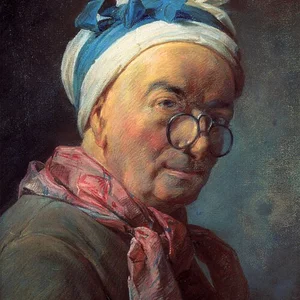
Jean-Baptiste Chardin
1699 — 1779
Jean Siméon Chardin (1699-1779) was an 18th-century French painter, a master of still life and genre scenes. Going against the rococo painting of his time, he celebrated domestic life and everyday objects with a subtle touch and a rare sense of light.
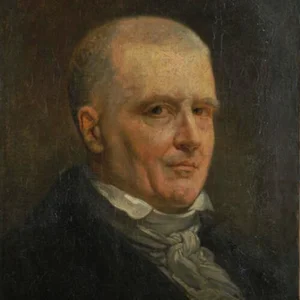
Jean-Honoré Fragonard
1732 — 1806
French painter and engraver of the 18th century, a major figure of the Rococo style. Renowned for his amorous scenes full of virtuosity and lightness, he embodies the refined art of the waning Ancien Régime.
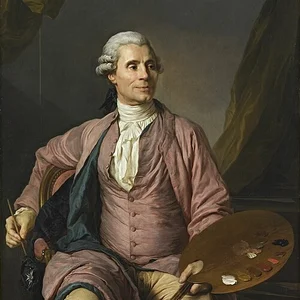
Joseph-Marie Vien
1716 — 1809
French painter (1716–1809), forerunner of Neoclassicism and master of Jacques-Louis David. Director of the French Academy in Rome, then First Painter to the King and senator under Napoleon.
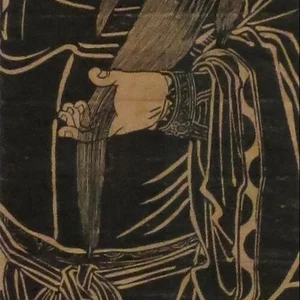
Katsukawa Shunsho
1726 — 1793
Japanese painter and printmaker of the 18th century, master of ukiyo-e woodblock printing. He is celebrated for his portraits of kabuki actors and his depictions of sumo wrestlers, and founded the Katsukawa school.
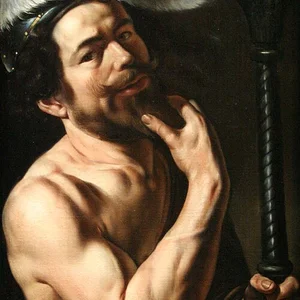
Louis Finson
1580 — 1617
Louis Finson (c. 1580–1617) was a Flemish painter and art dealer, trained in Naples where he associated with Caravaggio. A key figure in spreading Caravaggism to Northern Europe, he owned several works by the master and helped disseminate this style in France and the Low Countries.
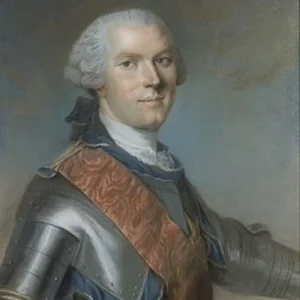
Louis Vigée
1715 — 1767
Louis Vigée (1715–1767) was a French painter and poet, member of the Royal Academy of Painting. He is best known as the father of Élisabeth Vigée Le Brun, one of the greatest portrait painters at the court of Louis XVI.
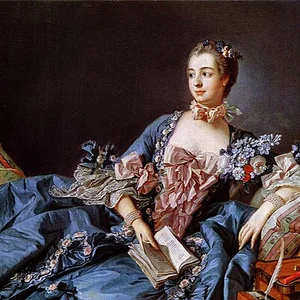
Madame de Pompadour
1721 — 1764
Official mistress of King Louis XV from 1745 until her death in 1764, she wielded considerable influence over French politics and culture. A great patron of the arts and protector of the Enlightenment philosophers, she helped shape the Rococo style and supported the Encyclopédie of Diderot and d'Alembert.
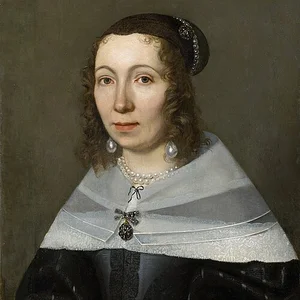
Maria Sibylla Merian
1647 — 1717
A German naturalist and artist of the 17th century, Maria Sibylla Merian was a pioneer in the study of insects and their metamorphosis. She led an expedition to Suriname (1699–1701) to observe and illustrate tropical flora and fauna, at a time when women rarely had access to the sciences.
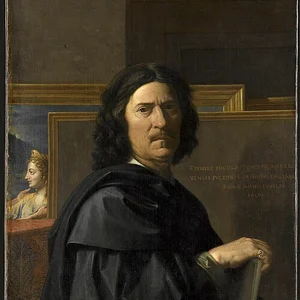
Nicolas Poussin
1594 — 1665
Nicolas Poussin was a 17th-century French painter and a leading figure of pictorial classicism. Living in Rome for most of his life, he favored drawing, rigorous composition, and historical, mythological, and religious subjects inspired by Antiquity.
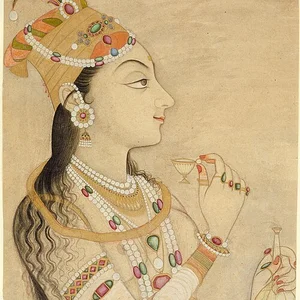
Nur Jahan
1577 — 1645
Mughal empress (1577–1645), wife of Emperor Jahangir, she was the only woman to wield real political power under the Mughal dynasty. An administrator, poet, and patron of the arts, she had coins struck in her own name and effectively governed the empire for several years.
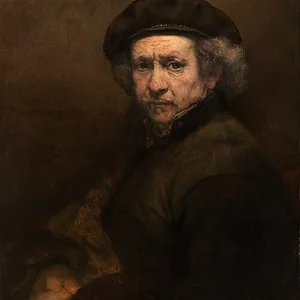
Rembrandt
1606 — 1669
Rembrandt van Rijn was a Dutch painter and etcher of the 17th century, considered one of the greatest masters of Western painting. A virtuoso of chiaroscuro, he excelled in portraits, biblical scenes, and self-portraits. His work, marked by profound humanity, has had a lasting influence on the history of art.
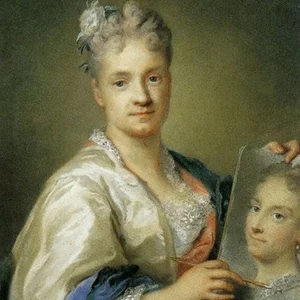
Rosalba Carriera
1675 — 1757
Rosalba Carriera (1675-1757) was a Venetian painter and pastellist, a leading figure of pastel portraiture in Europe. Her stay in Paris in 1720-1721 helped launch the fashion for pastel and the rococo style.
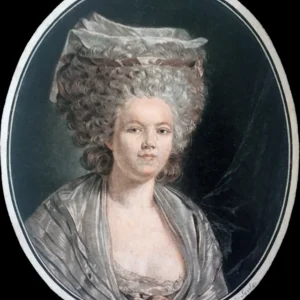
Rose Bertin
1747 — 1813
A French fashion merchant, Rose Bertin was the dressmaker and style advisor to Queen Marie-Antoinette. Nicknamed the “minister of fashion,” she introduced extravagant hairstyles and outfits that made her a pioneering figure of haute couture.
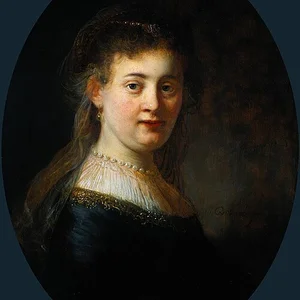
Saskia van Uylenburgh
1612 — 1642
Saskia van Uylenburgh (1612-1642) was the wife and favorite model of the painter Rembrandt. Born into a Frisian patrician family, she inspired numerous portraits, drawings, and etchings by the Dutch master during the years of his success.
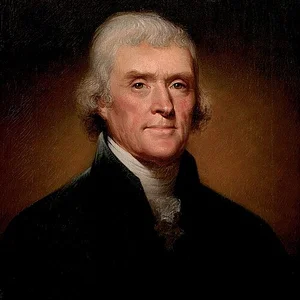
Thomas Jefferson
1743 — 1826
An American statesman, Thomas Jefferson was one of the Founding Fathers of the United States and the principal author of the Declaration of Independence (1776). A philosopher of the Enlightenment, he also served as the third President of the United States (1801–1809).
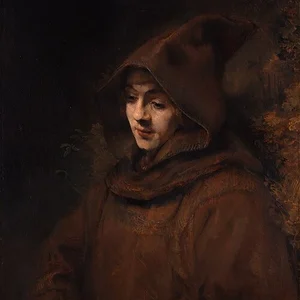
Titus van Rijn
1641 — 1668
The only surviving child of Rembrandt van Rijn, Titus was a painter and art dealer in 17th-century Amsterdam. He worked in his father's studio and strove to support the family after their financial ruin. He died at just 27, shortly after his marriage.
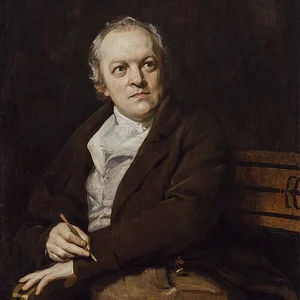
William Blake
1757 — 1827
British poet, painter, and engraver (1757-1827), William Blake is one of the towering figures of English Romanticism. A visionary and mystic, he created a strikingly original body of poetic and artistic work, combining text and image in hand-engraved illuminated books.
19th Century(63)
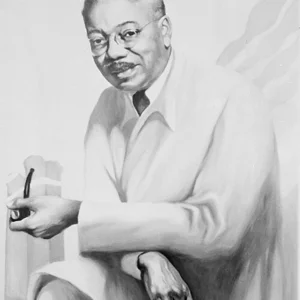
Aaron Douglas
1899 — 1979
Aaron Douglas was an African American painter and illustrator, a major figure of the Harlem Renaissance. Nicknamed the “father of African American art,” he developed a style blending geometric patterns, silhouettes, and references to African art to celebrate Black history and identity.
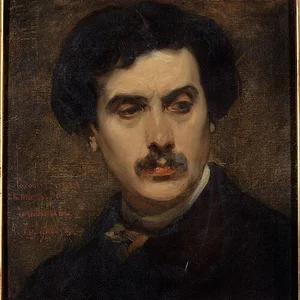
Alexandre Falguière
1831 — 1900
French sculptor and painter (1831-1900), winner of the Grand Prix de Rome in 1859. A leading figure of academic sculpture under the Second Empire and the Third Republic, he created iconic works blending realism with the classical ideal.
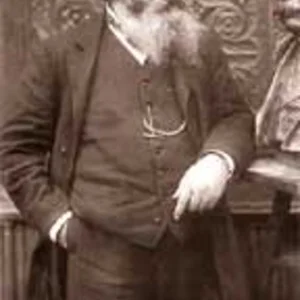
Alfred Boucher
1850 — 1934
Alfred Boucher (1850-1934) was a French sculptor born in Nogent-sur-Seine, a student of Paul Dubois and Auguste Dumont. He is particularly known for encouraging young artists, including Camille Claudel, and for founding La Ruche, an artists' colony in Paris.
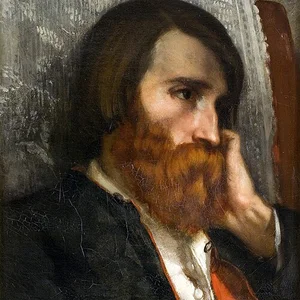
Alfred Bruyas
1821 — 1877
Alfred Bruyas (1821-1877) was a French collector, patron of the arts, and amateur painter from Montpellier. Heir to a family fortune, he devoted his life to building a major art collection, most notably by supporting Gustave Courbet. His collection forms the core holdings of the Musée Fabre in Montpellier.
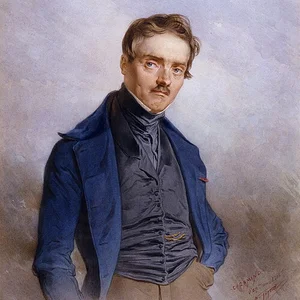
Antoine-Louis Barye
1795 — 1875
French sculptor (1795–1875) and pioneer of Romantic animalism. His bronzes depicting wild animals in combat combine naturalistic precision with dramatic tension. He is considered the undisputed master of animal sculpture in the 19th century.
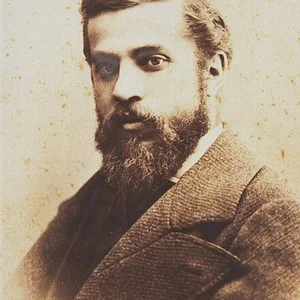
Antoni Gaudí
1852 — 1926
Catalan architect
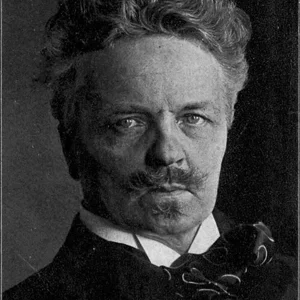
August Strindberg
1849 — 1912
Swedish writer, playwright and painter (1849-1912), a major figure of Scandinavian literature. A pioneer of naturalism and later a forerunner of expressionism and modern theatre, he profoundly renewed European dramatic art.
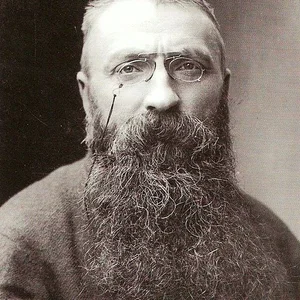
Auguste Rodin
1840 — 1917
French sculptor (1840–1917) considered the father of modern sculpture. He revolutionized sculptural art by abandoning academicism to explore expressiveness, emotion, and movement. His masterwork, The Thinker, has become one of the most iconic sculptures in Western art.
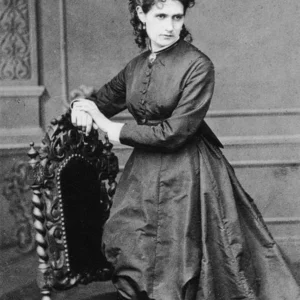
Berthe Morisot
1841 — 1895
Berthe Morisot (1841–1895) is one of the leading figures of French Impressionism. The first woman to exhibit with the Impressionist group from 1874 onward, she developed a luminous style centered on intimate life, motherhood, and gardens. Sister-in-law of Édouard Manet, she established herself as a fully independent artist in a world dominated by men.
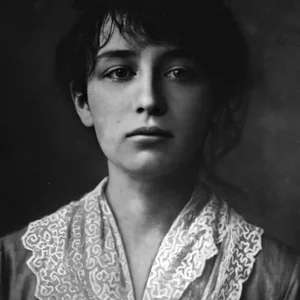
Camille Claudel
1864 — 1943
French sculptor and painter (1864–1943), she is one of the great artists of the late 19th century. A student and collaborator of Auguste Rodin, she developed her own artistic language before being gradually forgotten and committed to an asylum in 1913.
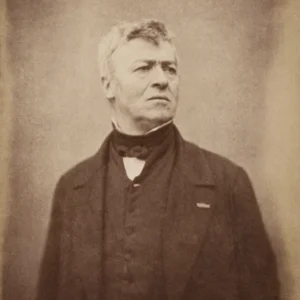
Camille Corot
1796 — 1875
French painter and printmaker (1796–1875), Corot is one of the leading figures of 19th-century landscape painting. A forerunner of Impressionism, he was a prominent member of the Barbizon school and profoundly influenced the generations that followed.
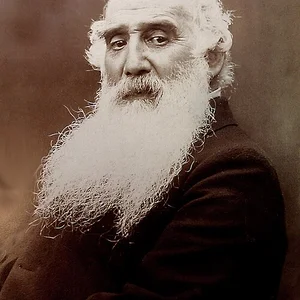
Camille Pissarro
1830 — 1903
Camille Pissarro was a French-Danish painter, a major founding figure of Impressionism. The only artist to take part in all eight Impressionist exhibitions, he was a mentor to Cézanne, Gauguin and Van Gogh.
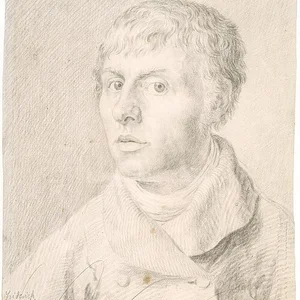
Caspar David Friedrich
1774 — 1840
German Romantic painter (1774–1840), a leading figure of pictorial Romanticism. His melancholic and sublime landscapes explore human solitude in the face of infinite nature and divine transcendence.
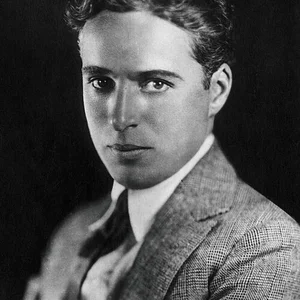
Charlie Chaplin
1889 — 1977
British actor, director and composer (1889-1977), pioneer of silent cinema. Creator of the iconic Tramp character, he shaped film history through his comedic genius and social commentary, most notably in The Great Dictator (1940).
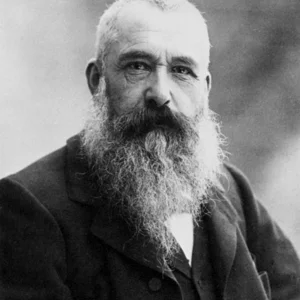
Claude Monet
1840 — 1926
French painter (1840–1926), founder of the Impressionist movement. Monet revolutionized art by capturing the effects of light and atmosphere, most notably through his series of water lilies and his famous painting "Impression, Sunrise."
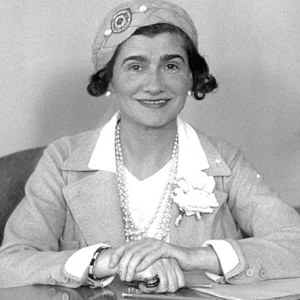
Coco Chanel
1883 — 1971
Revolutionary French fashion designer (1883–1971), Coco Chanel transformed women's fashion by offering simple, comfortable, and elegant clothing. Founder of the eponymous fashion house, she established modern style and freedom of movement as the new standards of elegance.
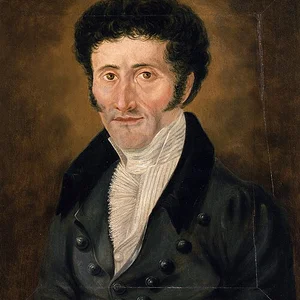
E.T.A. Hoffmann
1776 — 1822
German Romantic writer, composer, and illustrator (1776-1822), Hoffmann is one of the major figures of fantastic Romanticism. Author of the Fantastic Tales, he also composed operas and produced satirical drawings. His work inspired Offenbach, Tchaikovsky, and Schumann.
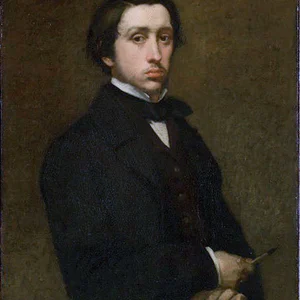
Edgar Degas
1834 — 1917
French painter and sculptor (1834–1917), Degas is one of the founders of Impressionism. He is celebrated for his depictions of dancers at the Paris Opera and scenes of modern life.
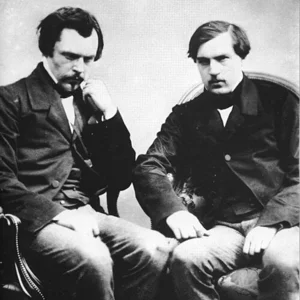
Edmond and Jules de Goncourt
French writer brothers and art critics, they were the co-founders of literary naturalism with novels such as Germinie Lacerteux (1864). Their Journal, kept from 1851 to 1896, is a landmark record of artistic and literary life in the 19th century. In his will, Edmond established the Académie Goncourt, which has awarded France's most prestigious literary prize since 1903.
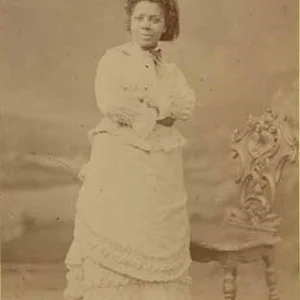
Edmonia Lewis
1844 — 1907
Edmonia Lewis was an American sculptor of African-American and Native American (Ojibwe) descent. The first sculptor of color to gain international recognition, she worked marble in the neoclassical style and set up her studio in Rome.
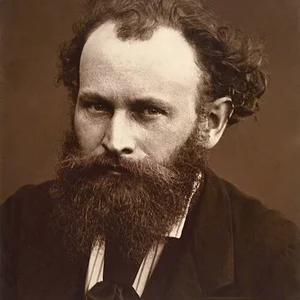
Édouard Manet
1832 — 1883
French painter and printmaker (1832–1883), Manet is a pivotal figure between Realism and Impressionism. His provocative works such as Le Déjeuner sur l'herbe and Olympia overturned academic conventions.
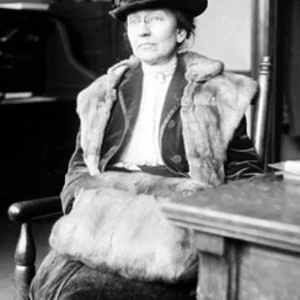
Ellen Gates Starr
1859 — 1940
American social reformer, co-founder with Jane Addams of Hull House in Chicago in 1889. An activist in the Arts and Crafts movement and workers' rights, she worked for popular education and improving the living conditions of immigrants.

Esteve Comella
Esteve Comella was a nineteenth-century Catalan artist whose work belongs to the cultural renewal movement known as the *Renaixença*. He contributed to the development of the visual arts in Catalonia during a period of strong regional identity assertion.
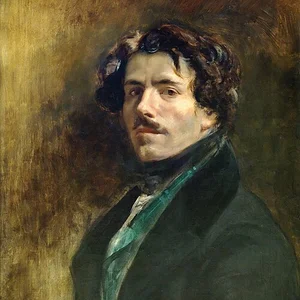
Eugène Delacroix
1798 — 1863
French painter of the 19th century and leading figure of the Romantic movement. Delacroix revolutionized painting through his bold use of color, movement, and political and Orientalist subjects. His masterpiece "Liberty Leading the People" became an icon of republican freedom.
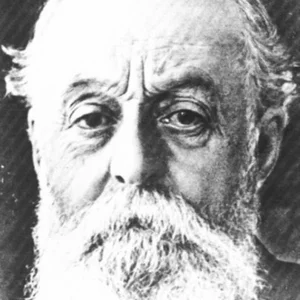
Eusebi Güell
Catalan industrialist and patron of the arts (1846–1918), Eusebi Güell was the principal supporter of architect Antoni Gaudí. Using his textile fortune, he funded the boldest works of Catalan Modernisme, including Park Güell and Palau Güell in Barcelona.
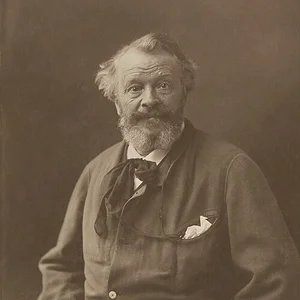
Félix Nadar
1820 — 1910
Félix Nadar (1820–1910) was a French photographer, caricaturist, and aeronaut. A pioneer of photography, he produced the first photographic portraits of the artists and intellectuals of his time, and took the first aerial photographs from a balloon.
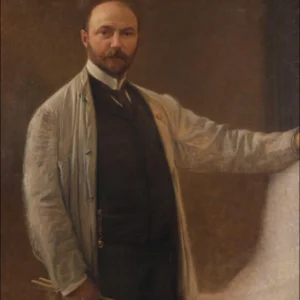
Franz Matsch
1861 — 1942
Franz Matsch (1861–1942) was an Austrian painter and sculptor, and a classmate of Gustav Klimt at the Vienna School of Applied Arts. He collaborated closely with Klimt and Ernst Klimt within the Künstler-Compagnie, creating large-scale decorative works for theaters and museums.
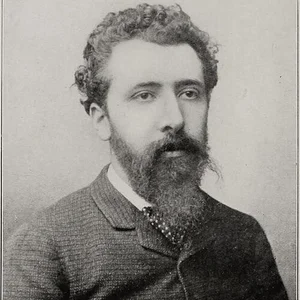
Georges Seurat
1859 — 1891
Georges Seurat (1859-1891) was a French painter and a major figure of Post-Impressionism. He invented Pointillism (or Divisionism), a technique based on the scientific juxtaposition of small dabs of pure color.
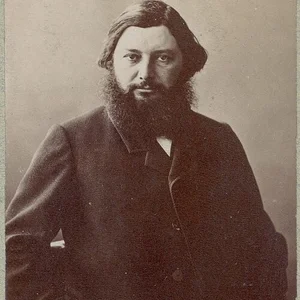
Gustave Courbet
1819 — 1877
19th-century French painter and founder of the Realist movement. Courbet revolutionized painting by depicting everyday reality and landscapes in an innovative style, rejecting the academic conventions of his time.
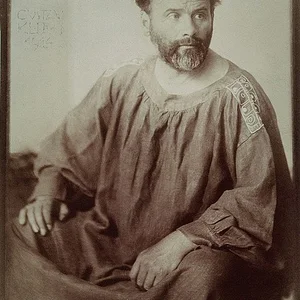
Gustave Klimt
1862 — 1918
The Kiss, Vienna Secession, Art Nouveau
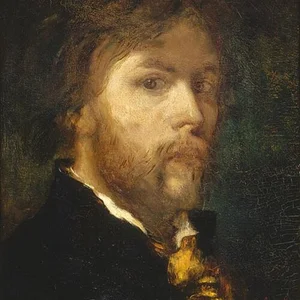
Gustave Moreau
1826 — 1898
Gustave Moreau was a French painter and a major figure of Symbolism. His work, populated with mythological and biblical figures rendered with ornamental richness and a dreamlike quality, left a deep mark on the late 19th century. As a professor at the École des Beaux-Arts, he notably taught Matisse and Rouault.
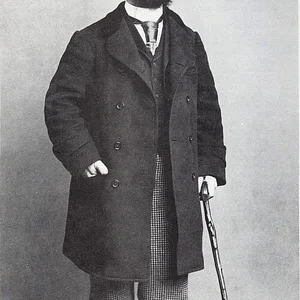
Henri de Toulouse-Lautrec
1864 — 1901
French painter, draughtsman, lithographer and poster artist, a major figure of Post-Impressionism. A witness to the Paris of the Belle Époque, he immortalized the cabarets, the music halls and the nightlife of Montmartre.
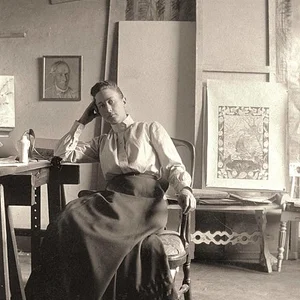
Hilma af Klint
1862 — 1944
Swedish painter, theosophist, and pioneer of abstract art (1862–1944)
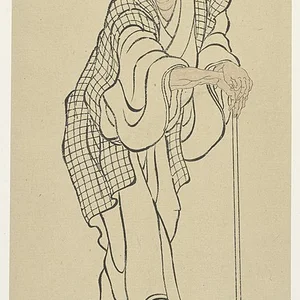
Hokusai
1760 — 1849
Japanese painter, draftsman, and printmaker of the Edo period (1760–1849), master of ukiyo-e woodblock printing, celebrated for his series *Thirty-six Views of Mount Fuji*. His work had a major influence on European Impressionist and Post-Impressionist artists.
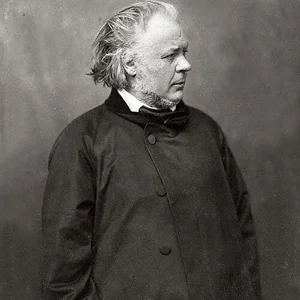
Honoré Daumier
1808 — 1879
Honoré Daumier (1808-1879) was a French engraver, caricaturist, painter and sculptor. A master of lithography, he ferociously sketched the political and social life of his time, becoming one of the greatest satirists of the 19th century.
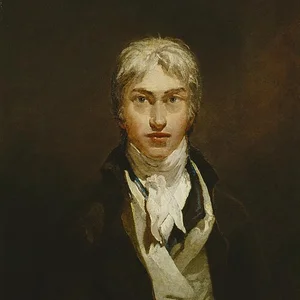
J. M. W. Turner
1775 — 1851
British painter and engraver (1775-1851), Turner is considered the master of Romantic landscape. A forerunner of Impressionism, he revolutionized the depiction of light, water, and atmosphere.
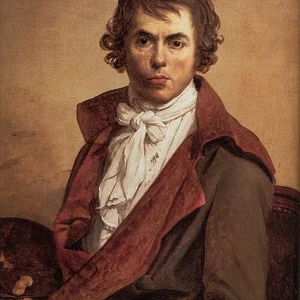
Jacques-Louis David
1748 — 1825
French Neoclassical painter (1748–1825), David was the leading figure in official painting during the Revolution and the Empire. His grand historical compositions and portraits left a lasting mark on Western art.
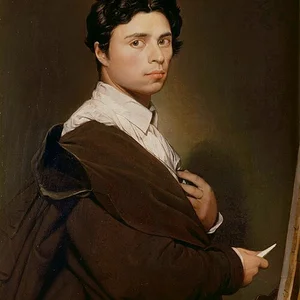
Jean-Auguste-Dominique Ingres
1780 — 1867
French Neoclassical painter (1780–1867), student of David and rival of Delacroix. Master of drawing and portraiture, he defended the classical ideal against the emerging Romantic movement.
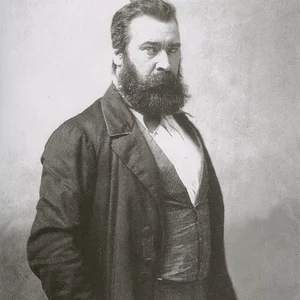
Jean-François Millet
1814 — 1875
Jean-François Millet was a 19th-century French painter and a leading figure of the Barbizon school. He is famous for his scenes of peasant life, depicting the labour of the fields with dignity.
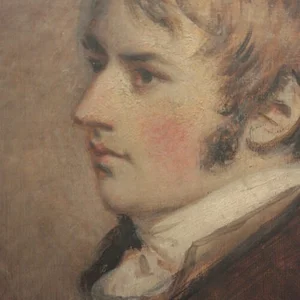
John Constable
1776 — 1837
John Constable (1776-1837) was a major English Romantic landscape painter. He revolutionized landscape painting by observing nature directly and depicting atmospheric effects with great fidelity.
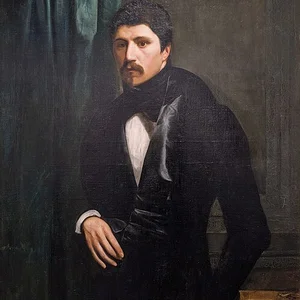
Joseph Guichard
1806 — 1880
Joseph Guichard (1806–1880) was a French painter, a student of both Ingres and Delacroix. He was Berthe Morisot's teacher and played an important role in passing on academic techniques at the dawn of Impressionism.
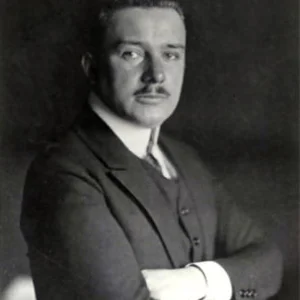
Joseph Maria Olbrich
1867 — 1908
Austrian architect and co-founder of the Vienna Secession, Olbrich is one of the masters of Art Nouveau. He designed the Secession Building in Vienna (1897–1898) and went on to develop an artists' colony in Darmstadt from 1899.
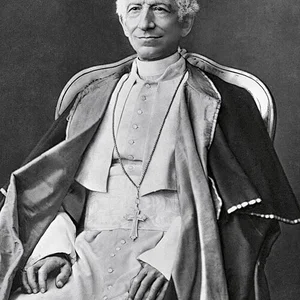
Leo XIII
1810 — 1903
Pope from 1878 to 1903, Leo XIII modernized the social doctrine of the Church with the encyclical Rerum Novarum (1891). He sought to reconcile Catholicism with the modern world and liberal democracies.
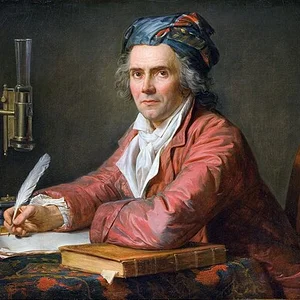
Louis Leroy
1923 — 1961
Louis Leroy (1812-1885) was a French journalist, art critic, and playwright. He is best known for having mockingly given its name to the Impressionist movement in 1874, in his review of the exhibition on the Boulevard des Capucines.
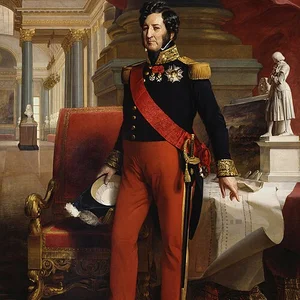
Louis-Philippe I
1773 — 1850
King of the French from 1830 to 1848, Louis-Philippe I came to power following the July Revolution. His July Monarchy embodied the triumph of the liberal bourgeoisie before being overthrown by the Revolution of 1848.
Manuel Vicens
A 19th-century Catalan businessman, ceramic tile merchant and stockbroker, Manuel Vicens i Montaner is best known for commissioning Antoni Gaudí to build his summer home in Barcelona, the Casa Vicens (1883–1885), the architect's first major work.
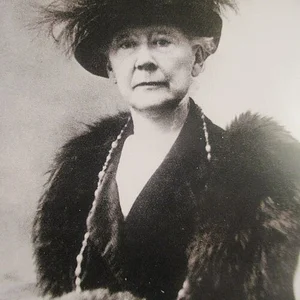
Mary Cassatt
1844 — 1926
Mary Cassatt (1844-1926) was an American painter and printmaker who settled in France, one of the few women to join the Impressionist movement. She is famous for her intimate paintings of women's lives, especially her scenes of mothers and children.
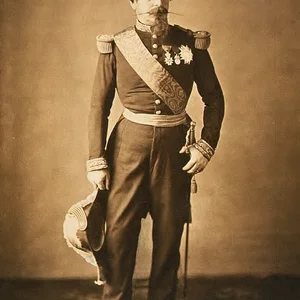
Napoleon III
1808 — 1873
Nephew of Napoleon I, he was elected President of the Republic in 1848, then seized power through a coup d'état on December 2, 1851, before proclaiming the Second Empire. His reign profoundly transformed France: the modernization of Paris under Haussmann, industrial and railway expansion — until the defeat at Sedan in 1870.
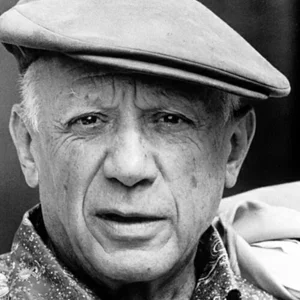
Pablo Picasso
1881 — 1973
Spanish painter, sculptor and printmaker (1881-1973), Pablo Picasso was the co-founder of Cubism and one of the most influential figures in modern art. His work revolutionized artistic representation in the 20th century through radical formal innovations and political engagement, particularly against war.
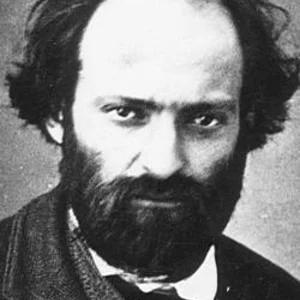
Paul Cézanne
1839 — 1906
A French painter born in Aix-en-Provence in 1839, Paul Cézanne is considered the father of modern painting. His work on the geometry of forms and construction through color paved the way for Cubism and 20th-century art.
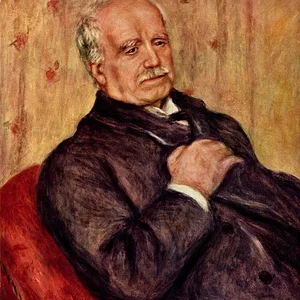
Paul Durand-Ruel
1831 — 1922
Paul Durand-Ruel (1831-1922) was the principal art dealer of the French Impressionists. He provided financial support to Monet, Renoir, Pissarro, and their contemporaries at a time when their art was being rejected, playing a decisive role in their international recognition.
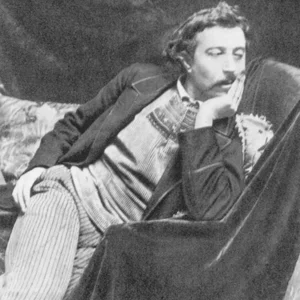
Paul Gauguin
1848 — 1903
Paul Gauguin was a French Post-Impressionist painter and a major figure of modern art. Rejecting Western civilization, he settled in Polynesia, where he painted brightly colored works celebrating Tahitian life. His synthetist style profoundly influenced 20th-century art.
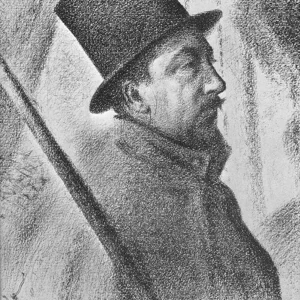
Paul Signac
1863 — 1935
Paul Signac was a French painter and a major figure of Neo-Impressionism. Together with Georges Seurat, he developed and theorized Divisionism (or Pointillism), a technique based on the juxtaposition of strokes of pure color.
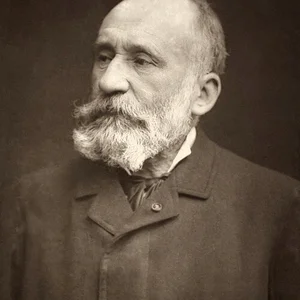
Pierre Puvis de Chavannes
1824 — 1898
French painter (1824–1898), a major figure of Symbolism and mural painting. He is celebrated for his large allegorical compositions rendered in pale tones with a timeless atmosphere, which profoundly influenced painters at the end of the 19th century.
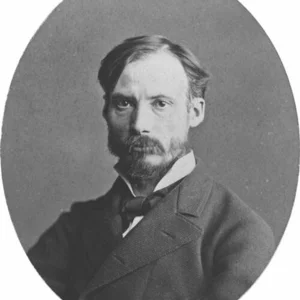
Pierre-Auguste Renoir
1841 — 1919
French painter (1841–1919) and a leading figure of Impressionism. Celebrated for his luminous scenes of Parisian life and his portrayals of women and childhood, he developed a warm and sensual style.
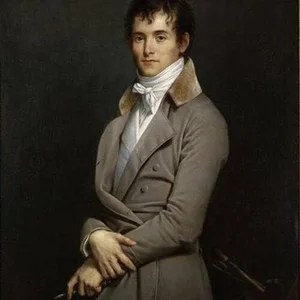
Pierre-Narcisse Guérin
1774 — 1833
French Neoclassical painter (1774–1833), pupil of Regnault and winner of the Prix de Rome in 1797. An influential professor at the École des Beaux-Arts, he taught students such as Géricault and Delacroix, shaping the transition between Neoclassicism and Romanticism.
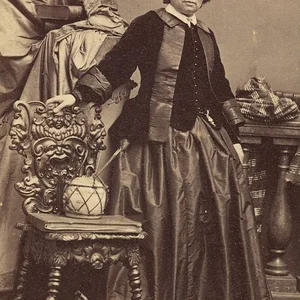
Rosa Bonheur
1822 — 1899
Rosa Bonheur (1822-1899) was a French painter and sculptor, a major figure in 19th-century animal painting. Famous for her meticulous realism, she was the first female artist to receive the Legion of Honour.
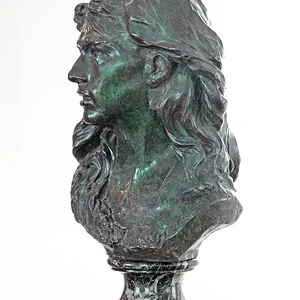
Rose Beuret
1844 — 1917
French seamstress, companion of Auguste Rodin for over fifty years and one of his very first models. She married him in January 1917, just a few weeks before she died, and Rodin followed her in death the same year.

Takai Kozan
Takai Kozan (1806-1883) was a wealthy Japanese merchant, scholar, calligrapher, and painter of the nanga school. He is best known for welcoming the master Hokusai into his home in Obuse, and for his involvement in the sonnō jōi imperialist movement at the end of the Edo period.
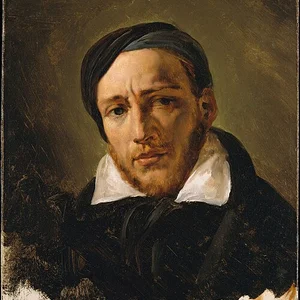
Théodore Géricault
1791 — 1824
French painter (1791–1824), a major figure of Romanticism. His masterpiece, *The Raft of the Medusa* (1819), marks a break from academic painting through its expressive violence and political engagement.
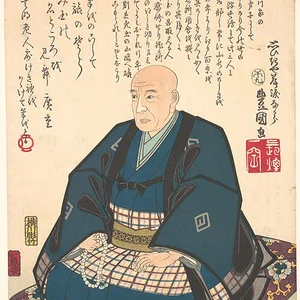
Utagawa Hiroshige
1797 — 1858
Utagawa Hiroshige is one of the greatest Japanese masters of the woodblock print (ukiyo-e). Famous for his landscapes and travel scenes, he profoundly influenced European Impressionists and Post-Impressionists such as Van Gogh and Monet.
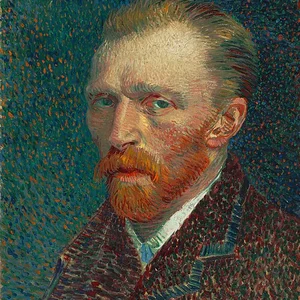
Vincent van Gogh
1853 — 1890
A Dutch painter of the 19th century, Vincent van Gogh is one of the towering figures of Post-Impressionism. Known for his expressive canvases with intense colors and distinctive brushwork, he revolutionized modern art despite receiving little recognition during his lifetime.
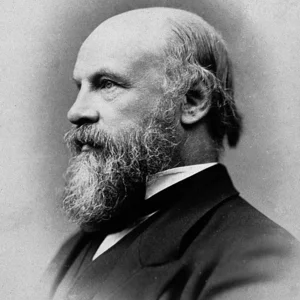
William Turner
1832 — 1916
British painter and watercolourist, a major figure of Romanticism. A master of landscape, he revolutionised the depiction of light, atmosphere and the natural elements, paving the way for Impressionism.
20th Century(209)
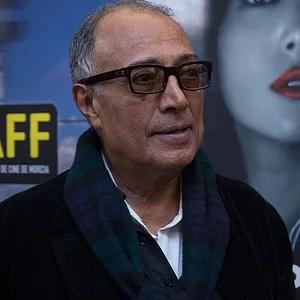
Abbas Kiarostami
1940 — 2016
Abbas Kiarostami (1940-2016) was an Iranian filmmaker, screenwriter and photographer, a major figure in the renewal of Iranian cinema. His work, on the border between documentary and fiction, earned him worldwide recognition.

Abel Gance
1889 — 1981
A pioneering French director of the silent film era, Abel Gance is celebrated for his epic film *Napoléon* (1927), which revolutionized cinema through his invention of Polyvision (triple screen). He helped elevate cinema to the status of a true art form.
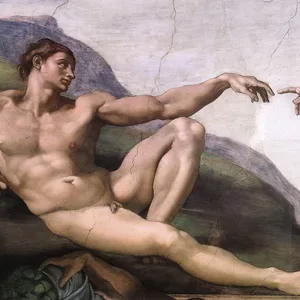
Adam
1969 — ?
Adam Devreux is a Belgian comic book author. He is part of the rich Franco-Belgian comics tradition, a visual narrative art form recognized as the 9th art.
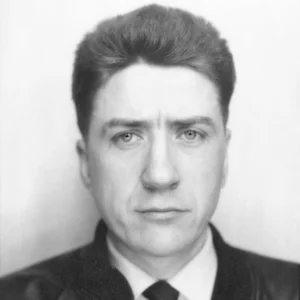
Alain Resnais
1922 — 2014
French filmmaker (1922–2014), a major figure of auteur cinema and the French New Wave. A pioneer in exploring time, memory, and forgetting through works such as *Hiroshima mon amour* and *Last Year at Marienbad*.
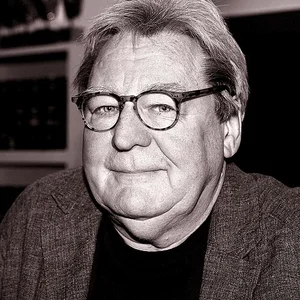
Alan Parker
1944 — 2020
British director born in 1944, Alan Parker is the filmmaker behind landmark works such as Midnight Express, Fame, and Pink Floyd – The Wall. A major figure in British cinema, he also worked in advertising before establishing himself in Hollywood.

Albert Dubout
1905 — 1976
Albert Dubout (1905-1976) was a French cartoonist, illustrator, and poster artist, famous for his teeming crowds, his cats, and his scenes of southern France. He left his mark on book illustration and film posters in the 20th century.
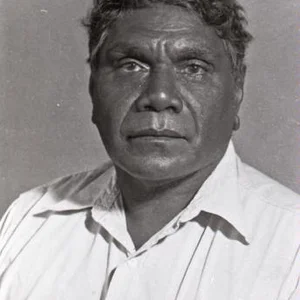
Albert Namatjira
1902 — 1959
Albert Namatjira (1902-1959) was an Arrernte Aboriginal painter, famous for his watercolors of the arid landscapes of Central Australia. The first Indigenous Australian to receive citizenship in 1957, he remains a symbol of cultural resilience and creativity in the face of colonial oppression.
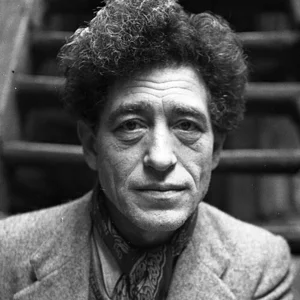
Alberto Giacometti
1901 — 1966
Swiss sculptor and painter, a major figure in 20th-century art. After a Surrealist period, he developed a unique style of extremely elongated, slimmed-down human figures that became an emblem of the postwar human condition.
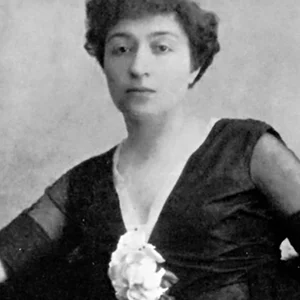
Aleksandra Exter
Aleksandra Exter was a Russian-Ukrainian painter and designer, a leading figure of the early 20th-century Russian avant-garde. A pioneer of Cubo-Futurism and Constructivism, she revolutionized theatrical sets and costumes.
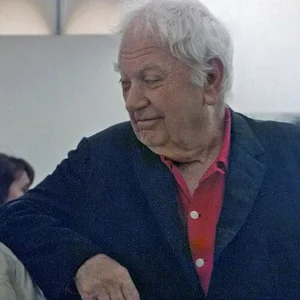
Alexander Calder
1898 — 1976
American sculptor and visual artist (1898-1976), Alexander Calder was the inventor of the “mobile,” a suspended, articulated sculpture set in motion by the air. He also created “stabiles,” large fixed abstract sculptures made of metal.
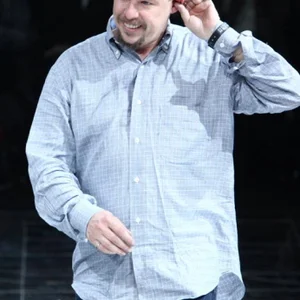
Alexander McQueen
1969 — 2010
Alexander McQueen (1969–2010) was a revolutionary British fashion designer and founder of his eponymous house. Trained on Savile Row and at Central Saint Martins, he is known for his provocative collections blending beauty and darkness.
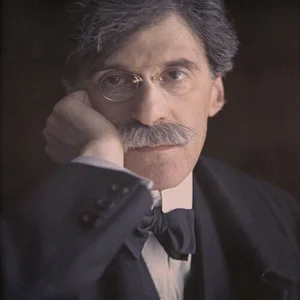
Alfred Stieglitz
1864 — 1946
Alfred Stieglitz (1864–1946) was an American photographer and gallery owner who played a fundamental role in establishing photography as a fine art in its own right. He founded Gallery 291 in New York and edited influential journals such as Camera Notes and Camera Work.
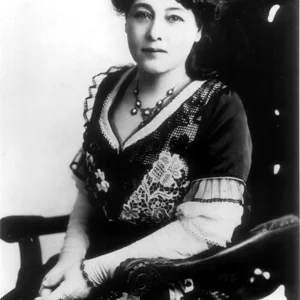
Alice Guy
1873 — 1968
The first female filmmaker in history, Alice Guy directed her first narrative film at Gaumont around 1896. She went on to found the Solax Company in the United States, one of the largest production companies of the era, before falling into obscurity despite a remarkable body of work.
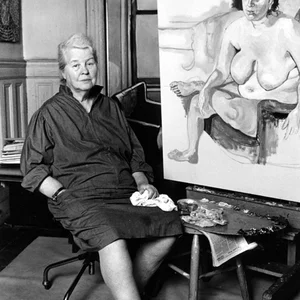
Alice Neel
1900 — 1984
Alice Neel (1900-1984) was an American painter known for her expressive, uncompromising portraits. A feminist and committed leftist, she spent decades painting the people of New York, from intellectuals to anonymous figures.
Amédée Ozenfant
1886 — 1966
French painter and theorist (1886–1966), co-founder of Purism with Le Corbusier. He advocated a return to order and clarity as a reaction against the excesses of Cubism, and established several art schools across Europe and the United States.
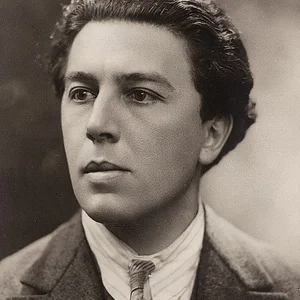
André Breton
1896 — 1966
French poet and writer (1896–1966), co-founder and theorist of Surrealism. He authored the Manifestoes of Surrealism and gathered around him a generation of revolutionary artists and writers.

Andrei Tarkovsky
1932 — 1986
A major Soviet filmmaker of the 20th century, creator of a contemplative and spiritual body of work. His films such as Andrei Rublev, Solaris and Stalker left a profound mark on the history of auteur cinema.
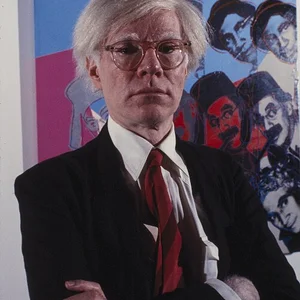
Andy Warhol
1928 — 1987
Andy Warhol (1928-1987) was the leading figure of the American Pop Art movement. He transformed images from mass culture into works of art, blurring the boundary between art and commerce.
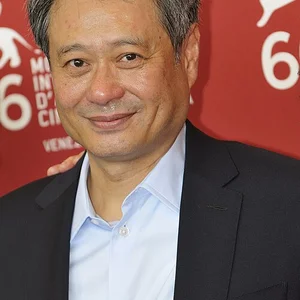
Ang Lee
1954 — ?
Ang Lee is a Taiwanese director born in 1954, celebrated for his ability to cross genres and cultures. His films explore identity, family, and desire with a remarkable visual sensibility.
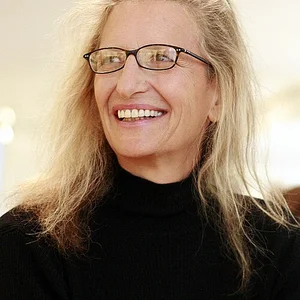
Annie Leibovitz
1949 — ?
Annie Leibovitz is an American photographer born in 1949, famous for her celebrity portraits. Initially a photographer for Rolling Stone magazine, she became one of the most renowned portrait photographers in the world, notably through her work for Vanity Fair and Vogue.
Anselm Kiefer
1945 — ?
Anselm Kiefer is a German painter and sculptor born in 1945, a leading figure of Neo-Expressionism. His monumental work confronts German history, the memory of Nazism, and the traumas of the Second World War.
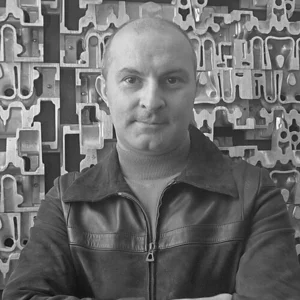
Arman
1928 — 2005
Arman (1928-2005) was a Franco-American artist and co-founder of Nouveau Réalisme alongside Yves Klein and Pierre Restany. He is celebrated for his "accumulations" of manufactured objects and his "destructions-reconstructions," which question consumer society.
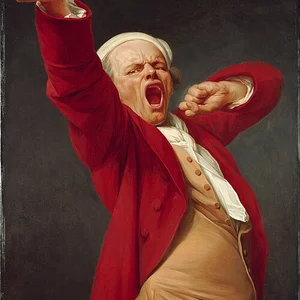
Banksy
1974 — ?
British artist born in 1974, Banksy is a graffiti artist and political activist known for his satirical and subversive street art. Operating under the cover of anonymity, he uses urban art to criticize society, war, and social injustices.
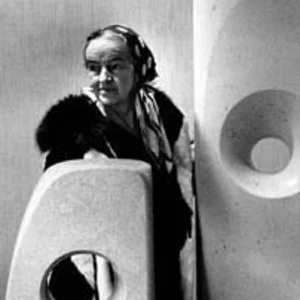
Barbara Hepworth
1903 — 1975
A major British sculptor of the 20th century (1903–1975), Barbara Hepworth is a central figure of modernist abstraction. Her sculptures in stone, marble, and wood explore organic forms, hollowed volumes, and the relationship between form and space.
Barnett Newman
1905 — 1970
Barnett Newman (1905-1970) was an American painter, a major figure of Abstract Expressionism and Color Field painting. He is famous for his vast canvases of color crossed by vertical bands known as “zips.”
Bosc
1924 — 1973
Jean Bosc (1924-1973) was a French humorist cartoonist, a master of wordless humor drawing. His spare line and dark, absurd humor left their mark on post-war French satirical press.
Brian Eno
1948 — ?
Brian Eno is a British musician, producer, and theorist born in 1948, regarded as the pioneer of ambient music. Originally a member of Roxy Music, he revolutionized music production by collaborating with David Bowie, U2, and Talking Heads.
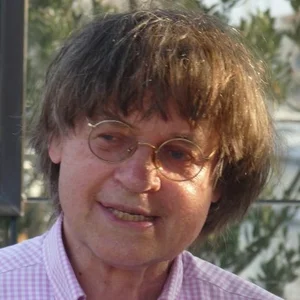
Cabu
1938 — 2015
Cabu (1938-2015) was a French press cartoonist, creator of the Grand Duduche and the caricatural character of the Beauf. A major figure in satirical caricature, he contributed to Hara-Kiri and then to Charlie Hebdo, where he was murdered in the attack of January 7, 2015.

Carlos Casagemas
Spanish painter born in Barcelona in 1880, and intimate friend of Pablo Picasso. His tragic death by suicide in Paris in 1901 directly inspired Picasso's Blue Period.
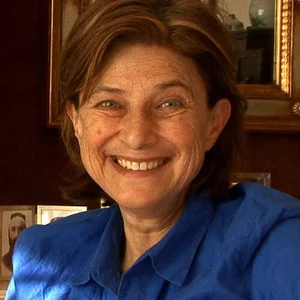
Chantal Akerman
1950 — 2015
Belgian director and screenwriter (1950–2015), a major figure in feminist and experimental auteur cinema. Her magnum opus *Jeanne Dielman, 23, quai du Commerce, 1080 Bruxelles* (1975) was voted the greatest film of all time by Sight & Sound magazine in 2022.
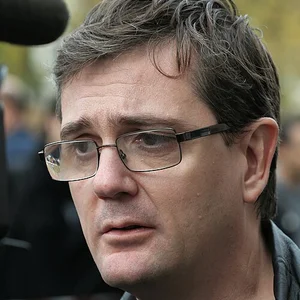
Charb
1967 — 2015
Charb (1967-2015) was a French political cartoonist and satirical journalist, publishing director of Charlie Hebdo. A defender of freedom of expression and secularism, he was murdered on 7 January 2015 during the attack on the newspaper.
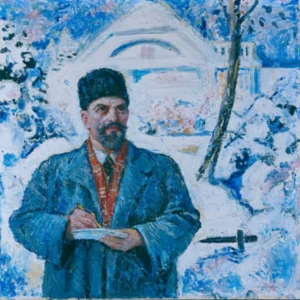
Charles L'Eplattenier
1874 — 1946
Swiss painter and architect (1874–1946), Charles L'Eplattenier was the founding master of the School of Art in La Chaux-de-Fonds. He is best known for being the teacher of the young Le Corbusier, whom he introduced to Art Nouveau and the decorative arts.
Chaval
1914 — 1968
Chaval, whose real name was Yvan Le Louarn (1915-1968), was a French cartoonist and humorist. Famous for his dark, absurd and deeply pessimistic humor, he left his mark on the press and post-war editorial cartooning.
Christo and Jeanne-Claude
Christo Javacheff (1935–2020) and Jeanne-Claude Denat de Guillebon (1935–2009) were an artist duo known for their monumental installations wrapping buildings and natural landscapes. Their ephemeral works challenge our relationship to space and perception.
Claes Oldenburg
1929 — 2022
Swedish-American sculptor born in 1929, a major figure of Pop Art. He is celebrated for his monumental sculptures of everyday objects made from soft materials or at large scale, transforming the ordinary into works of art.
Claude Chabrol
1930 — 2010
Claude Chabrol (1930-2010) was a French director, screenwriter and producer, a major figure of the French New Wave. A critic at Cahiers du cinéma before moving into directing, he built a prolific body of work dissecting the hypocrisies and impulses of the provincial bourgeoisie.
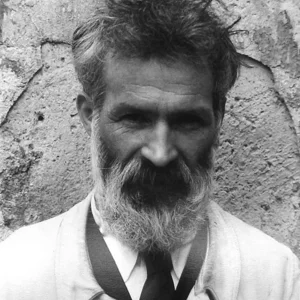
Constantin Brâncuși
1876 — 1957
A Romanian sculptor based in Paris, Constantin Brâncuși is one of the fathers of modern sculpture. By refining forms down to their essence, he paved the way for abstraction and revolutionized the art of the 20th century.
Copi
1939 — 1987
Copi (1939-1987) was an Argentine writer, playwright, and cartoonist who worked in French. A figure of the Parisian avant-garde, he blended ferocious humor, provocation, and theatre of the absurd.
Cy Twombly
1928 — 2011
Cy Twombly (1928-2011) was an American painter, draftsman, and sculptor. A major figure of post-war art, he developed a singular pictorial language blending scribbles, writing, and graffiti, on the borderline of abstract expressionism.
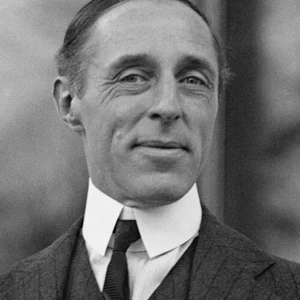
D. W. Griffith
1875 — 1948
D. W. Griffith (1875-1948) was an American director regarded as one of the fathers of narrative film language. He popularized editing, the close-up, and cross-cutting, but remains a controversial figure because of the racism of his film “The Birth of a Nation” (1915).
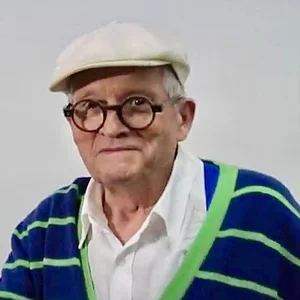
David Hockney
1937 — ?
British painter born in 1937, a major figure of Pop Art and contemporary figurative painting. Known for his Californian swimming pools and portraits, he constantly explores new media, from photo-collage to the iPad.
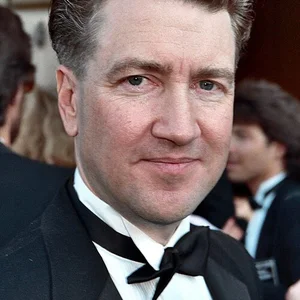
David Lynch
1946 — 2025
David Lynch (1946-2025) was an American filmmaker, photographer, painter, and musician. A major figure in independent cinema, he is famous for his dreamlike, surreal universe blending strangeness and unease.

Diane Arbus
1923 — 1971
American photographer (1923–1971), Diane Arbus is celebrated for her portraits of people on the margins of society: dwarfs, giants, transvestites, nudists. Her work profoundly renewed the documentary gaze in photography.
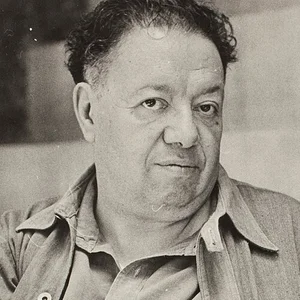
Diego Rivera
1886 — 1957
Diego Rivera was a Mexican painter and muralist, a major figure of 20th-century muralism. His monumental frescoes celebrate the history and people of Mexico from a revolutionary perspective. He was the husband of the painter Frida Kahlo.
Donald Judd
1928 — 1994
Donald Judd (1928–1994) was an American artist and major theorist of minimalism. He developed three-dimensional works in industrial materials, rejecting pictorial illusionism in favor of specific objects in real space.
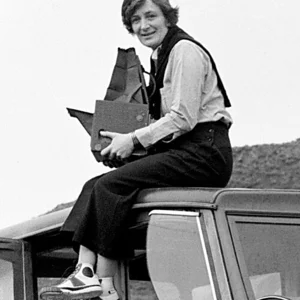
Dorothea Lange
1895 — 1965
Dorothea Lange (1895-1965) was an American documentary photographer, famous for her images of the Great Depression. Her photograph “Migrant Mother” (1936) became a worldwide icon of social hardship in the United States.
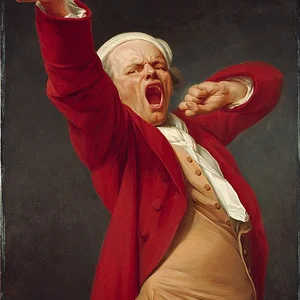
Dorothea Tanning
Dorothea Tanning was an American painter, sculptor, and writer, a major figure of Surrealism. Her dreamlike work explores dreams, desire, and the unconscious. She was the wife of the painter Max Ernst.
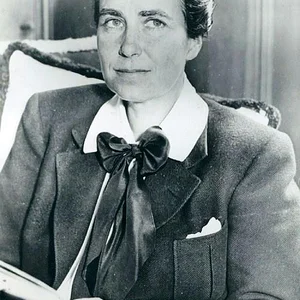
Dorothy Arzner
1897 — 1979
The only active female director working within the major Hollywood studios of the 1920s–1940s, Dorothy Arzner made around twenty films. A pioneer of women's cinema, she was the first woman admitted to the Directors Guild of America.
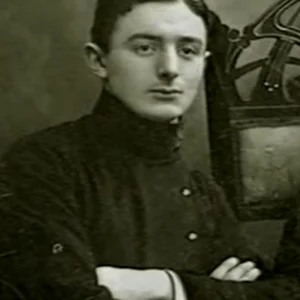
Dziga Vertov
1896 — 1954
Soviet avant-garde filmmaker (1896–1954), pioneer of documentary cinema and theorist of the "Cine-Eye." He revolutionized cinematic language with his Cine-Pravda newsreels and his masterpiece Man with a Movie Camera (1929).
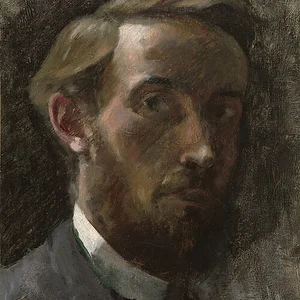
Édouard Vuillard
1868 — 1940
Édouard Vuillard was a French painter, printmaker, and illustrator, a leading figure of the Nabis group. A master of intimism, he depicted domestic scenes and bourgeois interiors in muted colors and decorative patterns.
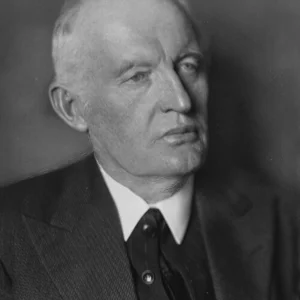
Edvard Munch
1863 — 1944
Edvard Munch (1863-1944) was a Norwegian painter and printmaker, a major figure of Symbolism and a forerunner of Expressionism. Haunted by anguish, illness and death, he explored human emotions in works that have become universal, including *The Scream*.
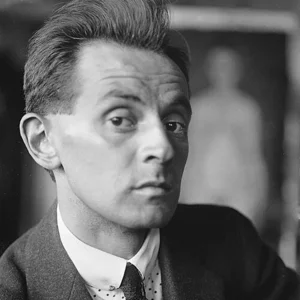
Egon Schiele
1890 — 1918
Austrian painter, draughtsman and lithographer, a major figure of Viennese Expressionism. A pupil and protégé of Gustav Klimt, he developed a raw and tormented style centered on the body and self-portraiture, before dying of the Spanish flu at the age of 28.
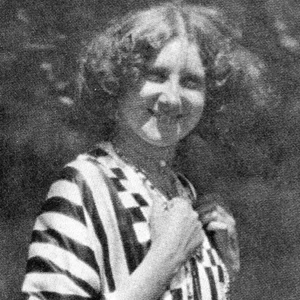
Emilie Flöge
1874 — 1952
Austrian fashion designer and couturière (1874–1952), companion and muse of Gustav Klimt. She ran a haute couture salon in Vienna and contributed to the reform dress movement, championing clothing freed from the corset.
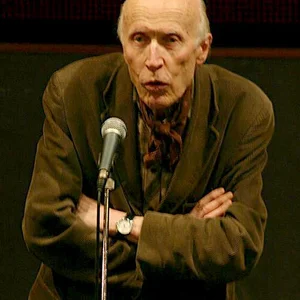
Éric Rohmer
1920 — 2010
Éric Rohmer, whose real name was Maurice Schérer, was a French filmmaker, critic, and screenwriter, and a major figure of the French New Wave. He is famous for his cycles of films with finely crafted dialogue exploring the emotional and moral hesitations of his characters.
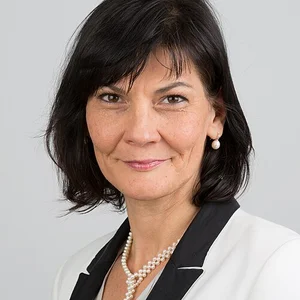
Eva Hesse
1936 — 1970
Eva Hesse (1936-1970) was a German-born American sculptor and a major figure of post-minimalism. She revolutionized sculpture by using soft industrial materials such as latex and fiberglass, creating organic and repetitive forms of great emotional power.
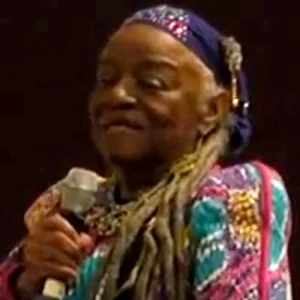
Faith Ringgold
1930 — 2024
Faith Ringgold (1930-2024) was an African American artist, painter, and mixed-media artist, famous for her “story quilts”—narrative quilts blending painting, fabric, and text. Committed to the civil rights and feminist movements, she was also an author of children's books.
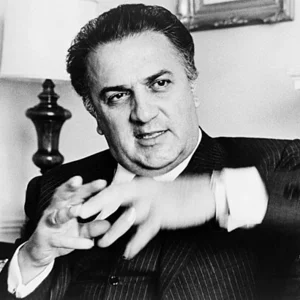
Federico Fellini
1920 — 1993
Federico Fellini (1920-1993) was an Italian filmmaker and screenwriter, a major figure in world cinema. A master of a dreamlike, baroque style, he left his mark on the history of the seventh art with films such as La Dolce Vita and La Strada.
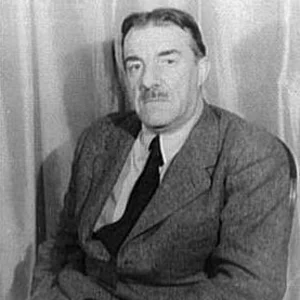
Fernand Léger
1881 — 1955
French painter (1881–1955) and major figure of the avant-garde, he developed a unique style blending Cubism with mechanical imagery. His works celebrate the modern world, machinery, and working people.
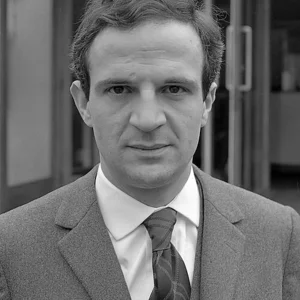
François Truffaut
1932 — 1984
François Truffaut (1932–1984) was one of the pioneers of the French New Wave. A critic at *Cahiers du Cinéma*, he became an iconic filmmaker with movies such as *The 400 Blows* and *Jules and Jim*.
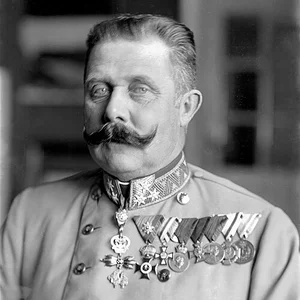
Franz Ferdinand of Austria
1863 — 1914
Archduke and heir to the Austro-Hungarian Empire, his assassination in Sarajevo on June 28, 1914, by Gavrilo Princip triggered the First World War. A central figure in the nationalism and European tensions of the early twentieth century.
Franz Kline
1910 — 1962
Franz Kline (1910-1962) was an American painter and a major figure of Abstract Expressionism. He is famous for his large canvases featuring powerful black brushstrokes on a white background, evoking calligraphy and gesture.
Fred
1983 — ?
Fred, whose real name was Othon Aristidès, was a French cartoonist and comic-strip writer of Greek descent. A poet of drawing, he was the creator of Philémon, a dreamlike and surrealist series published in Pilote, and one of the founders of the satirical magazine Hara-Kiri.
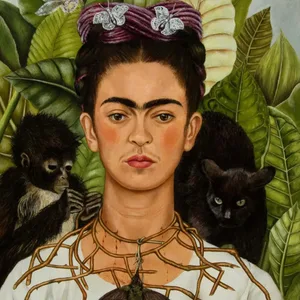
Frida Kahlo
1907 — 1954
Mexican painter (1907–1954), renowned for her expressionist self-portraits and works exploring physical pain and identity. An iconic figure of surrealism and feminism, she transformed her personal suffering into major artistic creation.
Friedrich Wilhelm Murnau
1888 — 1931
German film director (1888–1931), a central figure of Expressionist cinema. He made Nosferatu (1922) and The Last Laugh (1924), two foundational works in the art of filmmaking.

Fritz Lang
1890 — 1976
Fritz Lang (1890-1976) was an Austrian-born American filmmaker, pioneer of German Expressionist cinema and later of Hollywood film noir. His major works such as Metropolis and M left a profound mark on the history of cinema.
Gébé
1929 — 2004
Gébé (1929-2004) was a French press cartoonist, screenwriter and comic book author. A major figure of the satirical press, he was editor-in-chief of Hara-Kiri and Charlie Hebdo, and the author of the famous utopia L'An 01.
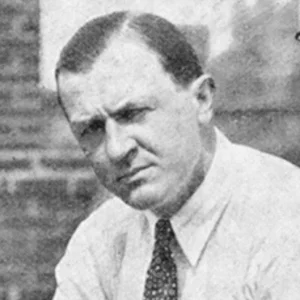
George Grosz
1893 — 1959
German painter and draughtsman (1893-1959), a major figure of Berlin Dada and the New Objectivity. His ferocious caricatures denounced the corruption, militarism, and inequality of the Weimar Republic.
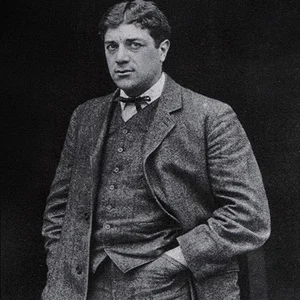
Georges Braque
1882 — 1963
Georges Braque was a French painter, sculptor, and printmaker, a major figure in 20th-century art. Together with Pablo Picasso, he invented Cubism between 1907 and 1914, revolutionizing the representation of space and form in modern painting.
Georges Wolinski
French press cartoonist and comic-book author of Tunisian-Italian origin, a leading figure of the libertarian spirit and satire from the 1960s to the 2000s. He left his mark on Hara-Kiri, Charlie Hebdo and L'Humanité before being murdered in the attack of 7 January 2015.
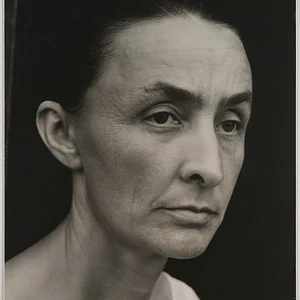
Georgia O'Keeffe
1887 — 1986
Georgia O'Keeffe was a pioneering American painter of modern art, celebrated for her abstract close-up depictions of flowers and her landscapes of New Mexico. Regarded as the "Mother of American Modernism," she asserted a singular style — balancing figuration and abstraction — over a career spanning more than seven decades.
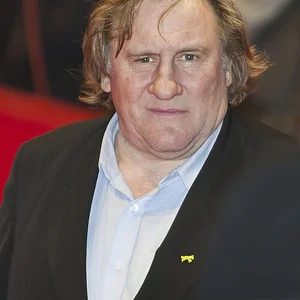
Gérard Depardieu
1948 — ?
Gérard Depardieu is one of the most famous and prolific French actors, with over 200 films to his name. Born in 1948 in Châteauroux, he established himself from the 1970s as a major figure in both French and international cinema.
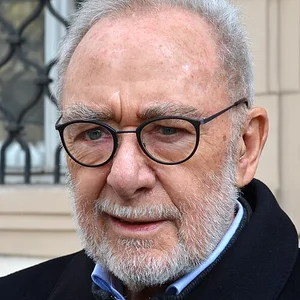
Gerhard Richter
1932 — ?
Gerhard Richter is a German painter and visual artist born in 1932, considered one of the most important living artists. His work oscillates between blurred photo-painting and radical abstraction, ceaselessly questioning the relationships between painting, photography and memory.
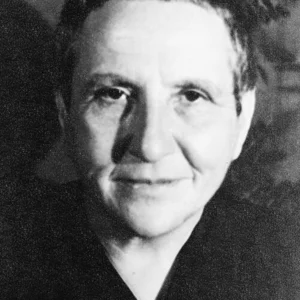
Gertrude Stein
1874 — 1946
An American writer and art critic living as an expatriate in Paris, Gertrude Stein was a central figure of the literary and artistic avant-gardes of the early 20th century. Her salon on the rue de Fleurus brought together Picasso, Matisse, Hemingway, and Fitzgerald.
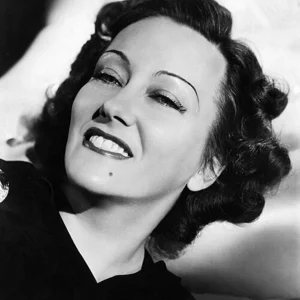
Gloria Swanson
1899 — 1983
An iconic American actress of the silent cinema era in the 1920s, Gloria Swanson was one of Hollywood's greatest stars. Her role as Norma Desmond in *Sunset Boulevard* (1950) remains one of the most memorable performances in cinema history.
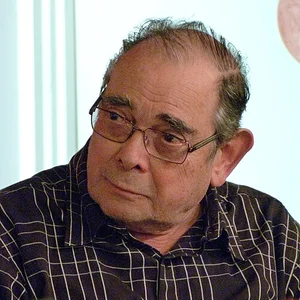
Gotlib
1934 — 2016
Marcel Gotlib (1934-2011) was a French comic book artist and writer, a major figure in humorous comics. Co-founder of satirical magazines, he left his mark on popular culture with his absurd, parodic humor.
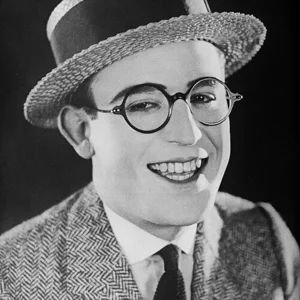
Harold Lloyd
1893 — 1971
Harold Lloyd (1893-1971) was one of the greatest comedians of American silent cinema, a rival to Chaplin and Keaton. His round-glasses character embodied the naive optimism of the ordinary American. He is famous for his breathtaking stunts, most notably the clock-hanging scene in *Safety Last!* (1923).
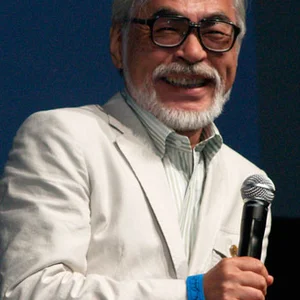
Hayao Miyazaki
1941 — ?
Hayao Miyazaki is a Japanese director, screenwriter, and animator of animated films, born in 1941. A co-founder of Studio Ghibli, he is one of the world's masters of animated cinema, famous for works such as *Princess Mononoke* and *Spirited Away*.
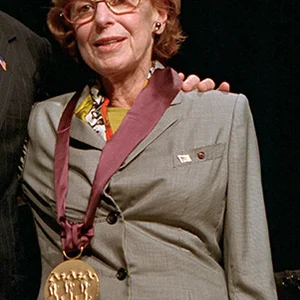
Helen Frankenthaler
1928 — 2011
Helen Frankenthaler (1928-2011) was a major American painter of Abstract Expressionism and Color Field Painting. In 1952 she invented the “soak-stain” technique, pouring diluted paint directly onto unprimed canvas.
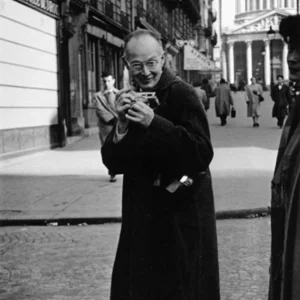
Henri Cartier-Bresson
1908 — 2004
French photographer, regarded as one of the fathers of photojournalism and street photography. Co-founder in 1947 of the Magnum Photos agency, he theorized the notion of the “decisive moment.”
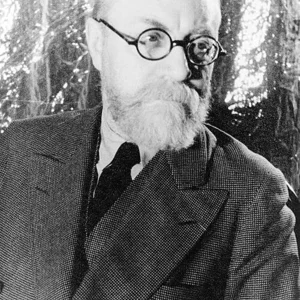
Henri Matisse
1869 — 1954
Henri Matisse was a French painter, draughtsman, printmaker and sculptor, the leader of Fauvism. Regarded as one of the major artists of the 20th century, he revolutionized the use of pure color and, late in his life, invented the technique of cut-out gouaches.
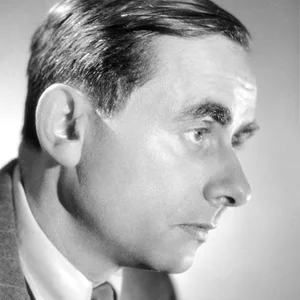
Henri-Georges Clouzot
1907 — 1977
French filmmaker (1907–1977), nicknamed the “French Hitchcock”, Clouzot is the creator of landmark psychological thrillers in French cinema. His films are distinguished by relentless narrative tension and a dark vision of humanity.
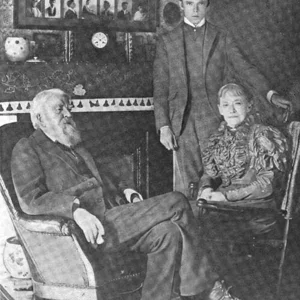
Henry Drewal
1943 — ?
Henry John Drewal is an American art historian, a recognized specialist in the arts of Africa and the African diaspora, particularly Yoruba art. A professor at the University of Wisconsin-Madison, he profoundly renewed the study of African visual cultures.
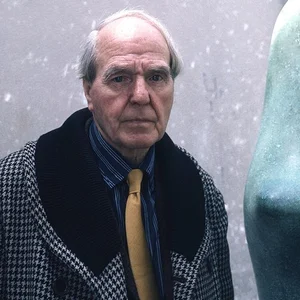
Henry Moore
1898 — 1986
Henry Moore (1898-1986) was a leading British sculptor of the 20th century, famous for his large abstract figures in bronze and stone. His pierced organic forms and elongated figures had a profound impact on modern sculpture.
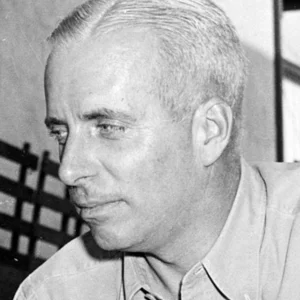
Howard Hawks
1896 — 1977
Howard Hawks was an American director, producer, and screenwriter, a major figure of Hollywood's Golden Age. A jack-of-all-trades across genres (western, film noir, comedy, war film), he is regarded as one of the great auteurs of classic cinema.
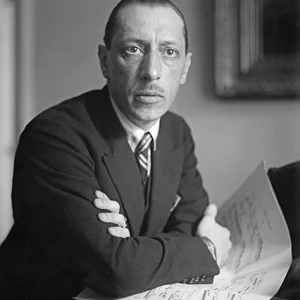
Igor Stravinsky
1882 — 1971
Igor Stravinsky is one of the most influential composers of the 20th century. With his ballets for the Ballets Russes — *The Firebird*, *Petrushka*, and above all *The Rite of Spring* — he revolutionized musical language through bold rhythms and dissonances. Naturalized as a French then American citizen, he traversed all the major aesthetic movements of his time.
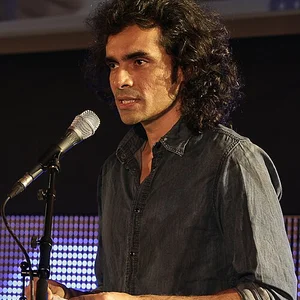
Imtiaz Ali
1971 — ?
Imtiaz Ali is an Indian film director and screenwriter born in 1971 in Jamshedpur. He is known for his romantically charged, poetic films, including Jab We Met (2007) and Rockstar (2011). His work explores themes of love, freedom, and the search for identity.
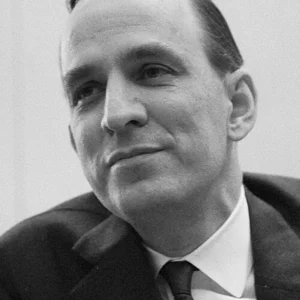
Ingmar Bergman
1918 — 2007
Swedish film director, screenwriter, and theater director (1918–2007), considered one of the greatest filmmakers in history. His work explores faith, death, solitude, and human relationships with unparalleled psychological intensity.
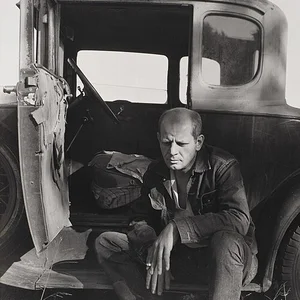
Jackson Pollock
1912 — 1956
American painter (1912-1956), a major figure of Abstract Expressionism. The inventor of “dripping,” he revolutionized painting by flinging color onto canvases laid on the floor.
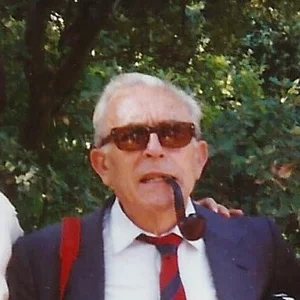
Jacques Faizant
1918 — 2006
Jacques Faizant (1918-2006) was a French press cartoonist and political caricaturist. Long featured on the front page of *Le Figaro*, he is famous for his chatty little old ladies and his depictions of Marianne symbolizing the Republic.
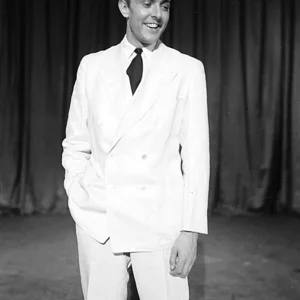
Jacques Tati
1907 — 1982
Jacques Tati (1907-1982) was a French director, actor, and screenwriter. Creator of the character Monsieur Hulot, he developed a poetic comedic cinema founded on visual slapstick and sound rather than dialogue.
Jasper Johns
1930 — ?
Jasper Johns is an American painter, draftsman, and printmaker born in 1930. A pioneer of Neo-Dada, he paved the way for Pop Art by depicting familiar objects such as flags, targets, and numbers.
Jean Cocteau
1889 — 1963
Jean Cocteau (1889-1963) was a French poet, novelist, playwright, illustrator, and filmmaker. An unclassifiable figure of the avant-garde, he worked across every art form and embodies the spirit of modern creativity in the early 20th century.
Jean Effel
1908 — 1982
Jean Effel, whose real name was François Lejeune, was a French cartoonist, caricaturist and journalist of the 20th century. His pen name came from his initials F.L. pronounced “eff-el.” He is known worldwide for his poetic and humorous series “The Creation of the World.”
Jean Epstein
1897 — 1953
Franco-Polish film director, essayist, and theorist (1897–1953), Jean Epstein is a major figure of the French cinematic avant-garde of the 1920s–1930s. He coined the concept of "photogénie" and directed experimental works such as *The Fall of the House of Usher*.
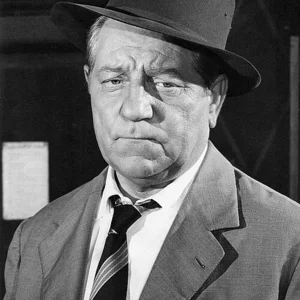
Jean Gabin
1904 — 1976
Jean Gabin (1904–1976) is one of the greatest French actors of the 20th century. He rose to fame in the 1930s with films such as La Bête humaine and La Grande Illusion, embodying the myth of the working-class man — tough yet sensitive.
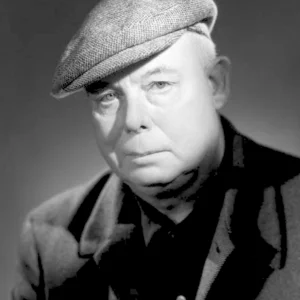
Jean Renoir
1894 — 1979
Jean Renoir was a French filmmaker and screenwriter, the son of the painter Auguste Renoir. A major figure of twentieth-century cinema, he left his mark on the history of the seventh art through his poetic realism and his humanism.
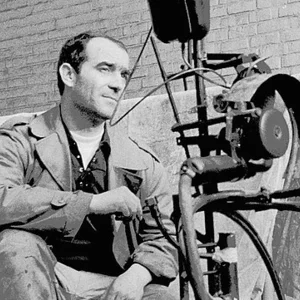
Jean Tinguely
1925 — 1991
Jean Tinguely (1925–1991) was a pioneering Swiss sculptor of kinetic art and the Nouveau Réalisme movement. His famous absurd machine-sculptures, such as the Méta-Matics, questioned industrial society and the role of the machine in art.
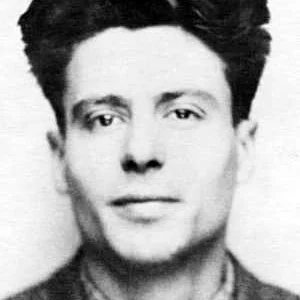
Jean Vigo
1905 — 1934
French filmmaker (1905-1934), a major figure of poetic cinema. Creator of L'Atalante and Zéro de conduite, he revolutionized French cinema with a lyrical and anarchist style before dying at the age of 29.
Jean Yanne
1933 — 2003
Jean Yanne (1933-2003) was a French comedian, actor, director, screenwriter and broadcaster. A figure of nonconformism and fierce irony, he left his mark on post-war French radio, cinema and satire.
Jean-Luc Godard
1930 — 2022
Franco-Swiss filmmaker (1930–2022) and a major figure of the French New Wave. He revolutionized the language of cinema with films such as Breathless (1960), challenging the conventions of traditional storytelling.
Jean-Michel Basquiat
1960 — 1988
American painter of Haitian and Puerto Rican descent, a major figure of Neo-Expressionism and New York street art in the 1980s. First a graffiti artist under the pseudonym SAMO, he became an international star before his untimely death at the age of 27.
Jean-Pierre Melville
1917 — 1973
Jean-Pierre Melville, whose real name was Jean-Pierre Grumbach, was a French filmmaker and a major figure of film noir and the French crime film. Independent and ahead of his time, he had a profound influence on the French New Wave.

Joan Miró
1893 — 1983
Joan Miró was a Spanish painter, sculptor, engraver, and ceramicist, and a major figure of Surrealism. Born in Barcelona, he developed a poetic visual language made of signs, vivid colors, and biomorphic shapes. His work, deeply rooted in Catalan culture, left a lasting mark on 20th-century art.
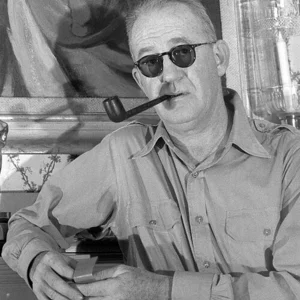
John Ford
1894 — 1973
John Ford (1894-1973) was an American director and producer, considered one of the masters of Hollywood cinema. An iconic figure of the western, he profoundly shaped the history of the seventh art and holds the record of four Academy Awards for Best Director.
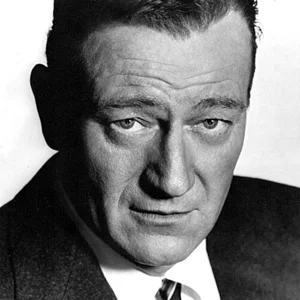
John Wayne
1907 — 1979
John Wayne was an American actor, director and producer, an iconic figure of the Hollywood western. Nicknamed “Duke,” he embodied the ideal of the cowboy and the rugged American hero in more than 150 films over a five-decade career.
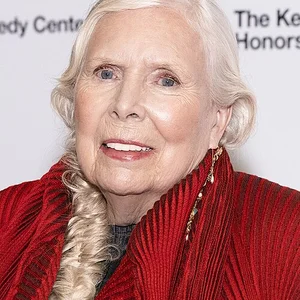
Joni Mitchell
1943 — ?
Canadian singer-songwriter and painter born in 1943, Joni Mitchell is one of the central figures of folk-rock and jazz fusion. Her album *Blue* (1971) is considered one of the greatest albums in the history of popular music.
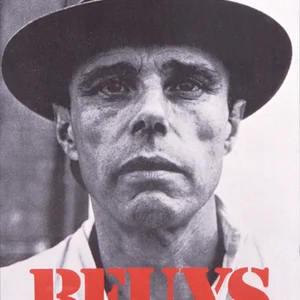
Joseph Beuys
1921 — 1986
Joseph Beuys (1921-1986) was a major postwar German artist — sculptor, draughtsman, and performer. A theorist of “social sculpture,” he expanded the notion of art to encompass the transformation of society and was a central figure in European contemporary art.
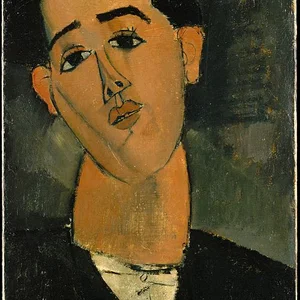
Juan Gris
1887 — 1927
Juan Gris, born José Victoriano González-Pérez, was a Spanish painter and sculptor who settled in Paris. A major figure of Cubism, he developed a more rigorous and luminous variant of it, Synthetic Cubism.
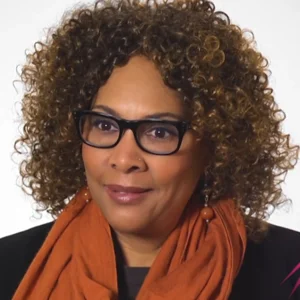
Julie Dash
1952 — ?
A pioneering American filmmaker, Julie Dash is best known for *Daughters of the Dust* (1991), the first feature film by an African American woman director to receive a national theatrical release in the United States. Her work explores memory, identity, and the cultural heritage of the African American diaspora.
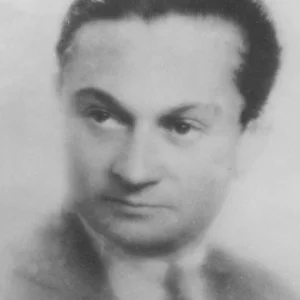
Julien Duvivier
1896 — 1967
Julien Duvivier (1896-1967) is one of the greatest French filmmakers of the 20th century. A prolific director, he left his mark on the golden age of French cinema with films such as Pépé le Moko and La Belle Équipe.
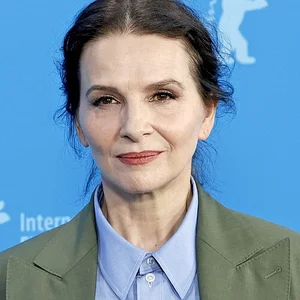
Juliette Binoche
1964 — ?
French actress born in 1964 in Paris, a leading figure in world arthouse cinema. She is the first actress to have won the César, the BAFTA, and the Academy Award in the same year (1997) for *The English Patient*, then the Best Actress prize at Cannes for *Certified Copy* (2010).
Karan Johar
1972 — ?
Indian director, producer, and screenwriter born in 1972, a major figure in Bollywood. He is known for his grand romantic and family films, most notably Kuch Kuch Hota Hai (1998).
Käthe Kollwitz
1867 — 1945
Käthe Kollwitz (1867-1945) was a German artist, printmaker and sculptor. Her socially committed work portrays working-class poverty, war and maternal grief. She was the first woman elected to the Prussian Academy of Arts, in 1919.
Katherine Carl
Katharine Carl was an American portrait painter. She is known for having created in 1903 the first official portrait of the Empress Dowager Cixi of China, which was exhibited at the 1904 World's Fair in St. Louis.
Kazimir Malevich
1879 — 1935
Russian and later Soviet painter and theorist, founder of Suprematism, a major movement in abstract art. His painting *Black Square* (1915) is one of the most radical works of modern art.
Keith Haring
1958 — 1990
Keith Haring was an American artist and a major figure of 1980s New York street art. Known for his stylized figures with bold black outlines (crawling babies, barking dogs), he democratized art by placing it in public space and campaigned against AIDS and racism.
Kenji Mizoguchi
1898 — 1956
Japanese film director (1898–1956), a towering figure of world cinema. Celebrated for his long takes and his humanist gaze on the condition of women in Japan, he won the Silver Lion at Venice with *Ugetsu* (1953), also known as *Tales of the Pale and Silvery Moon After the Rain*.
Khalil Gibran
1883 — 1931
Lebanese poet, writer, and painter (1883-1931), a major figure of Arab émigré literature (Mahjar). Author of the collection of poetic prose The Prophet (1923), one of the most widely read books in the world, he wrote in both Arabic and English.
Koloman Moser
1868 — 1918
Austrian painter, graphic artist, and designer (1868-1918), co-founder of the Vienna Secession and the Wiener Werkstätte. A leading figure of Art Nouveau and Jugendstil, he revolutionized the decorative arts by uniting fine art and craft.
Krzysztof Kieślowski
1941 — 1996
Krzysztof Kieślowski (1941-1996) was a Polish filmmaker and a major figure in European cinema of the late twentieth century. Initially a documentarian, he made his name with the television series *The Decalogue* and then the *Three Colours: Blue, White, Red* trilogy.
Le Corbusier
1887 — 1965
Franco-Swiss architect, urban planner, decorator, painter, sculptor, and writer
Lee Krasner
1908 — 1984
American painter and a major figure of Abstract Expressionism. A pioneer of the movement in New York, she developed a powerful body of work that was long overshadowed by that of her husband Jackson Pollock, before finally being fully recognized.
Lee Miller
1907 — 1977
Lee Miller was an American photographer, first a fashion model and then a figure of Surrealism alongside Man Ray. Having become a war correspondent, she photographed the liberation of Europe and the concentration camps in 1945.
Leon Trotsky
1879 — 1940
Russian revolutionary, Marxist theorist, and organizer of the Red Army, Leon Trotsky was one of the chief architects of the October Revolution of 1917 alongside Lenin. Ousted from power by Stalin and later exiled, he continued his political struggle until his assassination in Mexico City in 1940.
Leonora Carrington
1917 — 2011
British painter, sculptor and writer who became a naturalized Mexican citizen, and a major figure of Surrealism. Once linked to Max Ernst, she developed a dreamlike universe peopled with fantastical creatures and esoteric symbols, and was one of the last living representatives of the Surrealist movement.
Loïe Fuller
1862 — 1928
American dancer (1862–1928), pioneer of modern dance and stage lighting design. Her serpentine dance with silk veils lit by colored electric lights made her famous at the Folies Bergère in Paris from 1892 onward, turning her into an icon of the Belle Époque and Art Nouveau.
Lois Weber
1879 — 1939
Lois Weber (1879-1939) was one of the first great female directors in the history of American cinema. A Hollywood pioneer, she was one of the most influential and highest-paid filmmakers of the silent film era, tackling controversial social issues.
Lola Álvarez Bravo
1903 — 1993
Lola Álvarez Bravo was a major Mexican photographer of the 20th century and a key figure in the post-revolutionary art scene. A pioneer of documentary photography and photomontage, she also ran a renowned art gallery in Mexico City.
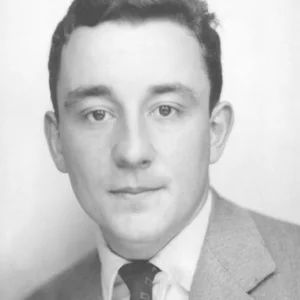
Louis Malle
1932 — 1995
French filmmaker (1932–1995), a major figure of art-house cinema. Close to the French New Wave without formally belonging to it, he directed bold works such as *Lacombe Lucien* (1974) and *Au Revoir les Enfants* (1987), exploring the memory of the German Occupation.
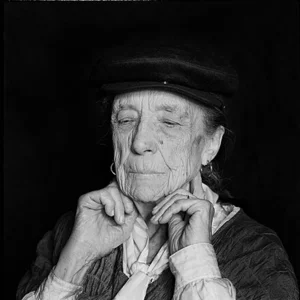
Louise Bourgeois
1911 — 2010
Franco-American sculptor
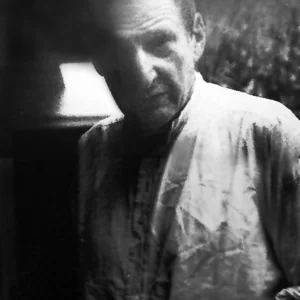
Lucian Freud
1922 — 2011
British painter and printmaker of German origin, grandson of Sigmund Freud. A major figure of 20th-century figurative painting, he is famous for his portraits and fleshy nudes of stark realism.

Luis Buñuel
1900 — 1983
Spanish-born filmmaker who became a Mexican citizen (1900–1983), a towering figure of cinematic surrealism. His provocative films blend dream imagery, social critique, and anticlericalism. He is the creator of masterworks such as Un chien andalou, Belle de jour, and The Discreet Charm of the Bourgeoisie.
Lyubov Popova
1889 — 1924
Lyubov Popova (1889-1924) was a Russian painter and designer, a major figure of the avant-garde. A pioneer of Constructivism and Suprematism, she put her art at the service of the revolution before her premature death from scarlet fever.
Marc Chagall
1887 — 1985
Marc Chagall was a French painter and engraver of Belarusian Jewish origin, a major figure in 20th-century art. Close to the School of Paris, he developed a poetic, dreamlike world blending memories of his native village of Vitebsk, Jewish folklore and love.
Marcel Carné
1906 — 1996
Marcel Carné was a French filmmaker and a major figure of the "poetic realism" movement of the 1930s and 1940s. With the poet-screenwriter Jacques Prévert, he made films that became classics of French cinema, including Children of Paradise.
Marcel Duchamp
1887 — 1968
Marcel Duchamp (1887-1968) was a French artist and a major figure of 20th-century art. The inventor of the readymade, he overturned the very definition of the work of art and profoundly influenced conceptual and contemporary art.
Margot Fonteyn
1919 — 1991
Margot Fonteyn (1919–1991) is considered one of the greatest ballerinas of the 20th century. Prima ballerina assoluta of the Royal Ballet in London, she formed with Rudolf Nureyev one of the most celebrated partnerships in the history of classical dance.
Marina Abramović
1946 — ?
Marina Abramović is a Serbian artist born in 1946, a pioneer of performance art. Since the 1970s, she has explored the limits of the body, of endurance, and of the relationship between the artist and the audience, becoming one of the major figures of contemporary art.
Mark Rothko
1903 — 1970
Mark Rothko was an American painter of Latvian origin and a major figure of Abstract Expressionism. He is famous for his vast canvases composed of floating rectangles of color, intended to evoke an emotional and spiritual experience in the viewer.
Marquise de Belbeuf
French aristocrat, daughter of the Duke of Morny, known by the nickname “Missy.” A sculptor and music-hall performer, she lived openly dressed as a man and had a famous relationship with the writer Colette, sparking the Moulin Rouge scandal of 1907.
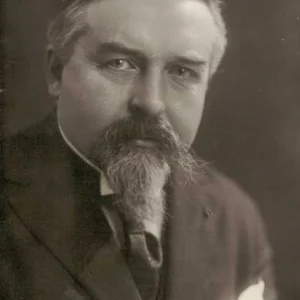
Maurice Denis
1870 — 1943
French painter, printmaker, and art theorist (1870-1943), central figure of the Nabis group. Author of the famous formula defining modern painting as "a flat surface covered with colors assembled in a certain order."
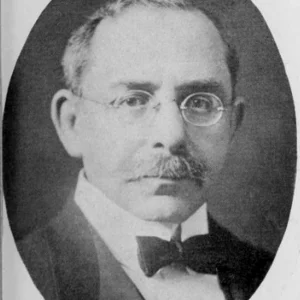
Maurice Henry
1907 — 1984
Maurice Henry (1907-1984) was a French cartoonist, poet, and humorist, a key figure of the Surrealist movement. Famous for his humorous drawings published in the press, he was also a painter and sculptor, blending the absurd with poetry.
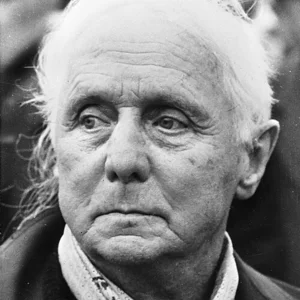
Max Ernst
1891 — 1976
Max Ernst (1891-1976) was a German painter and sculptor, who later became an American and then a French citizen — a leading figure of Dadaism and then Surrealism. The inventor of techniques such as frottage and grattage, he explored the unconscious, dreams, and chance in a richly imaginative body of work.
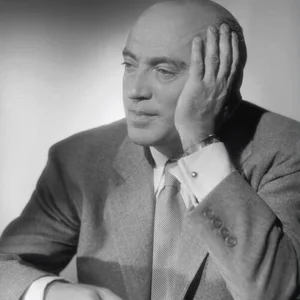
Max Ophüls
1902 — 1957
Max Ophüls (1902-1957) was a German-French filmmaker renowned for his virtuoso visual style, marked by long tracking shots and a fluid camera. He directed major works such as *La Ronde*, *Lola Montès*, and *Madame de…*, which explore love and melancholy.
Méret Oppenheim
Major Swiss-German artist of the Surrealist movement — painter, sculptor and creator of objects. She is famous for her provocative object “Object (Luncheon in Fur)”, a fur-covered cup that became an icon of 20th-century art.
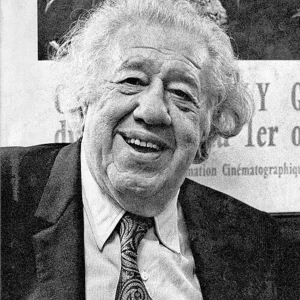
Michel Simon
1895 — 1975
Michel Simon (1895-1975) is one of the greatest actors in French cinema, celebrated for his earthy, larger-than-life roles. Born in Geneva, he made his name in Paris on stage before moving to talking pictures, collaborating with Jean Renoir and Jean Vigo.
Michelangelo Antonioni
1912 — 2007
A major Italian filmmaker of the post-war era, Michelangelo Antonioni (1912-2007) reinvented the language of cinema by exploring the inability to communicate and the existential emptiness of modern life. His films break with classical storytelling in favor of dead time and visual composition.
Mose
1300 av. J.-C. — ?
Mose (Moïse David) was a 20th-century French cartoonist and illustrator. He is best known for having taken over and drawn for decades the famous comic strip character Professor Nimbus, originally created by André Daix.
Nan Goldin
1953 — ?
Nan Goldin is an American photographer born in 1953, famous for her intimate, unvarnished portraits of those close to her, of the New York underground scene, the LGBT community, and the ravages of drugs and AIDS. Her work redefined autobiographical and documentary photography.
Natalia Goncharova
1881 — 1962
Russian painter, draughtswoman, and set designer, a major figure of the early 20th-century avant-garde. Co-founder of Rayonism with Mikhail Larionov, she also distinguished herself through her sets and costumes for Diaghilev's Ballets Russes.
Nicolas de Staël
1914 — 1955
French painter of Russian origin, a major figure in 20th-century art. His work explores the boundary between abstraction and figuration, marked by thick layers of colored matter. His meteoric career ended with his suicide in Antibes in 1955.
Niki de Saint Phalle
1930 — 2002
French artist, painter, and sculptor
Nusch
Nusch Éluard, born Maria Benz (1906-1946), was an artist, model, and muse of the Surrealist movement. The companion and later wife of the poet Paul Éluard, she inspired poets and painters, and herself created Surrealist collages. Her sudden death in 1946 plunged Éluard into profound despair.
Orson Welles
1915 — 1985
American director, actor, and screenwriter (1915–1985), Orson Welles revolutionized cinema with Citizen Kane (1941), widely regarded as one of the greatest films ever made. A towering figure in filmmaking, he also left a lasting mark on radio and theater.
Otto Dix
1891 — 1969
Otto Dix was a German painter and printmaker, a leading figure of the New Objectivity movement (Neue Sachlichkeit). Deeply affected by his experience in the trenches of the First World War, he produced a body of work of stark realism that denounced the horrors of war and the failings of German society between the two world wars.
Paul Klee
1879 — 1940
Paul Klee was a Swiss-German painter and a major figure of modern art. Close to the Bauhaus and Der Blaue Reiter, he developed a unique pictorial language blending abstraction, color, and poetry. His body of work, comprising nearly 10,000 pieces, had a lasting influence on 20th-century art.
Philippe Honoré
1941 — 2015
Philippe Honoré (1941-2015) was a French press cartoonist and illustrator, known for his fine, minimalist line and his literary references. A contributor to Charlie Hebdo, he was murdered on 7 January 2015 during the attack on the newspaper.
Piem
1923 — 2020
Piem was a French humor cartoonist of the second half of the 20th century. A well-known figure in press cartooning, he contributed to numerous newspapers and became famous with the general public by drawing live on television.
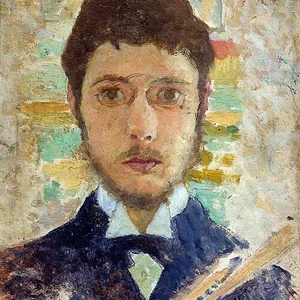
Pierre Bonnard
1867 — 1947
French Post-Impressionist painter and co-founder of the Nabis group. Celebrated for his intimate scenes in vibrant colors — interiors, nudes, gardens — Bonnard reinvented French painting in the first half of the 20th century.
Pierre Étaix
1928 — 2016
Pierre Étaix (1928-2016) was a French clown, filmmaker, actor and illustrator. A collaborator of Jacques Tati, in the 1960s he directed slapstick comedies such as “The Suitor” and “Yoyo,” in the tradition of visual comic cinema.
Pierre Soulages
1919 — 2022
Pierre Soulages (1919–2022) was a French painter and printmaker, a major figure of lyrical abstraction. He is known worldwide for his exploration of the color black and light, which he called *outrenoir* ("beyond black").
Piet Mondrian
1872 — 1944
Piet Mondrian was a Dutch painter and a major figure of 20th-century abstract art. He founded the Neoplasticism movement and the De Stijl group, reducing painting to straight lines and primary colors.
Rainer Werner Fassbinder
1945 — 1982
German filmmaker, playwright, and actor, a major figure of New German Cinema. Over a dazzling career spanning some fifteen years, he directed more than forty films that dissect postwar West German society.
Rebecca Strand
Rebecca Salsbury Strand (1891-1968) was an American painter and artist, wife of the photographer Paul Strand. Close to Georgia O'Keeffe, she accompanied her on her first stay in New Mexico in 1929 and developed a body of work marked by glass painting (reverse painting).
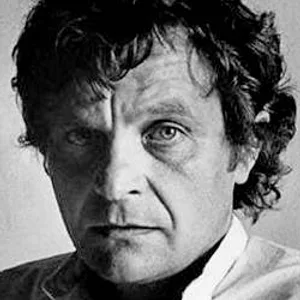
Reiser
1941 — 1983
Jean-Marc Reiser (1941-1983) was a French comic-strip artist and caricaturist, a major figure of the satirical press. With a sharp, ferocious style, he embodied the rebellious spirit of Hara-Kiri and then Charlie Hebdo, leaving a lasting mark on French graphic humour.
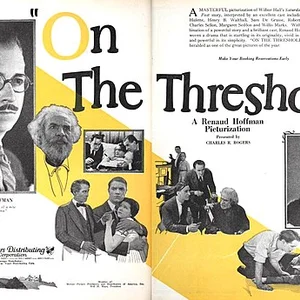
Remedios Varo
1908 — 1963
Remedios Varo (1908-1963) was a Surrealist painter of Spanish origin who became a naturalized Mexican citizen. Fleeing the Spanish Civil War and then war-torn Europe, she settled in Mexico City, where she developed a dreamlike body of work blending alchemy, science and mysticism.
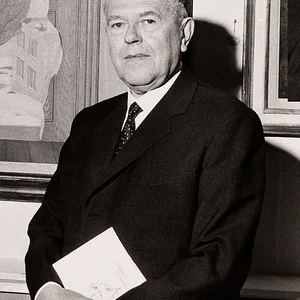
René Magritte
1898 — 1967
René Magritte was a Belgian surrealist painter. Famous for his enigmatic images that question the relationship between objects, their representations and language, he is the author of the painting *The Treachery of Images* (“This is not a pipe”).
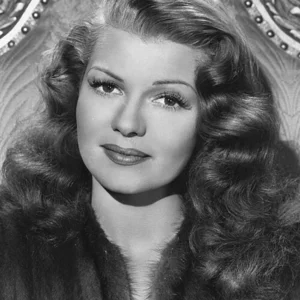
Rita Hayworth
1918 — 1987
Rita Hayworth (1918-1987) was an American actress and dancer, considered one of the greatest Hollywood stars of the 1940s. A glamour icon, she is best known for her role in Gilda (1946).
Robert Capa
1913 — 1954
Robert Capa (1913-1954) was a photographer and war correspondent of Hungarian origin. A co-founder of the Magnum Photos agency, he covered five major conflicts of the 20th century and embodies war photojournalism.
Robert Delaunay
1885 — 1941
Robert Delaunay was a French painter, a pioneer of abstraction and co-founder of Orphism alongside his wife Sonia Delaunay. His work explores the simultaneous contrasts of pure colors to create rhythm and movement.
Robert Goldwater
1907 — 1973
Robert Goldwater (1907–1973) was an American art historian specializing in primitive art and modern art. He founded the Museum of Primitive Art in New York in 1954 and was one of the first scholars to theorize primitivism in twentieth-century Western art.
Robert Rauschenberg
1925 — 2008
Robert Rauschenberg was an American visual artist and a major figure of post-war art. A pioneer of the “Combines” that blended painting with everyday objects, he paved the way for Pop art and blurred the boundary between art and life.
Roberto Rossellini
1906 — 1977
Roberto Rossellini (1906-1977) was an Italian director and a major figure of neorealism. With films like *Rome, Open City*, he revolutionized cinema by capturing the reality of postwar Italy, shooting with a handheld camera and non-professional actors.

Roger Blachon
1941 — 2008
Roger Blachon (1941-2008) was a French humorous cartoonist and illustrator. A virtuoso of sports drawings and crowd scenes, he contributed to many newspapers and magazines and received the Grand Prix de la ville d'Angoulême in 1993.
Roland Moisan
1907 — 1987
Roland Moisan (1907-1987) was a French humorous cartoonist and caricaturist. He is famous for his long career at the Canard enchaîné, where he sketched the political figures of the Fourth and Fifth Republics.
Roland Topor
Roland Topor (1938-1997) was a French cartoonist, writer, painter, and filmmaker, a major figure of dark humor and the absurd. Co-founder of the Panic Movement alongside Jodorowsky and Arrabal, he was also the graphic creator of the television series “Téléchat.”
Roy Lichtenstein
1923 — 1997
Roy Lichtenstein was an American painter, a leading figure of pop art alongside Andy Warhol. He is famous for his canvases inspired by comic strips, reproducing Ben-Day dots and speech bubbles on a large scale.
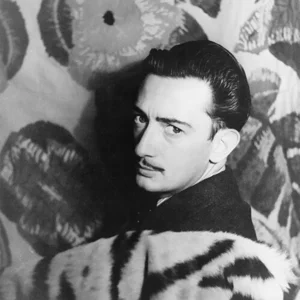
Salvador Dalí
1904 — 1989
Spanish painter, sculptor, and printmaker, a major figure of Surrealism. Famous for his dreamlike world and his “paranoiac-critical” method, he became one of the most eccentric and publicized artists of the 20th century.
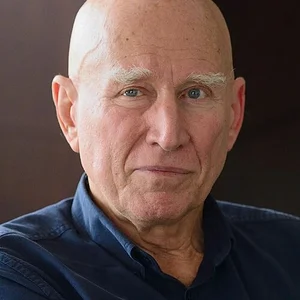
Sebastião Salgado
1944 — 2025
Brazilian photographer and photojournalist, a major figure of black-and-white documentary photography. He devoted his work to the living conditions of workers, to migrations, and to the beauty of nature, in an approach that is at once aesthetic and committed.
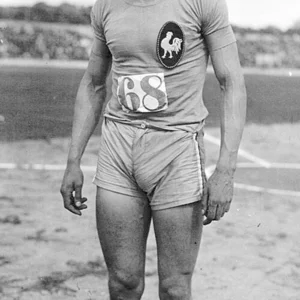
Sempé
Jean-Jacques Sempé (1932-2022) was a French humorous cartoonist, famous for the tenderness and poetry of his drawings of everyday life. Together with René Goscinny, he created the character of Little Nicholas and drew many covers for The New Yorker.
Sennep
1894 — 1982
Sennep is one of the greatest French political caricaturists of the first half of the 20th century. His sharp pencil sketched the figures of the Third Republic and Parisian political life in the satirical press.
Serge de Diaghilev
1872 — 1929
Russian impresario and patron of the arts, Diaghilev founded the Ballets Russes in 1909, revolutionizing choreographic art by bringing together the greatest artists of his era. He collaborated with Stravinsky, Picasso, Matisse, and Nijinsky to create total spectacles blending dance, music, and the visual arts.
Serge Gainsbourg
1928 — 1991
French singer-songwriter, film director, and painter (1928–1991), a towering figure of French popular music. A provocateur and poet, he left his mark on popular culture with works blending humor, eroticism, and artistic boldness.
Sergei Eisenstein
1898 — 1948
Soviet filmmaker and theorist, a pioneer of cinematic language. He revolutionized the art of film through his theory of the montage of attractions, illustrated in works such as Battleship Potemkin.
Sergio Leone
1929 — 1989
Italian director and screenwriter (1929–1989), father of the spaghetti western. He revolutionized genre cinema with his Dollars Trilogy and Once Upon a Time in America.
Siné
1928 — 2016
Maurice Sinet (1928-2016), known as Siné, was a French press cartoonist and caricaturist, a figure of anarchism and satirical drawing. His sharp-lined drawings left their mark on the post-war French press, from L'Express to Charlie Hebdo.
Sonia Delaunay
1885 — 1979
French painter and designer of Ukrainian origin, co-founder with her husband Robert Delaunay of the Orphism movement. She applied colorful abstraction to painting as well as to the applied arts (fashion, textiles, design), erasing the boundary between fine art and decorative art.
Stanley Kubrick
1928 — 1999
Stanley Kubrick (1928-1999) was an American director, screenwriter and producer. A former photographer, he became one of the most influential filmmakers of the 20th century, renowned for his perfectionism and the diversity of his genres, from war films to science fiction.
Steven Spielberg
1946 — ?
Steven Spielberg is an American film director, screenwriter, and producer born in 1946. A major figure of the New Hollywood movement, he invented the modern blockbuster while also directing critically acclaimed historical films. He ranks among the most influential and popular filmmakers of the late twentieth century.
Susanne Langer
1895 — 1985
American philosopher, a major figure in the philosophy of art and symbolism in the 20th century. She developed a theory of the symbol encompassing language, art, and myth, making feeling and symbolic form the heart of human experience.
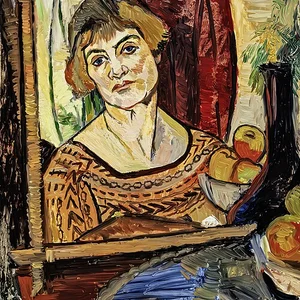
Suzanne Valadon
1865 — 1938
Suzanne Valadon was a French painter and engraver, a former model for the great artists of Montmartre who became a leading self-taught artist. She was one of the first women admitted to the Société Nationale des Beaux-Arts and the mother of the painter Maurice Utrillo.
Suzanne Wenger
1915 — 2009
An Austrian artist who settled in Nigeria, she became a priestess of the Yoruba religion and devoted her life to restoring the sacred grove of Osun at Osogbo, which she filled with monumental sculptures. Her work fuses European modern art with African spirituality.
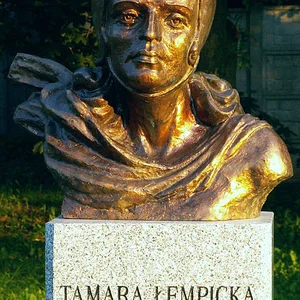
Tamara de Lempicka
1898 — 1980
Polish-born painter (1898-1980)
Tignous
1957 — 2015
Bernard Verlhac, known as Tignous (1957-2015), was a French press cartoonist and caricaturist. A contributor to Charlie Hebdo, Marianne and Fluide glacial, he championed freedom of expression through satirical drawing. He was murdered on 7 January 2015 during the attack on Charlie Hebdo.
Valerie Solanas
1936 — 1988
Valerie Solanas (1936-1988) was an American writer and radical feminist activist. The author of the provocative pamphlet SCUM Manifesto (1967), she remains famous for attempting to assassinate the artist Andy Warhol in 1968.
Vassily Kandinsky
1866 — 1944
Russian-born painter who was naturalized German and then French (1866–1944), Kandinsky is one of the pioneers of abstract art. He theorized the connection between color, form, and emotion, laying the groundwork for a radically new aesthetic.
Vittorio De Sica
1901 — 1974
Vittorio De Sica (1901-1974) was an Italian director, screenwriter, and actor, a major figure of neorealism. His film *Bicycle Thieves* (1948) is regarded as a masterpiece of world cinema.
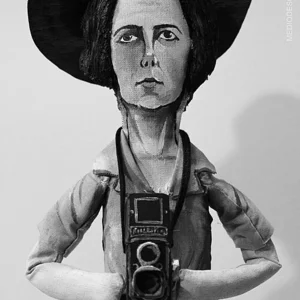
Vivian Maier
1926 — 2009
Vivian Maier was an American photographer who earned her living as a nanny in New York and Chicago while taking tens of thousands of street photographs that remained secret. Her body of work, discovered by chance shortly before her death, revealed her as a major figure in street photography.
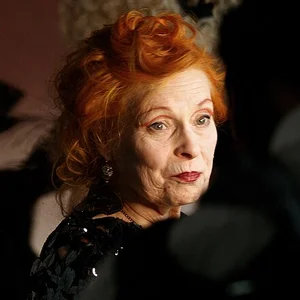
Vivienne Westwood
1941 — 2022
British fashion designer (1941–2022)
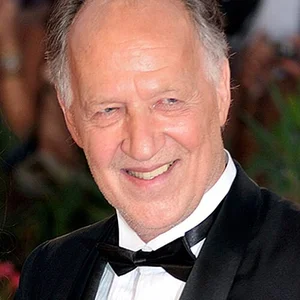
Werner Herzog
1942 — ?
Werner Herzog is a German filmmaker, screenwriter, and actor born in 1942, a leading figure of the New German Cinema. Both his fiction films and his documentaries explore boundless dreams, hostile nature, and the fringes of humanity.
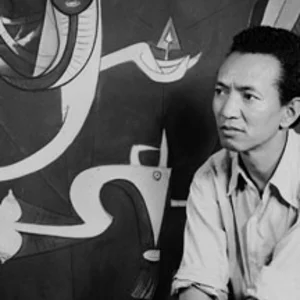
Wifredo Lam
1902 — 1982
Wifredo Lam (1902-1982) was a Cuban painter and engraver, a major figure of modern art. Of mixed Afro-Cuban and Chinese heritage, he blended Surrealism, Cubism, and the Afro-Caribbean imagination — notably Santería — into a singular body of work embodied by his iconic painting The Jungle.
Willem de Kooning
1904 — 1997
Willem de Kooning was an American painter of Dutch origin and a leading figure of abstract expressionism. He settled in the United States in 1926 and, alongside Jackson Pollock, became one of the leaders of the New York School. His “Women” series blends gestural abstraction with figuration.
Wim Wenders
1945 — ?
Wim Wenders, born in 1945 in Düsseldorf, is a German director, screenwriter and photographer. A major figure of New German Cinema, he is famous for his films about wandering, memory and the act of looking, as well as for his photographic work.
Wong Kar-wai
1958 — ?
Wong Kar-wai is a Hong Kong director, screenwriter, and producer born in 1958 in Shanghai. A major figure of Asian auteur cinema, he is celebrated for his mesmerizing visual style and his melancholic stories about love and the passage of time.
Yasujirō Ozu
1903 — 1963
Yasujirō Ozu (1903-1963) was a Japanese filmmaker, one of the greatest masters of world cinema. His intimate films delicately portray the Japanese family and the passage of time, in a spare, contemplative style.
Yayoi Kusama
1929 — ?
Yayoi Kusama is a Japanese visual artist born in 1929 in Matsumoto. A pioneer of psychedelic art and pop art, she is known for her obsessive polka-dot patterns and immersive mirror installations. Since 1977, she has voluntarily lived in a psychiatric hospital in Tokyo while continuing to create.
Yoko Ono
1933 — ?
Yoko Ono is a Japanese artist born in 1933 in Tokyo, a major figure in conceptual art and the Fluxus movement. A peace activist, she is also known for her artistic and political commitment alongside John Lennon. Her work explores audience participation, peace, and memory.
Youki
1903 — 1966
Youki Desnos (née Lucie Badoul, 1903–1962) was one of the iconic figures of the Parisian bohemian scene between the two World Wars. A model and muse for the painter Foujita, then partner of the Surrealist poet Robert Desnos, she was a central presence in the artistic circles of Montparnasse before becoming a gallerist.
Yves Klein
1928 — 1962
Yves Klein (1928-1962) was a French visual artist, a major figure of Nouveau Réalisme. A pioneer of the monochrome, he is famous for his patented ultramarine blue (IKB) and his anthropometries created using living models as “paintbrushes.”
21st Century(17)
Ai Weiwei
1957 — ?
Ai Weiwei is a Chinese visual artist and activist, a leading figure in contemporary art. Known for his monumental installations and politically engaged works, he denounces human rights abuses and censorship by the Chinese regime, which earned him surveillance, imprisonment, and exile.
Andrew Haigh
1973 — ?
British director, screenwriter, and editor born in 1973, Andrew Haigh is acclaimed for his intimate films exploring human relationships and LGBTQ+ identity. He is best known for Weekend (2011) and 45 Years (2015).
Anish Kapoor
1954 — ?
Anish Kapoor is a British sculptor of Indian origin, born in 1954 in Bombay. A major figure in contemporary art, he is renowned for his monumental sculptures that play with space, color, emptiness, and perception. He notably created Chicago's "Cloud Gate."
Björk
1965 — ?
Icelandic singer, composer, and artist born in 1965 in Reykjavík, pioneer of experimental electronic music and avant-garde pop. She is also an actress, awarded at Cannes in 2000 for Dancer in the Dark.
Cindy Sherman
1954 — ?
Cindy Sherman is an American photographer born in 1954 and a major figure in contemporary art. Famous for her staged self-portraits in which she disguises herself and embodies a wide range of characters, she questions female stereotypes and the construction of identity through images.
Damien Hirst
1965 — ?
Damien Hirst is a British visual artist born in 1965, a leading figure of the Young British Artists (YBA) movement. He is famous for his provocative works exploring death, science and the value of art, including animals preserved in formaldehyde.
Jafar Panahi
1960 — ?
Jafar Panahi is an Iranian filmmaker born in 1960, a major figure in contemporary auteur cinema. A multiple award winner at the great film festivals, he was banned by the regime from making films and from leaving Iran, becoming a symbol of creative freedom.
Kara Walker
1969 — ?
Kara Walker is an African American artist born in 1969, famous for her cut-out black paper silhouettes that stage, with violence and irony, the history of slavery and racism in the United States. Her work questions memory, power, and racial representations.
Kerry James Marshall
1955 — ?
Kerry James Marshall is an American painter born in 1955, famous for his large canvases depicting figures with deep black skin. His work reinserts Black figures into the great tradition of Western painting, from which they had historically been absent.
Olafur Eliasson
1967 — ?
Danish-Icelandic contemporary artist born in 1967, famous for his immersive installations playing on light, color, water and perception. His work questions the viewer's relationship to nature and the environment.
Quentin Tarantino
1963 — ?
Quentin Tarantino is an American director, screenwriter, producer, and actor born in 1963. A major figure in American independent cinema, he is famous for his highly personal style blending sharp dialogue, stylized violence, fractured storytelling, and tributes to popular genres.
Ruth Hogben
1982 — ?
Ruth Hogben is a British director and video artist born in 1982, specializing in fashion. A former assistant to photographer Nick Knight, she has established herself as a leading figure in experimental fashion film and in art direction for music videos and runway shows.
Sanjay Leela Bhansali
1963 — ?
Sanjay Leela Bhansali is an Indian director, producer, and composer born in 1963, a major figure of Bollywood cinema. He is renowned for his sumptuous romantic epics, with their opulent staging and keen visual sense.
Tracey Emin
1963 — ?
Tracey Emin is a British contemporary artist and a leading figure of the Young British Artists. Her deeply autobiographical work explores intimacy, sexuality and personal suffering through installation, neon, drawing and embroidery.
Wangechi Mutu
1972 — ?
Wangechi Mutu is a Kenyan-American visual artist born in 1972 in Nairobi. She is famous for her monumental collages, sculptures, and installations that explore the Black female body, post-colonialism, and African identity.
Wes Anderson
1969 — ?
Wes Anderson is an American filmmaker, screenwriter, and producer born in 1969 in Texas. Recognizable by his highly codified visual style — symmetry, pastel palettes, and meticulous framing — he is the author of bittersweet comedies that have become cult classics.
Yinka Shonibare
1962 — ?
Yinka Shonibare is a British visual artist of Nigerian descent, born in 1962. He is famous for his installations and sculptures using wax fabric — that colorful cloth associated with Africa but with complex colonial origins — to question identity, colonialism, and cultural hybridity.