Exploration
Découvertes, voyages, espace, océans
195 characters
195 characters
Before Christ(6)
Hanno the Navigator
500 av. J.-C. — 500 av. J.-C.
A Carthaginian explorer of the 5th century BC, Hanno led an expedition along the West African coast with a fleet of sixty ships. His voyage, recorded in the Periplus of Hanno, is one of the earliest accounts of African exploration from antiquity.
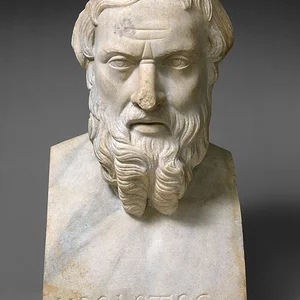
Herodotus
483 av. J.-C. — 424 av. J.-C.
Greek historian and geographer born around 484 BC in Halicarnassus, considered the "Father of History". He is the author of the Histories, a vast inquiry into the Greco-Persian Wars and the peoples of the ancient world.
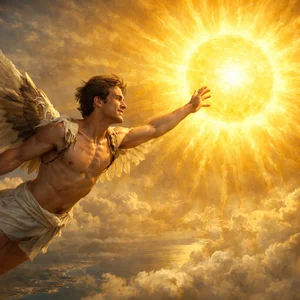
Icarus
Son of Daedalus, the ingenious craftsman of Greek mythology, Icarus escapes the Labyrinth of Crete using wings made of feathers and wax. Intoxicated by flight, he soars too close to the sun despite his father's warnings, melts his wings, and perishes in the sea that now bears his name.
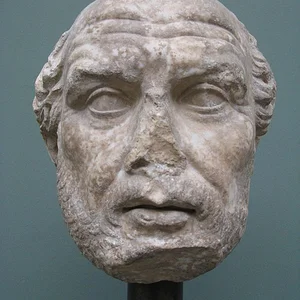
Phidias
499 av. J.-C. — 429 av. J.-C.
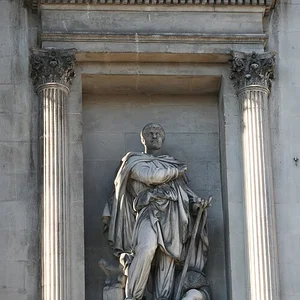
Phidias is considered the greatest sculptor of ancient Greece in the 5th century BC. He created the chryselephantine statue of Athena Parthenos and the statue of Zeus at Olympia, counted among the Seven Wonders of the Ancient World.
Pytheas
358 av. J.-C. — 288 av. J.-C.
A Greek navigator and geographer from Massalia (Marseille), Pytheas undertook an extraordinary voyage around 325 BCE toward northern Europe, reaching the mysterious island of Thule. He was one of the first to give a scientific description of tides and the Arctic regions.
Thutmose III
1480 av. J.-C. — 1424 av. J.-C.
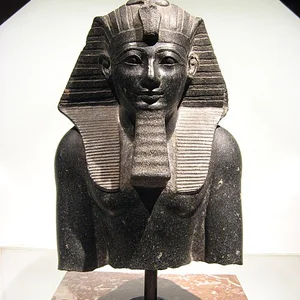
Pharaoh of the 18th Egyptian Dynasty (c. 1479–1425 BCE), Thutmose III is considered the greatest conqueror of ancient Egypt. He led seventeen military campaigns and brought the Egyptian empire to its greatest territorial extent.
Antiquity(2)
Faxian
337 — 422
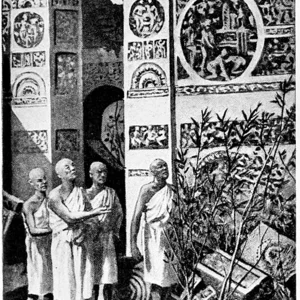
A Chinese Buddhist monk of the 4th–5th century, Faxian undertook a long pilgrimage on foot to India to collect sacred texts. His travel account, titled *A Record of Buddhist Kingdoms*, stands as one of the earliest detailed descriptions of India and Central Asia written by a Chinese traveler.
Pausanias
Pausanias was a Greek geographer and traveler of the 2nd century AD. His work, the “Description of Greece” (Periegesis), describes in detail the monuments, sanctuaries, cults, and works of art of the Greek cities. It is a primary archaeological and religious source.
Middle Ages(12)
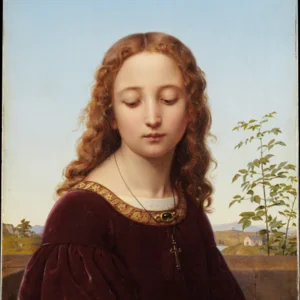
Börte
1161 — 1230
Börte was the first wife and principal empress of Genghis Khan. Abducted shortly after her marriage and then rescued by her husband, she ruled the imperial court and played a major political role, with her four sons becoming the heirs of the Mongol Empire.
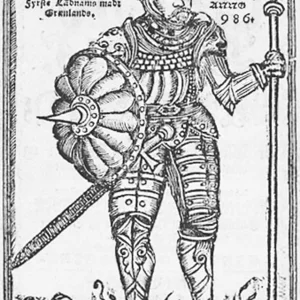
Erik the Red
950 — 1003
A Viking explorer of Norwegian origin, banished from Iceland for manslaughter, around 982 he explored a land he named Greenland (“green land”) to lure settlers there. Around 985 he founded the first lasting Scandinavian colony there.
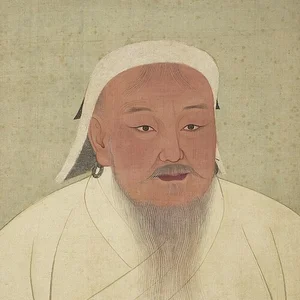
Gengis Khan
1162 — 1227
Founder and first Great Khan of the Mongol Empire, Genghis Khan unified the nomadic tribes of Central Asia in the early 13th century. His conquests created the largest contiguous empire in history.
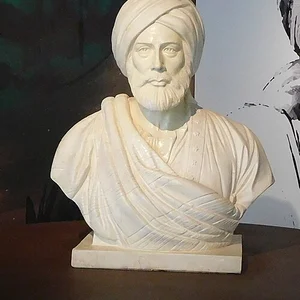
Ibn Battûta
1304 — 1368
Muslim explorer and geographer of the 14th century, born in Tangier (Morocco). Ibn Battûta undertook a journey of over 120,000 km across Africa, Asia, and the Middle East, becoming the greatest medieval traveler. His accounts, recorded in the Rihla (the Journey), bear witness to the richness of the Muslim civilizations of his time.

Ibn Juzayy
1294 — 1340
Scholar, poet, and Andalusian jurist (c. 1294–1340), Ibn Juzayy is best known for having written the famous travel account of Ibn Battuta, the *Rihla*, which he shaped into literary form at the request of the Marinid sultan. He is also the author of legal treatises and a Quranic commentary.
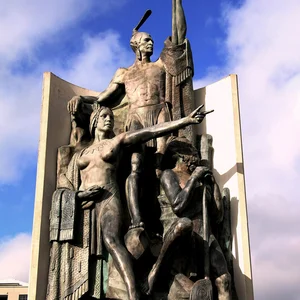
Kupe
1000 — 1099
Kupe is a legendary Polynesian navigator, the founding hero of Maori tradition. According to mythology, he discovered Aotearoa (New Zealand) around the year 1000, guided by a giant octopus. His voyage from Hawaiki symbolizes the mastery of star navigation achieved by the Polynesian peoples.
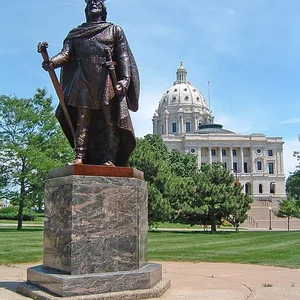
Leif Erikson
972 — 1020
Viking explorer of Icelandic origin, son of Erik the Red. Around the year 1000, he is believed to have reached the coasts of North America (Vinland), becoming one of the first Europeans to set foot in the New World, five centuries before Christopher Columbus.
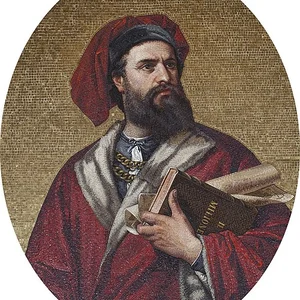
Marco Polo
1254 — 1324
Venetian merchant and explorer (1254–1324), Marco Polo is famous for his long journey to Asia from 1271 to 1295, during which he reached the court of the Great Khan Kublai. His account, The Travels of Marco Polo, profoundly shaped European knowledge of Asia and its trade routes.

Rustichello of Pisa
1300 — 1322
An Italian writer of the 13th century, Rustichello of Pisa is best known for writing down the account of Marco Polo's travels while sharing a cell with him in Genoa. His work, known under the title 'The Book of Marvels', is one of the most important documents on medieval Asia.
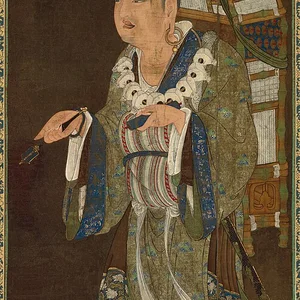
Xuanzang
602 — 664
A 7th-century Chinese Buddhist monk, he undertook a seventeen-year journey to India to collect sacred texts. He translated hundreds of sutras into Chinese and played a major role in the spread of Buddhism in China.
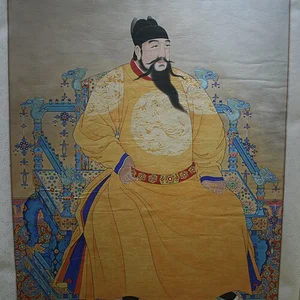
Yongle
Third emperor of the Ming dynasty (1402–1424), Yongle is known for moving the capital to Beijing, commissioning Zheng He's great maritime expeditions, and consolidating Chinese imperial power.
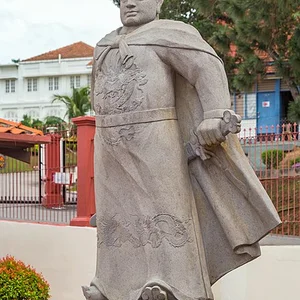
Zheng He
1371 — 1433
Chinese mariner, explorer and diplomat (1371–c. 1434)
Renaissance(28)
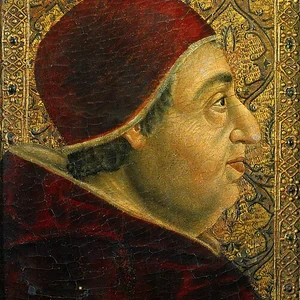
Alexander VI
1431 — 1503
Spanish pope from 1492 to 1503, Alexander VI is one of the most controversial figures in the history of the papacy. Head of the powerful Borgia family, he blended politics, nepotism, and diplomacy in Renaissance Rome.
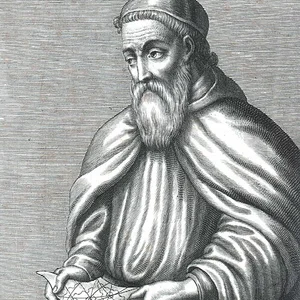
Amerigo Vespucci
1454 — 1512
Florentine navigator and explorer (1454–1512), Amerigo Vespucci made several voyages to the New World between 1499 and 1504. He was the first to understand that the lands discovered by Christopher Columbus formed an unknown continent, which was named after him: America.
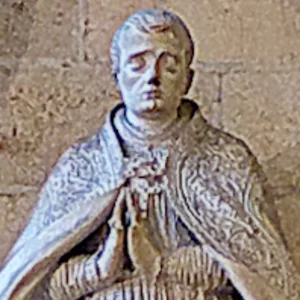
Antonio de Beatis
1450 — ?
Secretary and chaplain to Cardinal Luigi d'Aragona, Antonio de Beatis is known for the travel journal he wrote during their European journey of 1517–1518. He left a particularly valuable account of his meeting with Leonardo da Vinci in Amboise.
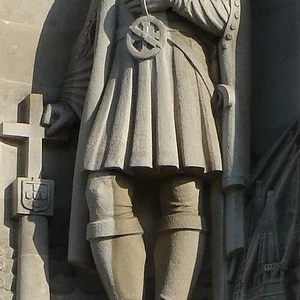
Bartolomeu Dias
1467 — 1500
Portuguese navigator Bartolomeu Dias was the first European to round the Cape of Good Hope in 1488, opening the sea route to India. His voyage marked a decisive milestone in the history of the Age of Discovery.
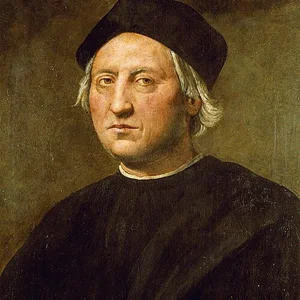
Christopher Columbus
1451 — 1506
Italian navigator and explorer (1451–1506) who in 1492 completed a transatlantic voyage funded by the Catholic Monarchs of Spain. Although he was seeking a route to Asia, his expedition led to the European discovery of the American continent and marked the beginning of the colonization of the Americas.
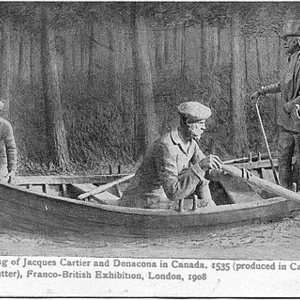
Donnacona
1500 — 1539
Chief of the St. Lawrence Iroquoians settled at Stadacona (present-day Quebec), Donnacona met Jacques Cartier during his voyages of 1534 and 1535. Taken to France by force by Cartier, he died at the court of King Francis I without ever seeing his homeland again.
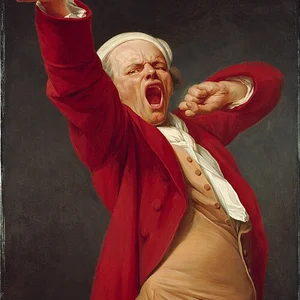
Enrique
Magellan's Malay slave and interpreter, Enrique of Malacca took part in the circumnavigation expedition (1519–1522). He may have been the first human being to circumnavigate the globe, having left Malacca only to return to it from the west.
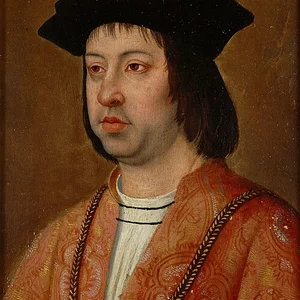
Ferdinand II of Aragon
1452 — 1516
King of Aragon, Ferdinand II married Isabella of Castile in 1469, uniting the two great Iberian crowns. Together, the “Catholic Monarchs” completed the Reconquista in 1492, financed Christopher Columbus's voyage, and laid the foundations of modern Spain.
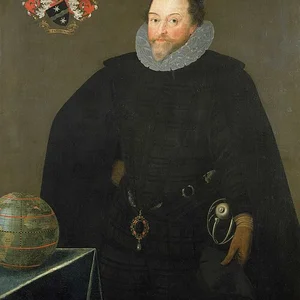
Francis Drake
1540 — 1596
Francis Drake was an English privateer and navigator of the 16th century, famous for being the second person to circumnavigate the globe by ship (1577–1580). Vice Admiral of the English fleet, he played a decisive role in the defeat of the Spanish Armada in 1588.
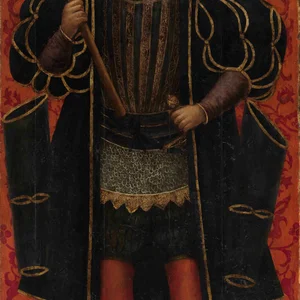
Francisco de Almeida
1450 — 1510
First Viceroy of Portuguese India (1505–1509), Francisco de Almeida consolidated the Lusitanian presence in the Indian Ocean. He won the decisive Battle of Diu (1509) against the Ottoman-Egyptian fleet, securing Portuguese maritime supremacy in Asia.
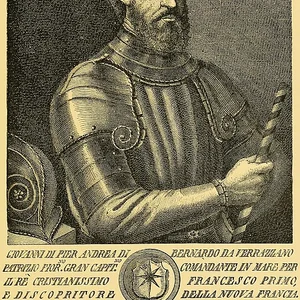
Giovanni da Verrazzano
1491 — 1528
Florentine navigator and explorer in the service of France, he was the first European to explore the eastern coast of North America, from Florida to Canada, in 1524. He entered New York Bay and named many territories.
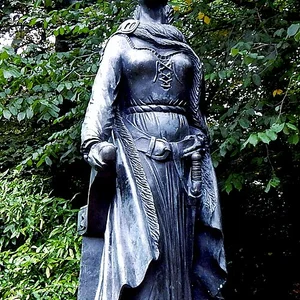
Grace O'Malley
1539 — 1599
Irish clan chief and navigator of the 16th century, nicknamed the “pirate queen.” At the head of the Ó Máille fleet, she scoured the west coast of Ireland through raiding and tolls, and negotiated in person with Elizabeth I of England.
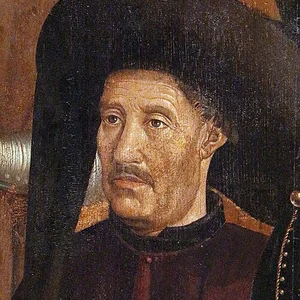
Henry the Navigator
1394 — 1460
A 15th-century Portuguese prince, son of King John I of Portugal. Although he himself rarely went to sea, he was the great organizer and patron of the expeditions along the coasts of Africa, ushering in the era of the great Portuguese discoveries.
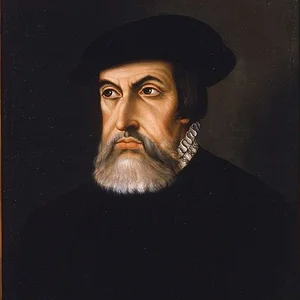
Hernán Cortés
1485 — 1547
Spanish conquistador (1485–1547) who conquered the Aztec Empire in the early 16th century. Setting out from Cuba in 1519, he led an expedition that culminated in the fall of Tenochtitlan in 1521, marking the beginning of Spanish dominance in Mesoamerica.

Humabon
1500 — ?
Humabon was the raja of Cebu in the Philippines in the early 16th century. He welcomed Magellan's expedition in 1521 and converted to Christianity along with many of the island's inhabitants. He played a central role in the first contacts between the Philippine world and European explorers.
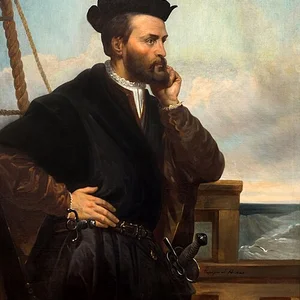
Jacques Cartier
1492 — 1557
French explorer and navigator (1492–1557) who undertook three major voyages to North America between 1534 and 1542. He explored the St. Lawrence River and the coasts of Canada, paving the way for French colonization of New France.
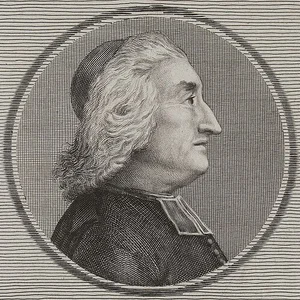
Jean Fleury
1480 — 1527
Jean Fleury, known as Florin, was a Norman privateer in the service of the Dieppe shipowner Jean Ango. In 1523, off the Azores, he seized part of the Aztec treasure that Hernán Cortés was shipping to Charles V, revealing to Europe the fabulous riches of the New World.
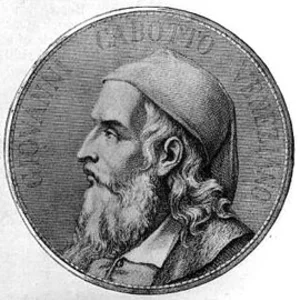
John Cabot
1450 — 1498
A Venetian navigator sailing in the service of England, John Cabot completed in 1497 the first crossing of the North Atlantic since Antiquity and reached the shores of North America. His voyage laid the groundwork for future English claims on the American continent.
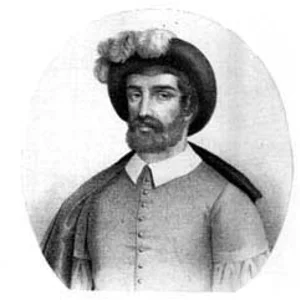
Juan Sebastián Elcano
1486 — 1526
Spanish navigator and sailor (c. 1476–1526), he took command of Magellan's expedition after the latter's death in the Philippines and completed the first circumnavigation of the globe in 1522, returning the Victoria to Seville.
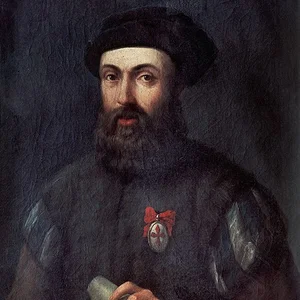
Magellan
1480 — 1521
Portuguese navigator and explorer in the service of Spain (1480–1521). Magellan organized the first expedition to complete the circumnavigation of the globe, proving the true extent of the Earth and the existence of a passage to the Pacific Ocean. He died in the Philippines in 1521, but his voyage revolutionized European geographical knowledge.
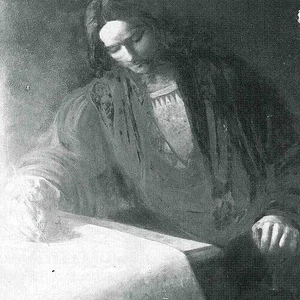
Martin Waldseemüller
1470 — 1520
A German Renaissance cartographer, he was the first to use the name “América” on a map, in 1507. His world map, printed in Saint-Dié-des-Vosges, depicts America for the first time as a distinct continent.
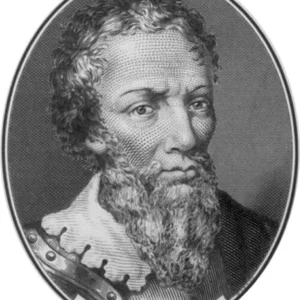
Pedro Álvares Cabral
1467 — 1520
Portuguese navigator and explorer (c. 1467–1520), Pedro Álvares Cabral is officially the first European to have reached Brazil in 1500. Commissioned by King Manuel I of Portugal, he claimed the land in the name of the Portuguese Crown.
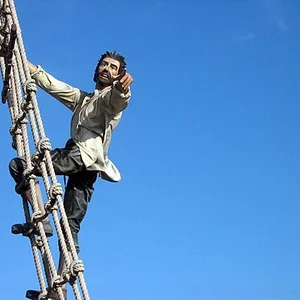
Rodrigo de Triana
1469 — 1535
Spanish sailor aboard the Pinta during Christopher Columbus's first voyage. He was the first European to sight the shores of the Americas on October 12, 1492, crying "Tierra!" at dawn.
Ruy Faleiro
1500 — 1556
Portuguese cosmographer and astronomer of the 16th century, Rui Faleiro was Magellan's intellectual partner in planning the first circumnavigation of the globe. A specialist in navigation and cartography, he contributed to the theoretical design of the expedition but ultimately never set sail.
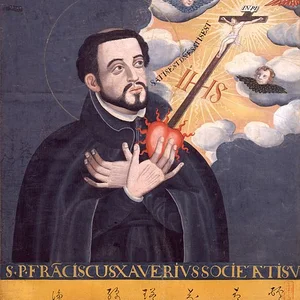
Saint Francis Xavier
1506 — 1552
A Navarrese Jesuit and co-founder of the Society of Jesus alongside Ignatius of Loyola, he was the first great Christian missionary in Asia. He evangelized India and Japan, and died at the gates of China in 1552.
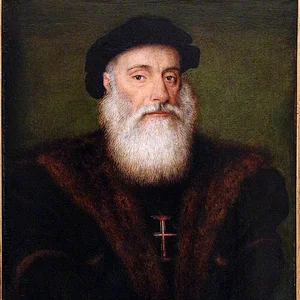
Vasco de Gama
1460 — 1525
Portuguese navigator (1460–1525) who established the first European sea route to India by sailing around Africa. His voyage of 1497–1499 marked a major turning point in the Age of Discovery and opened the way for European commercial expansion into Asia.
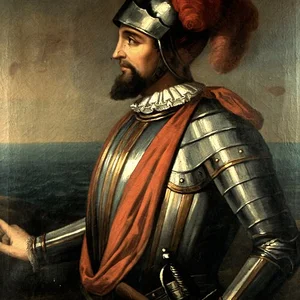
Vasco Núñez de Balboa
1475 — 1519
Spanish conquistador born around 1475, Balboa was the first European to see the Pacific Ocean from the New World in 1513. He crossed the Isthmus of Panama at the head of an expedition and claimed the “South Sea” in the name of the Spanish Crown.
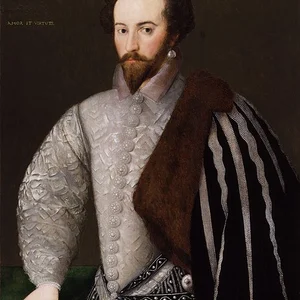
Walter Raleigh
1552 — 1618
English explorer, poet, and courtier (1552–1618), a favourite of Queen Elizabeth I. He organised several expeditions to North America and searched for El Dorado in South America. Imprisoned and later executed under James I, he remains an iconic figure of English expansion.
Early Modern(32)
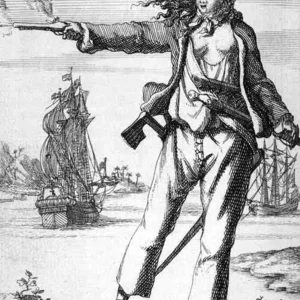
Anne Bonny
1697 — ?
Anne Bonny was a pirate of Irish origin active in the Caribbean in the early 18th century. The companion of the pirate Calico Jack Rackham, she fought at his side and became one of the few known women of the “Golden Age of Piracy.” Captured in 1720, she escaped hanging by declaring herself pregnant.
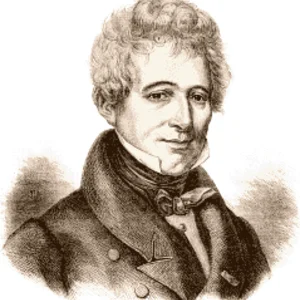
Barthélemy de Lesseps
1766 — 1834
French diplomat and explorer (1766–1834), he participated in the La Pérouse expedition as an interpreter and was the only member to return to Europe before the shipwreck. He crossed Siberia to bring the expedition's logbooks back to Paris.
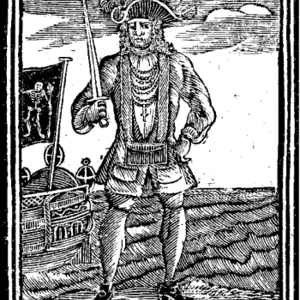
Bartholomew Roberts
1682 — 1722
Bartholomew Roberts, known as “Black Bart,” was a Welsh pirate considered the most prolific of the Golden Age of Piracy. In barely three years (1719–1722), he captured more than 400 ships across the Atlantic and the Caribbean before being killed in battle by the Royal Navy.
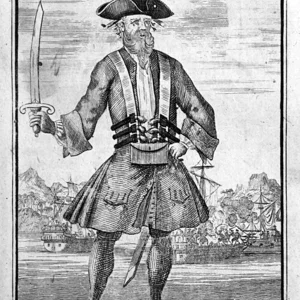
Blackbeard
1680 — 1718
Edward Teach, known as Blackbeard, was one of the most famous pirates of the early 18th century. He roamed the Caribbean and the Atlantic coast of North America aboard the Queen Anne's Revenge, spreading terror through his carefully cultivated reputation, before being killed in battle in 1718.
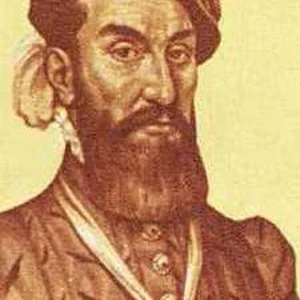
Cabeza de Vaca
A 16th-century Spanish conquistador and explorer, he survived the shipwreck of the Narváez expedition in Florida (1528) and crossed North America for eight years with three companions before reaching Mexico. His account, the *Naufragios*, is one of the first European eyewitness records of the interior of the American continent.
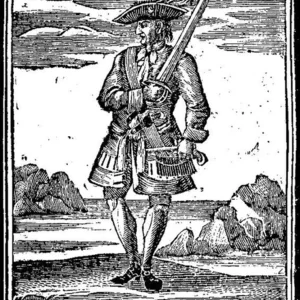
Calico Jack
1682 — 1720
English pirate of the early 18th century, active in the Caribbean during the “Golden Age of Piracy.” He owes his fame to his flag — a skull above two crossed cutlasses — and to the presence in his crew of the female pirates Anne Bonny and Mary Read.
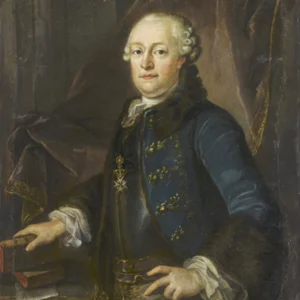
Charles Pierre Claret de Fleurieu
1738 — 1810
French navigator, hydrographer, and statesman (1738–1810), Fleurieu contributed to maritime cartography and oversaw several scientific expeditions. Minister of the Navy under Louis XVI, he played a key role in organizing France's major voyages of exploration.
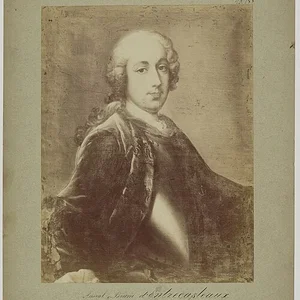
d'Entrecasteaux
French navigator and admiral (1737–1793), d'Entrecasteaux was sent in 1791 to search for the lost expedition of La Pérouse. He explored the coasts of Australia, New Caledonia, and Tasmania before dying at sea without having found La Pérouse.
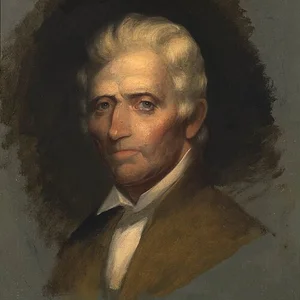
Daniel Boone
1734 — 1820
Daniel Boone (1734-1820) was an American pioneer, trapper, and explorer, an iconic figure of the conquest of the West. In 1775 he blazed the Wilderness Road through the Appalachians and founded Boonesborough, in present-day Kentucky.
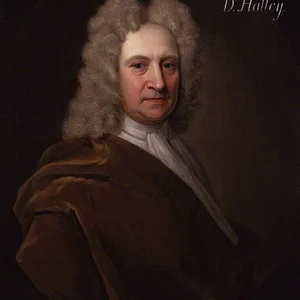
Edmond Halley
1656 — 1742
An English astronomer and scientist of the 17th–18th century, he is famous for calculating the orbit of the comet that bears his name and predicting its return. A friend and patron of Newton, he played an essential role in the publication of the Principia Mathematica.
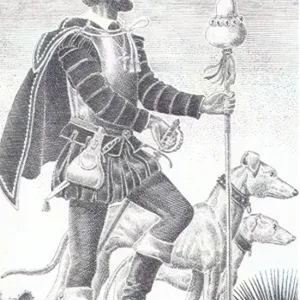
Estevanico
1500 — 1540
A Berber slave from Morocco, Estevanico was one of the first Africans to explore North America. A survivor of the wreck of the Narváez expedition (1528), he crossed the present-day American Southwest on foot and opened the route to the legendary Seven Cities of Cíbola.
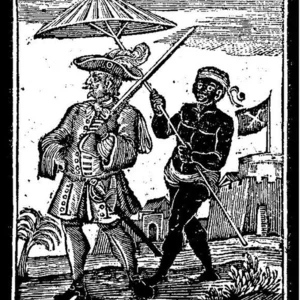
Henry Every
1659 — 1699
Henry Every, nicknamed “Long Ben,” was an English pirate of the late 17th century. In 1695, he seized the Ganj-i-Sawai, a ship of the Grand Mughal, pulling off one of the largest hauls in the history of piracy. Actively hunted, he vanished without ever being captured.
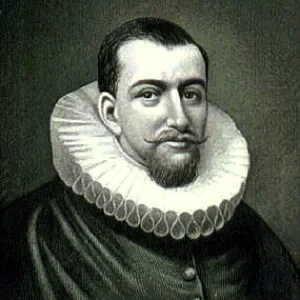
Henry Hudson
1565 — 1611
An English navigator and explorer of the early 17th century, Henry Hudson led four expeditions in search of a Northwest Passage to Asia. He gave his name to Hudson Bay in Canada, before disappearing during a mutiny by his crew in 1611.
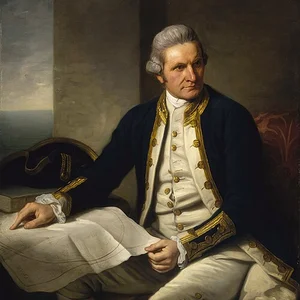
James Cook
1728 — 1779
British navigator, cartographer and explorer (1728–1779), James Cook led three major expeditions into the Pacific Ocean and greatly advanced the world's geographical knowledge. He explored and mapped New Zealand, Australia, and numerous Pacific archipelagos, becoming one of the defining figures of modern exploration.
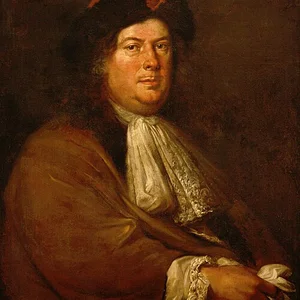
Jean Bart
1650 — 1702
Jean Bart (1650-1702) was a privateer and naval officer from Dunkirk in the service of Louis XIV. Born into a family of sailors, he distinguished himself through his victories against the English and Dutch fleets and was raised to the nobility by the king.
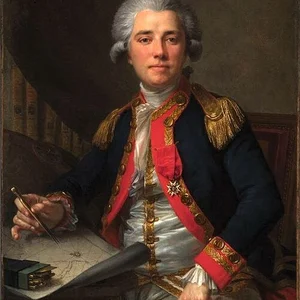
Jean-François de La Pérouse
1741 — 1788
A French naval officer and explorer of the 18th century, La Pérouse led a major expedition across the Pacific Ocean (1785–1788). The voyage produced important cartographic surveys and scientific studies, but the expedition mysteriously disappeared in 1788.
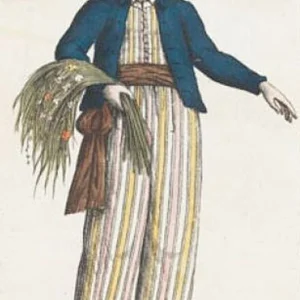
Jeanne Barret
1740 — 1807
explorer and botanist (1740-1807)
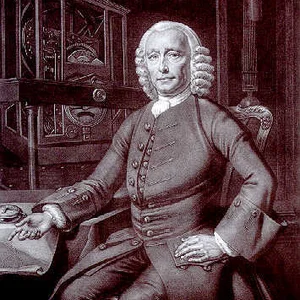
John Harrison
1693 — 1776
A self-taught British clockmaker (1693–1776), John Harrison solved one of the greatest scientific challenges of his era: the precise determination of longitude at sea. His marine chronometer H4 (1759) revolutionized navigation and saved countless lives.
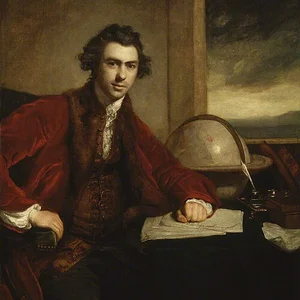
Joseph Banks
1743 — 1820
British naturalist and botanist (1743–1820), Joseph Banks took part in James Cook's first voyage around the world (1768–1771) aboard the Endeavour. He brought back thousands of previously unknown plant specimens and served as President of the Royal Society for 41 years.
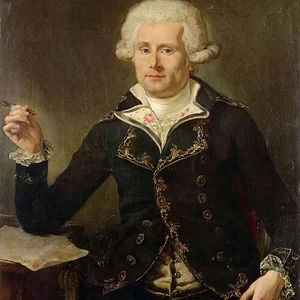
Louis-Antoine de Bougainville
1729 — 1811
French navigator and naval officer (1729–1811), he completed the first French circumnavigation of the globe (1766–1769), bringing back accounts of Tahiti that fuelled the myth of the noble savage. He was also a mathematician and played a role in the Seven Years' War.
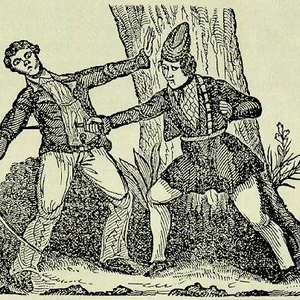
Mary Read
1685 — 1721
Mary Read (1685-1721) was an English pirate who long concealed her sex beneath men's clothing. She served in the army and then aboard ships before joining the crew of the pirate Calico Jack Rackham, alongside Anne Bonny, in the Caribbean.
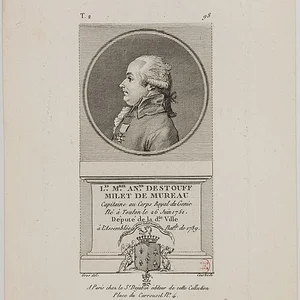
Milet-Mureau
Milet-Mureau (1750-1825) was a French general and writer, best known for editing and publishing the account of Lapérouse's voyage after the explorer's disappearance. His editorial work preserved the geographical legacy of the expedition for posterity.
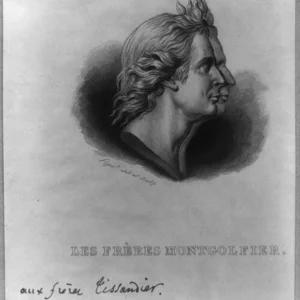
Montgolfier (brothers)
French inventor brothers who achieved the first manned hot-air balloon flight in 1783. Their invention revolutionized the concept of aerial travel and paved the way for aeronautics.
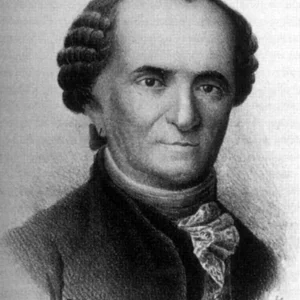
Philibert Commerson
1727 — 1773
French physician, naturalist, and explorer (1727–1773), Commerson took part in Bougainville's circumnavigation (1766–1769) as the official botanist. He described thousands of plant and animal species unknown to Europe, including the bougainvillea, which he named in honour of his expedition commander.
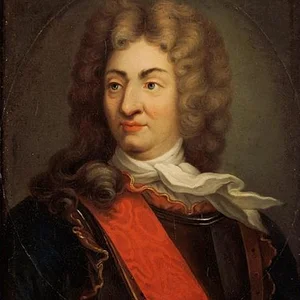
René Duguay-Trouin
1673 — 1736
A privateer from Saint-Malo in the service of the King of France, René Duguay-Trouin distinguished himself through daring captures of enemy ships during the wars of Louis XIV. Ennobled for his exploits, he ended his career as lieutenant general of the naval forces after the capture of Rio de Janeiro in 1711.
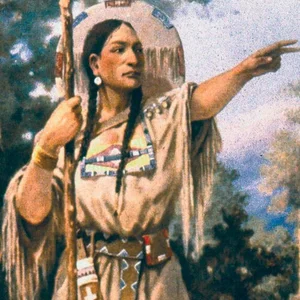
Sacagawea
1786 — 1812
A Shoshone woman (c. 1788–1812), Sacagawea served as the indispensable interpreter and guide for the Lewis and Clark Expedition (1804–1806). Her knowledge of the land, languages, and Indigenous peoples enabled the American expedition to cross the continent all the way to the Pacific.
Samuel Bellamy
1689 — 1717
Samuel “Black Sam” Bellamy (c. 1689-1717) was an English pirate of the golden age of piracy. Captain of the Whydah, a captured former slave ship, he is considered one of the wealthiest pirates in history before perishing in a shipwreck in 1717.
Samuel de Champlain
1567 — 1635
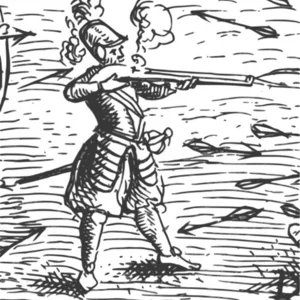
A French navigator and explorer, Samuel de Champlain founded the city of Quebec in 1608 and is known as the Father of New France. He mapped much of Canada and established lasting alliances with Indigenous peoples.
Stede Bonnet
1688 — 1718
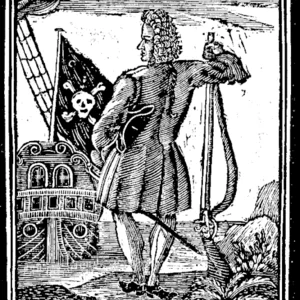
Stede Bonnet (c. 1688–1718), nicknamed “the gentleman pirate,” was a wealthy Barbadian planter who abandoned his plantation to become a pirate in the Caribbean. Allied for a time with Blackbeard, he was captured and hanged in Charleston in 1718.
Tupaia
1725 — 1770
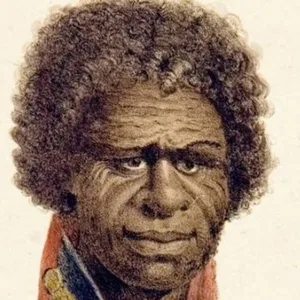
Tupaia was a Polynesian navigator, priest, and artist from Ra'iatea. A master of traditional navigation, he joined James Cook's expedition in 1769 and drew up a remarkable chart of more than 130 Pacific islands, a unique testament to Polynesian geographic knowledge.
Vitus Bering
1681 — 1741
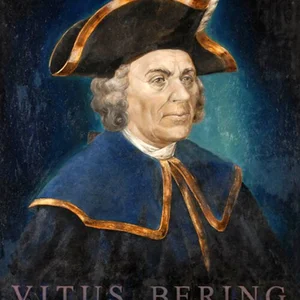
A Danish navigator and explorer in the service of Imperial Russia, Vitus Bering led two major expeditions to the Russian Far East. He explored the coasts of Siberia and Alaska, and gave his name to the strait separating Asia from America.
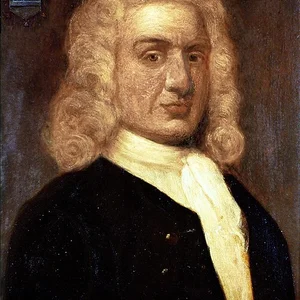
William Kidd
1645 — 1701
A Scottish sailor first commissioned as a privateer in the service of the English Crown to hunt down pirates in the Indian Ocean. Accused of piracy himself, he was tried and hanged in London in 1701, becoming a legendary figure of the Golden Age of Piracy.
19th Century(32)
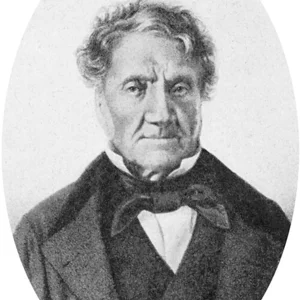
Aimé Bonpland
1773 — 1858
French botanist and explorer (1773-1858), companion of Alexander von Humboldt during their famous expedition to South America (1799-1804). He catalogued thousands of plant species unknown in Europe and spent the rest of his life in Argentina.
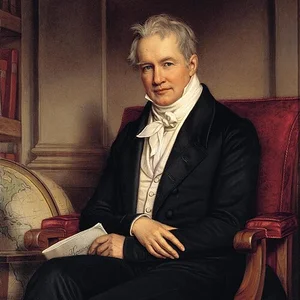
Alexander von Humboldt
1769 — 1859
German naturalist, geographer, and explorer (1769–1859), he carried out a monumental expedition to Latin America (1799–1804) that revolutionized the natural sciences. A pioneer of modern geography and ecology, he was one of the last great universal scholars.
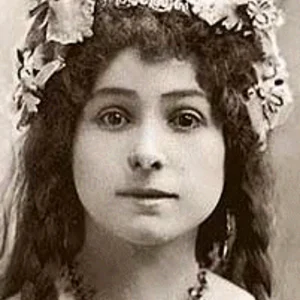
Alexandra David-Néel
1868 — 1969
French explorer and writer (1868-1969), Alexandra David-Néel was the first Western woman to reach Lhasa, the capital of Tibet, in 1924. A passionate Orientalist, she devoted her life to exploring and studying Asian cultures, particularly Tibetan Buddhism.
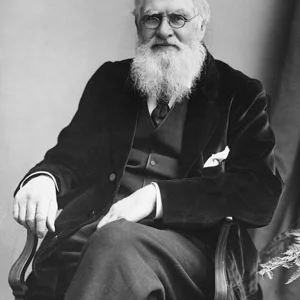
Alfred Russel Wallace
1823 — 1913
British naturalist and geographer (1823-1913), Wallace independently developed the theory of natural selection alongside Darwin. His explorations in the Amazon and Southeast Asia led him to formulate fundamental laws in biogeography.
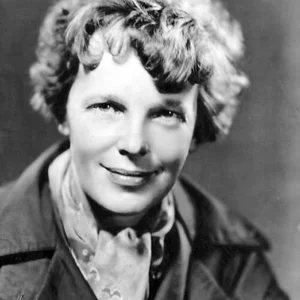
Amelia Earhart
1897 — 1939
A pioneering American aviator of the 20th century, Amelia Earhart made history in aviation by becoming the first woman to cross the Atlantic by plane in 1928. She disappeared in 1937 during an attempt to circumnavigate the globe along the equator, becoming a legendary figure in the history of aerial exploration.
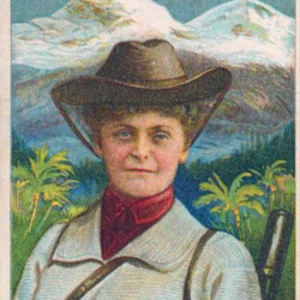
Annie Smith Peck
1850 — 1935
American mountaineer and educator (1850–1935), pioneer of women's mountaineering. In 1908 she climbed Huascarán in Peru, a summit of nearly 6,800 meters, setting an altitude record for the Western Hemisphere. A women's rights activist, she planted a suffragist flag at the top of a Peruvian mountain.
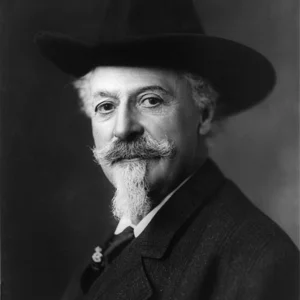
Buffalo Bill
1846 — 1917
William Cody (1846-1917), known as Buffalo Bill, was a scout for the U.S. Army and a bison hunter before becoming a worldwide showman. His Wild West Show staged the conquest of the West before millions of spectators in America and Europe.
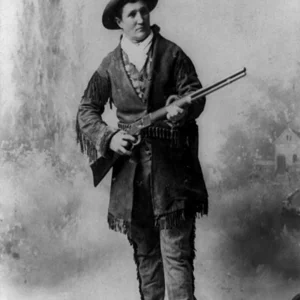
Calamity Jane
1852 — 1903
Martha Jane Cannary (c. 1852-1903), known as Calamity Jane, was a scout, stagecoach driver, and iconic figure of the American conquest of the West. A legend in her own lifetime, she performed in Wild West shows and was associated with the gunfighter Wild Bill Hickok.
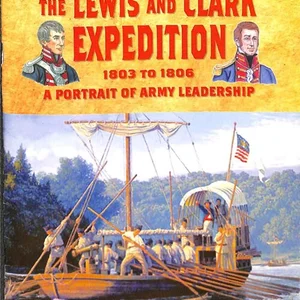
Cameahwait
Chief of the Shoshone tribe, Cameahwait played a crucial role in the Lewis and Clark Expedition (1805) by providing guides and horses to cross the Rocky Mountains. Brother of Sacagawea, he enabled the American expedition to reach the Pacific.
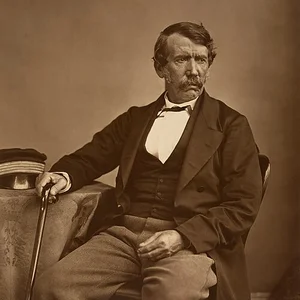
David Livingstone
1813 — 1873
Physician, Protestant missionary, and Scottish explorer (1813–1873), Livingstone was one of the first Europeans to cross Africa from east to west. He contributed to the geographical knowledge of the continent and actively fought against the slave trade.
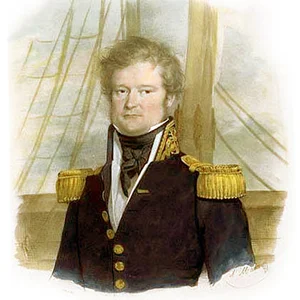
Dumont d'Urville
1790 — 1842
French naval officer and explorer (1790–1842), he led several expeditions to the southern seas and Antarctica. He discovered Adélie Land in 1840 and helped identify the Venus de Milo.
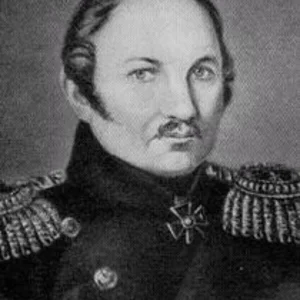
Fabian von Bellingshausen
A Russian naval officer and explorer of Baltic German origin, he commanded the first Russian Antarctic expedition (1819-1821). He was one of the first navigators to sight the Antarctic continent, on 28 January 1820.
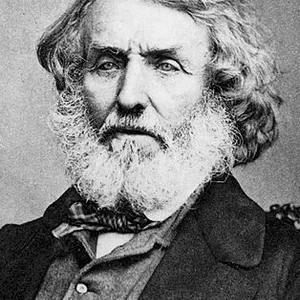
George Everest
1790 — 1866
British geographer and geodesist, George Everest led the Great Trigonometrical Survey of India in the 19th century. He carried out the precise triangulation of the Indian subcontinent — a monumental undertaking that made it possible to accurately measure the Himalayan peaks. Mount Everest, the highest mountain in the world, was named in his honour in 1865.
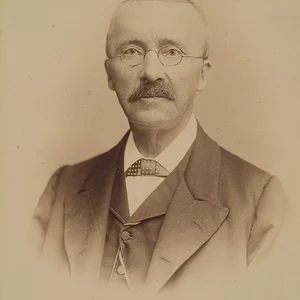
Heinrich Schliemann
1822 — 1890
A self-taught German archaeologist (1822–1890), he devoted his fortune to finding the Homeric Troy. His excavations at Hisarlik in Turkey revealed several superimposed cities, one of which he identified — incorrectly — as the Troy of the *Iliad*.
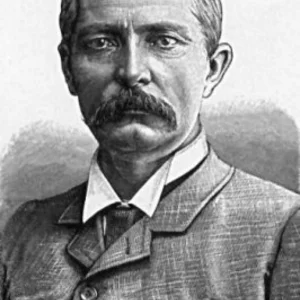
Henry Morton Stanley
1841 — 1904
British journalist and explorer (1841–1904), famous for finding David Livingstone in central Africa in 1871. He led several major expeditions across Africa and played a significant role in the colonization of the Congo.
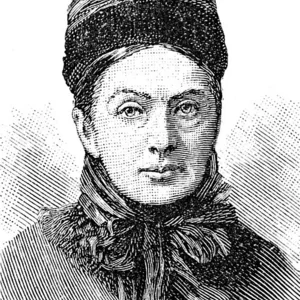
Isabella Bird
1831 — 1904
A nineteenth-century British explorer and writer, Isabella Bird was one of the first women to travel alone in Japan, China, India, Persia, and the American Rockies. She published numerous travel accounts that earned her international recognition and admission to the Royal Geographical Society.
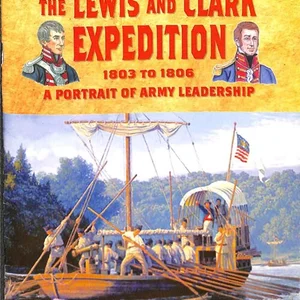
Jean-Baptiste Charbonneau
1805 — 1866
Son of Sacagawea and Toussaint Charbonneau, Jean-Baptiste Charbonneau was born in 1805 during the Lewis and Clark Expedition. He became a guide, trapper, and scout in the American West, roaming the Great Plains and the Rockies for decades.

Jeanne Villepreux-Power
1794 — 1871
French naturalist (1794–1871), pioneer of marine biology. She invented the glass aquarium to observe octopuses and cephalopods in situ, revolutionizing the study of the marine world.
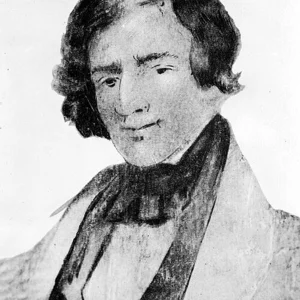
Jedediah Smith
1799 — 1831
American trapper, explorer, and cartographer. The first known man to cross the Sierra Nevada range and the Great Basin desert overland, he helped map the American West before his early death at age 32.
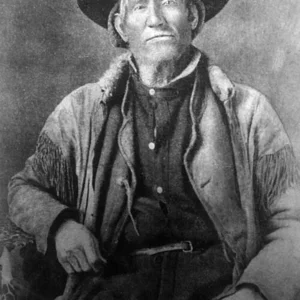
Jim Bridger
1804 — 1881
American trapper, guide, and explorer, an iconic figure among the “mountain men” of the Rockies. In 1824, he was one of the first Anglo-Americans to reach the Great Salt Lake. He founded Fort Bridger, a key way station on the western trails.
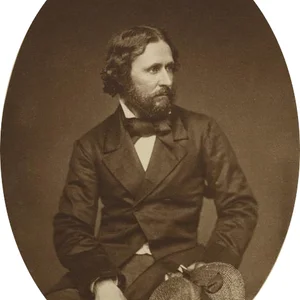
John C. Frémont
1813 — 1890
American explorer, military officer and politician nicknamed “the Pathfinder.” He mapped the American West and the Oregon Trail, played a role in the conquest of California, and then became the first Republican candidate in the 1856 presidential election.
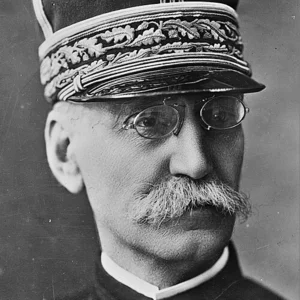
Joseph Gallieni
1849 — 1916
General and Marshal of France, Gallieni was a great colonial administrator in Madagascar and Indochina. Military Governor of Paris in 1914, he organized the counter-offensive at the Marne, saving the capital thanks to the famous “taxis of the Marne.”
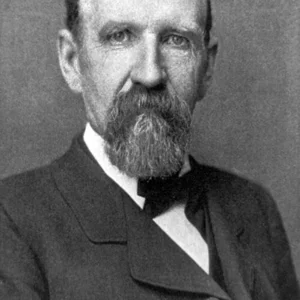
Joshua Slocum
1844 — 1909
Joshua Slocum (1844-1909) was a Canadian-American deep-sea captain. Between 1895 and 1898, he completed the first solo circumnavigation of the globe under sail aboard the Spray. He recounted his feat in a narrative that became a classic of maritime literature.
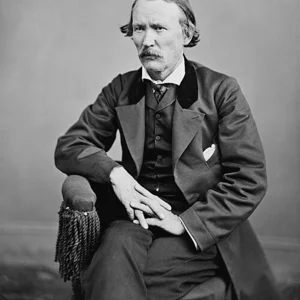
Kit Carson
1809 — 1868
American trapper, guide, and soldier, an iconic figure of the conquest of the West. As guide for John C. Frémont's expeditions to the Rockies and California, he later became a Union Army officer and Indian agent, marked by the deportation of the Navajo.
Lewis and Clark
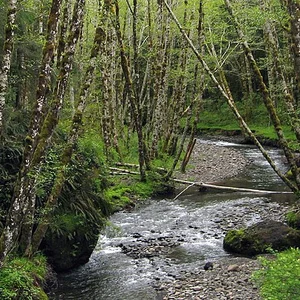
Lewis and Clark led the Corps of Discovery expedition (1804–1806), commissioned by President Jefferson to explore the Louisiana Territory all the way to the Pacific. They were the first Americans to cross the continent from east to west, paving the way for westward expansion.
Louis Faidherbe
1818 — 1889
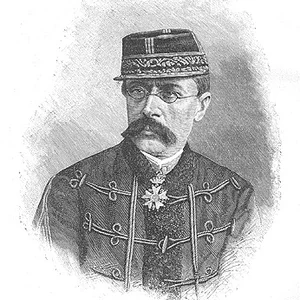
French general and colonial administrator, governor of Senegal from 1854 to 1865. He extended French influence in West Africa, modernized Dakar, and founded lasting institutions. He also commanded the Army of the North during the Franco-Prussian War of 1870.
Mary Kingsley
1862 — 1900
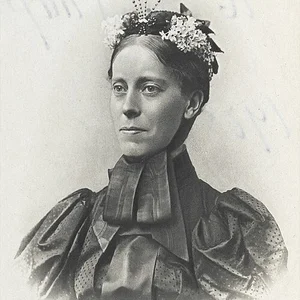
British explorer and ethnographer (1862–1900), Mary Kingsley was one of the first European women to travel alone in West Africa. She brought back invaluable observations on the cultures and wildlife of Gabon and the Congo, and championed African societies against colonial prejudice.
Meriwether Lewis
1774 — 1809
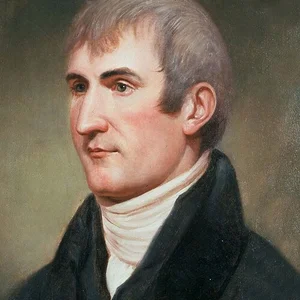
American army officer and explorer, Meriwether Lewis co-led with William Clark the 1804–1806 expedition commissioned by Thomas Jefferson to explore the American West all the way to the Pacific. This expedition, known as the Corps of Discovery, crossed the newly acquired Louisiana Territory and paved the way for the westward settlement of the continent.
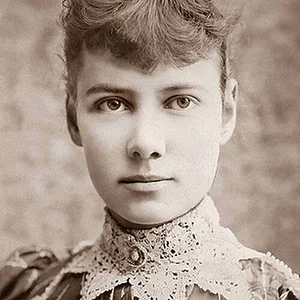
Nellie Bly
1864 — 1922
A pioneering American journalist, Nellie Bly made her mark through undercover investigative journalism, most notably by having herself committed to a psychiatric asylum to expose its conditions. In 1889, she traveled around the world in 72 days, breaking the fictional record of Phileas Fogg.
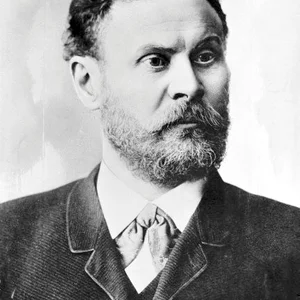
Otto Lilienthal
1848 — 1896
German engineer and inventor (1848–1896), Otto Lilienthal was the first person to achieve repeated and controlled gliding flights. His experiments with gliders laid the scientific foundations of modern aviation.
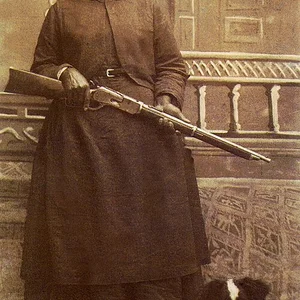
Stagecoach Mary
1832 — 1914
Born into slavery in Tennessee around 1832, Mary Fields became in 1895 the first African American woman mail carrier (Star Route) in the United States, in Montana. Nicknamed “Stagecoach Mary,” she became a legendary figure of the American conquest of the West.
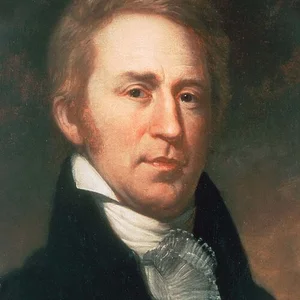
William Clark
1770 — 1838
An American army officer and explorer, William Clark co-led the Corps of Discovery expedition (1804–1806) with Meriwether Lewis, commissioned by President Jefferson. The expedition crossed North America to the Pacific Ocean, paving the way for the settlement of the American West.
20th Century(75)
Adam
1969 — ?
Adam Devreux is a Belgian comic book author. He is part of the rich Franco-Belgian comics tradition, a visual narrative art form recognized as the 9th art.
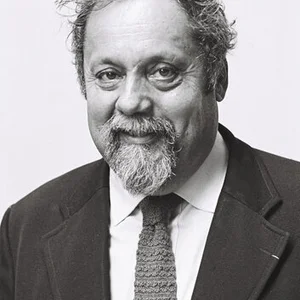
Alain Bombard
1924 — 2005
A French doctor and biologist, Alain Bombard crossed the Atlantic in 1952 aboard an inflatable dinghy without provisions or water, to prove that a castaway could survive at sea. Having become a popular hero, he also served as a Member of the European Parliament and Secretary of State for the Environment.
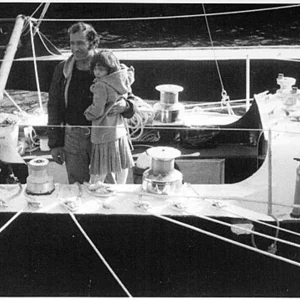
Alain Colas
1943 — 1978
Alain Colas (1943-1978) was a French sailor and a leading figure in the early days of solo offshore racing. Winner of the English Transat in 1972, he disappeared at sea in 1978 during the first Route du Rhum aboard his trimaran Manureva.
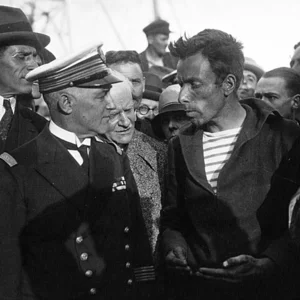
Alain Gerbault
1893 — 1941
Alain Gerbault (1893-1941) was a French sailor, World War I aviator, and top-level tennis player. He made the first solo east-to-west crossing of the Atlantic, then a solo round-the-world sailing voyage between 1923 and 1929.
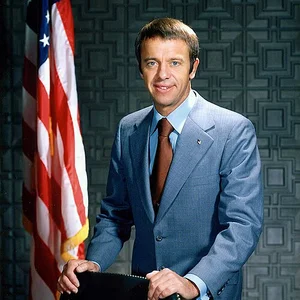
Alan Shepard
1923 — 1998
Alan Shepard was the first American to travel in space, on May 5, 1961, during the suborbital flight of Freedom 7. A Navy pilot turned NASA astronaut, he also walked on the Moon in 1971 during the Apollo 14 mission.
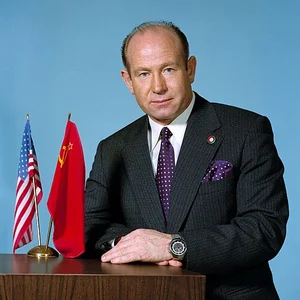
Alexei Leonov
1934 — 2019
Soviet cosmonaut Alexei Leonov was the first person to perform a spacewalk on March 18, 1965, during the Voskhod 2 mission. A trained military pilot, he embodies the boldness of the Soviet space program.
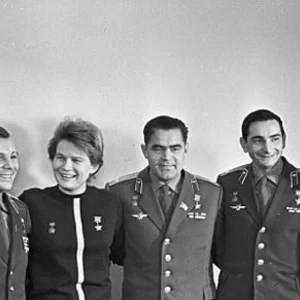
Andriyan Nikolayev
A Soviet cosmonaut, he completed the Vostok 3 mission in 1962, making 64 orbits around Earth. In 1970, aboard Soyuz 9, he set an endurance record of 18 days in space. The husband of Valentina Tereshkova, he stands as a symbol of Soviet space exploration.

Ang Tsering
1904 — 2002
Nepalese Sherpa who took part in numerous Himalayan expeditions in the 20th century. An iconic figure of the Sherpa community, he contributed to several major ascents in the Himalayas as a guide and high-altitude porter.
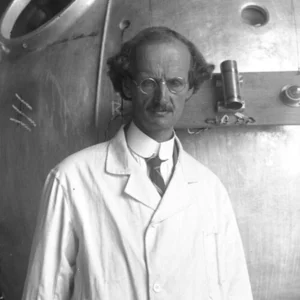
Auguste Piccard
1884 — 1962
Swiss physicist (1884–1962), he was the first person to reach the stratosphere by balloon (1931), then designed the bathyscaphe to explore the ocean depths. A pioneer of extreme exploration, he pushed the boundaries of scientific knowledge in both vertical directions.
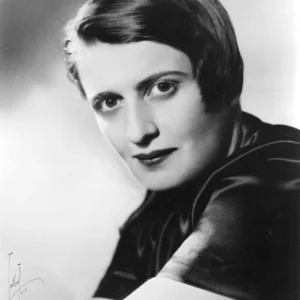
Ayn Rand
1905 — 1982
An American philosopher, novelist, and screenwriter of Russian origin, Ayn Rand is the founder of Objectivism, a philosophy championing reason, individualism, and capitalism. Her bestselling novels, including 'The Fountainhead' and 'Atlas Shrugged,' have had a lasting influence on American libertarian thought.
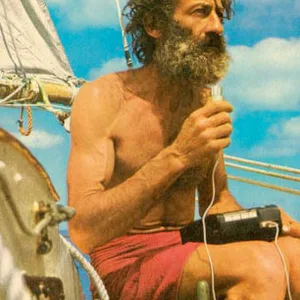
Bernard Moitessier
1925 — 1994
French sailor and writer (1925-1994), an iconic figure of solo sailing. Competing in the first non-stop round-the-world race in 1968, he gave up the chance of victory to keep sailing on toward the Pacific, becoming a symbol of the inner quest and of humanity's relationship with the sea.
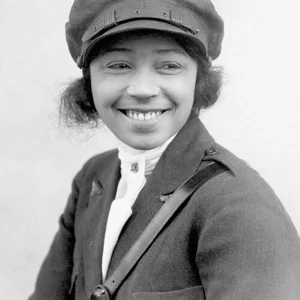
Bessie Coleman
1892 — 1926
Bessie Coleman (1892–1926) was the first African American woman to earn a pilot's license, obtaining it in France in 1921 because no American school would accept her due to her race and gender. She became a celebrated stunt aviator before dying in a plane crash.
Bruce Heezen
Bruce Heezen was an American marine geologist. Together with Marie Tharp, he mapped the floor of the Atlantic Ocean, revealing the Mid-Atlantic Ridge and its central rift valley — major contributions to the theory of plate tectonics.
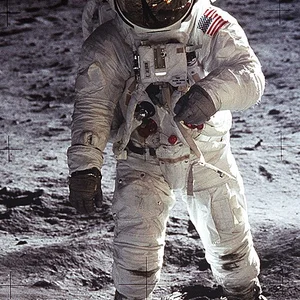
Buzz Aldrin
1930 — ?
An American astronaut, he was the second man to walk on the Moon during the Apollo 11 mission on July 20, 1969. A former combat pilot in Korea and holder of a doctorate in orbital mechanics, he contributed to the development of space rendezvous techniques.
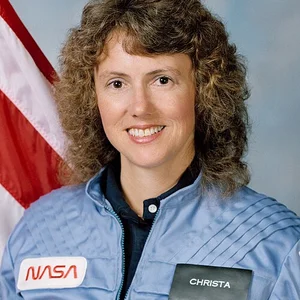
Christa McAuliffe
1948 — 1986
An American teacher selected for NASA's Teacher in Space program, she was set to become the first civilian in space. She perished in the Space Shuttle Challenger disaster on January 28, 1986.
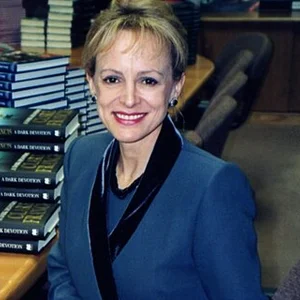
Clare Francis
1946 — ?
British sailor born in 1946, famous for her solo Atlantic crossings in the 1970s. After her sporting career, she became a successful novelist, notably in the thriller and saga genres.
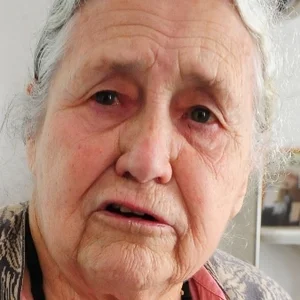
Doris Lessing
1919 — 2013
Doris Lessing (1919-2013) was a British novelist born in Persia and raised in Southern Rhodesia. A major figure of 20th-century literature, she is best known for The Golden Notebook. She was awarded the Nobel Prize in Literature in 2007.
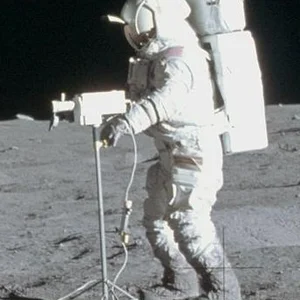
Edgar Mitchell
1930 — 2016
An American NASA astronaut, Edgar Mitchell was the sixth man to walk on the Moon during the Apollo 14 mission in February 1971. Holding a doctorate in aeronautics from MIT, he devoted his life after the space conquest to the study of human consciousness.
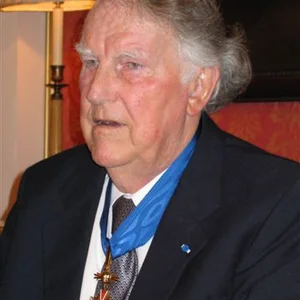
Edmund Hillary
1919 — 2008
New Zealand mountaineer and explorer, Edmund Hillary was the first man to reach the summit of Everest (8,849 m) on 29 May 1953, accompanied by Sherpa Tenzing Norgay. He then devoted his life to helping the people of Nepal.
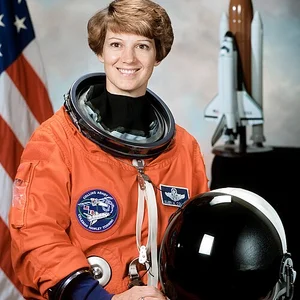
Eileen Collins
1956 — ?
An American astronaut and military pilot, Eileen Collins was the first woman to pilot and then command an American Space Shuttle. She completed four missions with NASA between 1995 and 2005.
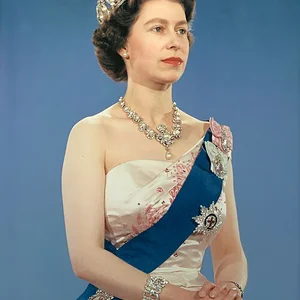
Elizabeth II
1926 — 2022
Queen of the United Kingdom from 1952 to 2022, Elizabeth II was the longest-reigning monarch in British history. She embodied the stability of constitutional monarchy through decolonisation, the Cold War, and globalisation.
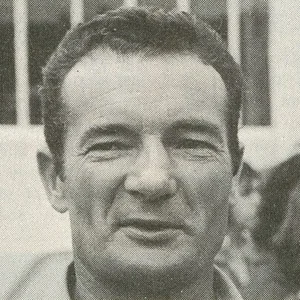
Éric Tabarly
1931 — 1998
Éric Tabarly was a French sailor and naval officer, a major figure in offshore racing. Winner of the solo transatlantic race in 1964 and 1976, he revolutionized the design of racing yachts and inspired an entire generation of French skippers.
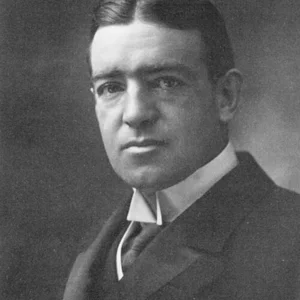
Ernest Shackleton
1874 — 1922
Anglo-Irish polar explorer (1874–1922), an iconic figure of the heroic age of Antarctic exploration. His Endurance expedition (1914–1916), despite failing to cross Antarctica, is celebrated as a feat of survival and leadership.
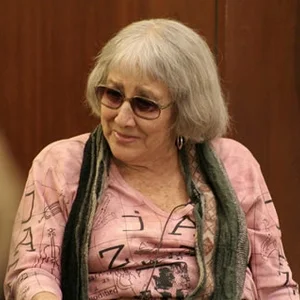
Eugenie Clark
1922 — 2015
Eugenie Clark (1922-2015) was an American ichthyologist, a pioneer of scientific diving and a world-renowned shark expert. Nicknamed “the Shark Lady,” she transformed the image of these predators and advanced the study of fishes.
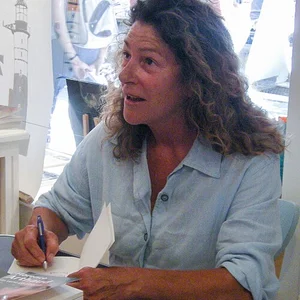
Florence Arthaud
1957 — 2015
Florence Arthaud (1957-2015) was a French sailor, the first woman to win the Route du Rhum in 1990. Nicknamed “the little sweetheart of the Atlantic,” she established herself as a major figure in offshore racing.
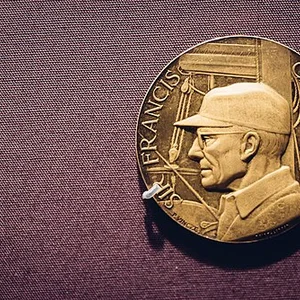
Francis Chichester
1901 — 1972
British aviator and sailor (1901-1972), a pioneer of solo navigation. In 1966-1967 he completed a solo round-the-world voyage under sail with just one stopover, aboard the Gipsy Moth IV.
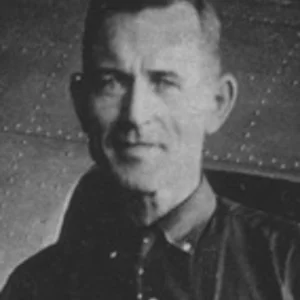
Fred Noonan
1893 — 1938
An American navigator and aviator, Fred Noonan served as navigator for Amelia Earhart during their attempted around-the-world flight in 1937. He disappeared with her over the Pacific, leaving behind one of aviation's greatest mysteries.
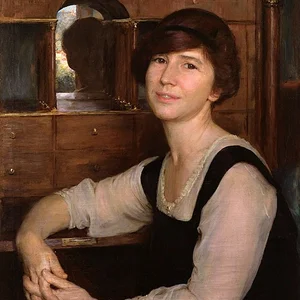
Freya Stark
1893 — 1993
Freya Stark was a British explorer and writer who travelled through the most remote regions of the Middle East in the twentieth century. The first Western woman to reach certain valleys of Arabia and Iran, she published numerous travel narratives combining scholarship and adventure. Her work helped introduce the Arab world to European readers.
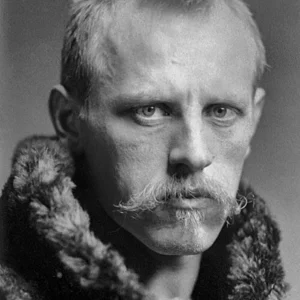
Fridtjof Nansen
1861 — 1930
Norwegian polar explorer who crossed Greenland on skis in 1888 and attempted to reach the North Pole in 1893–1896 aboard the Fram. Nobel Peace Prize laureate in 1922, he created the Nansen passport for stateless refugees.
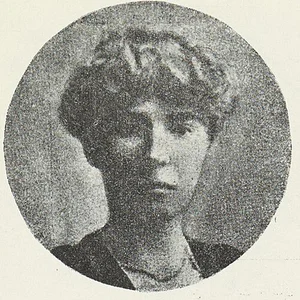
Gertrude Bell
1868 — 1926
British explorer, archaeologist, and diplomat (1868–1926), she traveled extensively across the Middle East and played a decisive role in the creation of modern Iraq after the First World War. Nicknamed “the Queen of the Desert,” she was one of the first women to exert major political influence in the region.
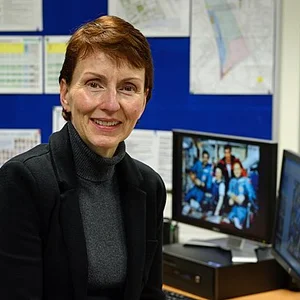
Helen Sharman
1963 — ?
British chemist born in 1963, Helen Sharman became in 1991 the first British person and the first Western woman to travel to space, aboard the Soviet station Mir as part of the Juno project.
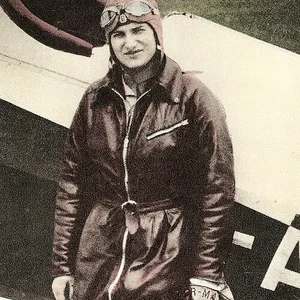
Hélène Boucher
1908 — 1934
Hélène Boucher (1908–1934) was a French aviator who set several world speed records in the 1930s. Nicknamed “the fiancée of the air,” she stands as a pioneering figure in women's aviation, before dying tragically at age 26 in a training accident.

Herbert Winlock
American Egyptologist and archaeologist, curator and later director of the Metropolitan Museum of Art in New York. He led major excavations at Deir el-Bahari, in Egypt, and advanced knowledge of the Egyptian Middle Kingdom.
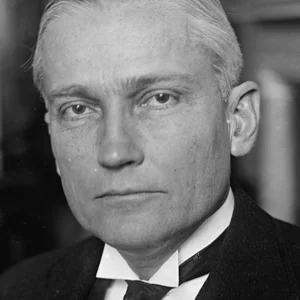
Hiram Bingham
1875 — 1956
American explorer and politician (1875–1956), he rediscovered the Inca site of Machu Picchu in 1911, perched in the Peruvian Andes. A professor at Yale, he helped bring this lost city to the attention of the entire world.
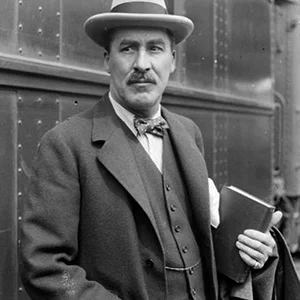
Howard Carter
1874 — 1939
British archaeologist and Egyptologist (1874–1939), Howard Carter is world-famous for discovering in 1922 the nearly intact tomb of Tutankhamun in the Valley of the Kings, Egypt. This discovery is considered the greatest in the history of archaeology.
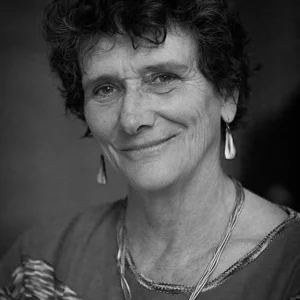
Isabelle Autissier
1956 — ?
Isabelle Autissier (born in 1956) is a French sailor, the first woman to complete a solo round-the-world offshore race under sail. Trained as a fisheries engineer, she also became a writer and an advocate for ocean conservation.
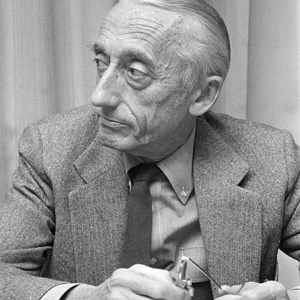
Jacques-Yves Cousteau
1910 — 1997
A French naval officer, oceanographer, and filmmaker, Jacques-Yves Cousteau was a pioneer of scuba diving and ocean exploration. Co-inventor of the self-contained underwater breathing apparatus, he popularized knowledge of the marine world through his films and his ship, the Calypso.
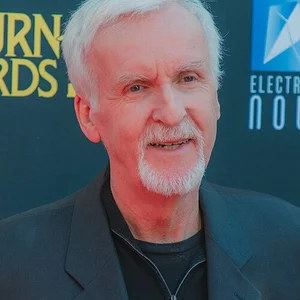
James Cameron
1954 — ?
Canadian director born in 1954, James Cameron is the creator of iconic films such as Terminator, Titanic, and Avatar. A passionate deep-sea explorer, he dove to the depths of the Mariana Trench in 2012.
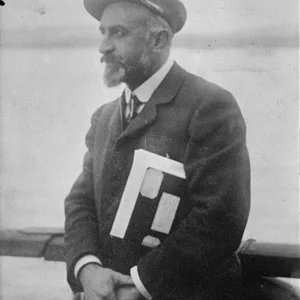
Jean-Baptiste Charcot
1867 — 1936
French physician and polar explorer (1867–1936), Jean-Baptiste Charcot led several scientific expeditions to Antarctica aboard the Pourquoi-Pas?. A pioneer in the exploration of the southern regions, he also contributed to oceanographic research.
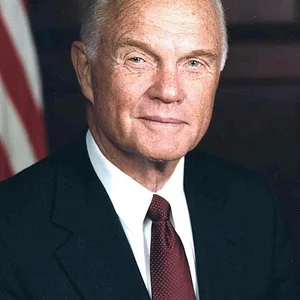
John Glenn
1921 — 2016
John Glenn was the first American to orbit the Earth on February 20, 1962, aboard the Friendship 7 capsule. A military pilot and Korean War hero, he later became a senator from Ohio and returned to space in 1998 at age 77.
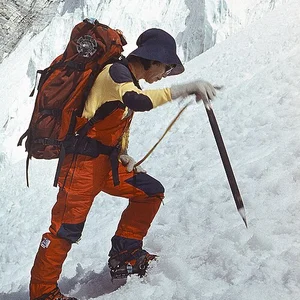
Junko Tabei
1939 — 2016
Junko Tabei (1939–2016) was a Japanese mountaineer who became, in 1975, the first woman to reach the summit of Everest. Founder of the first all-women mountaineering club in Japan, she also climbed the highest peaks on all seven continents. She was a committed advocate for the protection of mountain environments.
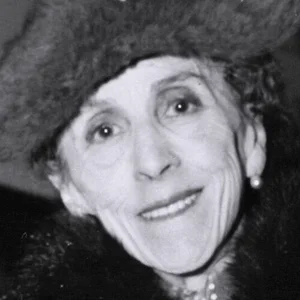
Karen Blixen
1885 — 1962
Danish writer (1885-1962), author of *Out of Africa*, an autobiographical account of her life in Kenya. She ran a coffee plantation in British East Africa for seventeen years and wrote under the pseudonym Isak Dinesen.
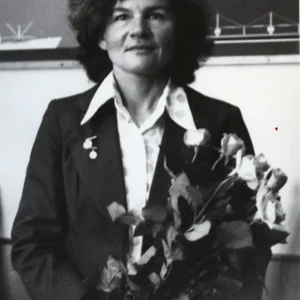
Krystyna Chojnowska-Liskiewicz
1936 — 2021
A Polish sailor born in 1936, she became in 1978 the first woman to complete a solo circumnavigation of the globe by sailboat. Her achievement, accomplished aboard the sailboat Mazurek, took 401 days.
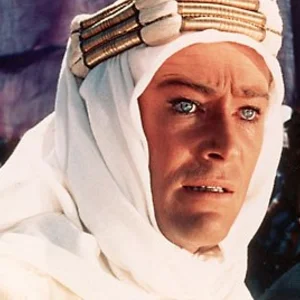
Lawrence of Arabia
British officer, archaeologist and writer, famous for his role as a liaison with the Arab tribes during the Arab Revolt against the Ottoman Empire (1916-1918). His autobiographical account “Seven Pillars of Wisdom” forged his legend.
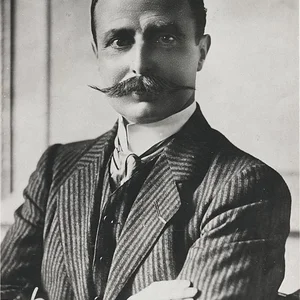
Louis Blériot
1872 — 1936
French engineer and aviator (1872–1936), Louis Blériot was the first person to cross the English Channel by aeroplane on 25 July 1909. A pioneer of aviation, he designed and flew his own aircraft, making a decisive contribution to the development of the aeronautical industry.
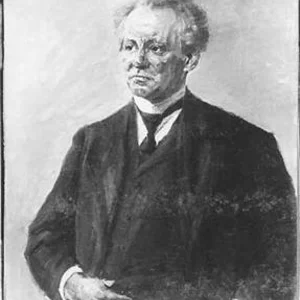
Ludwig Borchardt
1863 — 1938
Ludwig Borchardt (1863-1938) was a German Egyptologist and architect. He led the excavations at Tell el-Amarna, where his team unearthed the famous bust of Nefertiti in 1912. He founded the German Archaeological Institute in Cairo.
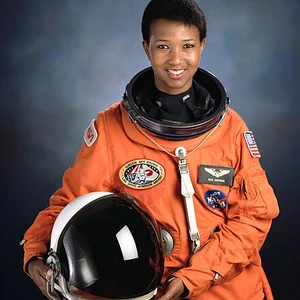
Mae Jemison
1956 —
American physician and astronaut
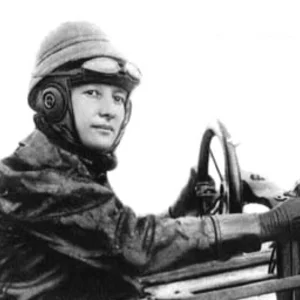
Marie Marvingt
1875 — 1963
Marie Marvingt (1875-1963) was a French athlete, aviator, and journalist nicknamed “the fiancée of danger.” A pioneer of aviation and mountaineering, she conceived the idea of the air ambulance and was one of the most decorated women in the history of France.
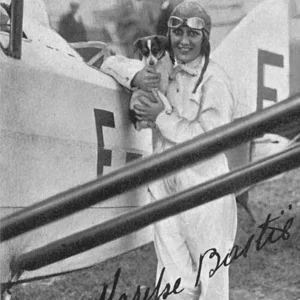
Maryse Bastié
1898 — 1952
French aviator born in 1898, Maryse Bastié set numerous world records in the 1930s, including a solo crossing of the South Atlantic in 1936. A pioneer of feminism through action, she also served Free France during the Second World War.
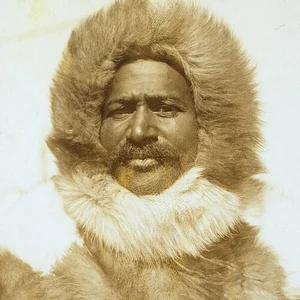
Matthew Henson
1866 — 1955
African-American explorer and companion of Robert Peary on the 1909 North Pole expedition. He was most likely the first man to reach the geographic North Pole, arriving a few minutes ahead of Peary.
Max Mallowan
1904 — 1978
Max Mallowan (1904-1978) was a British archaeologist specializing in the ancient Near East. He directed major excavations in Iraq and Syria, notably at Nimrud. He was the husband of the novelist Agatha Christie.

Naomi James
1949 — ?
Naomi James, née Power, was a New Zealand-born sailor who became a naturalised British citizen. In 1978, she became the first woman to complete a solo round-the-world voyage by sailing past the formidable Cape Horn, aboard the Express Crusader.
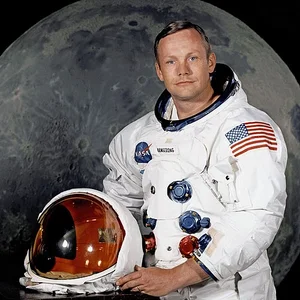
Neil Armstrong
1930 — 2012
American astronaut (1930-2012), Neil Armstrong was the first person to walk on the Moon on July 20, 1969. Commander of the Apollo 11 mission, he marked a major turning point in space exploration and the Cold War.
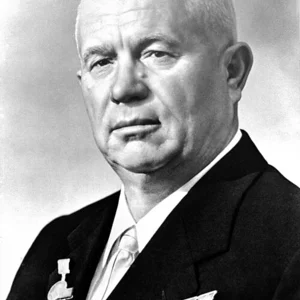
Nikita Khrushchev
1894 — 1971
Soviet leader from 1953 to 1964, Khrushchev succeeded Stalin and launched a policy of de-Stalinization. A central figure of the Cold War, he confronted the United States during the Cuban Missile Crisis of 1962.
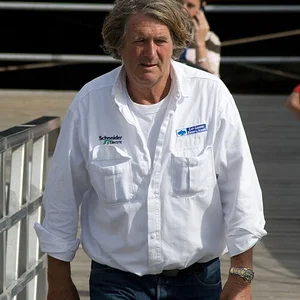
Olivier de Kersauson
1944 — ?
French sailor born in 1944, a crew member for Éric Tabarly before becoming the skipper of large multihulls. The holder of the crewed round-the-world sailing record, he won the Jules Verne Trophy and became a media figure known for his outspokenness.
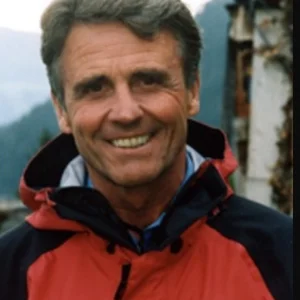
Peter Habeler
1942 — ?
Austrian mountaineer born in 1942, Peter Habeler is famous for making the first ascent of Everest without supplemental oxygen in 1978, alongside Reinhold Messner. This feat revolutionized our understanding of the limits of human endurance at high altitude.
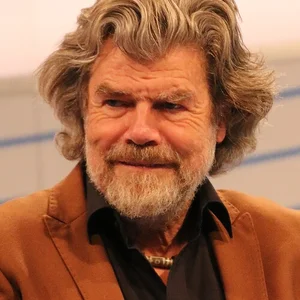
Reinhold Messner
1944 — ?
Italian mountaineer born in 1944, Reinhold Messner was the first person to climb all 14 peaks above 8,000 metres. He was also the first to summit Everest solo and without supplemental oxygen.
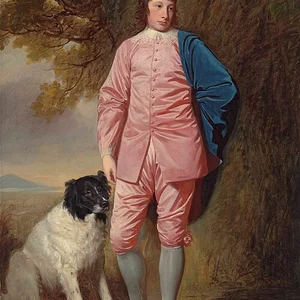
Richard Bass
1929 — 2015
American mountaineer and businessman (1929–2015), Richard Bass was the first person to climb the Seven Summits — the highest peak on each continent. He reached the summit of Everest on April 30, 1985, at the age of 55, becoming the oldest climber to have done so at the time.
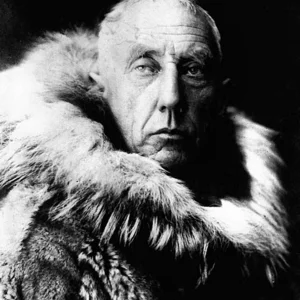
Roald Amundsen
1872 — 1928
Norwegian polar explorer, Roald Amundsen was the first person to reach the South Pole on December 14, 1911, beating Robert Falcon Scott's British expedition. He was also the first to navigate the Northwest Passage by ship.
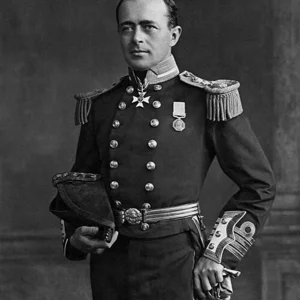
Robert Falcon Scott
1868 — 1912
A British Royal Navy officer, Robert Falcon Scott led two expeditions to Antarctica. During his second expedition (1910–1913), he reached the South Pole in January 1912, only to discover that Amundsen had beaten him by a month. Scott and his four companions perished on the return journey.
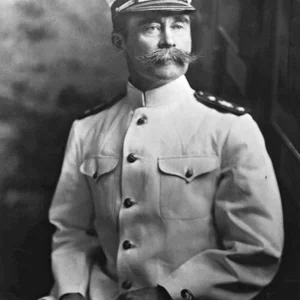
Robert Peary
1856 — 1920
An American Arctic explorer, Robert Peary is famous for claiming the first expedition to reach the geographic North Pole in April 1909. A United States Navy officer, he devoted two decades to exploring polar regions.
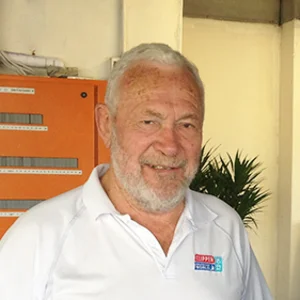
Robin Knox-Johnston
1939 — ?
British sailor born in 1939, the first person to complete a solo, non-stop circumnavigation of the globe under sail (1968–1969), aboard his ketch Suhaili. In doing so he won the Golden Globe Race, ushering in the era of the great solo ocean races.
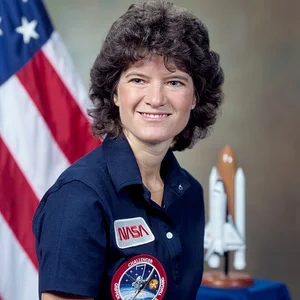
Sally Ride
1951 — 2012
American physicist and astronaut, Sally Ride became in 1983 the first American woman to travel in space aboard the Space Shuttle Challenger. She took part in two space missions and later dedicated herself to promoting science education for young people.
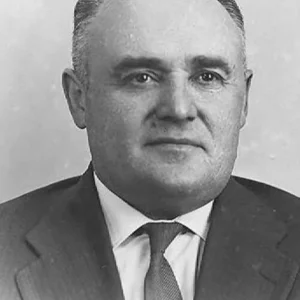
Sergei Korolev
1907 — 1966
Soviet engineer of Ukrainian origin, Korolev is the father of the Soviet space program. He designed Sputnik, the first artificial satellite, and the Vostok capsule that allowed Gagarin to fly in space.

Svetlana Savitskaya
Soviet cosmonaut Svetlana Savitskaya was the second woman to travel to space and the first to perform a spacewalk (EVA). She completed two missions aboard the Salyut 7 space station in 1982 and 1984.
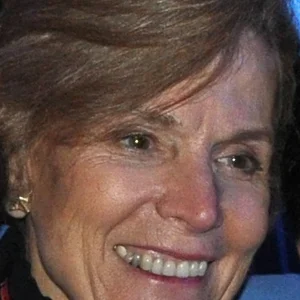
Sylvia Earle
1935 — ?
American oceanographer and explorer, Sylvia Earle set a solo dive record in 1979 at a depth of 381 meters. A pioneer of deep-sea exploration, she has led numerous expeditions and advocates tirelessly for ocean protection.
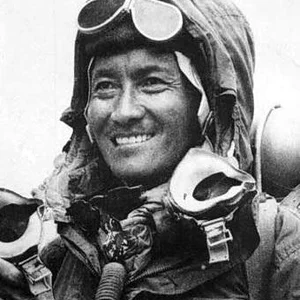
Tenzing Norgay
1914 — 1986
A Nepali Sherpa of Tibetan origin, Tenzing Norgay reached the summit of Everest on May 29, 1953, alongside Edmund Hillary. This historic ascent made him one of the most celebrated mountaineers in the world.
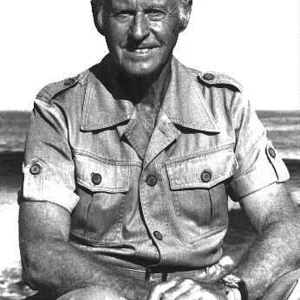
Thor Heyerdahl
1914 — 2002
Norwegian anthropologist and navigator, Thor Heyerdahl crossed the Pacific in 1947 on the raft Kon-Tiki to demonstrate that prehistoric migrations from South America to Polynesia were possible. His expeditions combined adventure with archaeological research.
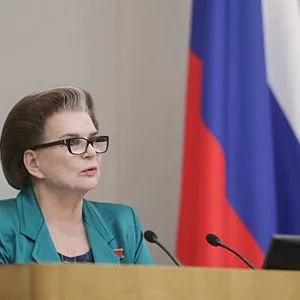
Valentina Tereshkova
1937 —
Russian cosmonaut and politician, first woman in space

Wanda Rutkiewicz
Polish mountaineer (1943–1992), she was the first woman to climb Everest in 1978 and the first European woman to reach its summit. She disappeared in 1992 during her attempt to climb Kangchenjunga.
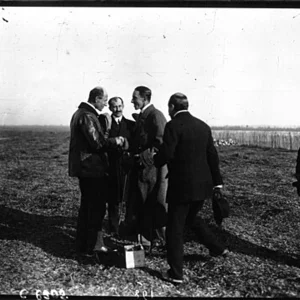
Wright (Orville and Wilbur)
American brothers, self-taught mechanics and inventors, they achieved the first powered and controlled flight in history on December 17, 1903, at Kitty Hawk, North Carolina. Their Flyer I flew for 12 seconds, launching the age of aviation.
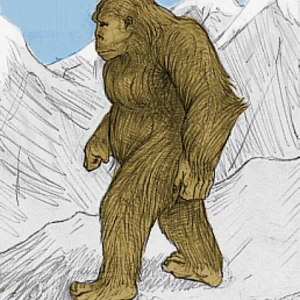
Yeti
A legendary creature of the Himalayas, the Yeti is described as a large bipedal ape-like being living in the eternal snows. A central figure in Tibetan and Nepalese folklore, it has fascinated explorers and scientists since the 19th century.
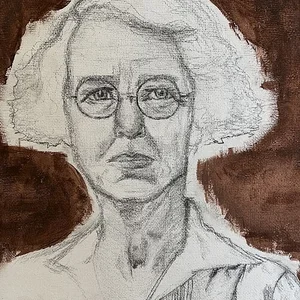
Ynes Mexia
1870 — 1938
Ynes Mexia was a Mexican-American botanist and explorer. Beginning her scientific career at over 50 years old, she led botanical collecting expeditions across North and South America, gathering tens of thousands of plant specimens, including hundreds of species new to science.

Yongden
Yongden (1899–1955) was a Tibetan monk adopted by the explorer Alexandra David-Néel. He accompanied her on her travels across Central Asia and Tibet, most notably during the clandestine entry into Lhasa in 1924, and co-authored several works with her.
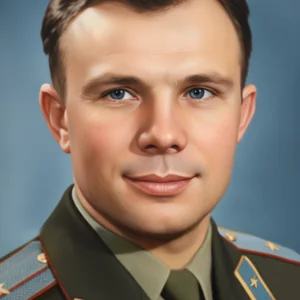
Yuri Gagarin
1934 — 1968
A Soviet cosmonaut, Yuri Gagarin became the first human to travel into space on 12 April 1961 aboard Vostok 1. His flight made him a worldwide hero and a symbol of Soviet space achievement at the height of the Cold War.
21st Century(8)
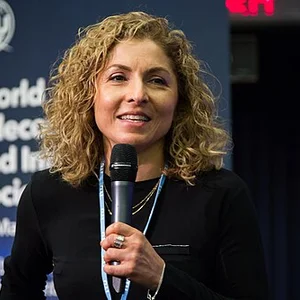
Anousheh Ansari
1966 — ?
First Iranian woman and first private space tourist to travel to space in 2006. An Iranian-American businesswoman, she funded the Ansari X Prize to encourage space tourism.
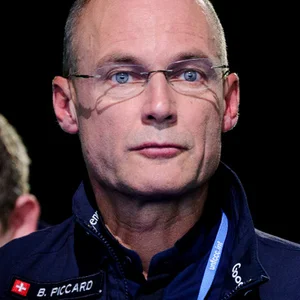
Bertrand Piccard
1958 — ?
Swiss psychiatrist and aeronaut born in 1958, Bertrand Piccard completed the first non-stop round-the-world balloon flight in 1999. He then became the driving force behind Solar Impulse, the solar-powered aircraft that completed the first fuel-free circumnavigation of the globe in 2015–2016.
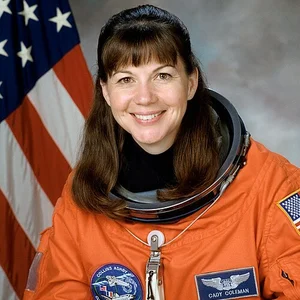
Catherine Coleman
1960 — ?
An American astronaut and chemist, Catherine Coleman completed three spaceflights, including a 159-day stay aboard the International Space Station in 2010–2011. A US Air Force officer, she contributed to scientific experiments in microgravity.
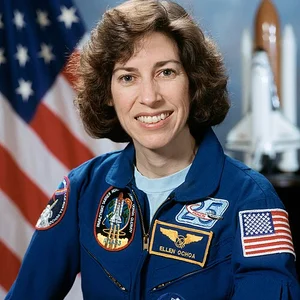
Ellen Ochoa
1958 — ?
Ellen Ochoa is an American engineer and astronaut, the first woman of Hispanic origin to travel into space in 1993. A specialist in optical systems, she flew four missions aboard the space shuttle and later directed NASA's Johnson Space Center.
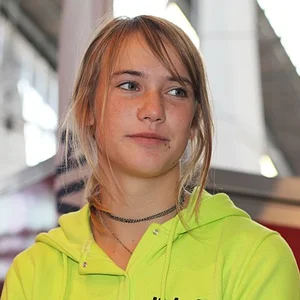
Laura Dekker
1995 — ?
Dutch sailor born in 1995, Laura Dekker became in 2012 the youngest person to complete a solo circumnavigation by sailboat, at just 16 years old. Her 518-day voyage aboard her sailboat Guppy took her around the globe, departing from the Netherlands.
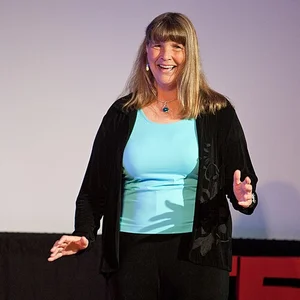
Lynne Cox
1957 — ?
An American long-distance swimmer, Lynne Cox set world records by crossing some of the coldest and most dangerous waters on Earth. She is best known for her 1987 crossing of the Bering Sea, swimming from Alaska to the USSR at the height of the Cold War.
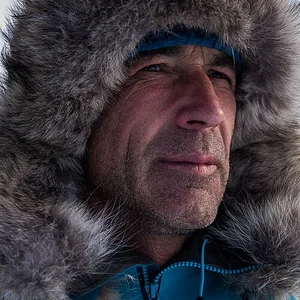
Mike Horn
1965 — ?
An extreme South African-Swiss adventurer born in 1966, Mike Horn is one of the most daring explorers of our time. He has completed unprecedented expeditions in the most hostile regions of the globe, including a solo circumnavigation of the world without motorized assistance.
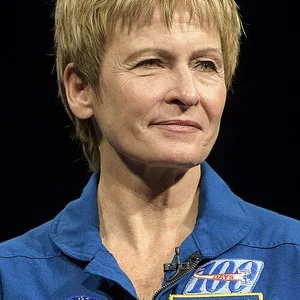
Peggy Whitson
1960 — ?
An American NASA astronaut, Peggy Whitson is the woman who has spent the most time in space (665 cumulative days). She commanded the International Space Station on two separate occasions.