The Ashkenazi Table Between Two Worlds
Sabin was born into a Jewish family in Białystok, in the Russian Empire, before emigrating to America. His table culture was that of Ashkenazi cuisine: a kuchen or leavened bread in the morning, clear broth and dumplings to open the Friday evening (Shabbat) meal, tea drunk from a glass with jam as a sweet treat, and throughout the week modest snacks eaten quickly. The meal is organized not as starter-main-dessert, but around the foundational broth, the table bread, and the glass of sweet tea that closes and warms.
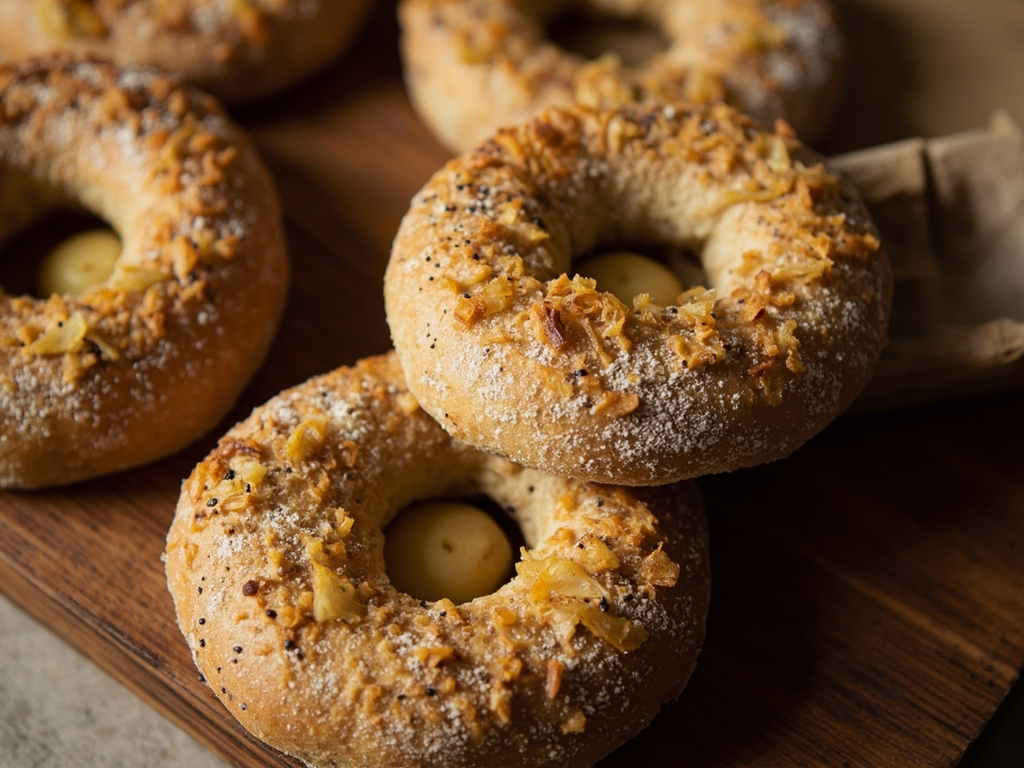
Signature : The Bialy of Białystok (chopped onion and poppy seed)
A small flat roll with a central well filled with golden onion and poppy seeds—it literally bears the name of Sabin's hometown. The slowly softened onion and toasted poppy seed are the aromatic signature of this table: neither sugar nor fatty filling, just the scent of onion on a tender crumb.
Albert Sabin at the table
1906 — 1993
5 period recipes
 Everyday
Bialy of Białystok
Table kuchen—Ashkenazi morning flatbread
🧂 🍄· 2 h 30 (including rising)
View the recipe
 Festive
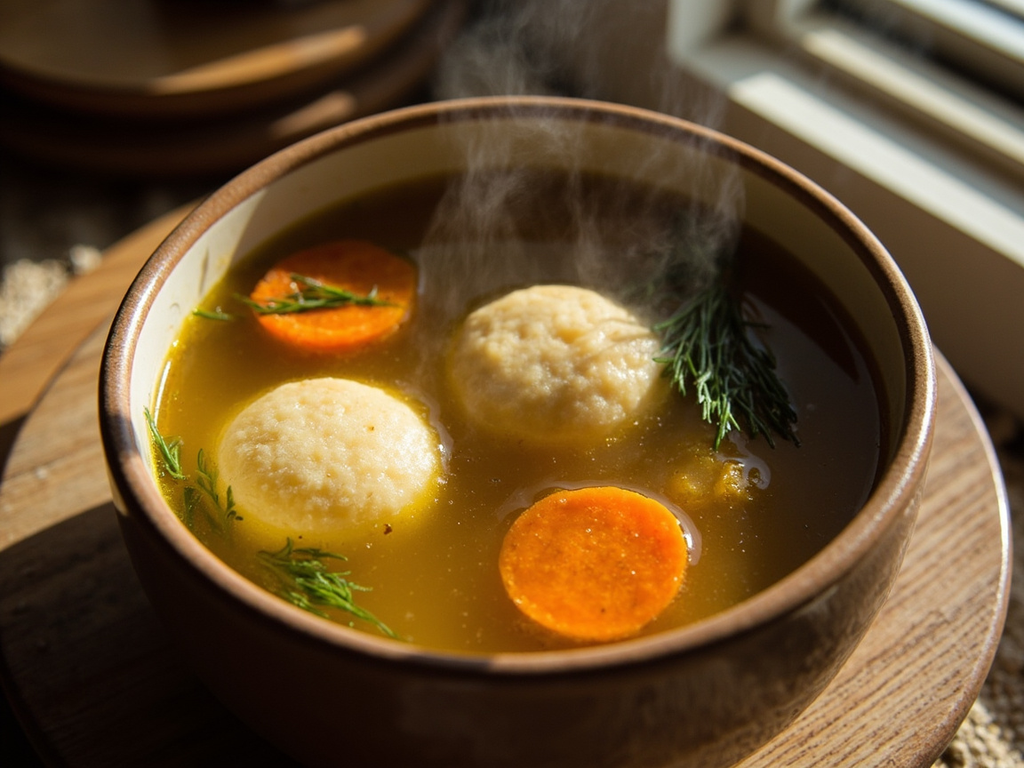
Clear Chicken Broth with Kneidlach
The foundational Friday evening broth (inspired by the Shabbat meal)
🧂 🍄· 3 h 30
View the recipe
 Drink
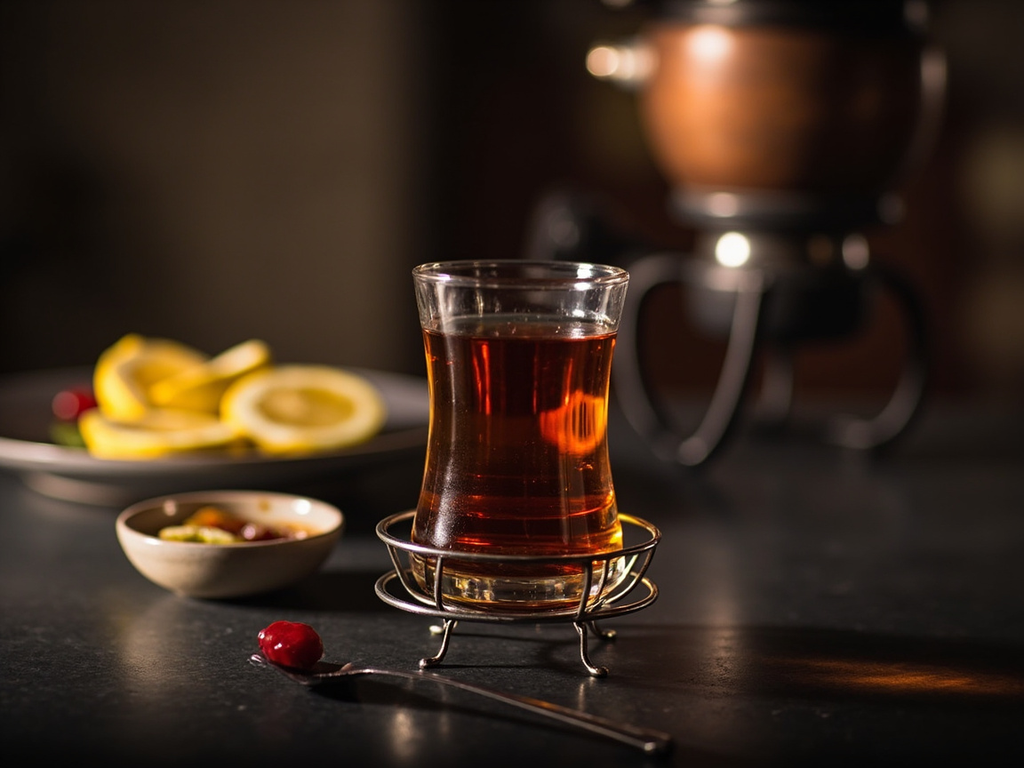
DrinkRussian Tea in a Glass, Jam in the Mouth
The glass of tea that warms (meal closer, Russian style)
☕ 🍯· 10 min
View the recipe
 Remedy
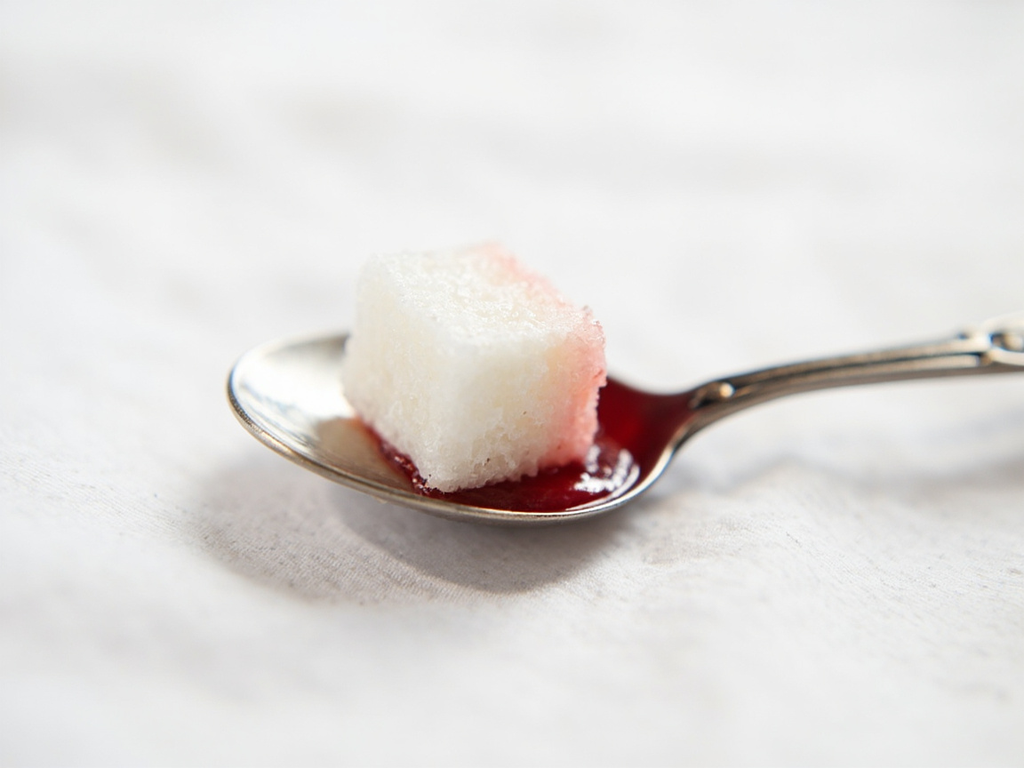
The Sugar Cube That Heals
The sweet remedy (pedagogical evocation of the oral vaccine)
🍯· 2 min
View the recipe
 Street food
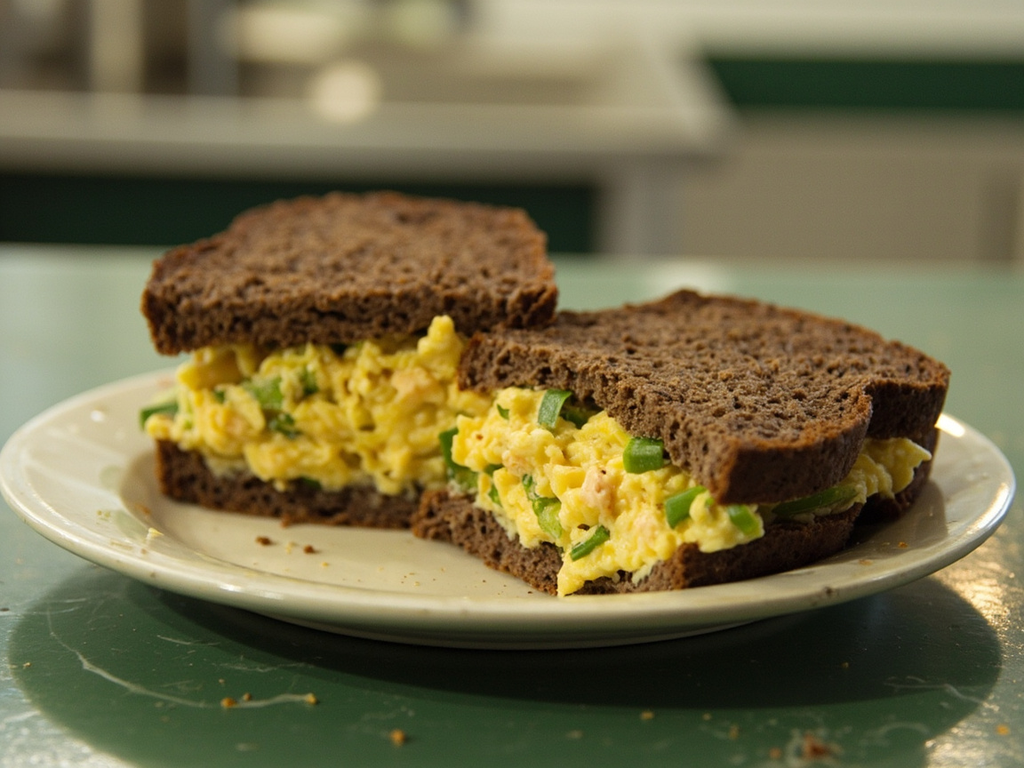
Egg Salad on Rye Bread, at the Counter
The snack eaten standing (luncheonette/American automat)
🧂· 20 min
View the recipe