 Flip the card
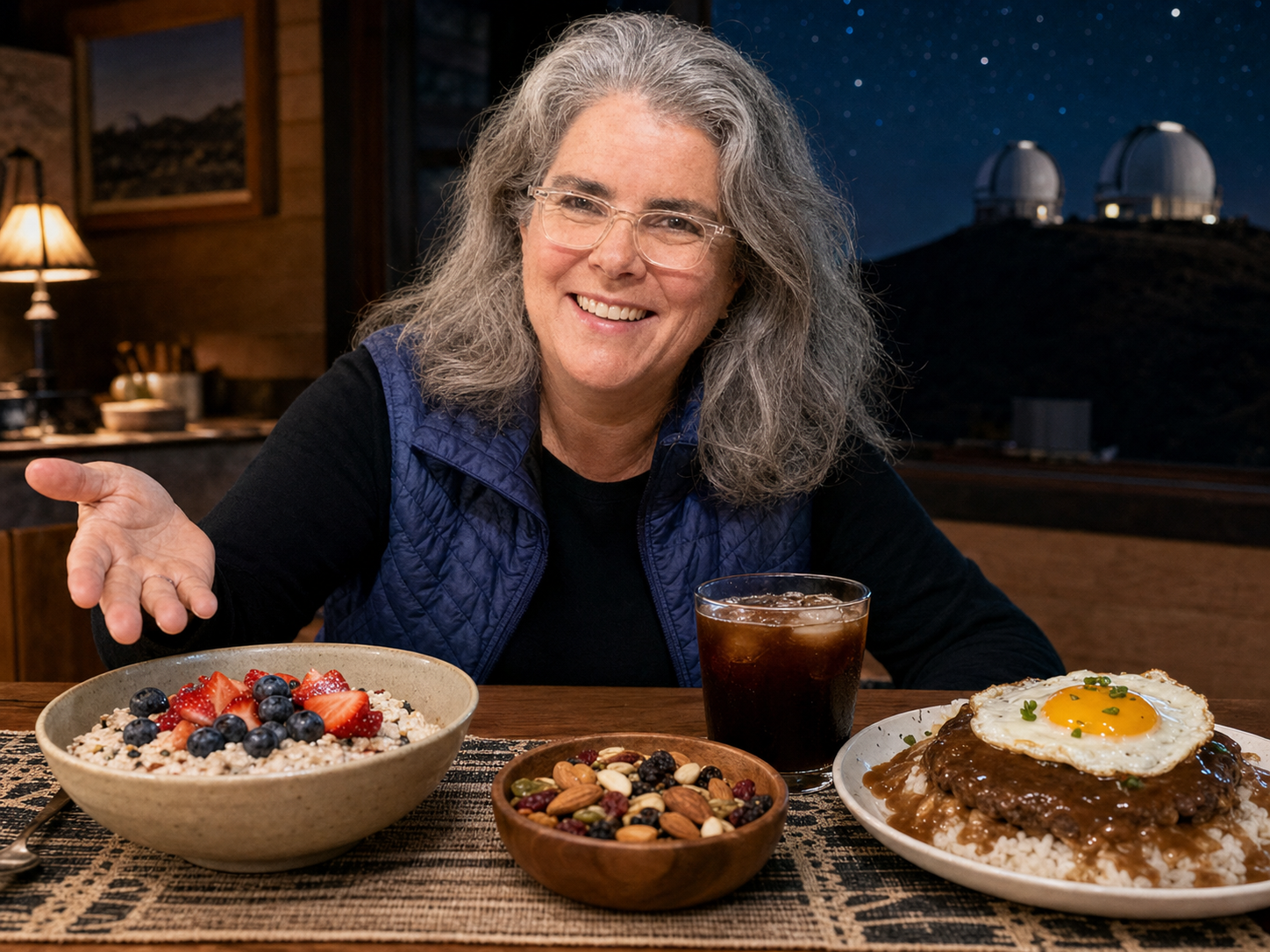
Andrea Ghez at the table
1965 — ?
On the menu
The Astronomer's Off-Kilter Rhythm — three meals a day… then the long night
The daily life of a 21st-century American scientist follows the classic breakfast / lunch / dinner pattern, squeezed in between work sessions on the UCLA campus. But as soon as Andrea Ghez goes up to observe atop Mauna Kea (Hawai‘i), everything shifts: you live at night, sleep during the day, and a "midnight meal" replaces dinner. Food adapts to the altitude (4200 m), the cold of the domes, and the need to stay awake and alert until dawn.
Signature : Coffee, the fuel of observation nights
Among astronomers at large telescopes, black coffee is the signature ingredient: it marks the night, from dusk (when calibrating adaptive optics) until dawn when the dome is closed. Around it revolves a practical, energy-packed, portable cuisine designed for jet lag and altitude.
click to flip back
Andrea Ghez at the table
1965 — ?
5 period recipes
 Everyday
Overnight oats with berries — breakfast swallowed between two calculations
Breakfast (the first of three American meals, often carried onto campus)
🍯 🍋· 10 min (+ overnight rest)
View the recipe
 Travel
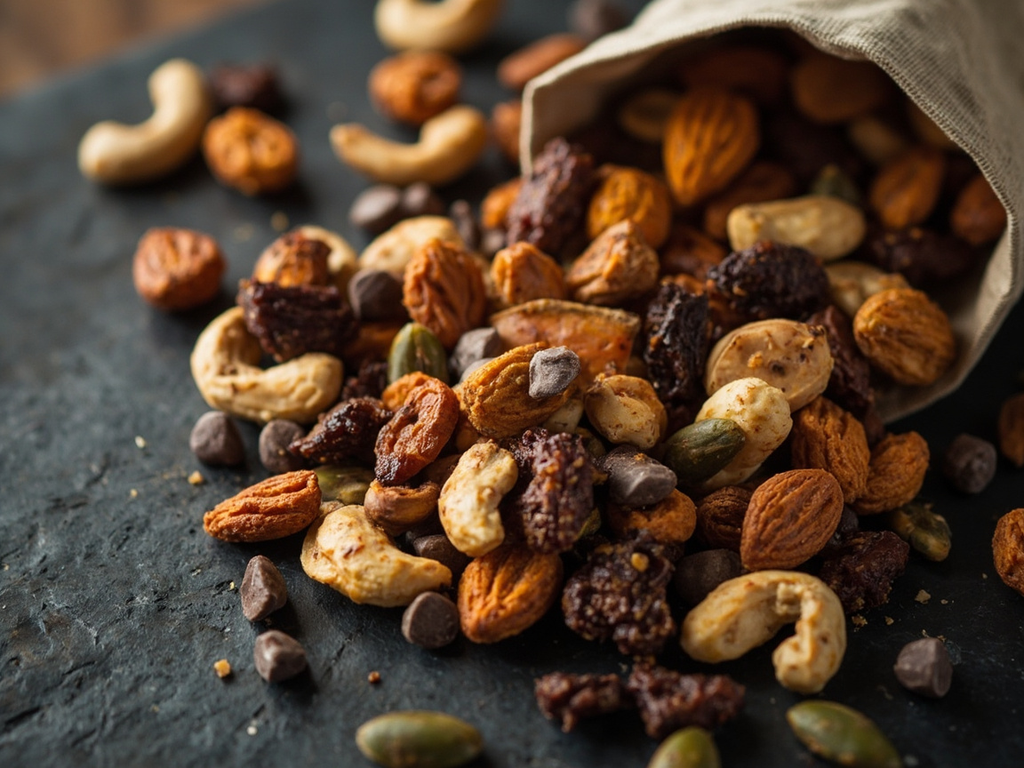
Trail mix for the Mauna Kea ascent
Pocket snack (the American energy snack carried on hikes or missions)
🍯 🧂· 5 min
View the recipe
 Drink
DrinkCold brew — the black coffee that marks the night
Beverage (the central stimulant drink of American work culture)
☕· 10 min (+ 12 h steeping)
View the recipe
 Festive
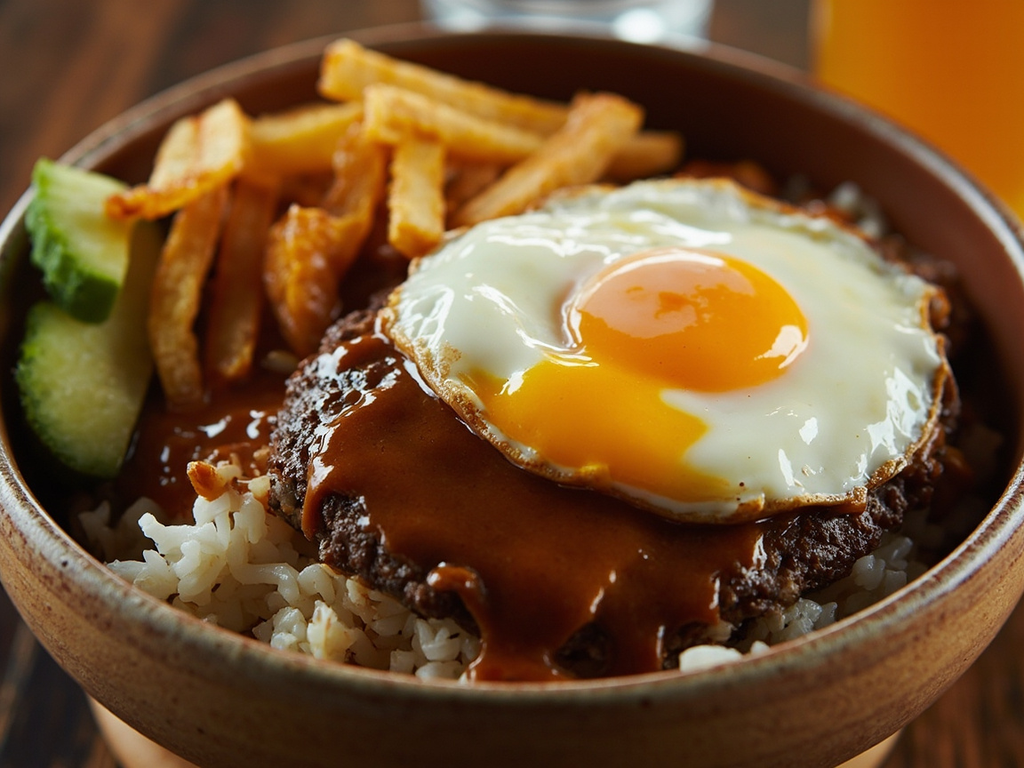
Loco moco — the hearty meal of the Big Island
Hawaiian plate lunch (the full, filling plate of rice + protein + egg, served on the Big Island)
🧂 🍄· 35 min
View the recipe
 Remedy
Altitude sickness ginger tea
Warm remedy (the comforting infusion against altitude sickness, taken at the Hale Pōhaku mid-level station)
🌶️ 🍋· 15 min
View the recipe