 Flip the card
Anna Pavlova at the table
1881 — 1931
On the menu
Service à la russe of a touring ballerina
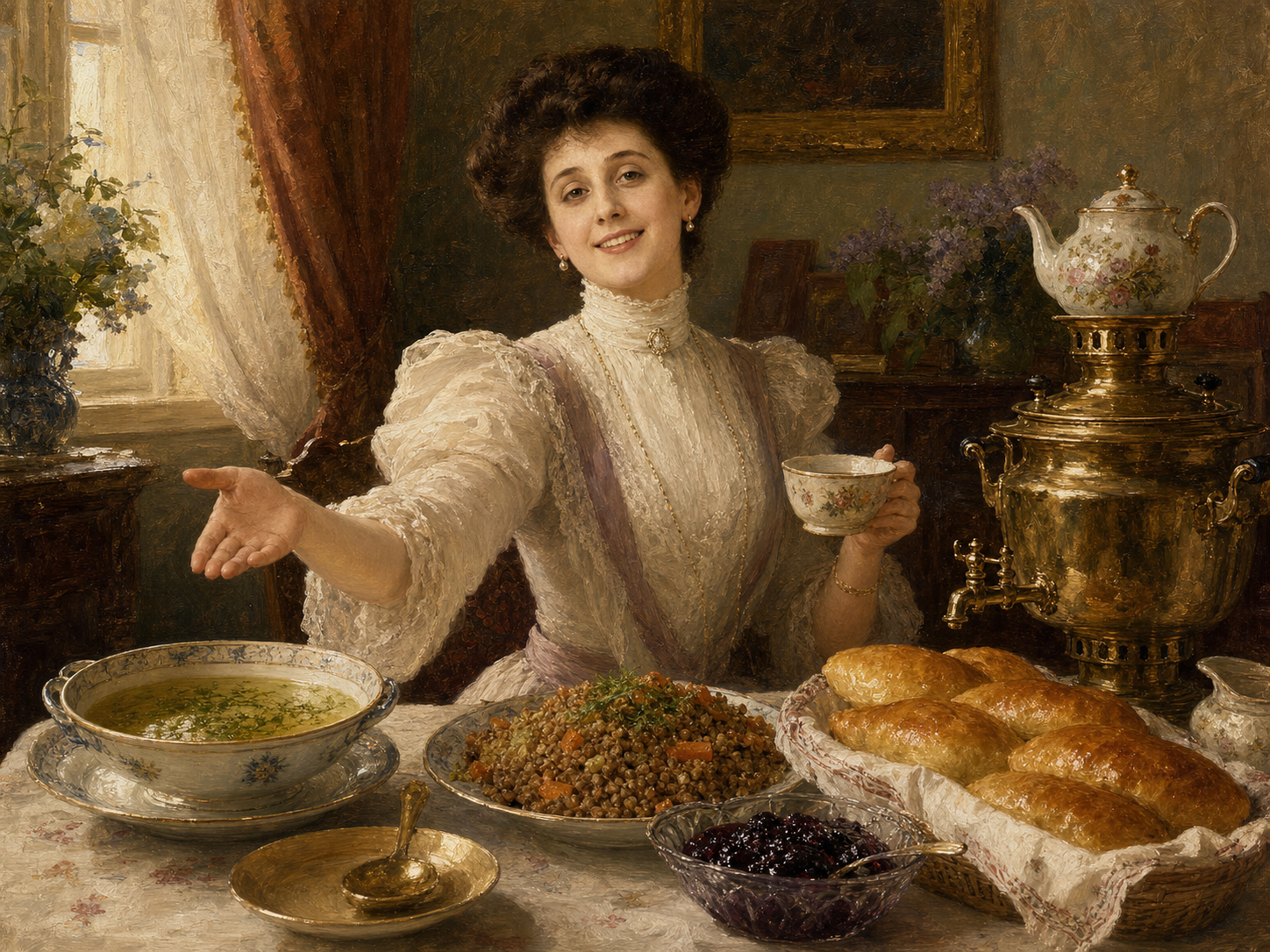
Anna Pavlova's table oscillates between two worlds: on one side, the zakuski and refined service of St. Petersburg (small appetizers, soup, main course, tea from the samovar); on the other, the frugal discipline of the stage and the improvisation of dining cars during her endless tours. So the meal is organized not by starter-main-dessert, but by function in her life as a ballerina: the light pre-performance meal, the comforting samovar ritual, the portable train food, and the festive gala evenings where her name became a dessert.
Signature : Airiness as a cooking principle
For Pavlova, the signature ingredient is not a spice but a requirement: everything must be airy. Clear broth (boullon), dill (ukrop) omnipresent in Russian cuisine, and above all whipped egg whites made into meringue — the lightest possible substance — sum up her philosophy: eat nothing and serve nothing that weighs down the body before taking flight on stage.
click to flip back
Anna Pavlova at the table
1881 — 1931
5 period recipes
 Everyday
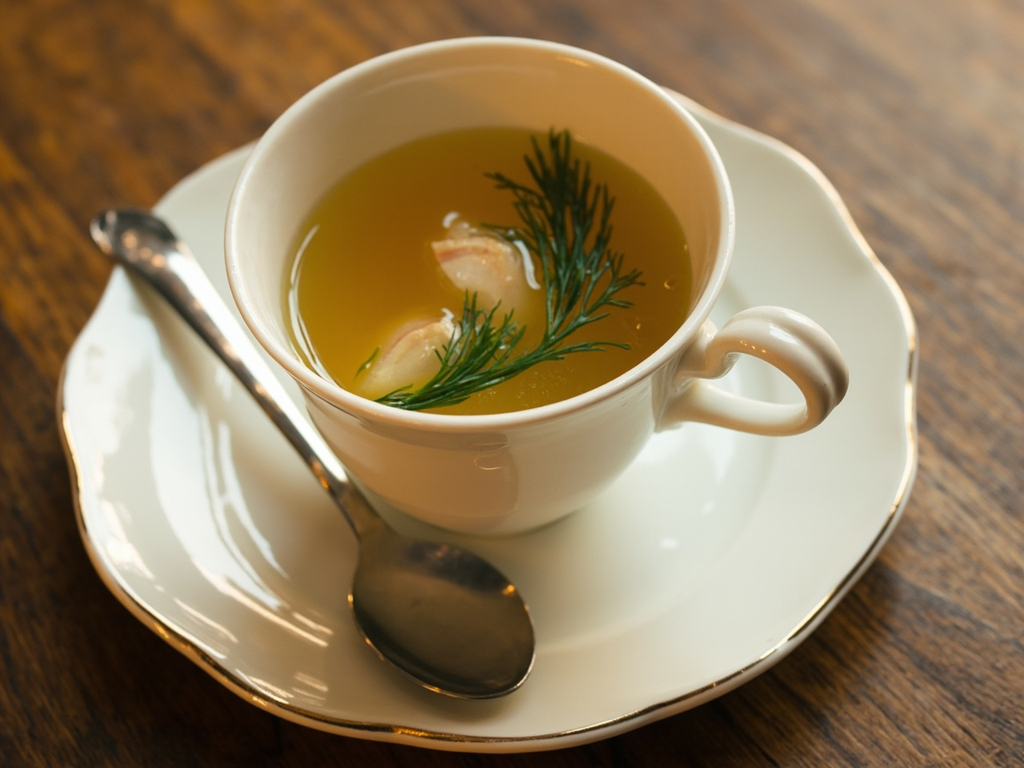
Clear Chicken Broth with Dill (Kuriny Boullon)
Soup-foundation of Russian service (pervoye, the 'first' of the meal)
🧂 🍄· 3 h
View the recipe
 Everyday
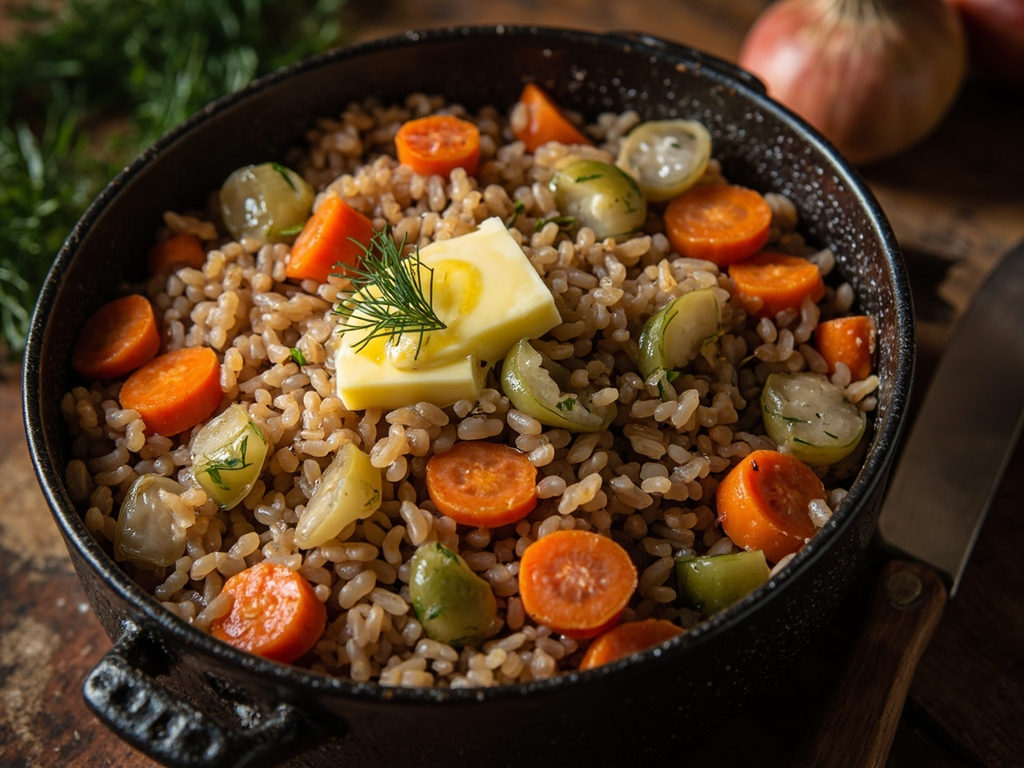
Buckwheat Kasha with Cooked Vegetables
Peasant Russian staple dish (kasha, the cereal porridge that feeds all of Russia)
🍄 🧂· 35 min
View the recipe
 Travel
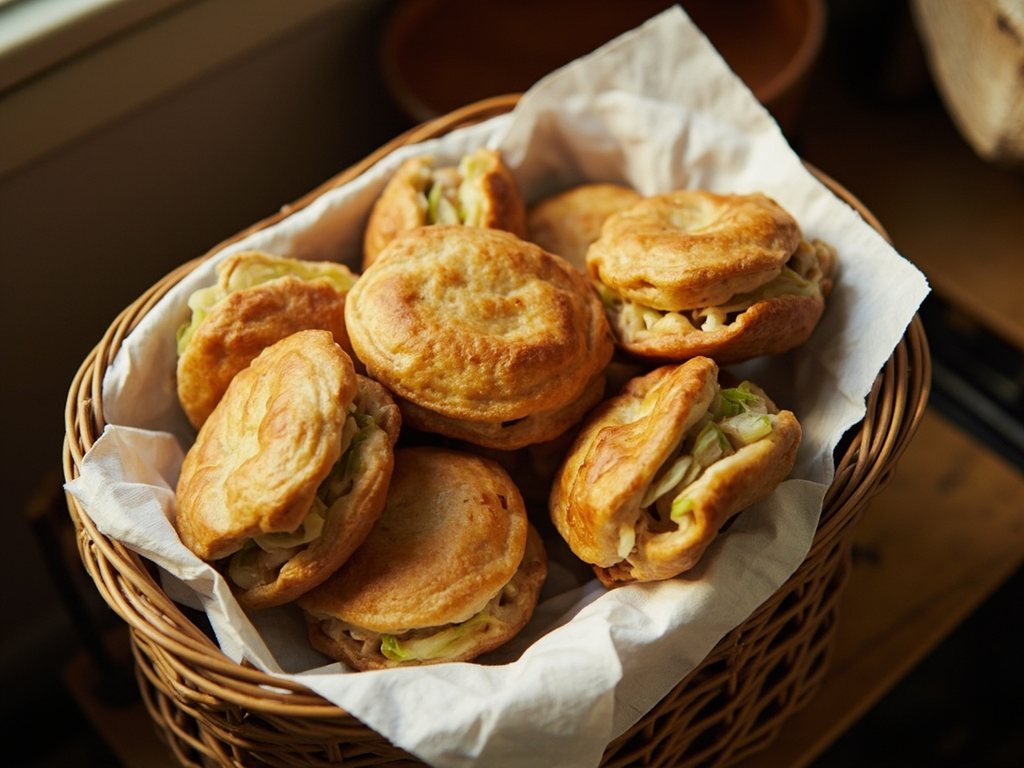
Cabbage Pirozhki for the Touring Train Car
Portable zakuski (small filled pastries to take on journeys)
🧂 🍄· 2 h
View the recipe
 Drink
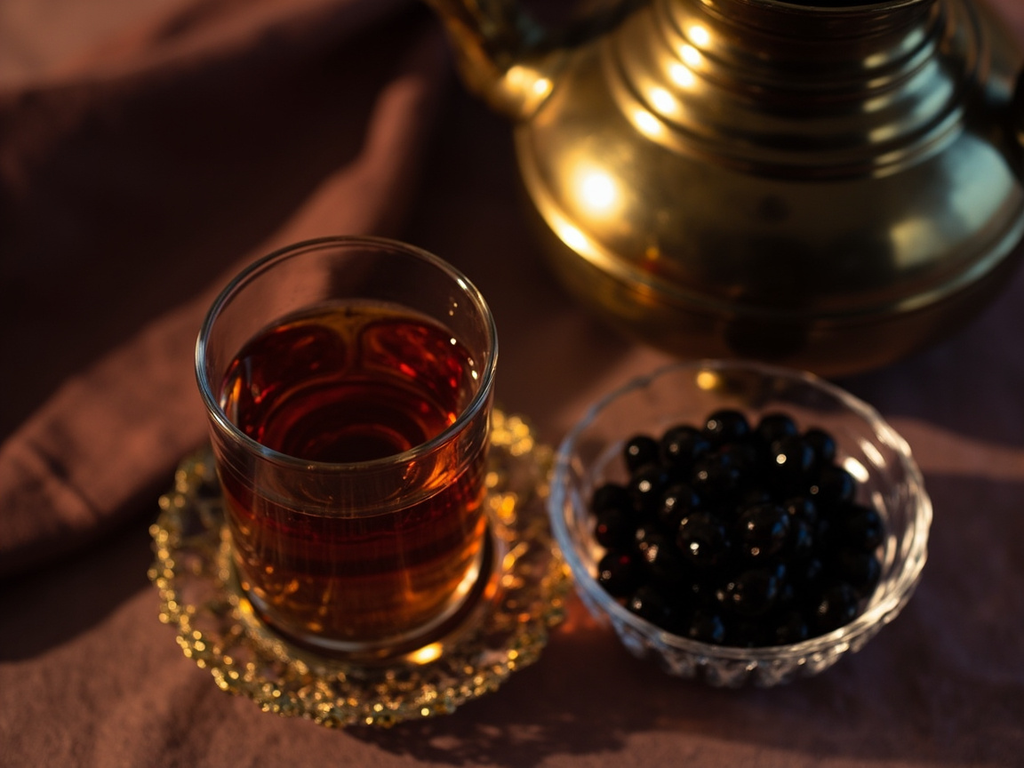
DrinkSamovar Tea and Blackcurrant Jam (Varenye)
Chayepitiye — the Russian tea ceremony around the samovar
🍯 🍋· 40 min
View the recipe
 Festive
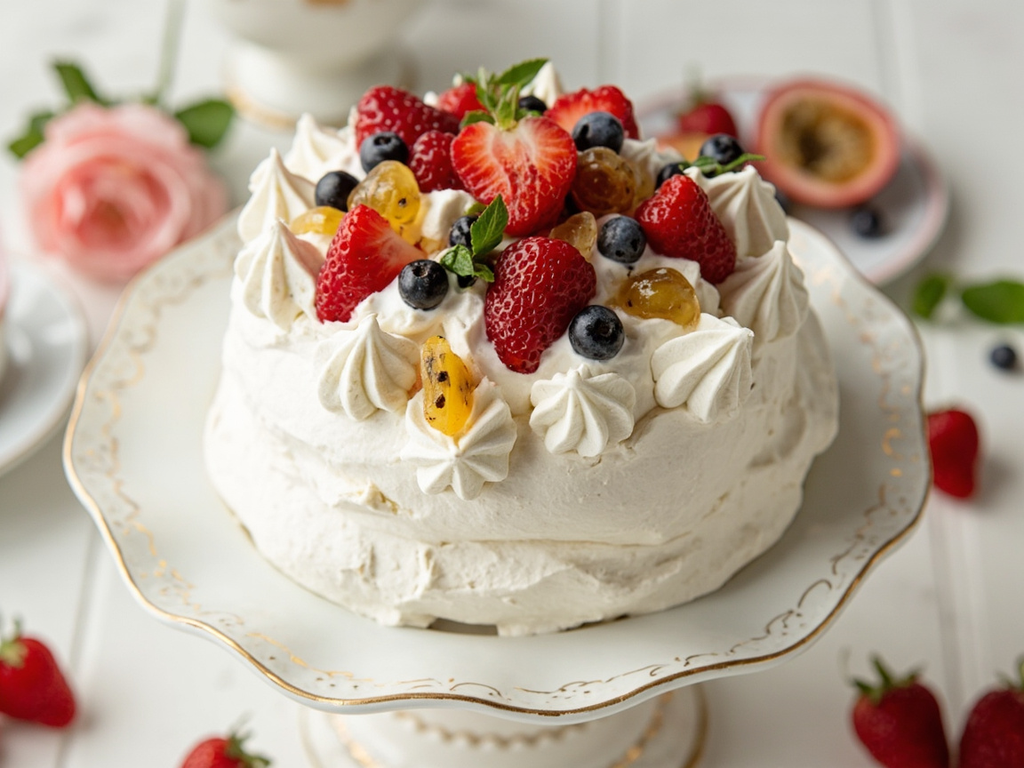
Pavlova with Fresh Fruit
Sladkoye — the 'sweet' of the gala, a meringue dessert for evening's end
🍯 🍋· 1 h 45
View the recipe