 Flip the card
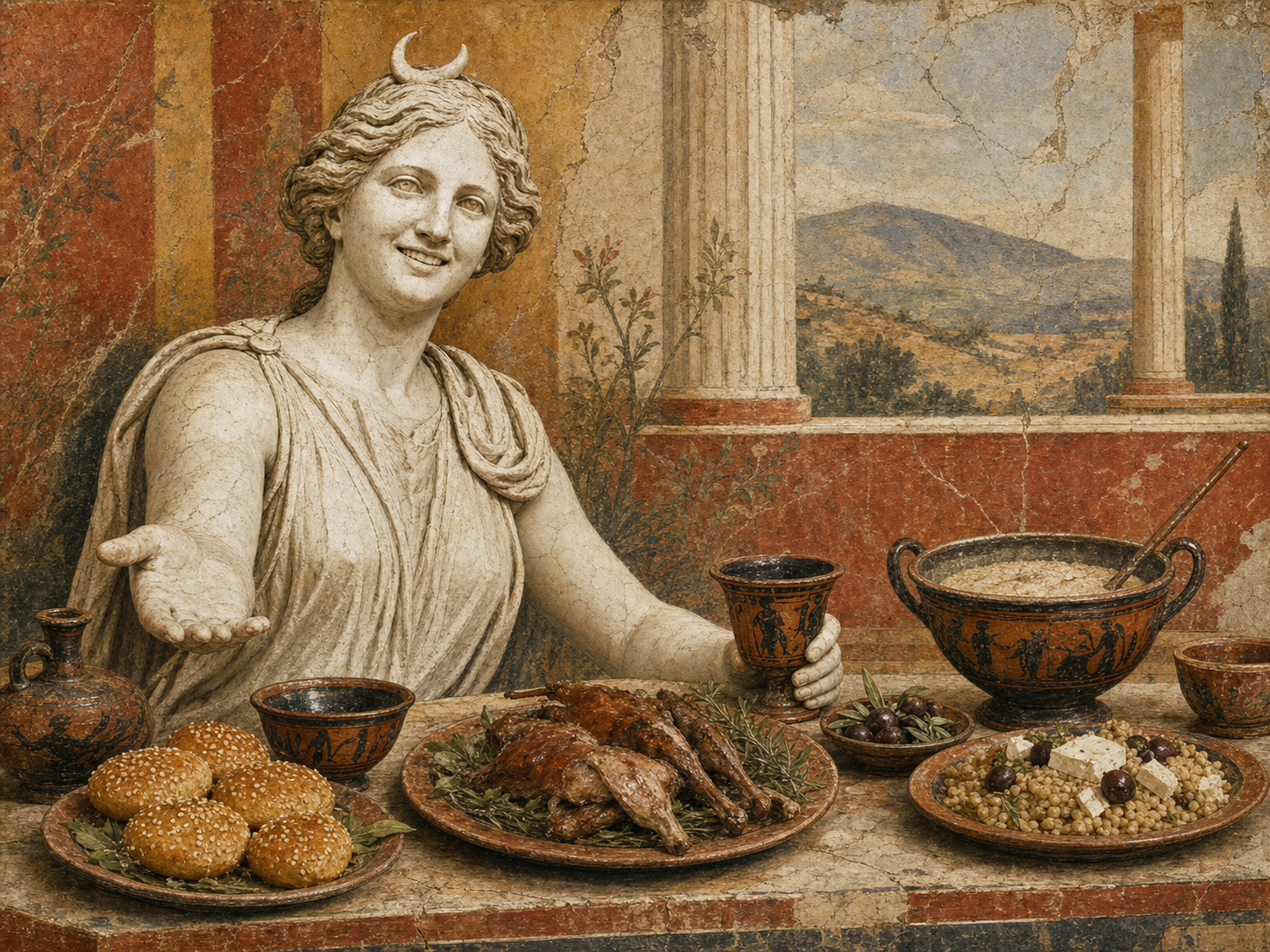
Artemis at the table
On the menu
The Greek thysia and deipnon
In ancient Greece, the meal revolved around a barley flatbread (maza or bread) accompanied by an *opson* — what is eaten "with" the bread: olives, cheese, vegetables, or, on feast days, meat. The evening meal, the *deipnon*, could extend into a *symposion*, where wine mixed with water was drunk. But before eating, they gave the gods their share: the *thysia*, the sacrifice, separated the smoke and bones for the Olympians and the meat for humans, while honey cakes and libations rose to the sky. For Artemis, goddess of the wild frontiers, game brought back from the hunt and meadow simples were also honored.
Signature : Honey and barley
Thyme honey from the hills (like that from Mount Hymettus) and barley flour are the two pillars of the Greek table: barley nourishes daily, honey sweetens, preserves, and above all carries offerings to the gods. For Artemis, wormwood (*artemisia*), the plant that bears her name, is added.
click to flip back
Artemis at the table
5 period recipes
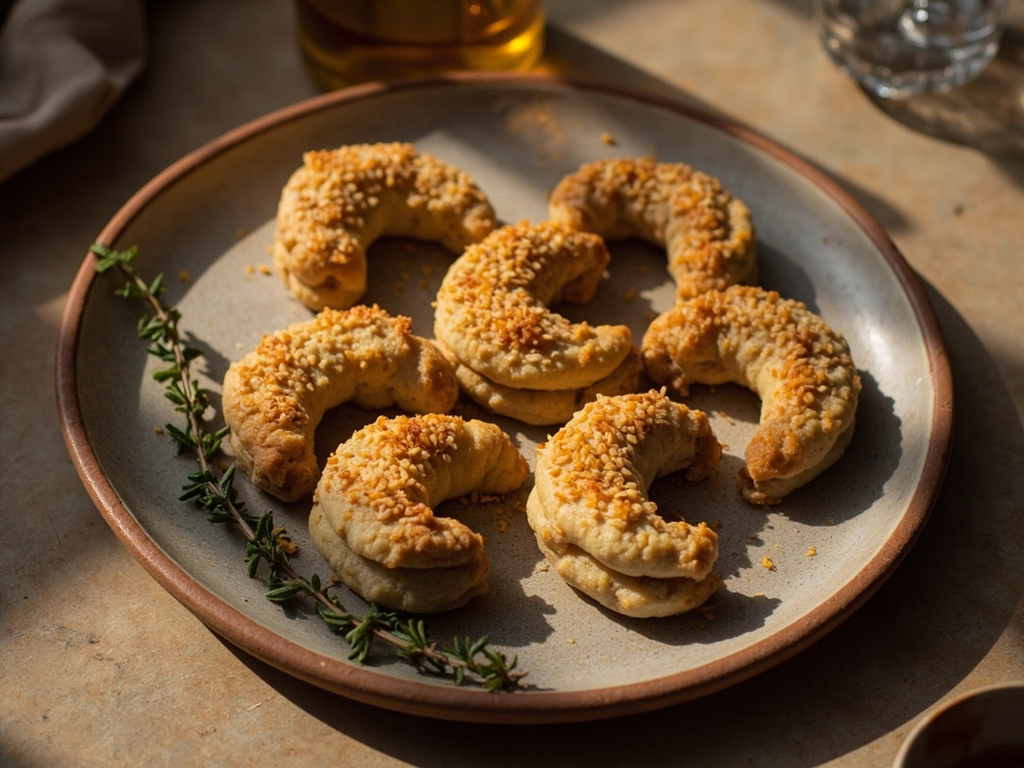 Offering
Honey and sesame popana
Popana (offering cake of the thysia)
🍯· 40 min
View the recipe
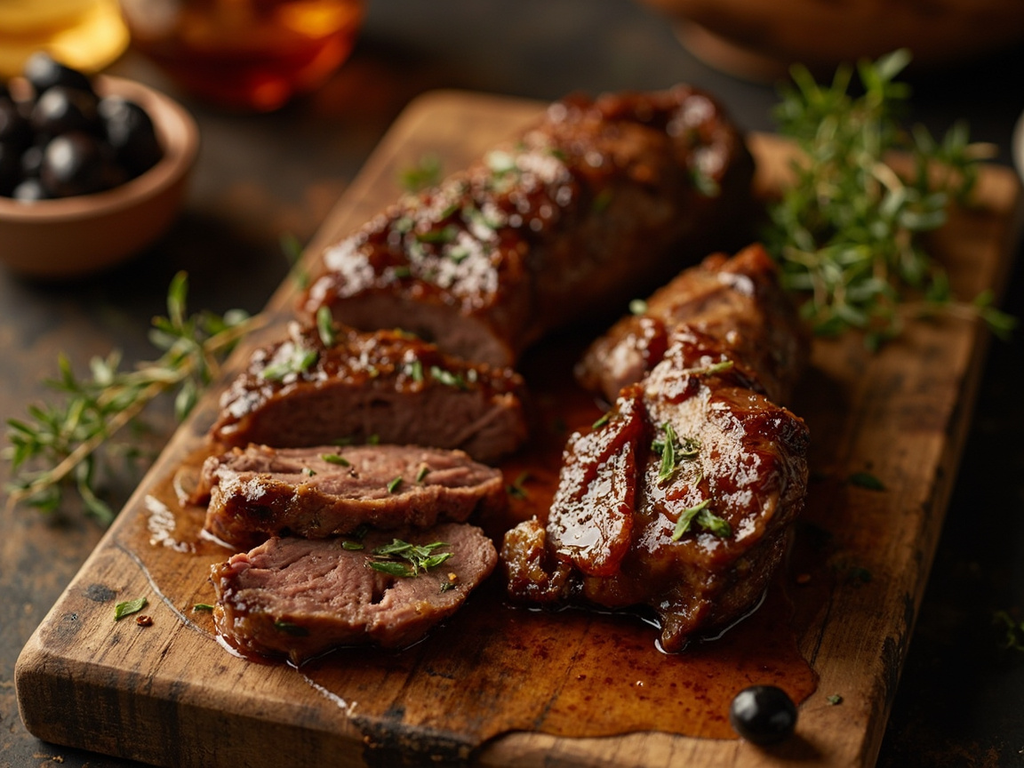 Festive
Roasted game with hill herbs
Roasted portion of the thysia (hunt banquet)
🧂 🍄· 2 h 30 (plus marinating)
View the recipe
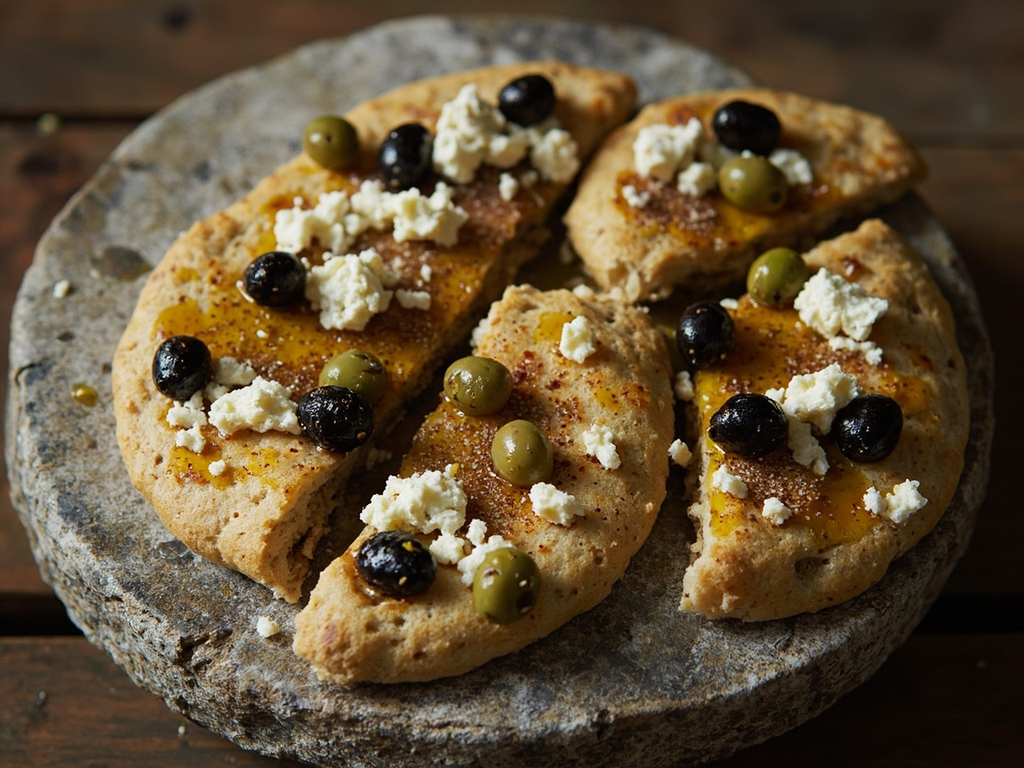 Everyday
Barley maza with olives and cheese
Maza (daily barley flatbread)
🧂 ☕· 30 min
View the recipe
 Drink
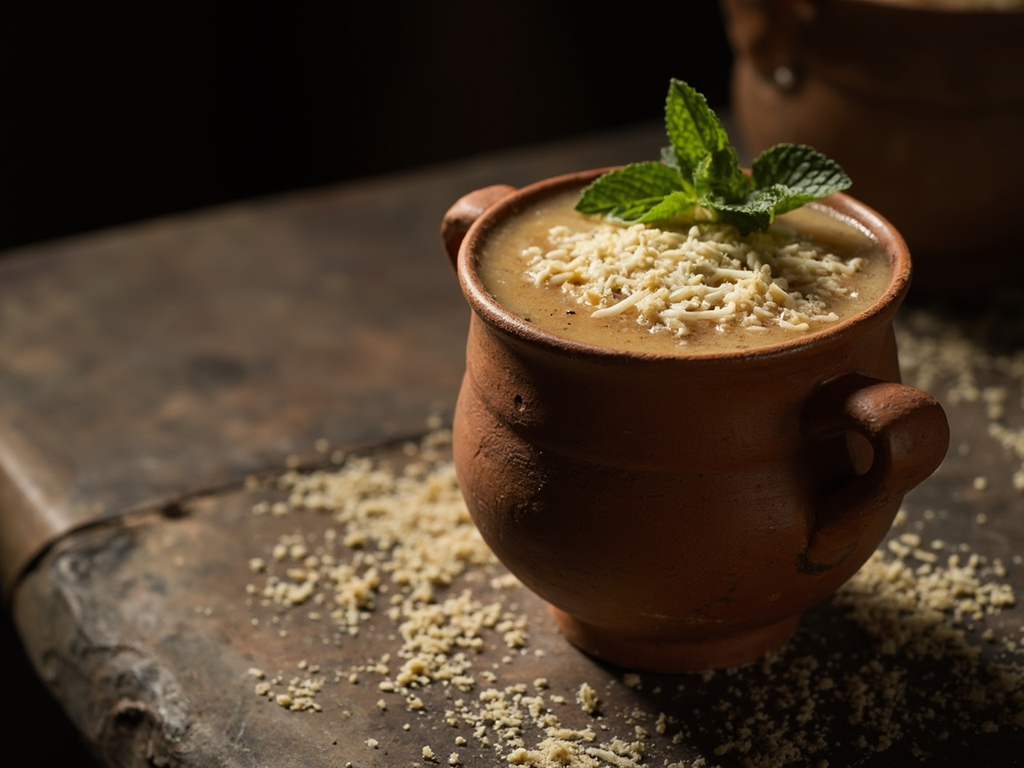
DrinkBarley kykeon with cheese and wine
Kykeon (mixed drink-porridge)
🍋 🫙· 10 min
View the recipe
 Remedy
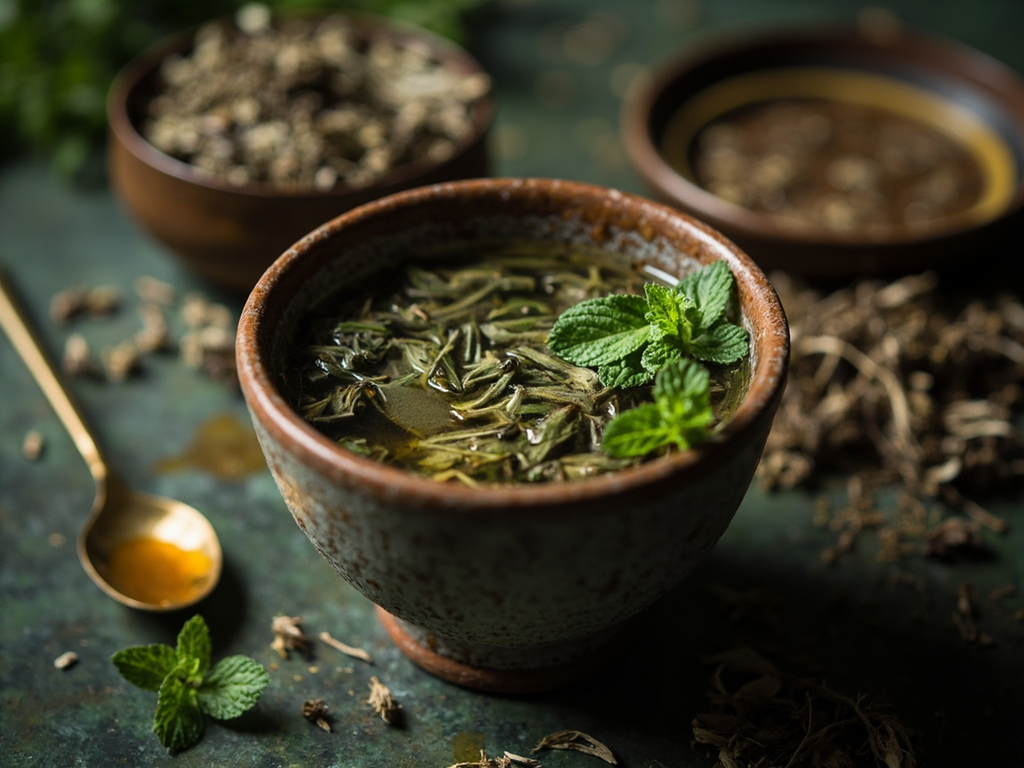
Wormwood decoction with honey
Women's pharmakon (simple herb tisane)
☕ 🍯· 10 min
View the recipe