Il desinare lombardo (the daily meal in Cremona)
In 16th-century Cremona, meals were organized not by starter-main-dessert but by time of day and the Church calendar. There was the minestra (the soup or pasta dish that opens and nourishes), the companatico (what accompanies bread: cheese, cured meats, fish, or eggs), and the credenza (sweets, candied fruits, and spiced wines served at the end or to welcome guests). On lean days imposed by Lent and vigils, meat was replaced by river fish, legumes, and eggs.
Signature : Grana di Lodi (ancestor of grana padano)
The great gourmet affair of the Po plain: a hard cheese, aged for a long time, grated over pasta and soups. In Campi's time, this 'Lodi' cheese was already the pride of Lombardy and appears in almost every Cremonese dish, from daily to festive.
Bernardino Campi at the table
1520 — 1591
5 period recipes
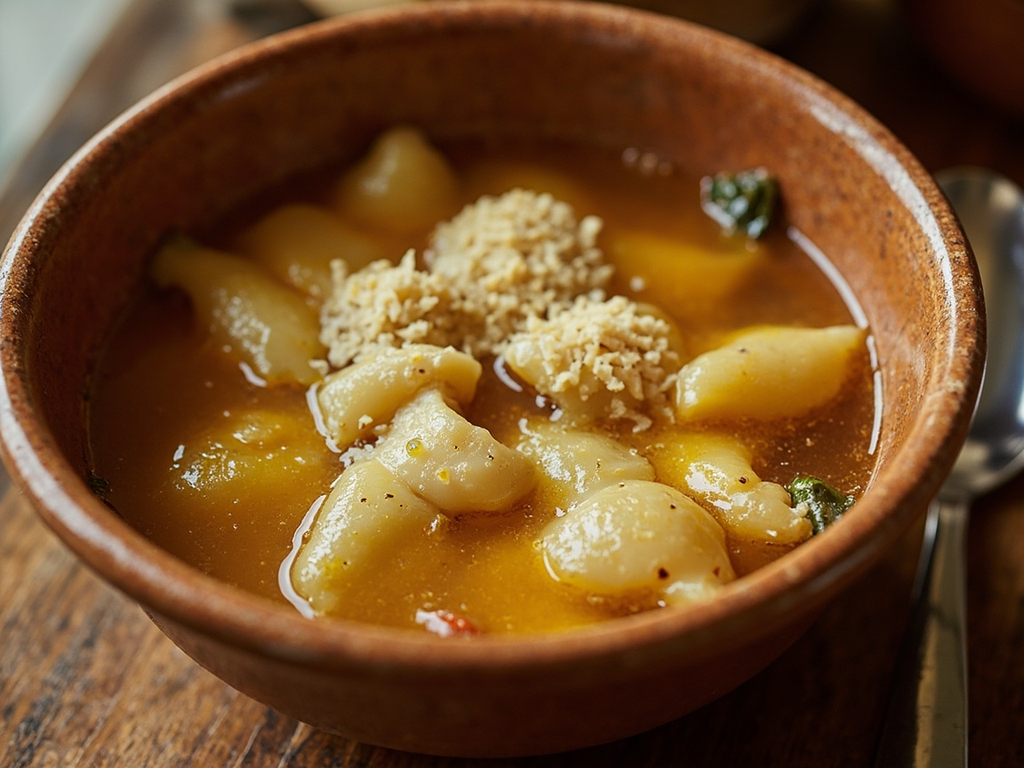 Festive
Marubini in brodo (Cremonese ravioli in broth)
Minestra — the pasta dish that opens the meal
🍄 🧂· 2 h
View the recipe
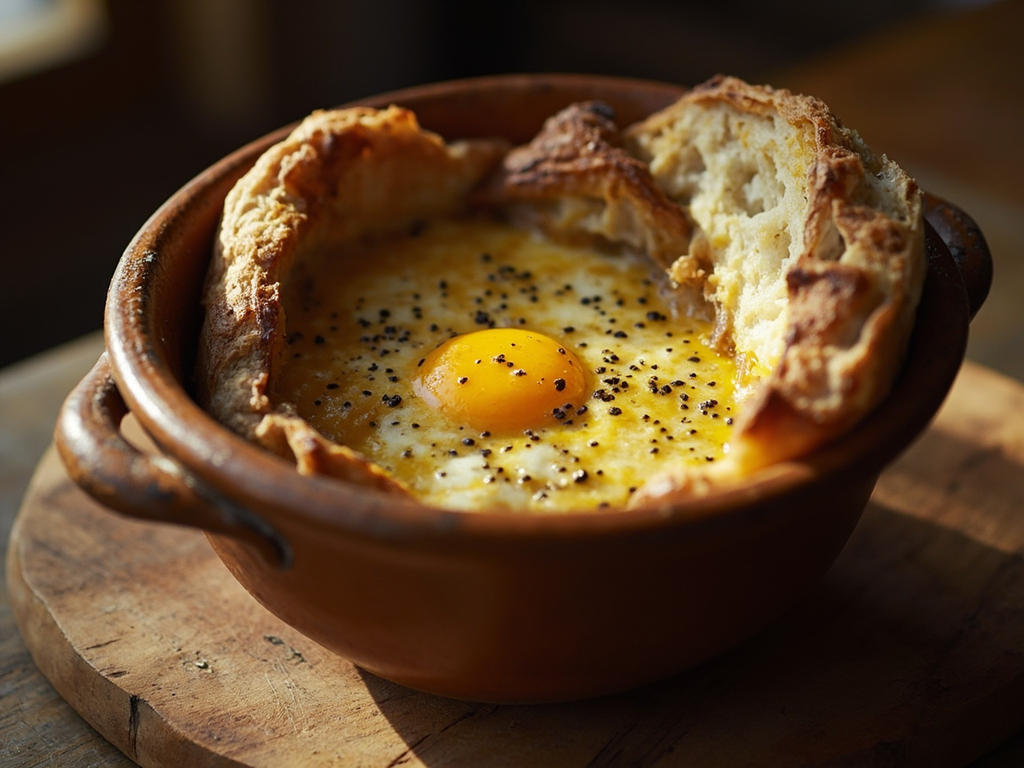 Everyday
Panada — everyday bread soup
Minestra povera — the daily soup staple
🍄 🧂· 25 min
View the recipe
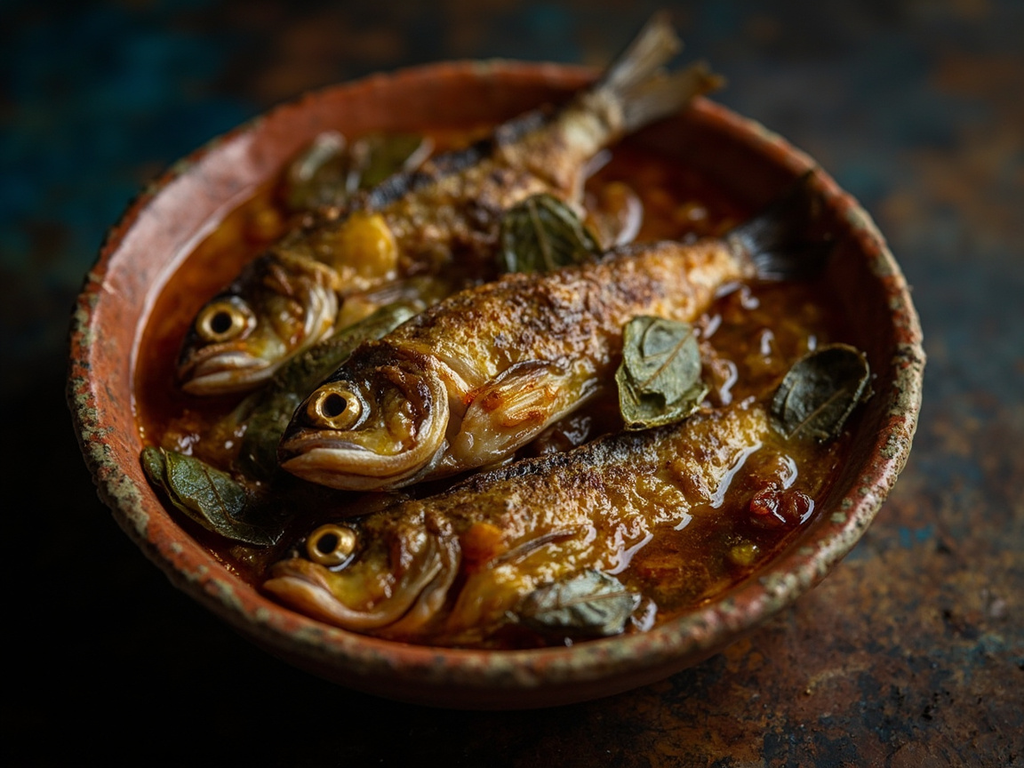 Preserving
Tinca in carpione (Po tench marinated in vinegar)
Companatico di magro — the bread accompaniment on lean days
🍋 🧂· 40 min + 24 h marination
View the recipe
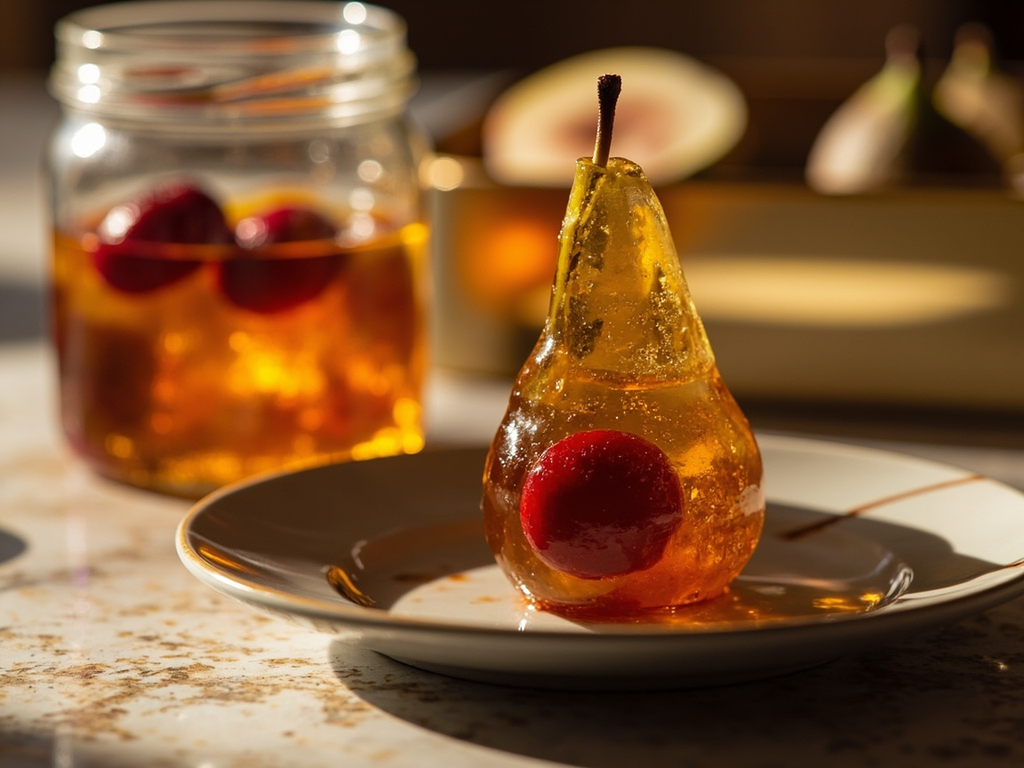 Preserving
Mostarda di frutta di Cremona (fruits in mustard syrup)
Credenza — the reception and preservation sweet
🍯 🌶️· 3 days (candying) + 30 min active
View the recipe
 Drink
DrinkIpocrasso — painter's spiced mulled wine
Credenza liquida — the welcome and end-of-meal drink
🌶️ 🍯· 35 min
View the recipe