 flip
flipCha — the Bengali laboratory tea
Cha — the Bengali laboratory tea
Why this dish? Bibha Chowdhuri's file notes that tea was part of daily life. Bengal is a neighbor of Darjeeling and Assam, birthplaces of Indian tea; in the laboratories of Calcutta, TIFR Bombay, or Manchester, the cup of cha punctuated the long hours bent over the measuring microscope and photographic plates.
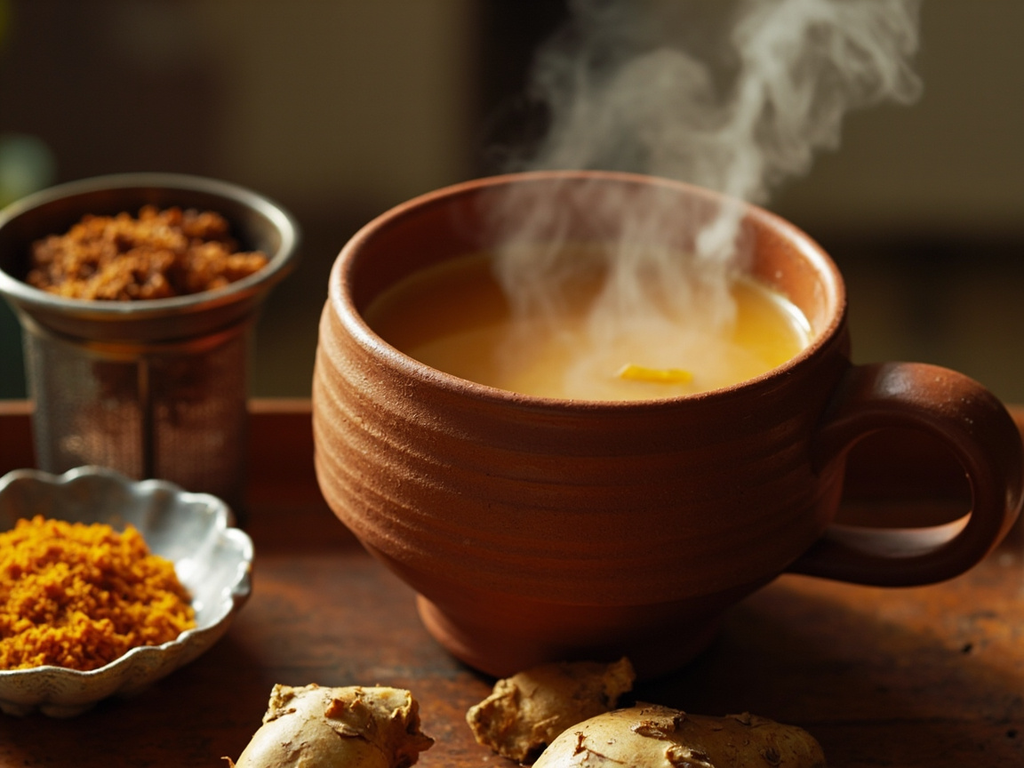
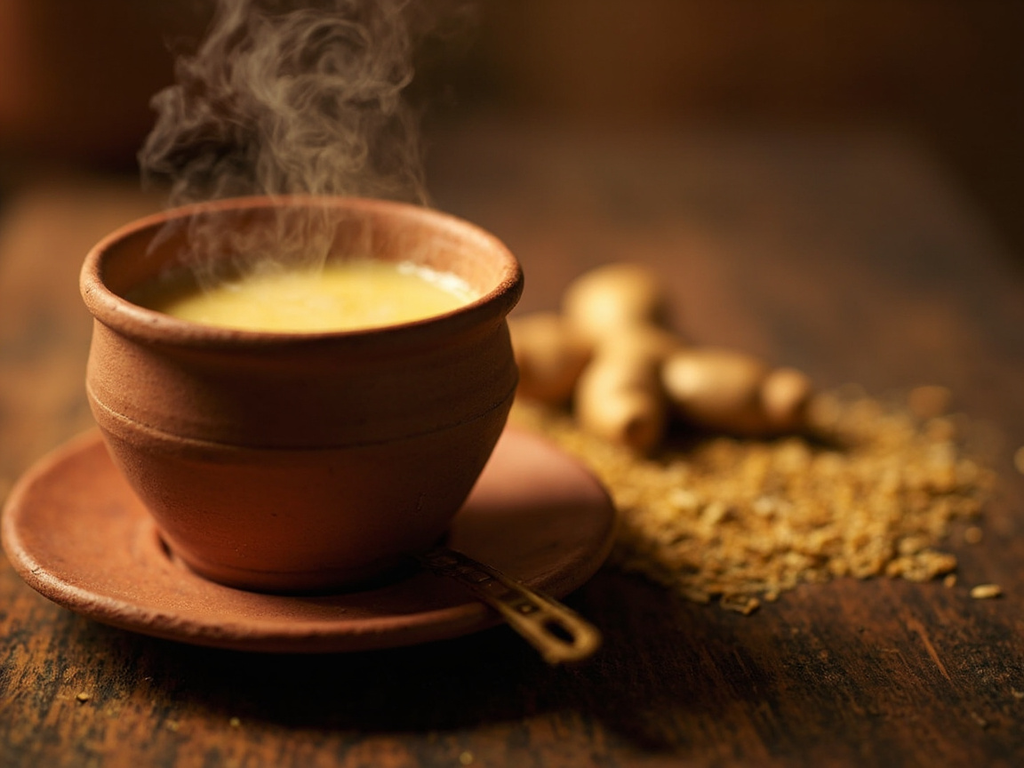
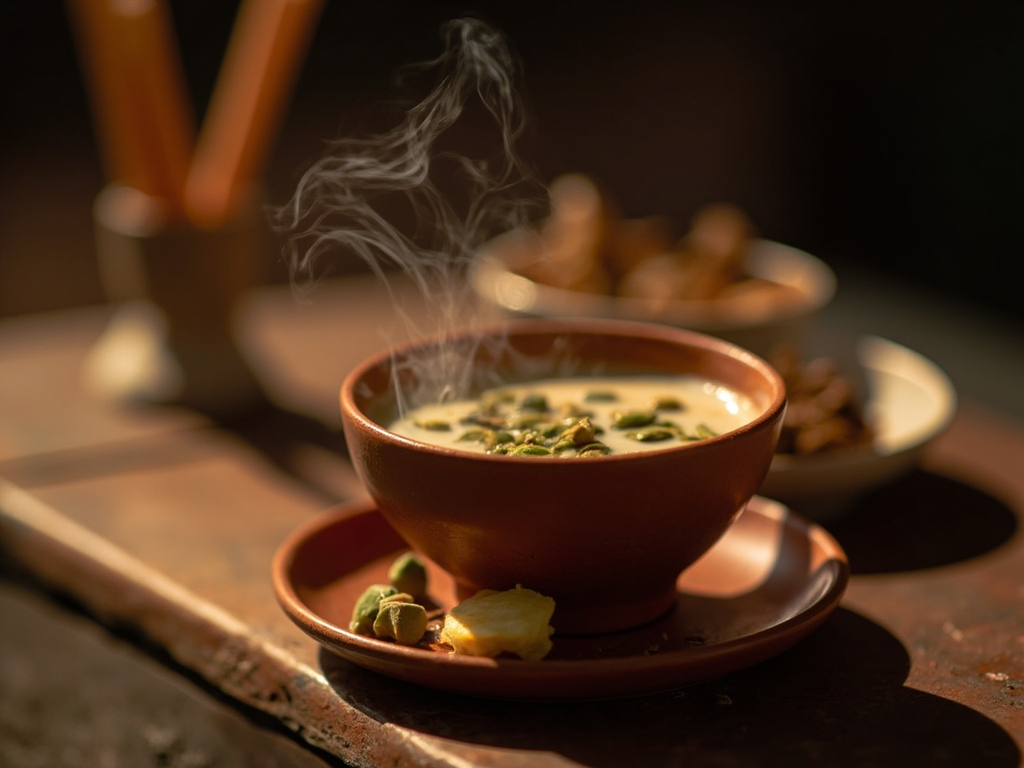
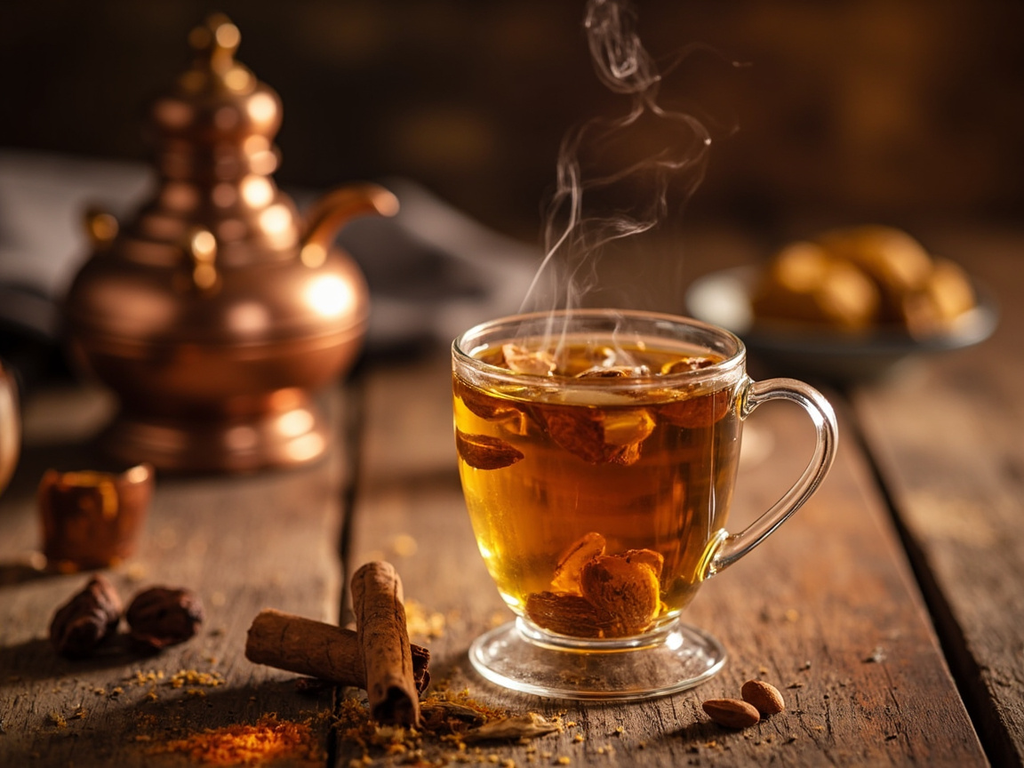
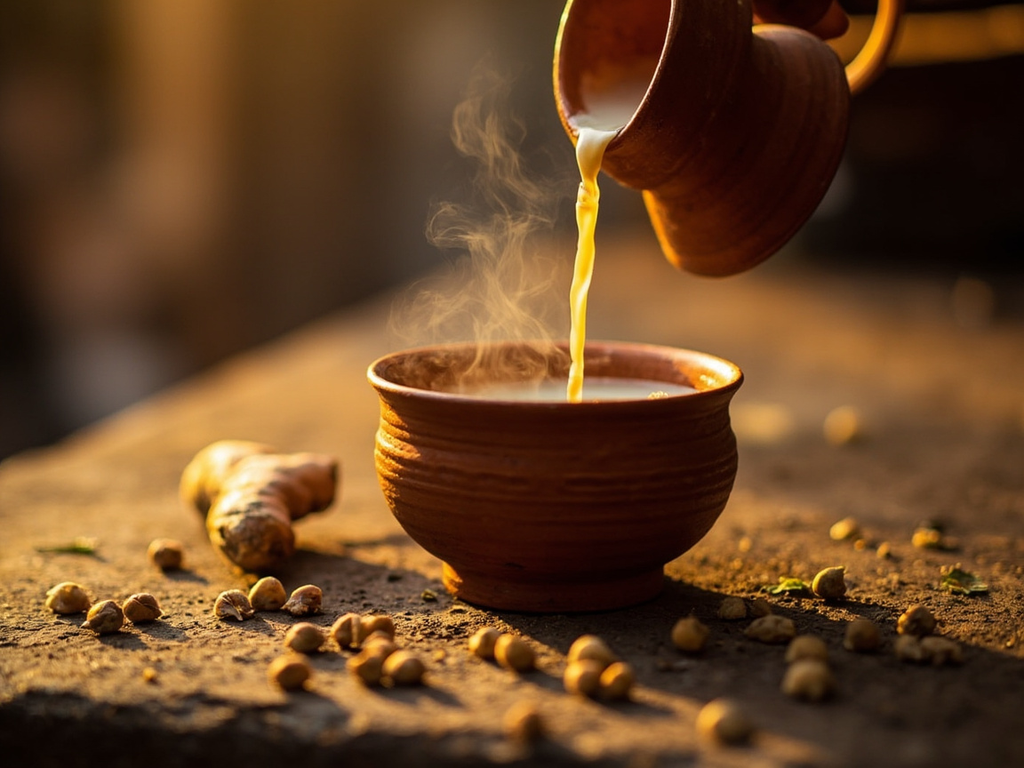
A robust black tea infused then boiled with milk, sugar, and, according to mood, a hint of ginger and cardamom. Comforting, sweet, fragrant: the break that punctuated observation days.
Work on photographic plates demands long still hours, eye glued to the microscope, counting the faint traces left by cosmic rays. Then, mid-morning, we allow ourselves a cup of cha, piping hot, boiled with milk and just enough sugar, sometimes a crack of cardamom. Believe me, nothing brings back focus better than a burning sip. It is between two cups, I think, that the most patient discoveries are made.
- •Black tea (Assam or Darjeeling) — a few spoonfuls (base)
- •Milk — equal parts with water (body)
- •Sugar — to taste (sweetness)
- •Fresh ginger, cardamom — a touch (optional flavor)
Cha — the Bengali laboratory tea
A robust black tea infused then boiled with milk, sugar, and, according to mood, a hint of ginger and cardamom. Comforting, sweet, fragrant: the break that punctuated observation days.
Why this dish? Bibha Chowdhuri's file notes that tea was part of daily life. Bengal is a neighbor of Darjeeling and Assam, birthplaces of Indian tea; in the laboratories of Calcutta, TIFR Bombay, or Manchester, the cup of cha punctuated the long hours bent over the measuring microscope and photographic plates.
Work on photographic plates demands long still hours, eye glued to the microscope, counting the faint traces left by cosmic rays. Then, mid-morning, we allow ourselves a cup of cha, piping hot, boiled with milk and just enough sugar, sometimes a crack of cardamom. Believe me, nothing brings back focus better than a burning sip. It is between two cups, I think, that the most patient discoveries are made.
Ingredients (period version)
- Black tea (Assam or Darjeeling) — a few spoonfuls (base)
- Milk — equal parts with water (body)
- Sugar — to taste (sweetness)
- Fresh ginger, cardamom — a touch (optional flavor)
Ingredients
- Assam black tea, loose — 2 tsp (base)
- Water — 250 ml (infusion)
- Whole milk — 150 ml (body)
- Sugar — 2 tsp (adjust) (sweetness)
- Fresh grated ginger — 1/2 tsp (flavor)
- Green cardamom — 2 pods, crushed (flavor)
Method
- Bring water to a boil with crushed ginger and cardamom.
- Add tea and let infuse-boil for 2 min until a deep amber color.
- Pour in milk and sugar, bring back to a simmer, watching to prevent boiling over.
- Let bubble for 1-2 min so flavors meld.
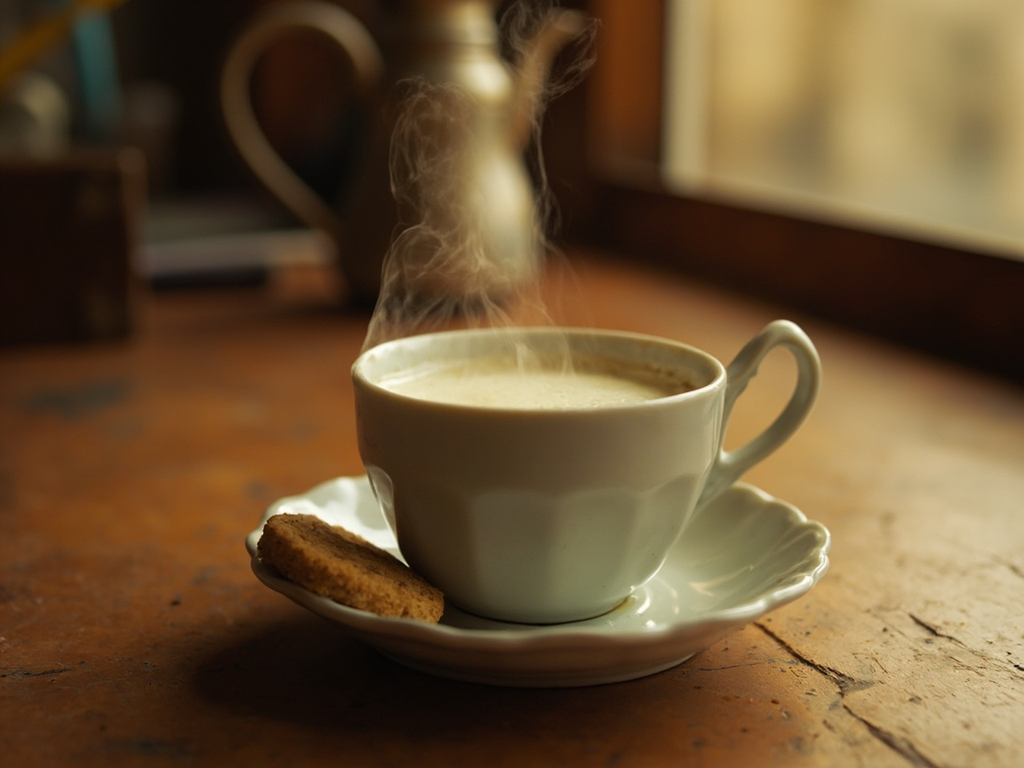
- Strain into a cup and serve scalding hot, with a plain biscuit.
How it was made : Sweetened milk tea became established in India under the Raj, as the Assam and Darjeeling tea industries sought domestic markets. In Bengali homes and laboratories, it was boiled directly with milk, unlike tea brewed 'English style'.
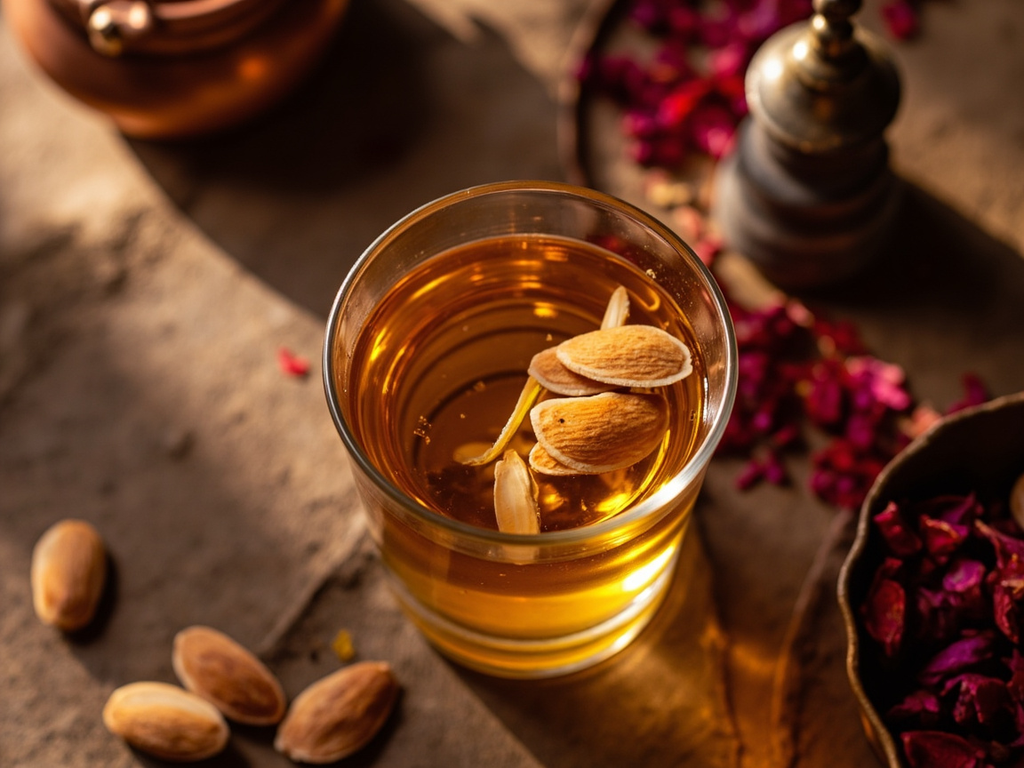
The contemporary twist : Present it in a small glass like 'cutting chai' from Indian streets, with a dusting of ground cardamom on top.
Sources : History of Indian tea under the British Raj · Bengali domestic uses of cha
Bibha Chowdhuri · Charactorium