 flip
flipPuls, the spelt porridge
Puls, the spelt porridge
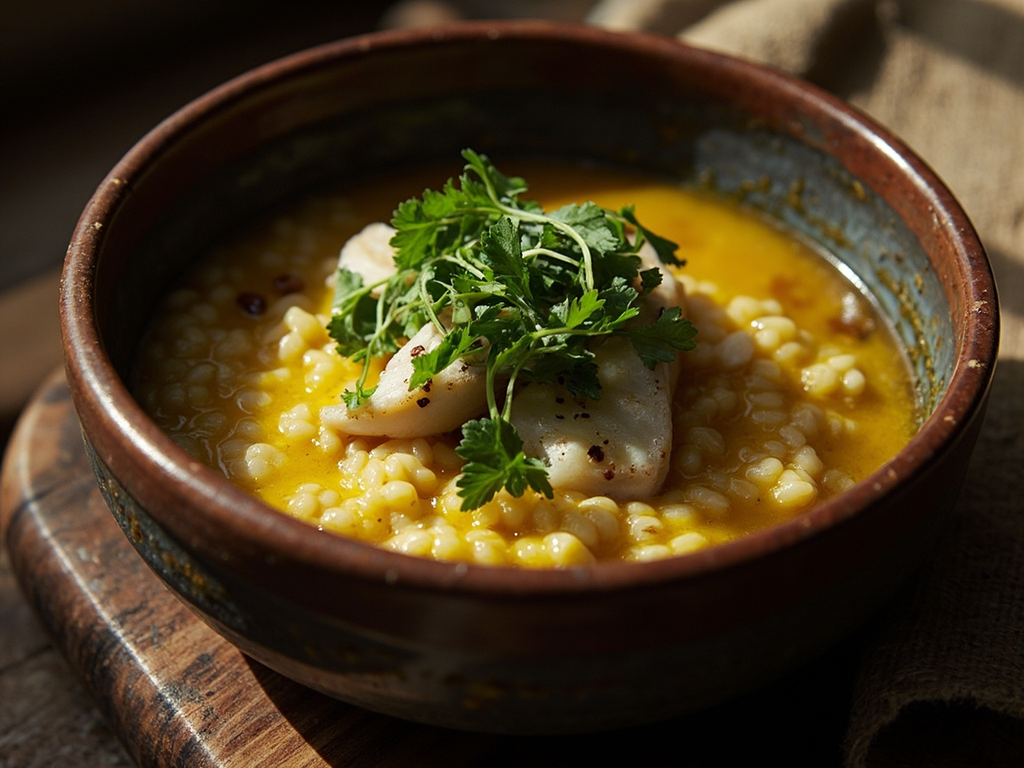
Why this dish? Before becoming a people of bread-eaters, the Romans were *pultiphagi*, porridge-eaters. Brutus, raised in the cult of austerity by his uncle Cato, saw in this simple dish the virtue of the ancients: no luxury, no excess, the sober food of the citizen who serves the Republic.
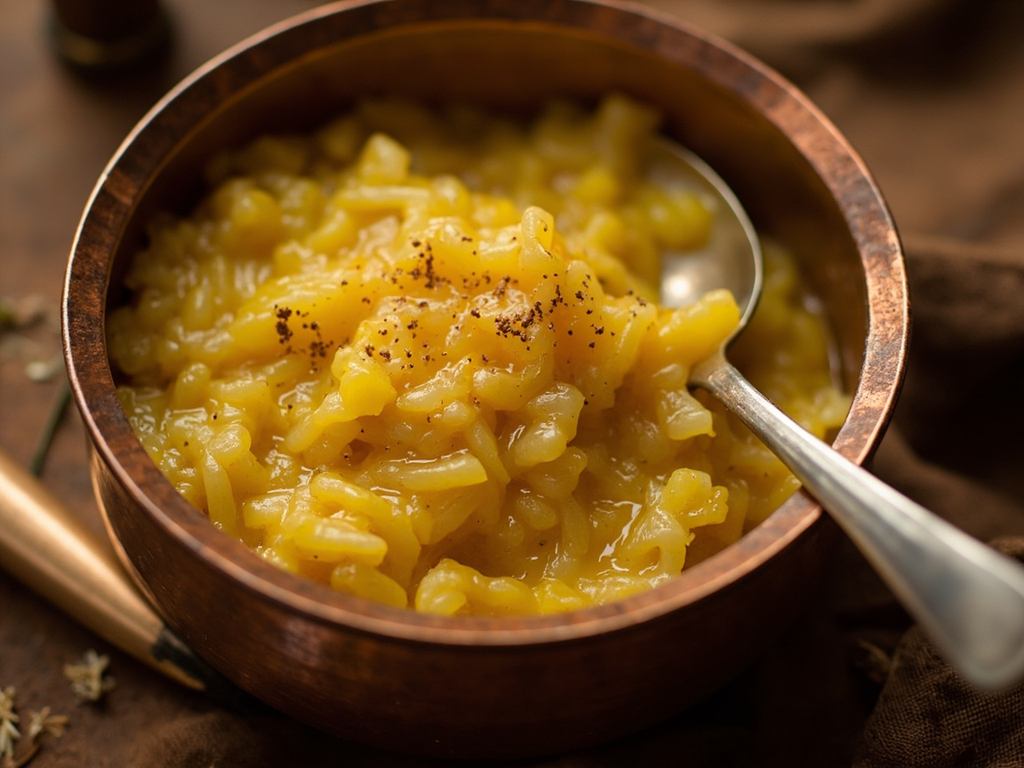
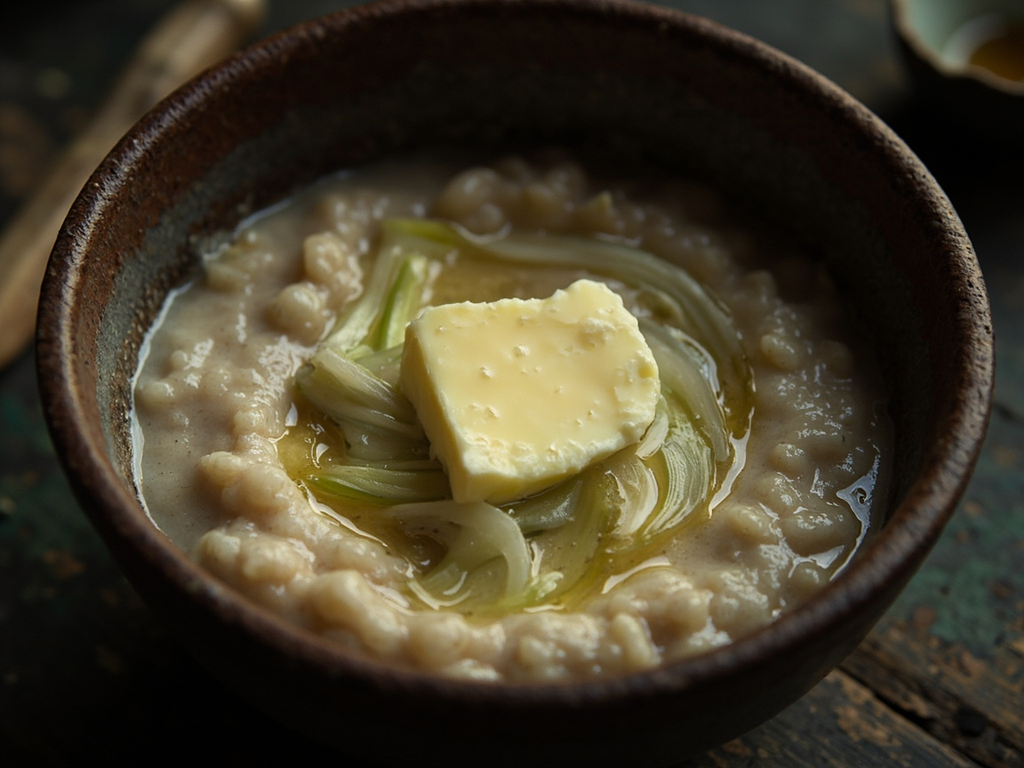
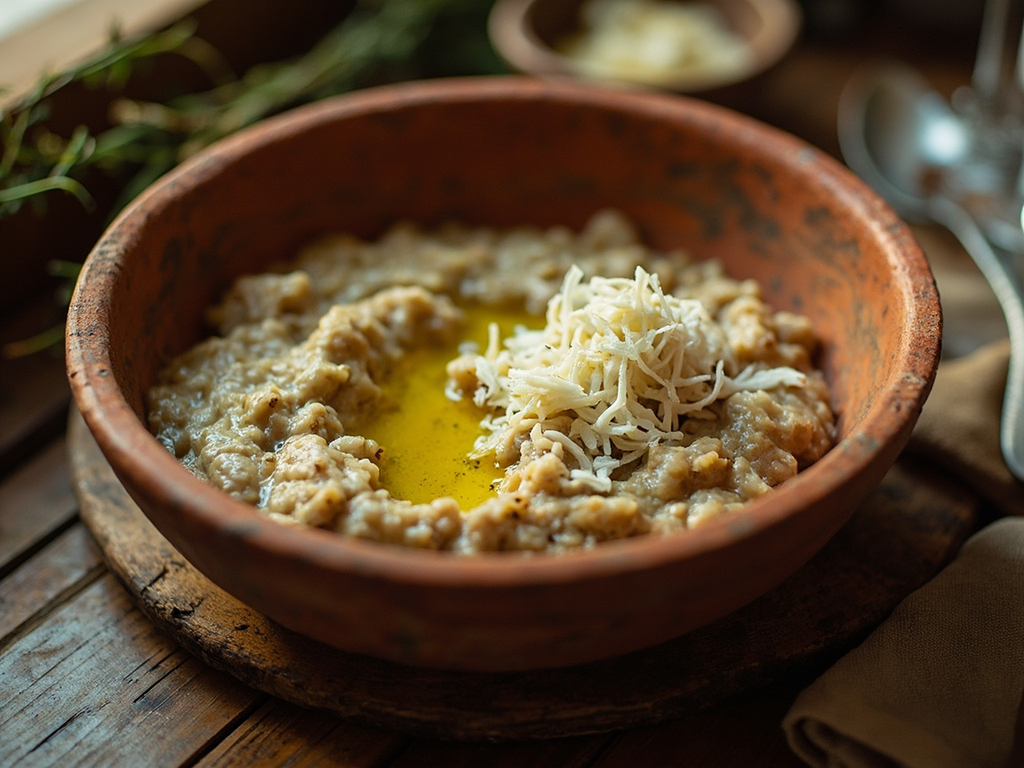
A thick porridge of spelt (the *far* of the Romans) cooked slowly in salted water, brightened with a dash of garum, a drizzle of olive oil, and grated cheese. The very foundation of Roman diet, from peasant to senator.
Believe me, you who read me: our fathers knew neither elaborate sauces nor feasts that soften the soul. They broke the day with this porridge of far, as I still do. You stir it constantly over the flame until the spoon stands upright, then you pour in a little garum and the oil from our olive trees. A man who is content with this will never be a slave to his belly — and a man free in his belly is free in his city too.
- •Far (crushed spelt) — two handfuls per guest (base grain)
- •Spring water — as needed (cooking liquid)
- •Salt — a pinch (seasoning)
- •Garum — a drizzle (salty umami)
- •Olive oil — a dash (fat binder)
- •Dry ewe's milk cheese — a little, grated (topping)
Puls, the spelt porridge
A thick porridge of spelt (the *far* of the Romans) cooked slowly in salted water, brightened with a dash of garum, a drizzle of olive oil, and grated cheese. The very foundation of Roman diet, from peasant to senator.
Why this dish? Before becoming a people of bread-eaters, the Romans were *pultiphagi*, porridge-eaters. Brutus, raised in the cult of austerity by his uncle Cato, saw in this simple dish the virtue of the ancients: no luxury, no excess, the sober food of the citizen who serves the Republic.
Believe me, you who read me: our fathers knew neither elaborate sauces nor feasts that soften the soul. They broke the day with this porridge of far, as I still do. You stir it constantly over the flame until the spoon stands upright, then you pour in a little garum and the oil from our olive trees. A man who is content with this will never be a slave to his belly — and a man free in his belly is free in his city too.
Ingredients (period version)
- Far (crushed spelt) — two handfuls per guest (base grain)
- Spring water — as needed (cooking liquid)
- Salt — a pinch (seasoning)
- Garum — a drizzle (salty umami)
- Olive oil — a dash (fat binder)
- Dry ewe's milk cheese — a little, grated (topping)
Ingredients
- Hulled spelt (or spelt semolina) — 150 g (base grain)
- Water — 750 ml (cooking liquid)
- Salt — 1 teaspoon (seasoning)
- Colatura di alici or fish sauce (modern garum) — 1 to 2 teaspoons (salty umami)
- Extra virgin olive oil — 2 tablespoons (fat binder)
- Grated pecorino — 40 g (topping)
Method
- Rinse the spelt, add to cold salted water, and bring to a simmer.
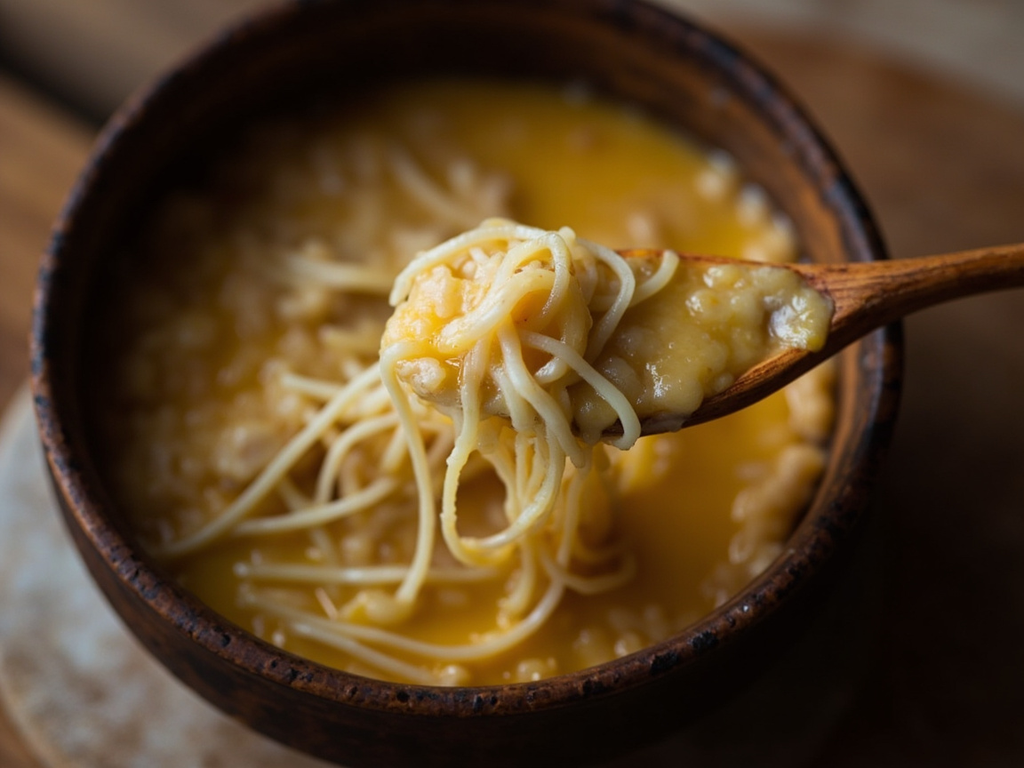
- Cook over low heat for 35 to 40 minutes, stirring often, until thick and creamy (add a little hot water if needed).
- Off the heat, stir in the colatura (garum) and olive oil; taste and adjust salt.
- Serve hot in a bowl, sprinkled with grated pecorino.
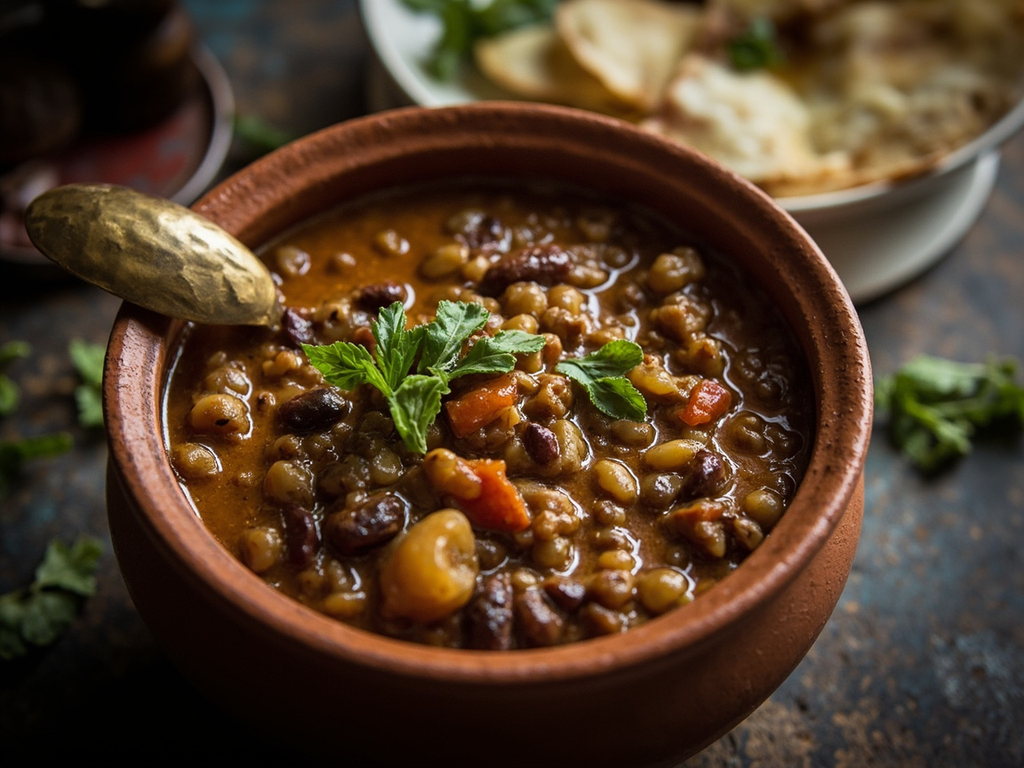
How it was made : Pliny the Elder recalls that the Romans lived for a long time on *puls* rather than bread. It was adapted according to one's means: plain for the poor, enriched with eggs, cheese, meat, or legumes (*puls fabata* with beans) on wealthier tables. It was cooked in an earthenware pot over the hearth, stirred constantly with a wooden spatula.
The contemporary twist : Served in a small hot bowl like a spelt risotto, topped with a soft-boiled egg: the Roman *gustatio* reinvented for brunch.
Sources : Cato the Elder, De Agri Cultura · Pliny the Elder, Natural History, XVIII
Brutus · Charactorium