The Roman dinner and its courses (gustatio, mensae, libations)
The main meal of a wealthy Roman is structured in three stages: the *gustatio* (appetizers of eggs, olives, and salted fish), the *cena* proper served in several *mensae* (courses of meat, fish, legumes), and then the *mensa secunda*, a sweet course featuring fruits, cakes, and honeyed wine. Throughout, the drink — wine diluted with water, *mulsum*, or the soldier's rough *posca* — accompanies the meal. The hearth opens the day with a humble porridge, and honors the household gods with a cake placed on the altar.
Signature : Garum
A fermented fish sauce, salty and deeply umami, garum is the hidden soul of Roman cuisine: a few drops are slipped into almost everything, from the humblest dish to banquet fare, much as we today use salt and soy sauce combined.
Brutus at the table
1983 — ?
5 period recipes
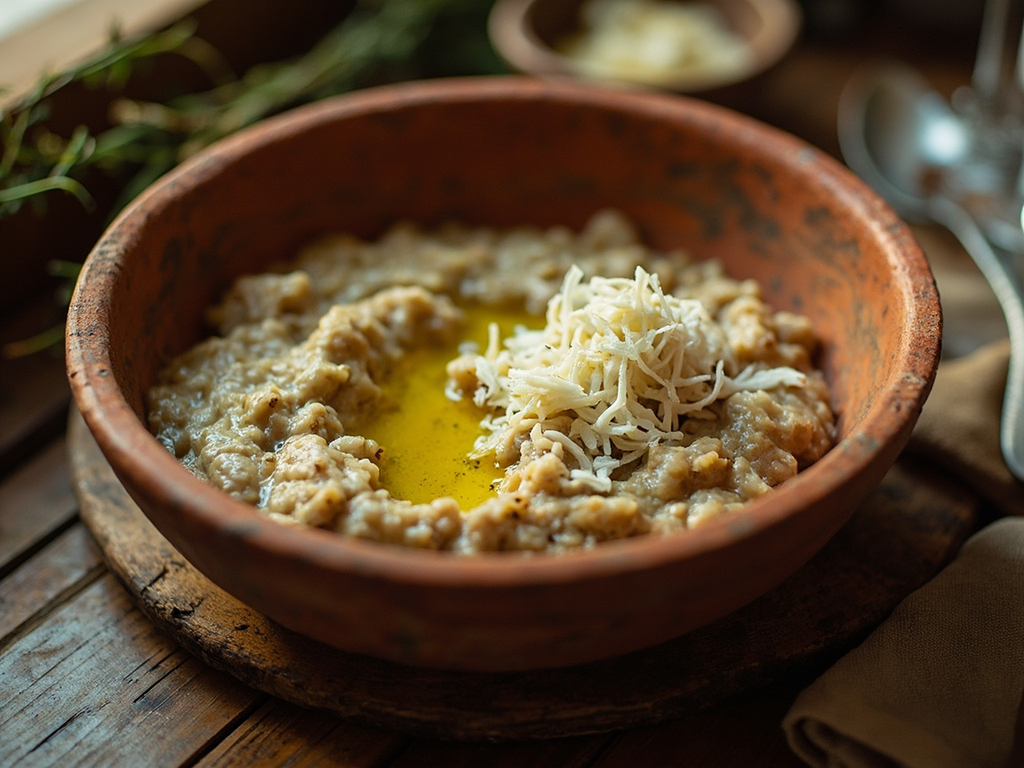 Everyday
Puls, the spelt porridge
Cibus cotidianus — the everyday dish, before bread itself
🧂 🍄· 45 min
View the recipe
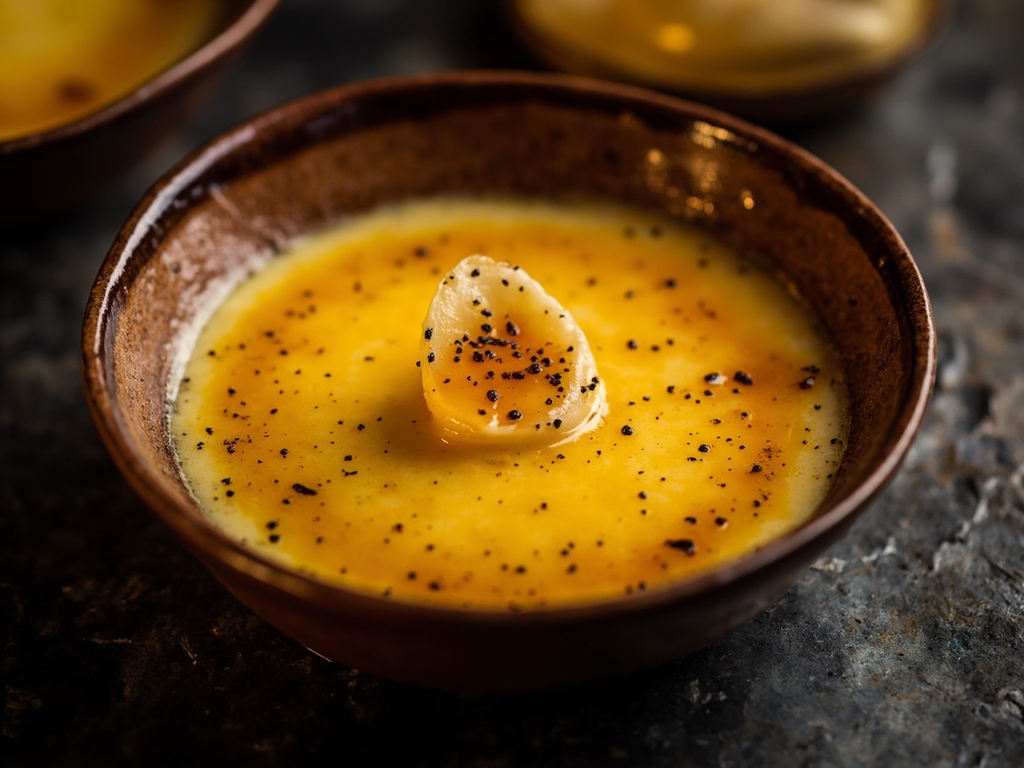 Festive
Patina of pears with honey and pepper
Mensa secunda — the sweet course that closes the banquet
🍯 🌶️· 1 h
View the recipe
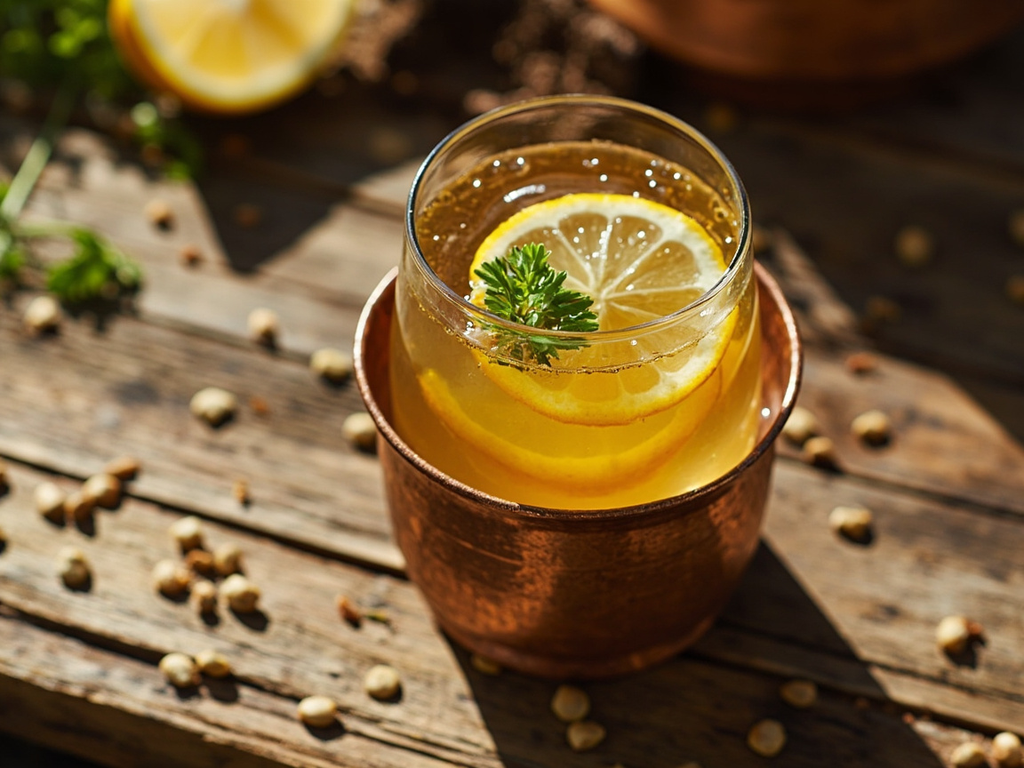 Drink
DrinkPosca, the legions' drink
Potio militaris — the soldier's drink on campaign
🍋· 15 min
View the recipe
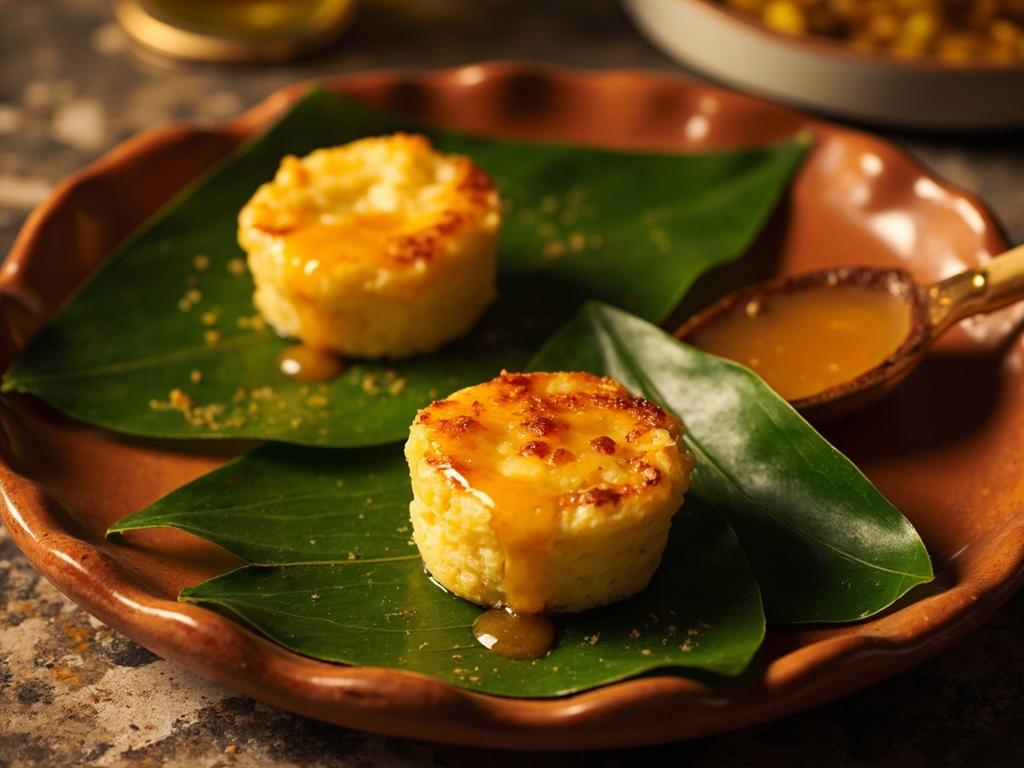 Offering
Libum, the hearth cake offered to the gods
Sacrum / mensa secunda — domestic offering cake, then shared
🍯 🧂· 50 min
View the recipe
 Travel
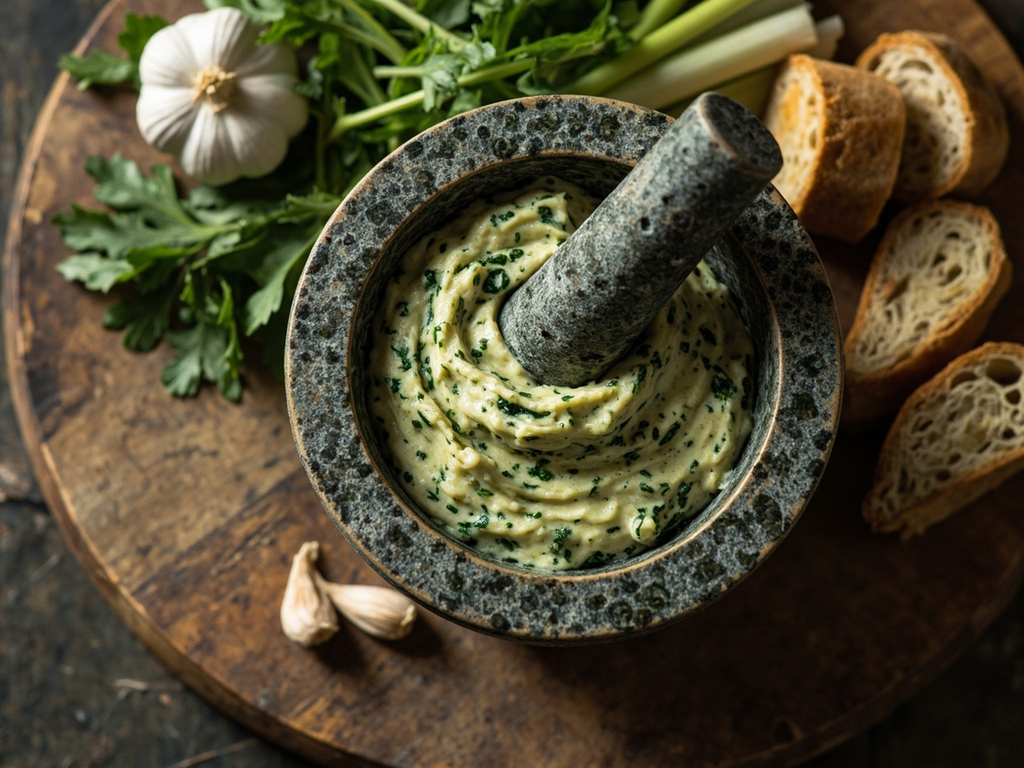
Moretum, the herb and cheese paste
Cibarium — rustic fare to take along with bread
🧂 ☕· 20 min
View the recipe