The "dinner" and its courses in the Georgian English style
At the beginning of the 18th century, a man of my rank takes his main meal — dinner — around the middle of the afternoon. Dishes are not served one after another as in the French style today, but by courses: a first course where soups, boiled meats and pies cover the table all together, then we "remove" them to set down roasts and entremets, and finally the sweet dessert, fruits and whipped creams. As a court physician, I add to this the broths and caudles prescribed for the sick, separately, according to the regimen.
Signature : Scottish oats and the preparatory "cooling" regimen
Born and trained in Scotland, I kept oats as a staple, whether made into brose in the morning or caudle at the bedside. But my true signature as a surgeon inoculator is the preparatory regimen: before variolation, I imposed on my patients a light and "cooling" diet — little red meat, broths, barley, creams — to, as was then believed, temper the blood and soften the inoculated smallpox.
Charles Maitland at the table
1620 — 1691
4 period recipes
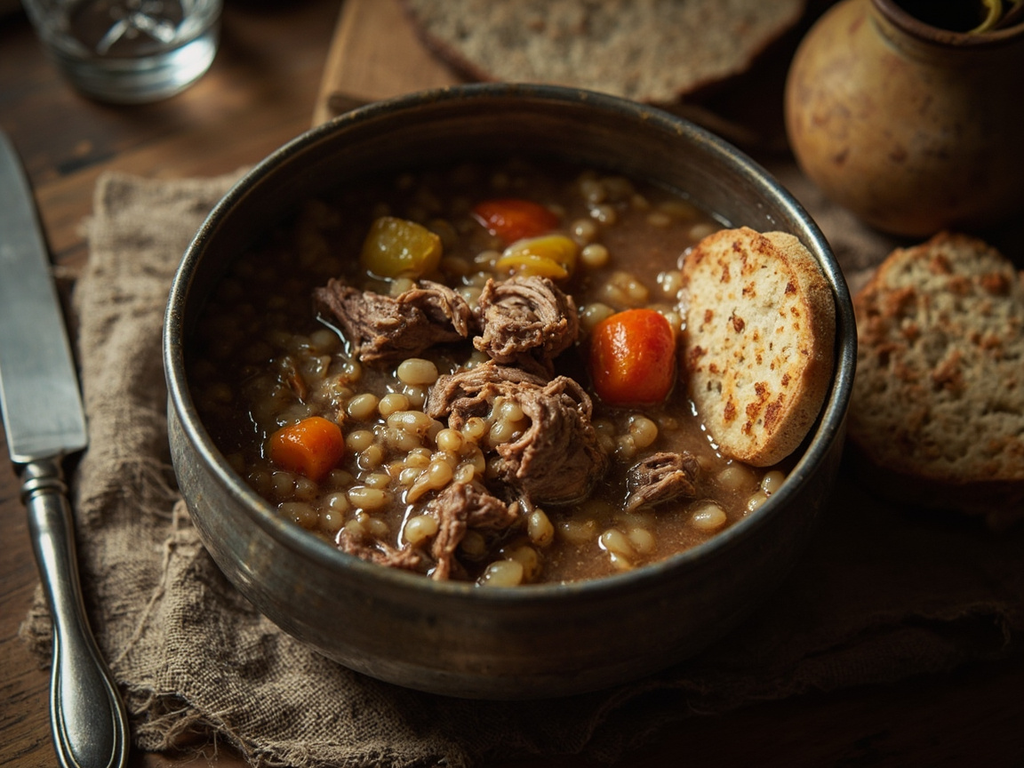 Everyday
Scotch broth — barley and mutton soup
First course: the substantial soup of the ordinary dinner
🧂 🍄· 2 h 30
View the recipe
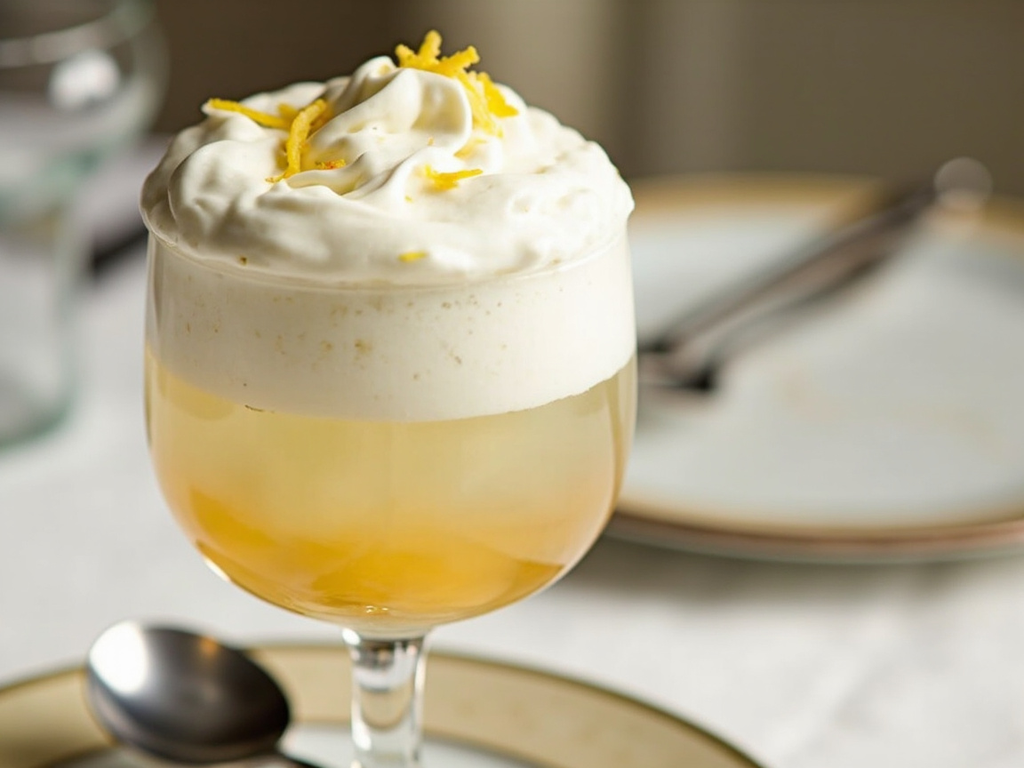 Festive
Whipt syllabub with Rhine wine
Dessert: creams and sweets of the last course
🍯 🍋· 20 min + 2 h rest
View the recipe
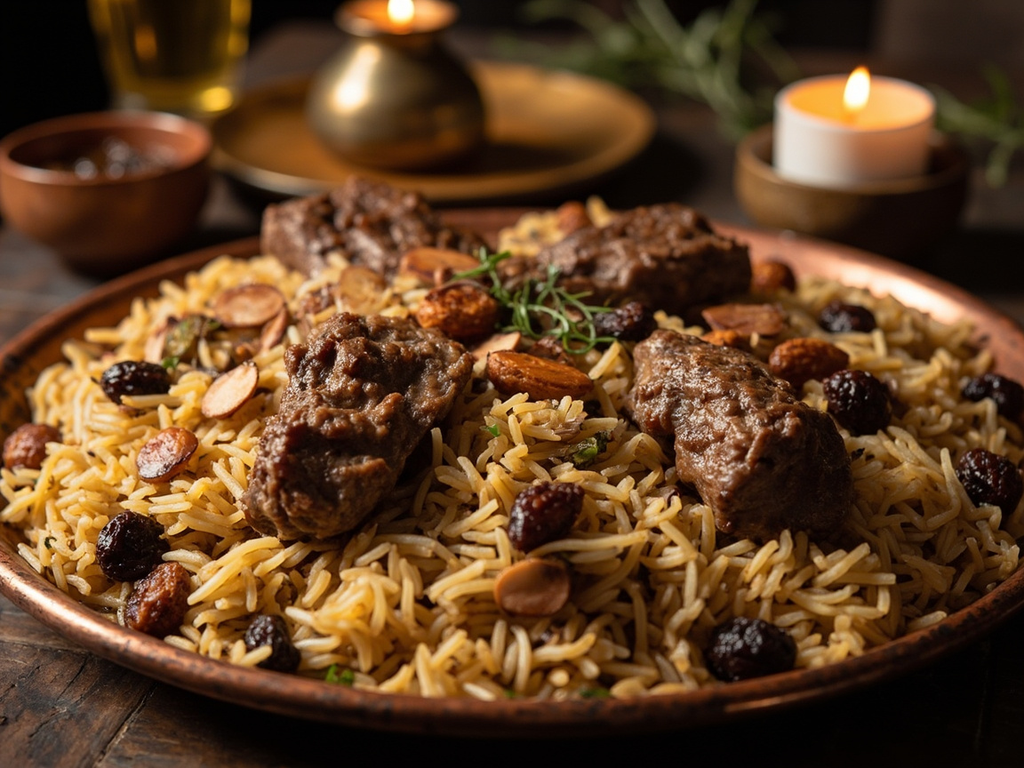 Travel
Lamb pilaf with raisins of Constantinople
Ottoman rice dish, a course in its own right on the ambassador's table
🧂 🌶️· 1 h
View the recipe
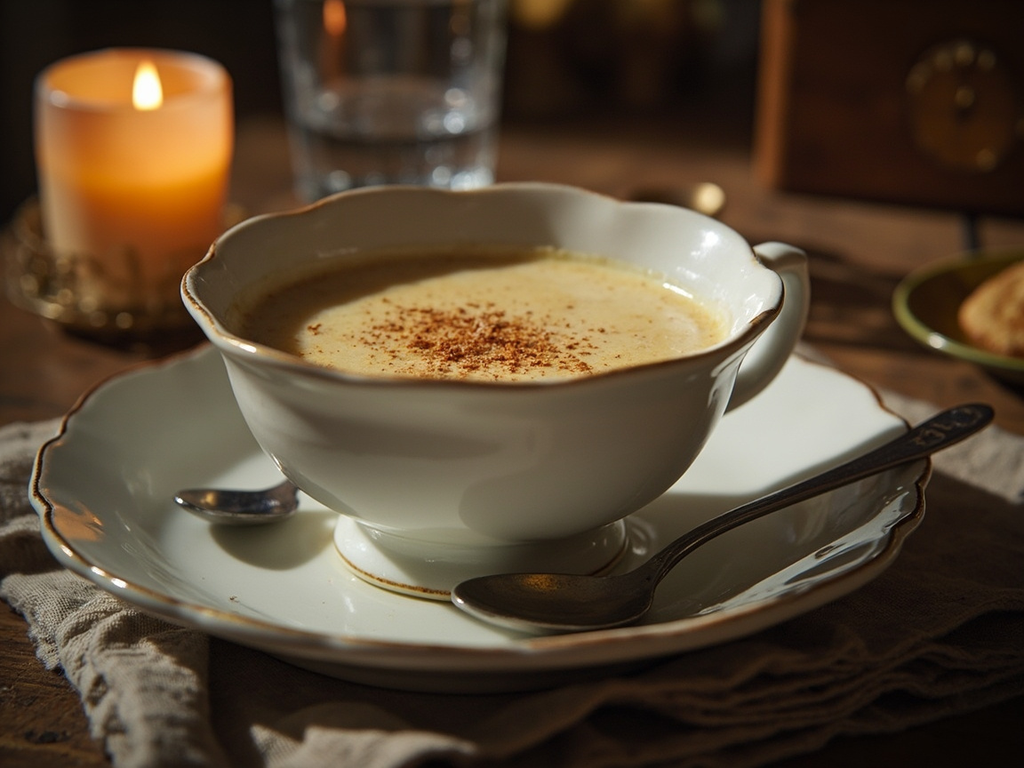 Remedy
Oat caudle with spiced wine for the sick
Bedside remedy: food-drink of the medical regimen
🍯 🌶️· 25 min
View the recipe