 flip
flipLamb pilaf with raisins of Constantinople
Lamb pilaf with raisins of Constantinople
Why this dish? Before London, I was a surgeon at the British embassy in Constantinople. It was there that I learned from Turkish physicians the inoculation of smallpox — and that I first tasted this rice pilaf which accompanies every Ottoman meal.
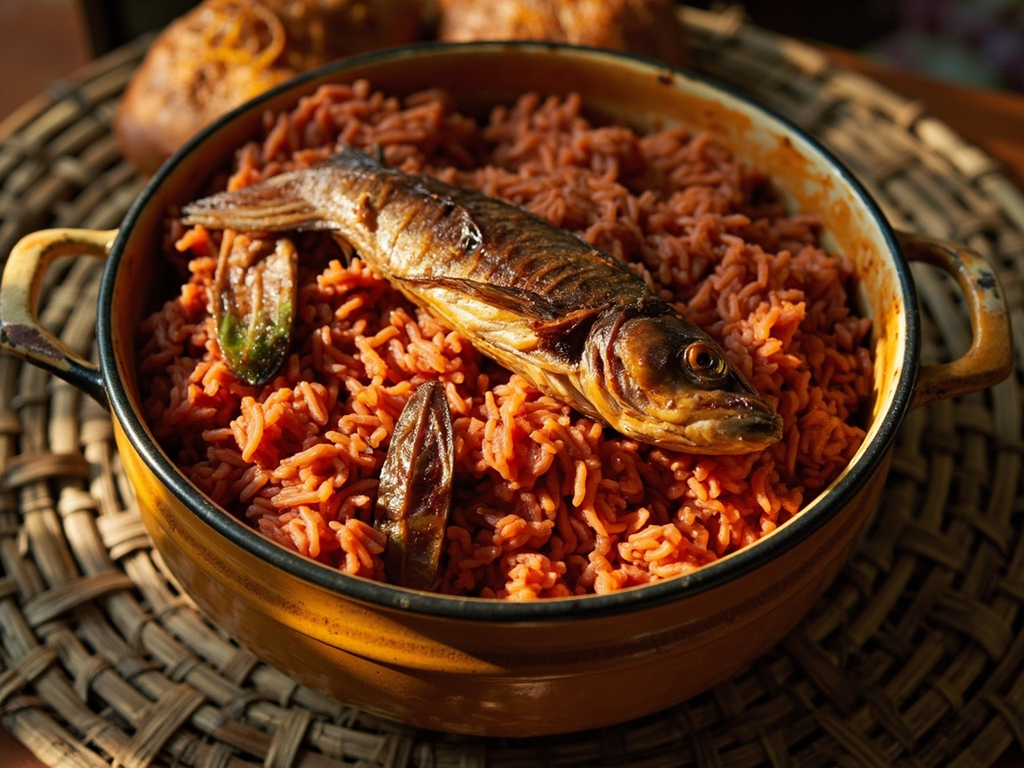
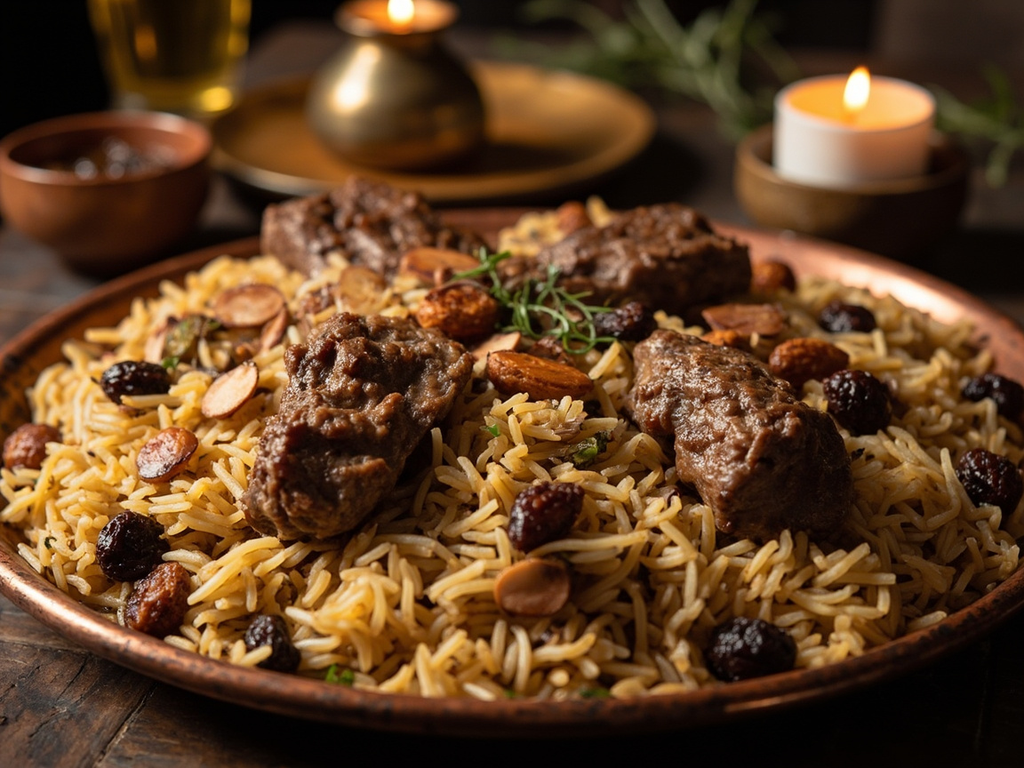
A golden rice pilaf cooked in clarified butter, perfumed with cinnamon, scattered with raisins and almonds, topped with pieces of lamb. The travel and embassy dish I brought back from the Orient.
Let me tell you what I saw in Turkish lands, in Constantinople, where I learned my art of inoculation. At every table they served this rice they call pilav, glistening with melted butter and heightened with cinnamon, mingled with Corinth raisins and confit lamb. It is made to swell by steaming, never stirred, then wrapped in a cloth so it dries grain by grain. Never did Scottish rice seem so fragrant to me, and I keep its taste as a memory of my years in the Orient.
- •Rice — two measures (base)
- •Clarified butter — a good spoonful (flavoured fat)
- •Lamb shoulder — a piece (meat)
- •Corinth raisins — a handful (sweetness)
- •Blanched almonds — a handful (crunch)
- •Cinnamon, salt — to taste (spice)
Lamb pilaf with raisins of Constantinople
A golden rice pilaf cooked in clarified butter, perfumed with cinnamon, scattered with raisins and almonds, topped with pieces of lamb. The travel and embassy dish I brought back from the Orient.
Why this dish? Before London, I was a surgeon at the British embassy in Constantinople. It was there that I learned from Turkish physicians the inoculation of smallpox — and that I first tasted this rice pilaf which accompanies every Ottoman meal.
Let me tell you what I saw in Turkish lands, in Constantinople, where I learned my art of inoculation. At every table they served this rice they call pilav, glistening with melted butter and heightened with cinnamon, mingled with Corinth raisins and confit lamb. It is made to swell by steaming, never stirred, then wrapped in a cloth so it dries grain by grain. Never did Scottish rice seem so fragrant to me, and I keep its taste as a memory of my years in the Orient.
Ingredients (period version)
- Rice — two measures (base)
- Clarified butter — a good spoonful (flavoured fat)
- Lamb shoulder — a piece (meat)
- Corinth raisins — a handful (sweetness)
- Blanched almonds — a handful (crunch)
- Cinnamon, salt — to taste (spice)
Ingredients
- Long-grain rice (basmati) — 300 g (base)
- Clarified butter (ghee) — 3 tbsp (flavoured fat)
- Diced lamb shoulder — 400 g (meat)
- Raisins — 60 g (sweetness)
- Slivered almonds — 50 g (crunch)
- Cinnamon stick — 1 (spice)
- Broth or hot water, salt — 600 ml + to taste (cooking liquid)
Method
- Rinse the rice in clear water until it runs clear, then drain.
- Sear the lamb dice in clarified butter with the cinnamon until browned; set aside.
- Toast the almonds until golden then plump the raisins briefly in the butter.
- Sauté the rice in the same fat, pour in hot salted broth, add the lamb, cover and cook over very low heat for 12 minutes without stirring.
- Off the heat, place a cloth under the lid and let rest 10 minutes; fluff with a fork and garnish with almonds and raisins.
How it was made : Pilav (pilaf) was the central rice dish of Ottoman cuisine, served at every table, from the common people to the palace. It was cooked by steaming in tinned copper pots, then a cloth was slipped under the lid to absorb steam and achieve separate grains.
The contemporary twist : Mounded in a dome unmoulded from a bowl, crowned with toasted almonds and a dusting of cinnamon, in the manner of grand festive platters.
Charles Maitland · Charactorium