 flip
flipOva spongia ex lacte — milk and honey eggs from the gustatio
Ova spongia ex lacte — milk and honey eggs from the gustatio
Why this dish? On the Palatine, in the home of a cultured aristocrat like Clodia, the gustatio opened every cena. This sweet honey omelette, both simple and refined, was the kind of dish served casually at the start of a meal among friends and wits.
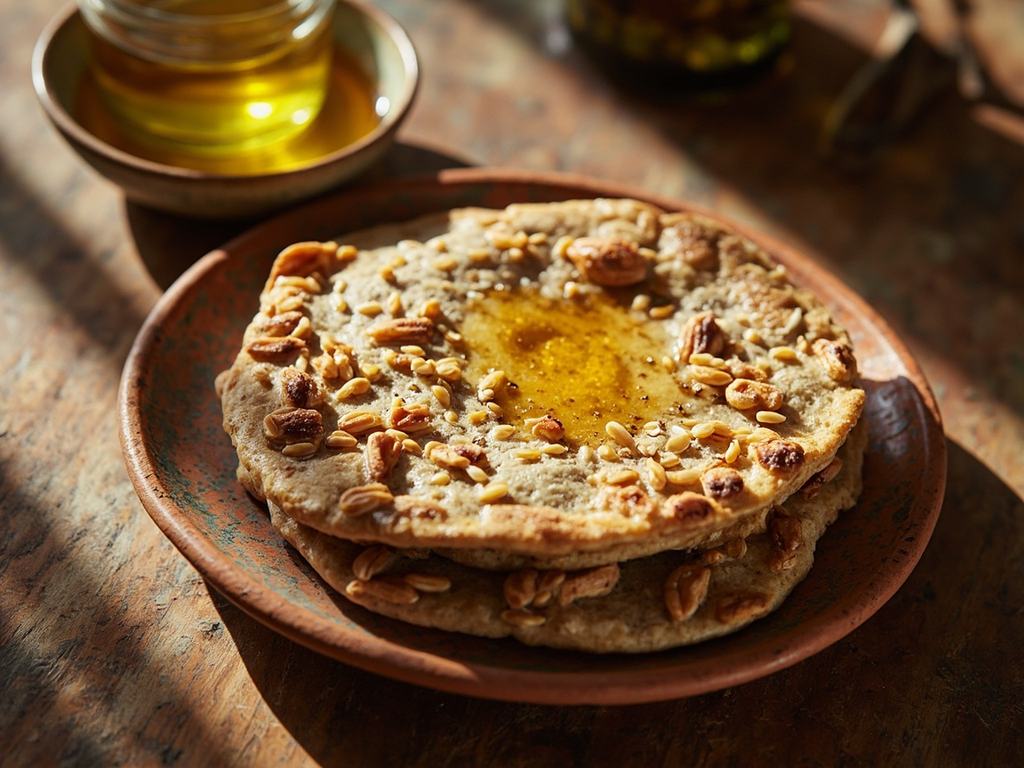
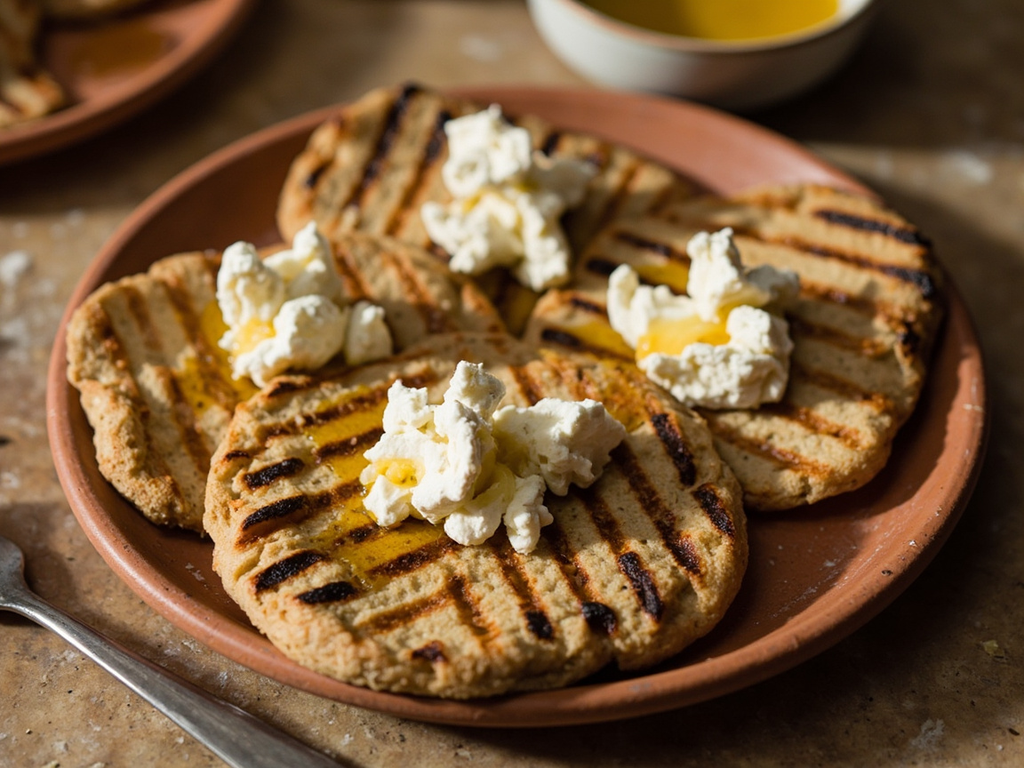
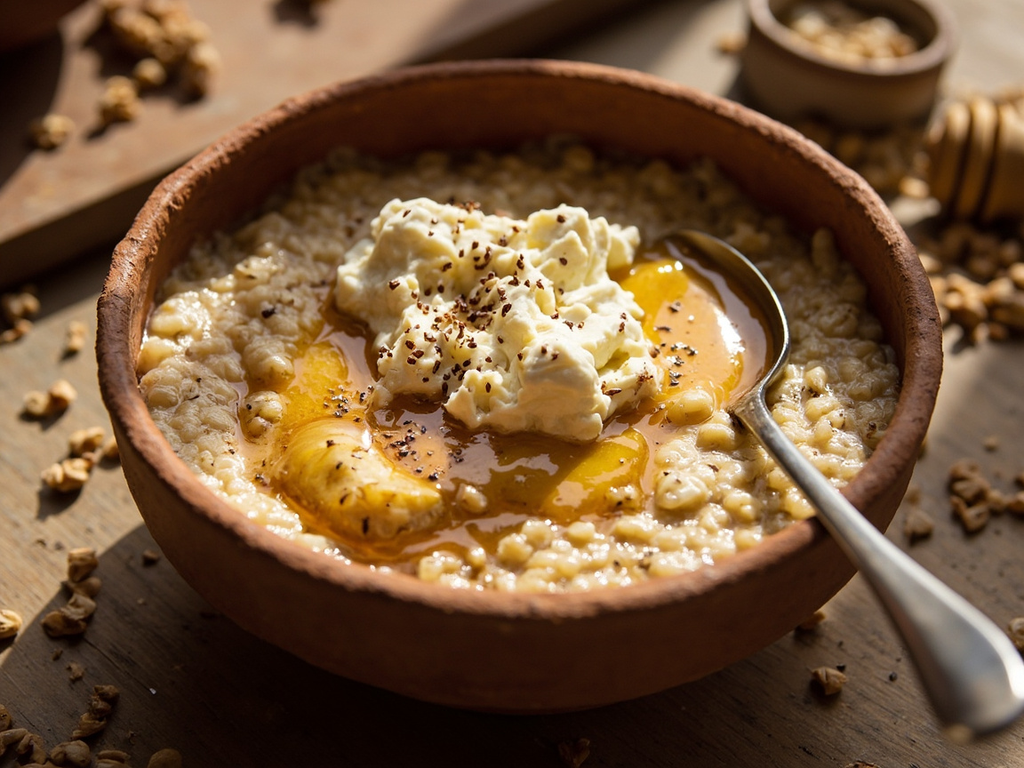
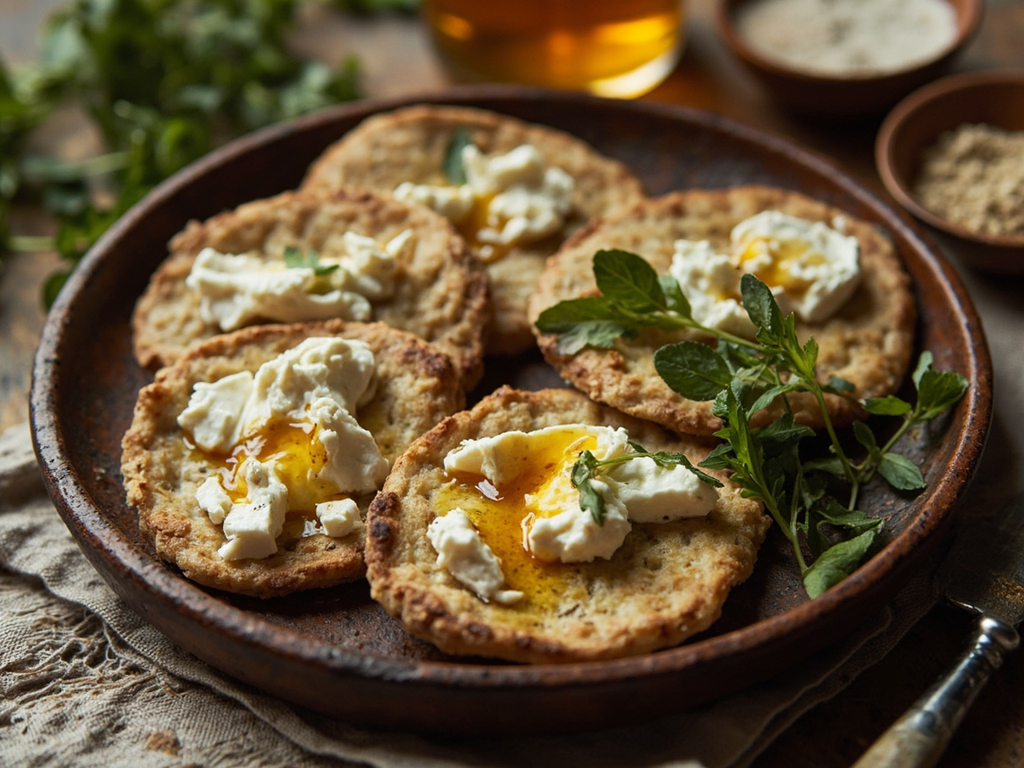
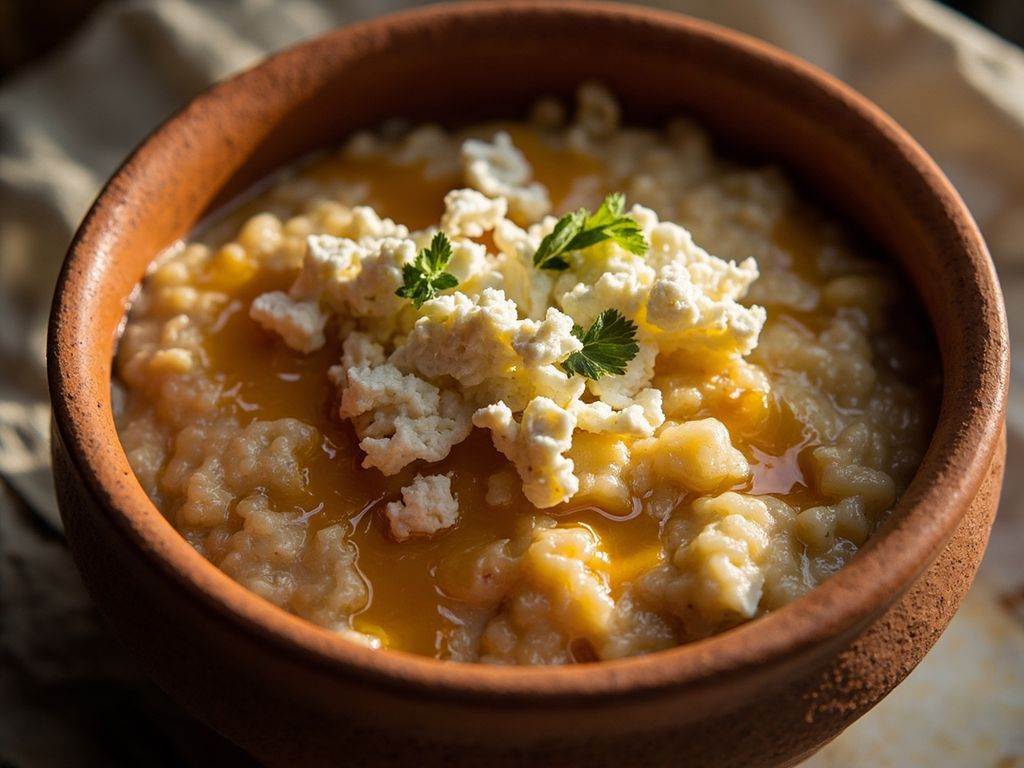
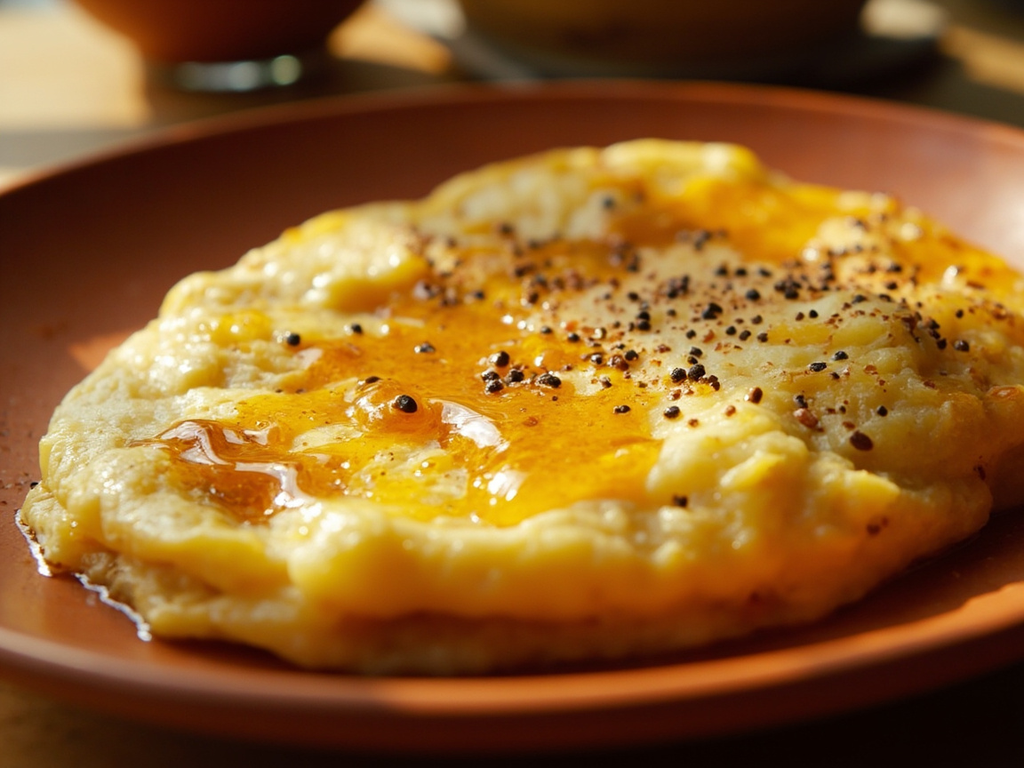
A fluffy omelette beaten with milk, browned in oil, and drizzled with peppered honey: the salty-sweet contrast that announced, from the very first bite, the Roman taste for sweet-and-sour.
Come in, and don't stand on ceremony: at my house on the Palatine, we open the table without fuss. I have the eggs beaten with a little milk, poured into hot oil until they set like a golden cushion, then flipped onto a dish and drenched with honey, a twist of pepper, and there you have it. My brother Clodius used to mock it — he preferred wine to sweets — but I tell you, a guest well treated from the first bite listens better to the verses you recite afterward.
- •Fresh eggs — four (base)
- •Milk — a good splash (binder)
- •Olive oil — enough for the pan (cooking)
- •Honey — generously, to coat (sweetness)
- •Pepper — a pinch (seasoning)
Ova spongia ex lacte — milk and honey eggs from the gustatio
A fluffy omelette beaten with milk, browned in oil, and drizzled with peppered honey: the salty-sweet contrast that announced, from the very first bite, the Roman taste for sweet-and-sour.
Why this dish? On the Palatine, in the home of a cultured aristocrat like Clodia, the gustatio opened every cena. This sweet honey omelette, both simple and refined, was the kind of dish served casually at the start of a meal among friends and wits.
Come in, and don't stand on ceremony: at my house on the Palatine, we open the table without fuss. I have the eggs beaten with a little milk, poured into hot oil until they set like a golden cushion, then flipped onto a dish and drenched with honey, a twist of pepper, and there you have it. My brother Clodius used to mock it — he preferred wine to sweets — but I tell you, a guest well treated from the first bite listens better to the verses you recite afterward.
Ingredients (period version)
- Fresh eggs — four (base)
- Milk — a good splash (binder)
- Olive oil — enough for the pan (cooking)
- Honey — generously, to coat (sweetness)
- Pepper — a pinch (seasoning)
Ingredients
- Eggs — 4 (base)
- Whole milk — 100 ml (binder)
- Olive oil — 2 tbsp (cooking)
- Liquid honey — 3 tbsp (sweetness)
- Ground black pepper — 1 pinch (seasoning)
Method
- Beat the eggs with the milk until smooth and slightly frothy.
- Heat the olive oil in a frying pan over medium heat.
- Pour in the eggs and let them set gently without stirring to obtain a thick, fluffy omelette.
- Flip carefully to brown the other side, then slide onto a plate.
- Drizzle generously with warm honey and grind some pepper over the top. Serve immediately.
How it was made : The recipe appears almost verbatim in Apicius (De re coquinaria): 'ova spongia ex lacte' — eggs beaten with milk and a little oil, cooked in an oiled pan, then drizzled with honey and pepper. Pepper, imported from India at great expense, signaled the wealth of the household.
The contemporary twist : Serve in small rolled portions, like creamy scrambled eggs, with a drop of chestnut honey and a pinch of fleur de sel to revive the ancient contrast.
Sources : Apicius, De re coquinaria, book VII
Clodia Metella · Charactorium