 Flip the card
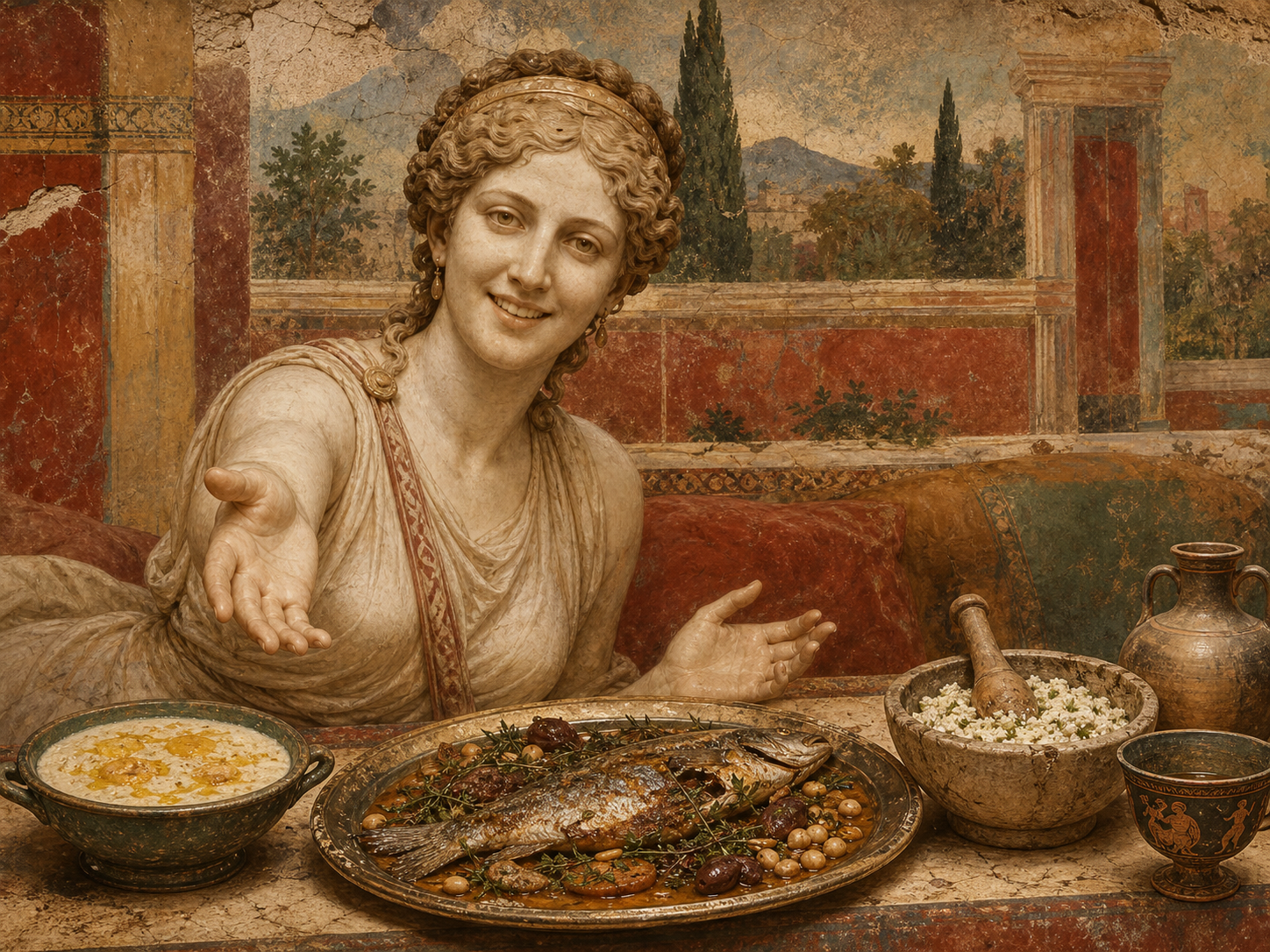
Clodia Metella at the table
On the menu
Roman cena in three courses: gustatio, mensa prima, mensa secunda
The main meal of wealthy Romans, the cena, was eaten reclining on couches (triclinium) and was divided into three courses. The gustatio (appetizer) whetted the appetite with eggs, salted foods, and vinegary vegetables; the mensae primae followed with meats, fish, and poultry dressed in sauces; the mensae secundae closed the banquet with honeyed sweets and fruits. Wine mixed with water (mulsum, calda) punctuated each course.
Signature : Garum
The famous fermented fish sauce, salty and deeply umami, was the reigning seasoning of the Roman table. It was used to enhance almost everything — eggs, vegetables, meats — often replacing salt entirely. Paired with honey and defrutum (reduced grape must), it created the sweet-sour-salty contrast characteristic of Apicius' cuisine.
click to flip back
Clodia Metella at the table
5 period recipes
 Everyday
Ova spongia ex lacte — milk and honey eggs from the gustatio
gustatio (first course, opening dishes)
🍯 🧂· 15 min
View the recipe
 Festive
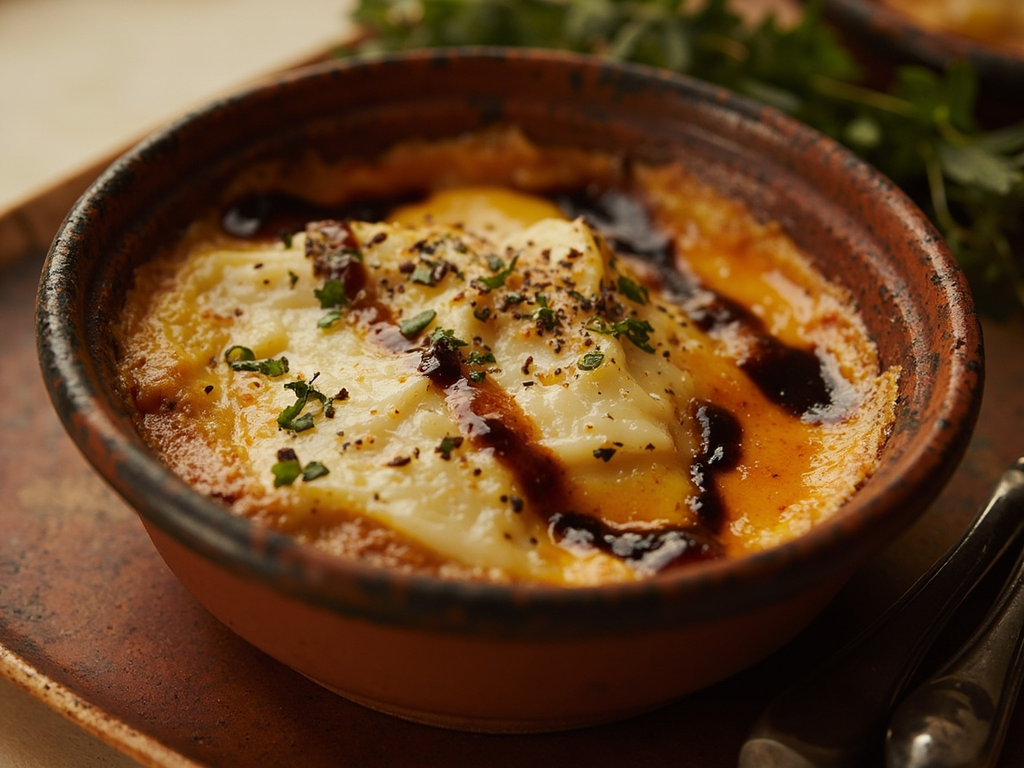
Patina of fish with garum and defrutum — the mensa prima of the banquet
mensa prima (main course of meats and fish)
🍄 🧂 🍋· 50 min
View the recipe
 Everyday
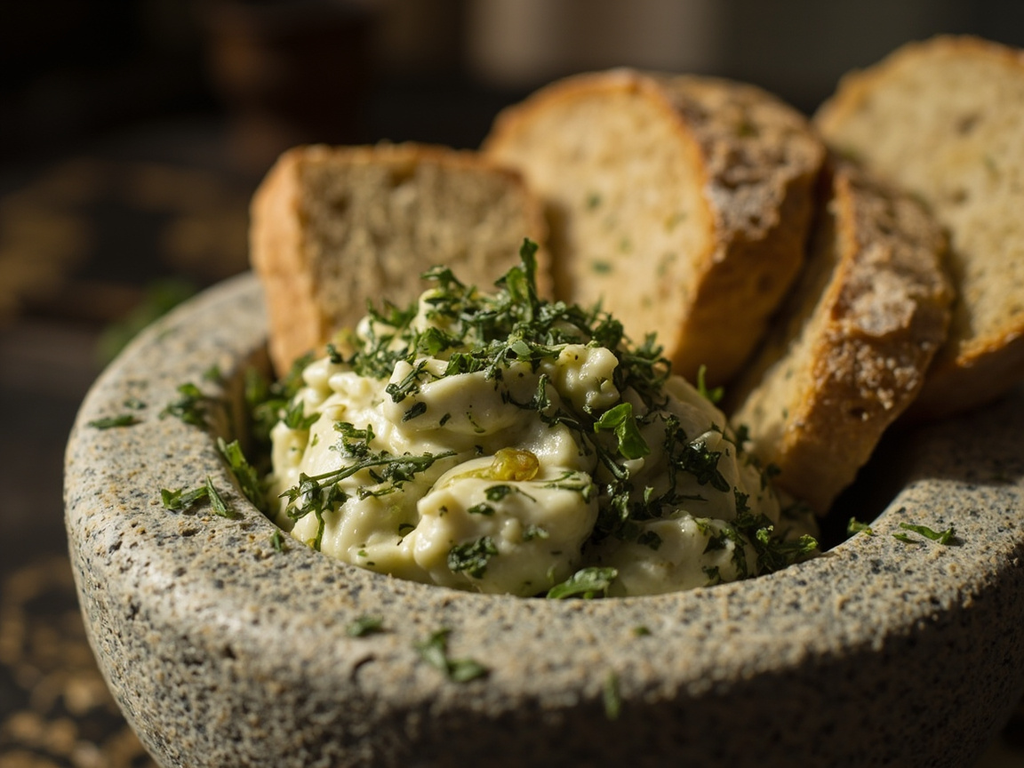
Moretum — everyday herbed cheese spread
cibus cotidianus (ordinary dish, not for banquets)
🧂 🍋 🍄· 15 min
View the recipe
 Drink
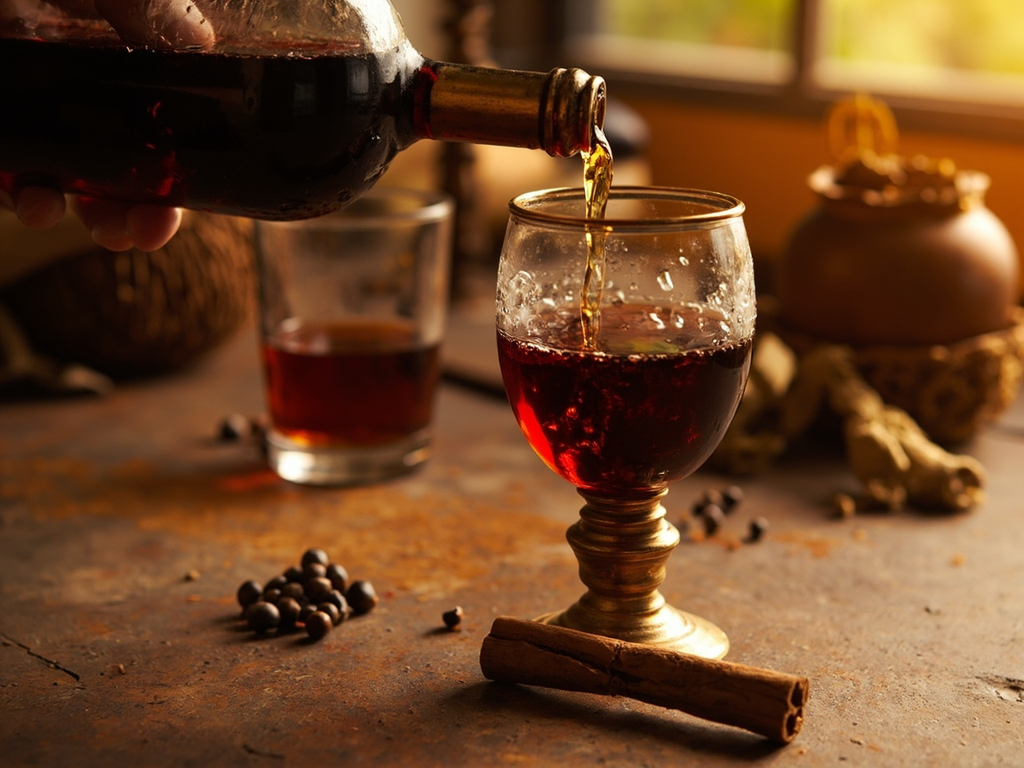
DrinkMulsum — welcome honeyed wine
potio (reception drink, served at the opening of the cena)
🍯 🍋· 20 min (+ resting)
View the recipe
 Festive
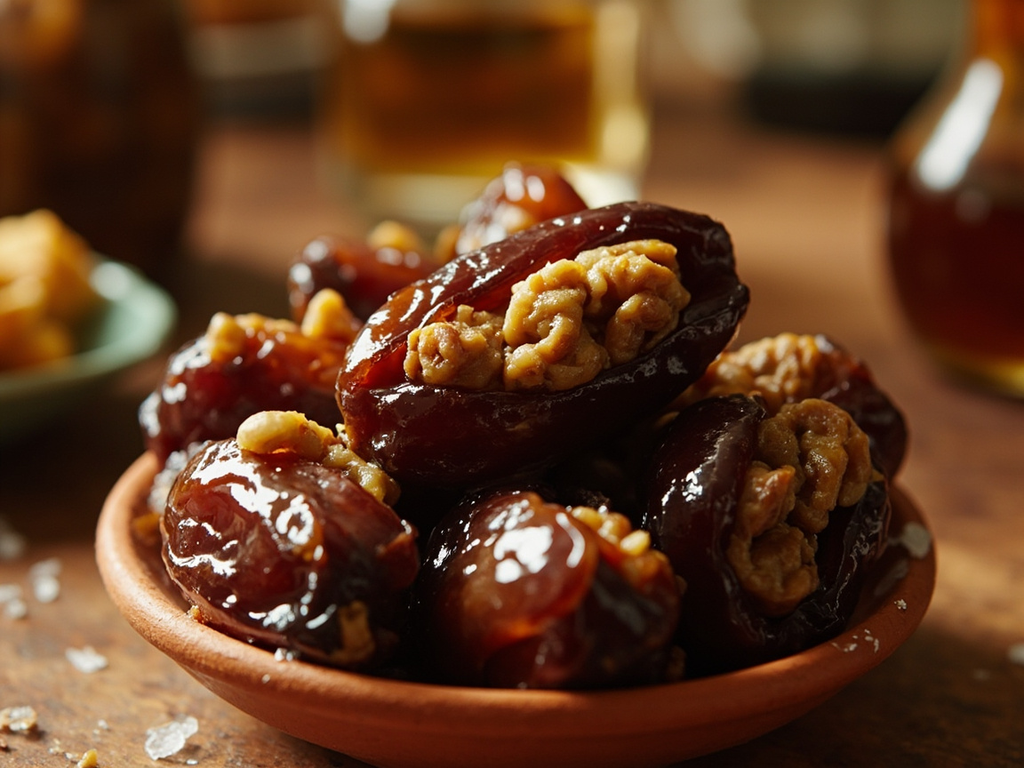
Dulcia domestica — honey-stuffed dates from the mensae secundae
mensa secunda (sweets and fruits course closing the banquet)
🍯 🧂· 25 min
View the recipe