The Russian meal in three parts: zakouski, pervoïe, vtoroïe — then tea
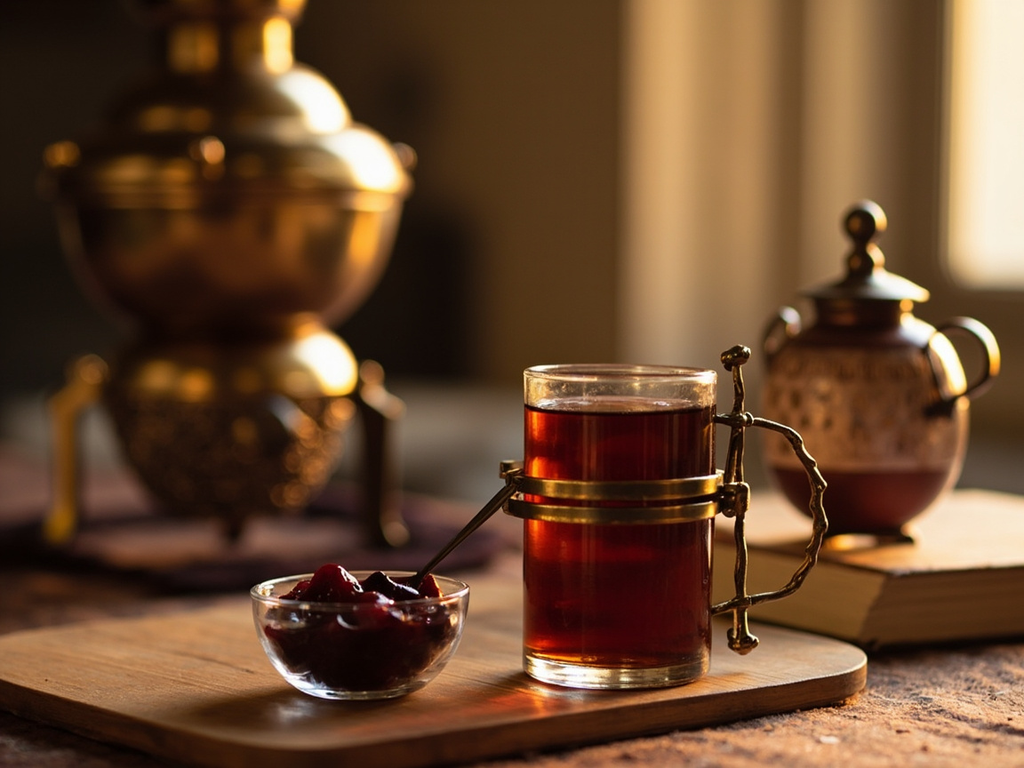
At the Soviet table of the urban intelligentsia, meals are not divided into starter/main/dessert. One begins with zakouski (salted and sour hors d'oeuvres: pickled cucumbers, diced salads, black bread) which whet the appetite and accompany a drink. Next comes pervoïe blyudo, the "first course," always a hot soup (borscht, shchi). Then vtoroïe blyudo, the "second course" of resistance, almost always accompanied by kasha (grain porridge). The meal does not end with a cake but with tea from the samovar, served with jam. All winter long, jars of fermented preserves from autumn extend the lean season.
Signature : Smetana and dill
Thick sour cream (smetana) crowns almost every Russian dish: a white spoonful that melts into red borscht, binds kasha, softens the acidity of preserves. With fresh dill, abundantly chopped, it is the double flavor signature that links this entire cuisine, from the most modest everyday fare to the festive table.
Dmitri Shostakovich at the table
1906 — 1975
5 period recipes
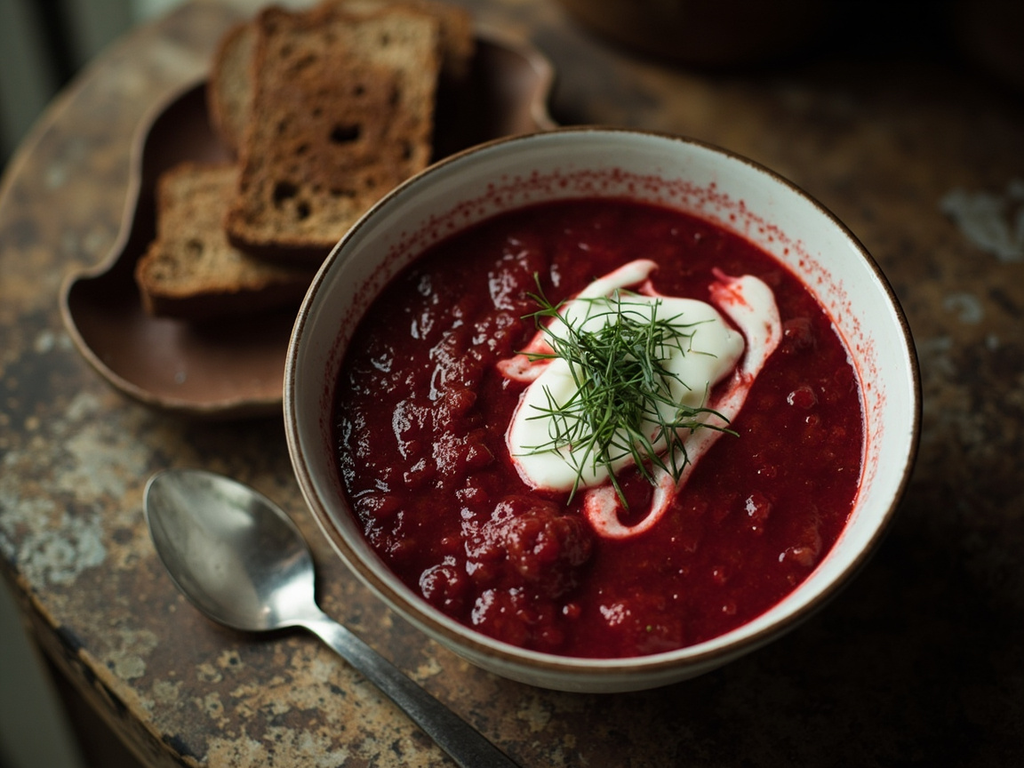 Everyday
Beet and cabbage borscht
Pervoïe blyudo — the first course, the hot soup that opens every real meal
🍋 🍄· 1 h 45
View the recipe
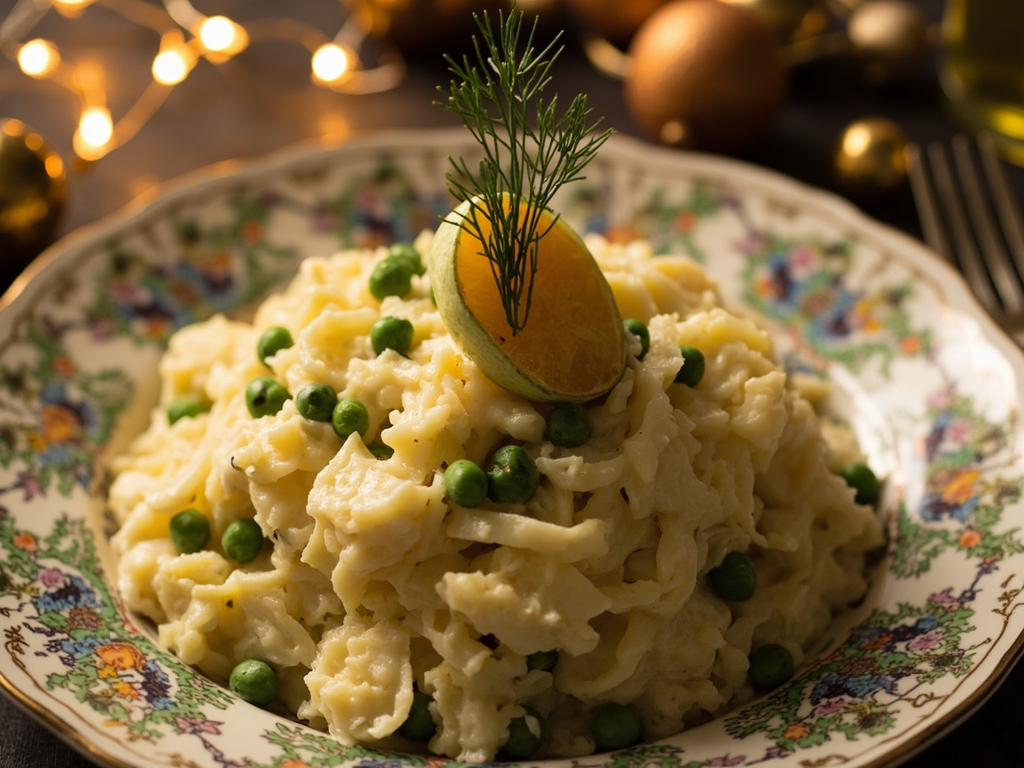 Festive
Olivier salad for special occasions
Festive zakouska — the diced salad that sits at the center of the New Year table
🧂 🍋· 40 min (+ resting)
View the recipe
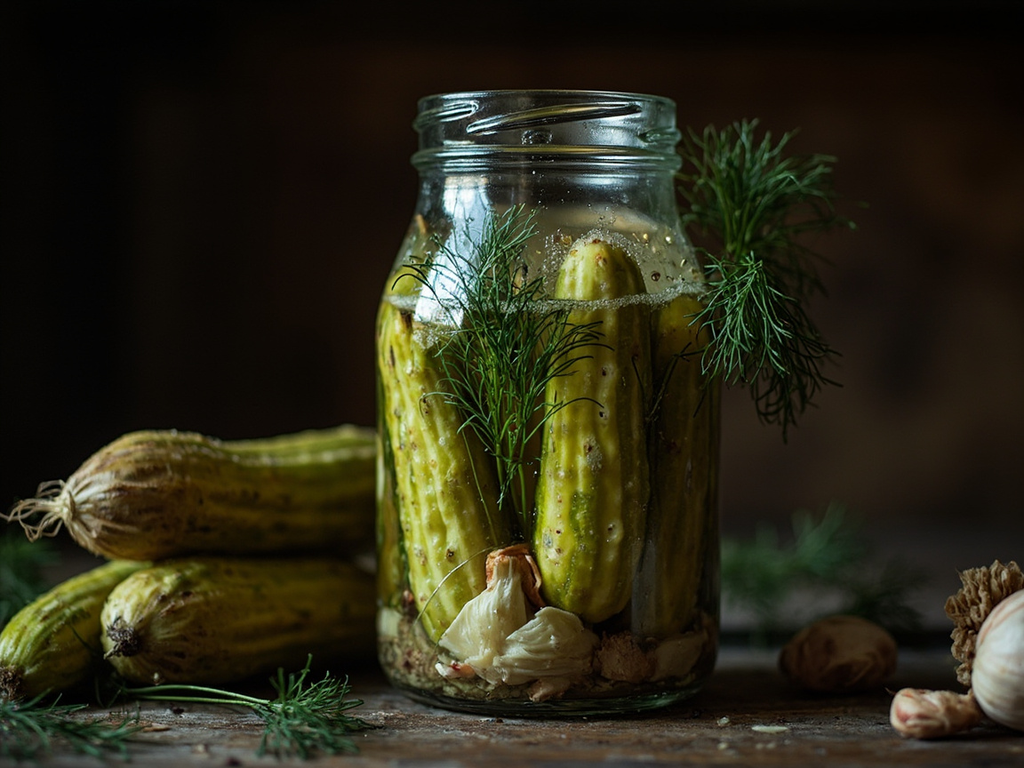 Preserving
Brined fermented cucumbers and cabbage (solenye)
Zapas — the autumn fermented reserves that sustain the winter table
🫙 🍋 🧂· 30 min (+ 3 to 7 days fermentation)
View the recipe
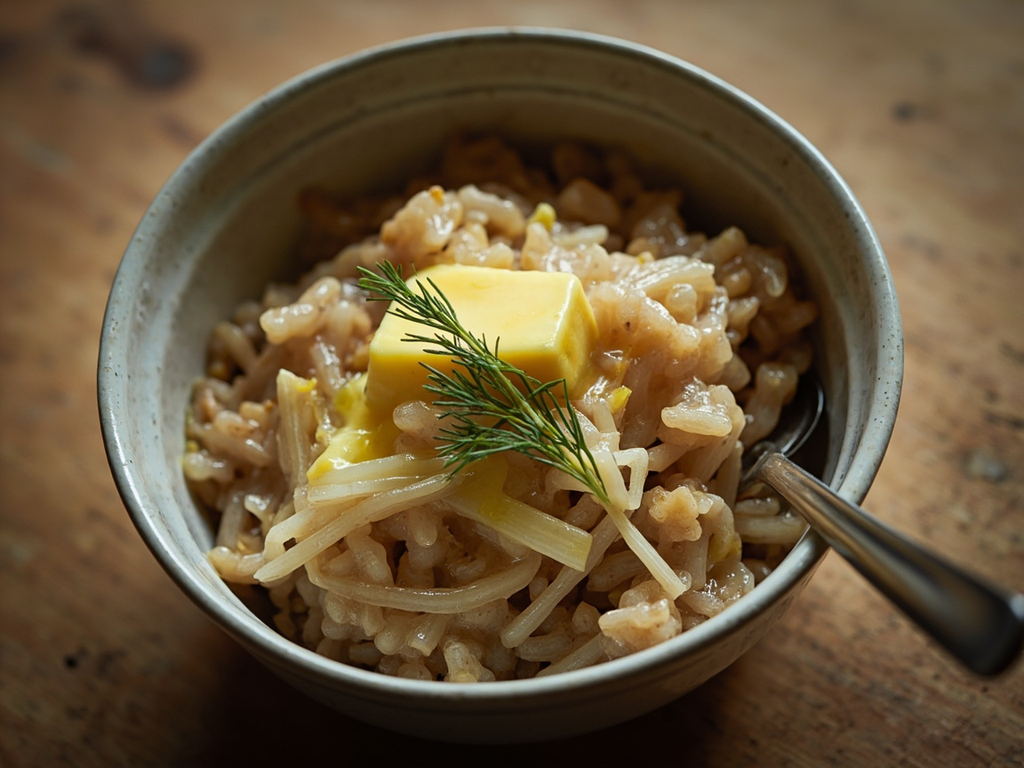 Travel
Buckwheat kasha (gretchnevaya kasha)
Base garnish for vtoroïe — the grain porridge that nourishes and travels
🍄 🧂· 30 min
View the recipe
 Drink
DrinkBlack tea from the samovar with jam (varenye)
Tchaïepitié — the tea ritual, a conversational moment that closes the meal
☕ 🍯· 15 min
View the recipe