 flip
flipFermented Prickly Pear Drink
Fermented Prickly Pear Drink
Why this dish? Estevanico crossed regions where the prickly pear (the *tuna*) was a major resource; the desert peoples gorged on its fruit in season and made a fermented drink from it. This is the image of the traveler who, during a halt, shares the refreshment of the harvest before resuming the road.
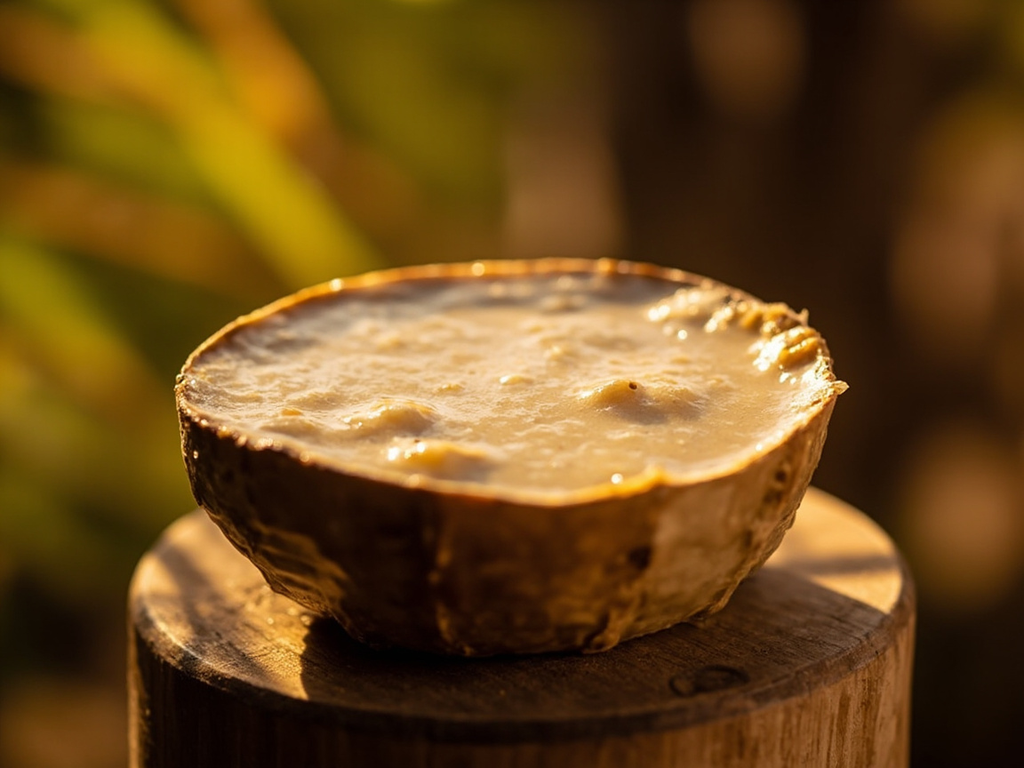
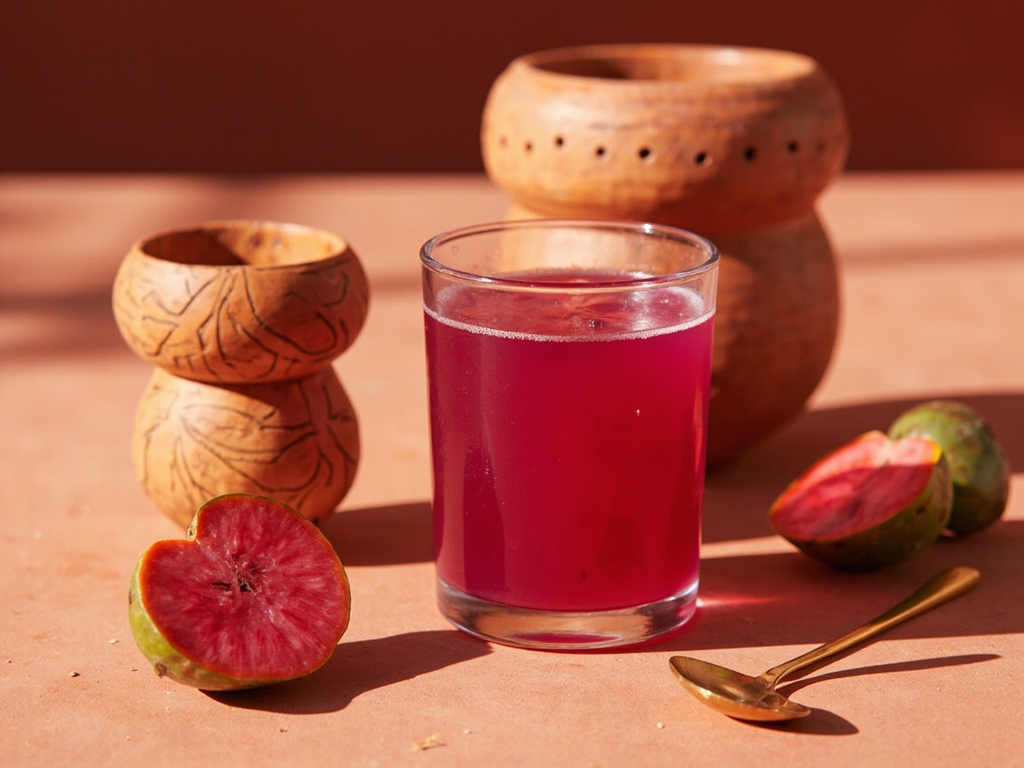
The bright red juice of ripe prickly pears, left to lightly ferment for a few days to become fizzy, tangy, and sweet. Inspired by traditional *colonche*, this mild version is served chilled. A festive end-of-harvest drink.
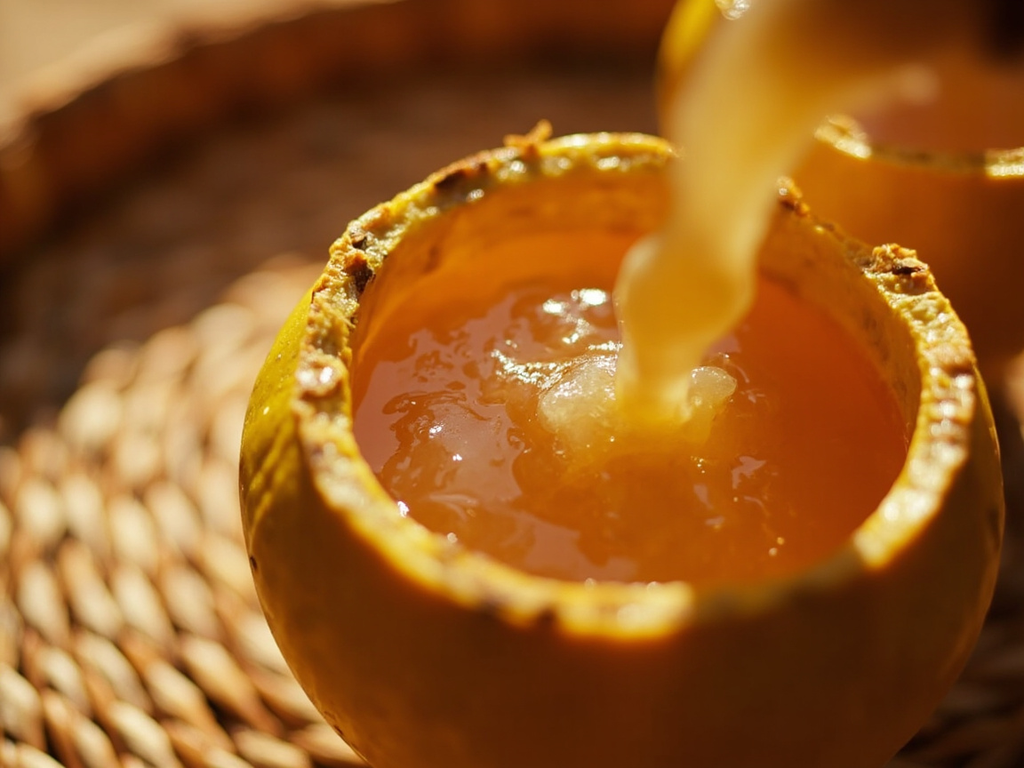
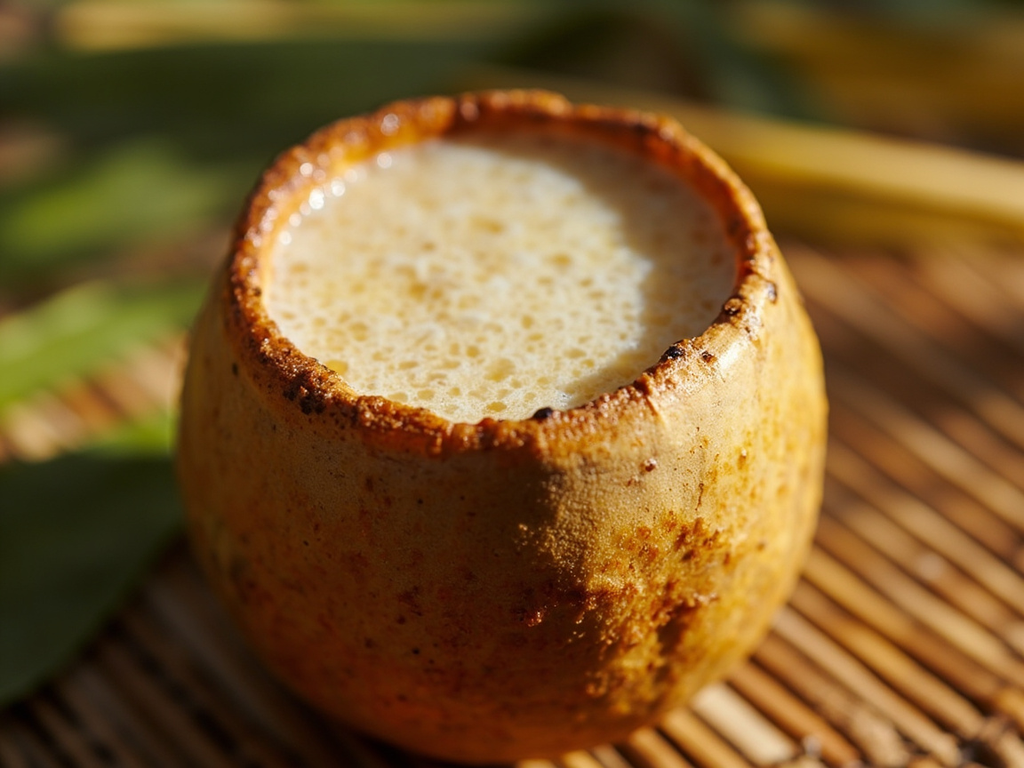
In the season of the red fruits of the thorny fig, the desert peoples gorged on them for days—their mouths, their hands, everything turned scarlet. They pressed these fruits, kept the juice in gourds, and after a few days it took on a sour edge and a joyful tingle on the tongue. After the thirst of the desert, I swear no Spanish wine ever seemed sweeter to me. It is a halt drink, shared at the end of a good harvest, before taking up the trail again.
- •Ripe prickly pears (red tunas) — a basket (sole fruit, sweet base)
- •Gourd — one (fermentation vessel)
- •Time and warmth — a few days (natural fermentation)
Fermented Prickly Pear Drink
The bright red juice of ripe prickly pears, left to lightly ferment for a few days to become fizzy, tangy, and sweet. Inspired by traditional *colonche*, this mild version is served chilled. A festive end-of-harvest drink.
Why this dish? Estevanico crossed regions where the prickly pear (the *tuna*) was a major resource; the desert peoples gorged on its fruit in season and made a fermented drink from it. This is the image of the traveler who, during a halt, shares the refreshment of the harvest before resuming the road.
In the season of the red fruits of the thorny fig, the desert peoples gorged on them for days—their mouths, their hands, everything turned scarlet. They pressed these fruits, kept the juice in gourds, and after a few days it took on a sour edge and a joyful tingle on the tongue. After the thirst of the desert, I swear no Spanish wine ever seemed sweeter to me. It is a halt drink, shared at the end of a good harvest, before taking up the trail again.
Ingredients (period version)
- Ripe prickly pears (red tunas) — a basket (sole fruit, sweet base)
- Gourd — one (fermentation vessel)
- Time and warmth — a few days (natural fermentation)
Ingredients
- Ripe prickly pears — 8 to 10 fruits (sweet and coloring base)
- Water — 500 ml (dilutes the juice)
- Sugar or agave syrup (optional) — 1 tablespoon (boosts fermentation / adjusts sweetness)
- Lime juice — 1/2 (tangy freshness)
Method
- With gloves, peel the prickly pears (watch for fine spines) and mash the flesh.
- Strain through a sieve to remove hard seeds and collect a thick red juice.
- Dilute with a little water, add the lime juice (and sugar if you want light fermentation).
- For an immediate fresh drink: serve very cold over ice. For a slightly fermented and fizzy version: let the sweetened juice rest for 24 to 48 hours at room temperature, covered with a cloth, then refrigerate and drink within the day.
- Strain once more before serving.
How it was made : *Colonche*, a fermented prickly pear drink, has long been attested in northern Mexico: the juice of tunas was left to ferment naturally for a few days until a slight alcoholic fizz developed. This recipe respectfully draws inspiration from it in a mild, short version suitable for a family audience—one can stop at the simple fresh drink without fermentation.
The contemporary twist : Serve as a vibrant red *agua fresca* in a glass rimmed with salt and lime, with ice and a prickly pear slice garnish.
Sources : Gary Paul Nabhan, Gathering the Desert (1985) · Sophie D. Coe, America's First Cuisines (1994)
Estevanico · Charactorium