The Traveler's Table, Between Two Worlds
Estevanico knew not one cuisine but two, separated by an ocean. As a child in Azemmour, he ate in the Berber manner: a large communal dish (the *gsaâ*) placed in the center, from which each person took their portion with the right hand, without utensils, in a shared gesture. Then, shipwrecked and walking across the deserts of America, he depended entirely on the hospitality of indigenous peoples, whose meals revolved around scarcity: they grilled, dried, and ground into flour whatever the land provided, and shared everything, for no one survives alone. This collection follows his life's path—from the shared dish of childhood to the traveler's provisions.
Signature : Drying, the Walker's Art
What unites all of Estevanico's food is preservation: dried corn ground into flour, dehydrated bison meat strips, long-roasted agave hearts. Far from a fixed terroir, the explorer eats what travels—light, dry, durable. Drying and slow cooking in an earth oven are the emblematic techniques of his survival.
Estevanico at the table
1500 — 1540
5 period recipes
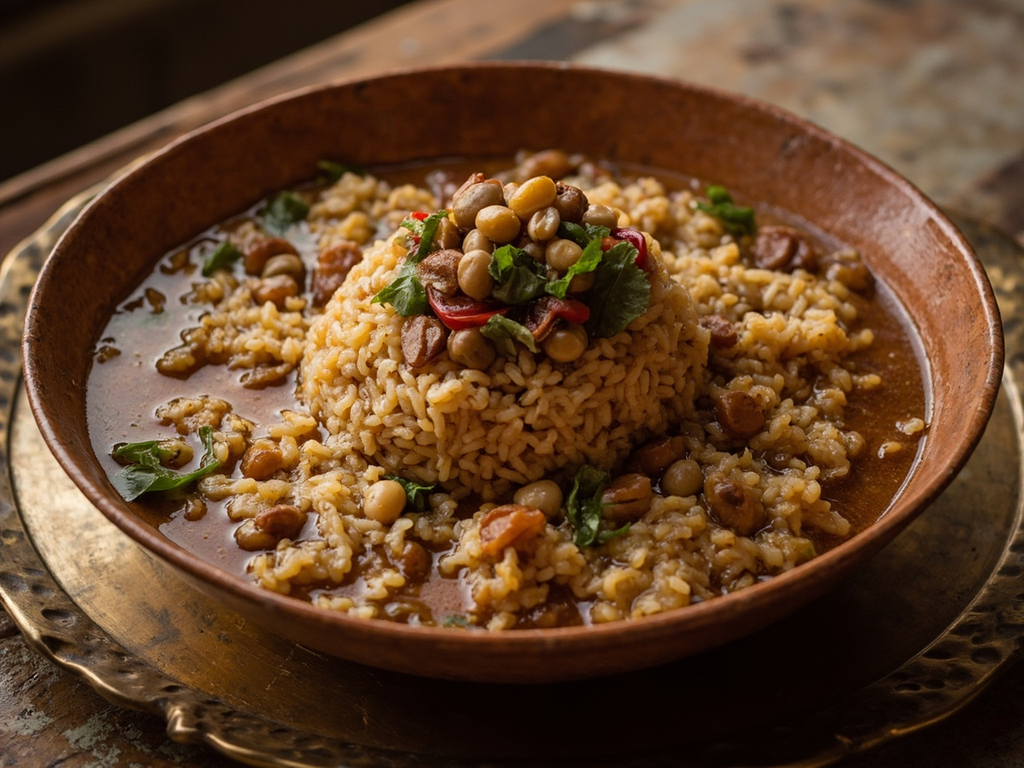 Everyday
Barley Couscous with Fava Beans and Smen
The shared dish of the *gsaâ* (large Berber communal platter)
🧂 🍄· 1 h
View the recipe
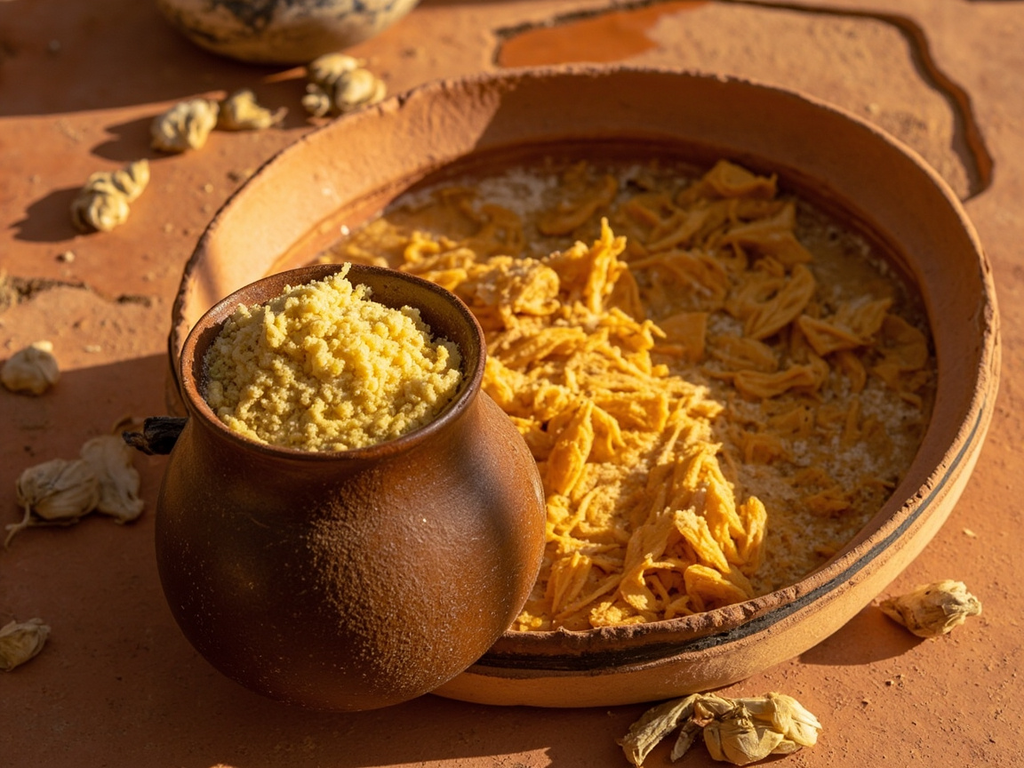 Travel
Toasted Corn and Mesquite Pinole
The Walker's Flour (dry long-distance provisions)
🍯· 20 min
View the recipe
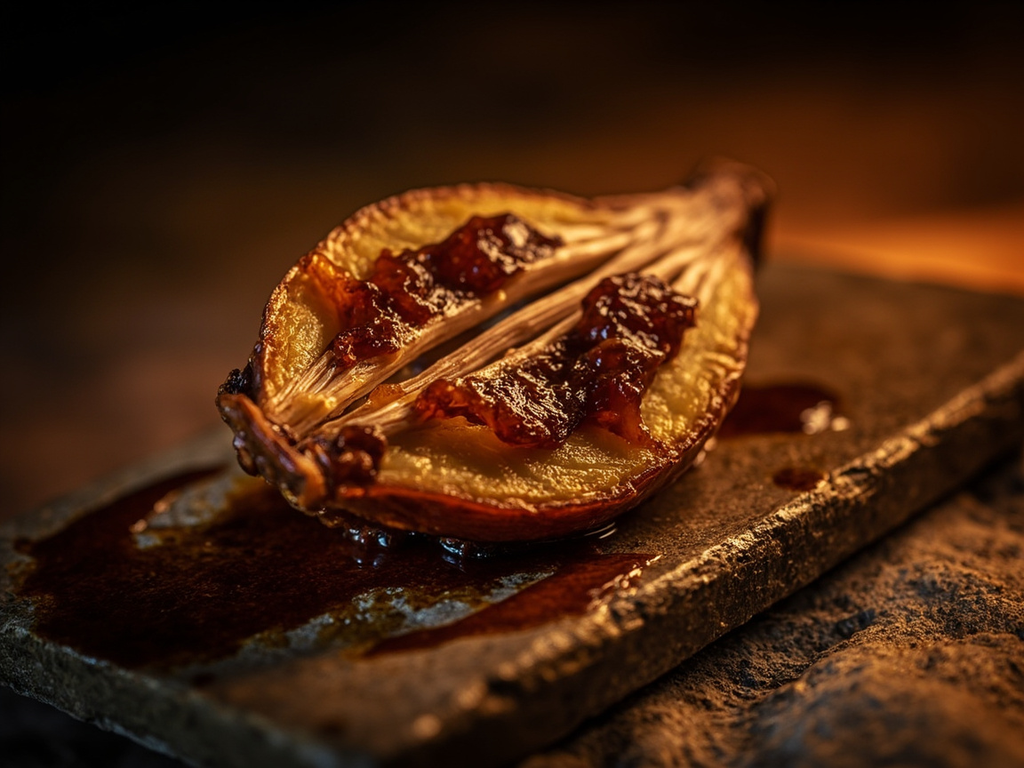 Festive
Roasted Agave Heart in an Earth Oven
The Pit Feast (communal celebration cooking)
🍯 ☕· 3 h (slow cooking)
View the recipe
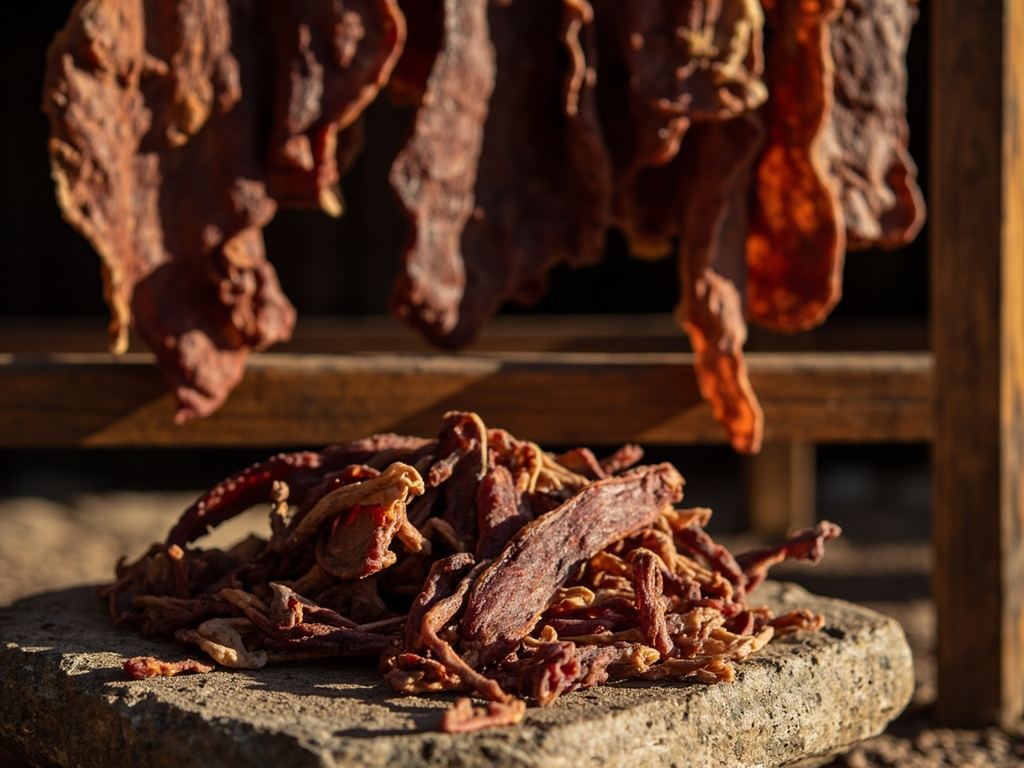 Preserving
Sun-Dried Bison Jerky Strips
The Dry Reserve (preserved meat for lean days)
🧂 🍄· 5 h (drying)
View the recipe
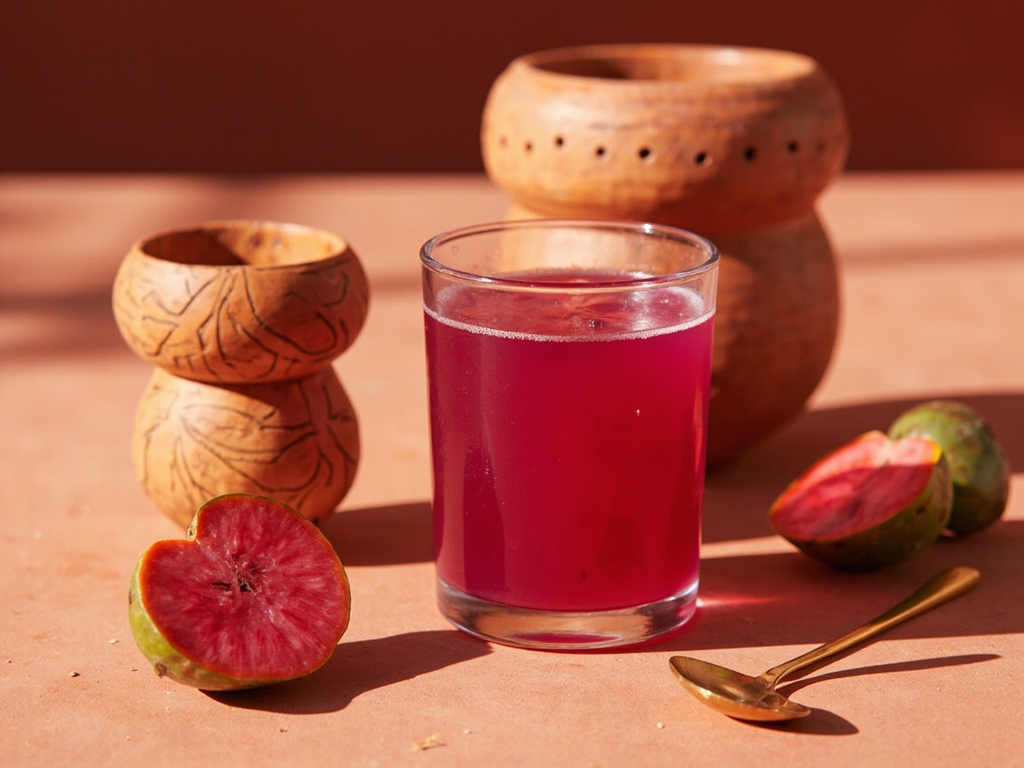 Drink
DrinkFermented Prickly Pear Drink
The End-of-Harvest Drink (seasonal fermented refreshment)
🍋 🫙 🍯· 20 min (+ optional rest)
View the recipe