 flip
flipSapa e savor — must syrup and pantry preserve
Sapa e savor — must syrup and pantry preserve
Why this dish? Zappi lives in a land of vines: Romagna red wine accompanies his meals. At harvest time, the must is cooked to obtain *sapa*, which will sweeten the whole winter — long before cane sugar became common. For a man who patiently grinds his pigments in oil, this long slow reduction of grape juice is a familiar gesture.
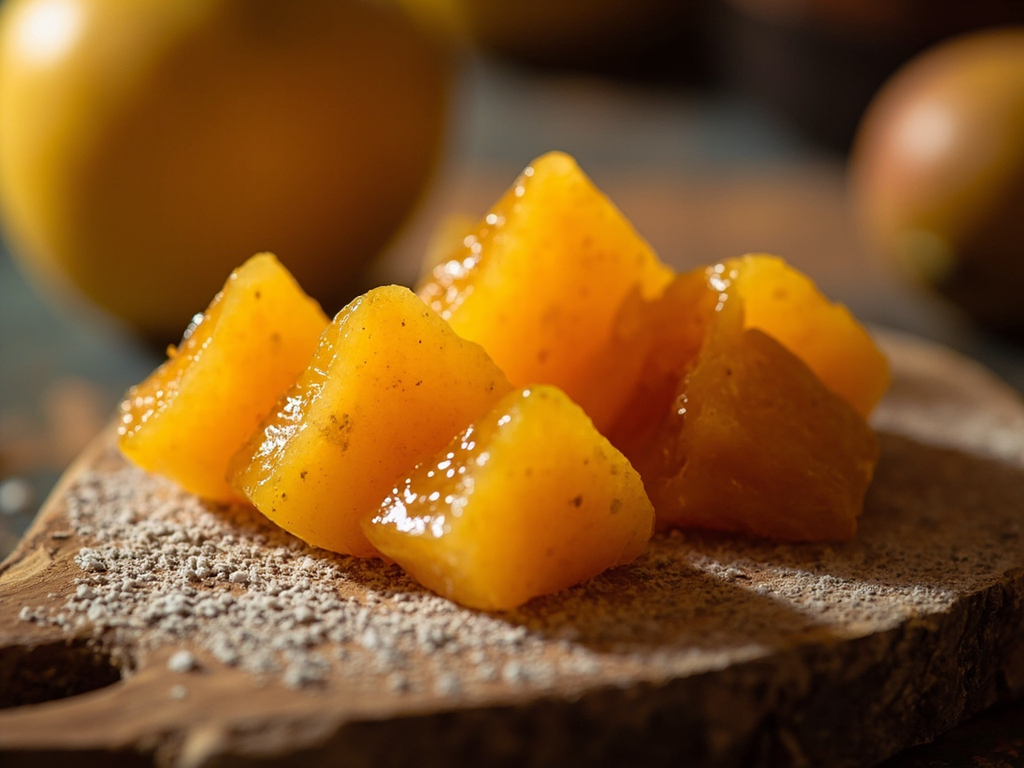
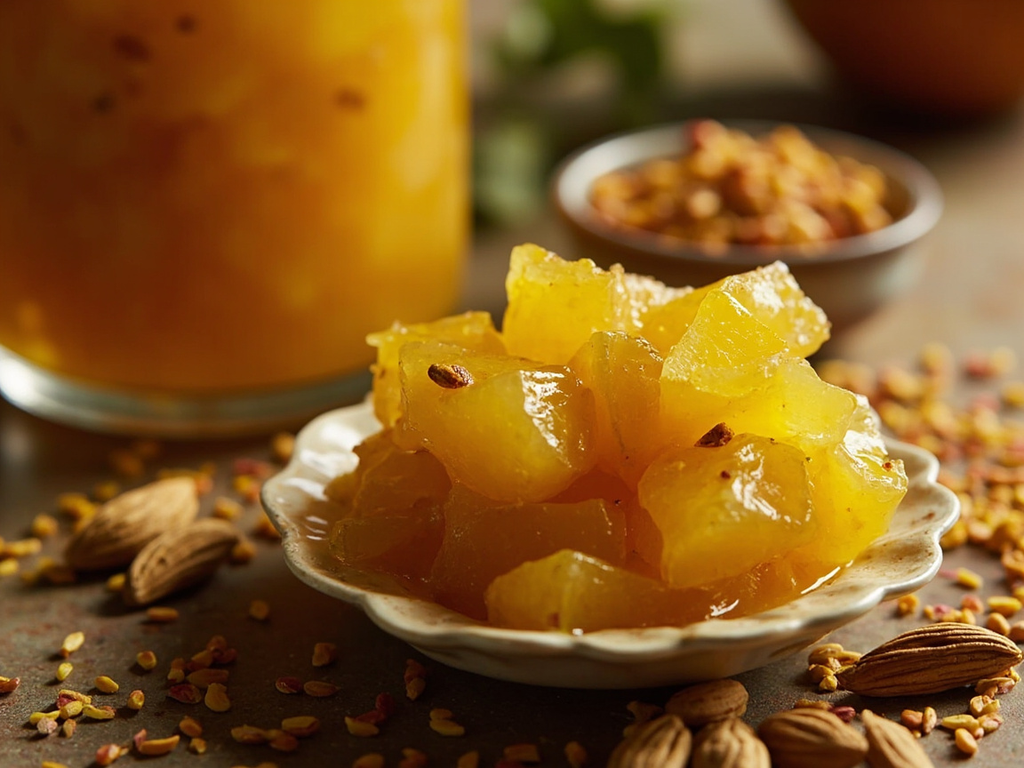
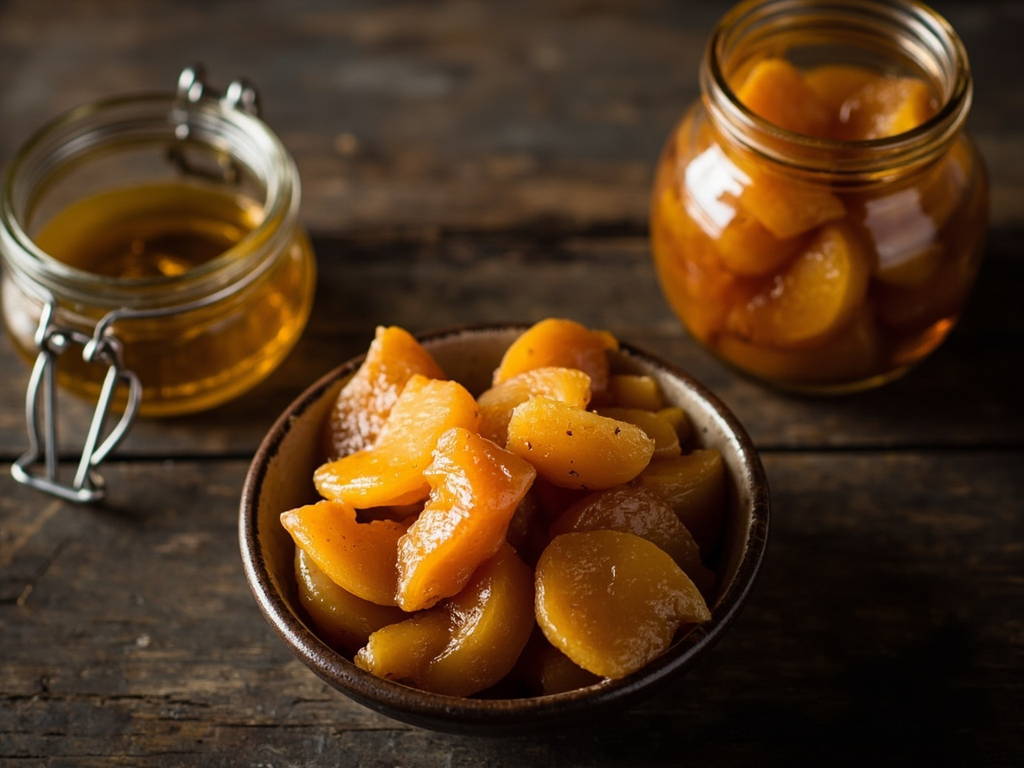
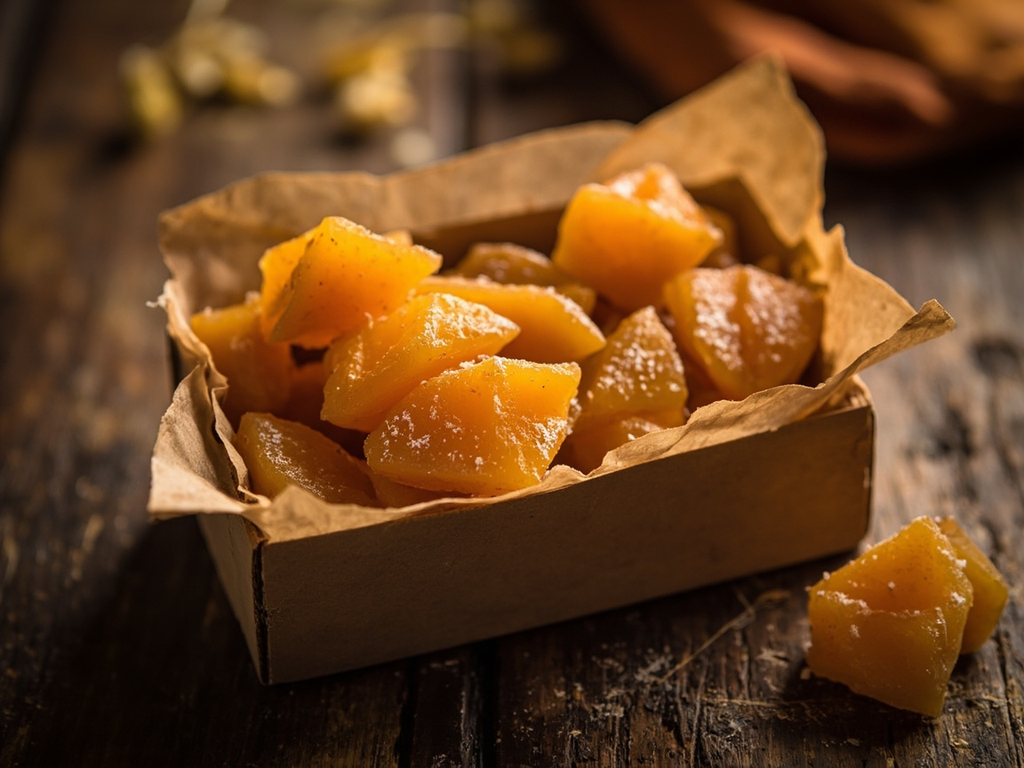
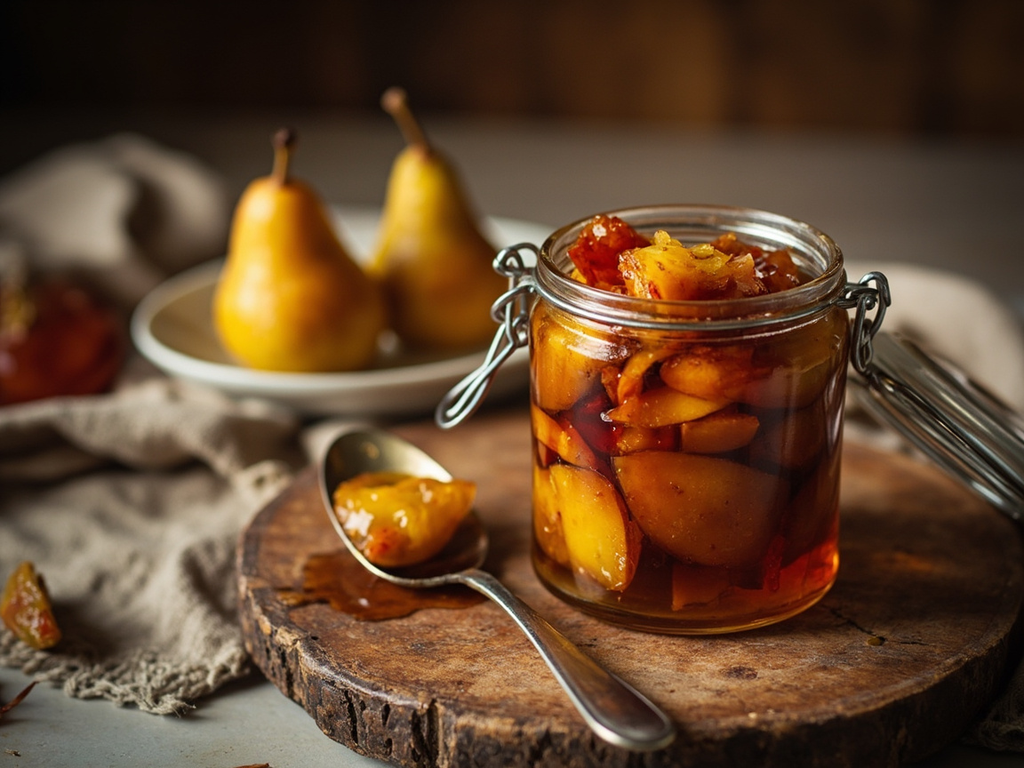
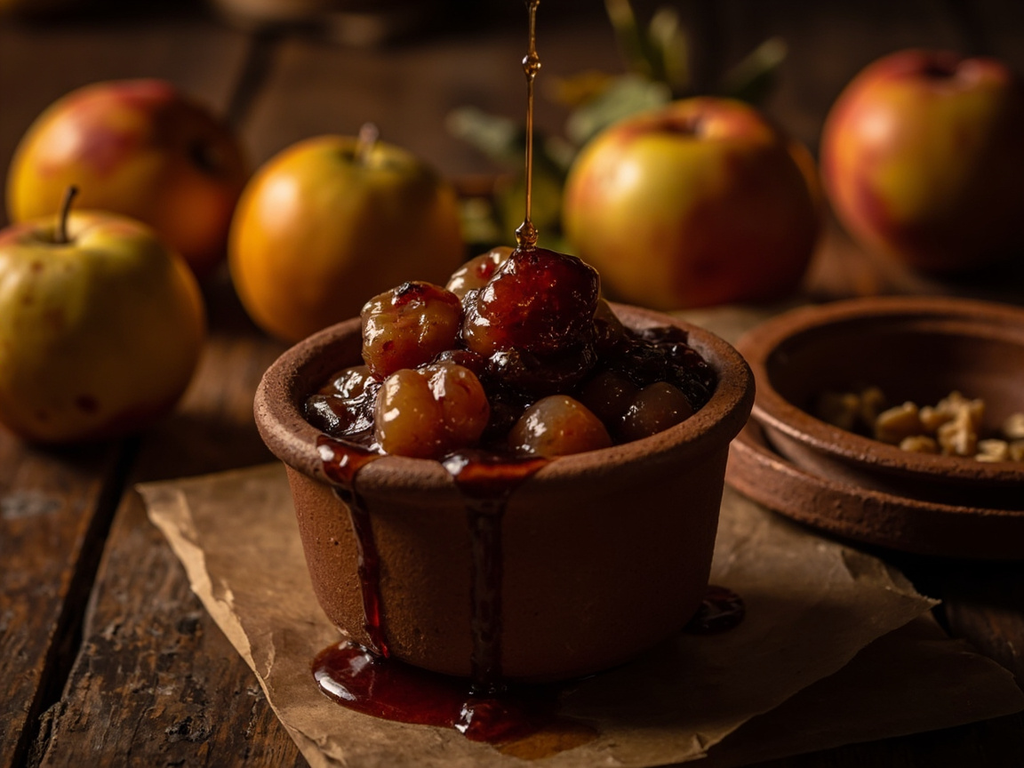
Sapa: grape must reduced for hours into a dark, almost black syrup, both sweet and tangy. Savor: a keeper preserve where quinces, pears, and walnuts are cooked in this sapa. It is drizzled over polenta, bread, cheese, or used to flavor water in summer.
At harvest time, nothing is wasted. I have the must brought from the press to the cauldron and let it reduce over a fire of vine shoots, for hours, until it becomes black and syrupy like burnt umber — the sapa. Stir without ceasing, my friends, for the grape sugar at the bottom catches quickly and turns bitter. Into this sapa I throw the quinces and late-season pears, a few walnut kernels, and there is the savor that will keep me all winter. A spoonful over warm polenta, and one forgets the cold of the workshop.
- •Fresh grape must (mosto) — a large cauldron (base of sapa)
- •Quinces — a few (keeper fruit)
- •Autumn pears — a few (fruit)
- •Walnut kernels — a handful (texture)
Sapa e savor — must syrup and pantry preserve
Sapa: grape must reduced for hours into a dark, almost black syrup, both sweet and tangy. Savor: a keeper preserve where quinces, pears, and walnuts are cooked in this sapa. It is drizzled over polenta, bread, cheese, or used to flavor water in summer.
Why this dish? Zappi lives in a land of vines: Romagna red wine accompanies his meals. At harvest time, the must is cooked to obtain *sapa*, which will sweeten the whole winter — long before cane sugar became common. For a man who patiently grinds his pigments in oil, this long slow reduction of grape juice is a familiar gesture.
At harvest time, nothing is wasted. I have the must brought from the press to the cauldron and let it reduce over a fire of vine shoots, for hours, until it becomes black and syrupy like burnt umber — the sapa. Stir without ceasing, my friends, for the grape sugar at the bottom catches quickly and turns bitter. Into this sapa I throw the quinces and late-season pears, a few walnut kernels, and there is the savor that will keep me all winter. A spoonful over warm polenta, and one forgets the cold of the workshop.
Ingredients (period version)
- Fresh grape must (mosto) — a large cauldron (base of sapa)
- Quinces — a few (keeper fruit)
- Autumn pears — a few (fruit)
- Walnut kernels — a handful (texture)
Ingredients
- Pure grape juice (or must) — 1.5 L (base of sapa)
- Quinces — 2 (fruit)
- Firm pears — 2 (fruit)
- Walnut kernels — 60 g (texture)
- Cinnamon (optional) — 1 stick (flavor)
Method
- For the sapa: pour the grape juice into a large pot, bring to a simmer and reduce over low heat for 1.5 to 2 hours, stirring, until a dark syrup forms (reduced by two-thirds or more).
- Peel quinces and pears, cut into dice.
- Add the fruits (and cinnamon) to a portion of the sapa, cook over low heat for 40-50 minutes until they candy and the jam coats a spoon.
- Add the walnuts at the end of cooking.
- Put the savor into scalded jars; keep the remaining sapa in a bottle for drizzling and sweetening.
- Serve a spoonful over warm polenta, bread, or fresh cheese.
How it was made : Cooking must dates back to the Romans (defrutum, sapa, described by Pliny and Apicius) and never ceased in Romagna. It was the poor man's sweetener: used to flavor dairy, grain porridges, and cooked fruits. The *savori* of fruits cooked in must and walnuts are a keeper tradition of Northern Italy. At the time, it was cooked over a wood fire, watched for hours.
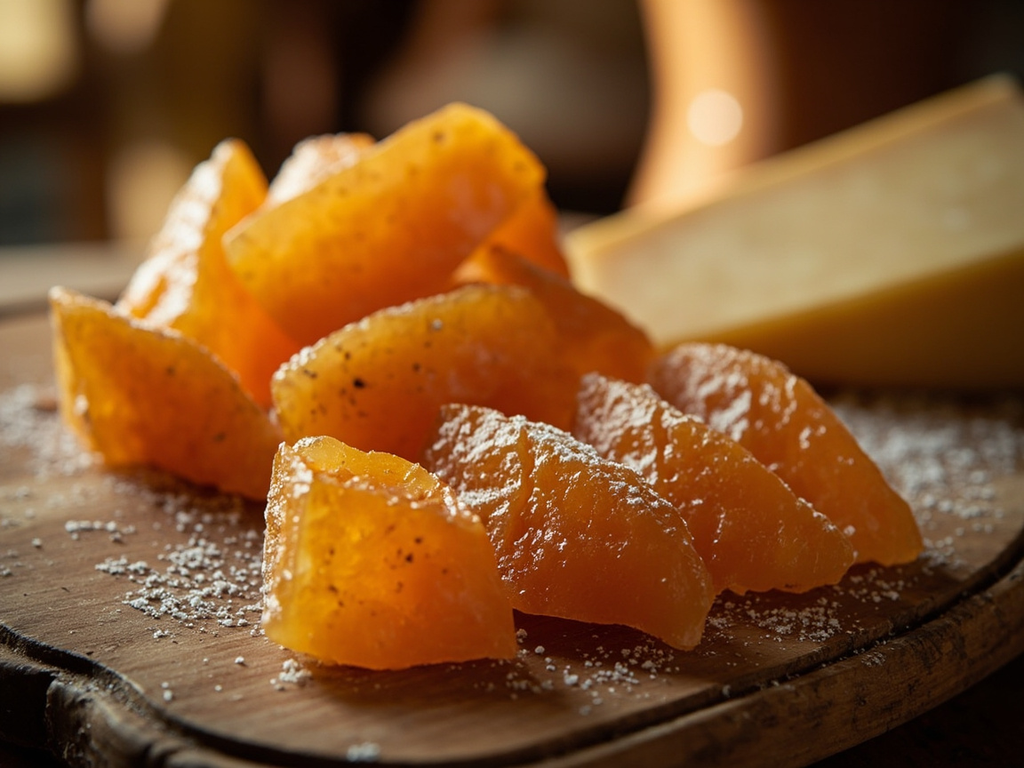
The contemporary twist : A few drops of sapa drizzled over a scoop of vanilla ice cream or aged Parmesan — the sweet-sour-umami pairing that enlivens the end of a meal.
Sources : Apicius, De re coquinaria — defrutum et sapa · Pliny the Elder, Naturalis Historia, Book XIV (cooking must) · Tradition of sapa, Emilia-Romagna
Gian Paolo Zappi · Charactorium