The Table of Romagna — from daily bread to feast day
At the table of a craftsman in Faenza around 1600, the meal revolves around bread: the piadina baked on a terracotta disk serves as everyday bread. It is accompanied by the *companatico* (what "goes with bread": cured meats, cheese, herbs). On religious feast days, the meal opens with *minestra in brodo* — stuffed pasta swimming in broth — the highlight of the family meal. Apart, in the pantry, await autumn preserves (*sapa*, *savori*) and, to close or comfort, a glass of spiced wine. There is no starter-main-dessert distinction: one distinguishes the *povero* (everyday) from the *grasso* (festive), and the lean days imposed by the Church from the allowed days of fat.
Signature : Sapa (mosto cotto)
Grape must from Romagna slowly reduced until it becomes a dark, velvety syrup. Heir to the Roman *defrutum*, it sweetens, preserves, and coats when cane sugar remains rare and costly. Emblem of a land of vines: the same grape that gives the red wine for Zappi's meals also yields its pantry nectar.
Gian Paolo Zappi at the table
1555 — 1615
4 period recipes
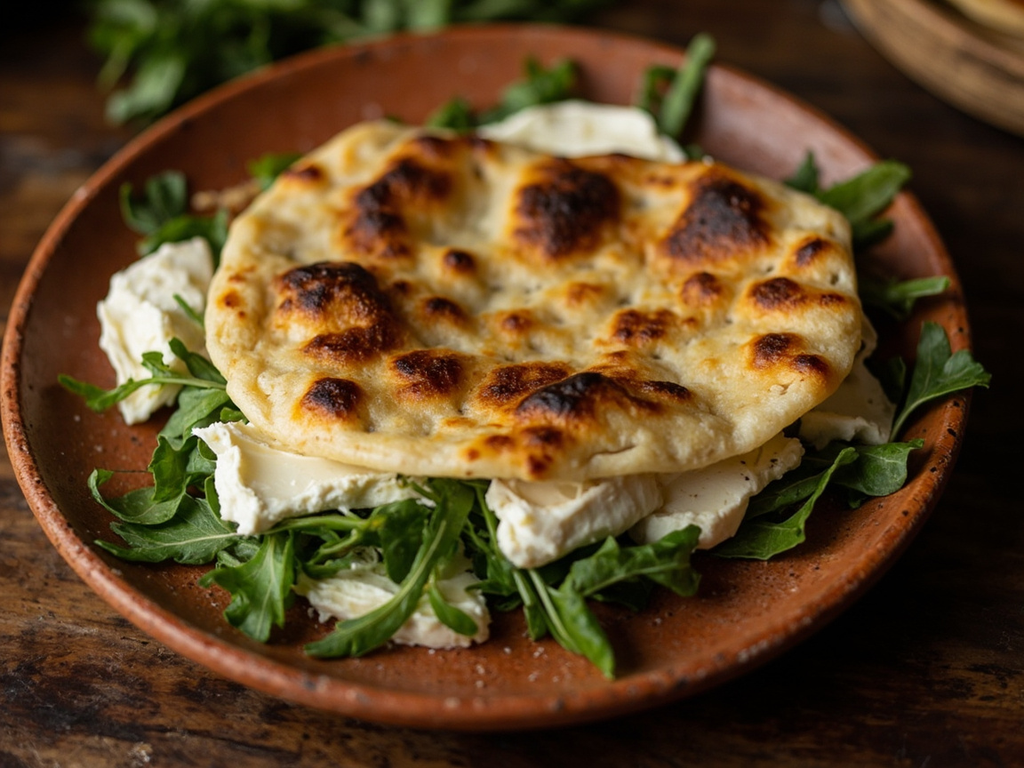 Everyday
Piadina sul testo — the everyday flatbread
Pane quotidiano (the bread-flatbread that replaces bread at the Romagnola table)
🧂· 50 min
View the recipe
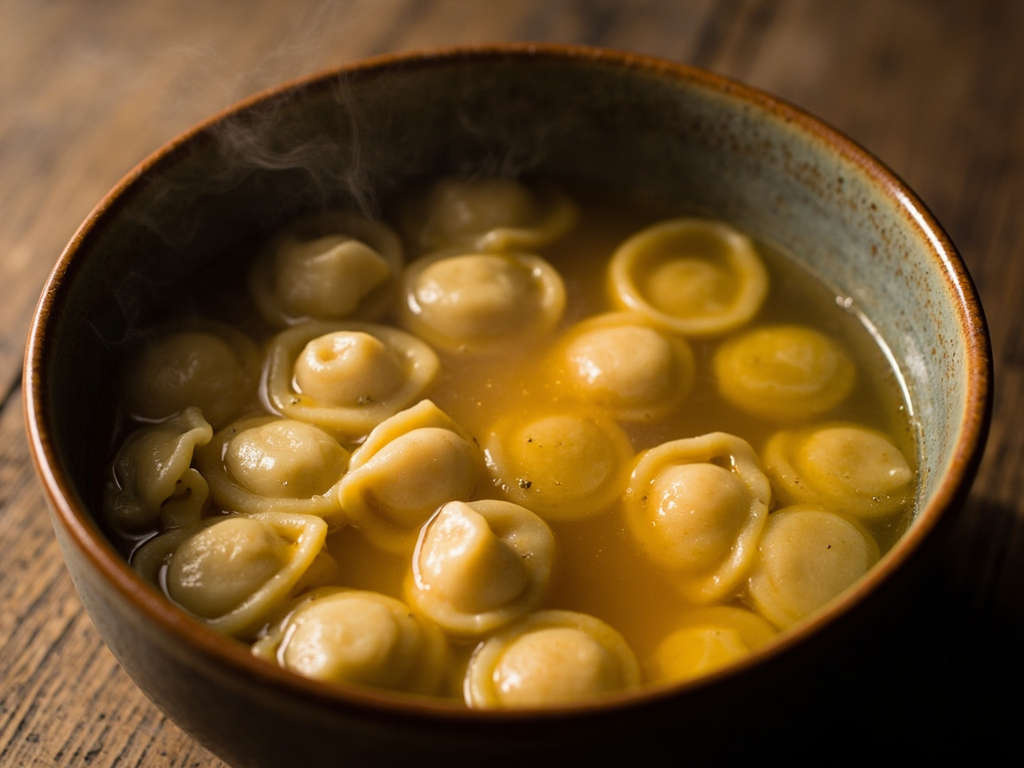 Festive
Cappelletti in brodo — the feast day soup
Minestra in brodo (the stuffed pasta soup that opens the festive meal)
🍄 🧂· 3 h 30 (including broth)
View the recipe
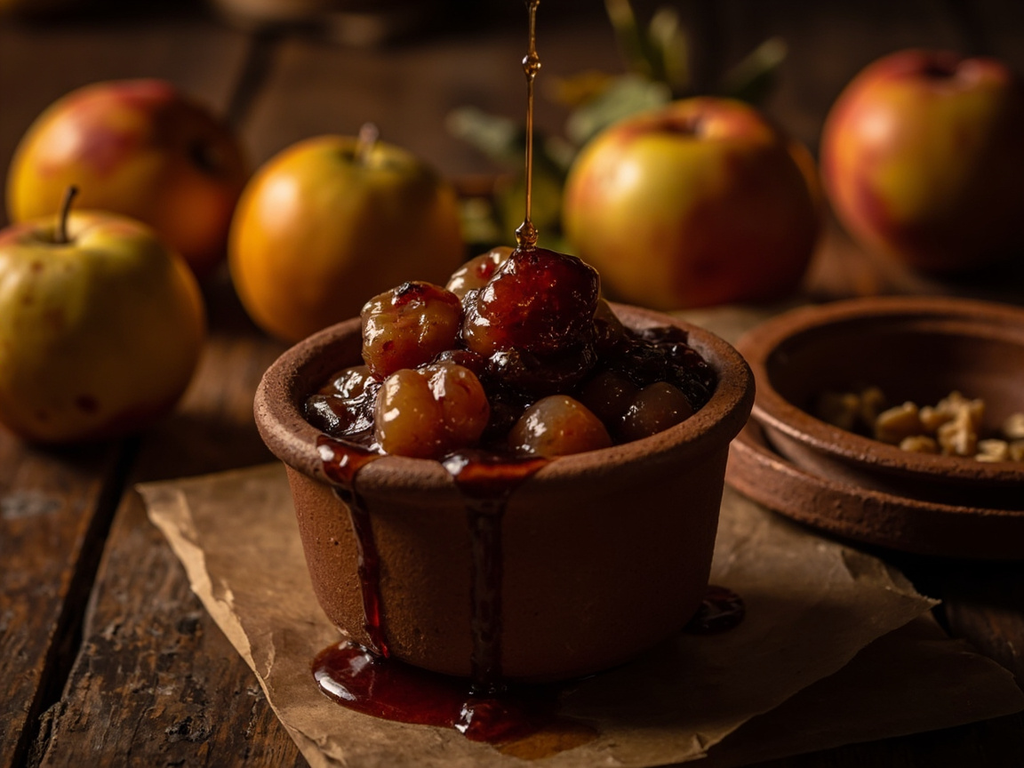 Preserving
Sapa e savor — must syrup and pantry preserve
Conserva d'autunno (the keeper sweets of the pantry, inherited from the grape harvest)
🍯 🍋· 2 h 30
View the recipe
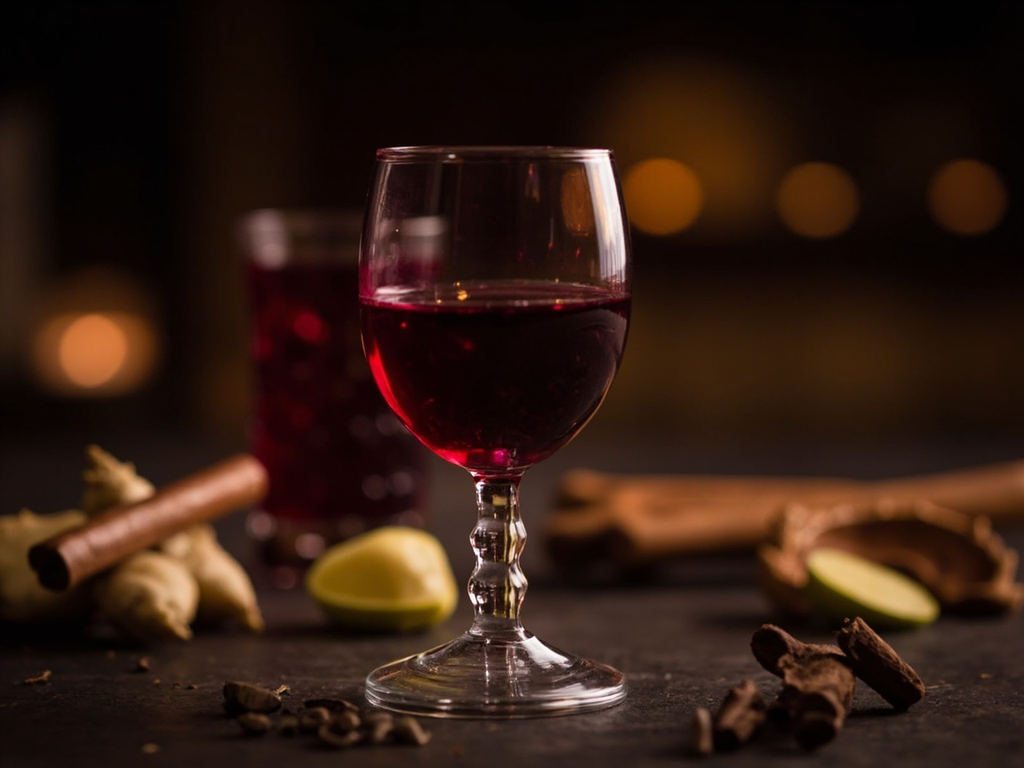 Drink
DrinkIpocrasso — spiced wine for winter evenings
Bevanda da camera (the flavored wine served at the end of the meal or by the fireside)
🌶️ 🍯· 25 min
View the recipe