 flip
flipCracked olives in herb and fennel brine
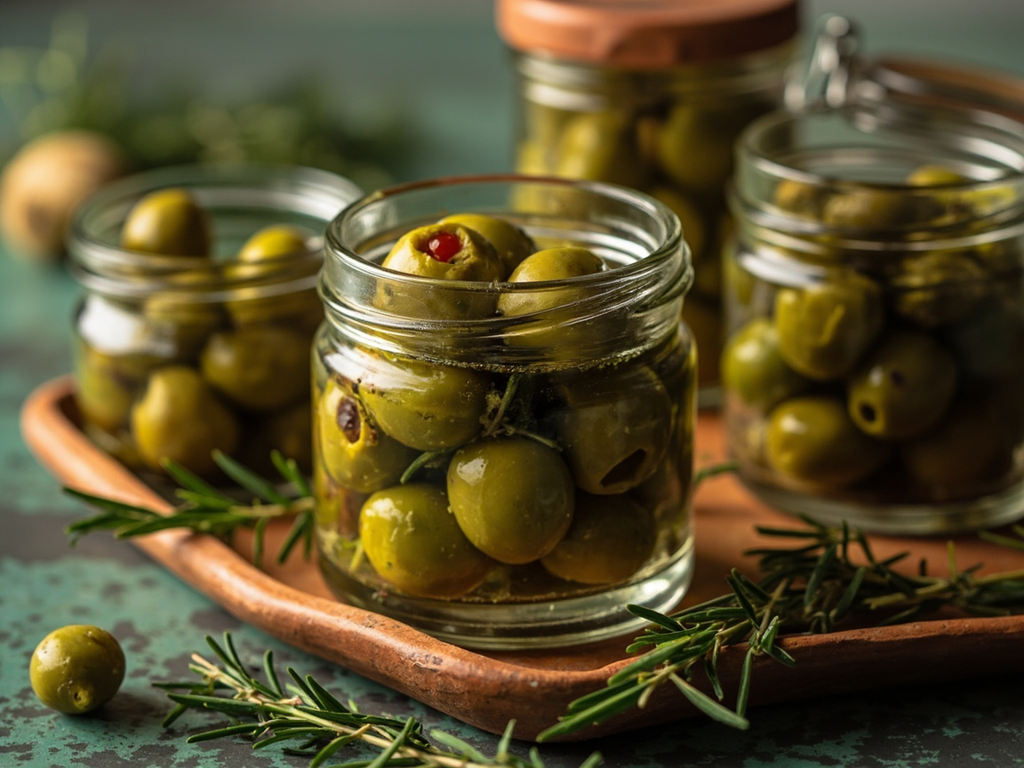
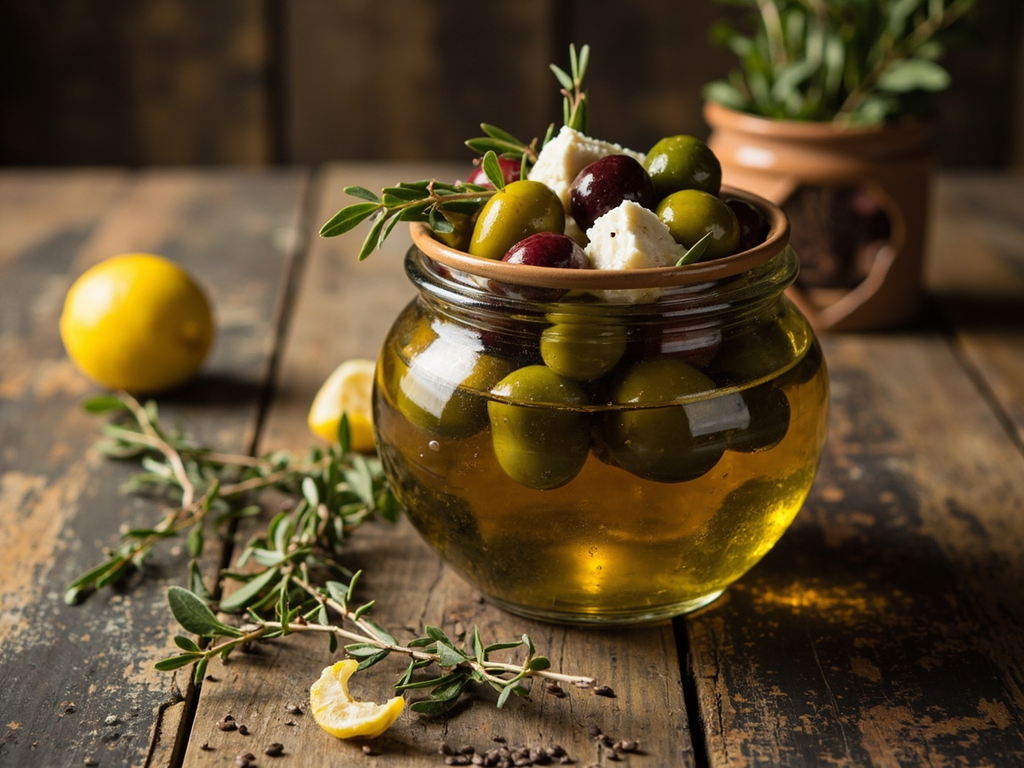
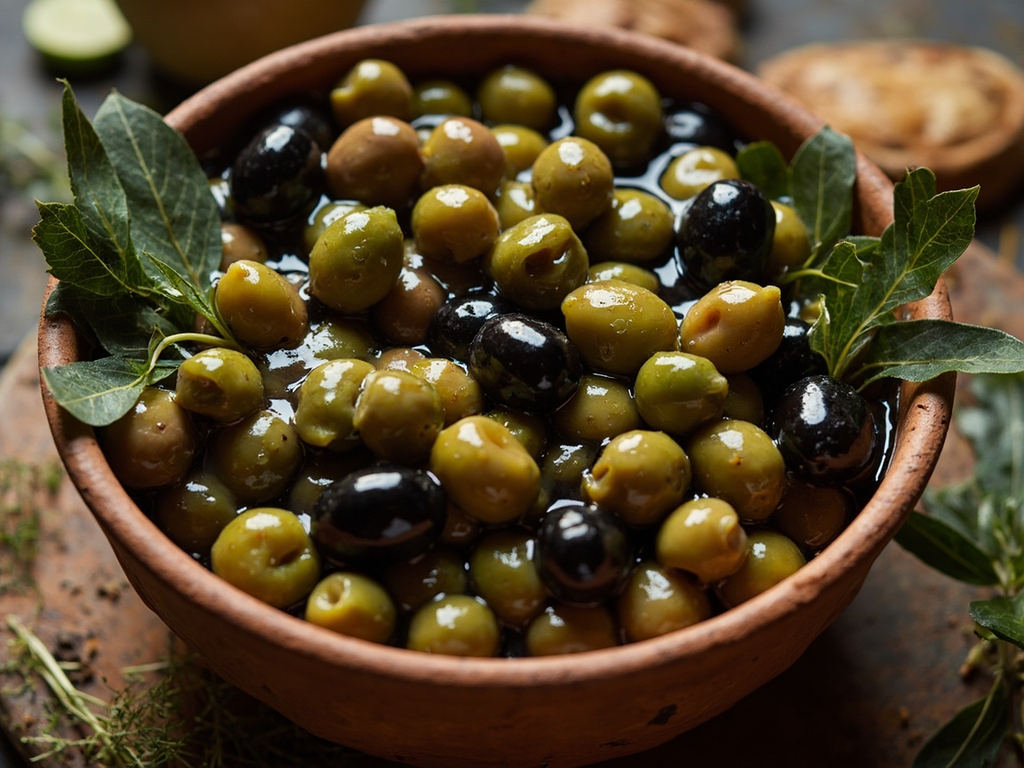
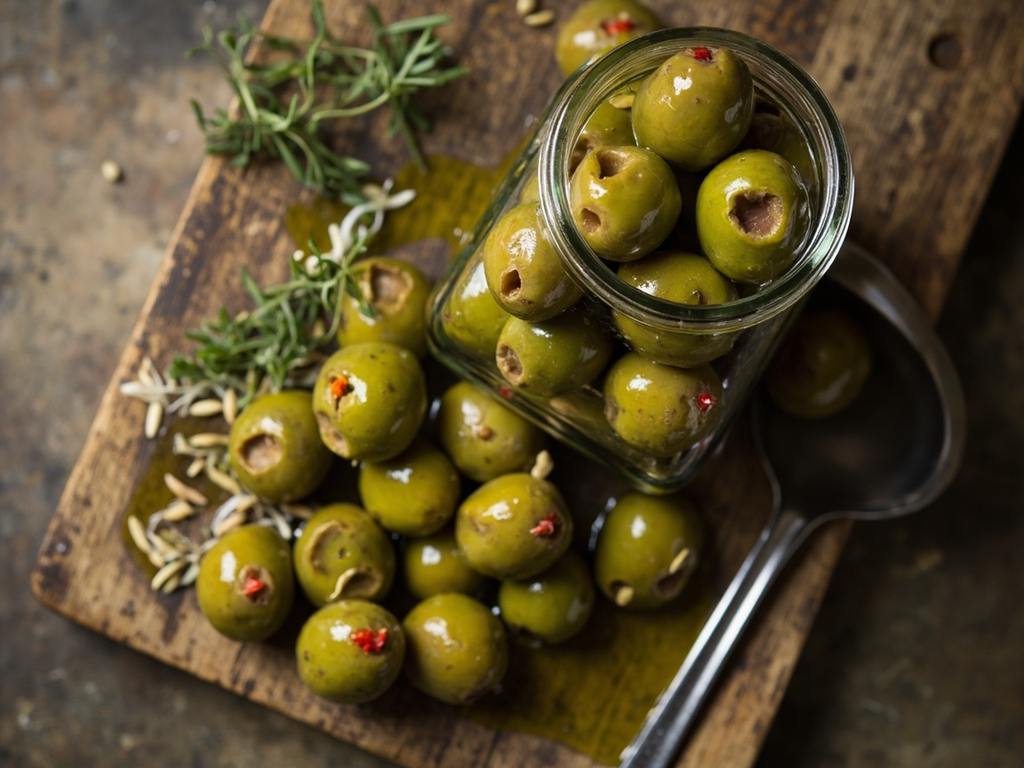
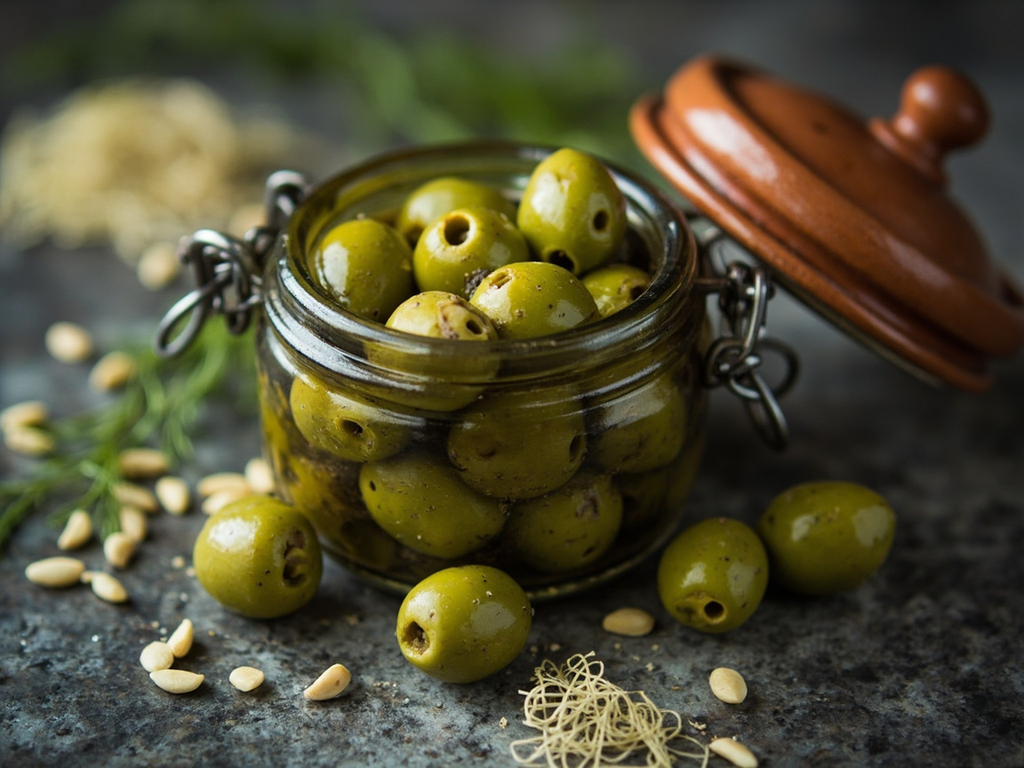
Cracked olives in herb and fennel brine
Why this dish? The olive tree was Carthage's wealth: its olive groves, described by the Punic agronomist Mago, made Rome envious. Putting olives in brine turned the autumn harvest into a winter reserve—a Carthaginian skill that Hannibal's soldiers carried in jars to season their porridge during the campaign.
Green olives split, purged, and preserved in a brine scented with fennel and herbs. Salty, bitter, slightly fermented: the reserve that enlivened any soldier's meal.
Our African land yields olives like no other—Mago himself wrote how to get the best from them. You split the fruit with a stone blow, let it lose its bitterness in water changed daily, then seal it in brine with wild fennel. Sealed with good oil, the jar keeps its harvest until spring. On campaign, a handful of these olives sufficed to give courage to the saddest porridge; I never broke camp without them.
- •Fresh green olives — a full basket (base)
- •Salt — for brine (preservation)
- •Wild fennel (seeds and stalks) — a few branches (flavor)
- •Herbs (oregano, fenugreek) — a handful (flavor)
- •Olive oil — to seal (air barrier)
Cracked olives in herb and fennel brine
Green olives split, purged, and preserved in a brine scented with fennel and herbs. Salty, bitter, slightly fermented: the reserve that enlivened any soldier's meal.
Why this dish? The olive tree was Carthage's wealth: its olive groves, described by the Punic agronomist Mago, made Rome envious. Putting olives in brine turned the autumn harvest into a winter reserve—a Carthaginian skill that Hannibal's soldiers carried in jars to season their porridge during the campaign.
Our African land yields olives like no other—Mago himself wrote how to get the best from them. You split the fruit with a stone blow, let it lose its bitterness in water changed daily, then seal it in brine with wild fennel. Sealed with good oil, the jar keeps its harvest until spring. On campaign, a handful of these olives sufficed to give courage to the saddest porridge; I never broke camp without them.
Ingredients (period version)
- Fresh green olives — a full basket (base)
- Salt — for brine (preservation)
- Wild fennel (seeds and stalks) — a few branches (flavor)
- Herbs (oregano, fenugreek) — a handful (flavor)
- Olive oil — to seal (air barrier)
Ingredients
- Raw green olives (untreated) — 500 g (base)
- Coarse salt — 100 g per liter of water (brine)
- Water — 1 liter (brine)
- Fennel seeds — 1 tbsp (flavor)
- Dried oregano and fennel stalks — 1 handful (flavor)
- Olive oil — to cover (air barrier)
Method
- Crack each olive with a knife blow or lightly crush it.
- Cover with cold water and let soak for 7 to 10 days, changing the water daily, to remove bitterness.
- Prepare the brine: dissolve coarse salt in water (100 g per liter).
- Place olives in a jar with fennel seeds, oregano, and fennel stalks; cover with brine.
- Pour a little olive oil on top to seal from air, close, and let mature at least 3 to 4 weeks in a cool place before tasting.
How it was made : The agronomy treatise of the Carthaginian Mago was so esteemed that the Roman Senate ordered its translation into Latin after the fall of Carthage—proof of the prestige of Punic agricultural knowledge, especially olive cultivation. Preserving olives in brine, attested throughout the ancient Mediterranean, relied on water-soaking to remove bitterness, then salt and slow fermentation to ensure a several-month supply.
The contemporary twist : Serve them as an *apéritif* Mediterranean-style, warm, reheated with a lemon zest and fresh fennel—the appetizer straight from the olive groves of Carthage.
Sources : Pliny the Elder, Natural History (mention of Mago and Punic olive cultivation) · Columella, De re rustica (citations of Mago, olive preservation) · Andrew Dalby, Food in the Ancient World from A to Z (2003)
Hannibal Barca · Charactorium