The Punic Meal (around *puls* and oil)
In Carthage as in its army, the meal was organized not as starter-main-dessert but around a cereal base—the *puls*, a porridge of wheat or barley—that ranged from the humblest (water, salt, oil) to the richest (fresh cheese, honey, eggs). Around it gravitated the *opson*, the "accompaniments": olives, legumes, salted fish, figs, and dates. Olive oil and watered wine bound everything together; the festive meal added no new dishes but enriched the base. On campaign, Hannibal's army lived off the land: this structure was adapted to foraged supplies, from Italian wheat to dried fruits carried for the march.
Signature : The *puls* and honey of Carthage
The cereal porridge (*puls*) is the soul of the Punic table, and its festive version—the *puls punica*, mixed with fresh cheese, honey, and eggs—is one of the very few Carthaginian recipes that antiquity has transmitted to us in writing. Honey, olive oil, and sweet fruits (figs, dates) mark the Mediterranean sweetness of this cuisine.
Hannibal Barca at the table
246 av. J.-C. — 182 av. J.-C.
5 period recipes
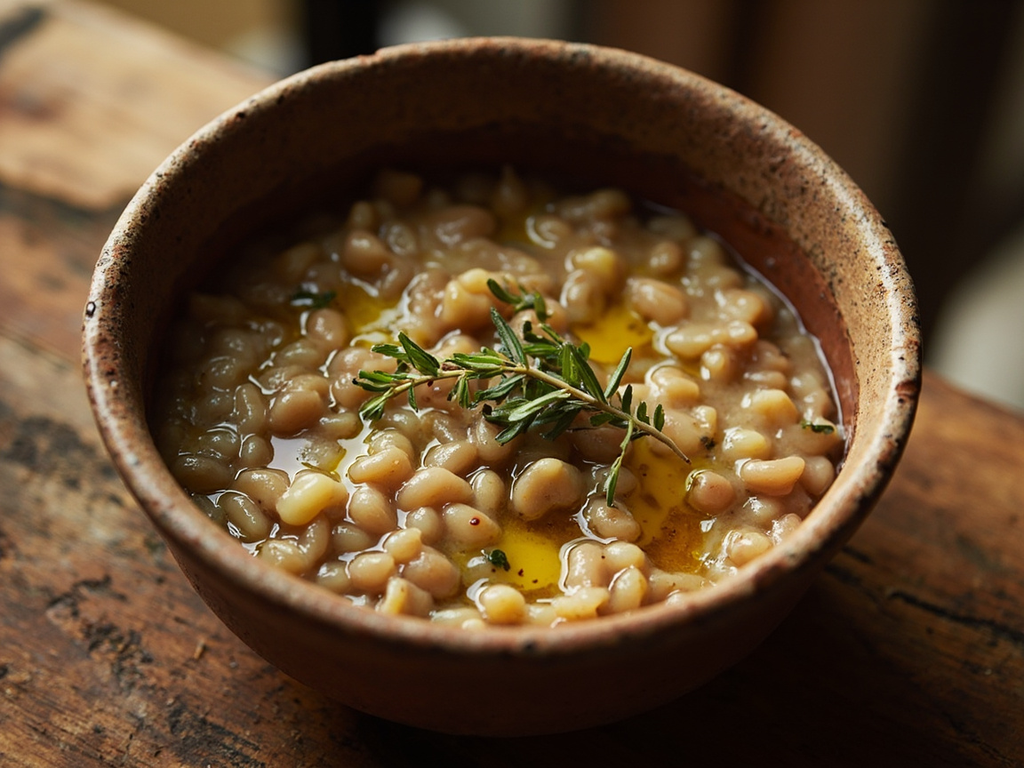 Everyday
Soldier's *puls* — barley porridge with oil and legumes
Meal base (*puls* of the camp)
🧂 🍄· 1 h (plus soaking)
View the recipe
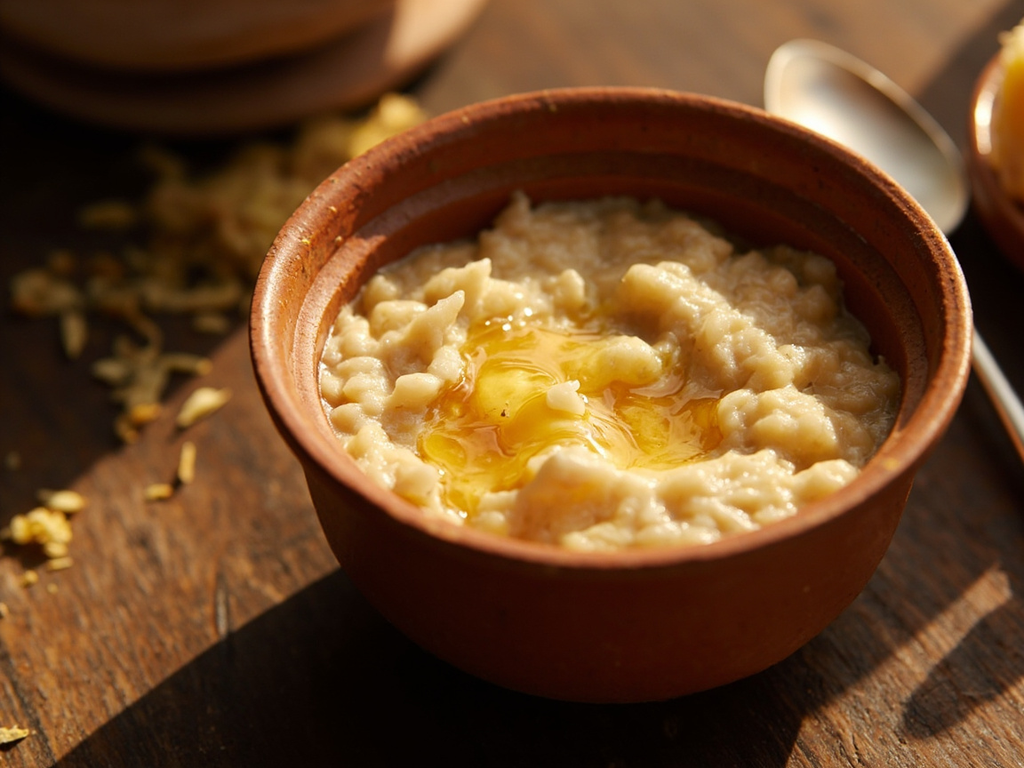 Festive
Puls Punica — Punic porridge with fresh cheese and honey
Festive meal base (enriched *puls*)
🍯 🍄· 40 min (plus soaking)
View the recipe
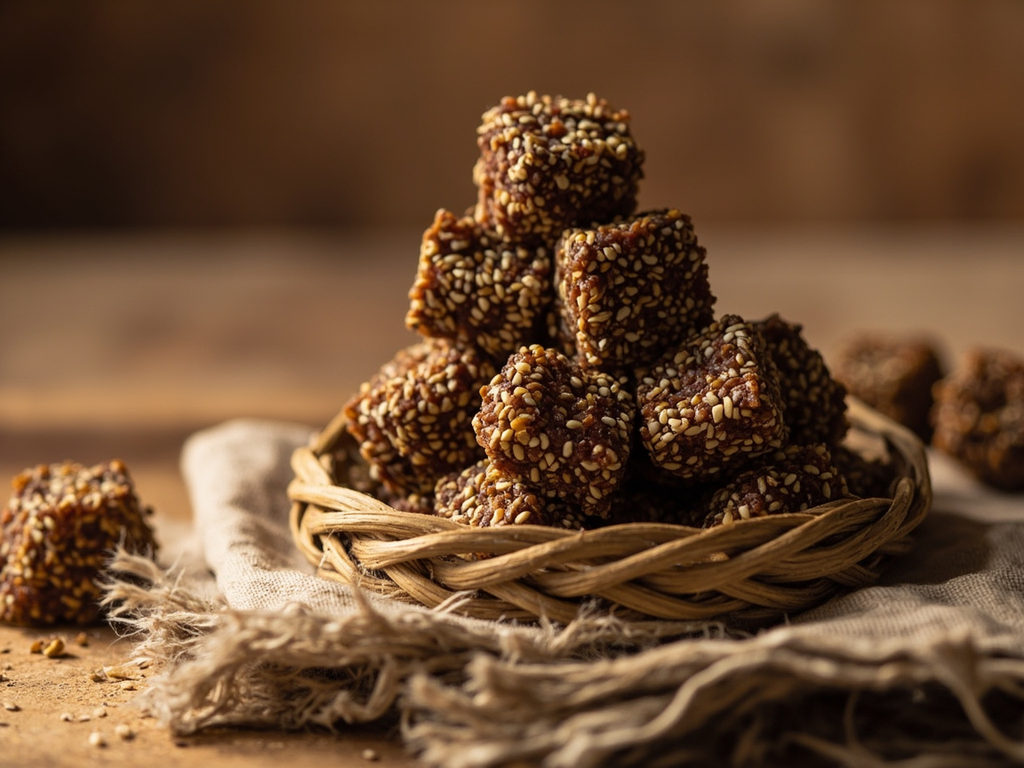 Travel
March cakes — pressed figs and dates with almonds
Travel provisions (*viatique* of the infantryman)
🍯· 25 min
View the recipe
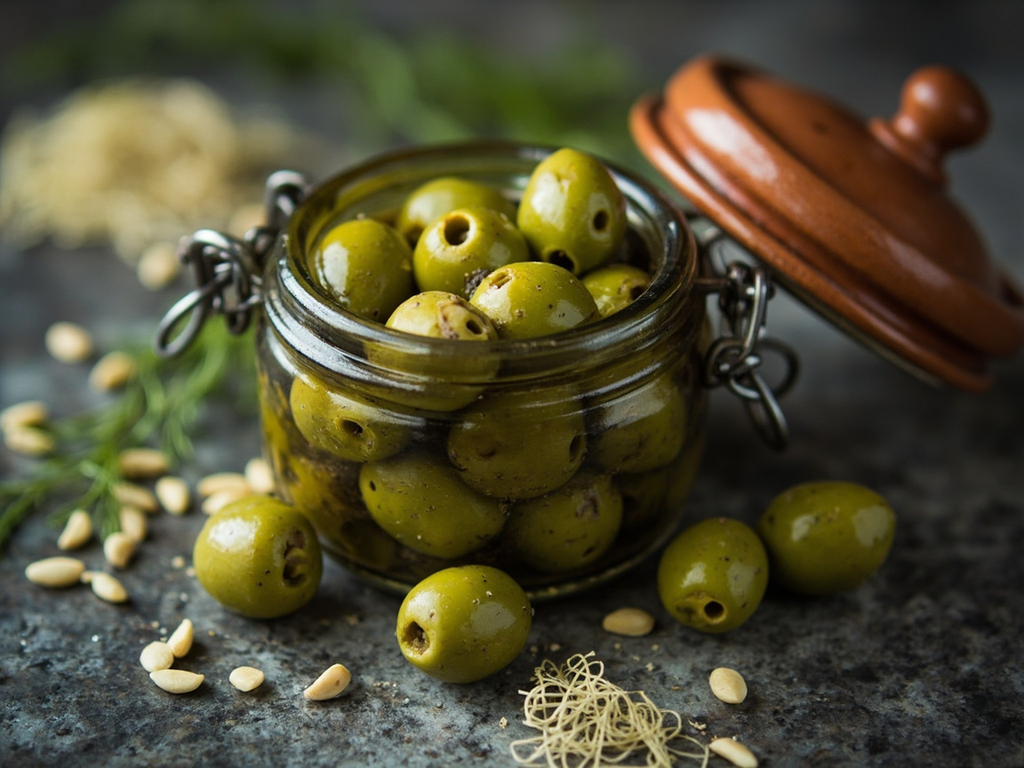 Preserving
Cracked olives in herb and fennel brine
Preserved accompaniment (*opson* of storage)
🧂 ☕ 🫙· 30 min (+ 7-10 days soaking, 3-4 weeks maturation)
View the recipe
 Drink
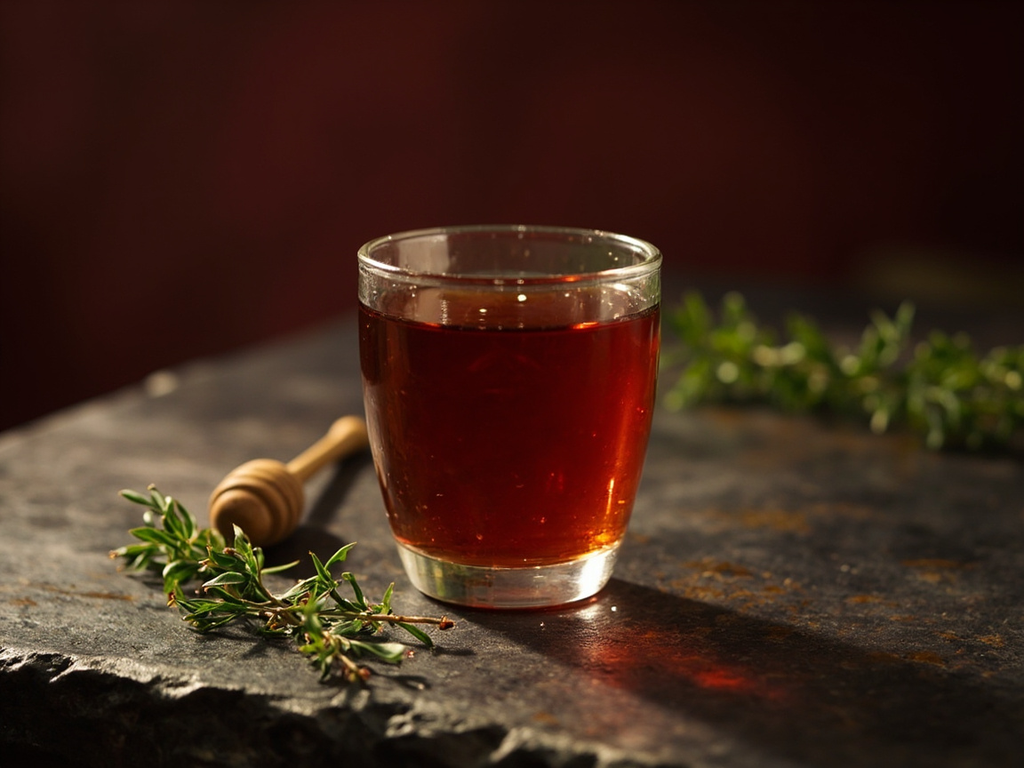
DrinkWine cut with honey and thyme — the general's cup
Table and camp drink (*vin miellé*)
🍯 🍋 🫙· 10 min
View the recipe