 flip
flipMaza, the Everyday Barley Cake
Maza, the Everyday Barley Cake
Why this dish? Before the oxen smoke on her altars on feast days, the sanctuary of Hera at Argos feeds its servants and pilgrims with the humblest and most constant food of Greece: the barley maza. It is the daily bread kneaded at the foot of her temple, the sustenance that supports those who watch over her cult.
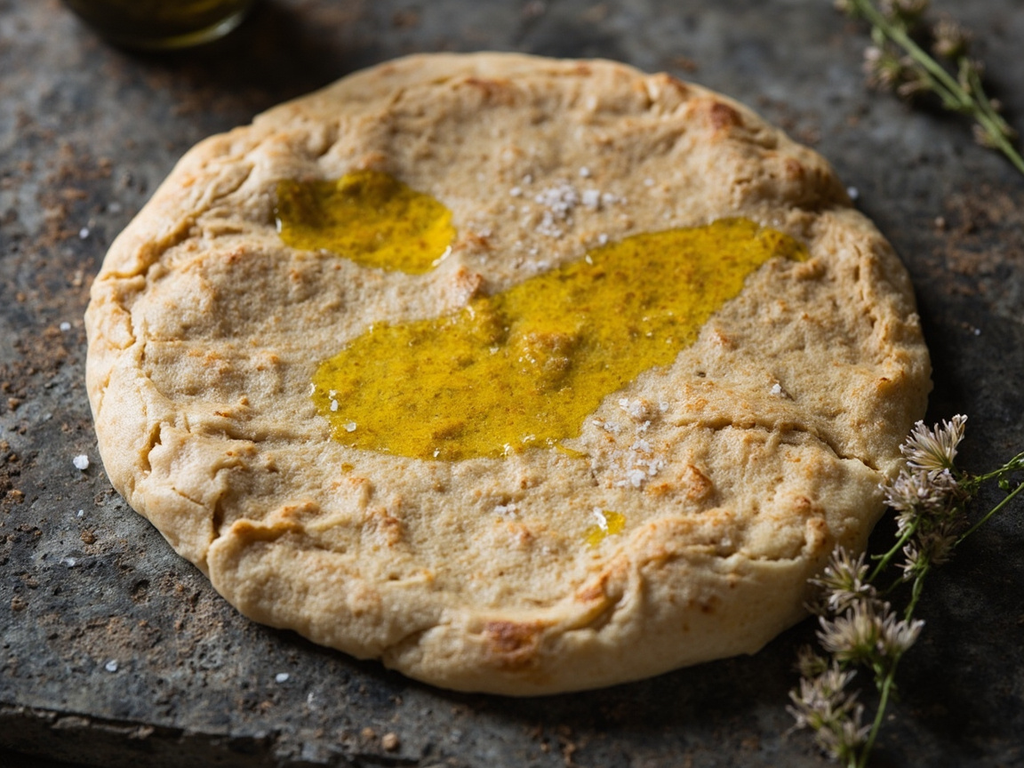
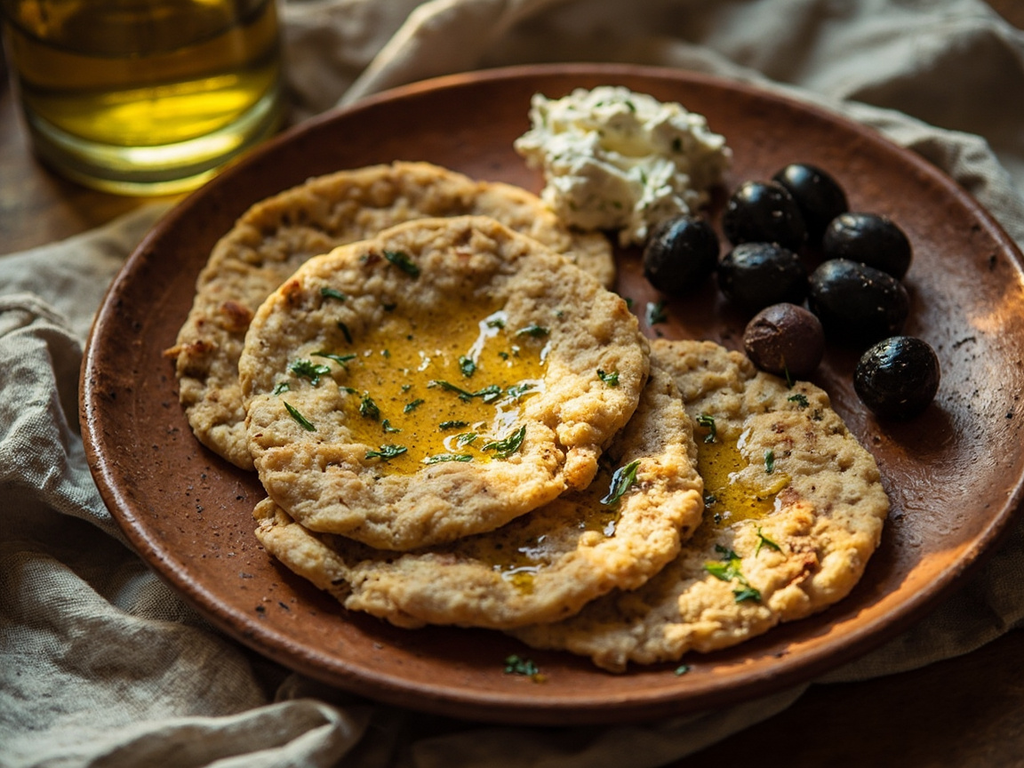
A dense, nourishing flat cake of roasted then ground barley, kneaded with water and a drizzle of oil. No oven baking required: it is often eaten raw-kneaded, like a firm dough, seasoned with a little salt and sometimes herbs.
Learn, mortal, that even the queen of Olympus knows whence the smoke of offerings rises: from the simple barley your hands knead. On my altar at Argos, my servants roast the grain, grind it on the millstone, and knead it with spring water and a little oil. It is eaten thus, firm under the tooth, and thanks are given. Keep this cake for your ordinary days: it is better than many feasts, for it speaks of the measure and constancy I require of all.
- •Roasted barley flour — two handfuls (base)
- •Spring water — as needed to bind (binder)
- •Olive oil — a drizzle (softness)
- •Salt — a pinch (seasoning)
Maza, the Everyday Barley Cake
A dense, nourishing flat cake of roasted then ground barley, kneaded with water and a drizzle of oil. No oven baking required: it is often eaten raw-kneaded, like a firm dough, seasoned with a little salt and sometimes herbs.
Why this dish? Before the oxen smoke on her altars on feast days, the sanctuary of Hera at Argos feeds its servants and pilgrims with the humblest and most constant food of Greece: the barley maza. It is the daily bread kneaded at the foot of her temple, the sustenance that supports those who watch over her cult.
Learn, mortal, that even the queen of Olympus knows whence the smoke of offerings rises: from the simple barley your hands knead. On my altar at Argos, my servants roast the grain, grind it on the millstone, and knead it with spring water and a little oil. It is eaten thus, firm under the tooth, and thanks are given. Keep this cake for your ordinary days: it is better than many feasts, for it speaks of the measure and constancy I require of all.
Ingredients (period version)
- Roasted barley flour — two handfuls (base)
- Spring water — as needed to bind (binder)
- Olive oil — a drizzle (softness)
- Salt — a pinch (seasoning)
Ingredients
- Barley flour — 150 g (base)
- Warm water — 80 to 100 ml (binder)
- Olive oil — 2 tbsp (softness)
- Salt — 1/2 tsp (seasoning)
- Dried oregano or thyme — 1 tsp (flavor (optional))
Method
- In a bowl, mix the barley flour with the salt and herbs.
- Pour in the olive oil, then add the warm water little by little while kneading, until you get a firm dough that holds together.
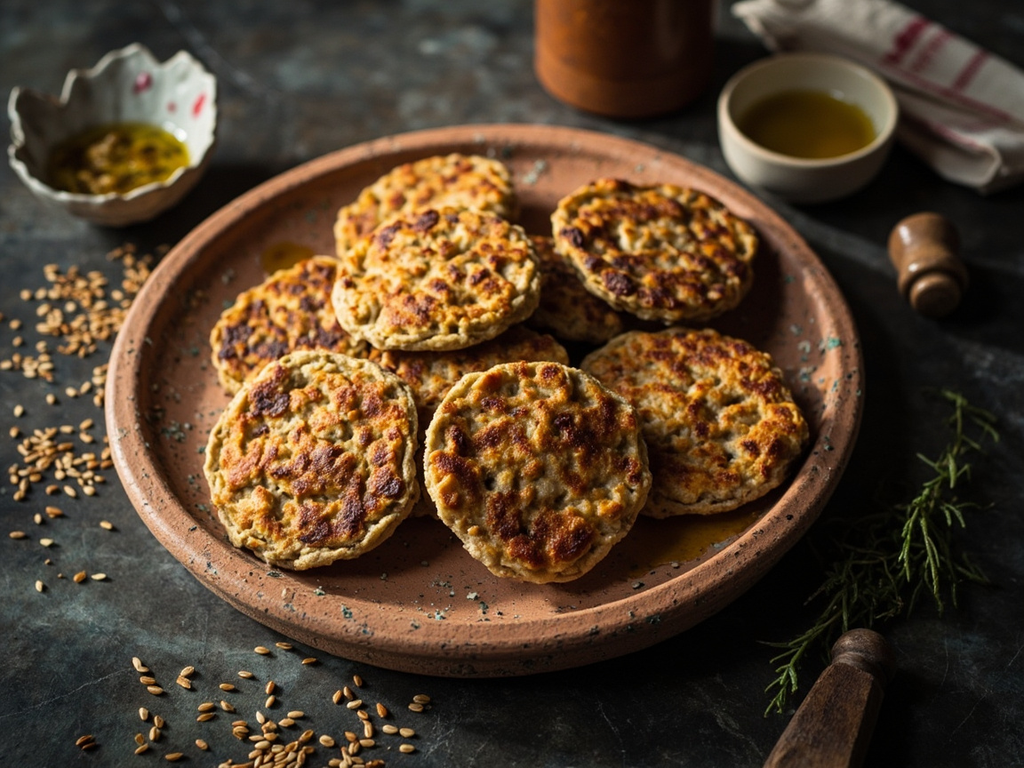
- Shape into flat cakes about 1 cm thick.
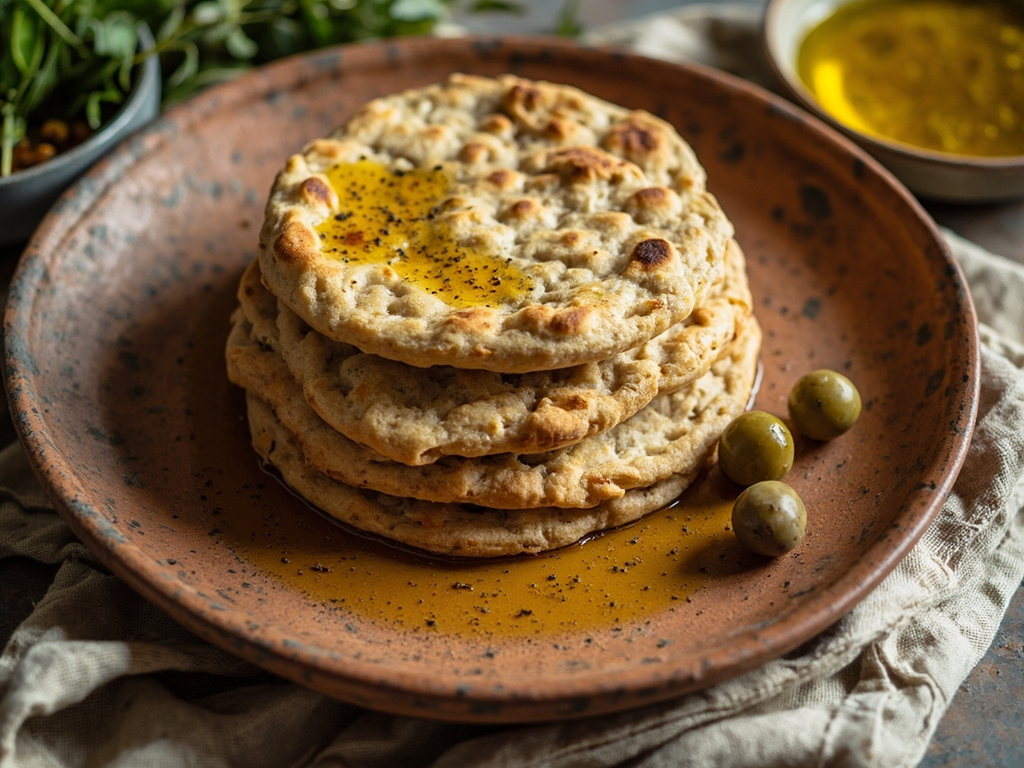
- For an authentic 'raw' version, eat them as is after a short rest. For a cooked version, place them on a hot griddle or dry pan and cook for 4 to 5 minutes on each side until golden.
- Serve warm with a drizzle of oil and, if you like, a little fresh cheese.
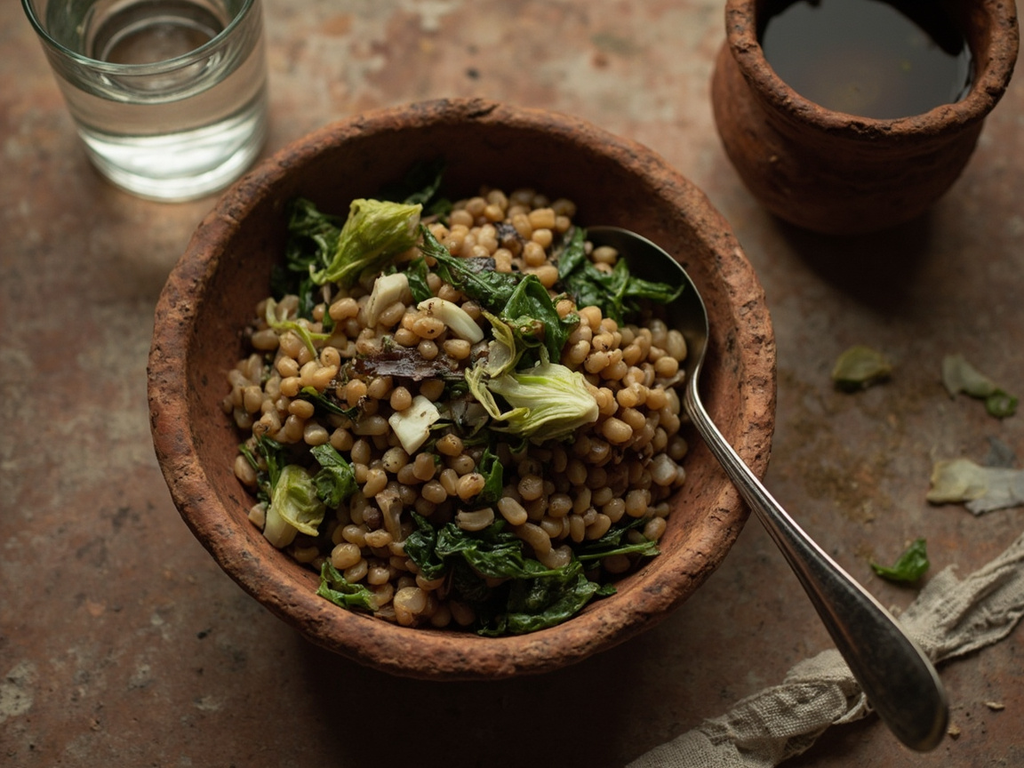
How it was made : Maza was the staple food of ancient Greece, more common than leavened wheat bread. Barley was roasted before grinding (barley does not bread well), and the dough was often eaten without cooking, simply kneaded. Athenaeus cites many variants in The Deipnosophists.
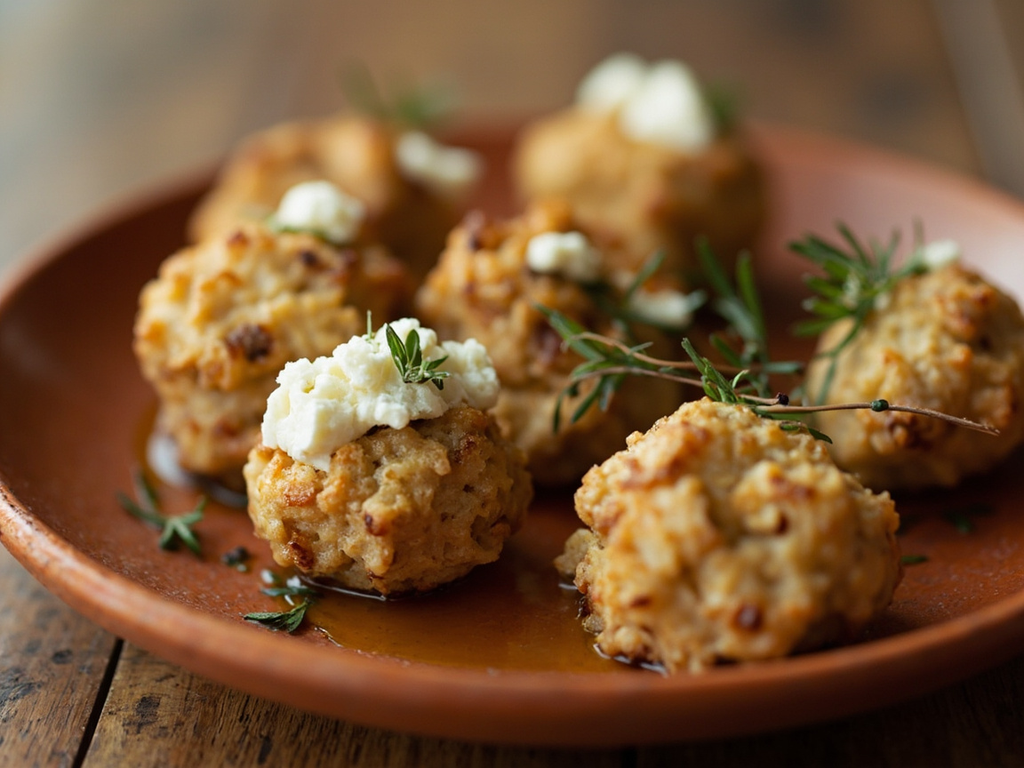
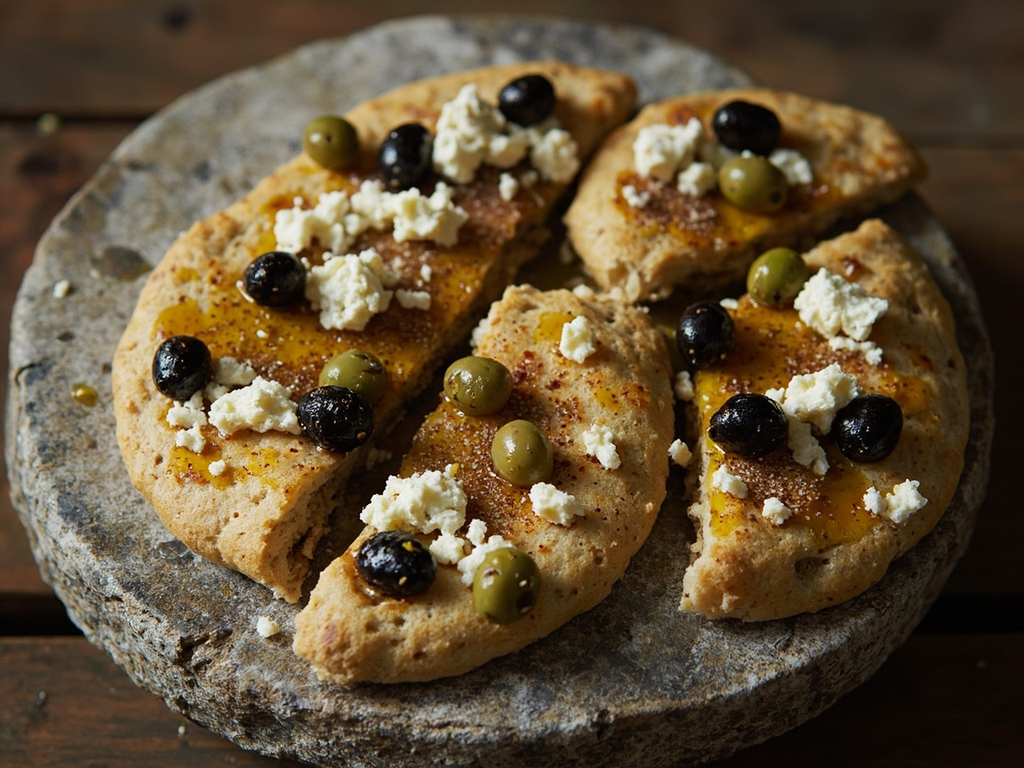
The contemporary twist : Served as mini appetizer flat cakes, sprinkled with toasted sesame seeds and a veil of crumbled feta: maza becomes an ancient cracker that surprises guests.
Sources : Athenaeus, The Deipnosophists · Andrew Dalby, Siren Feasts: A History of Food and Gastronomy in Greece
Hera · Charactorium