The Cuban Criollo Table
The everyday Cuban meal revolves around the midday *almuerzo*, the true pillar of the day: rice always present, black beans, a *vianda* (root vegetable or plantain, boiled or fried), a meat—most often pork—all bound together by *sofrito*, that foundation of onion, garlic, bell pepper, and tomato sautéed in oil. One closes with a strong *cafecito*. Lydia Cabrera grafted onto this the other memory of the island: that of Afro-Cuban cuisines, where certain dishes not only nourish the body but 'speak' to the *orishas*. Here, Creole daily life and African heritage share the same table.
Signature : Sofrito and Naranja Agria
Two gestures define this entire table: *sofrito* (onion-garlic-bell pepper-tomato melted in oil, the aromatic base of almost everything) and *naranja agria*, the sour orange whose tart juice, mixed with crushed garlic, becomes *mojo*—Cuba's emblematic marinade-sauce. Alongside, the African heritage brings its own vegetal signature: *quimbombó* (okra), brought from Africa, an edible link between the two shores of the Atlantic that Cabrera spent her life studying.
Lydia Cabrera at the table
1899 — 1991
5 period recipes
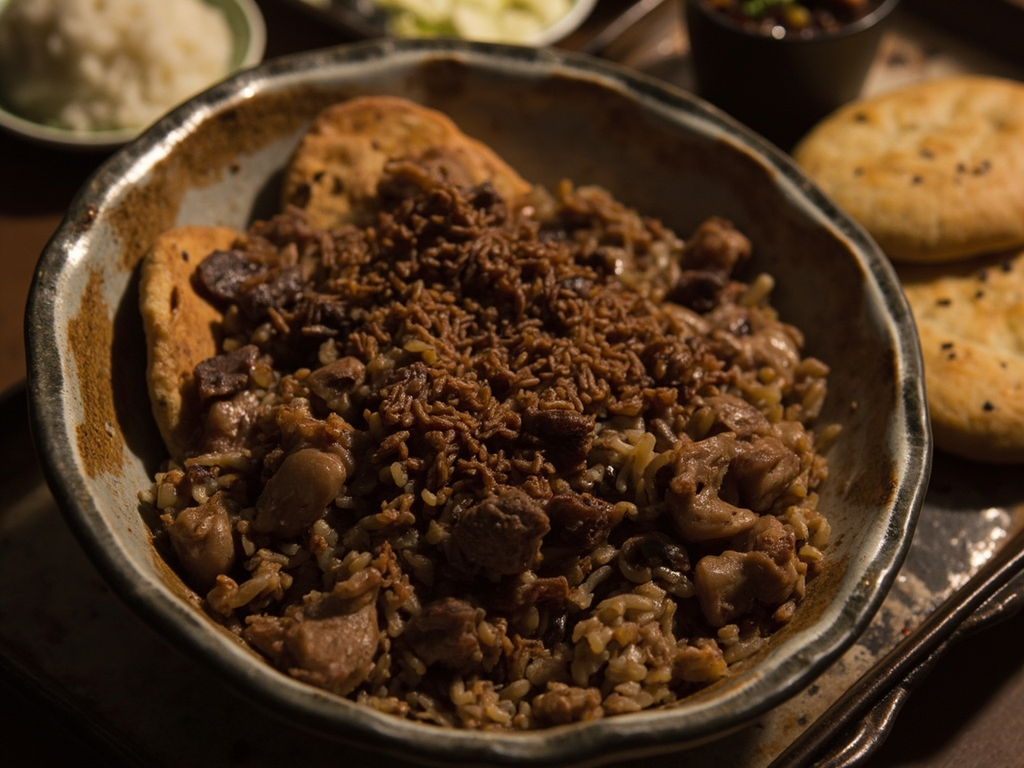 Everyday
Congrí Oriental-Style (Rice and Black Beans)
Main dish of the *almuerzo* — the rice-and-beans foundation of the *mesa criolla*
🧂 🍄· 1 h 30
View the recipe
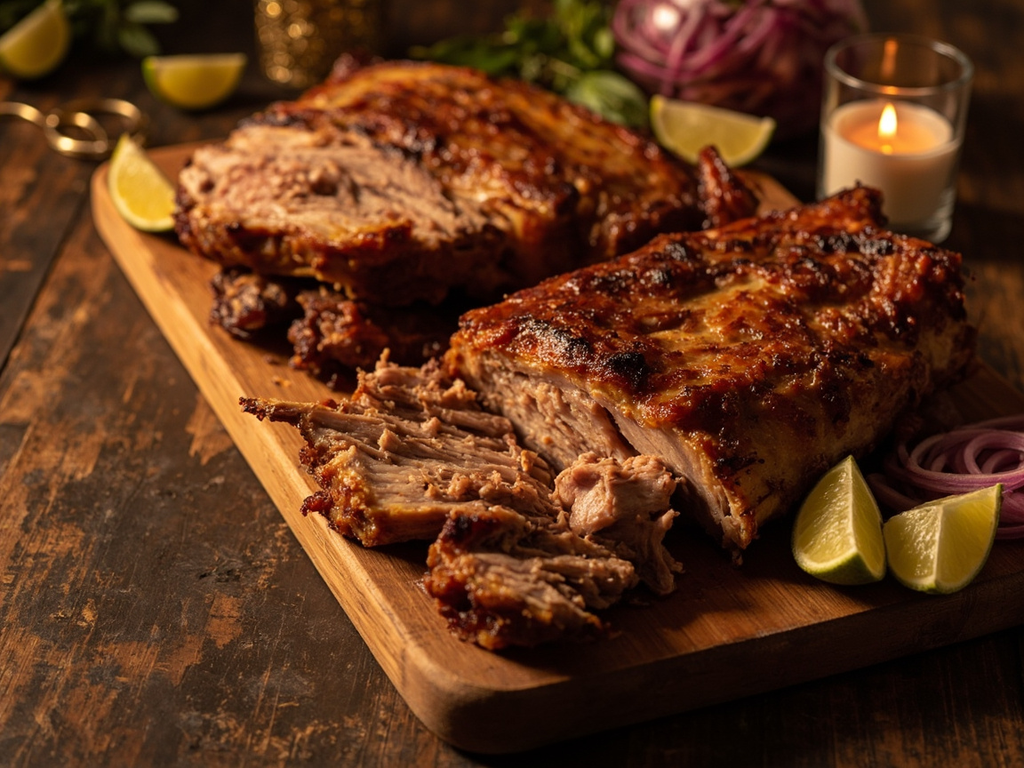 Festive
Lechón Asado with Sour Orange Mojo
Festive dish — the centerpiece of large gatherings and *Nochebuena*
🧂 🍋· 5 h (plus overnight marinade)
View the recipe
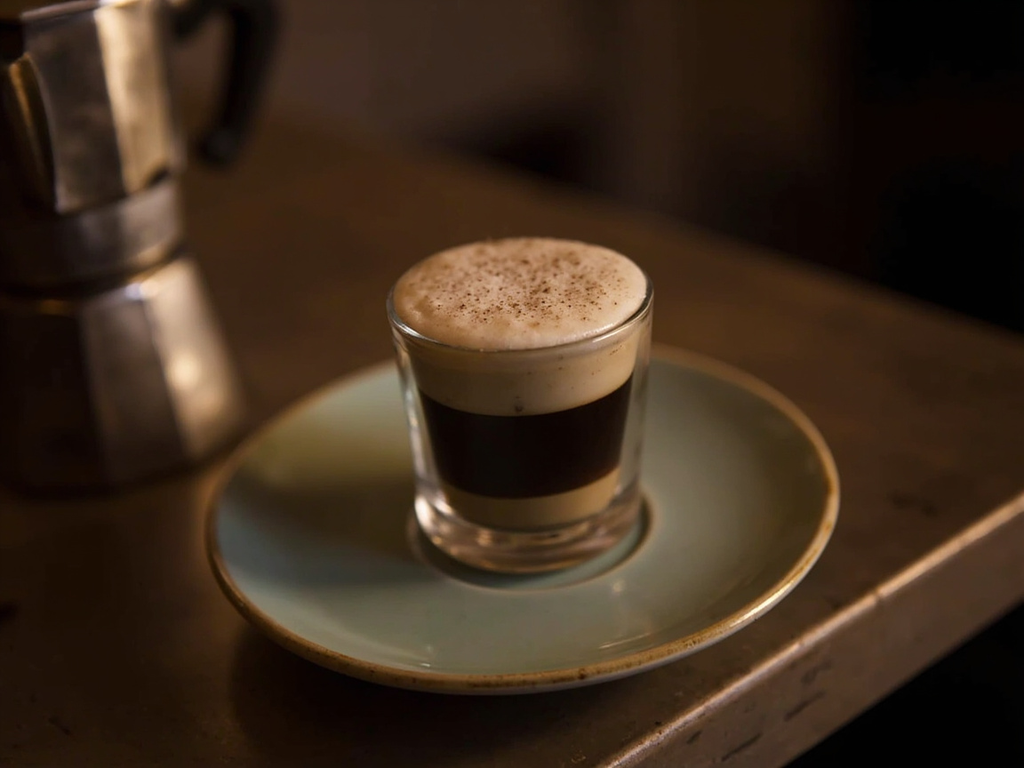 Drink
DrinkCafecito Cubano (Strong Sweetened Coffee)
*El cafecito* — the tiny cup that punctuates and closes every meal, and fuels long hours of work
☕ 🍯· 10 min
View the recipe
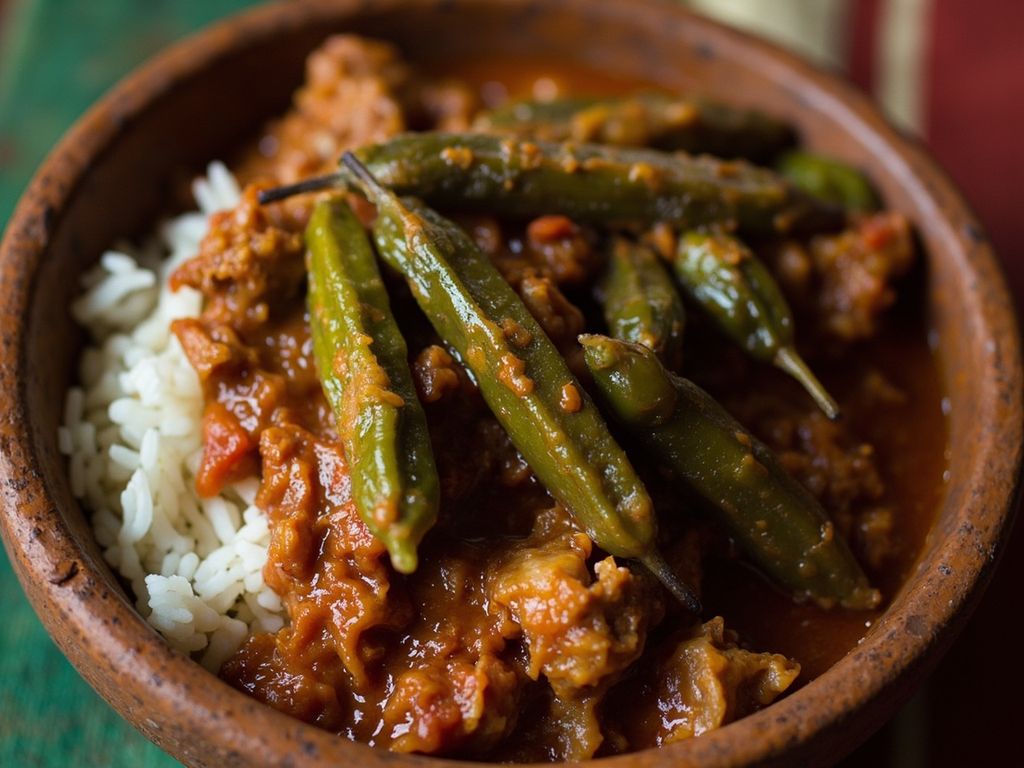 Offering
Quimbombó with Pork (Inspired by Offerings to Changó)
*Comida de santo* — Afro-Cuban dish associated with the *orishas*, here served at the family table
🧂 🍄· 1 h 15
View the recipe
 Street food
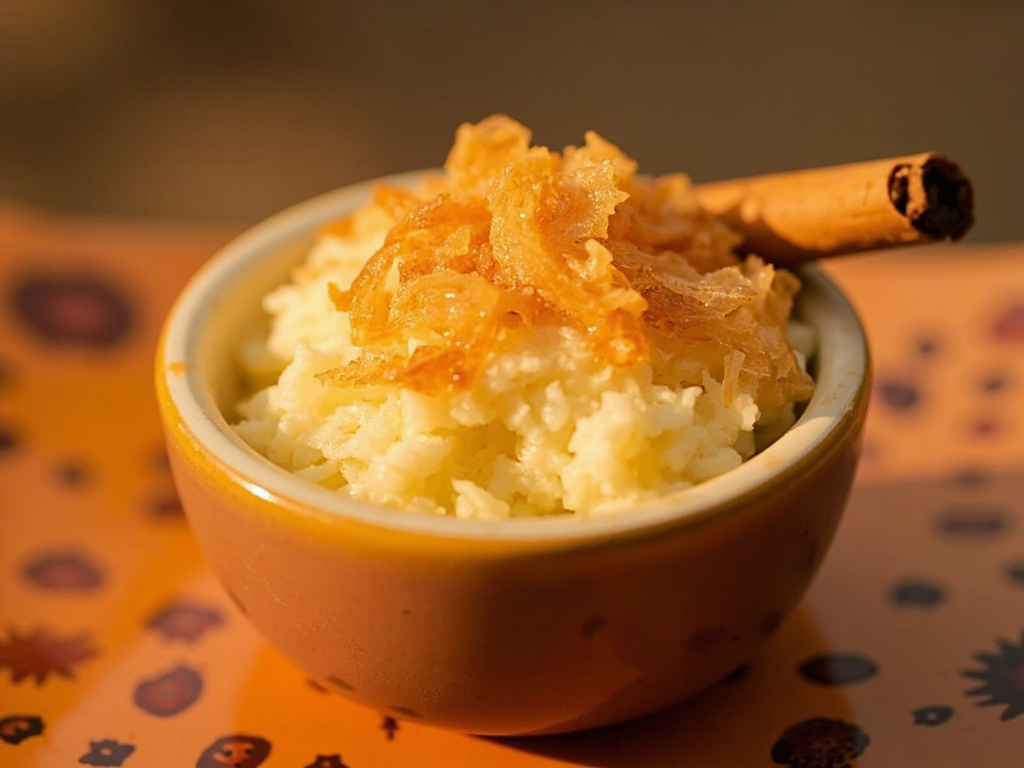
Coco Quemado (Grilled Coconut Sweet)
*Dulce de merienda* — the late-afternoon sweet and street snack
🍯· 45 min
View the recipe